
DMV Customer Service Representative: Complete Guide to DC DMV Registration and How to Get Help Fast
✅ Learn how a DMV customer service representative can help with DC DMV registration, vehicle titles, and more. Get tips to resolve issues fast.

A DMV customer service representative is the frontline professional who helps drivers navigate everything from DC DMV registration to title transfers, license renewals, and vehicle inspections. Whether you are a first-time car owner trying to register a newly purchased vehicle or a longtime resident confused by updated fee schedules, these representatives are trained to walk you through every step of the process with accuracy and patience. Understanding their role can save you hours of frustration and multiple trips to the office.
DC DMV registration, in particular, involves a series of requirements that can feel overwhelming without guidance. You must provide proof of ownership, valid DC insurance, a passing vehicle safety inspection, and payment for registration fees — all before your tags become legal. A knowledgeable DMV representative understands exactly which documents to check, which exemptions apply, and how to catch errors before they delay your registration. That expertise is what distinguishes a trained representative from a basic clerical worker.
The role of a DMV representative extends well beyond handing out forms. Representatives are expected to explain complex regulations in plain language, resolve disputes about fees or penalties, verify the authenticity of submitted documents, and maintain accurate records in state databases. In busy offices like those in Washington DC, a single representative may process dozens of registration transactions per hour while still delivering accurate, compliant service to each customer.
For many residents, the biggest question is not what to bring to the DMV but how to connect with a real person who can help them sort out a complicated situation. If your registration was rejected because of a lien release discrepancy or a VIN mismatch on your title, you need someone with authority and knowledge — not just a kiosk. This guide explains what DMV customer service representatives do, how they are trained and certified, and how you can reach one when you need help most.
Aspiring representatives also benefit from this guide. The DMV Representative Exam covers topics ranging from consumer protection rules and vehicle inspection standards to records management and fee calculation. Preparing thoroughly for that exam is the first step toward a stable, rewarding career in public service. Throughout this article, you will find study resources, practice test links, and exam preparation strategies to help you succeed on your first attempt.
One often-overlooked resource for drivers is the dmv registration study materials available online, which complement your understanding of what representatives verify during the registration process. When both drivers and representatives share a working knowledge of road rules and registration requirements, transactions go faster and errors drop significantly. This dual-perspective understanding is exactly what this article aims to build, whether you are sitting across the counter or behind it.
By the end of this guide, you will understand the full scope of what a DMV customer service representative does, what the certification exam covers, how to prepare effectively, and how to resolve common registration problems quickly. Let's start with the numbers that define this career and this process.
DC DMV Registration by the Numbers
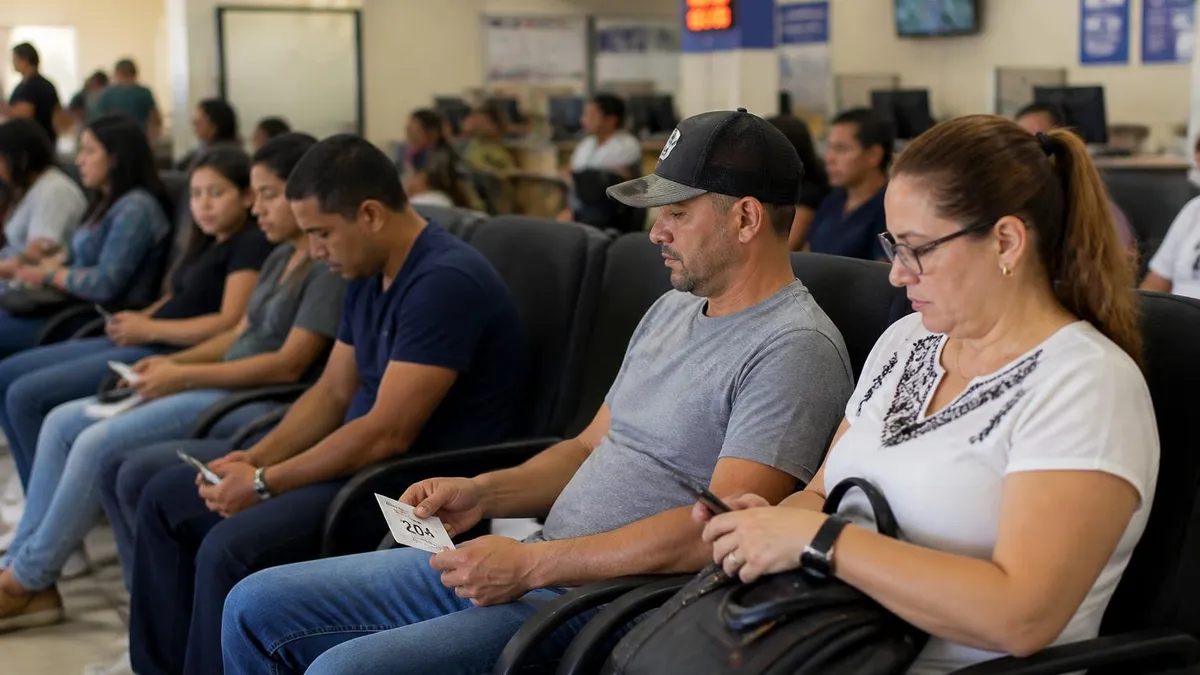
DC DMV Registration: Step-by-Step Process
Gather Required Documents
Pass a Vehicle Safety Inspection
Calculate and Pay Registration Fees
Submit at a DC DMV Service Center
Receive Tags and Registration Card
A DMV representative is not simply a clerk who stamps forms — they are a trained public servant responsible for enforcing motor vehicle law at the point of contact with the public. In DC and across the country, these professionals undergo formal training covering vehicle codes, fee schedules, identity verification protocols, fraud detection, and customer service standards. The breadth of knowledge required is substantial, which is why most states now require candidates to pass a standardized exam before they can work behind a DMV counter.
In Washington DC, representatives handle a remarkably diverse range of transactions every day. A single shift might include processing first-time vehicle registrations for new DC residents, helping senior citizens renew their Real ID-compliant driver's licenses, assisting small fleet operators with commercial vehicle titling, resolving title problems for cars that were inherited or gifted, and explaining penalty structures to drivers whose registrations lapsed. Each transaction requires a different knowledge set, and the representative must shift between them fluently without making errors that could create legal problems for the customer.
Consumer protection is a core component of the DMV representative's responsibilities. Representatives are trained to identify fraudulent titles, spot altered odometer readings, flag salvage-branded vehicles that are being improperly represented as clean-title cars, and recognize forged insurance documents. These safeguards protect ordinary consumers from unknowingly purchasing vehicles with hidden legal problems. When a representative catches a discrepancy and explains it to a customer, that intervention can prevent thousands of dollars in financial loss and significant legal headaches down the road.
Dispute resolution is another critical skill. When a customer believes they have been incorrectly fined, that a fee was miscalculated, or that their vehicle was improperly flagged, the representative must listen carefully, review the relevant records, and either resolve the issue at the counter or escalate it to a supervisor with a clear summary of the problem. Representatives who handle disputes poorly — dismissing concerns or escalating unnecessarily — create backlogs and erode public trust in government services. Strong dispute resolution skills are therefore a professional and institutional priority.
Beyond individual transactions, DMV representatives contribute to data integrity across the entire motor vehicle system. Every title transfer, address change, lien notation, and registration renewal is entered into a statewide database that is shared with law enforcement, courts, insurance companies, and other government agencies. Errors in that database — a transposed VIN digit, a misspelled name, a wrong address — can cause problems that ripple outward for years. Representatives are trained to double-check their data entry and to correct errors immediately when they are discovered, rather than allowing them to propagate through connected systems.
Career growth in the DMV representative field is real and structured. Entry-level representatives typically start at a general service window handling the most common transaction types. Over time, they may specialize in commercial vehicle titling, handicapped placard processing, dealer licensing, or audit and compliance functions. Senior representatives and supervisors may be involved in training new staff, developing office procedures, or liaising with law enforcement on title fraud investigations. The career path offers genuine advancement for those who invest in professional development and take the certification process seriously.
Preparing for the DMV Representative Exam requires mastering a wide body of material, from vehicle inspection standards and emissions regulations to consumer protection statutes and records retention rules. Practice tests are one of the most effective study tools available, and the quiz tiles throughout this article link directly to free practice questions covering the exam's key topic areas. Candidates who complete multiple full-length practice tests before exam day consistently outperform those who rely solely on reading the study guide, making active practice an essential part of any serious preparation plan.
How to Speak to a DMV Representative in NY and Other States
Reaching a live DMV customer service representative by phone requires patience and timing. In New York, the DMV contact center operates Monday through Friday during business hours, and call volumes peak on Monday mornings and the day after holidays. Calling mid-week between 10 AM and 2 PM typically results in shorter hold times. Have your driver's license number, vehicle identification number, and registration expiration date ready before you dial so the representative can pull up your account immediately.
When the automated system answers, listen carefully for options that route to a live agent rather than self-service menus. In NY, pressing zero repeatedly or saying "representative" at the main menu often accelerates the transfer. If you are asked to leave a callback number, do so — most state DMV offices have improved callback systems that honor your place in the queue. Once connected, be concise and specific about your problem; representatives can resolve most issues in a single call if you arrive prepared with your documents and account details.
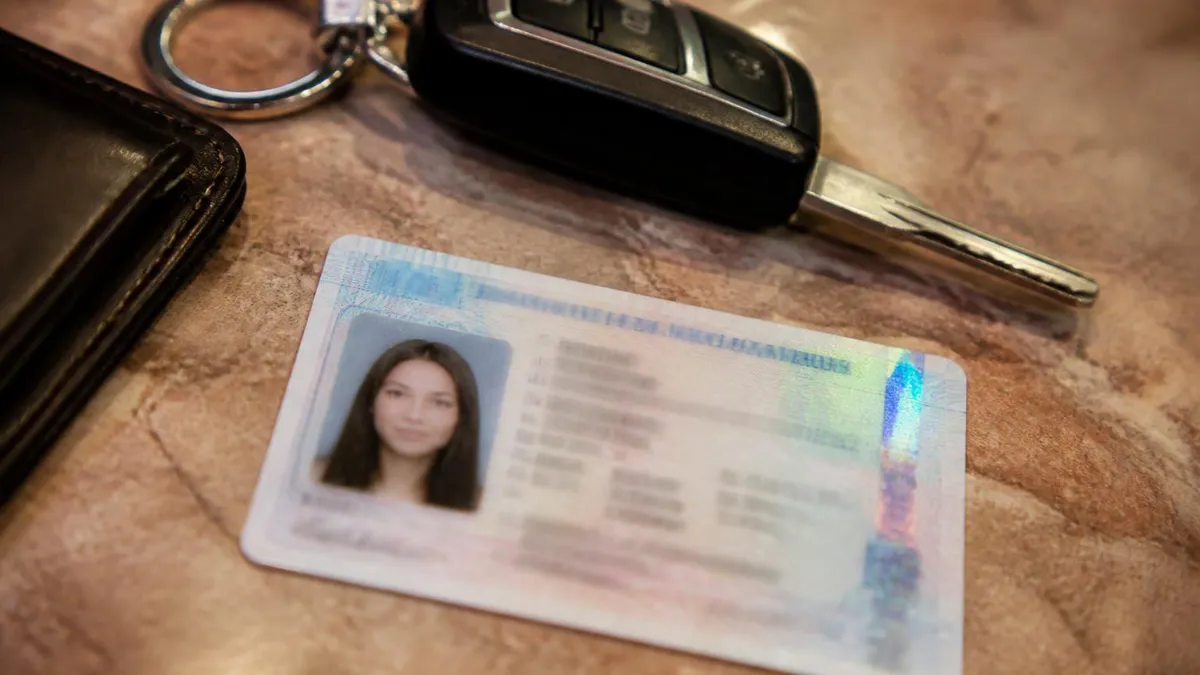
DMV Representative Career: Pros and Cons to Consider
- +Stable government employment with strong job security and predictable hours
- +Competitive salary averaging $64,000 per year with regular step increases
- +Comprehensive benefits including health insurance, pension, and paid leave
- +Clear career advancement path from entry-level to supervisor and specialist roles
- +Opportunity to serve the public directly and make a tangible difference daily
- +Structured training programs that build knowledge across motor vehicle law, consumer protection, and fraud detection
- −High-stress customer interactions, especially during peak registration periods
- −Repetitive transaction processing can become monotonous for some employees
- −Salary growth tied to government pay scales, which may lag private-sector alternatives
- −Complex regulatory environment requires ongoing learning as laws and fee schedules change
- −Limited remote work options since most transactions require in-person document review
- −Accountability for data entry errors that can affect customers' legal standing for years
DC DMV Registration Checklist: Everything You Need to Bring
- ✓Bring your original vehicle title or Manufacturer's Certificate of Origin (MCO) — photocopies are not accepted.
- ✓Obtain a current DC auto insurance card or declaration page listing the vehicle's VIN exactly as it appears on the title.
- ✓Schedule and pass a DC vehicle safety inspection at a certified station and bring the inspection certificate.
- ✓Complete Form DMV-002 (Application for Certificate of Title and Registration) fully before arriving at the service center.
- ✓Bring a valid government-issued photo ID such as a DC driver's license, Real ID, or passport.
- ✓Verify that any existing liens on the vehicle are satisfied and that a lien release document is included if applicable.
- ✓Calculate your registration fee based on vehicle shipping weight and bring payment in an accepted form (credit/debit card or check).
- ✓If the vehicle was a gift, bring a notarized bill of sale or gift affidavit signed by the previous owner.
- ✓New DC residents must register within 30 days of establishing residency — bring proof of DC address such as a utility bill or lease agreement.
- ✓Check whether your vehicle requires an emissions inspection in addition to the standard safety inspection, and bring both certificates if needed.
Consumer Protection Knowledge Is Heavily Tested
Approximately 30–40% of DMV Representative Exam questions cover consumer protection statutes, fraud detection procedures, and dispute resolution protocols. Candidates who underestimate this section and focus only on vehicle inspection or fee calculation topics often fall short of the passing score. Dedicate at least one-third of your study time to understanding lemon laws, odometer fraud penalties, salvage title disclosure requirements, and the escalation procedures for unresolved customer disputes.
Preparing for the DMV Representative Exam is a serious undertaking that rewards structured, consistent study over several weeks. The exam covers multiple domains — consumer protection, vehicle inspections, records management, fee calculation, and customer service standards — and candidates who approach preparation casually tend to underperform on the sections that require memorization of specific thresholds, timelines, and statutory definitions. The most successful candidates build a study schedule that addresses each domain systematically rather than jumping between topics at random.
Consumer protection is one of the most heavily weighted sections on most state DMV Representative Exams. This domain covers the rights consumers have when purchasing vehicles from dealers or private sellers, the disclosure requirements that sellers must meet under state and federal law, the penalties for odometer fraud under the federal Odometer Act, and the procedures representatives must follow when a consumer files a complaint about a defective vehicle or fraudulent sale. Understanding these rules from the perspective of someone who must enforce them — not just comply with them — is the key to answering exam questions correctly.
Vehicle inspection standards form another major exam domain. Representatives are expected to know which vehicle systems are checked during a standard DC safety inspection, what defects constitute an automatic failure, how many attempts a vehicle owner gets before they must pay a reinspection fee, and which vehicle types are exempt from certain inspection requirements. For example, brand-new vehicles with fewer than a specified number of miles may be exempt from the initial safety inspection in some jurisdictions. These nuances are exactly the kind of details that differentiate exam passers from those who need a second attempt.
Records management and data integrity questions test candidates' understanding of how vehicle and driver records are created, stored, and shared across government systems. Representatives must know how long different types of records must be retained, who is authorized to access them, how to process amendments when errors are discovered, and what privacy protections apply to personal information in the motor vehicle database. These questions can feel abstract during preparation, but they reflect real day-to-day responsibilities that have significant legal consequences when handled incorrectly.
Fee calculation is a practical skill that every representative exercises on every shift. Exam questions in this domain present scenarios — a vehicle of a given weight class being registered for the first time after a title transfer from a private seller, with a lien being added simultaneously — and ask candidates to calculate the total fees due.
Getting these calculations right requires knowing not just the base registration fee but also title transfer fees, lien notation fees, penalty amounts for late registration, and any applicable excise taxes. Practicing with real fee schedules from your state's DMV website is one of the most effective ways to prepare for this section.
Customer service standards may seem like the softest part of the exam, but questions in this area are often the trickiest because they present scenarios with no objectively correct answer and require the candidate to choose the response that best aligns with agency policy and professional best practices.
These questions test whether candidates understand when to escalate a dispute versus resolve it at the counter, how to communicate bad news (such as a registration rejection) in a way that is clear and respectful, and how to manage a transaction when a customer becomes agitated or confrontational. Role-playing common DMV scenarios during your study sessions can build the intuitive judgment these questions demand.
Practice tests are indispensable for exam preparation, but they are most valuable when used actively rather than passively. After completing a practice quiz, review every question you answered incorrectly and identify the specific rule or concept you misunderstood. Look up the relevant section of the study guide or state vehicle code and read it carefully.
Then answer several similar questions from a different practice set to confirm that you have genuinely internalized the concept rather than simply memorized the answer to one specific question. This active review cycle is the engine of effective exam preparation and the habit that separates candidates who pass on the first try from those who need multiple attempts.

In Washington DC, driving an unregistered vehicle or operating a vehicle with an expired registration is a moving violation that can result in fines of $100 or more per offense, plus a vehicle impoundment fee if the vehicle is towed. If your registration has been expired for more than six months, you may also owe late registration penalties calculated as a percentage of the base fee. Do not wait — renew your registration before the expiration date to avoid compounding fees and the risk of having your vehicle impounded during a routine traffic stop.
Getting help with a complicated registration issue often means knowing exactly what to ask and who to ask it of. Many customers arrive at a DMV service center with a problem they cannot articulate clearly — they know something is wrong with their title or registration but cannot identify the specific document or database error causing the hold.
A skilled DMV customer service representative can diagnose the problem in minutes by pulling up the vehicle's record and comparing it against the documents the customer has brought. That diagnostic efficiency is why building a clear, concise explanation of your problem before you arrive saves both parties significant time.
When your DC DMV registration is rejected, the rejection notice will typically include a code or brief explanation indicating why the transaction could not be completed. Common rejection reasons include a VIN mismatch between the title and the insurance document, an insurance policy that has a gap in coverage, a failed safety inspection, an outstanding parking ticket block on the vehicle, or a lien that appears in the DMV database as unsatisfied even though the borrower has paid it off.
Each of these problems has a specific resolution path, and understanding which one applies to your situation determines what documentation you need to gather before returning to the DMV.
Outstanding parking ticket blocks are a particularly common source of DC registration delays. DC law allows the city to place a registration block on any vehicle with three or more outstanding parking tickets totaling more than a threshold amount.
Even if you were not the owner of the vehicle when the tickets were issued, you may need to contest the tickets or prove you were not the registered owner at the time in order to clear the block. A DMV customer service representative can pull up the ticket records and explain the specific appeal process, which is faster than trying to navigate the process on your own without that system access.
Lien release problems are another frequent complication in DC title and registration transactions. When a borrower pays off a car loan, the lender is legally required to send a lien release document — either a physical paper or an electronic filing in the DMV's system — within a specified number of days.
If the lender fails to file the release on time or files it with an error, the DMV's database still shows the vehicle as having an active lien. In that scenario, the representative cannot process a clean title transfer until the lien release is confirmed. Contacting your former lender and requesting written confirmation of the lien satisfaction, then presenting that document at the DMV window, is the standard resolution path.
For drivers who inherited a vehicle without a formal title transfer — a common situation when a family member passes away and vehicle titles are not part of the estate planning process — the path to clean DC registration involves probate documentation, a court-issued letters testamentary or letters of administration, and sometimes an affidavit of heirship.
A representative who specializes in estate title transfers can guide you through the correct form sequence and explain which documents must be notarized versus which can be plain copies. Do not attempt to navigate this process without speaking to a representative directly, as the required document set varies based on whether the deceased left a will and whether the estate went through formal probate.
Residents who moved to DC from another state within the past 30 days and are registering their vehicle for the first time need to surrender their out-of-state plates, transfer their out-of-state title to DC, and obtain a new DC registration and plates in a single transaction.
If the out-of-state title is still held by a lender because the car loan is not yet paid off, the representative will need to contact the lienholder directly or accept an electronic title confirmation in lieu of a physical title. This multi-step transaction is exactly the kind of complex scenario that benefits most from a patient, experienced DMV representative who can walk you through each element rather than sending you away to gather more documents without a clear roadmap.
Understanding the full scope of what a DMV representative can help with — and knowing how to communicate your problem clearly when you reach one — is arguably as important as knowing what documents to bring. The representatives who are most effective are those who combine deep regulatory knowledge with genuine customer service skills, and the customers who get the fastest resolutions are those who arrive prepared, patient, and ready to collaborate with the person across the counter. That partnership is what makes the DMV registration system work, even when individual transactions are complicated.
Practical preparation for the DMV Representative Exam goes beyond reading the official study guide. The candidates who perform best on exam day are those who have engaged with the material actively — writing summaries in their own words, teaching concepts to a study partner, and completing multiple rounds of timed practice questions under realistic conditions. Starting your preparation at least eight weeks before your scheduled exam date gives you enough time to cycle through all major topic areas twice, address weak spots, and build the confidence that comes from consistent practice.
Time management during the actual exam is a skill in its own right. Many candidates spend too long on difficult questions early in the exam and then feel rushed on sections they actually know well. A practical strategy is to work through the entire exam once at a steady pace, marking any question you are uncertain about, and then returning to those marked questions after you have answered everything you know confidently.
This approach ensures that easier questions — which carry the same point value as hard ones — never get left blank because you ran out of time wrestling with a particularly complex scenario.
The vehicle inspections and safety standards section of the exam requires both conceptual understanding and specific factual knowledge. You need to know not just that brakes are inspected but exactly what constitutes a brake failure — measured pad thickness thresholds, hydraulic fluid specifications, and the procedure for documenting and reporting defects. Similarly, understanding emission standards requires knowing which model years and engine types are subject to different testing protocols. Building a reference sheet of specific thresholds and standards that you review weekly during your preparation period is a highly effective memorization strategy for this section.
Study groups can accelerate preparation significantly. Working with two or three other candidates allows you to divide the research burden — each person becomes the expert on a different exam domain and teaches it to the others. This approach works because teaching a concept is one of the most powerful ways to identify and fill gaps in your own understanding. If you cannot explain a rule clearly enough that someone else understands it, you do not yet understand it well enough to answer an exam question about it correctly under time pressure.
Official DMV study materials from your state's motor vehicle agency should form the foundation of your preparation, but they are not sufficient on their own. State study guides tend to be comprehensive but dense, and they rarely include practice questions that reflect the specific way the exam tests application of those rules. Supplementing the official guide with third-party practice tests — particularly those that include detailed explanations for each answer rather than just marking correct or incorrect — gives you a much richer understanding of how the rules are applied in real-world DMV scenarios.
On the day before your exam, avoid cramming new material. Instead, spend an hour reviewing your personal reference sheet of key facts and thresholds, complete one short practice quiz to warm up your recall, and then set the study materials aside. Eat a solid meal, get a full night of sleep, and arrive at the testing center early enough to settle in without rushing.
The mental clarity that comes from adequate rest and a calm exam-day routine consistently outperforms last-minute cramming, and the investment you made in structured preparation over the preceding weeks is what will carry you through the harder questions.
After passing the exam and beginning your career as a DMV customer service representative, commit to ongoing professional development. Motor vehicle laws change regularly — fee schedules are updated, new vehicle categories are created, and consumer protection statutes are amended by legislative action. Representatives who track these changes proactively through agency bulletins, training sessions, and professional association resources are better positioned for advancement and less likely to make errors that create problems for their customers and their agency. The exam is the starting line, not the finish line, of a career built on continuous learning and public service excellence.
DMV Questions and Answers

DMV Road Sign Test: Complete Guide to Passing on Your First Try in 2026

DMV Written Test Cheat Sheet: The Complete 2026 Study Guide for First-Time Passers

Colorado DMV Renew Registration: Complete 2026 Guide to Renewing Your Vehicle Tags Online, By Mail, and In Person

How to Chat With DMV: Reach a Customer Service Representative Fast

DMV Representative Practice Test PDF (Free Printable 2026)
About the Author
Licensed Driving Instructor & DMV Test Specialist
Penn State UniversityRobert J. Williams graduated from Penn State University with a degree in Transportation Management and has spent 20 years as a certified driving instructor and DMV examiner consultant. He has personally coached thousands of applicants through written knowledge tests, skills assessments, and commercial driver licensing programs across more than 30 states.
Join the Discussion
Connect with other students preparing for this exam. Share tips, ask questions, and get advice from people who have been there.
View discussion (6 replies)