
How to Change Your DMV License Address: Complete Guide for 2026 July
Learn how to change dmv license address online, by mail, or in person. 🆕 Step-by-step guide for all 50 states, fees, deadlines, and DMV rep tips.
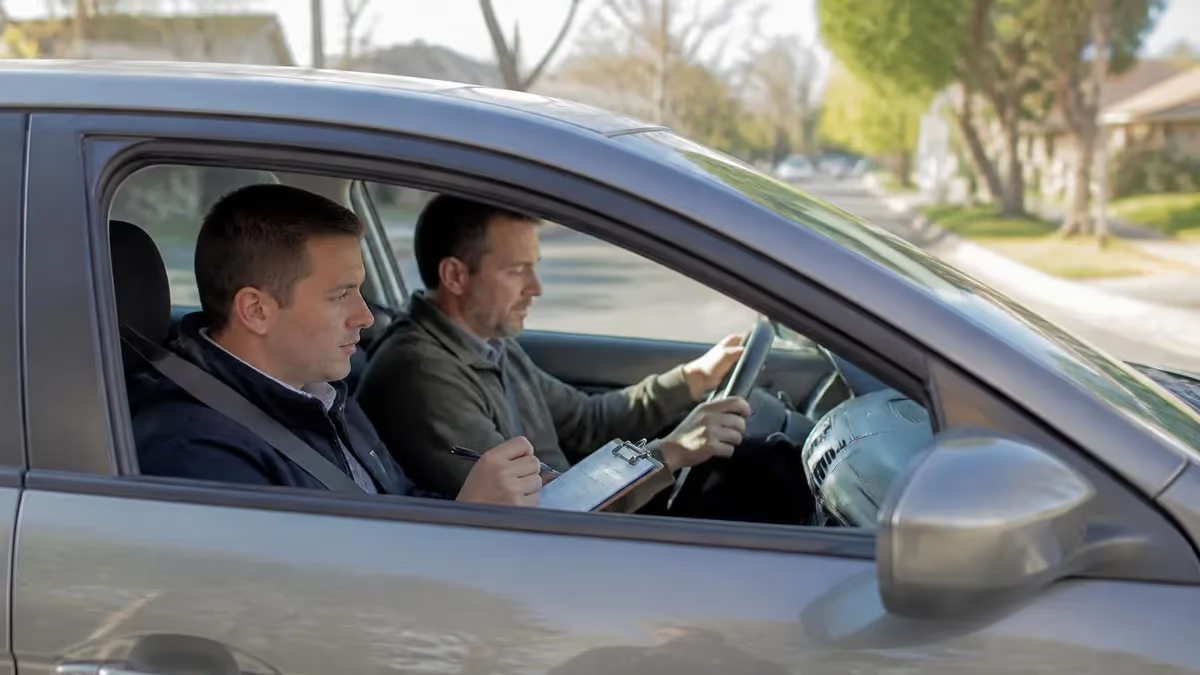
Knowing how to change your DMV license address is one of the most important administrative tasks every driver faces after moving to a new home. Whether you relocated across town or across state lines, most states require you to notify the DMV and update your address within 10 to 30 days of moving. A DMV customer service representative can walk you through the process, but understanding the steps in advance saves you significant time and prevents costly mistakes. Failing to update your address can result in fines, missed renewal notices, and even a suspended license in some states.
The address change process varies considerably depending on where you live. Some states allow you to complete everything entirely online in just a few minutes, while others require an in-person visit or a mailed form. Many states charge a small fee ranging from $5 to $32 for issuing a new physical license card with your updated address. Before you begin, gather the documents you will need: your current driver's license, proof of new residence such as a utility bill or bank statement, and a payment method if fees apply. Having these ready before you start prevents delays and repeat trips.
One area where address changes intersect with broader DMV knowledge is road safety regulations. Before completing a dmv address change process, many newly moved drivers also take time to review local traffic laws that may differ from their previous state. Understanding these differences helps you stay compliant with your new jurisdiction from day one. Your updated license is not just a formality — it is a legal document that must reflect your actual place of residence to remain valid for identification and driving purposes.
A DMV customer service representative is your best resource when the online system returns an error, when your documents don't match what the system expects, or when you're updating the address on both a license and a vehicle registration simultaneously. Representatives are trained to handle edge cases including name mismatches, recently issued licenses, and commercial driver's license (CDL) address updates, which carry additional federal reporting requirements that standard passenger vehicle drivers do not face.
Online address change portals are available in the majority of states and territories, but they are not universally accessible to everyone. Drivers with a REAL ID-compliant license, a clean record, and a domestic move within the same state typically qualify for the online option. If you recently moved from another state, you will almost certainly need to apply for a new license entirely rather than just updating an address, which is a longer process involving a vision test, a written knowledge exam in some states, and surrender of your out-of-state license.
For those who need to speak with a representative directly, many states have introduced chat, phone callback, and appointment scheduling systems to reduce wait times. Knowing your license number, last four digits of your Social Security Number, and your new zip code before the call can cut the interaction time in half. A DMV representative handling an address change typically needs just a few minutes to verify your identity and push the update through their system, provided your records are in good standing.
This guide covers every method available for updating your driver's license address — online, by mail, and in person — along with state-specific deadlines, common mistakes to avoid, and what to do when the standard process does not work for your situation. Whether you are a first-time mover or a frequent relocator, following these steps carefully ensures your license remains current, legal, and accepted as valid identification nationwide.
DMV Address Change by the Numbers
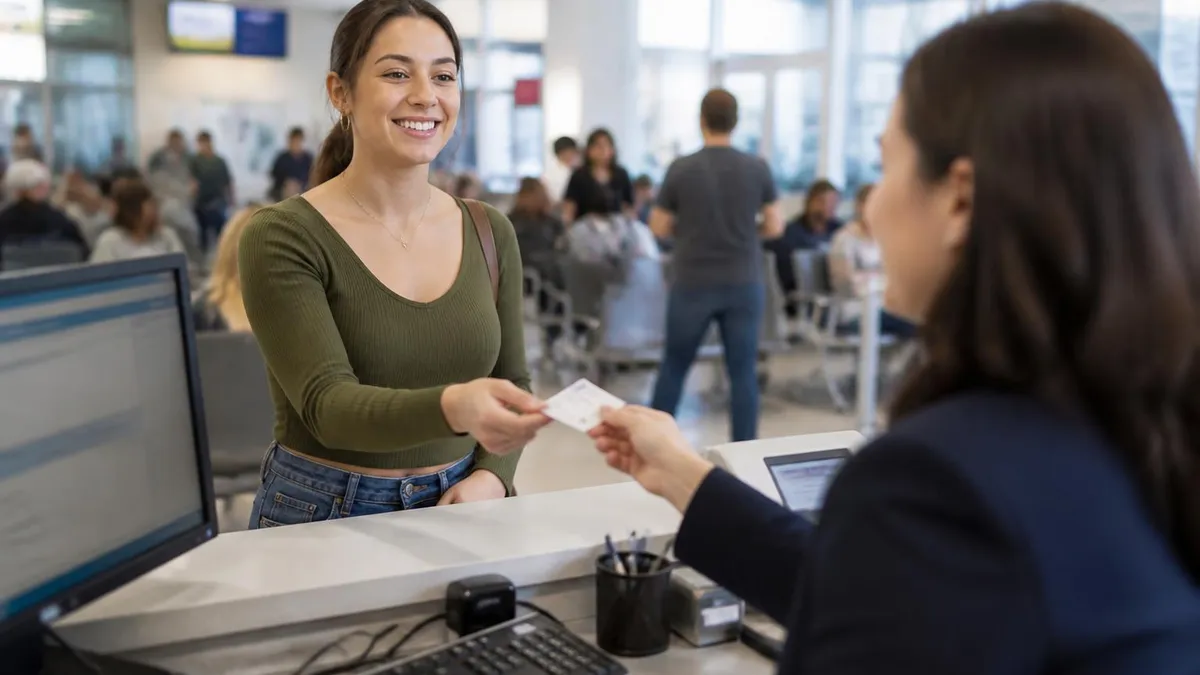
How to Change Your DMV License Address: Step-by-Step
Determine Your State's Method
Gather Required Documents
Submit Online, By Mail, or In Person
Update Vehicle Registration Separately
Receive Your Updated License
State-by-state requirements for changing your driver's license address reflect a patchwork of laws, technology investments, and administrative priorities. No two states handle this process in exactly the same way, and the differences can be significant enough to cause real problems if you assume your previous state's process applies to your new one. Understanding the specific rules for your current state is essential before you begin, and a DMV customer service representative in your new state is always the most authoritative source when you are uncertain.
California, Texas, Florida, and New York — the four most populous states — each handle address changes somewhat differently. California allows most drivers to update their address free of charge online through the DMV portal, and no new card is mailed unless you request one; instead, an updated record is maintained electronically. Texas requires a fee of $11 and issues a new physical license.
Florida offers a free online update but requires an in-person visit if your license is about to expire. New York residents often ask specifically how do I speak to a DMV representative in NY, and the answer is that New York provides an online chat option, a callback scheduling tool, and in-person appointments at DMV offices statewide.
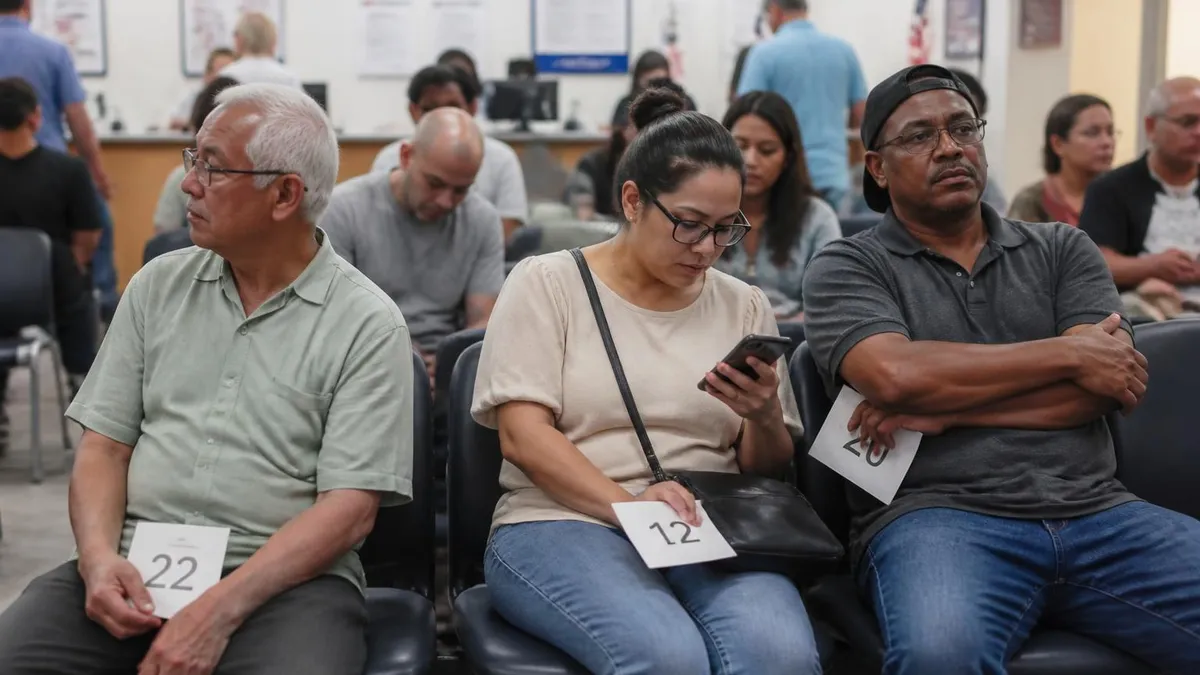
Several states have no online address change option at all and require either a mail-in form or an in-person visit. These states include New Hampshire, Montana, and a handful of others that have not yet modernized their DMV systems to the same degree as larger states. If you live in one of these states and recently moved, plan to either complete Form MV-232 (or your state's equivalent) and mail it with the required fee, or schedule an appointment at your local DMV office. Appointments are strongly recommended because walk-in wait times can exceed two hours at busy urban offices.
Interstate moves present a fundamentally different scenario from in-state moves. When you move from one state to another, you cannot simply update your address — you must obtain a new driver's license from your new state entirely. Most states give new residents between 30 and 90 days to complete this transfer, and some states are stricter about enforcement than others. You will typically need to pass a vision screening and surrender your out-of-state license, though many states waive the written knowledge test and road test for experienced drivers with a clean record from another state.
Commercial driver's license (CDL) holders face additional requirements when changing their address because CDL records feed into the Federal Motor Carrier Safety Administration (FMCSA) database. Federal regulations require CDL holders to notify their state DMV of an address change within 30 days, and there is no grace period extension available. A CDL holder who misses this deadline faces potential compliance issues that can affect their ability to drive commercially. If you hold a CDL, contact a DMV representative specifically trained in commercial licensing rather than the general customer service queue to ensure all federal reporting requirements are met correctly.
Motorcycle endorsements, REAL ID designations, and veteran designation markers on your license are all preserved when you update your address, provided the update is processed correctly. If any of these special designations disappear from your new license after an address update, contact the DMV immediately — this is a known processing error in some state systems and is correctable without going through the full application process again. Document the endorsements on your old license before surrendering it so you have a record to reference if a discrepancy arises.
Drivers with a suspended or revoked license cannot process an address change online in any state. You must resolve the underlying suspension before updating your records, and in most cases you will need to do so in person. A DMV representative can tell you the exact steps required to reinstate your license and whether the address update can be bundled with the reinstatement process or must be handled as a separate transaction afterward. Being proactive about this sequence saves duplicate trips and processing time.
How to Reach a DMV Customer Service Representative
Calling your state DMV directly is one of the most reliable ways to reach a customer service representative for an address change. Most state DMV phone lines operate Monday through Friday from 8 a.m. to 5 p.m. local time, with some states offering extended hours on select days. Before calling, have your license number, the last four digits of your Social Security Number, your current address, and your new address ready to provide immediately.
Wait times by phone can range from a few minutes to over an hour depending on the state and time of day. Tuesday through Thursday mid-morning tends to be the least busy window. Many states now offer a callback option so you don't have to stay on hold — the system calls you back when a representative is available. When you reach a representative, be clear that you are calling specifically for an address change and not a general inquiry to ensure you are transferred to the correct department.

Online vs. In-Person DMV Address Change: Which Is Right for You?
- +Online updates are available 24/7 in most states, allowing you to complete the process outside business hours
- +No travel time or waiting room required — the average online address change takes under 10 minutes
- +Instant confirmation email serves as proof of update before your new card arrives
- +Online systems automatically check eligibility and alert you if additional steps are needed
- +Lower risk of document loss compared to mail-in forms, which can be delayed or misrouted
- +Many states process online updates faster, with new cards arriving in 7–10 business days versus 14–21 for mail submissions
- −Not available to everyone — out-of-state movers, CDL holders, and those with license issues must go in person
- −Technical errors in the DMV portal can reject valid information and require a phone call to resolve
- −Identity verification online may fail if your license photo is old or your records have minor discrepancies
- −Some states charge the same fee regardless of method, eliminating the cost advantage of going online
- −No physical document until the new card arrives, which can be a problem if you need updated ID immediately
- −Online systems may not allow simultaneous updates to both your license and your vehicle registration records
Complete DMV Address Change Checklist
- ✓Confirm your state's deadline for reporting an address change (typically 10–30 days from your move date)
- ✓Visit your state's official DMV website and log in or create an online account
- ✓Check eligibility for the online address change option before gathering documents
- ✓Collect two proofs of new address dated within the last 60 days (utility bill, bank statement, or lease)
- ✓Have your current driver's license number and Social Security Number ready
- ✓Prepare a payment method for the address change fee if your state charges one ($5–$32 typically)
- ✓Complete the online form, mail-in request, or schedule an in-person appointment as required
- ✓Save or print the confirmation number or receipt immediately after submitting your request
- ✓Update your vehicle registration address separately if your state does not bundle this automatically
- ✓Notify your auto insurance provider of your new address to keep your policy valid and accurate
Always notify your insurance company when you move
Your auto insurance rates are tied to your garaging address — the location where your vehicle is primarily kept overnight. Failing to update your insurer when you move can result in a claim being denied on the grounds of material misrepresentation. Update your insurance first, then complete your DMV address change, so all records align from the same effective date.
Common mistakes during the DMV address change process cost drivers time, money, and in some cases their driving privileges. The most frequent error is simply waiting too long. Many drivers intend to update their address soon after moving but get caught up in the chaos of relocation and forget entirely until a registration renewal notice fails to arrive or a police officer points out the discrepancy during a traffic stop. In most states, driving with a license that shows an outdated address is a technical violation that can result in a fine, even if your driving record is otherwise perfect.
A second widespread mistake is assuming that updating your license automatically updates your vehicle registration. In the vast majority of states, these are two entirely separate records maintained by different departments, even though both fall under the broader DMV umbrella. Your license address is tied to your identity record, while your registration address determines where renewal notices are mailed and affects local property tax calculations on your vehicle in some jurisdictions. Always update both records within the same week to avoid confusion and ensure you receive all future correspondence at your correct address.
Document mismatches are a persistent source of rejection in online and mail-in systems. If the name on your utility bill differs from your license — for example, if you recently married or divorced and haven't yet updated your legal name — the address proof may be rejected.
Similarly, if your bank statement shows a P.O. box rather than a physical address, it typically will not be accepted as proof of residence. When in doubt about whether a document qualifies, call or chat with a DMV representative before mailing anything or driving to the office, as they can confirm acceptability in advance.
Many drivers also make the mistake of discarding their old license immediately upon receiving their new one. Most states require you to surrender the old license when picking up a new one in person, but if your new card was mailed to you, you are not always legally required to destroy the old one immediately.
However, using an old license as identification after you have received a new one can create confusion and is generally not advisable. Shred the old license once your new card arrives and is confirmed to be accurate, particularly if it contains sensitive information like your full address and date of birth.
Errors on the new license itself happen more often than most people expect. Processing errors, data entry mistakes by DMV staff, and system glitches can result in a new license card that shows the wrong address, a misspelled name, or an incorrect date of birth. Always check every field on your new license immediately upon receiving it.
If there is any error, contact the DMV within 30 days of receipt — most states will reissue a corrected license at no charge if the error was theirs. Waiting too long to report an error can result in a fee for what the system treats as a voluntary change request rather than a correction.
Veterans, disabled drivers, and holders of reduced-fee licenses should verify that any fee waiver or reduced fee they are entitled to also applies to address change transactions. Some states apply the same waiver automatically, while others require you to re-present documentation at the time of the address change request. A DMV customer service representative can confirm in advance what documentation, if any, you need to bring to ensure the waiver is applied correctly and you are not overcharged for the transaction.
Finally, avoid using third-party websites that charge a fee to process DMV address changes on your behalf. These services, which often appear as the top result in search engines, are not affiliated with state DMV offices and add a significant markup — sometimes $50 to $150 — on top of the official state fee. They may also delay processing or submit incorrect information. Always go directly to your state's official .gov domain to complete any DMV transaction securely and at the correct price.
Failing to update your driver's license address within your state's required timeframe can result in fines ranging from $25 to $150, and in some states it is classified as a misdemeanor traffic offense. Commercial drivers face stricter federal deadlines of exactly 30 days with no extensions. Set a calendar reminder the day you move so this critical task doesn't slip through the cracks during the relocation process.
Once your DMV address change is fully processed and your new license card is in your hands, there are several follow-up actions that ensure all your records are fully consistent and up to date. The driver's license and vehicle registration are the two most commonly discussed records, but they are far from the only ones that need to reflect your new address. A complete post-move administrative update covers federal, state, and local agencies, as well as financial and insurance institutions that rely on your address for critical communications.
The United States Postal Service (USPS) mail forwarding service is an essential bridge between your old and new address during the transition period. Submit a Change of Address form with USPS either online at usps.com or at your local post office before or immediately after your move. Mail forwarding typically lasts for 12 months for first-class mail, giving you a full year to catch any stragglers and update your address with the original senders. This includes DMV correspondence, vehicle registration renewals, and any notices related to traffic violations or court appearances that could have serious consequences if missed.
Your voter registration must also be updated separately from your DMV records in most states, though a growing number of states have implemented Automatic Voter Registration (AVR) that syncs your voter registration with your DMV address update automatically. Check whether your state participates in AVR, and if not, submit a new voter registration form to your county elections office within the same timeframe as your DMV update. Voting in the wrong precinct using an outdated registration can invalidate your ballot entirely.
For those studying for a DMV representative exam, understanding address change procedures from both the customer-facing and administrative sides is valuable test preparation. DMV representatives are trained to handle address changes as one of their most frequent transaction types, and exam questions often cover the legal requirements, document standards, and escalation procedures involved. Knowing the rules thoroughly from the customer perspective gives exam candidates a practical anchor for understanding why the procedural rules exist and how they are applied in real-world interactions.
Federal agencies that need your updated address include the Social Security Administration, the Internal Revenue Service, and the U.S. Citizenship and Immigration Services if applicable. The SSA can be updated online, by phone, or in person at your local office. The IRS address update is most commonly handled by filing Form 8822, Change of Address, or by ensuring your new address appears on your next tax return. Both agencies use your address for mailing important documents and payments that cannot be redirected if sent to a wrong address.
Financial institutions — banks, credit unions, investment accounts, and credit card issuers — all need your updated address to maintain accurate account records and to send statements, tax documents such as 1099 forms, and security alerts. Most financial institutions allow address updates through their online banking portals or mobile apps. Update these within the first week of your move, before any statements or important correspondence is generated with your old address. A discrepancy between your bank address and your license address can also trigger fraud alerts when you use your card for in-person transactions at your new location.
Your auto insurance policy address update deserves a separate call or online submission to your insurer rather than being bundled with other updates. Insurance companies re-rate your policy based on your new garaging address, which can cause your premium to increase or decrease depending on the risk profile of your new location.
Ask your insurer to provide a revised declarations page reflecting the new address and new premium, and review it carefully to ensure all vehicles and covered drivers are correctly listed. Keeping this documentation alongside your new license gives you a complete, consistent record of your updated information in one place.
For anyone preparing for the DMV representative exam, mastering the address change process from the service side is a critical area of study. DMV customer service representatives handle address change transactions dozens of times each day, and the exam tests candidates on the legal requirements, acceptable documentation, fee schedules, and customer interaction protocols involved. Understanding these transactions thoroughly — including the edge cases involving CDL holders, suspended licenses, and interstate transfers — gives candidates the practical knowledge base they need to answer exam questions accurately and confidently.
One of the most important practical skills for DMV representatives handling address changes is identity verification. Before any change can be made to a driver's record, the representative must confirm that the person requesting the change is the actual license holder. This involves checking the license number against the record, verifying date of birth, and in some cases requesting a second form of government-issued identification. Exam questions on this topic often focus on what constitutes adequate verification and what steps a representative must take when verification cannot be completed satisfactorily.
Fee collection and waiver procedures are another area heavily tested in DMV representative exams. Representatives must know not only the standard fee for an address change in their state but also which categories of customers qualify for reduced fees or complete waivers, how to process the waiver documentation correctly, and what to do when a customer disputes the fee. Practice tests covering consumer protection and dispute resolution topics are particularly relevant here, as address change fee disputes are a common scenario in the exam and in real DMV offices.
Document acceptance standards for proof of residence are governed by both state law and federal REAL ID regulations. Representatives must be able to quickly assess whether a document presented as proof of address meets the legal standard, identify common fraudulent or altered documents, and politely explain to customers why certain documents are unacceptable without creating a confrontational situation. This requires both technical knowledge of document standards and interpersonal communication skills that are tested in the written exam through scenario-based questions.
System proficiency is a practical competency that underlies all DMV representative work. The specific software platforms vary by state, but most DMV systems share a similar logical structure: identity lookup, record review, transaction selection, document verification logging, fee processing, and confirmation generation. Exam candidates who understand this workflow conceptually can adapt to specific software training more quickly and perform better in practical assessments. Study materials that combine procedural knowledge with practical scenarios are the most effective preparation for both the written exam and the on-the-job learning curve.
Customer communication during complex transactions like address changes requires a combination of patience, clarity, and accuracy. Representatives frequently encounter customers who are frustrated with wait times, confused by documentation requirements, or upset about fees they did not anticipate. Training in de-escalation techniques, plain-language explanation of requirements, and efficient transaction processing forms a significant part of DMV representative preparation. Exam questions in the consumer protection and dispute resolution domain test whether candidates can navigate these situations professionally while maintaining compliance with all applicable regulations.
The best way to build confidence for the DMV representative exam is through consistent practice with realistic test questions that mirror the format, difficulty, and topic distribution of the actual exam. Taking multiple practice tests across all domains — including consumer protection, vehicle inspections, address change procedures, and document standards — identifies knowledge gaps early enough to address them before exam day. Tracking your scores across practice sessions allows you to see improvement over time and focus your remaining study time on the areas where you need the most reinforcement.
DMV Questions and Answers
DMV Road Sign Test: Complete Guide to Passing on Your First Try in 2026
DMV Written Test Cheat Sheet: The Complete 2026 Study Guide for First-Time Passers
Colorado DMV Renew Registration: Complete 2026 Guide to Renewing Your Vehicle Tags Online, By Mail, and In Person

How to Chat With DMV: Reach a Customer Service Representative Fast

DMV Representative Practice Test PDF (Free Printable 2026)
About the Author
Licensed Driving Instructor & DMV Test Specialist
Penn State UniversityRobert J. Williams graduated from Penn State University with a degree in Transportation Management and has spent 20 years as a certified driving instructor and DMV examiner consultant. He has personally coached thousands of applicants through written knowledge tests, skills assessments, and commercial driver licensing programs across more than 30 states.
Join the Discussion
Connect with other students preparing for this exam. Share tips, ask questions, and get advice from people who have been there.
View discussion (6 replies)