
What Are 6 Points of ID for NJ DMV: Complete Guide to New Jersey ID Requirements
What are 6 points of id for nj dmv? Complete guide to NJ DMV ID requirements, document lists & tips. ✅ Pass your DMV exam today.

If you have ever wondered what are 6 points of id for nj dmv, you are not alone. New Jersey uses a point-based identification system that requires applicants to present documents totaling at least six points before a driver's license, non-driver ID, or permit can be issued. Each document category carries a different point value, ranging from one to four points, and applicants must assemble the right combination to reach the six-point threshold. Understanding these requirements in advance saves significant time at the counter and helps every DMV customer service representative process transactions more efficiently.
The six-point ID system was introduced to strengthen identity verification and reduce fraud at New Jersey Motor Vehicle Commission (MVC) offices statewide. Documents are divided into primary identification, secondary identification, and address proof categories. A U.S. passport or passport card, for example, counts as four points on its own, meaning you would only need two additional points of documentation to complete your application. A birth certificate paired with a Social Security card is another common combination that satisfies the requirement without needing a passport at all.
New Jersey also aligns its identification requirements with the federal REAL ID Act, which mandates stricter document verification for licenses and IDs used to board domestic flights or access federal facilities. If you want a REAL ID-compliant credential, you must bring proof of Social Security number and two proofs of address in addition to meeting the six-point threshold. Many applicants are surprised to learn that a REAL ID application requires more documentation than a standard license, so planning ahead is essential before your appointment.
The role of a dmv customer service representative becomes especially important when helping customers navigate these layered requirements. Representatives must be knowledgeable about acceptable documents, point values, and exceptions for special populations such as immigrants, seniors, and individuals with name changes. A well-trained representative can prevent customers from making multiple trips to the office by explaining exactly what to bring during the first visit, reducing frustration and long wait times for everyone in the queue.
Accepted primary documents in New Jersey include a U.S. passport (4 points), a certified U.S. birth certificate (4 points), a permanent resident card (4 points), an employment authorization card (3 points), and a valid foreign passport with visa (3 points). Secondary documents such as a Social Security card, W-2 form, or pay stub each carry one or two points. Proof of address documents — utility bills, bank statements, or lease agreements — typically add one point each and must show your current New Jersey address.
One key thing to keep in mind is that photocopies are generally not accepted. New Jersey MVC requires original documents or certified copies issued by the appropriate government agency. If your birth certificate was lost, you will need to contact the Office of Vital Statistics in the state where you were born to obtain a certified replacement before your appointment. Planning this step in advance can prevent weeks of unnecessary delay. For more information on preparing for your licensing journey, review our guide on dmv id requirements nj to ensure you arrive fully prepared.
Whether you are applying for your very first New Jersey driver's license, renewing an expired credential, or upgrading to a REAL ID, the six-point system is a non-negotiable step in the process. Staff at every MVC agency are trained to verify these documents accurately and consistently, and understanding their role helps applicants approach the counter with the right expectations. This guide walks you through every aspect of the NJ DMV ID requirements so you can complete your transaction confidently on the first try.
NJ DMV ID Requirements by the Numbers
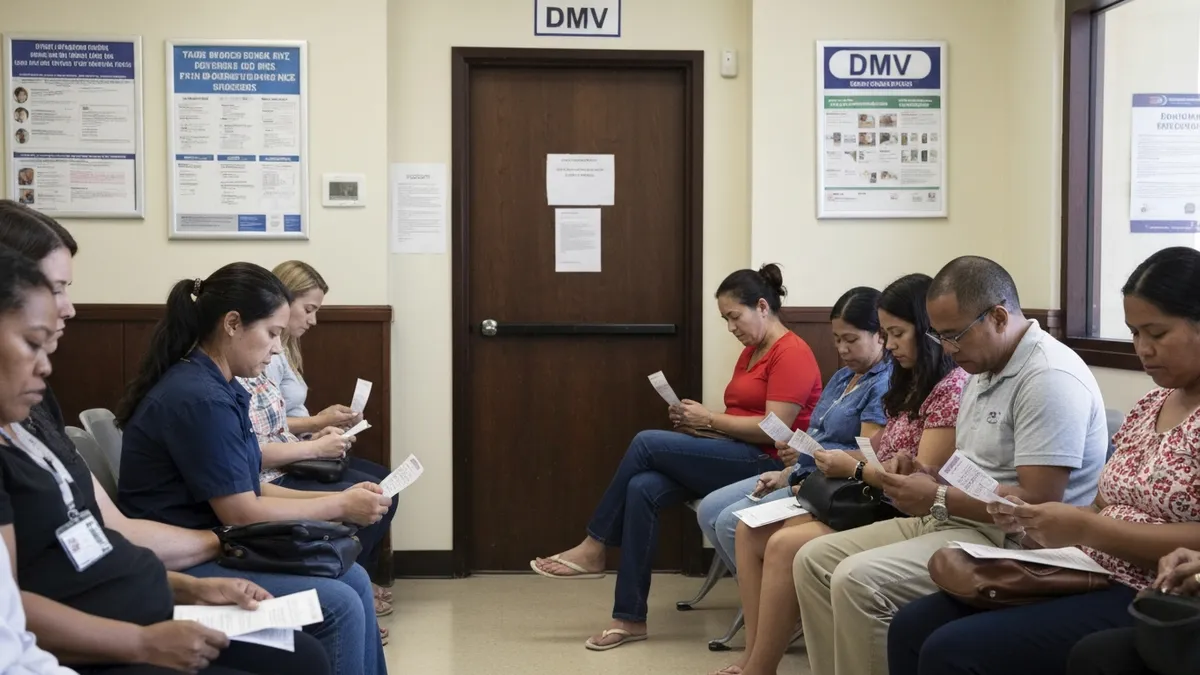
Document Point Values Explained
The highest-value documents include a U.S. passport, certified U.S. birth certificate, and permanent resident card. A single four-point document means you only need two more points from secondary or address categories to reach the six-point minimum.
Documents in this tier include a valid foreign passport with a U.S. visa, an employment authorization card, and certain immigration documents. These are strong secondary options when a passport or birth certificate is unavailable or being renewed.
Marriage certificates, court orders showing a name change, a valid U.S. military ID, and certain government-issued IDs fall in this tier. They serve as useful supplements when combined with a four-point primary document.
Social Security cards, W-2 forms, pay stubs, bank statements, utility bills, and lease agreements typically carry one point each. These are the most commonly used documents to reach the six-point total after presenting a primary document.
Understanding the difference between a standard New Jersey driver's license and a REAL ID-compliant credential is essential for both applicants and dmv representative staff. A standard license works perfectly well for driving purposes within the state, but beginning May 7, 2025, federal agencies no longer accept standard state IDs for boarding domestic flights, accessing military bases, or entering certain federal buildings. If you travel regularly by air or visit federal facilities, upgrading to a REAL ID is strongly recommended during your next renewal or new application.
To obtain a REAL ID in New Jersey, you must satisfy three requirements beyond the standard six-point threshold. First, you need a document proving your Social Security number — a Social Security card, W-2, or pay stub with your full SSN displayed. Second, you must present two separate proofs of your current New Jersey residential address, such as a utility bill and a bank statement dated within the last 90 days. Third, your name must match exactly across all documents, or you must bring supporting legal documents like a marriage certificate or court order to explain any discrepancies.
New Jersey MVC has invested heavily in training dmv customer service representative staff to understand REAL ID compliance at every customer-facing touchpoint. Representatives are expected to spot subtle document inconsistencies, identify altered or expired credentials, and politely redirect customers who arrive without sufficient documentation. This expertise is not just good customer service — it is a federal mandate. Errors in the REAL ID verification process can lead to compliance violations and jeopardize the state's certification under the Department of Homeland Security's review program.
For immigrants and non-citizens, New Jersey offers a special license category that does not carry REAL ID designation but still requires the six-point minimum. Acceptable primary documents for this population include a valid foreign passport with an I-94 arrival/departure record, an employment authorization document, a valid U.S. visa with authorized stay, or a permanent resident card. Point values for these documents remain the same as for citizens, and all documents must be originals — no photocopies, laminated cards with illegible text, or documents with visible alteration marks will be accepted.
Senior applicants often have challenges locating original birth certificates, especially those born before widespread record digitization. New Jersey allows seniors who cannot obtain a birth certificate to use an alternative combination including a valid U.S. passport and other four-point documents. MVC agents are trained to work compassionately with elderly customers, offering guidance on how to contact vital records offices and providing a clear checklist of acceptable substitutes. Being patient and thorough in these interactions reflects the core responsibility of every frontline representative.
Name discrepancies are one of the most common reasons applications get delayed or rejected at the counter. If your name on a primary ID document differs from your name on a secondary document — due to marriage, divorce, or a legal name change — you must bridge the gap with official legal documentation.
For example, if your birth certificate shows your maiden name but your Social Security card reflects your married name, you must bring a certified copy of your marriage certificate to connect the two. Representatives must verify this chain of documentation before approving any application, regardless of how minor the discrepancy appears.
Knowing these layered requirements helps you prepare thoroughly and avoid the all-too-common experience of being turned away at the counter after a long wait. Whether you are preparing for a first-time license, a REAL ID upgrade, or a name-change update, gathering the right documents before your visit is the single most important step. Consider scheduling an appointment online rather than walking in, as appointment holders are typically served faster and experience less overall wait time at New Jersey MVC agencies across the state.
How DMV Customer Service Representatives Verify Documents
When a customer presents documents at the counter, a dmv customer service representative begins with a visual inspection of each item. They check for signs of tampering, verify expiration dates, confirm the document type matches what is listed in the MVC's approved document matrix, and calculate the total point value before entering information into the state database system. This process typically takes three to five minutes per applicant when all documents are in order.
Representatives are also trained to use ultraviolet lights and magnification tools to detect altered or counterfeit documents. Security features on U.S. passports, birth certificates, and resident cards include watermarks, holographic overlays, and microprinting that are nearly impossible to reproduce accurately. Staff must complete mandatory document fraud detection training annually and are updated whenever new security features are introduced by federal or state issuing authorities.
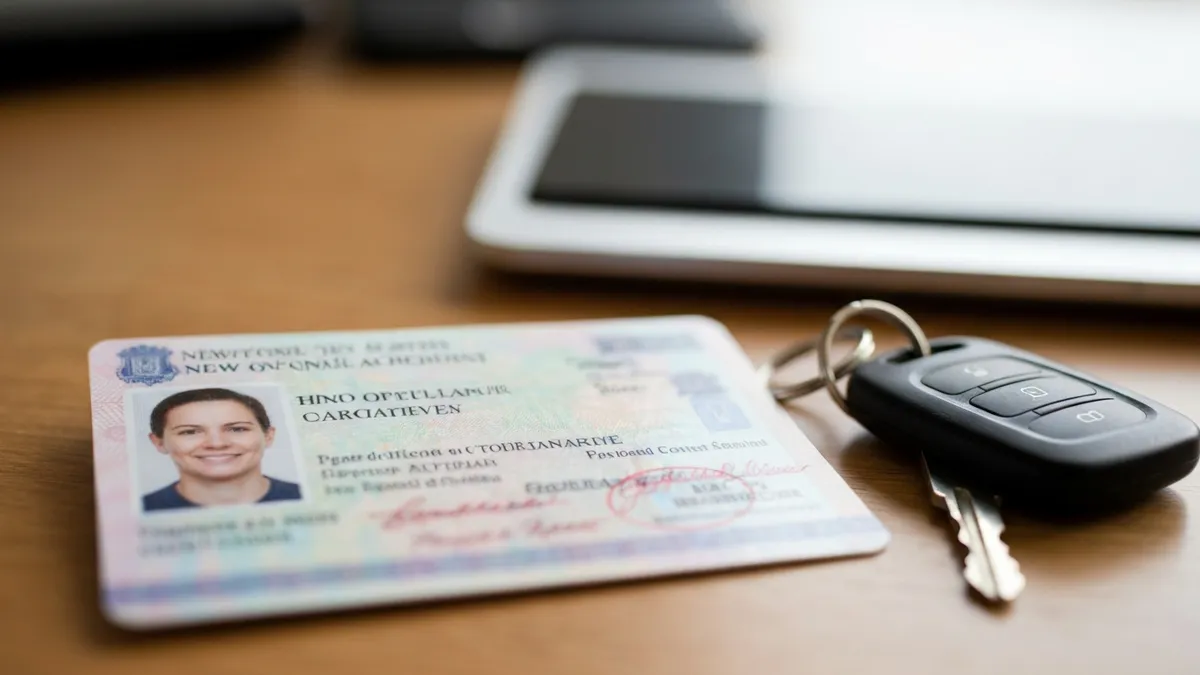
Pros and Cons of New Jersey's Six-Point ID System
- +Significantly reduces identity fraud and protects applicants from having their identity stolen or misused at DMV offices
- +Aligns with federal REAL ID standards, enabling New Jersey residents to use their licenses for domestic air travel and federal facility access
- +Creates a clear, transparent point system that applicants can prepare for in advance rather than facing ambiguous requirements
- +Trains dmv customer service representative staff to detect document fraud professionally and consistently across all MVC locations
- +Protects vulnerable populations such as seniors and immigrants by requiring verified documentation rather than relying on self-reported identity
- +Provides a legally defensible paper trail for every transaction, making it easier to investigate and reverse fraudulent applications when discovered
- −Can be burdensome for applicants who were born in other states or countries and must request certified documents by mail, sometimes waiting weeks
- −Name discrepancies between legal documents require additional bridging paperwork that many applicants do not know about until they arrive at the counter
- −Elderly applicants or those from low-income backgrounds may struggle to locate or afford certified copies of birth certificates and other primary documents
- −REAL ID requirements layer additional documentation needs on top of the standard six-point system, creating confusion about what is truly required
- −The system does not currently accept digital document versions or electronic records, forcing applicants to carry original physical documents to every appointment
- −Applicants who are turned away due to incomplete documentation must often wait days or weeks for a new appointment, especially at busy urban MVC agencies
Pros and Cons at a Glance
| Pros | Cons |
|---|---|
| Significantly reduces identity fraud and protects applicants from having their identity stolen or misused at DMV offices | Can be burdensome for applicants who were born in other states or countries and must request certified documents by mail, sometimes waiting weeks |
| Aligns with federal REAL ID standards, enabling New Jersey residents to use their licenses for domestic air travel and federal facility access | Name discrepancies between legal documents require additional bridging paperwork that many applicants do not know about until they arrive at the counter |
| Creates a clear, transparent point system that applicants can prepare for in advance rather than facing ambiguous requirements | Elderly applicants or those from low-income backgrounds may struggle to locate or afford certified copies of birth certificates and other primary documents |
| Trains dmv customer service representative staff to detect document fraud professionally and consistently across all MVC locations | REAL ID requirements layer additional documentation needs on top of the standard six-point system, creating confusion about what is truly required |
| Protects vulnerable populations such as seniors and immigrants by requiring verified documentation rather than relying on self-reported identity | The system does not currently accept digital document versions or electronic records, forcing applicants to carry original physical documents to every appointment |
| Provides a legally defensible paper trail for every transaction, making it easier to investigate and reverse fraudulent applications when discovered | Applicants who are turned away due to incomplete documentation must often wait days or weeks for a new appointment, especially at busy urban MVC agencies |
Six-Point ID Preparation Checklist for NJ DMV
- ✓Identify which primary document (passport, birth certificate, or resident card) you will use as your highest-point document before your appointment.
- ✓Confirm your primary document is unexpired and in good physical condition — no tears, water damage, or obscured text is acceptable.
- ✓Gather at least two additional supporting documents totaling enough points to reach six when combined with your primary document.
- ✓Ensure your name matches exactly across all documents, or gather certified legal documents to explain and bridge any discrepancies.
- ✓For REAL ID applications, locate your Social Security card or another document showing your full nine-digit SSN.
- ✓Prepare two separate proofs of your current New Jersey address dated within the last 90 days if applying for a REAL ID.
- ✓Make sure all address proof documents show your full name and current street address — P.O. Box addresses are not accepted for residence verification.
- ✓Do not bring photocopies of any document — New Jersey MVC requires originals or government-certified copies only.
- ✓Schedule your appointment online in advance to reduce wait time and avoid being turned away at a walk-in location on a busy day.
- ✓Bring a printed or digital checklist of your documents to the appointment so you can quickly confirm everything is present when called to the counter.
Name Mismatches Are the #1 Cause of Rejected NJ DMV Applications
According to MVC processing data, name discrepancies between primary and secondary documents are the single most common reason first-time applicants are turned away. Even a missing middle initial or a hyphenated surname on one document that appears without the hyphen on another can halt your transaction. Always audit your documents side-by-side before your appointment and bring a certified marriage certificate or court order if any name variation exists across your paperwork.
Common mistakes in the NJ DMV six-point ID process are surprisingly easy to avoid once you know what to watch for. The most frequent error applicants make is assuming that a photocopy of a birth certificate is sufficient when it is not. New Jersey MVC requires a certified copy with a raised seal or a security-paper version issued directly by the county clerk or state vital records office where the birth was registered. Hospital-issued souvenir birth certificates, the kind given to parents immediately after delivery, are not accepted and carry zero points in the system.
Another widespread mistake involves Social Security cards. Laminated Social Security cards are not accepted by NJ MVC, regardless of how official they appear. The Social Security Administration itself advises against laminating cards, and New Jersey representatives are trained to reject them during the document inspection phase. If your card is laminated, you will need to order a replacement from the SSA, which can take one to two weeks to arrive by mail. This single oversight has caused countless applicants to reschedule their MVC appointments unnecessarily.
Address proof documents are another area where applicants frequently stumble. A utility bill or bank statement must clearly show your name and full New Jersey street address. Documents addressed to a P.O. Box, a business address, or a former New Jersey address will not satisfy the residency requirement. Additionally, documents older than 90 days at the time of your appointment may be rejected at the discretion of the representative, so always use the most recent statement available from your service providers or financial institutions.
For recently relocated residents, gathering two current New Jersey address proofs can be challenging. If you just moved into a new apartment and do not yet have utility bills in your name, there are alternative options. A current bank statement with your new address, a signed and notarized lease agreement, or a recent mortgage statement will all work. New Jersey MVC also accepts official government mail, such as a jury summons or tax notice bearing your name and current address, as valid proof of residency in some circumstances.
Applicants who have recently changed their name due to marriage, divorce, or a court order frequently encounter complications because the name on their birth certificate no longer matches the name they use daily. In these cases, you must create a complete name-change chain using certified documents. For example: birth certificate shows maiden name → marriage certificate connects maiden to married name → current Social Security card shows married name. Every link in this chain must be a certified original document, not a photocopy, and the representative will verify the logical progression of name changes before approving the application.
Minors applying for their first New Jersey permit face a slightly different set of requirements. While they still need to meet the six-point threshold, a parent or guardian must accompany them and provide consent. The parent or guardian may also need to present their own valid photo ID during the transaction. Young applicants who were born abroad to U.S. citizen parents should bring a Consular Report of Birth Abroad (CRBA) or a U.S. passport as their primary document, since foreign birth certificates require certified translations and may not be accepted without additional review.
Finally, be aware that New Jersey MVC does not accept digital images of documents displayed on a phone or tablet screen, even if they appear to be official scans. All documents must be physical originals or certified paper copies. This policy is unlikely to change in the near future, as federal REAL ID compliance mandates physical document inspection. Staying current on any policy updates is important, so check the official New Jersey MVC website or call the agency directly before your scheduled appointment to confirm all requirements remain the same as when you last reviewed them.
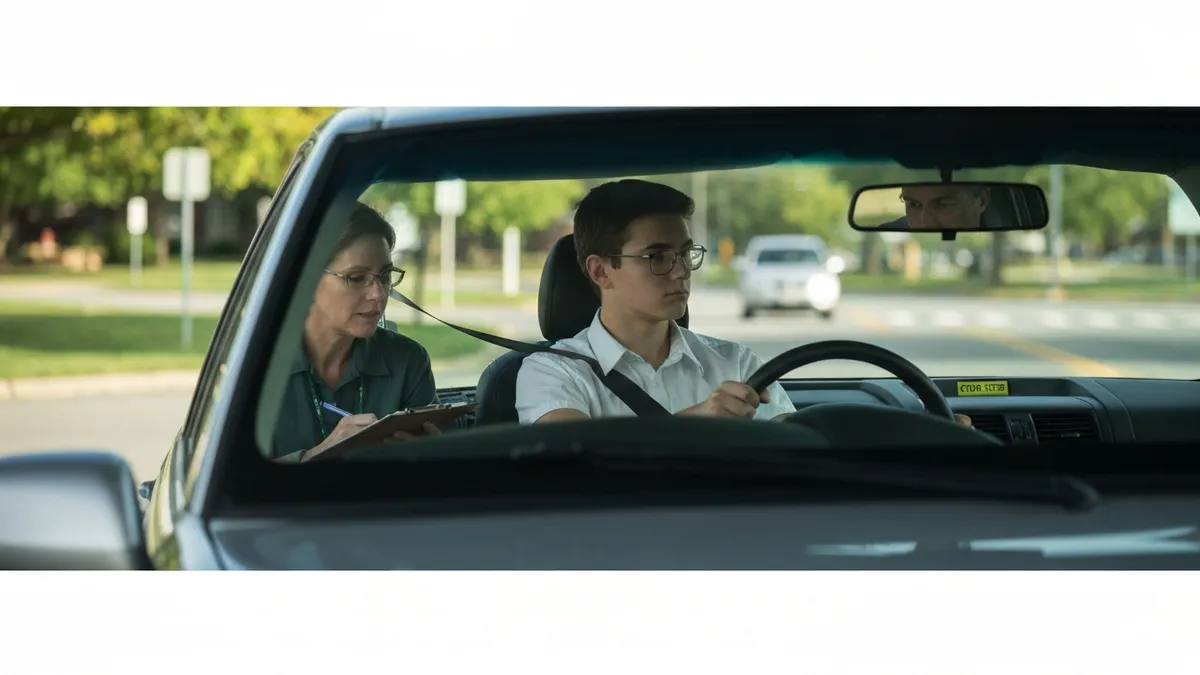
As of May 7, 2025, the federal REAL ID enforcement deadline is in effect. Standard New Jersey driver's licenses and non-driver IDs can no longer be used to board domestic flights or enter certain federal facilities. If you have not yet upgraded to a REAL ID-compliant credential, schedule your appointment at the nearest New Jersey MVC agency and bring the additional documentation required. Delays in upgrading could prevent you from boarding flights without a U.S. passport as a backup ID.
Preparing for the DMV representative exam requires a solid understanding of NJ ID requirements because these policies represent a major portion of daily front-counter operations. Candidates studying for the exam should memorize the full list of accepted documents in each point tier, understand the REAL ID verification workflow, and be familiar with common applicant scenarios such as name discrepancies, immigrant document combinations, and minor applicant rules. The exam tests not just knowledge but also the ability to apply that knowledge to realistic customer service situations.
The DMV customer service representative role carries significant responsibility because the decisions made at the counter have real consequences for applicants. Approving an insufficient document set or missing a fraud indicator can result in a fraudulent license being issued, which can be used for identity theft, illegal driving, or accessing government benefits improperly. On the other hand, incorrectly rejecting valid documents creates hardship for legitimate applicants and damages public trust in the MVC's ability to serve residents fairly and efficiently.
Exam candidates should also be prepared for questions about customer communication strategies. A representative who can explain the six-point system clearly and compassionately, even to an applicant who is frustrated after being turned away, demonstrates exactly the kind of professional competence the MVC values. Role-play scenarios in training programs often include situations where applicants become emotional or confrontational, and knowing how to de-escalate while staying within policy guidelines is a core exam topic that separates top-scoring candidates from those who struggle.
One area that exam candidates frequently overlook is the appeals and exception process. New Jersey MVC has a formal process for applicants who believe they have been incorrectly denied. A representative must know when to escalate a case to a supervisor, how to document the transaction notes accurately, and what information to provide to the applicant so they can pursue the appeals process if they believe an error has been made. This procedural knowledge is often tested through scenario-based questions on the exam rather than straightforward factual recall.
Technology competence is another growing component of the dmv representative role and exam preparation. Modern MVC systems use integrated databases that cross-reference applicant information with Social Security Administration records, immigration databases, and prior motor vehicle records in real time. Representatives must understand how to interpret system flags, resolve data entry discrepancies, and escalate cases where the automated verification fails to return a clear result. Knowing how these systems work at a procedural level is increasingly important as MVC offices modernize their infrastructure.
If you are wondering how do i speak to a dmv representative in ny or other nearby states for comparison purposes, it is worth noting that New York uses a similar document point system but with different point values and a distinct list of accepted documents. Representatives who work near state borders should be familiar with the general structure of neighboring states' ID requirements so they can redirect cross-state inquiries appropriately and avoid providing inaccurate guidance to customers who have moved recently.
For the most comprehensive preparation, combine your study of NJ DMV policies with regular practice testing. The topics covered in DMV representative practice exams span consumer protection, vehicle inspections, safety standards, and document verification — all of which connect directly to the real-world tasks you will perform every day on the job. Scheduling consistent study sessions, reviewing policy manuals, and taking timed practice quizzes will give you the breadth and depth of knowledge needed to perform well on exam day and in your career.
Building a strong foundation of practical tips will help both DMV exam candidates and everyday applicants navigate the six-point ID process with confidence. One of the best strategies is to create a personal document inventory before your MVC appointment. List every identity document you currently possess, assign the correct point value to each based on the official NJ MVC document list, and add up the total. If your combination does not reach six points, identify which additional documents you need to request and build in enough lead time to receive them before your appointment date.
Time management is critical when preparing replacement documents. A certified birth certificate requested from another state typically takes two to four weeks by mail, even when expedited processing is selected. A replacement Social Security card from the SSA can take one to two weeks. A replacement U.S. passport takes four to six weeks through routine processing or one to two weeks through expedited service. If any of your key documents need to be replaced, start the process at least six weeks before your planned MVC appointment to avoid last-minute stress.
For applicants who need to prove a name change, organizing your documents in chronological order before arriving at the counter will make the verification process much smoother. Place your birth certificate first, followed by your marriage certificate or court order, followed by your current Social Security card or other secondary identification. When you hand the stack to the representative, they can immediately see the logical name progression without needing to shuffle through documents or ask for reordering. This small organizational step can meaningfully reduce the time your transaction takes.
If you are unsure whether a specific document will be accepted, New Jersey MVC offers a document guide on its official website and a phone line where representatives can answer document eligibility questions before your appointment. Taking fifteen minutes to make that call or review the online guide is far less disruptive than arriving at a busy MVC office only to be turned away after a long wait. The investment of a little research time upfront pays significant dividends in stress reduction and overall efficiency.
When scheduling your appointment, consider choosing a mid-week morning time slot, as MVC offices tend to be less crowded on Tuesdays, Wednesdays, and Thursdays during morning hours compared to Mondays, Fridays, and Saturday appointments. Shorter wait times mean the representative assisting you will be less rushed, creating a more thorough and positive interaction. Reduced wait environments also tend to produce fewer errors during document entry, since staff are not under the pressure of a growing lobby queue behind every customer.
Finally, make sure to bring a form of payment that the MVC accepts. New Jersey MVC accepts checks, money orders, and most major credit and debit cards, though policies may vary slightly by location. Cash acceptance is not guaranteed at all offices, so calling ahead to confirm your specific location's payment options is a sensible precaution. Arriving with the correct payment method in hand prevents a completed document review from being halted at the final step simply because the payment method was unexpected or unavailable.
Keep in mind that the six-point ID system continues to evolve as New Jersey updates its compliance with federal standards and responds to new types of identity fraud. Staying informed by periodically checking the NJ MVC website for policy updates ensures you are always working from the most current version of the requirements rather than outdated information from a previous application attempt or a third-party source. Being proactive about staying current is one of the most valuable habits any DMV representative or applicant can develop.
DMV Questions and Answers

DMV Customer Service Representative: Complete Career Guide & Permit Test Practice

DMV Drivers License: Application, Tests, REAL ID and Renewals

Colorado DMV Walk-In Locations: How to Talk to a DMV Customer Service Representative

How to Get a Car Title from DMV: Complete Guide for 2026
DMV Customer Service Representative: Alcohol Questions, Permit Test Prep & Career Guide
About the Author

Licensed Driving Instructor & DMV Test Specialist
Penn State UniversityRobert J. Williams graduated from Penn State University with a degree in Transportation Management and has spent 20 years as a certified driving instructor and DMV examiner consultant. He has personally coached thousands of applicants through written knowledge tests, skills assessments, and commercial driver licensing programs across more than 30 states.
Join the Discussion
Connect with other students preparing for this exam. Share tips, ask questions, and get advice from people who have been there.
View discussion (8 replies)