
Virginia DMV Hours & DMV Customer Service Representative Guide: Is DMV in VA Open Today?
Is DMV in VA open today? Get Virginia DMV hours, rep contact tips, and career info. ✅ Full guide with schedules and practice tests.
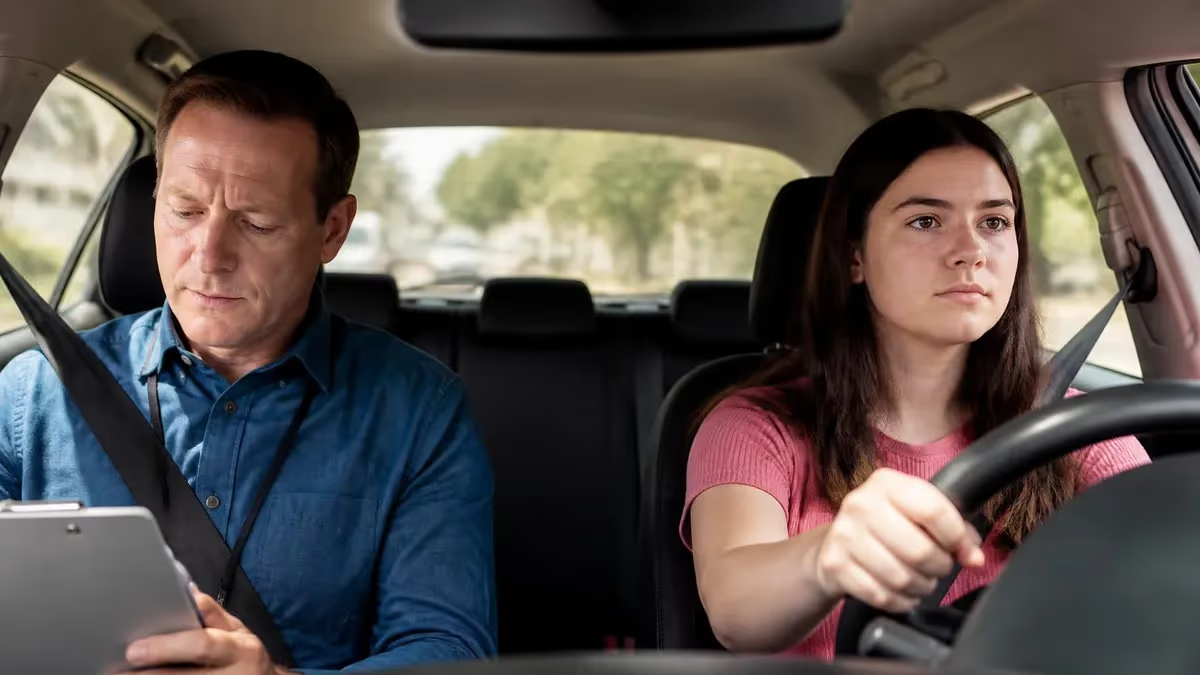
If you have ever asked yourself is dmv in va open today, you are not alone. Thousands of Virginia residents search for current DMV office hours every single day, hoping to avoid a wasted trip to a closed location. Virginia DMV offices generally operate Monday through Friday from 8:00 a.m. to 5:00 p.m., with select locations offering extended Saturday hours from 8:00 a.m. to noon. Hours can vary by specific office, and state holidays will affect availability, so checking the official VDOT website or calling ahead is always recommended before you leave home.
The person who greets you at the counter, processes your paperwork, and answers your questions is a DMV customer service representative. These professionals are the front-line backbone of every state motor vehicle department. In Virginia, they handle everything from driver's license renewals and title transfers to vehicle registration and REAL ID applications. Understanding what these representatives do — and how to work with them effectively — can save you significant time and frustration during any DMV visit or phone call.
Virginia operates more than 75 customer-facing DMV offices statewide, spread across urban centers like Richmond, Northern Virginia, and Hampton Roads as well as rural counties. Not every office offers every service, so matching your specific need to the right location matters. Some services, such as commercial driver's license road tests or specialty plate processing, are only available at designated facilities. A quick check on the VDOT DMV website lets you filter offices by service type and see real-time wait times before your visit.
Beyond in-person visits, Virginia DMV now offers a strong online portal and a phone-based customer service line staffed by trained representatives. If your errand can be completed online — such as renewing a standard driver's license or paying a reinstatement fee — you may never need to visit an office at all. However, for complex transactions involving title disputes, medical review boards, or first-time REAL ID applications, speaking with a knowledgeable DMV representative in person remains the most reliable path forward.
Many Virginians also wonder about the career side of the equation: what does it take to become a dmv representative, and what does that role actually involve day to day? DMV customer service representatives must master a wide body of knowledge including motor vehicle law, consumer protection statutes, fee schedules, inspection requirements, and fraud detection procedures. They typically pass a structured certification exam before working independently on the customer floor, which is why practice resources matter so much to new hires and exam candidates alike.
For anyone preparing for the DMV Representative certification exam, our dmv hours virginia resource hub provides detailed study materials, timed practice tests, and topic-by-topic breakdowns that mirror the actual exam blueprint. Whether you are a state employee studying for advancement or a job applicant preparing for the hiring process, structured practice dramatically improves your pass rate on the first attempt and builds the confidence you need to serve customers effectively from day one.
This comprehensive guide covers everything you need to know: standard Virginia DMV office hours, how to reach a live representative by phone, what to expect from the DMV customer service representative exam, career outlook and salary data, and practical tips for navigating the system efficiently. Read on for the full picture, whether your goal is completing a quick errand at your local office or building a rewarding career behind the DMV counter.
Virginia DMV & DMV Representative by the Numbers
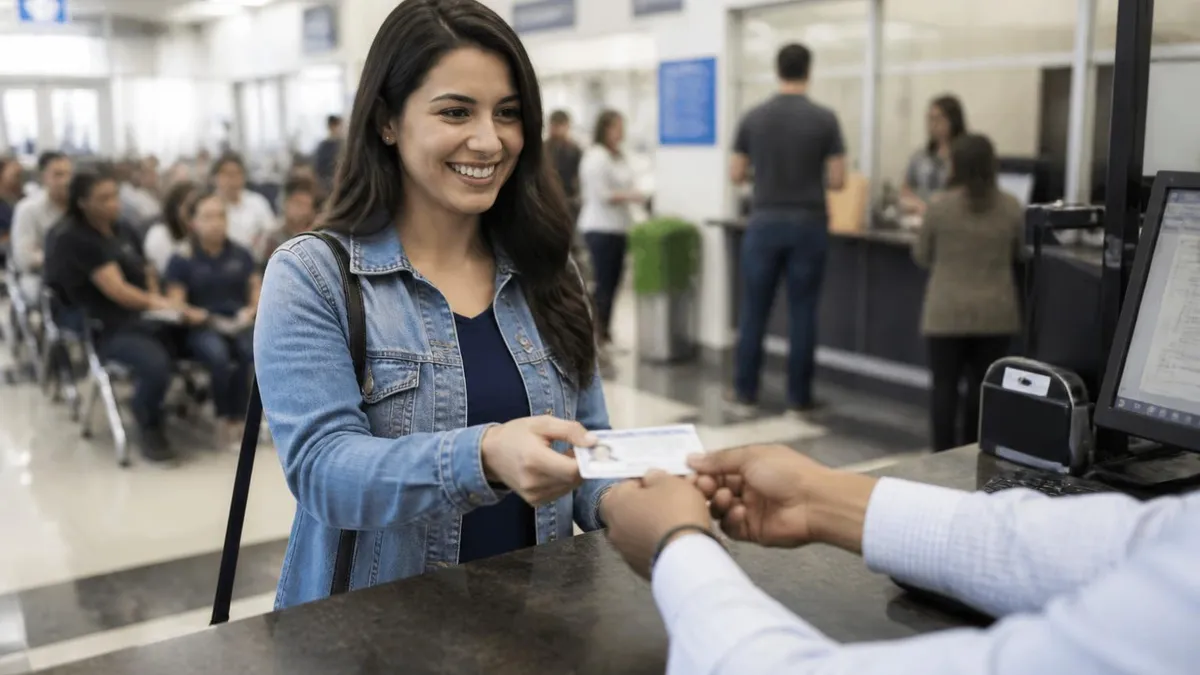
Virginia DMV Office Hours by Location Type
Open Monday through Friday, 8:00 a.m. to 5:00 p.m. These locations handle the full range of DMV transactions including REAL ID, title transfers, driver's licenses, and vehicle registration. Wait times peak mid-week between 10 a.m. and 2 p.m.
Select high-traffic DMV offices in Northern Virginia, Richmond, and Hampton Roads offer Saturday service from 8:00 a.m. to noon. A small number of urban locations extend weekday hours to 6:00 p.m. or 7:00 p.m. Check the VDOT website for which offices qualify.
Virginia's DMV Select program places authorized service providers — often AAA branches and local governments — inside partner offices. These locations handle routine transactions like renewals and registration stickers with their own hours, sometimes including evenings and weekends.
Virginia DMV's online portal is available 24/7 for eligible transactions. The customer service phone line operates Monday through Friday, 8:15 a.m. to 5:00 p.m. Representatives are available to answer complex questions that the online portal cannot resolve automatically.
All Virginia DMV offices close on state and federal holidays including New Year's Day, Martin Luther King Jr. Day, Presidents' Day, Memorial Day, Independence Day, Labor Day, Veterans Day, Thanksgiving, and Christmas. Emergency weather closures are announced on the VDOT website and social media channels.
A DMV customer service representative wears many hats during a single shift. On any given morning, a representative might process a first-time driver's license application for a teenager, complete a title transfer for a used-car sale, issue handicapped parking placards for a senior citizen, and flag a suspected fraudulent document — all before lunch. The breadth of transactions they handle demands both deep procedural knowledge and strong interpersonal skills, because customers often arrive stressed, confused, or in a hurry.
In Virginia, DMV representatives are state employees governed by the Virginia Department of Motor Vehicles' operational policies. New hires undergo a structured onboarding program that covers state motor vehicle law, federal REAL ID requirements, transaction processing systems, and customer service protocols. Before working independently at a customer window, most representatives must pass an internal certification assessment that tests their ability to apply these rules correctly under realistic conditions. The exam is not trivial — errors in title processing or license issuance can have significant legal consequences for customers and the state alike.
Consumer protection is a major component of the DMV representative's daily work. Representatives are trained to recognize the signs of vehicle title fraud, identity theft, odometer tampering, and fee evasion. When a customer presents a vehicle title with erasures or inconsistencies, or when an identification document does not match the system record, the representative must know how to proceed calmly and correctly — sometimes escalating to a supervisor or contacting law enforcement. This fraud-detection responsibility is a core reason why the DMV representative certification exam includes a dedicated consumer protection section.
Vehicle inspections and safety standards represent another major knowledge area. Virginia requires annual safety inspections for most registered vehicles, and DMV representatives must be able to explain the inspection process, communicate rejection criteria to confused customers, and handle appeals when a customer believes an inspection station erred. They also field questions about emissions testing requirements in Northern Virginia localities, trailer registration, and commercial vehicle weight compliance. Each of these sub-topics appears on the certification exam, which is why targeted practice quizzes organized by subject area are so valuable for candidates studying for the test.
Customer service skills are formally evaluated as part of the DMV representative role, not treated as a soft add-on. Virginia DMV tracks customer satisfaction scores by office and individual representative, using survey data collected after transactions. Representatives learn to manage long wait lines diplomatically, de-escalate frustrated customers, and communicate complex regulatory decisions in plain language that non-specialists can understand. These skills are developed through role-playing exercises during training and reinforced through ongoing coaching by office supervisors.
The salary and benefits package for a Virginia DMV customer service representative reflects the complexity of the role. Entry-level positions typically start around $38,000 to $44,000 annually, with regular step increases tied to performance evaluations. State benefits include health insurance, retirement contributions to the Virginia Retirement System, paid leave, and tuition assistance for continued education. Senior representatives and lead workers who supervise a team earn proportionally more, and some advance into management, auditing, or policy roles within the broader VDOT organizational structure.
If you are preparing for the DMV Representative certification exam, organizing your study time around the major exam domains is the most efficient approach. Consumer protection and dispute resolution, vehicle inspections and safety standards, title and registration procedures, driver licensing requirements, and fee structures are the primary content pillars. Each domain carries a different weight on the exam, and spending proportional study time on the heavier-weighted sections maximizes your score. Practice tests that mirror real exam question formats let you identify your weaker areas so you can focus your remaining study hours where they matter most.
How Do I Speak to a DMV Representative in VA and Beyond?
Virginia residents can reach a live DMV customer service representative by calling (804) 497-7100, the official VDOT DMV customer service line. Lines are open Monday through Friday from 8:15 a.m. to 5:00 p.m. For shorter wait times, call early in the morning or later in the afternoon rather than during the midday peak. Many routine questions about hours, required documents, and fee amounts can also be answered through the VDOT virtual assistant on the DMV website.
For transactions that cannot be handled by phone or online — such as first-time REAL ID applications, title dispute hearings, or medical review board submissions — scheduling an in-person appointment is recommended. Virginia DMV's appointment system is available through the official website and significantly reduces lobby wait times. Walk-in customers are served in order, but appointment holders are generally called first, so booking ahead can cut your visit time by 30 to 60 minutes or more at busier offices.

In-Person DMV Visit vs. Online Service: Which Is Right for You?
- +In-person visits allow a DMV customer service representative to review your original documents and catch issues before you leave the office.
- +Complex transactions like first-time REAL ID applications legally require in-person identity verification and document inspection.
- +Representatives can answer follow-up questions on the spot, preventing return trips caused by misunderstood requirements.
- +On-site payment options include cash, check, and card, giving more flexibility than online-only credit/debit processing.
- +In-person visits let you request same-day temporary permits or credentials when immediate proof of licensure is needed.
- +Office staff can initiate supervisor escalations, appeals, and exception processes that are not available through online portals.
- −In-person visits require traveling to an office during business hours, which conflicts with most standard work schedules.
- −Wait times at busy Virginia DMV locations can exceed 60 to 90 minutes during peak periods without an appointment.
- −Parking at urban DMV offices in Northern Virginia and Richmond is often limited and may require a fee.
- −You must gather all required documents before arriving — arriving with incomplete paperwork means a second trip.
- −Online transactions available 24/7 can be completed in minutes from home, eliminating travel time entirely.
- −Phone contact with a live representative often involves hold times that rival or exceed in-person waits during peak hours.
Pros and Cons at a Glance
| Pros | Cons |
|---|---|
| In-person visits allow a DMV customer service representative to review your original documents and catch issues before you leave the office. | In-person visits require traveling to an office during business hours, which conflicts with most standard work schedules. |
| Complex transactions like first-time REAL ID applications legally require in-person identity verification and document inspection. | Parking at urban DMV offices in Northern Virginia and Richmond is often limited and may require a fee. |
| Representatives can answer follow-up questions on the spot, preventing return trips caused by misunderstood requirements. | You must gather all required documents before arriving — arriving with incomplete paperwork means a second trip. |
| On-site payment options include cash, check, and card, giving more flexibility than online-only credit/debit processing. | Phone contact with a live representative often involves hold times that rival or exceed in-person waits during peak hours. |
DMV Visit Preparation Checklist: What to Bring and Do Before You Go
- ✓Verify your specific DMV office is open today by checking the VDOT website for holiday closures and emergency weather notifications.
- ✓Confirm your local office offers the exact service you need — not all Virginia locations handle commercial licenses or specialty transactions.
- ✓Book an appointment online through the VDOT DMV scheduling portal to minimize your lobby wait time.
- ✓Gather all required documents specific to your transaction type — REAL ID requires two proofs of Virginia residency plus Social Security verification.
- ✓Check the current fee schedule on the VDOT website and bring payment in an accepted form — cash, check, or card depending on your office.
- ✓Write down your driver's license number, vehicle VIN, and any case or transaction reference numbers you may have received previously.
- ✓Arrive at least 10 minutes before your scheduled appointment to allow time for parking, lobby check-in, and queue assignment.
- ✓If calling the DMV phone line, prepare your account information before dialing and call during off-peak hours — before 9 a.m. or after 3 p.m.
- ✓Complete any pre-application forms available online before your visit to speed up the counter transaction.
- ✓Take a photo of any temporary documents you receive at the office in case originals are lost before permanent credentials arrive by mail.
Tuesday and Wednesday mornings are Virginia's lowest-wait DMV windows.
VDOT DMV publishes real-time and historical wait time data by office on its website. Mondays and Fridays — especially around holidays — see the longest queues. Mid-week mornings between 8:00 a.m. and 9:30 a.m. consistently show the shortest waits statewide. Pairing an appointment with an off-peak time slot can reduce your total in-office time to under 20 minutes even at high-volume Northern Virginia locations.
The DMV customer service representative certification exam is the gateway to a stable, meaningful public-sector career in Virginia and across the country. Understanding the exam's structure is the first step in building an effective study plan. Most state DMV representative exams test candidates across several distinct domains: consumer protection and dispute resolution, vehicle inspections and safety standards, driver licensing and eligibility requirements, title and registration procedures, and fee structures and accounting. Each domain reflects the actual daily responsibilities of the role, so strong exam performance correlates directly with job readiness.
Consumer protection and dispute resolution is one of the most heavily tested domains. This area covers the legal framework that governs how DMV representatives must handle customer complaints, suspected fraud, title disputes, and situations where a customer believes they were charged incorrectly. Representatives must know escalation protocols — when to handle a situation independently, when to involve a supervisor, and when to refer a matter to law enforcement or the state attorney general's consumer protection division. These are not theoretical scenarios; they happen at DMV counters every day.
Vehicle inspections and safety standards form the second major exam domain. Virginia requires annual safety inspections performed by licensed inspection stations, and DMV representatives must understand what criteria inspectors use, what defects trigger a rejection, and how the reinspection process works after a vehicle is repaired. They also need to know the distinction between safety inspections and emissions inspections, because Northern Virginia localities subject to federal air quality regulations have additional emissions testing requirements that do not apply to the rest of the state. Exam questions in this domain test practical application of these rules, not just memorization.
Driver licensing eligibility is another cornerstone of the exam. This covers age requirements for different license classes, graduated driver licensing restrictions for drivers under 18, medical disqualification standards, point accumulation and suspension thresholds, and the process for reinstating a suspended or revoked license. Representatives who cannot accurately answer a customer's question about their eligibility status — or who give incorrect advice about reinstatement requirements — create legal and financial hardship for customers and liability exposure for the state. Precision in this domain matters enormously.
Title and registration procedures cover the paperwork lifecycle of a vehicle: how titles are issued, transferred, corrected, or duplicated; how lienholders are added or removed; how registration is renewed or transferred between owners; and how salvage, rebuilt, and junk designations affect a vehicle's legal status. These procedures involve strict documentation requirements and specific timelines. A DMV representative who understands these rules thoroughly can process transactions efficiently and avoid the errors that generate customer complaints and require supervisory correction.
Preparing for the certification exam requires more than reading the employee handbook. Timed practice tests that replicate the actual question format — multiple-choice questions that present realistic scenarios and require applying rules rather than simply recalling them — are the most effective study tool available.
Working through practice questions exposes the specific knowledge gaps you would not find by reading alone, and it builds the retrieval speed you need to complete the real exam within the allotted time. Many candidates who fail on their first attempt report that they understood the material but ran out of time or second-guessed themselves under pressure.
Career advancement opportunities for DMV customer service representatives are real and accessible. Experienced representatives can move into lead worker positions, where they mentor new hires and handle escalated customer situations. From there, the path branches into office management, auditing, policy analysis, or training and development roles. Some representatives use their DMV experience to move into related fields such as insurance, title companies, auto dealership compliance, or state law enforcement. The foundational knowledge acquired for the certification exam provides a durable foundation for all of these directions.
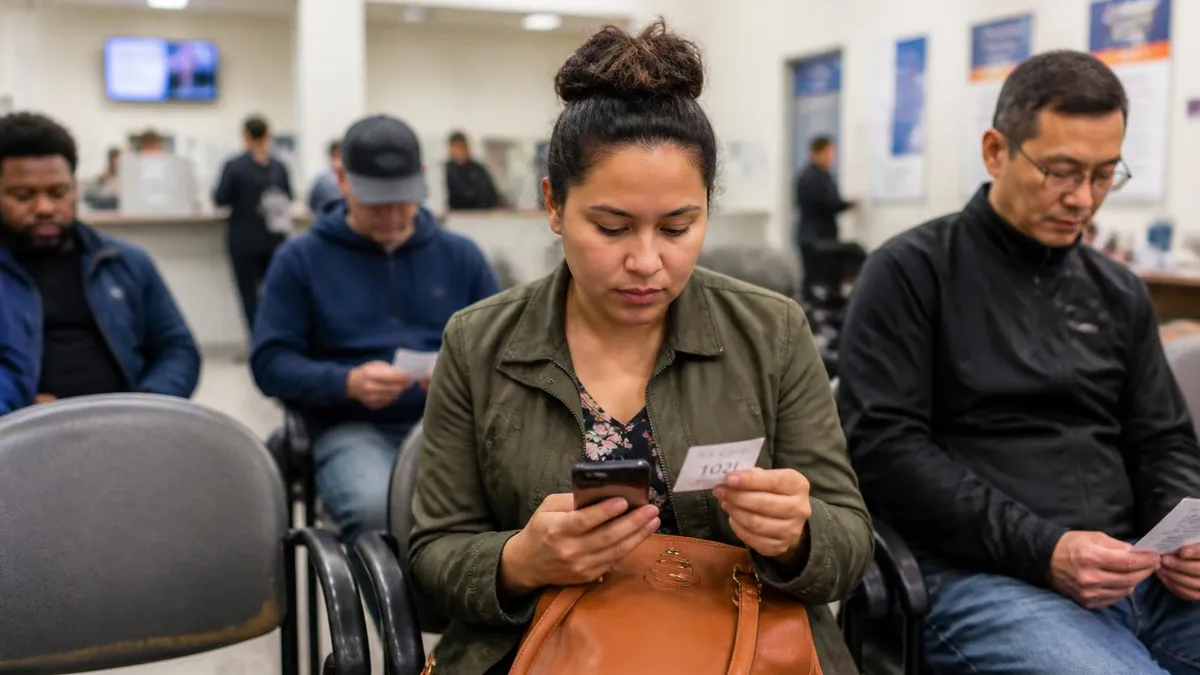
DMV representative certification exam eligibility requirements vary by state and employer. In Virginia, candidates are typically required to complete the state's formal onboarding training program before sitting for the internal certification assessment — you cannot walk in cold as an outside applicant and take the exam independently. If you are applying for a DMV representative position, confirm the specific exam registration process with your HR contact before purchasing study materials or scheduling a test date.
Building a practical study schedule is just as important as choosing the right study materials. Most DMV representative exam candidates benefit from a four-to-six week preparation period if they are studying part-time alongside work or other commitments. Start by taking a diagnostic practice test without any preparation to establish your baseline score and identify your weakest domains. Then allocate your study hours proportionally: spend the most time on the domains where your diagnostic score was lowest, and use your remaining time to maintain your stronger areas and build speed.
Flashcards remain a powerful memory tool for the fee schedules, document checklists, and eligibility thresholds that DMV representatives must recall quickly at the counter. Create cards organized by domain, reviewing them during short breaks throughout the day. The spacing effect — reviewing material at increasing intervals — dramatically improves long-term retention compared to massed studying the night before an exam. Many candidates combine flashcard review with timed practice tests: flashcards for memorization, practice tests for application. Together these two methods cover both the recall and reasoning demands of the certification assessment.
Peer study groups can accelerate preparation, especially for candidates who are going through the same training cohort. Explaining a rule to a study partner forces you to articulate it clearly, which deepens your own understanding and quickly reveals gaps you did not know you had. Study groups also provide moral support during the sometimes tedious process of memorizing state-specific fee tables and procedural checklists. If no in-person group is available, online forums for state employee exam prep can serve the same collaborative purpose.
Mock exams under realistic conditions are a non-negotiable part of exam preparation. Set a timer for the actual exam duration, find a quiet space, put your phone away, and work through a full-length practice test without pausing or checking references. Review every question afterward — not just the ones you got wrong, but also the ones you answered correctly by guessing.
Understanding why each answer is right or wrong is what builds genuine competency, not just a high practice score. Candidates who take at least three full mock exams before their real test date significantly outperform those who only do topic-by-topic drills.
The day before your exam, shift from intensive study to light review and physical preparation. Go through your summary notes or a short set of flashcards covering your weakest areas, but avoid trying to learn new material. Get a full night of sleep — cognitive research consistently shows that sleep consolidates memory far more effectively than additional cramming. Eat a nutritious breakfast on exam day, arrive at the testing location early enough to settle your nerves, and bring any required identification or registration confirmation the exam center requires.
After you pass the certification exam and begin working at a DMV counter, your learning continues. Real-world transactions regularly surface edge cases that no study guide covers, and regulations change periodically through legislative updates and administrative rule revisions. Virginia DMV provides ongoing training for current representatives, and staying engaged with these updates is part of the professional responsibility of the role. The best DMV representatives treat their certification not as a finish line but as the starting point of a career-long learning process that ultimately benefits every customer they serve.
Whether you are a first-time applicant studying for the initial certification, an experienced representative refreshing your knowledge before a promotion exam, or a Virginia resident simply trying to figure out whether your local DMV office is open today and who to call when it is, understanding how the DMV customer service system works makes every interaction smoother and more productive. Use our practice resources, plan your visit carefully, and approach the DMV — as customer or career candidate — with the confidence that comes from genuine preparation.
Practical strategies for navigating Virginia DMV — whether as a customer or a job candidate — start with knowing the system before you engage with it. The most common mistake customers make is arriving at a DMV office without all required documents, leading to a wasted trip and a repeat visit. The VDOT DMV website maintains a document checklist for every transaction type, organized by service category. Bookmarking this page and cross-referencing your specific transaction checklist the night before your visit eliminates the single biggest source of avoidable DMV frustration.
Phone calls to DMV work best when you have a specific question with a clear answer — is my license eligible for renewal online? What documents do I need for a title transfer? How do I request a driving record? Open-ended calls asking for general guidance often result in being transferred multiple times or receiving partial answers. Frame your question precisely before dialing, and write down the representative's name and any reference numbers they provide during the call in case you need to follow up later.
Online services have expanded dramatically in recent years, and many Virginians are unaware of just how many DMV transactions can now be completed without visiting an office. Standard driver's license renewals, vehicle registration renewals, address changes, duplicate license requests, and driving record orders are all available online through the VDOT MyDMV portal. Setting up a MyDMV account before you need it — not in the middle of a deadline-driven renewal — means you will be able to access these services quickly when the time comes.
For DMV representative exam candidates, one of the highest-use study strategies is working backward from wrong answers. When a practice question marks your response as incorrect, do not simply accept the correct answer and move on. Research why your answer was wrong using the official Virginia DMV policy manual or the relevant statute. Understanding the specific rule that governs the correct response — not just memorizing the answer — is what allows you to handle novel question formats on the real exam that may word the same underlying concept differently.
Time management during the actual certification exam deserves deliberate attention. If the exam has 100 questions and a 90-minute time limit, you have 54 seconds per question on average. Questions you know cold should take 20 to 30 seconds, leaving a bank of extra time for the harder scenario-based questions that require careful reading. Mark any question you are uncertain about and return to it after completing the rest of the exam. Spending five minutes agonizing over one question while leaving three other answerable questions unread is a common and avoidable exam error.
Continuing education requirements for certified DMV representatives vary by state. In Virginia, representatives participate in annual update training when statutes or VDOT policies change, and are expected to stay current with federal requirements — particularly around REAL ID, commercial driver's license (CDL) federal standards, and the Electronic Lien and Title (ELT) system. Proactively engaging with these updates rather than waiting for mandatory training sessions positions you as a high-performing representative and builds the expertise base needed for advancement into supervisory or specialist roles.
Finally, remember that every interaction you have as a DMV customer service representative reflects on the entire agency. Customers often arrive at the DMV feeling stressed, rushed, or confused by the bureaucratic process.
A representative who greets customers warmly, listens carefully to their specific situation before jumping to a solution, explains decisions in clear language, and treats every person with respect — regardless of how complex or minor their transaction — builds public trust in government services one interaction at a time. That human dimension of the role is what makes a truly excellent DMV representative stand out from one who merely processes paperwork correctly.
Sample DMV - Representative Exam Practice Questions
Try these questions from our free DMV - Representative Exam practice tests. The correct answer and an explanation follow each question.
A customer purchases a used vehicle for $15,000 and buys the optional 2-day contract cancellation agreement. They decide to cancel the contract on the second day. The dealer has a standard restocking fee of $300. How much must the dealer refund to the customer if the customer paid $250 for the cancellation option?
- A. The full purchase price, sales tax, registration fees, and the trade-in vehicle, but the dealer keeps the $250 option fee.
- B. The full purchase price and all fees, including the $250 option fee.
- C. The purchase price minus the $300 restocking fee.
- D. The purchase price minus the $250 option fee and the $300 restocking fee.
Answer: A. The full purchase price, sales tax, registration fees, and the trade-in vehicle, but the dealer keeps the $250 option fee.
According to the California Car Buyer's Bill of Rights, if a buyer cancels the contract, the dealer must provide a full refund of the sales tax, registration fees, and any deposit or trade-in vehicle. The fee paid for the contract cancellation option itself is nonrefundable. While a dealer can charge a restocking fee, they must deduct the amount paid for the cancellation option from that fee. In this case, since the $250 option fee is less than the $300 restocking fee, the practical effect is that the dealer retains the $250 and the buyer is not charged an additional restocking amount.
A dealer's finance manager adds a credit insurance product to the contract without telling the customer. Under TILA, this is:
- A. Permitted if it reduces the APR
- B. A violation because it is an undisclosed credit-related charge
- C. Acceptable if the customer can cancel later
- D. Required by most state lending laws
Answer: B. A violation because it is an undisclosed credit-related charge
TILA requires all credit-related charges to be disclosed; adding undisclosed products inflates the finance charge and violates disclosure requirements.
Which federal agency regulates the used car Buyers Guide requirement for dealers?
- A. Department of Transportation (DOT)
- B. Federal Trade Commission (FTC)
- C. National Highway Traffic Safety Administration (NHTSA)
- D. Consumer Financial Protection Bureau (CFPB)
Answer: B. Federal Trade Commission (FTC)
The FTC's Used Car Rule mandates the Buyers Guide disclosure on all used vehicles sold by dealers.
If a buyer's order is altered after the customer signed it, what is the most serious potential consequence for the dealer?
- A. A minor administrative fine
- B. License revocation and possible criminal fraud charges
- C. Required retraining of sales staff
- D. A warning letter from the DMV
Answer: B. License revocation and possible criminal fraud charges
Altering a signed buyer's order constitutes document fraud, which can result in license revocation and criminal prosecution.
DMV Questions and Answers

DMV Customer Service Representative: Complete Career Guide & Permit Test Practice

DMV Drivers License: Application, Tests, REAL ID and Renewals

Colorado DMV Walk-In Locations: How to Talk to a DMV Customer Service Representative

What Are 6 Points of ID for NJ DMV: Complete Guide to New Jersey ID Requirements

How to Get a Car Title from DMV: Complete Guide for 2026
About the Author
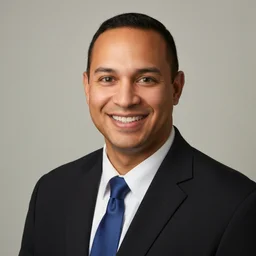
Licensed Driving Instructor & DMV Test Specialist
Penn State UniversityRobert J. Williams graduated from Penn State University with a degree in Transportation Management and has spent 20 years as a certified driving instructor and DMV examiner consultant. He has personally coached thousands of applicants through written knowledge tests, skills assessments, and commercial driver licensing programs across more than 30 states.
Join the Discussion
Connect with other students preparing for this exam. Share tips, ask questions, and get advice from people who have been there.
View discussion (8 replies)