
What Does DMV in DC Mean? DMV Customer Service Representative Guide
What does DMV in DC mean? Learn about DMV customer service representative roles, how to speak to a rep, and ace your exam. ✅
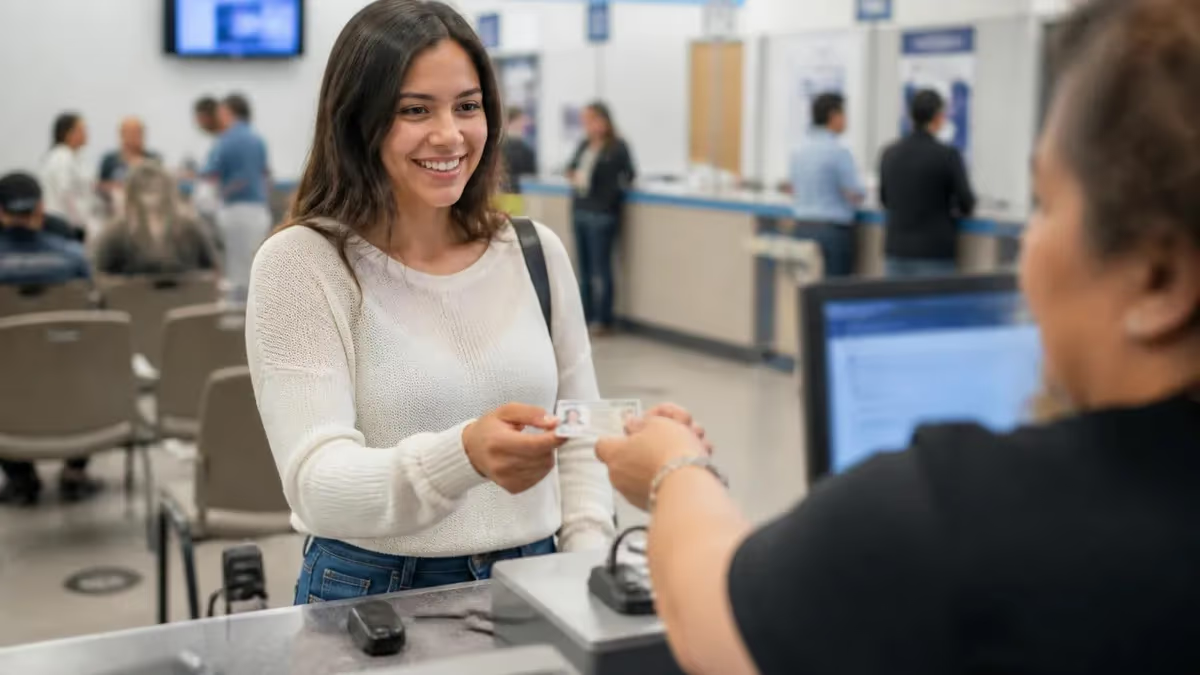
If you have ever wondered what does DMV in DC mean, you are not alone. The Department of Motor Vehicles in the Washington, DC area operates under a slightly different structure than most states, and understanding this distinction is essential for anyone working as a DMV customer service representative or preparing for the DMV representative exam. In the DC metro region, the term "DMV" refers to the DC Department of Motor Vehicles, which handles all vehicle registration, driver licensing, and related services for residents of the District of Columbia.
A DMV customer service representative is the front-line professional who assists the public with these critical transactions every single day. These representatives process driver's license applications, handle vehicle title transfers, resolve account disputes, and guide customers through complex regulatory requirements. The role demands a thorough knowledge of both state-specific and federal regulations, making proper exam preparation an absolute necessity for anyone entering the field or advancing within the DMV system.
The DC area DMV operates multiple service centers throughout the District, including locations in Northeast, Southeast, and Northwest Washington. Each service center is staffed by trained representatives who must demonstrate competency across a wide range of subject areas. For residents of the broader metro area — including parts of Maryland and Virginia — the term DMV can also loosely refer to the tri-state region itself, a colloquial usage that has become embedded in local culture and everyday speech.
Understanding how to navigate the DMV system, whether as a customer or as a representative, requires familiarity with the agency's organizational structure, its consumer protection policies, and its vehicle inspection standards. Candidates who pass the DMV representative exam demonstrate that they can handle everything from straightforward license renewals to complex dispute resolution scenarios involving vehicle ownership conflicts or registration fraud investigations.
For those preparing for the DMV representative exam, targeted practice using resources designed specifically for this test is the single most effective study strategy. The exam covers consumer protection laws, vehicle inspection procedures, safety standards, and administrative processes that representatives encounter daily. You can strengthen your preparation by exploring dmv dc area practice materials designed to mirror real exam content and question formats.
This guide covers everything you need to know about the DMV customer service representative role in the DC area, from what the exam tests and how to prepare effectively, to the day-to-day responsibilities of the job and the career advancement opportunities available to certified representatives. Whether you are a first-time candidate or a working representative seeking to deepen your knowledge, the information here will help you succeed at every stage of your DMV career journey.
By the time you finish reading, you will have a clear picture of the DMV representative landscape in the DC area, the specific knowledge domains the exam covers, and the practical strategies that consistently produce passing scores. Let us start with the numbers that define this profession and this examination process so you can calibrate your study plan accordingly from the very beginning.
DMV Customer Service Representative by the Numbers

DMV Representative Exam Format
| Section | Questions | Time | Weight | Notes |
|---|---|---|---|---|
| Consumer Protection & Dispute Resolution | 50 | 90 min | 50% | Covers fraud prevention, dispute handling, and customer rights |
| Vehicle Inspections & Safety Standards | 50 | 90 min | 50% | Covers safety checks, emissions, and inspection procedures |
| Total | 100 | 3 hours | 100% |
The role of a DMV customer service representative in the DC area is more complex and demanding than most people outside the agency realize. At its core, the position requires representatives to serve as the primary point of contact between the government agency and the public, handling an enormous variety of transactions that range from routine to highly complicated. On any given day, a representative might process dozens of standard license renewals and then pivot immediately to resolving a disputed vehicle title that has been tied up in probate court for months.
In Washington, DC specifically, the DMV representative role carries additional weight because the District serves a uniquely diverse population that includes permanent residents, federal government employees, foreign nationals with diplomatic status, and a large transient population of students and temporary workers. Each of these groups has distinct documentation requirements and eligibility rules, and the representative must know how to handle each category correctly without creating delays or compliance violations that could expose the agency to legal liability.
Representatives in the DC area are also expected to be proficient in navigating the agency's digital systems, which have been substantially upgraded in recent years to reduce wait times and improve accuracy. The DC DMV now processes the majority of its transactions through an integrated database that links to federal records, insurance verification systems, and court databases. Representatives must be able to use these systems efficiently while simultaneously maintaining warm, professional interactions with customers who may be frustrated, confused, or facing time-sensitive situations.
Consumer protection is one of the most critical areas of competency for any DMV representative, and this is especially true in the DC area where the volume of transactions creates significant opportunities for fraud. Representatives are trained to recognize common fraud schemes such as title washing, odometer rollback fraud, and identity theft in license applications. Knowing how to identify these red flags and escalate suspicious cases to the appropriate investigative units is a core professional responsibility that the exam tests extensively.
Vehicle inspection standards represent the second major domain of DMV representative expertise. While representatives do not typically conduct the physical inspections themselves, they must understand the criteria that vehicles must meet, the documentation that inspection stations are required to provide, and the procedures for handling vehicles that fail inspection or are subject to safety recalls. This knowledge helps representatives guide customers through the compliance process correctly and efficiently, reducing the number of return visits and phone calls that consume agency resources.
Dispute resolution is another dimension of the representative role that requires both technical knowledge and interpersonal skill. When customers contest a DMV decision — whether it involves a suspended license, a denied registration, or a fee that they believe was assessed incorrectly — the representative must be able to explain the basis for the decision clearly, identify any legitimate grounds for appeal, and document the interaction thoroughly in the agency's case management system. Poorly handled disputes can escalate into formal complaints or legal proceedings, so the stakes of getting this right are genuinely high.
For candidates who are preparing to enter the field, understanding these core responsibilities provides essential context for the exam content. The questions on the DMV representative exam are not abstract; they are drawn directly from the real situations that representatives encounter. Every domain on the exam maps to a specific set of job functions, and candidates who approach their preparation with this practical perspective consistently outperform those who simply memorize facts without connecting them to the actual work.
How to Speak to a DMV Representative in NY and the DC Area
If you need to know how to speak to a DMV representative in NY or DC, calling the main customer service line is usually the fastest starting point. In New York, the DMV can be reached at 518-486-9786, and representatives are available during standard business hours Monday through Friday. Having your driver's license number, vehicle identification number, or case number ready before you call will significantly reduce the time you spend on hold and help the representative locate your records instantly.
In the DC area, the DMV customer service line connects callers to a centralized queue where calls are routed based on the nature of the inquiry. For complex matters such as title disputes, suspended license reinstatements, or fraud investigations, callers are typically transferred to a specialist who has authority to access restricted records and initiate formal case reviews. Always write down the representative's name and a reference number at the end of any substantive call so you have documentation if follow-up is needed.
Pros and Cons of a Career as a DMV Customer Service Representative
- +Stable government employment with strong job security and defined benefits packages
- +Competitive salary averaging $64,000 annually with regular step increases based on tenure
- +Comprehensive health insurance, retirement plans, and paid leave benefits
- +Clear career advancement pathways from representative to senior specialist to supervisor
- +Meaningful public service role that directly helps community members navigate important processes
- +Exposure to a wide variety of cases that builds broad expertise in vehicle law and consumer protection
- −High-volume, fast-paced environment that can cause burnout without effective stress management
- −Frequent interactions with frustrated or upset customers in high-stakes situations
- −Exam preparation requires significant investment of time and study resources upfront
- −Strict procedural compliance requirements leave limited room for individual discretion
- −Computer systems can be slow or experience outages, creating backlogs that representatives absorb
- −Mandatory continuing education requirements add ongoing professional development obligations
DMV Representative Exam Preparation Checklist
- ✓Download and review the official DMV representative exam content outline from the agency website.
- ✓Complete at least three full-length timed practice tests before your scheduled exam date.
- ✓Study all consumer protection statutes referenced in the exam guide, including dispute resolution procedures.
- ✓Review vehicle inspection criteria and safety standards for the specific jurisdiction where you will work.
- ✓Memorize the documentation requirements for each major transaction type the exam covers.
- ✓Practice identifying common fraud scenarios including title washing and identity theft in license applications.
- ✓Review the escalation and reporting procedures for suspected fraud or criminal activity.
- ✓Study the appeals process for DMV decisions including the timelines and documentation requirements.
- ✓Familiarize yourself with the digital systems and databases DMV representatives use daily.
- ✓Schedule your exam appointment at least two weeks in advance to secure your preferred date and time.
Consumer Protection Questions Carry Equal Weight to Vehicle Inspection
Many candidates underestimate the consumer protection and dispute resolution domain, focusing their study time almost entirely on vehicle inspection standards. The exam allocates 50% of its questions to consumer protection topics, meaning that a candidate who neglects this domain cannot pass even with a perfect score on vehicle inspection questions. Balance your preparation equally across both domains from the very start of your study plan.
Consumer protection is a cornerstone of the DMV representative role, and the exam dedicates substantial attention to this domain because the consequences of getting it wrong in a real workplace setting can be severe. The consumer protection framework that DMV representatives operate within is built on a combination of federal regulations, state statutes, and agency policies that together define what representatives can and cannot do when a customer's rights are at stake. Understanding how these layers interact is essential for both the exam and the job itself.
One of the most frequently tested consumer protection topics is the proper handling of disputes over vehicle ownership. When two parties claim ownership of the same vehicle — a scenario that arises more often than most people expect, particularly with estate vehicles, divorce settlements, and informal private sales — the representative must know exactly which documents to request, which agency resources to consult, and how to document the interaction in a way that protects both the customer and the agency. Getting this wrong can result in fraudulent title transfers that are extremely difficult and expensive to unwind.
The dispute resolution process for driver's license actions is another major exam topic. When a customer's license has been suspended or revoked, they have a legal right to receive a clear explanation of the basis for the action and information about the appeals process. Representatives who fail to provide this information correctly may expose the agency to legal liability, and in some cases, a poorly handled suspension notification can cause a court to overturn the action entirely on procedural grounds. The exam tests candidates' knowledge of the specific steps that must be followed at each stage of this process.
Vehicle inspection standards represent the second pillar of DMV representative knowledge. In the DC area, vehicles must pass both safety and emissions inspections before they can be registered or have their registration renewed. Representatives must understand what each type of inspection covers, what the passing and failing criteria are, and what options customers have when their vehicle fails. This includes knowledge of waiver programs for vehicles that fail emissions but cannot be repaired without cost exceeding a specified threshold, as well as exemptions for vintage vehicles and certain low-mileage cars.
Safety standards for vehicles have become increasingly complex as automotive technology has advanced. Representatives now encounter questions about vehicles with advanced driver assistance systems, electric powertrains, modified suspension systems, and aftermarket equipment that may or may not be compliant with safety regulations. The exam reflects this reality by including questions about emerging vehicle technologies and how they interact with existing inspection frameworks. Candidates who study only the traditional inspection criteria may find themselves caught off guard by these newer topics.
The intersection of consumer protection and vehicle inspection arises most prominently in situations involving unsafe vehicles that have been sold to consumers without proper disclosure of known defects. In these cases, the DMV representative may need to coordinate with consumer protection agencies, law enforcement, and the National Highway Traffic Safety Administration to address a situation that goes beyond a simple registration transaction. Understanding when and how to make these referrals is a sign of professional maturity that the exam tests at the advanced level.
Documentation is the thread that runs through every aspect of consumer protection and vehicle inspection work. Every interaction that involves a dispute, a failed inspection, a fraud allegation, or a consumer protection concern must be documented with specificity and accuracy in the agency's systems.
The documentation creates a legal record that may be reviewed by supervisors, auditors, courts, or administrative law judges, and representatives who document poorly create problems that can persist long after the original transaction is resolved. The exam emphasizes documentation requirements precisely because this skill is so critical to the agency's ability to defend its decisions and serve its customers effectively.
DMV representative exam registration windows open and close on fixed dates, and late applications are not accepted under any circumstances. Missing the registration deadline means waiting for the next available exam cycle, which can delay your career entry or advancement by three to six months. Check the official agency website for current registration dates and submit your application at least two weeks before the deadline to allow time for processing and confirmation.
Career advancement opportunities for DMV customer service representatives in the DC area are more varied and accessible than many candidates realize when they first enter the field. The traditional career path moves from entry-level representative to senior representative, then to team lead, and ultimately to supervisory and management positions that carry significantly higher compensation and responsibility. However, there are also lateral pathways into specialized roles in fraud investigation, compliance auditing, training, and systems administration that offer distinctive professional development opportunities.
The salary trajectory for DMV representatives in the DC area reflects both the cost of living in the region and the government pay scale structures that govern public sector compensation. Entry-level representatives in Washington, DC typically start in the range of $45,000 to $52,000 per year, with automatic step increases based on tenure that bring the salary to approximately $64,000 after five to seven years of service. Senior representatives and team leads can earn between $70,000 and $85,000, while supervisory positions often exceed $90,000 when locality pay adjustments are factored in.
Beyond base salary, the benefits package available to DC government employees is a significant component of total compensation that distinguishes public sector DMV positions from comparable private sector customer service roles. DC government employees receive comprehensive health insurance coverage with employer contributions that substantially reduce the employee's out-of-pocket cost, a defined benefit pension plan that provides guaranteed retirement income after a minimum service period, and generous paid leave policies that include sick leave, annual leave, and paid holidays that exceed what most private employers offer.
Professional certification is an increasingly important factor in career advancement within the DMV system. Representatives who hold certifications in areas such as fraud detection, customer service excellence, or vehicle inspection standards are more competitive for promotion and are often first in line when specialized roles become available. Some certifications also qualify representatives for assignments with multi-state task forces or federal coordination bodies that work on cross-jurisdictional DMV issues, providing both career exposure and resume-building experience that is highly valued in subsequent applications.
Training and mentorship programs within the DC DMV system provide structured support for new representatives during their first year on the job. These programs typically pair newcomers with experienced senior representatives who guide them through complex transaction types, provide feedback on customer interaction techniques, and help them navigate the unwritten rules of the workplace. Representatives who engage actively with these programs advance more quickly and report higher job satisfaction than those who try to learn entirely on their own, according to agency internal surveys.
The skills developed as a DMV customer service representative also transfer well to other public administration roles, law enforcement adjacent positions, and private sector compliance jobs. Many former DMV representatives have moved into roles with the Department of Transportation, the Motor Vehicle Administration in neighboring Maryland and Virginia, insurance company compliance departments, and automotive dealership compliance teams. The combination of regulatory knowledge, customer service experience, and documentation skills that the job builds is genuinely portable across a wide range of industries and agency contexts.
For candidates who are serious about building a long-term career in public administration through the DMV pathway, the investment in thorough exam preparation pays dividends that extend well beyond the initial hiring process.
Representatives who enter the job with a strong foundation in consumer protection law and vehicle inspection standards hit the ground running, earn better performance reviews in their first year, and position themselves for advancement opportunities that can transform an entry-level government job into a rewarding and financially stable career. The resources available at dmv dc area practice materials provide exactly the targeted preparation that serious candidates need to start strong.
Practical exam preparation strategies make a measurable difference in outcomes for DMV representative candidates, and the most effective approaches share certain characteristics that distinguish them from generic study techniques. The foundation of any successful preparation plan is a thorough review of the official exam content outline, which specifies exactly which topics will be tested and at what level of depth. Candidates who build their study schedule around this outline avoid the common mistake of spending too much time on peripheral topics while neglecting the high-weight areas that determine whether they pass or fail.
Timed practice tests are the single most effective tool for building exam readiness, and candidates should aim to complete at least five full-length practice tests before their exam date. The time pressure of the real exam catches many candidates off guard, particularly in the vehicle inspection domain where questions often require careful analysis of scenario-based situations rather than simple fact recall. By practicing under realistic time constraints, candidates develop the pacing habits and mental stamina they need to perform consistently throughout the entire exam without running out of time on the final sections.
Active recall is a significantly more effective study technique than passive re-reading, and candidates who build their preparation around active recall consistently outperform those who simply review notes and textbooks. Flashcards, practice questions, and self-quizzing exercises force the brain to retrieve information rather than just recognize it, which strengthens the memory traces that candidates need to access under exam pressure. For the consumer protection domain specifically, creating scenario-based flashcards that describe a customer situation and ask what the correct representative response would be is an excellent way to develop the applied knowledge the exam demands.
Study groups can be valuable for DMV representative exam candidates when they are structured around active discussion and problem-solving rather than passive review sessions. Groups that work through practice questions together, debate the reasoning behind different answer choices, and quiz each other on high-priority topics tend to produce better outcomes than groups that simply take turns summarizing material. If you have colleagues who are also preparing for the exam, organizing two or three structured group study sessions in the final weeks before the exam can help you identify gaps in your understanding that individual study might have missed.
The day before the exam should be dedicated to light review and mental preparation rather than intensive last-minute studying. Candidates who attempt to cram new material in the final twenty-four hours before the exam often perform worse than those who spend that time resting, reviewing their strongest areas, and managing exam anxiety.
Get a full night of sleep, eat a balanced meal before the exam, and arrive at the testing center early enough to get settled without feeling rushed. The preparation you have done in the preceding weeks is what will carry you through the exam, not any eleventh-hour additions to your knowledge base.
After the exam, whether you pass on the first attempt or need to retake it, the experience provides valuable information about your strengths and gaps. Candidates who do not pass on the first attempt should request a score report that breaks down performance by domain and use that information to target their additional preparation precisely. Most candidates who retake the exam with a targeted preparation plan based on their score report pass on their second attempt, and the experience of going through the exam once — even unsuccessfully — significantly reduces anxiety and improves time management on the retake.
The commitment to continuous learning does not end when you pass the exam and begin working as a DMV representative. The regulatory environment governing vehicle registrations, driver licensing, and consumer protection evolves constantly, and representatives who stay current through continuing education, professional association membership, and agency training programs consistently deliver better service and advance more quickly. Building the habits of professional development early in your career sets you up for sustained success as a DMV representative in the DC area and beyond.
DMV Questions and Answers

DMV Customer Service Representative: Complete Career Guide & Permit Test Practice

DMV Drivers License: Application, Tests, REAL ID and Renewals

Colorado DMV Walk-In Locations: How to Talk to a DMV Customer Service Representative

What Are 6 Points of ID for NJ DMV: Complete Guide to New Jersey ID Requirements
DMV Customer Service Representative: Alcohol Questions, Permit Test Prep & Career Guide
About the Author
Licensed Driving Instructor & DMV Test Specialist
Penn State UniversityRobert J. Williams graduated from Penn State University with a degree in Transportation Management and has spent 20 years as a certified driving instructor and DMV examiner consultant. He has personally coached thousands of applicants through written knowledge tests, skills assessments, and commercial driver licensing programs across more than 30 states.
Join the Discussion
Connect with other students preparing for this exam. Share tips, ask questions, and get advice from people who have been there.
View discussion (8 replies)