
Does CVS Drug Test? Complete Guide to CVS Pharmacy Pre-Employment Screening
Does CVS drug test new hires? ✅ Learn CVS pharmacy screening policies, test types, timelines & how to prepare for the CVS pre-employment process.

Does CVS drug test its job applicants? This is one of the most frequently searched questions among people pursuing CVS careers, and the answer depends on several factors including the position you are applying for, your location, and the specific CVS store or CVS Caremark division involved. CVS Health is one of the largest employers in the United States, operating thousands of CVS pharmacy locations nationwide, and the company takes its hiring standards seriously across every department and role.
CVS pharmacy has a well-established pre-employment screening process that goes beyond just checking your application. For many positions — particularly pharmacists, pharmacy technicians, and healthcare-adjacent roles — a drug test is a standard part of the onboarding experience. Even for retail associate positions at a CVS pharmacy location, drug testing is common in states where CVS operates under stricter compliance requirements or where the store has had prior incidents. Understanding what to expect puts you ahead of other applicants.
The type of drug test CVS uses varies, but the most common method is a urine drug screen conducted at a third-party clinic or collection site. Some CVS Caremark corporate positions may require a more extensive background and drug screening process, while entry-level CVS pharmacy floor positions may use a simpler panel. The number of substances tested — typically ranging from a 5-panel to a 10-panel screen — can also shift depending on the role and local regulations in your state.
Many candidates wonder whether CVS hours of operation affect when they can complete their screening. In most cases, CVS works with testing facilities that operate on extended hours, and you are typically given a 24-to-48-hour window to report to the testing location after receiving your conditional offer. Failing to appear within that window can result in your job offer being rescinded, so it is important to plan ahead immediately after receiving your offer letter from CVS careers.
CVS stock performance and the company's growth trajectory have made CVS Health one of the most stable employers in retail healthcare, which also means competition for open roles is strong. Candidates who understand the screening process — including what the CVS assessment test covers and how drug testing fits into the overall hiring timeline — are far better positioned to move through the process efficiently and land the role they want.
To understand the full scope of what CVS tests candidates on during the hiring process, it also helps to know what does cvs stand for as a company and what its core values are. CVS Health's commitment to patient safety and community wellness directly informs why drug-free workplace policies are enforced with such consistency across its thousands of locations. Knowing the company's mission helps you frame your own application more compellingly.
This guide covers everything you need to know about CVS drug testing policies in 2026 — which positions require testing, which substances are screened, how the timeline works, what happens if you fail, and practical steps you can take to prepare with confidence. Whether you are applying for a pharmacy tech role, a CVS login account manager position in corporate, or a store associate job, the information here applies directly to your situation and will help you navigate the process from application to first day on the job.
CVS Drug Testing by the Numbers

CVS Drug Testing Policy Overview
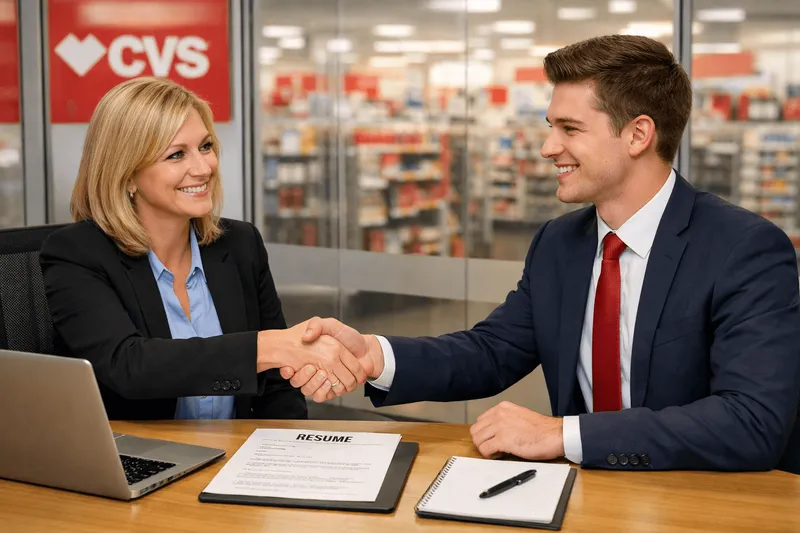
CVS typically conducts a urine drug screen after extending a conditional job offer. You must complete this screening within 24 to 48 hours at an approved third-party collection site. Failing to appear or testing positive may result in offer rescission.
Once hired, CVS reserves the right to conduct random drug tests — especially for pharmacy staff, pharmacists, and roles requiring DEA compliance. Employees in safety-sensitive positions are subject to random screening throughout their employment.
If a CVS manager or supervisor has documented reason to believe an employee is impaired on the job, the company may require an immediate drug test. This applies to all CVS pharmacy and CVS Caremark employees regardless of tenure.
CVS conducts drug testing after workplace accidents or incidents that result in injury or significant property damage. This applies company-wide across CVS pharmacy retail, distribution centers, and CVS Caremark corporate offices.
Which specific CVS positions require a drug test, and which ones might not? The answer to this question can help you calibrate your expectations as you pursue a role at CVS pharmacy. Broadly speaking, any position that involves handling controlled substances — which includes virtually every pharmacy-facing role — will require pre-employment drug testing as a non-negotiable condition of employment. This includes licensed pharmacists, certified pharmacy technicians, and pharmacy tech trainees who are still completing their certification requirements.
CVS careers in the corporate division, including roles at CVS Caremark, also typically involve drug testing. CVS Caremark is the pharmacy benefits management arm of CVS Health and handles prescription drug coverage for millions of Americans. Because these roles involve access to sensitive patient data and, in some cases, pharmaceutical supply chains, the screening process is thorough. Corporate applicants should expect both a background check and a drug screen as standard components of the hiring pipeline.
For general retail associate positions — floor staff, cashiers, shift supervisors, and photo department workers like those handling CVS photo or CVS photo print orders — the drug testing requirement is less universal but still common. In states with strict drug-free workplace laws, or in CVS stores located in regions with higher security standards, even these entry-level positions will include a drug screen. Candidates applying for overnight positions or key-holder roles are also more likely to be tested than part-time daytime associates.
Distribution center employees and logistics staff working in CVS Health's supply chain network are routinely tested before hire. These positions involve operating heavy machinery, managing high-value pharmaceutical inventory, and working in fast-paced warehouse environments where impairment creates safety risks. Federal Department of Transportation regulations may also apply to drivers and certain transportation-adjacent roles within the CVS distribution network, mandating drug and alcohol testing under DOT guidelines.
Management candidates — including store managers, assistant managers, and district-level supervisors — are virtually always drug tested as part of the CVS careers screening process. These individuals carry improved responsibility for team safety, regulatory compliance, and CVS pharmacy operations. The company considers their fitness for duty to be a critical factor, and drug screening is one of the ways CVS ensures management staff meet its standards before assuming leadership responsibilities at any location.
One nuance worth noting is that CVS's policy on marijuana has evolved in states where cannabis is now legal for recreational use. While federal law still classifies marijuana as a Schedule I controlled substance, some CVS locations in fully legalized states have adjusted their enforcement approach for non-safety-sensitive roles. This does not mean marijuana is off the drug panel — it is still tested — but it may affect how a positive result is handled depending on your state's employment protections and the specific role you applied for.
CVS login and account-management roles in digital operations, IT, and technology departments follow the same general corporate policy as CVS Caremark. If you are pursuing a technology career with CVS Health's digital team, anticipate a background check and drug screen as standard procedure. CVS stock analysts, investor relations staff, and finance roles at the corporate level are similarly subject to standard pre-employment drug screening as part of the company's unified onboarding process for all salaried employees.
CVS Pharmacy Drug Test Types and Panels Explained
The urine drug screen is by far the most common method CVS pharmacy uses for pre-employment testing. After receiving your conditional offer, you will be directed to a third-party collection site — often a LabCorp, Quest Diagnostics, or similar facility — where you provide a urine sample under chain-of-custody conditions. Results typically return within 24 to 72 hours, and a Medical Review Officer (MRO) reviews any non-negative results before reporting them to CVS's HR department.
Standard urine panels for CVS careers screen for substances including marijuana (THC), cocaine, amphetamines, opiates, and phencyclidine (PCP) on a 5-panel screen. Expanded 10-panel screens used for pharmacy and healthcare roles additionally test for benzodiazepines, barbiturates, methadone, propoxyphene, and methaqualone. CVS Caremark and pharmacist positions are more likely to receive the expanded panel due to the controlled-substance access those roles involve.

Working at CVS Pharmacy: Pros and Cons of the Hiring Process
- +CVS offers competitive starting wages and regular merit increases for pharmacy staff
- +CVS careers include tuition reimbursement and pharmacy technician training programs
- +The hiring process is structured and transparent, with clear timelines for each step
- +CVS pharmacy's size means strong job security and hundreds of internal transfer options
- +CVS Caremark corporate roles include strong benefits including 401(k) matching and health coverage
- +CVS hours flexibility makes it a strong choice for students and part-time job seekers
- −Drug testing is mandatory for most positions, with strict timelines that catch unprepared applicants
- −The CVS assessment test can be challenging without preparation, especially the behavioral sections
- −High applicant volume at popular locations means competition is intense for desirable shifts
- −CVS Caremark roles often require longer hiring timelines due to additional compliance screening
- −Marijuana positive results can disqualify candidates even in states with legal recreational use
- −Retail associates may experience scheduling unpredictability, especially during peak seasons
Pros and Cons at a Glance
| Pros | Cons |
|---|---|
| CVS offers competitive starting wages and regular merit increases for pharmacy staff | Drug testing is mandatory for most positions, with strict timelines that catch unprepared applicants |
| CVS careers include tuition reimbursement and pharmacy technician training programs | The CVS assessment test can be challenging without preparation, especially the behavioral sections |
| The hiring process is structured and transparent, with clear timelines for each step | High applicant volume at popular locations means competition is intense for desirable shifts |
| CVS pharmacy's size means strong job security and hundreds of internal transfer options | CVS Caremark roles often require longer hiring timelines due to additional compliance screening |
| CVS hours flexibility makes it a strong choice for students and part-time job seekers | Marijuana positive results can disqualify candidates even in states with legal recreational use |
CVS Pre-Employment Screening Checklist for Applicants
- ✓Confirm which type of drug test your specific CVS position requires before your conditional offer arrives.
- ✓Locate the nearest approved drug testing facility (LabCorp, Quest Diagnostics) before you get your offer.
- ✓Clear your schedule for the 48 hours after receiving your offer so you can complete screening immediately.
- ✓Bring a valid government-issued photo ID to the drug testing collection site — no exceptions.
- ✓Disclose any legally prescribed medications to the Medical Review Officer to prevent false positives.
- ✓Review your state's marijuana employment laws to understand how a positive THC result may be handled.
- ✓Complete the CVS online background check consent form promptly — delays extend your overall start date.
- ✓Do not consume alcohol or any over-the-counter substances that could cause cross-reactive positives.
- ✓Keep a copy of all documentation from your drug test collection visit in case of a disputed result.
- ✓Follow up with your CVS HR contact within 72 hours if you have not received screening results.
Complete Your CVS Drug Test Within 48 Hours of Your Offer
Most CVS candidates who lose their job offers do so not because they failed the drug test, but because they failed to complete it in time. CVS typically requires you to appear at the testing facility within 24 to 48 hours of receiving your conditional offer. Set a reminder immediately and go as soon as possible — same day if you can. Delays are almost never granted, and a missed window is treated the same as a refusal to test.
Understanding the full timeline of the CVS drug test process helps you avoid the most common mistakes candidates make during the hiring process. The sequence typically begins when a CVS recruiter or store manager extends you a verbal or written conditional offer of employment. This offer is conditioned on your successful completion of both a background check and a drug screen, and the clock starts ticking from the moment you receive that offer notification — not from when you read it or acknowledge it.
Once you receive your conditional offer, you will typically get an email or text message with instructions for completing your drug screening. This communication will contain a pass code or authorization number that you bring to the collection site along with your government-issued ID. The collection site records your information, collects your sample under chain-of-custody protocol, and ships it to a certified laboratory for analysis. The entire collection process takes roughly 15 to 30 minutes on-site.
Laboratory analysis of a standard urine drug screen typically takes 24 to 72 hours for a negative result. If the initial screen comes back non-negative — meaning there is a detectable substance present — the sample is automatically sent for gas chromatography-mass spectrometry (GC-MS) confirmation testing, which adds another 24 to 72 hours to the process. During this time, a Medical Review Officer will contact you to ask about any legitimate prescription medications that might explain the result before a final determination is reported to CVS.
If your drug test result is negative, CVS will move you to the next steps in the onboarding process: completing your new hire paperwork, scheduling your orientation, and setting up your CVS login credentials for employee systems. For pharmacy roles, there may be additional licensing verification steps, particularly if you are a licensed pharmacist whose DEA registration must be confirmed before you can access the controlled substance dispensing system at the CVS pharmacy location.
If your result is positive and confirmed by the MRO after ruling out legitimate prescriptions, CVS will typically rescind your conditional offer. You will receive notification from HR, and the role will be re-opened for other candidates. CVS's policy on re-applying after a failed drug test varies by division and location, but in most cases you will need to wait at least six months to one year before submitting a new application. Some CVS Caremark roles may carry a permanent disqualification for certain drug-related results.
The background check portion of CVS's pre-employment process runs concurrently with the drug test in most cases, but it can take longer to complete — particularly if your employment history spans multiple states or countries. CVS uses a third-party vendor to conduct criminal history searches, sex offender registry checks, and employment verifications. Delays in the background check can push back your start date even if your drug test came back clean, so it is important to respond promptly to any verification requests from the background check provider.
CVS stock and corporate performance put pressure on the company to maintain fast, efficient hiring cycles — which is why the drug testing and background check systems are designed to run quickly and in parallel. For most positions, the entire screening process from conditional offer to start date takes seven to fourteen days when candidates move quickly. Pharmacy and CVS Caremark roles can take two to four weeks due to additional compliance steps. Planning around this timeline helps you manage your personal finances and notice period at your current job without unexpected gaps.

Even in states where recreational marijuana is fully legal, CVS pharmacy tests for THC and may rescind your offer for a positive result — particularly for pharmacy, healthcare, and safety-sensitive roles. CVS operates under federal healthcare compliance standards, which means state-level marijuana legalization does not automatically protect you. Do not assume that a legal state residence exempts you from CVS's drug-free workplace policy. When in doubt, speak with your recruiter about local policy before your screening appointment.
Preparing effectively for the CVS drug test — and the broader pre-employment screening process — requires a combination of practical planning and honest self-assessment. The most important thing you can do is be truthful about your circumstances from the beginning. If you have a legitimate prescription for a medication that might trigger a positive result on a drug panel, bring your prescription documentation and be ready to speak with the Medical Review Officer. Transparency with the MRO protects your candidacy in a way that evasion cannot.
From a practical standpoint, knowing the detection windows for common substances can help you make informed decisions in the weeks before your CVS application moves to the offer stage. Urine drug tests detect THC for approximately three to thirty days depending on frequency of use, body fat percentage, and metabolism. Cocaine typically clears within two to four days. Amphetamines and opiates generally clear within one to four days. Benzodiazepines can remain detectable for up to thirty days for heavy, long-term users. These windows are averages — individual results vary significantly.
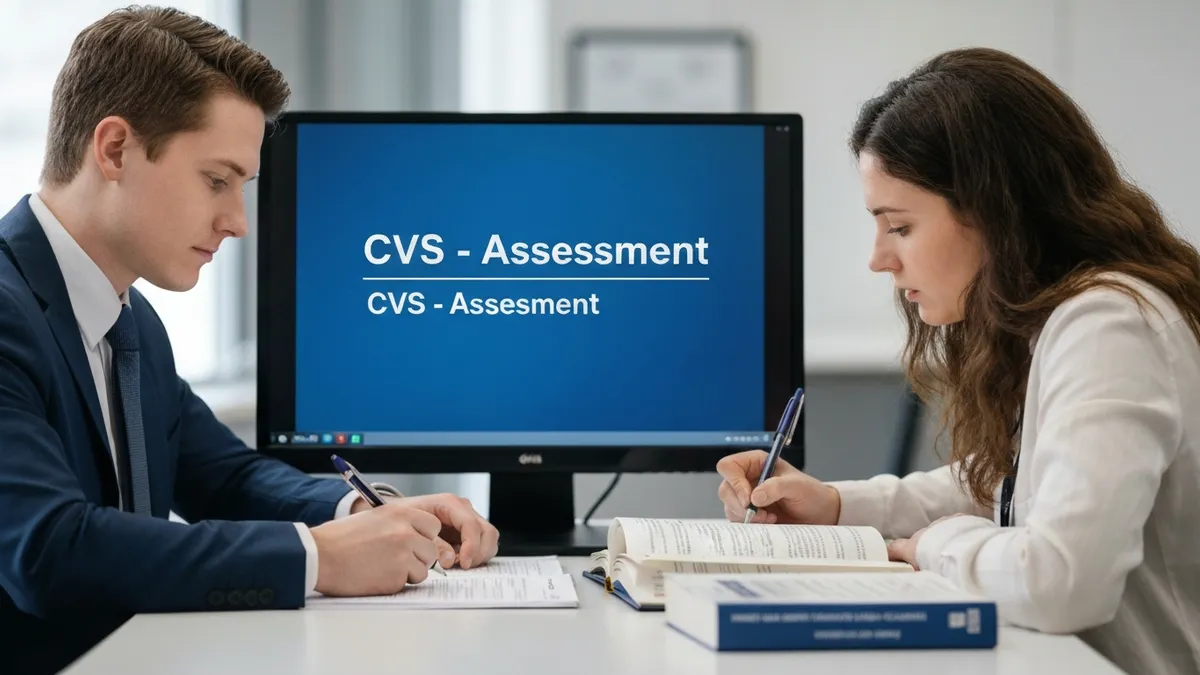
In parallel with your drug test preparation, you should be practicing for the CVS assessment test, which is a separate component of the CVS careers hiring process. The assessment evaluates your behavioral tendencies, situational judgment, and alignment with CVS's core values around patient safety and customer care. Candidates who prepare for the assessment perform significantly better than those who approach it cold. Using practice tools on PracticeTestGeeks can make a measurable difference in your score and your confidence going into the real test.
One area candidates often overlook is the physical requirements documentation for certain CVS positions. Pharmacy technician and pharmacist roles may require proof of immunizations or immunity testing — a process entirely separate from drug screening. CVS pharmacy locations that serve as MinuteClinics have additional health and safety documentation requirements for clinical staff. Understanding which forms and verifications are required for your specific role ahead of time prevents last-minute delays in your onboarding timeline.
Understanding what does cvs stand for in the context of its health mission is useful when preparing for any part of the CVS hiring process. The acronym — Consumer Value Stores — has evolved far beyond its retail roots into a company that positions itself as a healthcare destination. This mission shapes everything from how CVS hires to how it trains staff and enforces its drug-free workplace policy. Candidates who understand this context present themselves more credibly in interviews and on the assessment.
For candidates who are concerned about a prior failed drug test at another employer, it is worth knowing that CVS's background check does not typically uncover previous drug test failures from other companies. Drug test results are not part of public records or standard employment verification. However, if you previously worked at CVS and failed a drug test there, that result would be in CVS's own HR system and would likely affect your eligibility to reapply. Be transparent with your CVS recruiter if you have a relevant prior history with the company.
CVS photos and CVS photo print department roles — which some candidates assume are low-stakes enough to skip formal screening — are still part of the broader CVS retail operation and subject to the same drug-free workplace standards as other in-store positions. Do not assume that a non-pharmacy role means no drug test. The safest assumption when applying for any CVS position is that drug testing is part of the process, and prepare accordingly. This mindset protects you from being caught off guard at any stage of the CVS careers hiring journey.
Beyond the drug test itself, succeeding in the CVS hiring process means excelling at every stage — including the CVS assessment test that evaluates your workplace values and behavioral tendencies. CVS uses this assessment to predict how well you will handle real-world situations involving customers, coworkers, and ethical dilemmas common in a pharmacy environment. Practicing with realistic assessment questions is one of the highest-use things you can do to improve your chances of landing a CVS pharmacy role.
The CVS assessment is typically completed online through CVS's applicant tracking system, often within a few days of submitting your initial application. It consists of multiple-choice situational judgment questions as well as personality-style agree/disagree questions. There is no official time limit on the assessment, but most candidates complete it in 30 to 45 minutes. CVS uses your responses to generate a score that determines whether you advance to the phone screen and in-person interview stages of the CVS careers pipeline.
CVS Caremark applicants face a slightly more rigorous assessment process than retail candidates. Corporate roles may include additional cognitive assessments, writing samples, or case study exercises depending on the department. For customer-facing corporate roles — including account management, member services, and clinical coordination positions — the assessment is designed to evaluate your communication style and problem-solving approach under pressure. Preparing specifically for the type of role you want gives you a significant advantage.
CVS login and IT roles have evolved considerably as CVS Health has invested in digital health platforms. Technology candidates should be prepared for technical skills assessments in addition to the standard behavioral battery. These technical assessments test programming knowledge, database skills, or system architecture understanding depending on the specific role. Even technology candidates are required to complete drug testing and a background check, so the two tracks run in parallel during the CVS careers hiring process for engineering and IT positions.
One practical tip that many successful CVS hires share is to research CVS hours and store operations at the specific location where you are applying before your interview. Knowing peak traffic times, whether the location has a MinuteClinic, and what its local community needs are can help you give more specific, compelling answers in your interview. CVS store managers appreciate candidates who have taken the time to understand their specific location rather than just presenting generic answers about customer service philosophy.
CVS photo and CVS photos department candidates should be familiar with the range of services offered in the photo center — including passport photos, same-day photo prints, and online photo ordering through CVS photo print — as customers frequently have questions about these services. Even in a photo-focused role, your interview may include questions about how you would handle an upset customer or a colleague conflict, because CVS evaluates all candidates for the same core competencies regardless of department.
Finally, after you complete the drug test, the background check, and the CVS assessment, the remaining steps to employment are typically an offer letter, new hire paperwork, and orientation. Most CVS pharmacy orientations run one to two days and cover compliance topics, store systems training, and an introduction to CVS Health's culture and values. Coming into orientation already familiar with CVS's mission and operational standards — and having completed your drug screening without issue — puts you in the best possible position to make a strong first impression on your new team from day one.
Sample CVS - Assessment Practice Questions
Try these questions from our free CVS - Assessment practice tests. The correct answer and an explanation follow each question.
What should a CVS pharmacy technician do if they notice a potential drug-drug interaction while entering a prescription?
- A. Override the alert to save time
- B. Ignore it if the prescriber is well-known
- C. Flag it for the pharmacist to review before dispensing
- D. Tell the customer to consult their doctor later
Answer: C. Flag it for the pharmacist to review before dispensing
Pharmacists are licensed to evaluate drug interactions; technicians must flag alerts and never override them without pharmacist review.
The pharmacy's inventory system shows 1500 tablets of a common medication are in stock. On average, the pharmacy dispenses 100 tablets per day. How many days of supply does the pharmacy have on hand?
- A. 10 days
- B. 150 days
- C. 15 days
- D. 100 days
Answer: C. 15 days
To calculate the days of supply, divide the total quantity in stock by the average daily usage. 1500 tablets / 100 tablets per day = 15 days of supply.
Which pharmacy workflow step ensures the right drug, dose, and patient are matched before dispensing?
- A. Prescription intake
- B. Drug utilization review (DUR)
- C. Final pharmacist verification (RPh check)
- D. Insurance adjudication
Answer: C. Final pharmacist verification (RPh check)
The final pharmacist verification (RPh check) is the safety checkpoint where the pharmacist confirms all dispensed elements are correct before release.
A new CVS colleague asks if they can work a second job at a competing pharmacy. What does CVS's Code of Conduct say about this?
- A. Outside employment is always allowed as long as it is part-time
- B. Outside employment at a competitor may create a conflict of interest and requires disclosure
- C. CVS has no policy on outside employment
- D. Outside employment is prohibited entirely
Answer: B. Outside employment at a competitor may create a conflict of interest and requires disclosure
CVS's Code of Conduct requires colleagues to disclose outside employment that could create a conflict of interest, especially with competitors.
CVS Questions and Answers


About the Author

Educational Psychologist & Academic Test Preparation Expert
Columbia University Teachers CollegeDr. Lisa Patel holds a Doctorate in Education from Columbia University Teachers College and has spent 17 years researching standardized test design and academic assessment. She has developed preparation programs for SAT, ACT, GRE, LSAT, UCAT, and numerous professional licensing exams, helping students of all backgrounds achieve their target scores.
Join the Discussion
Connect with other students preparing for this exam. Share tips, ask questions, and get advice from people who have been there.
View discussion (8 replies)