
CPR Training Cost: Complete 2026 October Price Guide for Every Certification Level
Complete 2026 October CPR training cost guide: 🗨️ BLS $45-110, ACLS $200-300, PALS $200-300, infant CPR, online vs in-person, and ACLS algorithm fees.
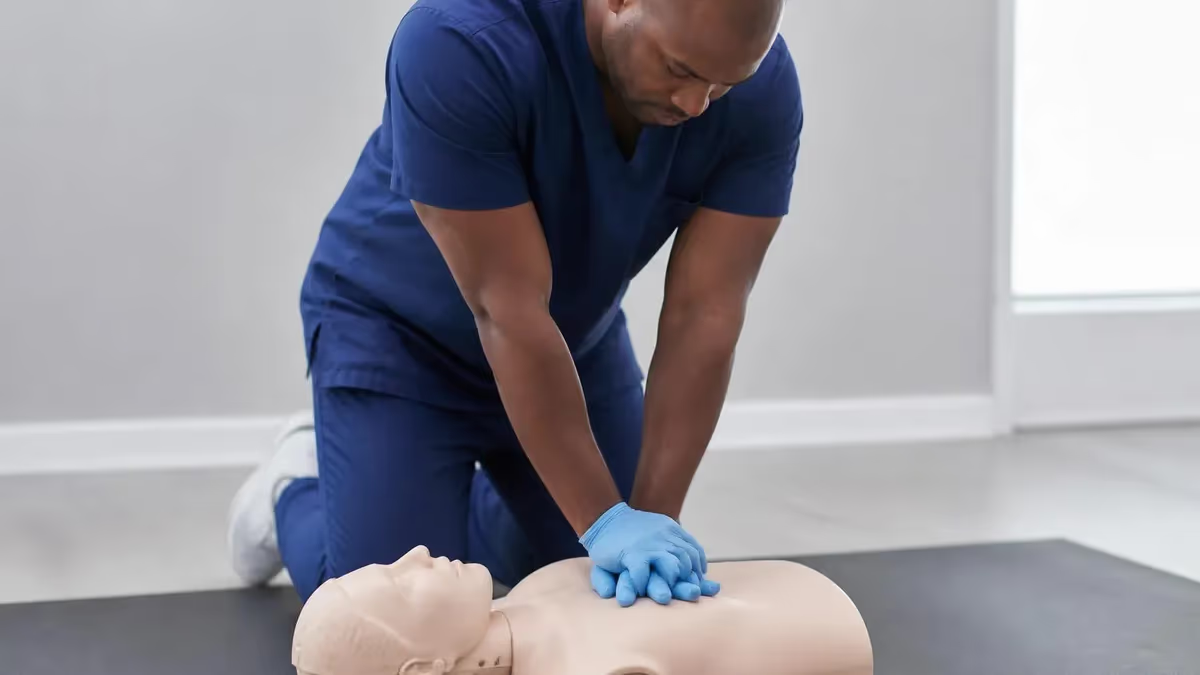
The average CPR training cost in 2026 ranges from $20 for a basic online refresher to $325 for an in-person American Heart Association ACLS provider course, with most adult learners spending between $45 and $110 for the standard Basic Life Support certification their employer requires. Pricing varies based on the certifying body, the course format you choose, whether you need a skills check-off in person, and the geographic market where you take the class. Understanding what drives those numbers helps you avoid paying twice for a card that your hospital, dental office, or daycare will not accept.
Cost confusion is common because the umbrella term life support actually covers several distinct credentials. Heartsaver CPR/AED for laypeople sits at the low end. BLS for healthcare providers is the mid-tier standard. Advanced cardiovascular life support, which tests your mastery of the acls algorithm for cardiac arrest and arrhythmia management, is the most expensive single course because it requires a textbook, a pre-test, megacode simulation, and a written exam. Pediatric advanced life support, pals certification, sits in the same price band and follows a similar structure for children.
Online-only courses from organizations like the national cpr foundation start around $20 and are popular for non-clinical jobs, gym memberships, and volunteer roles. However, most clinical employers, nursing programs, EMS agencies, and licensing boards require an AHA, American Red Cross, or Health and Safety Institute card that includes an in-person skills evaluation. That in-person component is what pushes the price higher, because it pays for an instructor, a manikin, an AED trainer, and classroom liability insurance.
This guide breaks down every common CPR training cost you will encounter in 2026, including hidden fees like book purchases, eCard processing, retest charges, and group discount thresholds. We compare blended learning models that combine an online module with a short in-person skills session against full classroom courses, and we explain why a $35 certificate from an unaccredited website may cost you a job offer even though it looks identical on paper to a $90 AHA card. AHA CPR remains the benchmark most US employers recognize.
Geography matters more than people expect. The same BLS for Healthcare Providers course runs $55 in Oklahoma City, $85 in Atlanta, and $120 in San Francisco because instructor wages, facility rent, and demand all push prices up in coastal metros. Hospital-employed staff usually pay nothing because their employer absorbs the fee, while contract nurses, travel therapists, and per-diem techs typically pay out of pocket and deduct the expense on their taxes as a continuing education requirement.
If you searched for a training price and ended up on a screen-replacement shop website, you are not alone, and the next section will steer you back to the actual life-saving certifications.
By the end of this article you will know exactly what to budget for your specific certification, how to find legitimate discounts, when an online-only course is acceptable, when it is not, and how to verify that the provider you choose is recognized by your state, your employer, and your professional licensing board before you swipe your card.
CPR Training Cost by the Numbers
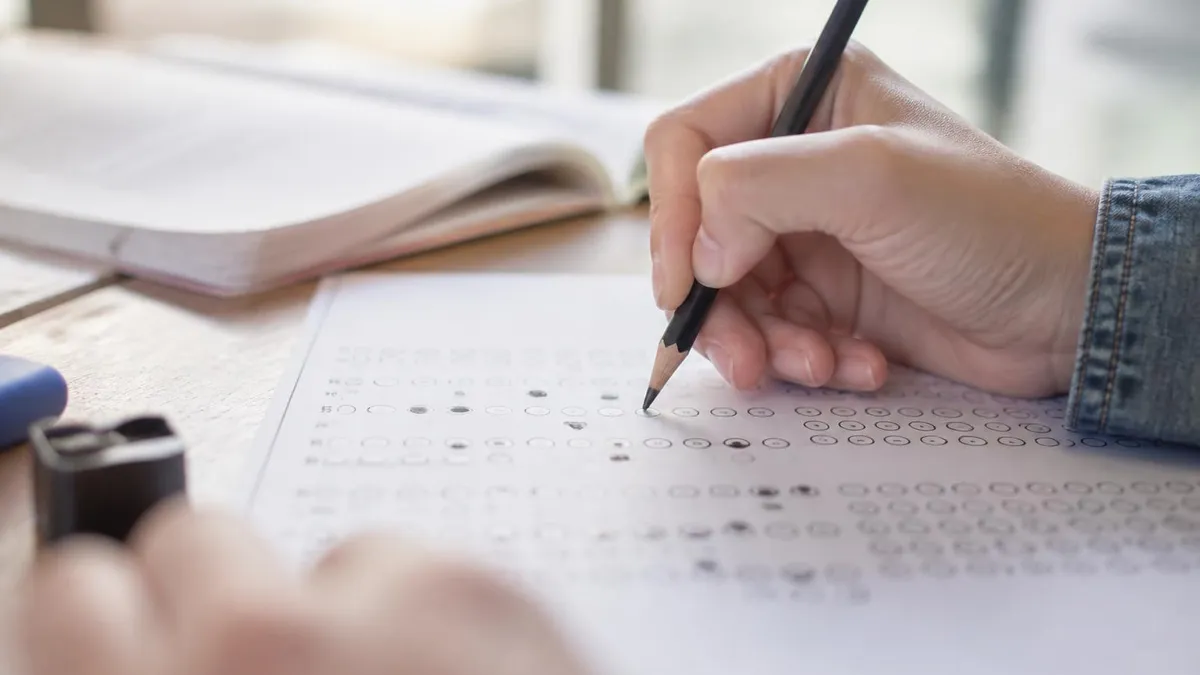
CPR Training Cost by Certification Level
When you pay for a CPR class, your fee is bundled across several line items that most providers do not break out on the receipt. Understanding what is inside that price helps you negotiate, compare, and avoid duplicate spending. The biggest single component is instructor compensation. Certified American Heart Association instructors charge between $35 and $75 per hour, and a standard BLS class lasts three to four hours, so labor alone consumes roughly $140 to $300 of a small-group budget before any equipment or materials are factored in.
Equipment is the second largest cost. A single adult manikin runs $200 to $600, an infant manikin another $150 to $400, and AED trainers cost $250 to $500 each. Reputable training centers replace lungs and faces between students for hygiene, and those consumables add roughly $2 to $4 per learner. The manikins themselves depreciate over five to seven years, so providers build a small recovery fee into every seat to fund replacements when the foam splits, the chest spring weakens, or the feedback sensor stops reading correctly.
Course materials add another fixed cost. The current AHA BLS Provider Manual retails for about $18, the ACLS manual for $35, and the PALS manual for $42. Most courses include digital access to these books in the registration fee, but some discount providers charge separately and assume you will print your own. Verify whether the price you are quoted includes the manual, because buying it afterward and then taking the class without having read it first is the single most common reason students fail the written exam and pay a $40 retest fee.
The eCard processing fee is the smallest but most misunderstood line item. The AHA charges training centers about $3 to $4 per electronic certification card issued, and that cost is passed to you. The eCard replaces the old paper cards as of 2019 and is the only version most employers will accept for verification because it can be validated online instantly.
If a school offers you a paper card or a PDF that is not on the official AHA eCards portal, the credential will not survive a hospital credentialing audit. Reviewing a CPR card lookup resource before you pay confirms the provider issues legitimate cards.
Facility costs vary widely. A hospital training center can run a class in a conference room they already own, while an independent instructor renting space at a community center or hotel pays $50 to $200 per session. That overhead is divided across enrolled students. This is why a class of twelve costs less per person than a private class of two, and why many providers post tiered pricing that drops sharply once you cross six or eight registrations.
Finally, insurance and accreditation fees are baked in. Training centers carry general liability and professional liability policies that cost $1,500 to $5,000 annually, plus AHA training center alignment fees of around $750 per year. None of this is visible to the student, but it explains why a legitimate provider cannot match the $15 price tag of an unaccredited website that exists solely to print PDFs. The respiratory rate, compression depth, and ventilation timing standards you learn in a real class come from instructors who must complete annual updates and maintain teaching ratios audited by their parent organization.
Add it all up and a well-run BLS course at $85 per seat returns roughly $12 to $15 of profit to the training center after instructor pay, manikin depreciation, manuals, eCards, facility rent, and insurance. The market is more competitive than students realize, and that thin margin is why discount codes, group rates, and employer contracts are where you find real savings rather than expecting any single class to drop below $40.
CPR Practice Test Questions
Prepare for the CPR Cardiopulmonary Resuscitation Practice exam with our free practice test modules. Each quiz covers key topics to help you pass on your first try.
CPR Basic CPR
CPR Exam Questions covering Basic CPR. Master CPR Test concepts for certification prep.
CPR and First Aid
Free CPR Practice Test featuring and First Aid. Improve your CPR Exam score with mock test prep.
CPR (Cardiopulmonary Resuscitation) Adult ...
CPR Mock Exam on (Cardiopulmonary Resuscitation) Adult CPR and AED Usage. CPR Study Guide questions to pass on your first try.
CPR (Cardiopulmonary Resuscitation) Airway...
CPR Test Prep for (Cardiopulmonary Resuscitation) Airway Obstruction and Choking. Practice CPR Quiz questions and boost your score.
CPR (Cardiopulmonary Resuscitation) Cardio...
CPR Questions and Answers on (Cardiopulmonary Resuscitation) Cardiopulmonary Emergency Recognition. Free CPR practice for exam readiness.
CPR (Cardiopulmonary Resuscitation) Child ...
CPR Mock Test covering (Cardiopulmonary Resuscitation) Child and Infant CPR. Online CPR Test practice with instant feedback.
CPR (Cardiopulmonary Resuscitation) High-P...
Free CPR Quiz on (Cardiopulmonary Resuscitation) High-Performance Team Dynamics. CPR Exam prep questions with detailed explanations.
CPR (Cardiopulmonary Resuscitation) Legal ...
CPR Practice Questions for (Cardiopulmonary Resuscitation) Legal and Ethical Considerations. Build confidence for your CPR certification exam.
CPR for Specific Populations
CPR Test Online for for Specific Populations. Free practice with instant results and feedback.
CPR Airway & Breathing Management
CPR Exam Questions covering Airway & Breathing Management. Master CPR Test concepts for certification prep.
CPR Assessment & Recognition of Cardiac Ar...
Free CPR Practice Test featuring Assessment & Recognition of Cardiac Arrest. Improve your CPR Exam score with mock test prep.
CPR Chest Compressions & Defibrillation
CPR Mock Exam on Chest Compressions & Defibrillation. CPR Study Guide questions to pass on your first try.
CPR Post-Resuscitation Care & Recovery
CPR Test Prep for Post-Resuscitation Care & Recovery. Practice CPR Quiz questions and boost your score.
Online vs In-Person vs Blended: ACLS Algorithm Training Options
Online-only CPR courses cost $20 to $50 and let you complete the entire credential from your couch in two to four hours. You watch videos covering compression ratios, the position recovery technique, AED operation, and choking response, then take a multiple-choice exam. The card prints immediately upon passing. National CPR Foundation, ProCPR, and ProTrainings are the largest online-only providers in this segment.
The catch is acceptance. Most hospitals, nursing schools, EMS agencies, dental offices, and state licensing boards reject online-only cards because the AHA and Red Cross both require a hands-on skills demonstration. Online-only credentials work well for personal preparedness, gym membership requirements, real estate licenses in some states, and lower-risk volunteer roles, but verify with your specific employer before paying.
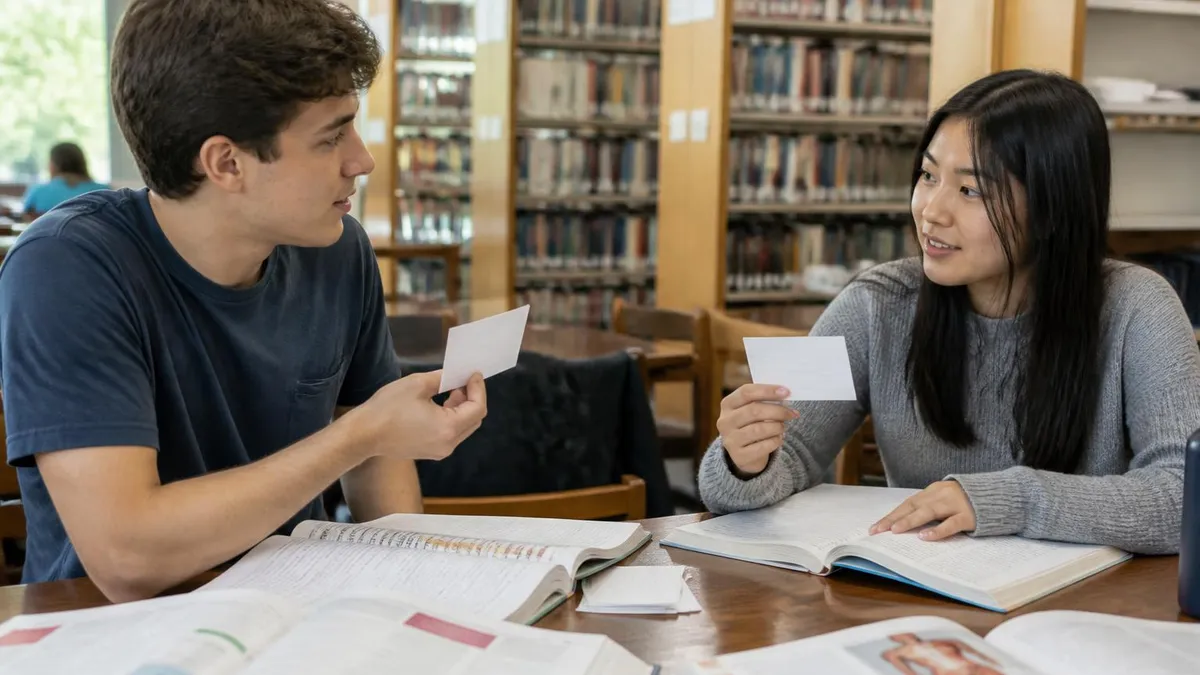
Is Paying for In-Person CPR Training Worth It?
- +Hands-on manikin practice builds muscle memory you cannot get from video
- +Instant skills feedback corrects compression depth and rate in real time
- +Accepted by every US hospital, EMS agency, and licensing board without exception
- +Same-day eCard delivery so you can start work immediately
- +Group classes drop the per-person cost below most online options
- +Practice with real AED trainers, bag-valve masks, and pocket masks
- +Networking with other healthcare workers and instructors in your region
- −Higher upfront cost of $75 to $325 versus $20 online
- −Requires a full day off work or a weekend commitment
- −Travel time and parking add hidden expenses in urban markets
- −Class schedules may not align with shift workers or parents
- −Cancellation policies often charge 50 to 100 percent if you miss
- −Limited seats in popular time slots create booking delays
- −Retest fees of $30 to $50 if you fail the skills check
Pros and Cons at a Glance
| Pros | Cons |
|---|---|
| Hands-on manikin practice builds muscle memory you cannot get from video | Requires a full day off work or a weekend commitment |
| Instant skills feedback corrects compression depth and rate in real time | Travel time and parking add hidden expenses in urban markets |
| Accepted by every US hospital, EMS agency, and licensing board without exception | Class schedules may not align with shift workers or parents |
| Same-day eCard delivery so you can start work immediately | Limited seats in popular time slots create booking delays |
Checklist: How to Cut Your CPR Training Cost
- ✓Ask your employer if they cover or reimburse CPR certification before paying yourself
- ✓Book a group class with ten or more coworkers to unlock 20 to 30 percent discounts
- ✓Choose blended learning to save roughly 25 percent over full in-person courses
- ✓Renew before your card expires to avoid the higher full-course fee
- ✓Compare AHA, Red Cross, and HSI prices for your specific certification level
- ✓Check community colleges, fire departments, and YMCAs for subsidized public classes
- ✓Verify the course includes the textbook and eCard so you avoid hidden add-ons
- ✓Save your receipt and deduct the cost as continuing education on your taxes
- ✓Avoid online-only providers if your employer or state board requires in-person skills
- ✓Schedule renewals during slower months like January or August when discounts appear
The $40 Retest Fee
Failing your skills test or written exam usually costs an additional $30 to $50 to retake, and some providers require you to reschedule on a different day. Reading the manual before class and watching the AHA's free YouTube refresher videos cuts the failure rate dramatically and protects your wallet.
Employer reimbursement is the single largest source of savings most workers overlook. Hospitals, ambulance services, nursing homes, dental practices, dialysis clinics, and outpatient surgery centers almost always cover BLS and many cover ACLS or pals certification as a condition of employment. The mechanism varies. Some employers schedule on-site classes during paid working hours, others reimburse you upon submission of your receipt and eCard, and a third group provides vouchers redeemable at partner training centers in the community.
Public-sector employees including firefighters, police officers, lifeguards, school nurses, teachers in specific roles, and corrections staff typically receive CPR training as part of their job either free or with a small payroll deduction. If you work in any of these roles and have been paying out of pocket, ask your HR department whether a benefit exists that you have not been using. The savings over a typical two-year cycle can exceed $400 when you add up the certification, mileage, and lost time.
Independent contractors, travel nurses, per-diem clinicians, and gig healthcare workers usually pay out of pocket but can deduct the full cost as a job-related continuing education expense on Schedule C if they are self-employed, or as an unreimbursed business expense in states that still allow it. Keep your receipt and a copy of your eCard with your tax documents, because the IRS treats CPR as a valid professional development cost when it is required to maintain your license or job.
Student discounts are widely available but rarely advertised. Nursing students, paramedic students, dental hygiene students, athletic training students, and medical students often qualify for 15 to 25 percent off through their school's partnership with a local training center. Ask your program director for the partner code rather than booking the general public price. Many programs include CPR in the tuition for the first certification but require you to renew on your own once the card expires during clinicals.
Group rates are the most reliable way to bring per-person cost below $50. Most training centers offer tiered pricing that drops at six, ten, and twenty students. Daycares, churches, scout troops, real estate offices, gyms, and small business teams routinely organize private classes that come to their location. The instructor brings the manikins and AED trainers, runs the class in two to three hours, and issues eCards the same day. Splitting a $1,200 group fee across twenty people works out to $60 each for what would otherwise be an $85 public seat.
Military members, veterans, and their dependents qualify for discounts at many providers, and active-duty service members usually receive CPR certification through their command at no charge. Veterans pursuing healthcare careers through GI Bill programs can typically include CPR fees in their education benefit. Verify with your VA education counselor before paying, because the rules differ between Chapter 33, Chapter 31 vocational rehabilitation, and state-level veteran benefits.
Finally, watch for seasonal pricing dips. Late January, early August, and the week between Christmas and New Year's are slow periods when training centers run promotions to fill empty seats. If your card does not expire until summer but you want to lock in a winter price, ask whether the provider will accept payment now and let you schedule the class within ninety days. Many will, and you can save 15 to 25 percent over peak-season rates. Reviewing an adult CPR walkthrough between classes keeps your skills sharp.

Several websites sell CPR certifications for $15 to $25 with no skills check and no accreditation, then issue official-looking PDF cards. Hospitals, state boards, and most employers reject these cards during credentialing, and you may lose a job offer or face disciplinary action for submitting one. Always verify the issuing organization is recognized by your employer before purchasing.
Choosing the right CPR course starts with one question: who needs to accept this card? Your answer determines everything else, including the provider, the format, and the price you should expect to pay. A daycare worker in Texas, a registered nurse in California, an off-duty firefighter renewing in Florida, and a college student picking up a lifeguard job for the summer all have different requirements, and paying for the wrong tier wastes money even if the course itself is excellent.
If you are a layperson with no clinical role, the Heartsaver CPR/AED course or its equivalent through the American Red Cross is almost always the right choice at $50 to $90. It covers adult, child, and infant cpr, AED operation, choking response, and basic first aid in a package designed for parents, teachers, coaches, gym staff, and office responders. Online-only versions from credible providers like the national cpr foundation work for low-risk personal preparedness but are not accepted in most employment contexts.
If you are entering or working in healthcare, BLS for Healthcare Providers is the universal entry standard at $45 to $110. Nursing students, medical students, dental hygiene students, EMT candidates, respiratory therapy students, and pharmacy students all need this credential before clinical rotations. Do not pay for ACLS or PALS until your program or employer specifically requires it, because those advanced courses expire on the same two-year cycle and stacking them too early wastes money on renewals you will not actually use.
If you are an experienced clinician working in critical care, emergency medicine, cardiology, anesthesia, or any rapid response role, you will need ACLS at $200 to $325 and possibly PALS at $200 to $300. These courses test your mastery of the acls algorithm, rhythm recognition, medication administration, and team leadership during cardiac arrest. The investment is significant, but most employers in these specialties cover it directly or reimburse you in full because the certifications are job requirements.
When comparing providers, the three major US options are the American Heart Association, the American Red Cross, and the Health and Safety Institute, which markets through brands like ASHI and MEDIC First Aid. All three are recognized by most US employers, but the AHA dominates hospital and EMS settings while the Red Cross is stronger in workplace and lifeguard markets. Ask your specific employer or licensing board which they prefer rather than assuming, because acceptance occasionally varies by state and facility.
Read the provider's refund and rescheduling policy before paying. Reputable training centers allow free rescheduling up to forty-eight hours before class and offer partial refunds for genuine emergencies. Card mill websites typically have no refund policy at all, which is another red flag that the credential they sell may not survive credentialing scrutiny when you actually need to verify it.
Finally, confirm the course duration matches the certification level. A legitimate BLS class runs three to four hours including breaks and the skills check, ACLS runs twelve to sixteen hours, and PALS runs fourteen hours. A two-hour BLS class with no in-person skills check is almost certainly not going to produce a card your employer will accept. Reviewing a complete CPR study guide before class day boosts your first-attempt pass rate and helps you avoid the retest fee entirely.
Practical preparation pays for itself many times over because the highest hidden cost in CPR training is not money, it is your time. A four-hour class becomes an eight-hour ordeal if you fail the skills test and have to reschedule, lose a half day of work, and pay a retest fee. Spending two evenings with the textbook or the free preparatory videos your provider sends with the registration confirmation virtually guarantees a first-attempt pass and protects both your wallet and your schedule.
Start by downloading or opening your provider manual the day you register. Skim the table of contents, then read the chapters on adult compressions, ventilations, AED use, two-rescuer technique, and infant cpr. Pay special attention to the numerical targets you will be tested on: compression rate of one hundred to one hundred twenty per minute, compression depth of at least two inches for adults, compression-to-ventilation ratio of thirty to two for single rescuer, and respiratory rate guidance for rescue breathing during a pulse-present scenario.
Practice the rhythm of compressions before class using a household object like a couch cushion or a sturdy pillow. The cadence of one hundred ten compressions per minute is faster than most people instinctively perform, and your instructor will be checking it on the manikin's feedback sensor. The classic memory aid is the beat of the Bee Gees' Stayin' Alive, although you should review our guidance on inappropriate CPR songs and beat-per-minute alternatives so you have a respectful mental track if you ever perform CPR in front of bystanders or family.
Memorize the AED sequence cold: power on, attach pads to bare dry chest, clear for analysis, deliver shock if advised, immediately resume compressions for two minutes, then reanalyze. Knowing what does aed stand for, automated external defibrillator, and being able to operate one without hesitation is the single skill that saves the most lives because every minute of delayed defibrillation drops survival by roughly ten percent in shockable arrests.
For ACLS and PALS candidates, the ACLS pre-test is mandatory and the questions are harder than most students expect. Review the cardiac arrest algorithm, the bradycardia algorithm, the tachycardia algorithm, and the post-cardiac-arrest care algorithm until you can recite the medication doses and shock energies from memory. The position recovery technique, while more commonly tested in BLS scenarios, also appears occasionally in PALS post-resuscitation questions, so do not skip basic content even at the advanced level.
Arrive fifteen minutes early on class day with your manual, a pen, water, and comfortable clothing you can kneel in for the manikin work. Wear flat shoes, tie back long hair, and skip the heavy jewelry that gets in the way of compressions. Eat a real meal beforehand because four hours of physical practice on the floor burns more calories than students expect, and a low-blood-sugar crash midway through the class hurts your performance.
If you do find yourself struggling, speak up immediately rather than waiting for the test. Instructors expect questions and would much rather coach you through the skill than fail you and reschedule. Most failures come from compression depth that is too shallow, hand placement that drifts off the sternum, or ventilations delivered too forcefully. Each of these is correctable in two or three attempts once an instructor sees what you are doing, so use the practice time aggressively rather than hanging back politely.
CPR Questions and Answers
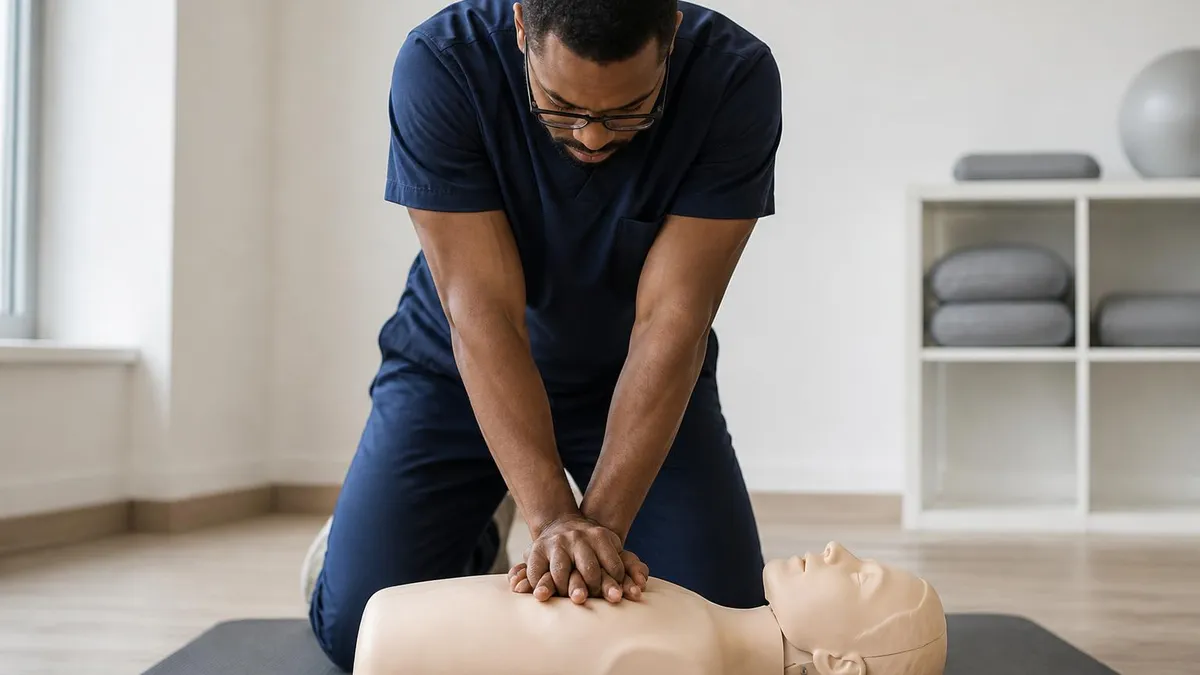
CPR Card Lookup: How to Verify, Replace, and Access Your CPR Certification in 2026
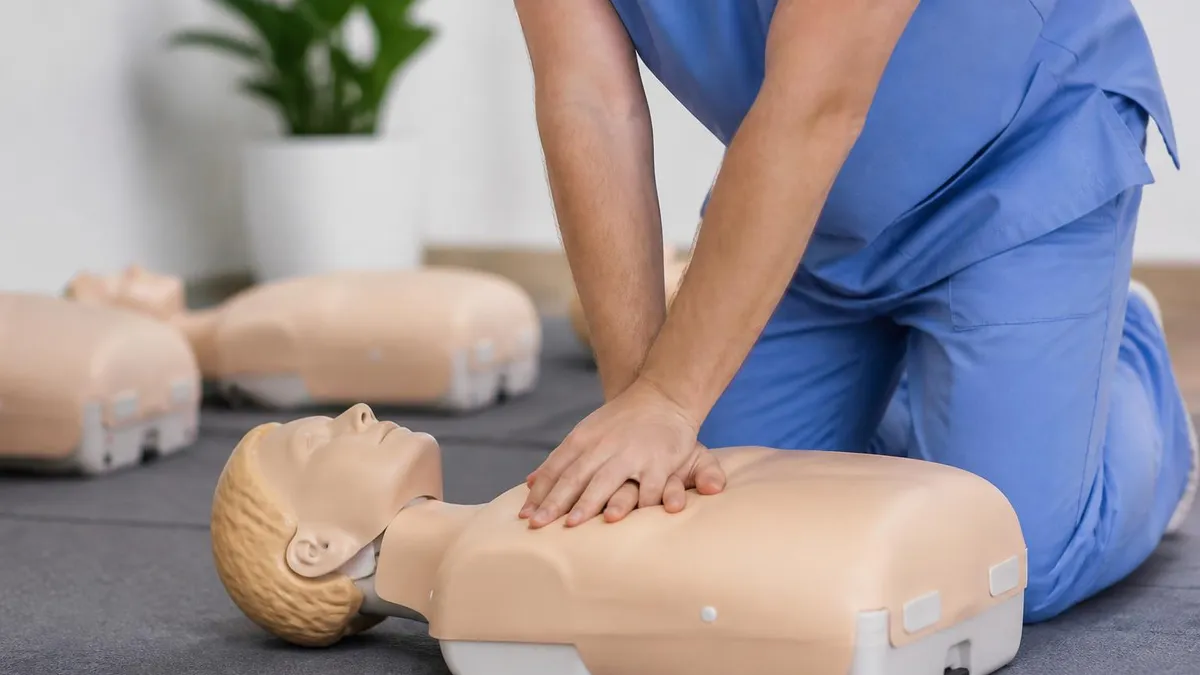
AHA CPR: What It Is, Which Course You Need, and How to Get Certified
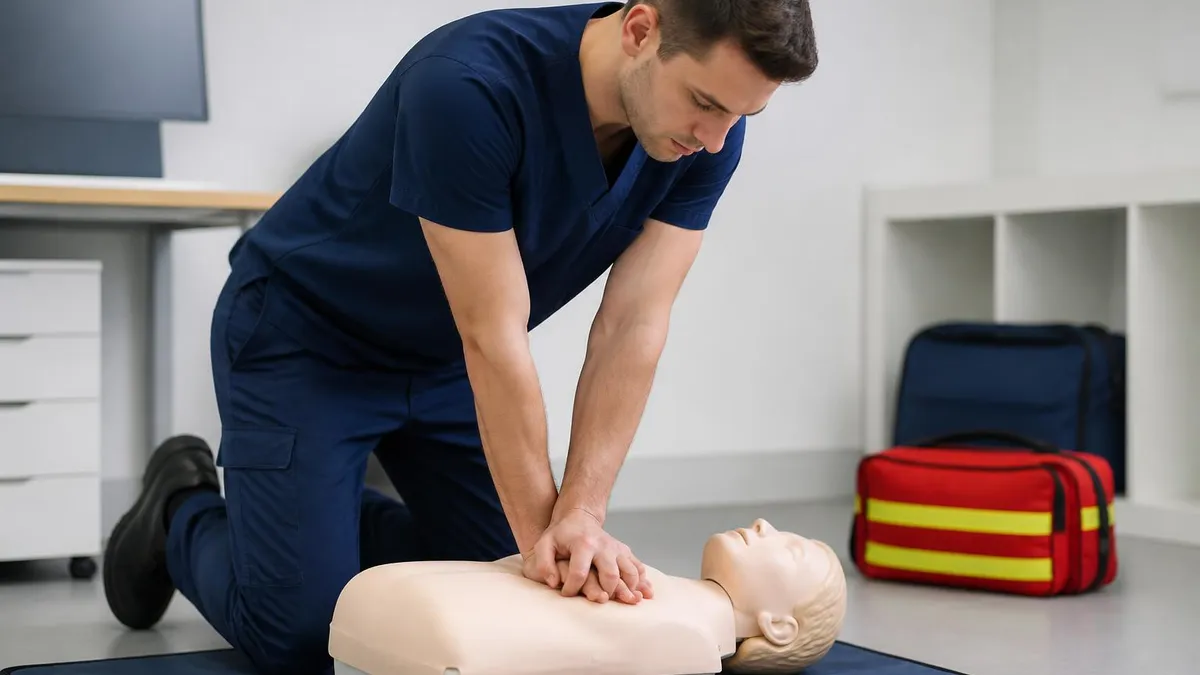
Adult CPR: Complete Step-by-Step Guide to Hands-Only and Standard CPR in 2026
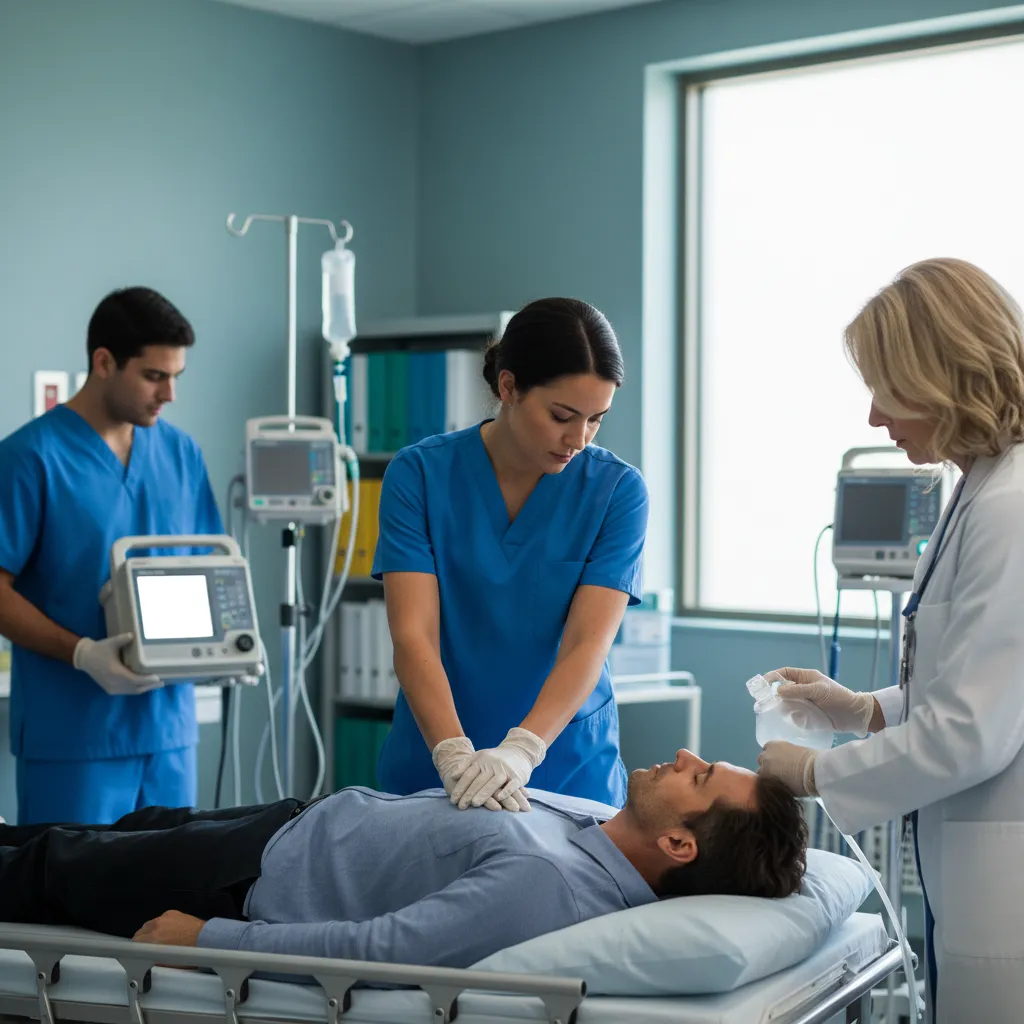
CPR - Cardiopulmonary Resuscitation: Complete Study Guide 2026
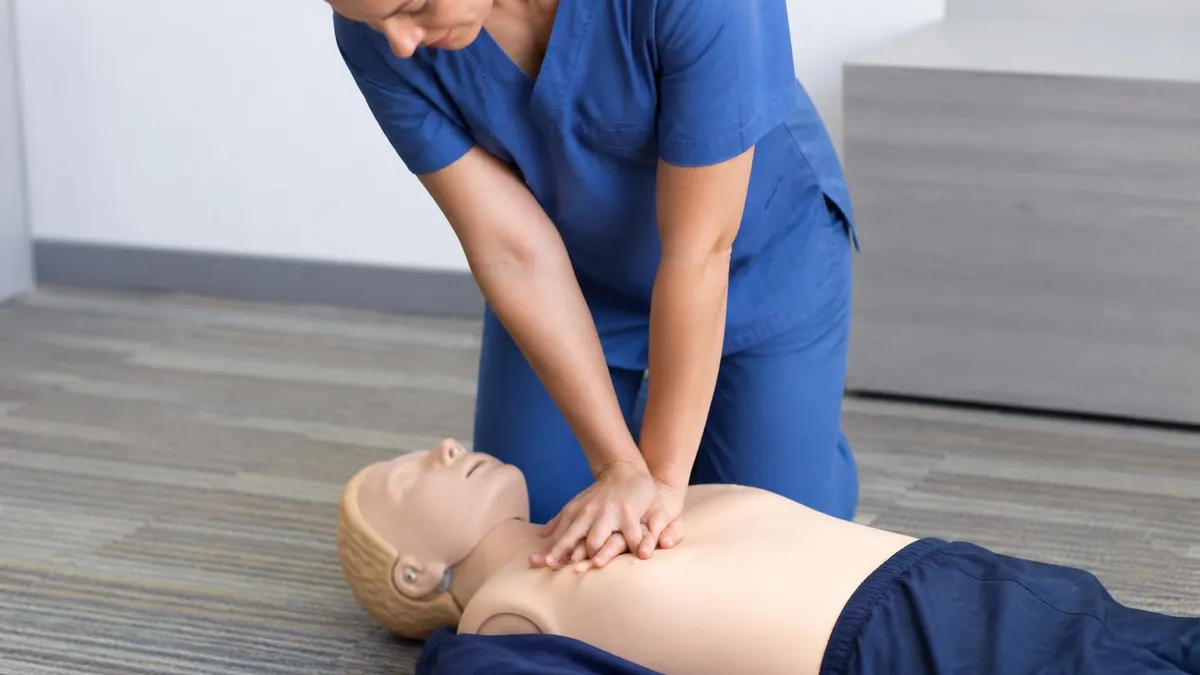
Inappropriate CPR Songs: What Not to Play, Why It Matters, and Better Beat-Per-Minute Alternatives
About the Author

Registered Nurse & Healthcare Educator
Johns Hopkins University School of NursingDr. Sarah Mitchell is a board-certified registered nurse with over 15 years of clinical and academic experience. She completed her PhD in Nursing Science at Johns Hopkins University and has taught NCLEX preparation and clinical skills courses for nursing students across the United States. Her research focuses on evidence-based exam preparation strategies for healthcare certification candidates.
Join the Discussion
Connect with other students preparing for this exam. Share tips, ask questions, and get advice from people who have been there.
View discussion (5 replies)