
CPR Training Center: How to Choose, What to Expect, and Career Paths in 2026 October
Find the right CPR training center: course types, costs, ACLS algorithm prep, PALS certification, AED training, and career paths for instructors in 2026 October. 🔎
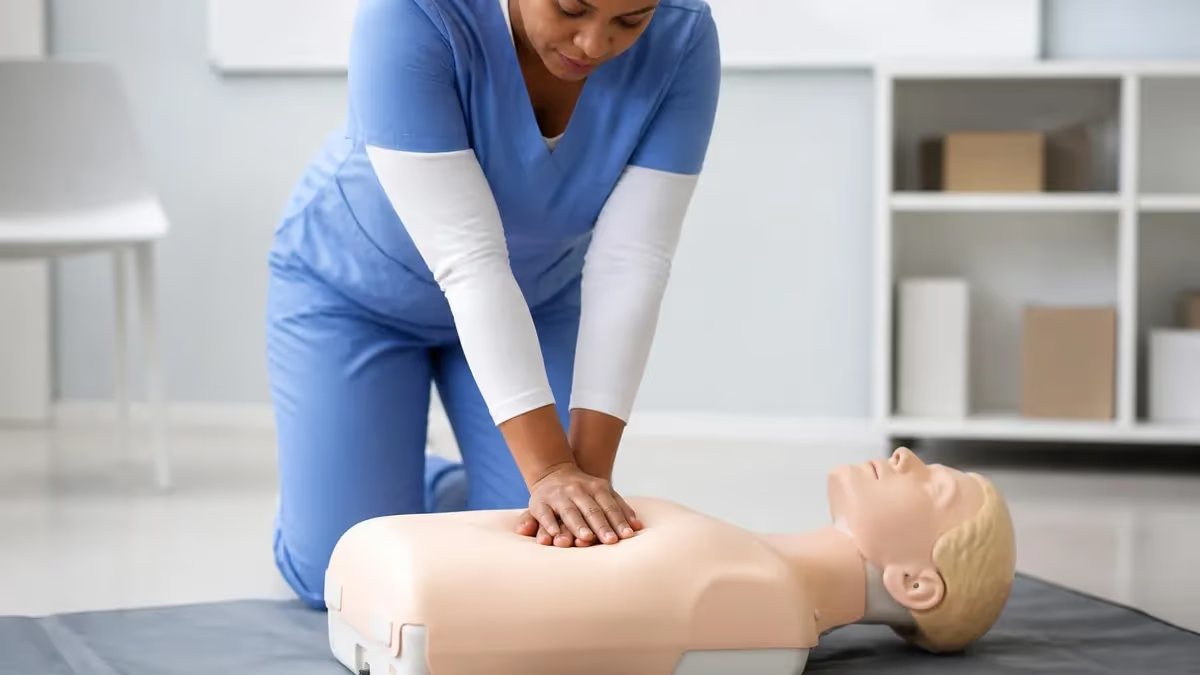
A modern cpr training center does far more than teach chest compressions to a handful of nervous first-timers. It is a hybrid classroom, simulation lab, and credentialing hub where nurses learn the acls algorithm, daycare workers master infant cpr, lifeguards drill on water rescue, and corporate teams earn first-aid cards their HR department actually accepts. In 2026, the average training center juggles American Heart Association, Red Cross, and National CPR Foundation curricula side by side, often in the same week.
Choosing the right cpr training center matters because not every certificate is equal. Hospitals will only honor specific provider cards. Daycare licensing boards demand in-person skill verification. Some states require blended courses, where online modules are followed by a live skills check-off. A reputable center publishes which credentials it issues, who the medical director is, the cost of the renewal, and whether the card shows up in a national registry within forty-eight hours of completion.
The instructors themselves are usually paramedics, ICU nurses, respiratory therapists, or fire-rescue veterans moonlighting between shifts. The best teachers can explain why a compression depth of two inches matters as clearly as they can describe the pharmacology embedded in the acls algorithm. Walk into any quality classroom and you will see manikins with real-time feedback devices, AED trainers from at least two manufacturers, bag-valve masks in three sizes, and a well-stocked supply of pocket masks for solo rescuers.
Pricing varies more than most students expect. A two-hour Heartsaver course might run sixty dollars, while a full Advanced Cardiovascular Life Support renewal can easily exceed three hundred and fifty. Group rates at workplaces drop the per-head cost dramatically. Many centers bundle CPR, AED, and first aid into one half-day workshop, which is what most childcare licensing boards and OSHA-regulated employers actually require. Always confirm what the price includes: book, card, skills test, and re-test fee.
For students who like to test themselves before stepping into class, a cpr training center will often link out to free practice quizzes that mimic the written portion of a provider course. Reviewing the normal breathing rate for an adult versus an infant is one of the most common warm-up tasks, because rescuers must recognize abnormal breathing within ten seconds before deciding to start compressions. A few smart hours of self-study can shave time off the in-person session.
This guide walks through everything a future student, instructor candidate, or training-center owner needs to know. We will compare course types, decode the meaning behind questions like what does AED stand for, look at honest cost numbers, discuss salary outlooks for instructors, and finish with a stack of practical tips drawn from observing dozens of high-volume centers across the United States. Whether you are taking your first BLS class or opening a franchise location, the same principles apply: quality instruction, current science, and verifiable credentials.
Expect the next sections to mix big-picture career data with hands-on detail. You will find a structured timeline of the typical certification journey, a side-by-side comparison of the major issuing bodies, a deep-dive on what makes a great instructor, and a frequently asked questions block that addresses the queries our students send by email every single week. By the end, picking the right cpr training center should feel less like guesswork and more like a checklist.
CPR Training Centers by the Numbers

Your CPR Training Center Journey
Pick Your Credential
Register & Pre-Study
Attend Skills Session
Pass Skills Test
Receive Your Card
Renew Every Two Years
Most cpr training centers offer a tiered menu of courses that mirrors the credentialing requirements of US employers. At the entry level you will find Heartsaver CPR AED, designed for the general public, daycare workers, school staff, fitness instructors, and corporate first responders. It usually lasts three to four hours and covers adult, child, and infant cpr along with AED operation, choking response, and optional first aid add-ons. No prior medical knowledge is required, and the manikin work is gentle for beginners.
One tier up sits Basic Life Support, often called BLS for healthcare providers. This is the most-requested certification in any cpr training center because nurses, medical assistants, dental hygienists, EMTs, and nursing students all need it. BLS adds two-rescuer skills, bag-valve-mask ventilation, team dynamics, and a written exam that covers the difference between sudden cardiac arrest and a respiratory emergency. The class runs four to five hours, and most centers offer evening and weekend sessions to accommodate clinical schedules.
Advanced Cardiovascular Life Support, or ACLS, targets paramedics, ICU nurses, ER physicians, and rapid response team members. ACLS is where students learn the acls algorithm in depth, including the cardiac arrest algorithm, post-cardiac-arrest care, bradycardia, tachycardia with a pulse, and acute coronary syndrome pathways. Pharmacology drills cover epinephrine timing, amiodarone, atropine, and adenosine. Megacode simulations test whether a candidate can lead a code while delegating roles. ACLS renewal typically takes six to eight hours.
Pediatric Advanced Life Support sits beside ACLS in difficulty but with a pediatric focus. Pals certification is required for staff in pediatric ICUs, emergency departments that see children, NICUs, and outpatient pediatric practices. The course covers respiratory distress, respiratory failure, shock, and pediatric cardiac arrest. Students master pediatric assessment triangle techniques, calculate weight-based drug dosing, and run megacodes involving infants and children. Many centers schedule PALS back-to-back with ACLS for travel nurses chasing both credentials.
Specialty courses round out the offerings. Neonatal Resuscitation Program, or NRP, prepares labor-and-delivery teams. Tactical Combat Casualty Care, or TCCC, prepares military and law-enforcement personnel. Bloodborne Pathogens, Stop The Bleed, and First Aid Only round out the corporate and OSHA-mandated list. A reputable cpr training center will publish a quarterly schedule showing which courses run on which dates, who the instructor is, and the prerequisites for advanced classes.
Beyond the standard menu, some centers offer instructor-development pathways. After holding a BLS card for at least six months, candidates can attend a BLS instructor course, then complete a monitored teaching session under a current training-center faculty member. Similar paths exist for ACLS and PALS instructors. Becoming an instructor requires alignment with an issuing organization, and most centers will sponsor candidates who agree to teach a minimum number of classes per year as part of their training-center roster.
If you are unsure which level to choose, ask your employer for the exact wording on the credential requirement. A job description that says BLS is not the same as one that says CPR. Some employers will accept any provider card, while others specifically require the AHA logo. The same logic applies to the jaw thrust maneuver taught in BLS and trauma-focused courses, which differs slightly between issuing bodies. Asking up front avoids paying for the wrong class twice.
CPR Practice Test Questions
Prepare for the CPR Cardiopulmonary Resuscitation Practice exam with our free practice test modules. Each quiz covers key topics to help you pass on your first try.
CPR Basic CPR
CPR Exam Questions covering Basic CPR. Master CPR Test concepts for certification prep.
CPR and First Aid
Free CPR Practice Test featuring and First Aid. Improve your CPR Exam score with mock test prep.
CPR (Cardiopulmonary Resuscitation) Adult ...
CPR Mock Exam on (Cardiopulmonary Resuscitation) Adult CPR and AED Usage. CPR Study Guide questions to pass on your first try.
CPR (Cardiopulmonary Resuscitation) Airway...
CPR Test Prep for (Cardiopulmonary Resuscitation) Airway Obstruction and Choking. Practice CPR Quiz questions and boost your score.
CPR (Cardiopulmonary Resuscitation) Cardio...
CPR Questions and Answers on (Cardiopulmonary Resuscitation) Cardiopulmonary Emergency Recognition. Free CPR practice for exam readiness.
CPR (Cardiopulmonary Resuscitation) Child ...
CPR Mock Test covering (Cardiopulmonary Resuscitation) Child and Infant CPR. Online CPR Test practice with instant feedback.
CPR (Cardiopulmonary Resuscitation) High-P...
Free CPR Quiz on (Cardiopulmonary Resuscitation) High-Performance Team Dynamics. CPR Exam prep questions with detailed explanations.
CPR (Cardiopulmonary Resuscitation) Legal ...
CPR Practice Questions for (Cardiopulmonary Resuscitation) Legal and Ethical Considerations. Build confidence for your CPR certification exam.
CPR for Specific Populations
CPR Test Online for for Specific Populations. Free practice with instant results and feedback.
CPR Airway & Breathing Management
CPR Exam Questions covering Airway & Breathing Management. Master CPR Test concepts for certification prep.
CPR Assessment & Recognition of Cardiac Ar...
Free CPR Practice Test featuring Assessment & Recognition of Cardiac Arrest. Improve your CPR Exam score with mock test prep.
CPR Chest Compressions & Defibrillation
CPR Mock Exam on Chest Compressions & Defibrillation. CPR Study Guide questions to pass on your first try.
CPR Post-Resuscitation Care & Recovery
CPR Test Prep for Post-Resuscitation Care & Recovery. Practice CPR Quiz questions and boost your score.
ACLS Algorithm and Provider Program Comparison
The acls algorithm is the decision tree advanced providers follow during cardiac arrest. It starts with high-quality CPR and AED defibrillation, then layers in airway management, IV or IO access, and rhythm-appropriate drugs. Shockable rhythms like ventricular fibrillation get defibrillation plus epinephrine every three to five minutes and amiodarone after the third shock. Non-shockable rhythms like asystole and pulseless electrical activity skip the shock and lean heavily on epinephrine plus a search for reversible causes.
Memorizing the acls algorithm is not enough. Training centers run megacode simulations where students lead a six-person team through a five-minute arrest scenario. Instructors grade communication, closed-loop orders, role assignment, and the rhythm checks that occur every two minutes. Most candidates pass after one practice run, but the megacode is where weak knowledge of pulse checks, end-tidal CO2 trends, and post-arrest care becomes obvious. Solid pre-course study turns megacode from terrifying into routine.
Should You Train at a Local Center or Take a Blended Online Course?
- +In-person training builds muscle memory that online videos cannot replicate
- +Real instructors give immediate feedback on compression depth and hand placement
- +You meet other healthcare professionals and build a local emergency-response network
- +Centers loan you full-size AED trainers and manikins in three sizes
- +Skills tests with feedback devices verify your performance objectively
- +Cards are processed through national registries within forty-eight hours
- +Group rates at workplaces drop per-head costs by thirty to fifty percent
- −Scheduling can be hard for shift workers and parents of small children
- −Travel time adds an hour or more on top of the class itself
- −Initial costs are higher than pure online courses
- −Some centers only offer specific issuing-body cards, limiting employer acceptance
- −Renewal cycles still require an in-person skills check even after online modules
- −Quality varies widely between centers, so vetting instructors matters
Pros and Cons at a Glance
| Pros | Cons |
|---|---|
| In-person training builds muscle memory that online videos cannot replicate | Scheduling can be hard for shift workers and parents of small children |
| Real instructors give immediate feedback on compression depth and hand placement | Travel time adds an hour or more on top of the class itself |
| You meet other healthcare professionals and build a local emergency-response network | Initial costs are higher than pure online courses |
| Centers loan you full-size AED trainers and manikins in three sizes | Some centers only offer specific issuing-body cards, limiting employer acceptance |
| Skills tests with feedback devices verify your performance objectively | Renewal cycles still require an in-person skills check even after online modules |
| Cards are processed through national registries within forty-eight hours | Quality varies widely between centers, so vetting instructors matters |

Choosing the Right CPR Training Center Checklist
- ✓Confirm which issuing body the center is aligned with: AHA, Red Cross, National CPR Foundation, or ASHI
- ✓Verify the medical director is a licensed physician with active credentials
- ✓Ask whether the card appears in a national registry within forty-eight hours
- ✓Check that instructors hold current provider cards plus a separate instructor card
- ✓Look for real-time feedback manikins, not just static torsos from twenty years ago
- ✓Confirm the class size is small enough for hands-on time, ideally six students per manikin or fewer
- ✓Verify the price includes the provider manual, card, skills test, and one free retest
- ✓Read recent reviews mentioning instructor names, not just the center brand
- ✓Ask whether your employer or licensing board specifically accepts the credential issued
- ✓Confirm the center offers renewal classes on a schedule that matches your card expiration
Verify Your Employer's Card Requirement First
Before paying for any cpr training center class, email your HR department or licensing board the exact text of the credential requirement. Some hospitals only accept the AHA BLS Provider card, while many schools and daycares accept any nationally recognized issuer. Five minutes of verification can save you a one-hundred-fifty-dollar mistake and a wasted Saturday morning.
Working as an instructor at a cpr training center is one of the most accessible side careers in healthcare. The path begins with holding a current provider card for at least six months. After that, candidates attend an instructor course, demonstrate teaching skills under monitoring from a faculty member, and align with a training-center director who agrees to sponsor their card. Most new instructors start teaching Heartsaver and BLS classes within ninety days of completing instructor training.
Pay structures vary. Some centers pay a flat rate per class, often between one hundred and two hundred fifty dollars for a four-hour session. Others pay per student, with rates of fifteen to thirty dollars per head. Hospital-based educators usually earn a salary in the sixty-thousand to eighty-thousand range, plus benefits. Independent contractors who teach evenings and weekends while holding a clinical day job frequently earn twenty to forty thousand dollars in supplemental annual income. Travel instructors who teach corporate clients can earn substantially more.
Career paths diverge after the first year. Some instructors stay in the BLS and Heartsaver lane forever, picking up extra weekend cash while their main job is patient care. Others move into ACLS and PALS instruction, which pays more per class but requires deeper expertise in pharmacology, rhythm interpretation, and team dynamics. A smaller group becomes training-center faculty, mentoring new instructors and conducting monitoring sessions. The most ambitious eventually open their own training centers.
Opening a cpr training center is a real small-business undertaking. You need a training-center coordinator agreement with at least one issuing body, a physician medical director, dedicated space or a mobile setup, full manikin and AED inventory, liability insurance, and a stable of instructors. Startup costs typically run between fifteen thousand and forty thousand dollars depending on equipment quality. Revenue depends on volume, but a mid-size center running fifteen classes per month with twelve students each can comfortably gross three hundred thousand annually before overhead.
Marketing matters more than most new owners expect. Hospitals and dental offices want recurring relationships, not one-off classes. Daycares operate on tight annual budgets and renew every two years on a predictable schedule. Corporate accounts come through HR managers who want a single vendor for compliance training. Building a local reputation through Google reviews, partnerships with EMS agencies, and a clean professional website pays off far more than paid ads in this niche. Word of mouth among healthcare workers travels fast.
Instructors also need to keep their own skills sharp. The science updates every five years through the International Liaison Committee on Resuscitation, and issuing bodies refresh their materials accordingly. Compression depth, ventilation rates, and drug timing have all changed at least once in the past decade. Reading the current guidelines, attending update sessions, and reviewing case studies keeps an instructor credible. Students notice immediately when a teacher uses outdated terminology, and centers lose reputation fast when instructors fall behind.
For students considering this career, the personal rewards extend beyond pay. Teaching CPR puts you in front of people who, statistically, will go on to save lives. Daycare workers will rescue choking toddlers. Gym staff will defibrillate cardiac arrests on treadmills. Family members will perform CPR on grandparents at home. Every classroom is a small multiplier, and an active instructor who teaches two classes per week ends up training more than a thousand new responders per year. That kind of downstream impact is rare in any profession.
Some online vendors sell CPR cards with no skills verification at all. These cards are rejected by most US hospitals, licensing boards, and OSHA-regulated employers. A legitimate cpr training center always requires hands-on skills demonstration, either in person or via a monitored video session for renewal candidates. If a website promises a card in ten minutes with no practical component, walk away.
Beyond the classroom mechanics, a great cpr training center cultivates a culture of confident, calm decision-making. Students often arrive nervous, especially first-timers who fear they will hurt the manikin or be judged by classmates. Strong instructors break the ice early with humor, normalize imperfect first attempts, and frame the skills test as a friendly check-in rather than a high-pressure exam. By the end of class, students should feel like they could actually start compressions on a stranger at the grocery store.
The science behind every skill matters more than rote memorization. When an instructor explains why compression depth should reach two inches in an adult, students remember it. When the same instructor adds that compressing too deep can fracture ribs but that broken ribs are survivable while cardiac arrest without CPR is not, the lesson sticks. Pairing the physiology with the technique transforms students from card-holders into capable responders who can adapt when the textbook scenario does not match reality.
Equipment quality drives outcomes in subtle ways. A center using twenty-year-old manikins with mushy springs teaches students to push harder than necessary, which feels wrong on a real patient with elastic ribs. Modern manikins with feedback devices light up green when compression depth, rate, and recoil are correct. Students who train on quality gear walk out with calibrated hands. AED trainers from at least two manufacturers help students recognize the variations in pad placement, button layout, and voice prompts they will encounter in real life.
Pre-course study is the single biggest predictor of an easy classroom day. Centers that send students a manual and a free practice quiz two weeks before class consistently see higher pass rates and shorter teaching sessions. Reviewing the chain of survival, the steps of one-rescuer adult CPR, the differences between adult and infant CPR, and the basics of AED use takes about three hours of self-study. Students who do this prep work treat class as confirmation rather than first exposure, and instructors love them.
The questions students ask reveal what they really need to learn. Newer responders often ask what does aed stand for, how often to switch compressors, how to handle a patient who vomits, and whether they can hurt a patient by doing CPR incorrectly. Healthcare students ask about life support escalation, the acls algorithm sequence, and how to coordinate a code team. A good instructor welcomes every question, treats no question as silly, and uses the discussion to reinforce why each protocol step exists.
Renewal cycles deserve more attention than they get. The science changes, the algorithms update, and even seasoned instructors can drift into outdated habits if they only teach the same course year after year. Encourage students to renew before expiration, not after, because lapsed cards force a full initial course in some employers' eyes. Most centers send email reminders ninety days, sixty days, and thirty days out. Setting calendar reminders independently gives students another layer of protection against accidental expiration.
Finally, the best cpr training center experiences end with a clear pathway to use the skills. Some centers partner with local PulsePoint apps, where trained responders can be alerted to nearby cardiac arrests. Others recommend joining workplace emergency-response teams or volunteering at community events. Skills decay within three to six months without practice, so a quick refresher every quarter, even informally with a friend on a manikin in the garage, keeps responders ready. Confidence and competence reinforce each other.
Practical tips from working instructors save new students time and money. First, schedule your class during a week when you have no other major commitments. Pre-study takes a few hours and the class itself is half a day. Cramming the night before rarely works because skills practice depends on rested muscle control. Pick a Tuesday or Wednesday class if your schedule allows, because Friday classes tend to be larger and Saturday classes fill up first with healthcare workers chasing a deadline.
Second, eat a real meal before class. Hours on the floor compressing a manikin is physically demanding, more so than most students expect. Hydrate well, but not so much that you need restroom breaks during the skills test. Wear clothes you can kneel in: athletic pants or scrubs, not jeans. Sneakers help. Tie back long hair. Remove watches and bracelets that interfere with hand placement. These tiny details remove friction so you can focus on technique instead of comfort.
Third, bring the right materials. Your provider manual, a pen, a printed copy of any pre-test, and a government-issued ID for card processing. Some centers accept payment on-site but most prefer pre-payment to avoid registration delays. If you require any accommodations, contact the center director at least one week before class so they can arrange manikin placement, seating, or alternate skills demonstration options. Reputable centers handle these requests routinely without making it awkward.
Fourth, ask the instructor about your specific use case during the introduction. Are you preparing for a hospital orientation? Renewing for a daycare license? Brand-new to CPR? A good instructor will tailor examples to your context, mentioning pediatric scenarios for daycare staff and team dynamics for nurses. This personalization is one of the biggest advantages a brick-and-mortar cpr training center has over a pure online course, and students who speak up get more value from the class.
Fifth, use the skills test as a real check-in, not just a formality. If you do not feel confident about a particular skill, request a second attempt before the instructor marks you off. Centers expect this and budget time for it. Walking out unsure how to operate an AED or how to relieve choking in an infant defeats the purpose of attending. Take the extra five minutes during class instead of trying to learn from YouTube three months later when you need the skill in real life.
Sixth, save your digital card to multiple places the day it arrives. Screenshot it, save the PDF to cloud storage, and add it to your phone wallet. Employers regularly ask for proof of certification at orientation, license renewals, and during random compliance audits. Losing track of a card is one of the most common small headaches in healthcare administration, and it is entirely preventable with thirty seconds of file management on card-arrival day. Some centers offer permanent QR-code verification links that never expire.
Seventh, mark your renewal date on a calendar with a sixty-day advance reminder. Cards are valid for two years from the date of the skills test, not the date of registration or class. Renewal classes fill up most heavily in the final three months before bulk expirations in January and June, when hospitals and schools push staff through compliance cycles. Booking early gives you instructor and date choice. Waiting until the last week often means driving farther or paying premium rates at less convenient centers.
CPR Questions and Answers
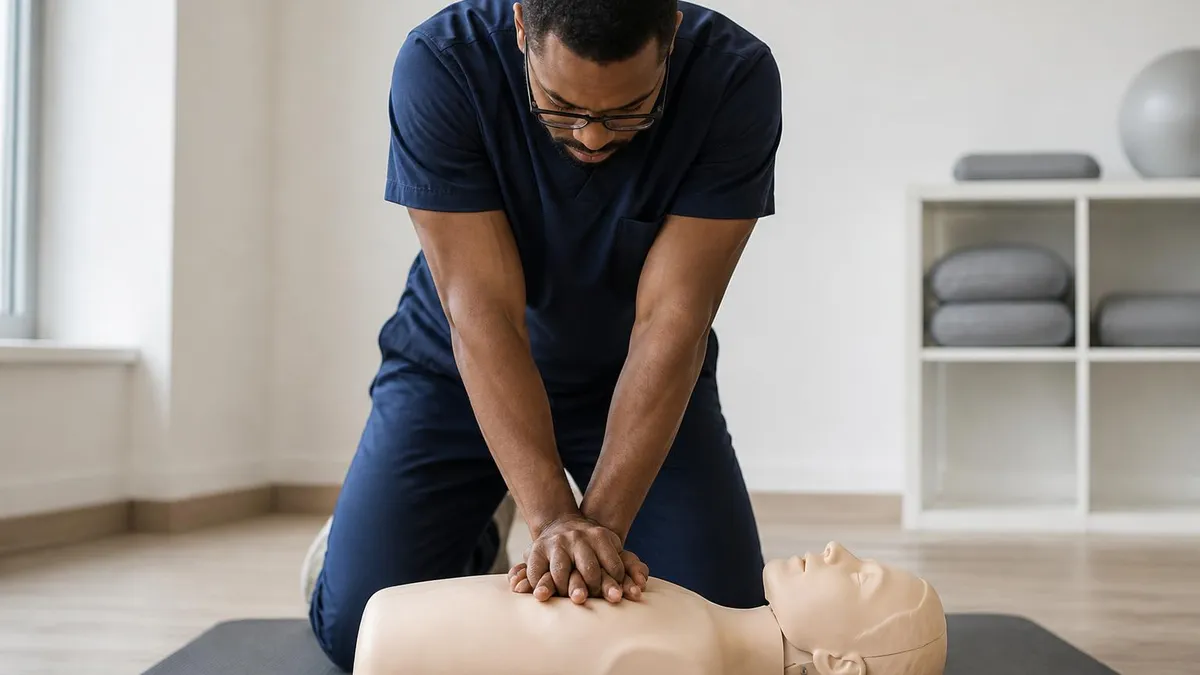
CPR Card Lookup: How to Verify, Replace, and Access Your CPR Certification in 2026
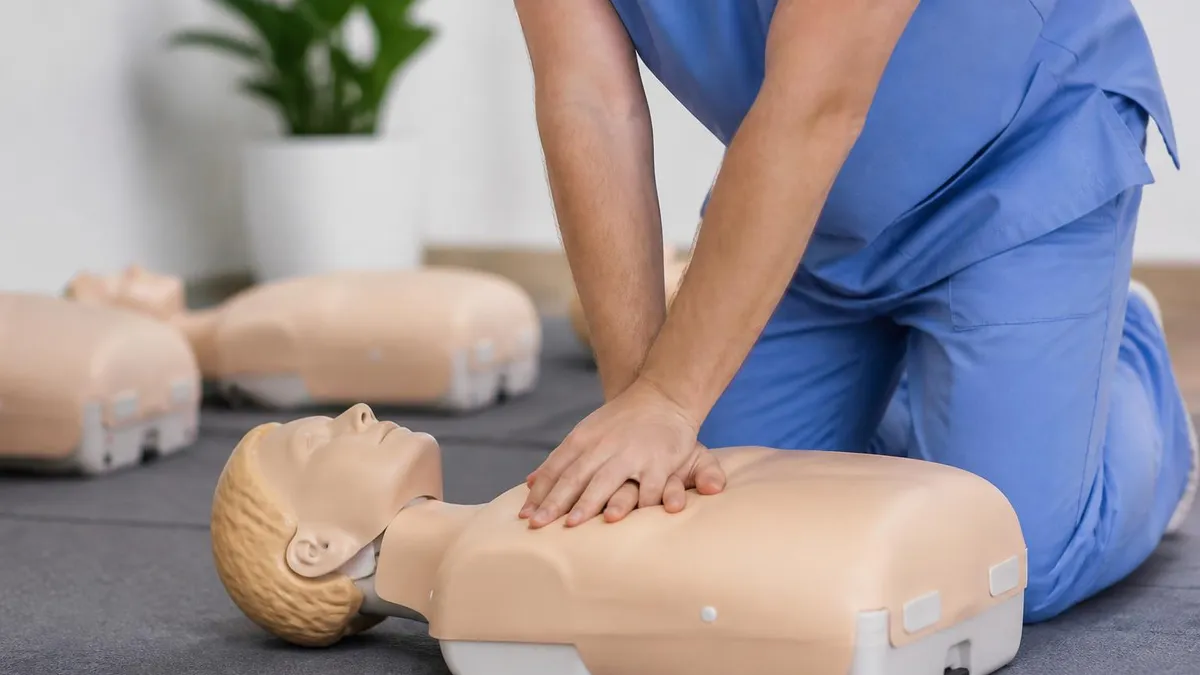
AHA CPR: What It Is, Which Course You Need, and How to Get Certified
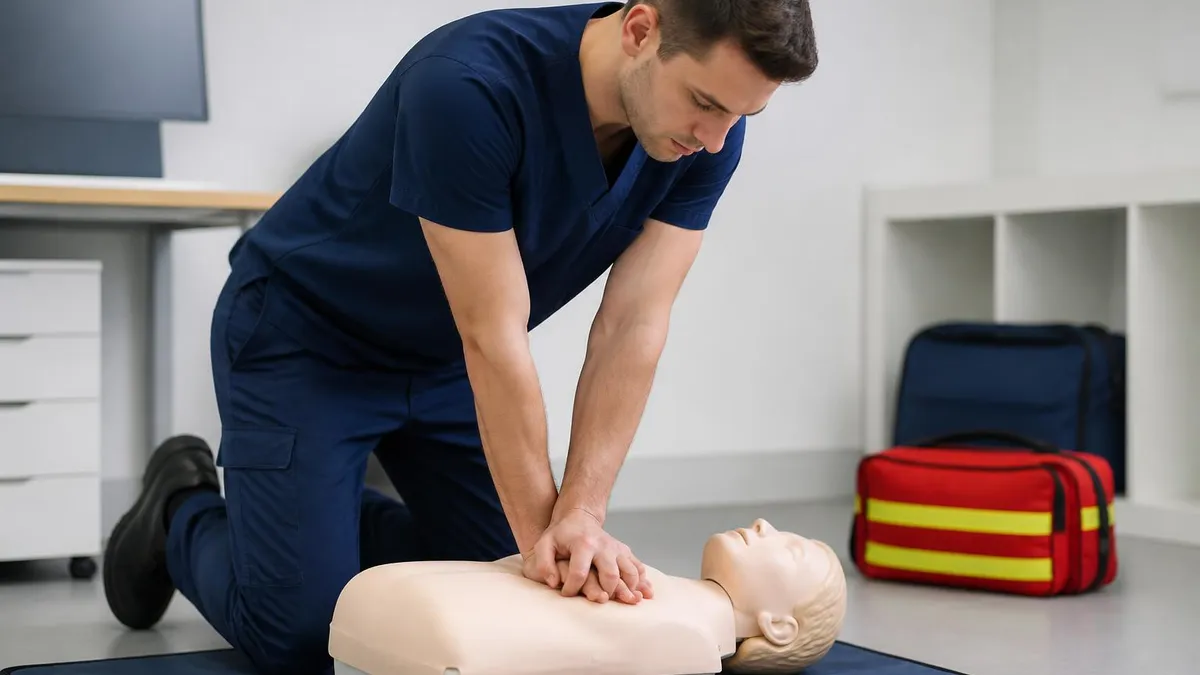
Adult CPR: Complete Step-by-Step Guide to Hands-Only and Standard CPR in 2026
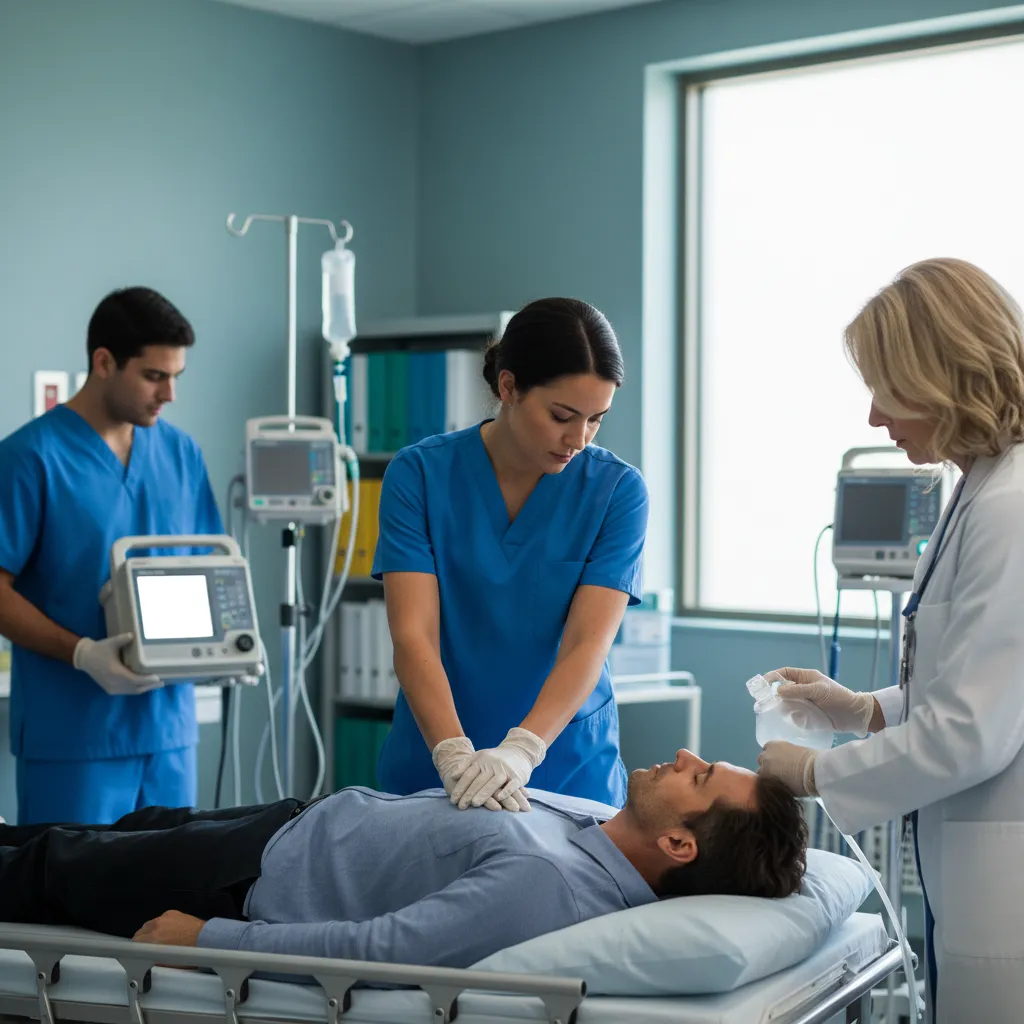
CPR - Cardiopulmonary Resuscitation: Complete Study Guide 2026
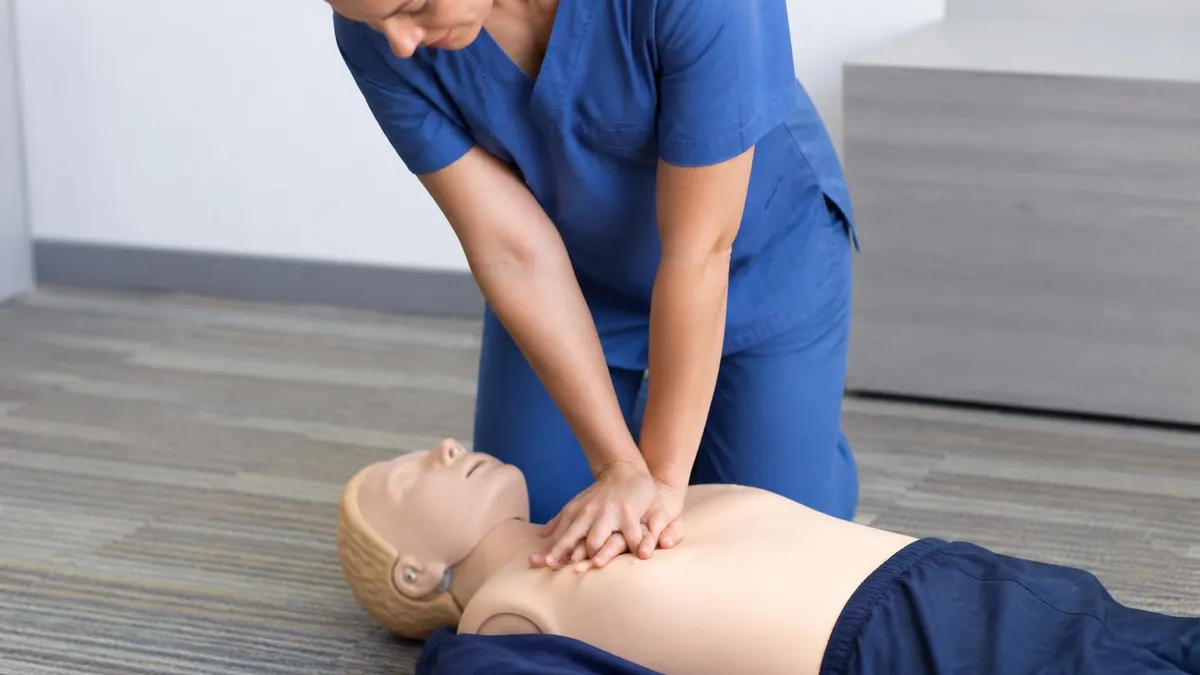
Inappropriate CPR Songs: What Not to Play, Why It Matters, and Better Beat-Per-Minute Alternatives
About the Author

Registered Nurse & Healthcare Educator
Johns Hopkins University School of NursingDr. Sarah Mitchell is a board-certified registered nurse with over 15 years of clinical and academic experience. She completed her PhD in Nursing Science at Johns Hopkins University and has taught NCLEX preparation and clinical skills courses for nursing students across the United States. Her research focuses on evidence-based exam preparation strategies for healthcare certification candidates.
Join the Discussion
Connect with other students preparing for this exam. Share tips, ask questions, and get advice from people who have been there.
View discussion (5 replies)