
Adenosine CPR: Which Medications Belong in Cardiac Arrest and Which Do Not 2026
🎯 Does adenosine CPR exist? Learn when adenosine is used, which drugs belong in cardiac arrest, and how the ACLS algorithm guides each step.
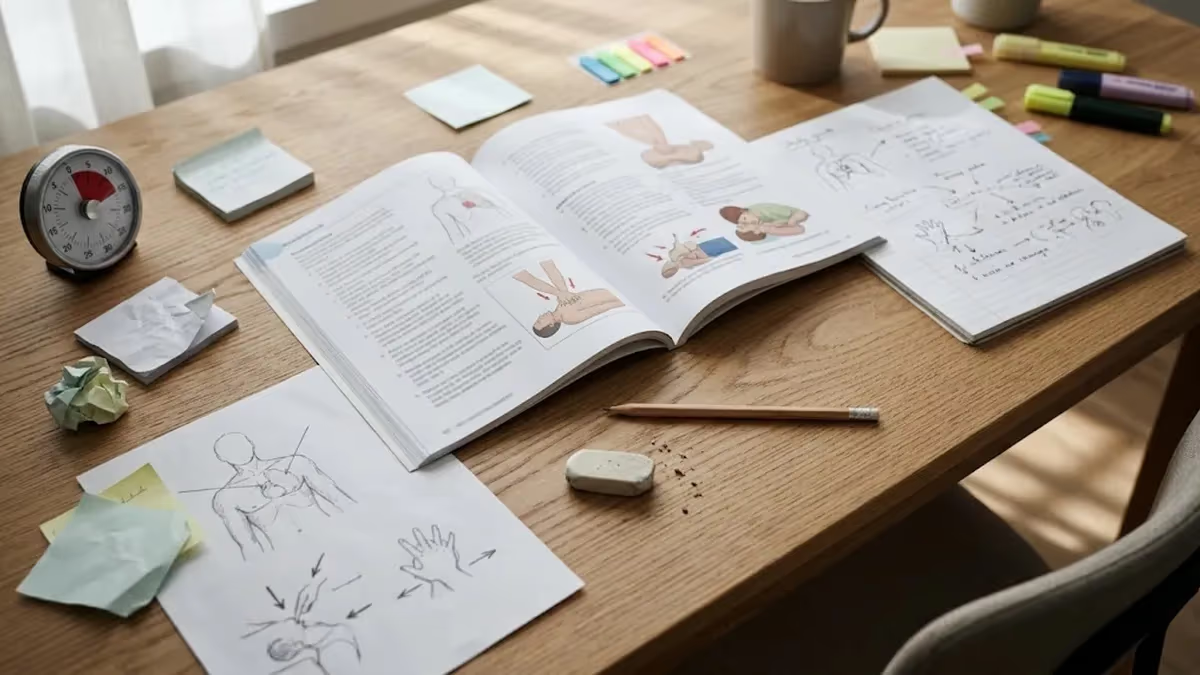
Searching for adenosine cpr usually means one of two things: you saw adenosine mentioned in an emergency course and wondered whether it belongs in cardiac arrest, or you are studying for an exam and want the drug list straight. Here is the short answer. Adenosine is not a cardiac arrest drug. It treats one specific fast rhythm in a patient who still has a pulse, and it plays no role once chest compressions have started.
That distinction matters because CPR itself involves no medication at all. Compressions, rescue breaths, and defibrillation are the foundation, and every drug is secondary to them. This overview of cpr medications assumes you already know the basics, so if rescue breathing still feels fuzzy, the linked guide covers it first. Drugs only enter the picture when trained responders arrive with vascular access and a cardiac monitor.
The framework that tells advanced providers when to use each drug is the ACLS algorithm. It sorts patients into groups: cardiac arrest with a shockable rhythm, cardiac arrest with a non-shockable rhythm, and a patient with a pulse but an abnormal or unstable rhythm. Adenosine lives in that last group, under tachycardia with a pulse. Epinephrine and amiodarone live in the arrest pathways. Mixing up the branches is the most common mistake students make on written tests.
Training pathways reflect the same split. A BLS certification, which many people search as what is a bls certification, teaches compressions, ventilation, and AED use for healthcare providers. Advanced cardiac life support builds on it with rhythm recognition and medications, while PALS certification applies similar logic to children. Organizations such as the American Heart Association, the Red Cross, and the National CPR Foundation each offer courses, though employers and licensing boards decide which cards they accept, so verify before enrolling.
Life support is really a ladder. The bottom rung is recognizing arrest and calling for help. The next rung is high-quality compressions at 100 to 120 per minute plus early defibrillation. Only above those rungs do airways, IV access, and drugs appear. Research consistently shows that delayed shocks and interrupted compressions hurt survival far more than a late or missing medication, which is why instructors keep drilling the fundamentals long before they teach the pharmacology.
Likewise, the common question of what does AED stand for has a simple answer, automated external defibrillator, and we cover it later. This article stays on the clinical side and keeps every claim consistent with the American Heart Association guidance used by training programs across the United States.
Below you will find the exact adenosine dose, the rhythm it treats, and the reasons it fails in arrest. You will also see which drugs do appear in cardiac arrest, how pediatric dosing differs, and where infant CPR training fits in. Treat this page as education, not a protocol. Real doses are set by local medical direction, and anyone caring for patients should follow their agency's current standing orders and the guidance of their medical director.
Adenosine and CPR Medications by the Numbers
Which Medications Belong in the ACLS Algorithm
The main drug in adult cardiac arrest. Given as 1 mg IV or IO every three to five minutes in both shockable and non-shockable rhythms, and as early as possible when the rhythm cannot be shocked.
Antiarrhythmics for ventricular fibrillation or pulseless ventricular tachycardia that persists after shocks. Amiodarone is 300 mg then 150 mg. Lidocaine is an accepted alternative. Neither one replaces defibrillation.
Reserved for stable, regular, narrow-complex supraventricular tachycardia in a patient with a pulse. The dose is 6 mg, then 12 mg, pushed fast. It is never part of the cardiac arrest pathway.
Medications chosen to reverse a known problem, such as naloxone for opioid overdose, calcium for certain toxicities, or bicarbonate for specific poisonings. They are not given routinely and always follow compressions and airway care.
Adenosine Explained: What It Treats and Why It Is Not a Cardiac Arrest Drug
Adenosine is a naturally occurring nucleoside that briefly blocks conduction through the atrioventricular node. In a patient with stable, narrow-complex, regular supraventricular tachycardia, that pause interrupts the reentry circuit and often restores normal sinus rhythm within seconds. Providers reach for it in paroxysmal SVT, which commonly runs between 150 and 250 beats per minute. The patient is typically awake, may complain of palpitations or lightheadedness, and still has a measurable pulse and blood pressure.
The adult dose is 6 mg given as a rapid push, followed immediately by a 20 mL saline flush. If the rhythm does not convert within one to two minutes, a 12 mg dose may be given, and that 12 mg dose can be repeated once. The drug's half-life is under ten seconds, so a slow push never reaches the heart at an effective concentration. A large, proximal vein such as the antecubital is preferred.
Expect side effects, and warn the patient before pushing. Flushing, chest pressure, shortness of breath, and a sense of impending doom are common and last under a minute. Adenosine can also cause a brief period of asystole or a slow rhythm after conversion. Because of this, defibrillator pads should be nearby and the monitor should print a continuous strip during administration so the team can document the pause.
Caution is essential. Adenosine can speed conduction in atrial fibrillation with an accessory pathway, such as Wolff-Parkinson-White syndrome, so it should not be used for irregular wide-complex tachycardia. It is avoided in second- or third-degree heart block without a pacemaker and used carefully in asthma. Caffeine and theophylline blunt its effect, while dipyridamole and carbamazepine strengthen it. Heart transplant recipients and central-line administration both call for a reduced 3 mg starting dose.
Now the central question: why not give it during arrest? Cardiac arrest means there is no perfusing rhythm. The monitor shows ventricular fibrillation, pulseless ventricular tachycardia, asystole, or pulseless electrical activity, and none of those is a reentrant SVT. Blocking the AV node accomplishes nothing, while every second spent drawing up the wrong drug is a second without compressions or a shock. The priorities are compressions, defibrillation, and oxygenation.
Before any drug, try vagal maneuvers in a stable patient. The modified Valsalva technique has the best evidence: the patient, semi-reclined, blows into a 10 mL syringe for 15 seconds, then is laid flat with legs raised for 15 seconds. In the REVERT trial this converted roughly 43 percent of patients versus 17 percent with standard Valsalva. Carotid massage is avoided in older adults because of stroke risk. If the patient becomes unstable, synchronized cardioversion replaces drugs.
Children follow the same logic with weight-based doses. In pediatric supraventricular tachycardia, the first adenosine dose is 0.1 mg/kg, to a maximum of 6 mg, and the second is 0.2 mg/kg, to a maximum of 12 mg. Infants with SVT often show rates above 220 beats per minute, higher than a child's sinus tachycardia would ever reach. Recognizing that difference is a core skill taught in PALS certification courses, alongside synchronized cardioversion at 0.5 to 1 J/kg.
ACLS Algorithm Pathways: Shockable, Non-Shockable, and Tachycardia With a Pulse
Ventricular fibrillation and pulseless ventricular tachycardia are the shockable rhythms. The sequence is simple: start compressions, attach the defibrillator, deliver a shock, and resume compressions immediately for two minutes. Pulse checks happen only at rhythm checks, and no drug is given before the first shock unless it can be done without delaying compressions or defibrillation. Speed to the first shock is the strongest predictor of survival in this branch.
Drugs enter after the first shocks have failed. Epinephrine 1 mg is given once an IV or IO line is available, then repeated every three to five minutes. If the rhythm persists after the third shock, amiodarone 300 mg is given, with 150 mg available as a second dose. Adenosine has no place in this pathway because the patient has no pulse and the rhythm is not an AV-node-dependent reentry circuit.
Medications in Cardiac Arrest: Helpful Tool or Distraction?
- +Epinephrine raises the chance of regaining a pulse, especially in non-shockable rhythms
- +Antiarrhythmics can make refractory VF or pVT more likely to respond to the next shock
- +Cause-specific drugs such as naloxone can reverse a treatable problem like opioid overdose
- +IO access lets teams give drugs quickly when veins are hard to find
- +Clear drug protocols reduce guesswork and keep team roles organized
- +Knowing the drug list helps students pass written ACLS exams with confidence
- −No drug has been shown to match the survival benefit of early defibrillation and good compressions
- −Drug administration can interrupt compressions when the team is poorly coordinated
- −Doses change with age and weight, which raises the risk of calculation errors
- −Guidelines evolve, so older textbooks and handouts can quickly become outdated
- −Rhythm drugs like adenosine are easy to confuse with cardiac arrest drugs
- −Bystanders cannot use any of this because it requires training, access, and a monitor
ACLS Algorithm Medication Checklist for Students
- ✓Confirm whether the patient has a pulse before choosing any drug.
- ✓Start compressions at 100 to 120 per minute before reaching for medications.
- ✓Place adenosine only in the stable tachycardia with a pulse branch.
- ✓Memorize adenosine as 6 mg, then 12 mg, with a rapid push and flush.
- ✓Try modified Valsalva before giving adenosine to a stable patient.
- ✓Choose synchronized cardioversion for any unstable tachycardia.
- ✓Give epinephrine 1 mg every 3 to 5 minutes in adult cardiac arrest.
- ✓Give amiodarone 300 mg then 150 mg for shock-refractory VF or pVT.
- ✓Review the Hs and Ts at every rhythm check during arrest.
- ✓Check your local protocol and current guideline year before testing.
Adenosine needs a pulse
If the patient has no pulse, adenosine is the wrong drug. Compressions, shocks, epinephrine, and amiodarone belong to arrest, while adenosine belongs to a stable, regular, narrow-complex tachycardia in a patient who is still perfusing.
Drugs That Actually Appear in Cardiac Arrest
If adenosine is out, what goes in? The answer starts with epinephrine. For adults in cardiac arrest, the standard dose is 1 mg by IV or IO push every three to five minutes. In non-shockable rhythms such as asystole and pulseless electrical activity, giving it as early as possible improves the chance of regaining a pulse. In shockable rhythms, it follows the first shocks and compressions rather than replacing them. Timing, not dose, changes between rhythms.
Epinephrine works by constricting peripheral blood vessels, which raises aortic pressure during compressions and improves blood flow to the heart and brain. Evidence from large trials shows it increases return of spontaneous circulation, though its effect on long-term neurological outcome is less certain. That uncertainty is why guidelines emphasize pairing it with excellent compressions and not treating it as a rescue for poor technique. Higher doses have not shown benefit and are not recommended. Stick to the standard 1 mg.
For ventricular fibrillation or pulseless ventricular tachycardia that persists after defibrillation, antiarrhythmics come next. Amiodarone is given as a 300 mg bolus, followed by a 150 mg second dose if the rhythm continues. Lidocaine is an acceptable alternative, started at 1 to 1.5 mg/kg and followed by 0.5 to 0.75 mg/kg. Neither drug replaces shocks. They are meant to make the heart more responsive to the next shock, which is why the rhythm check cycle continues unchanged.
Several medications that older providers remember are no longer routine. Vasopressin was removed from the adult cardiac arrest algorithm in 2015, and atropine was dropped from pulseless arrest well before that. Sodium bicarbonate and calcium are not given routinely, though they have a place when the cause is known, such as hyperkalemia, tricyclic overdose, or calcium channel blocker toxicity. Fixed drug lists age quickly, so always study the most recent guideline update rather than an old textbook.
Treating the cause is the other half of the algorithm, often summarized as the Hs and Ts. Hypovolemia, hypoxia, hydrogen ion, hypo- or hyperkalemia, hypothermia, tension pneumothorax, tamponade, toxins, and thrombosis each have specific fixes. Naloxone for opioid overdose is a good example: a patient with a pulse but poor breathing may respond to 0.4 to 2 mg, while a patient in arrest still needs compressions first. Medications supplement the search for a reversible cause, never replace it.
Route of administration matters too. Intravenous access is preferred, but when a vein cannot be found quickly, intraosseous access into the bone marrow delivers drugs just as reliably in most patients. Endotracheal drug delivery is no longer recommended in adult resuscitation. After every IV push, a 20 mL saline flush moves the drug into central circulation, and the limb is elevated briefly. These small habits determine whether a correct dose actually reaches the heart.
Documentation closes the loop. A recorder notes each shock, each drug, and each rhythm check with a timestamp, which allows the team leader to call for the next epinephrine dose at three to five minutes without guessing. Many hospitals run mock codes to rehearse this choreography. For learners, the practical takeaway is simple: memorize the short drug list, understand why each one is there, and be able to explain why adenosine is absent from it.
Doses and protocols in this article reflect general American Heart Association teaching and may differ from your agency's standing orders. Healthcare providers must follow their medical director, scope of practice, and the current guideline update.
PALS Certification, Infant CPR, and Life Support Basics
Children are not small adults, and pediatric resuscitation reflects that. Most pediatric cardiac arrests begin with respiratory failure rather than a primary heart rhythm problem, so oxygenation and ventilation get more emphasis. A rescuer with a PALS certification learns to read the respiratory rate, effort, and color first, because a child can look alarmingly sick for a long time and then deteriorate within minutes. Early recognition often prevents arrest completely. That is why assessment comes before any drug.
Normal respiratory rate changes with age, which trips up many students. Infants breathe about 30 to 53 times per minute, toddlers 22 to 37, school-age children 18 to 25, and adolescents 12 to 20. Rates well above or below those ranges, grunting, nasal flaring, or chest retractions suggest trouble. For a child with a pulse but inadequate breathing, providers give one breath every two to three seconds. Keep a quick reference chart handy.
Infant CPR differs in technique. A lone rescuer places two fingers just below the nipple line on the breastbone, or uses the two-thumb encircling technique when two rescuers are present. Compress at least one-third the depth of the chest, about 1.5 inches, at 100 to 120 per minute. Use a ratio of 30 compressions to 2 breaths for one rescuer and 15 to 2 for two rescuers. Check responsiveness by tapping the foot.
Basic life support is the layer beneath all of this. People often ask what is a BLS certification, and the answer is a credential showing you can perform high-quality CPR, use an AED, and relieve choking for adults, children, and infants, usually valid for two years. Healthcare students, nurses, EMTs, and dental staff typically need it. Organizations including the American Heart Association, the Red Cross, and the National CPR Foundation offer versions, and acceptance varies by employer.
AED stands for automated external defibrillator. The device analyzes the heart rhythm and advises a shock only for ventricular fibrillation or pulseless ventricular tachycardia, so a bystander cannot shock a person who does not need it. Pads go on bare, dry skin: one below the right collarbone and one on the left side below the armpit. Children under eight should get pediatric pads or a dose-reducing key when available, though adult pads are acceptable if nothing else is.
Position recovery, more commonly called the recovery position, is another life support skill worth knowing. If a person is breathing normally and has a pulse but is unresponsive and has no suspected spinal injury, roll them onto their side with the top knee bent and the head tilted back slightly. This keeps the tongue from blocking the airway and lets fluid drain. Keep checking breathing, and be ready to start compressions if it stops.
Put these layers together and the structure is clear. Laypeople and BLS providers handle recognition, compressions, breaths, and the AED. ACLS providers add airway tools, IV access, rhythm interpretation, and the drugs discussed above. PALS providers apply that extended skill set to children and infants. Medications such as adenosine only make sense once a responder can read a rhythm strip, which is why they never appear in introductory courses. Choose the course that matches your job, not the one with the most advanced name.
Practical Study Tips for Mastering CPR Medications
Start with a one-page map. Draw three boxes labeled shockable arrest, non-shockable arrest, and tachycardia with a pulse, then place each drug in only one box. Adenosine goes in the third box, epinephrine in the first two, amiodarone in the first. Most missed exam questions come from putting a drug in the wrong box, so seeing the map every day builds the habit faster than rereading chapters. Redraw it from memory each morning.
Memorize numbers in pairs. Adenosine is 6 then 12 mg. Amiodarone is 300 then 150 mg. Epinephrine is 1 mg every 3 to 5 minutes. Compressions run 100 to 120 per minute at least 2 inches deep for adults. Pairing a drug with its second dose cuts the number of facts you need to hold, and it matches how questions are written, since many ask what comes next after a first dose fails to work.
Practice aloud. Saying a scenario such as, stable adult, narrow regular tachycardia at 180, vagal maneuvers failed, IV in place, forces you to name the drug, dose, push technique, and flush in sequence. Study partners can play the patient and the monitor. This works better than silent reading because the exam, and a real code, both require retrieving information under mild stress while someone else is talking. Ten minutes a day beats a weekend cram.
Use realistic practice questions. Timed quizzes reveal which topics you only recognize versus truly recall. Take a baseline set first, note every miss, and sort the misses into categories: rhythm recognition, dosing, contraindications, or sequence. Retake the same category two days later. Our free CPR practice tests include airway, AED, and adult CPR sets, and working through them after reading this guide will quickly show where your gaps remain. Aim for 90 percent before booking your course exam.
Know your local rules. Scope of practice determines which drugs a nurse, paramedic, or EMT may give, and protocols differ between states and agencies. Some systems stock lidocaine instead of amiodarone, and some allow paramedics to push adenosine only after contacting medical control. Ask your instructor or medical director for the standing orders you will actually work under, and treat textbook doses as the baseline rather than the whole story. Written protocols always win over memory.
Keep skills current. Guidelines are reviewed continuously and updated on a roughly five-year cycle, with focused updates in between. Certification cards typically expire after two years. Book your renewal at least a month ahead, because classes fill and employers may not let you work shifts with a lapsed card. Confirm that your training provider is accepted by your employer or licensing board, especially when comparing online-only options. Hands-on skill checks are usually required for healthcare roles.
Finally, remember what the question behind this article was. Adenosine CPR is not a real procedure: adenosine is an SVT drug, and CPR is a compression-and-shock process. Hold that distinction, and you will answer most medication questions correctly even when the specifics are unfamiliar. Take the free quizzes linked below, review the FAQ, and bring any uncertain items to your instructor. Confidence in the fundamentals saves lives long before any drug is drawn up.
CPR Questions and Answers

Mouth to Mouth CPR: When to Use Rescue Breathing, How to Do It Safely, and Why Hands-Only CPR Often Replaces It in 2026
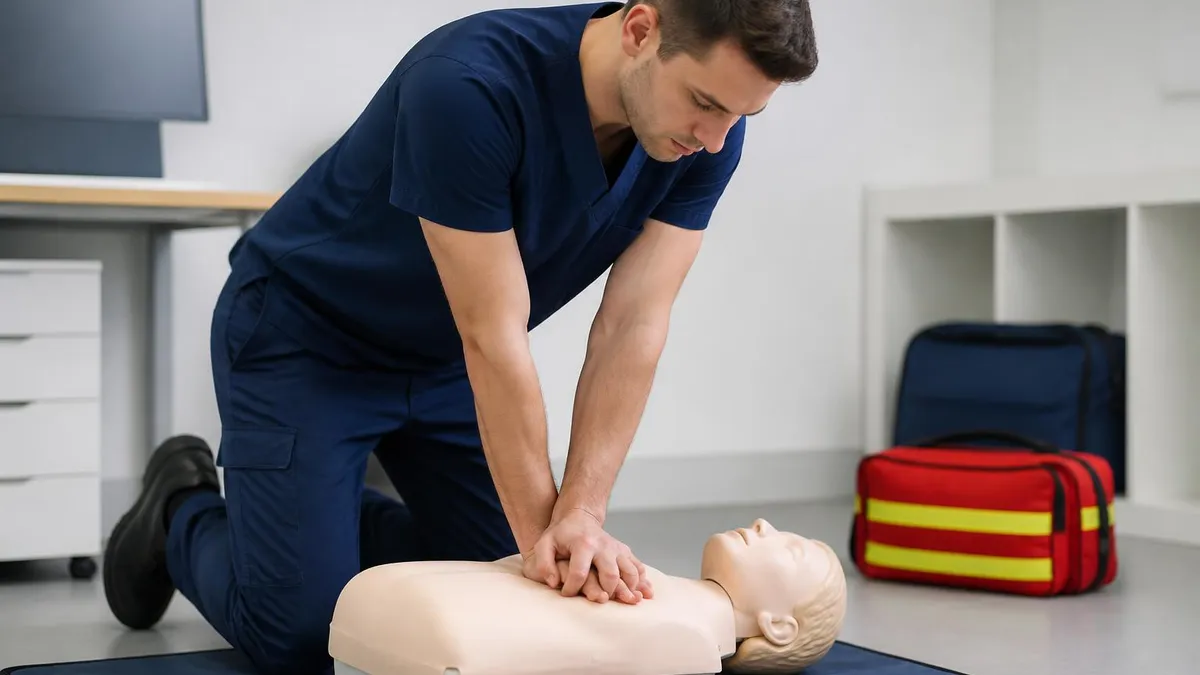
Adult CPR: Complete Step-by-Step Guide to Hands-Only and Standard CPR in 2026

CPR Scenarios: Real-Life Practice Cases for Adult, Child, and Infant Emergencies
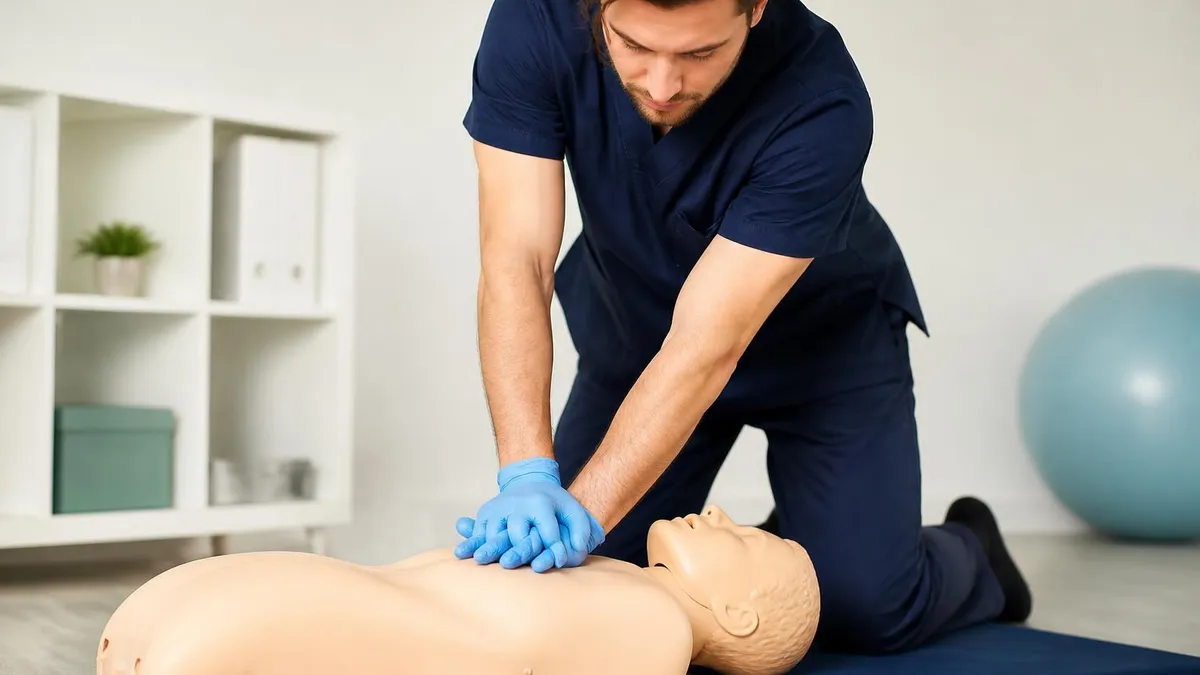
CPR Course: How to Choose the Right Training Program

CPR Lookup: The Complete 2026 Guide to ACLS Algorithm, Certifications & Life Support Skills
How this page was made: written with AI tools and published by Nathan Beja, founder of Practice Test Geeks, who is responsible for its content. Exam facts are checked against the official sources listed below. Not reviewed by a subject-matter expert. Editorial policy
Sources & references
Exam facts on this page (fees, format, dates, passing scores) are checked against these official sources; the date is our last check. Editorial policy
- redcross.org — Renewal, test delivery, score validity, passing score · verified Nov 2026
- cpr.heart.org — Test delivery, eligibility, score validity · verified Nov 2026
- elearning.heart.org — Fees, passing score · verified Nov 2026