
CPI Training for Teachers: Complete Guide to Crisis Prevention Certification in Schools
⏳ Complete guide to CPI training for teachers — requirements, costs, renewal steps, and how certification helps you manage classroom crises safely.

CPI training for teachers has become one of the most sought-after professional development credentials in K-12 education, and for good reason. Crisis Prevention Intervention equips educators with evidence-based strategies for recognizing, de-escalating, and safely managing behavioral crises before they escalate into situations that put students or staff at risk. Whether you teach general education, special education, or work in an alternative school setting, understanding the foundations of crisis prevention can transform how you respond to your most challenging moments in the classroom.
Teachers who complete CPI training report feeling more confident, less reactive, and better equipped to support students with behavioral and emotional challenges. The training program developed by Crisis Prevention Institute goes far beyond physical intervention techniques — it emphasizes verbal de-escalation, empathic listening, trauma-informed responses, and non-restrictive alternatives. The goal is always to prevent a crisis from reaching the point where any physical response is required, and certified teachers become skilled practitioners of that prevention-first philosophy throughout every lesson and interaction.
Requirements for CPI certification vary by school district, state, and position. Some states mandate CPI or equivalent crisis prevention training for all staff who work with students with disabilities, while others leave training decisions to individual districts or building administrators. Special education teachers, paraprofessionals, and behavioral intervention specialists are most commonly required to hold current certification, but general education teachers in high-needs schools or self-contained classrooms are increasingly expected to obtain it as well.
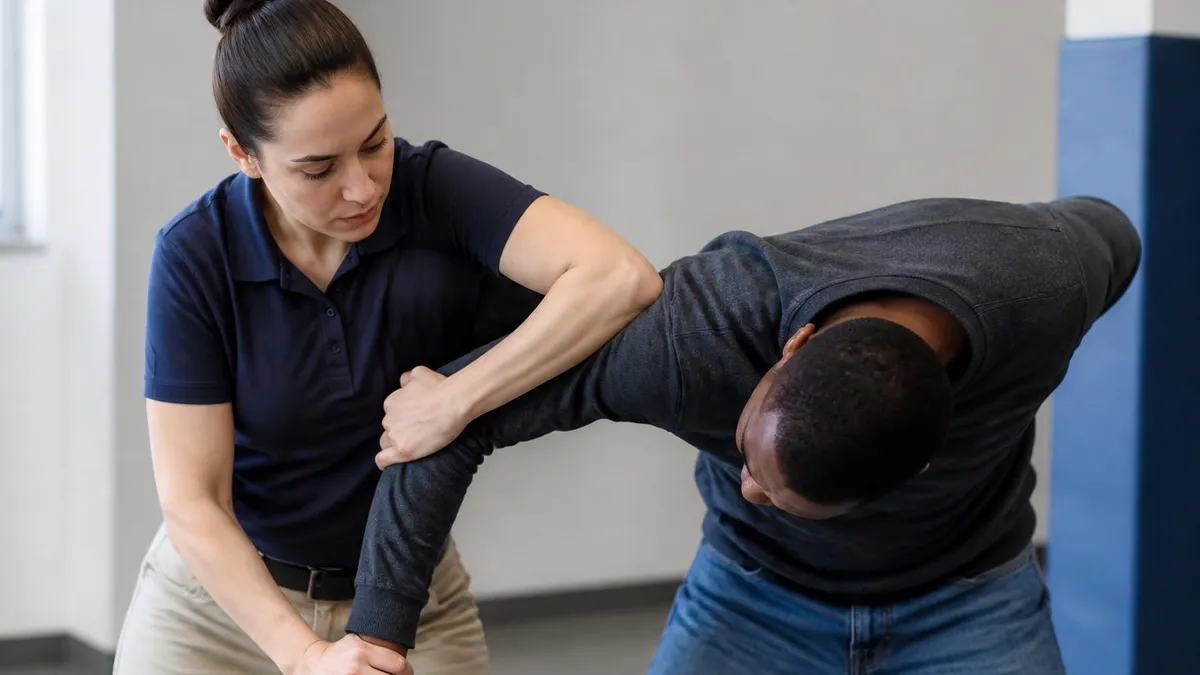
Understanding cpi training for teachers means recognizing that the curriculum is structured around practical, scenario-based learning that mirrors real classroom situations. Participants work through case studies, role-play de-escalation conversations, practice physical intervention techniques under direct supervision, and learn to document and debrief incidents properly. This hands-on approach ensures that certified teachers can apply what they learn under the stress of an actual crisis, not just in a training room setting.
The cost of CPI training typically ranges from $150 to $400 per participant depending on whether your school or district covers the expense, whether you attend through a district-organized cohort, or whether you enroll in an open-enrollment workshop independently. Many districts negotiate institutional rates with CPI-certified trainers, significantly reducing per-person costs. Some states have also funded regional CPI training hubs through special education grants, making access more equitable for educators in rural or under-resourced districts.
Renewal is an important part of maintaining your CPI credential. Standard CPI Nonviolent Crisis Intervention certification is valid for two years, after which teachers must complete a recertification course to keep their credential active. Recertification typically takes one day rather than the full two-day initial training, and many districts build recertification days into their professional development calendars. Falling out of certification can affect your assignment eligibility in districts that require current credentials for specific roles.
This guide covers everything teachers need to know about CPI training: the structure and content of the curriculum, how to prepare for your initial certification, what renewal looks like, the professional benefits of holding this credential, and how to put your training to work in real classroom situations. Whether you are preparing for your first CPI course or looking to deepen your understanding before recertification, the information here will help you approach the process with confidence and clarity.
CPI Training for Teachers by the Numbers

CPI Training Program Structure for Teachers
Register for Initial Training
Complete Pre-Course Reading
Attend Two-Day In-Person Training
Pass Written and Practical Assessments
Receive CPI Certificate
Recertify Before Expiration
Certification requirements for CPI training vary considerably across states, districts, and specific job roles, which is why it is critical for teachers to understand exactly what is expected in their employment context. In states like New York, California, and Illinois, legislation or state education agency guidance specifically references crisis prevention training requirements for staff who work with students with significant behavioral needs. In these states, holding a current crisis intervention credential is often tied directly to your ability to serve in a particular role or classroom setting.
Special education teachers face the most consistent certification requirements. Federal IDEA regulations and related state implementing rules frequently require that staff members who implement behavior intervention plans or work in restrictive settings have documented training in crisis prevention. Districts interpret this requirement differently — some accept any accredited crisis prevention program, while others specifically mandate CPI's Nonviolent Crisis Intervention curriculum or an equivalent program that meets state-defined training hour and content standards.
General education teachers in inclusive settings are increasingly expected to complete CPI training, particularly in schools with high proportions of students with disabilities, histories of behavioral incidents, or active multi-tiered systems of support frameworks. When a student with an IEP is placed in your classroom and their behavior intervention plan includes crisis response procedures, you have both a professional and sometimes a legal responsibility to understand how to implement those procedures safely and consistently with your trained colleagues.
New teachers often discover CPI training requirements during the onboarding process rather than in job postings. Districts may require new hires in certain programs to complete initial CPI certification within their first 90 days of employment or before they begin solo supervision of students with significant behavioral profiles. Some districts make CPI training part of new teacher orientation, embedding the two-day course directly into summer professional development programming before the school year begins.
Paraprofessionals, instructional aides, and behavior technicians who work alongside classroom teachers are typically required to hold the same CPI certification as the licensed teachers they support. This is especially important in self-contained special education classrooms where the entire team — teacher, aide, and any related service providers — must be certified to maintain consistency and ensure safe, legally defensible crisis response. Gaps in team certification can create significant liability for the district.
School counselors, school psychologists, social workers, and administrators who interact with students in crisis situations are also commonly required to hold CPI certification, even if they do not carry primary classroom responsibility. The rationale is straightforward: a crisis can occur anywhere in a school building, and any staff member who may need to respond — or who may be first on scene — benefits from standardized training that aligns with the protocols used by classroom educators.
It is worth noting that CPI is not the only accredited crisis prevention program used in schools. Some districts use SAMA (Satori Alternatives to Managing Aggression), TCI (Therapeutic Crisis Intervention), or NVCI (Non-Violent Crisis Intervention equivalents developed by state agencies). If your district uses a program other than CPI, the conceptual framework and many practical strategies are similar, but the specific techniques, terminology, and certification pathways differ. Always confirm which program your employer recognizes before enrolling in independent training.
Core CPI Curriculum Topics for Teacher Certification
The Crisis Development Model is the conceptual backbone of all CPI training. It describes four escalating behavior levels — Anxiety, Defensive, Acting-Out Person, and Tension Reduction — each paired with a corresponding staff response level. Teachers learn to identify subtle behavioral cues that indicate a student is moving from one level to the next, enabling early intervention before a situation escalates to a point where restrictive responses become necessary. Understanding how to read these cues in real time is one of the most practical and immediately applicable skills the training delivers.
The model emphasizes that staff behavior directly influences student behavior at every level. A teacher who responds to a student's anxiety with increased pressure or confrontation can inadvertently accelerate escalation, while a teacher who responds with empathy and structure can interrupt the cycle entirely. CPI training provides specific verbal and nonverbal strategies for each level, including supportive stance, empathic listening techniques, and limit-setting language that maintains clear expectations without triggering defensive reactions in students who are already dysregulated.

Benefits and Challenges of CPI Training for Teachers
- +Builds teacher confidence in responding to behavioral crises without panic or reactive discipline
- +Reduces the frequency and severity of classroom incidents through early de-escalation skills
- +Provides legally defensible documentation and response protocols that protect teachers
- +Strengthens relationships with students by emphasizing empathy-first, needs-based responses
- +Aligns classroom crisis response with school-wide and IEP-based behavioral support plans
- +Qualifies teachers for specialized roles and programs that require current CPI certification
- −Initial two-day training requires significant time away from classroom instruction
- −Cost can be a barrier for teachers in districts that do not cover training expenses
- −Physical intervention components require annual skills review to maintain proficiency safely
- −Recertification every two years adds an ongoing professional development obligation
- −Training quality varies significantly depending on the skill and experience of your CPI trainer
- −Physical intervention techniques require a certain level of physical fitness and may pose challenges for some educators
CPI Certification Prep Checklist for Teachers
- ✓Confirm which CPI program your district requires (NCI, Verbal Intervention, Advanced Physical Skills, or equivalent).
- ✓Register through your district's professional development office or directly through Crisis Prevention Institute's website.
- ✓Complete any pre-course online modules or reading materials sent by your trainer before the first training day.
- ✓Wear comfortable, loose-fitting clothing and closed-toe shoes to the in-person training session.
- ✓Bring a notepad or laptop for note-taking during lecture and scenario debriefs throughout the two-day course.
- ✓Review your school's existing crisis response procedures so you can connect training content to your specific context.
- ✓Participate fully in role-play activities — active engagement during practice scenarios significantly improves skill retention.
- ✓Ask your trainer to clarify any physical technique you are uncertain about before the practical skills assessment.
- ✓Submit your completion information to HR or your administrator immediately after training to update your personnel file.
- ✓Set a calendar reminder 18 months after certification to begin scheduling your recertification course before expiration.
De-escalation Prevents 90% of Physical Interventions
Research from Crisis Prevention Institute shows that schools implementing consistent verbal de-escalation training see dramatic reductions in the need for physical intervention — often by 70 to 90 percent. The most important skill you will leave CPI training with is not a physical technique; it is the ability to recognize the early warning signs of an escalating crisis and respond with the right words, tone, and approach before the situation reaches a point of danger.
Renewal and recertification are topics that catch many teachers off guard, particularly those who completed their initial CPI training during a district-organized cohort and then had no formal reminder system to track their expiration date. Standard CPI Nonviolent Crisis Intervention certification is valid for two years from the date of completion. Once that window closes, you are considered lapsed and cannot be listed as a certified staff member for compliance purposes, which can affect your assignment, your team's coverage ratios, and your building's regulatory standing.
The recertification course is substantially shorter than the initial training — most one-day recertification programs run six to eight hours and cover a review of the Crisis Development Model, updated de-escalation strategies, skills practice for physical intervention techniques, and any significant curriculum updates that CPI has introduced since your previous certification. Trainers adjust the depth and pacing based on the experience level of the participants, so recertification cohorts made up of experienced staff often feel more like a productive refresher than a formal instruction session.
One important change to be aware of: Crisis Prevention Institute periodically updates its curriculum. The 2019 transition to the NCI (Nonviolent Crisis Intervention) 2nd Edition introduced significant changes in language, framework, and physical technique protocols compared to earlier versions. If you were trained under a pre-2019 curriculum, your recertification will include orientation to these updated frameworks. Districts sometimes discover that their trainer has not kept their own certification current, which means the training itself may not reflect current CPI standards — a problem worth investigating if your building's trainer was certified more than two years ago.
Some districts have begun moving toward a continuous learning model rather than a strict biennial recertification cycle. In this model, staff participate in quarterly or monthly refresher sessions — often 30 to 60 minutes — that review specific skills or scenarios, supported by a full recertification course every two years. This approach has been shown to significantly improve skill retention and application, since the gap between training and practice is much shorter than in a model where staff only encounter CPI content once every two years during a single recertification day.
Online recertification options have expanded considerably in recent years. CPI now offers blended learning formats for certain certification tracks, where participants complete online modules covering knowledge components and then attend a shorter in-person session focused exclusively on physical skills practice and scenario work. This hybrid format is particularly convenient for teachers who work in rural areas with limited access to CPI-certified trainers or who face scheduling conflicts with multi-day in-person recertification courses.
If you change districts between certifications, it is important to verify that your current certification is recognized by your new employer. Most districts accept current CPI certification regardless of where the training was completed, as long as it meets the specific program requirements for your role. However, some districts require that recertification be completed through a district-approved trainer or within the district's professional development system to ensure consistency in technique and protocol across building staff.
Tracking your own certification status is ultimately your professional responsibility. HR departments and building administrators may send reminders, but in practice many do not. Keep a digital copy of your certificate accessible, note your expiration date in your professional calendar with multiple advance reminders, and proactively communicate with your professional development coordinator if your recertification window is approaching and no course has been scheduled. Staying current protects your students, your colleagues, and your own professional standing.

Teachers who allow their CPI certification to lapse may be temporarily reassigned away from classrooms or programs that require current credentials. In some districts, working in a certified-required setting without current credentials creates compliance and liability issues for the school. Do not wait until your certificate expires — schedule recertification at least 60 days before your expiration date to ensure continuity of your assignment and your team's coverage.
Putting your CPI training to work in the classroom requires intentional practice and a willingness to shift away from reactive discipline habits that most educators develop over years of classroom experience. The single most important thing you can do with your certification is to begin observing student behavior through the lens of the Crisis Development Model from the first day back in your classroom after training.
Every time you notice a student showing signs of anxiety — increased fidgeting, withdrawal, off-task behavior, or short verbal responses — you have an opportunity to intervene at Level 1 with a supportive response before the situation escalates.
Building a trauma-informed classroom environment is the foundation on which all CPI skills operate most effectively. When students feel psychologically safe, know what to expect, and trust that their teacher will respond to distress with support rather than punishment, the frequency of behavioral crises decreases substantially. CPI training supports this goal by giving teachers specific strategies for maintaining consistent routines, communicating clear expectations in positive language, and responding to limit-testing behaviors in ways that are firm but non-threatening and that preserve the student's dignity in front of peers.
Consistent debriefing with students after a behavioral incident is one of the most underutilized tools in a CPI-trained teacher's toolkit. The Post-Crisis Debriefing conversation — conducted after the student has returned to a calm baseline — serves multiple purposes simultaneously. It allows the student to process what happened, helps the teacher understand the triggering factors, reinforces the relationship between teacher and student, and generates actionable information for updating the student's behavior support plan. Teachers who make debriefing a non-negotiable practice after every incident report significantly better long-term outcomes for their most challenging students.
Collaboration with your school's behavior support team is essential for applying CPI principles effectively with students who have complex behavioral profiles. CPI training gives you the knowledge and language to participate meaningfully in FBA (Functional Behavioral Assessment) meetings, contribute to the development of BIPs (Behavior Intervention Plans), and implement crisis response procedures that are consistent with the individualized plans your team has developed. The better aligned your classroom responses are with school-wide and individualized behavioral support plans, the more predictable and safe the environment becomes for all students.
Documentation habits developed in CPI training are not just a compliance requirement — they are a professional practice that protects you, informs better decisions, and creates an accurate record of a student's behavioral trajectory over time. Every incident that requires a significant verbal intervention or any physical response should be documented promptly, with specific behavioral descriptions rather than interpretive language, accurate time stamps, antecedent information, and a clear account of the steps taken before, during, and after the intervention. This documentation becomes invaluable when teams review whether current support plans are adequate or whether more intensive services are needed.
Sharing CPI strategies with parents and caregivers is an often-overlooked extension of your certification that can meaningfully improve outcomes for students with behavioral challenges. When parents understand the same crisis development framework you are using in the classroom, they can apply consistent de-escalation strategies at home, which reduces overall stress load on the student and creates a more coherent support environment across settings. Many CPI-certified teachers include a brief overview of the Crisis Development Model in their parent communication at the beginning of the school year, particularly for families of students with known behavioral challenges.
Mentoring colleagues who have not yet completed CPI training is both a professional responsibility and a practical safety strategy. When your team includes uncertified staff or staff whose certification has lapsed, there is a gap in the consistent, coordinated crisis response that CPI training is designed to create. Sharing key concepts informally, inviting colleagues to observe your de-escalation strategies in practice, and advocating for district-wide CPI access all contribute to a school culture where crisis prevention is a shared professional standard rather than the isolated responsibility of a few certified individuals.
Practical preparation for your initial CPI training course begins well before you walk into the training room. One of the best investments you can make is to review your school's current crisis response policies and any behavior intervention plans for students in your classroom. Coming to training with specific, real situations in mind allows you to apply each concept you learn to your actual professional context rather than working in the abstract. Trainers consistently report that participants who bring concrete scenarios to role-play and discuss get far more out of the course than those who participate passively.
Physical readiness matters more than many teachers expect. The physical intervention components of NCI training require participants to practice standing techniques, supportive holds, and release movements repeatedly throughout the second day of training. If you have any physical limitations, injuries, or health conditions that might affect your participation, communicate with your trainer before the course begins. CPI-certified trainers are required to accommodate participants with physical limitations, and there are often modified technique options available that allow you to participate fully and receive certification even if you cannot perform every standard technique exactly as described.
During the training itself, prioritize the role-play and scenario practice components over passive note-taking. The verbal de-escalation skills taught in CPI are procedural knowledge — meaning they become accessible under stress only through repeated practice, not through reading or listening alone. Engage fully with every simulated conversation, take on challenging roles when given the option, and push yourself to apply verbal strategies in scenarios that feel genuinely difficult rather than defaulting to the easiest or most comfortable response path.
After your initial certification, create a personal practice plan for maintaining your skills between recertification cycles. This might include monthly reviews of the Crisis Development Model with your classroom team, periodic scenario discussions during team planning meetings, reflective debriefs after incidents that allow you to evaluate your own response against CPI principles, and independent reading about trauma-informed teaching, positive behavioral supports, and related frameworks that complement and reinforce what you learned in CPI training.
Study resources for CPI knowledge assessment — including practice tests covering behavioral risk assessment, post-crisis debriefing, client assessment, and related domains — are valuable tools for both preparing for certification assessments and maintaining your knowledge between trainings. The practice questions available through resources like PracticeTestGeeks are specifically designed to mirror the content areas covered in CPI training, helping you identify knowledge gaps, reinforce core concepts, and build the exam-readiness and on-the-job confidence that comes from active retrieval practice.
Connecting with a professional learning community of other CPI-certified educators can significantly enhance both your skill development and your sense of professional support. Online communities, district-organized CPI practitioner networks, and professional organizations that focus on behavioral support in schools all offer opportunities to share strategies, troubleshoot challenging situations, and learn from colleagues who are applying CPI principles in diverse educational settings. The training itself is just the starting point — sustained professional growth comes from ongoing engagement with the practices and the people who share your commitment to safe, supportive schools.
Finally, remember that CPI certification is not a destination — it is the beginning of a professional practice. The most effective CPI-trained teachers are those who continue to refine their observation skills, challenge their own assumptions about student behavior, seek feedback from colleagues and supervisors, and approach every challenging student interaction as an opportunity to apply and deepen what they have learned. Your certification signals your commitment to safe, humane, and effective crisis prevention; how you use it every day in your classroom defines its real value for the students in your care.
CPI Questions and Answers
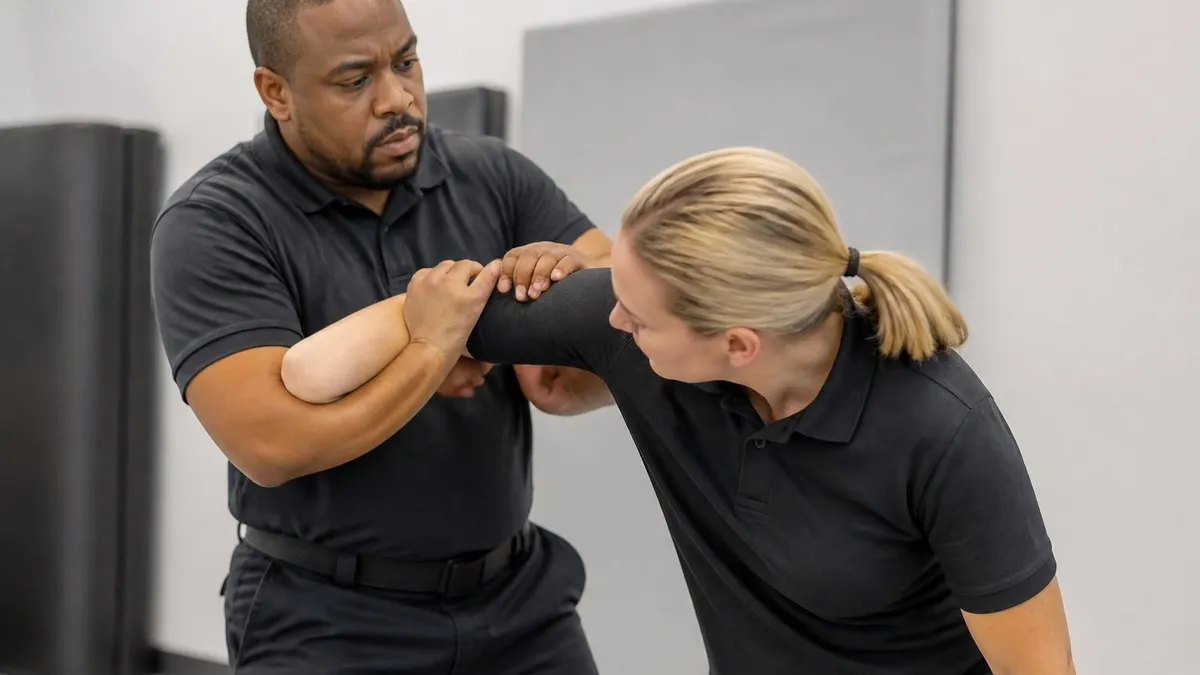
CPI Decision Making Matrix: Complete Guide to Crisis Risk Assessment and Staff Response
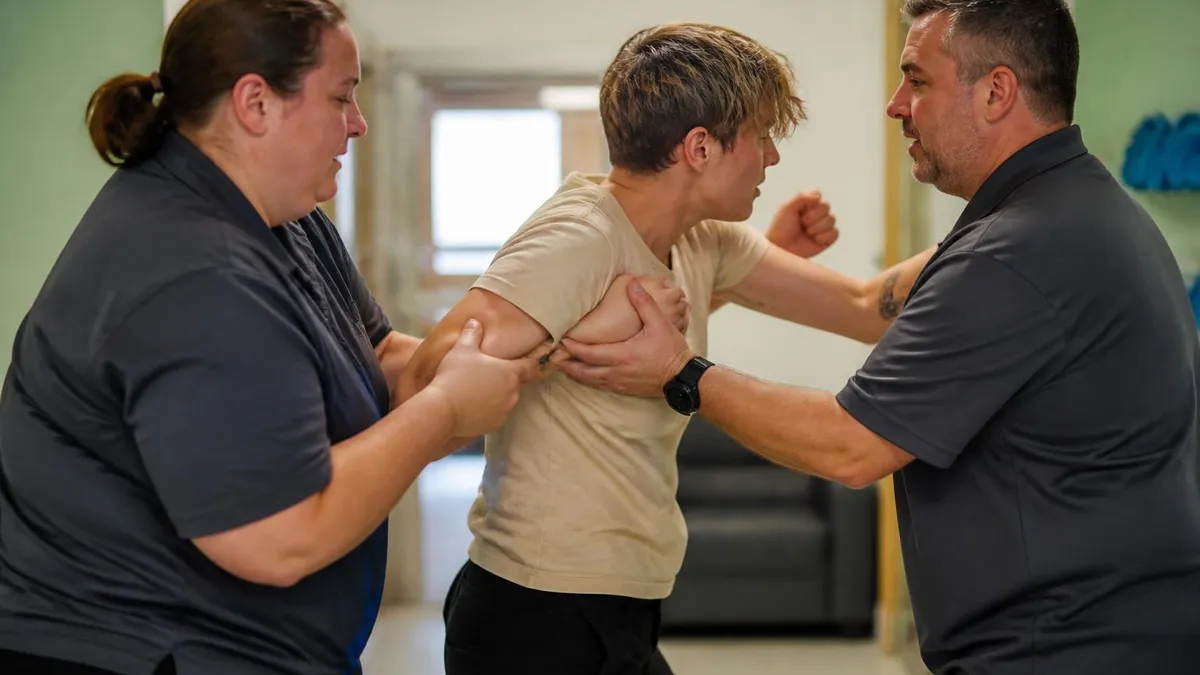
CPI Blue Card: Complete Training Guide, Requirements, and What to Expect
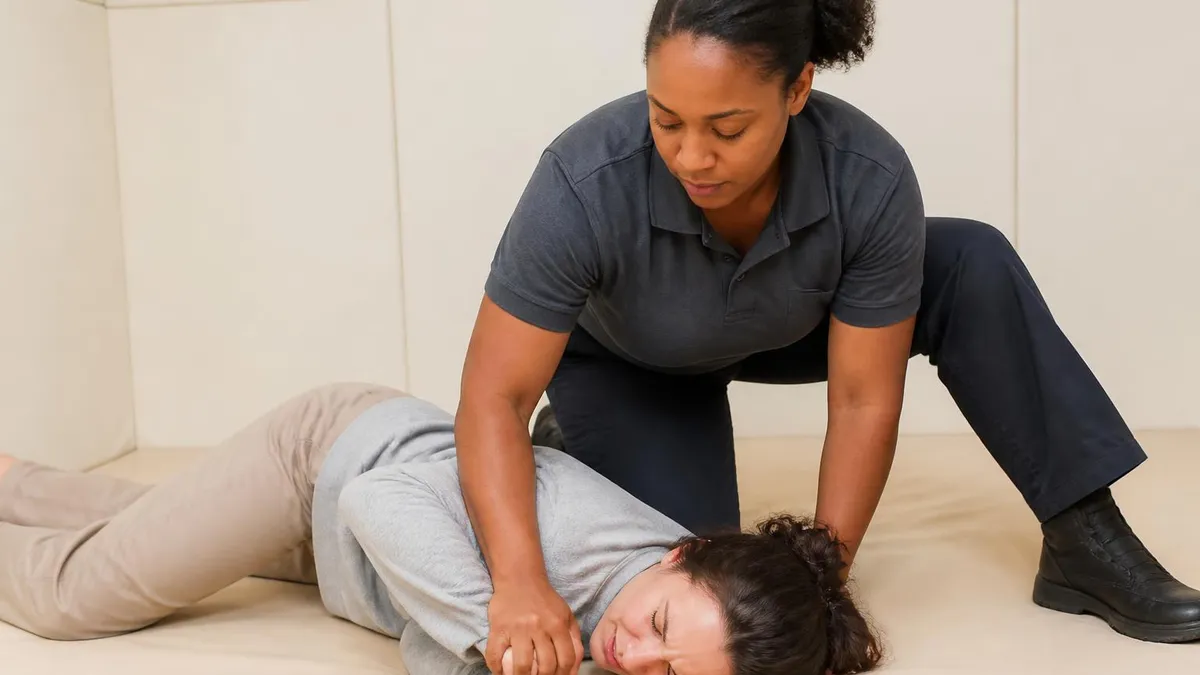
What Is CPI Training?
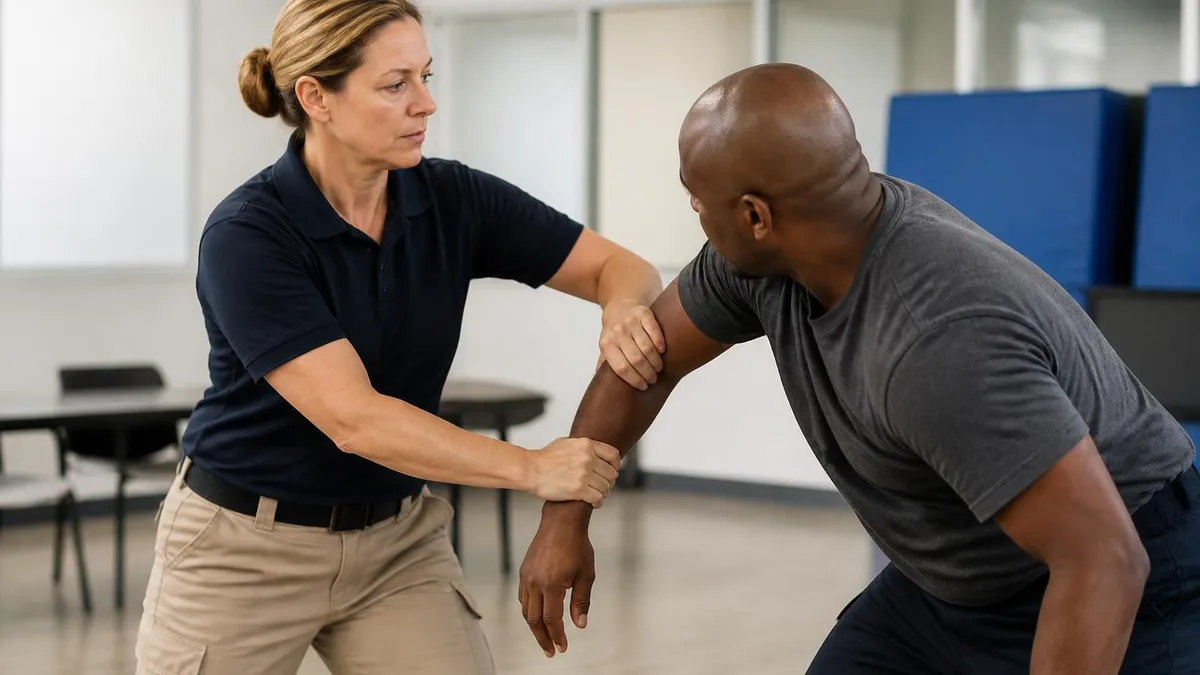
CPI Supportive Approach: Complete Guide to Stage 2 De-escalation and Anxiety Response
CPI Training Certification: Complete Guide to Crisis Prevention Intervention Credentialing
About the Author

Educational Psychologist & Academic Test Preparation Expert
Columbia University Teachers CollegeDr. Lisa Patel holds a Doctorate in Education from Columbia University Teachers College and has spent 17 years researching standardized test design and academic assessment. She has developed preparation programs for SAT, ACT, GRE, LSAT, UCAT, and numerous professional licensing exams, helping students of all backgrounds achieve their target scores.
Join the Discussion
Connect with other students preparing for this exam. Share tips, ask questions, and get advice from people who have been there.
View discussion (8 replies)