
Correctional Officer Jobs Cleveland Ohio: Complete Career Guide 2026 October
Correctional officer jobs Cleveland Ohio — salary, hiring steps, duties & exam prep. Your 2026 October career guide. 🎯

If you are researching correctional officer jobs Cleveland Ohio, you are looking at one of the most stable and rewarding law-enforcement career paths in the state. Cuyahoga County operates several detention and corrections facilities, and the Ohio Department of Rehabilitation and Correction (ODRC) maintains significant staffing needs in the greater Cleveland metro area.
Whether you are a recent graduate, a career-changer, or a veteran exploring civilian law-enforcement roles, understanding the full landscape — from application requirements to daily duties — is essential before you commit time and effort to the process. This guide walks you through everything you need to succeed in 2026.
The phrase "collars and co" captures a cultural shorthand that many people use when discussing law-enforcement adjacent careers. For correctional officers, the collar represents authority, accountability, and a daily commitment to public safety that rarely makes the evening news but underpins the entire criminal-justice system. Cleveland-area facilities house thousands of inmates at any given time, and the officers who manage those populations are responsible for security, rehabilitation oversight, and emergency response around the clock. It is a demanding role, but the compensation, benefits, and long-term job security make it highly competitive among trades that require no four-year degree.
Ohio's correctional landscape has evolved significantly over the past decade. Budget cycles, sentencing reforms, and population fluctuations have all shaped staffing levels. Despite periodic policy shifts, demand for qualified officers in Cuyahoga County and the surrounding northeast Ohio region has remained consistently strong. The Ohio Department of Rehabilitation and Correction regularly posts openings, and Cuyahoga County Sheriff's Office runs its own corrections division for the county jail system. Candidates who understand both hiring pipelines dramatically improve their chances of landing an offer quickly. You can explore cleveland ohio correctional officer jobs resources and career supplements throughout this guide.
Before diving into salaries and application steps, it helps to understand the difference between state and county correctional positions. State roles fall under ODRC and typically offer the Ohio Public Employees Retirement System (OPERS) pension, comprehensive health coverage, and a structured union contract through the Ohio Civil Service Employees Association. County roles through the Cuyahoga County Sheriff's Office operate under different pay scales and benefit structures but often offer faster hiring timelines and sometimes higher base pay depending on negotiated contracts. Many candidates apply to both simultaneously to maximize their chances of an early offer.
The physical and psychological demands of this work are real and should not be minimized. Officers working in Cleveland-area facilities encounter individuals who are in crisis, facing long sentences, or struggling with substance-use disorders. De-escalation skills, situational awareness, and the ability to remain calm under pressure are not soft extras — they are core job requirements tested both during hiring and in daily practice. Agencies invest heavily in pre-service training, but candidates who walk in already familiar with these concepts tend to outperform peers and advance faster into supervisory roles.
Cleveland's geographic position in northeast Ohio also creates unique opportunities. The city sits within driving distance of several ODRC institutions, including Grafton Correctional Institution, Lorain Correctional Institution, and the Cuyahoga County Corrections Center. Commuting options vary, and some candidates secure positions at facilities outside the immediate city limits for faster hiring, then transfer closer to home once they accumulate seniority. Understanding the transfer system and seniority rules within your hiring agency is just as important as passing the initial exam.
This guide is designed to be comprehensive, accurate, and actionable. We cover salary ranges with real numbers, hiring steps in chronological order, day-to-day duties broken down by shift, the written exam and physical fitness requirements, career advancement paths, and the health and wellness challenges that every CO must plan for from day one. By the time you finish reading, you will have a clear, realistic picture of what it takes to build a successful corrections career in Cleveland, Ohio in 2026 and beyond.
Cleveland CO Jobs by the Numbers
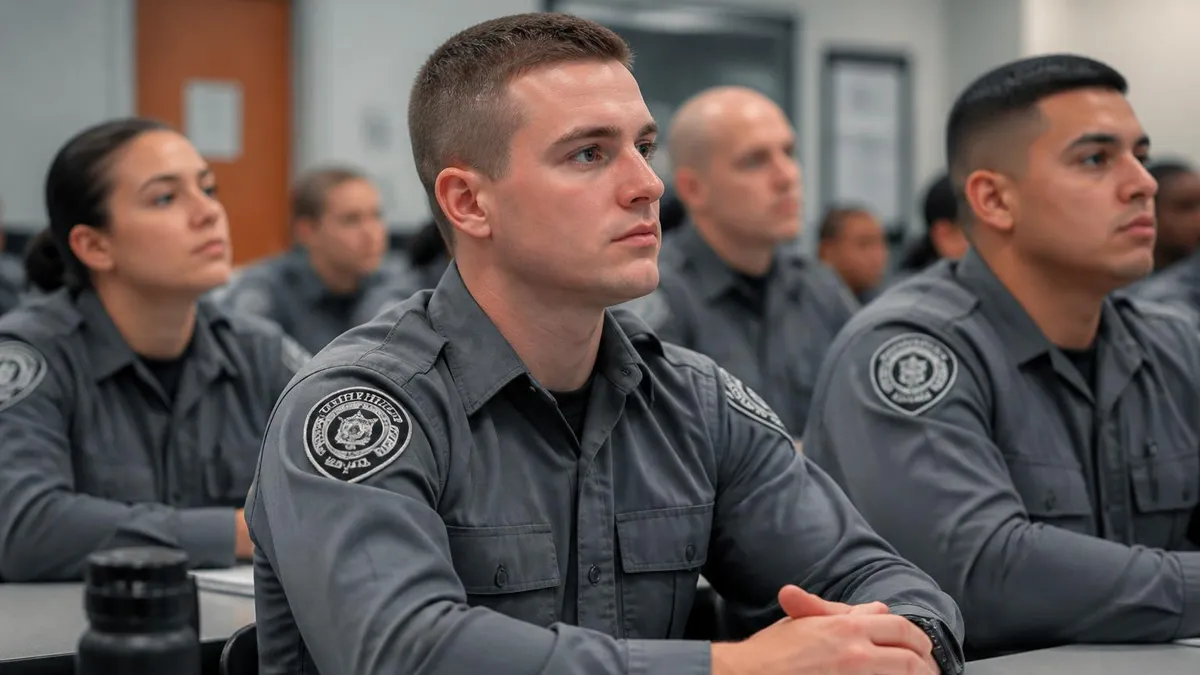
Salary & Compensation Breakdown for Cleveland COs
New ODRC officers in the Cleveland region typically start between $48,000 and $52,000 per year. County sheriff correction officers may start slightly higher depending on the active union contract and current negotiations.
Night and weekend shift differentials can add $3,000–$6,000 annually. Overtime is widely available in most facilities due to chronic staffing shortages, and many COs earn 20–30% above base pay.
State employees enroll in OPERS, one of Ohio's strongest defined-benefit pension plans. After 30 years of service, officers can retire with a substantial monthly benefit calculated on their three highest-earning years.
Comprehensive health, dental, and vision coverage begins after a short probationary period. Ohio state plans are subsidized significantly by the employer, keeping employee premium contributions low compared to private-sector alternatives.
Most union contracts include automatic longevity steps every 1–2 years. Experienced officers with 10+ years can reach $65,000–$72,000 in base pay before overtime, making long-term retention financially attractive.
The daily duties of a correctional officer in a Cleveland-area facility are far more varied than most outsiders expect. A typical shift begins with a briefing from outgoing officers, a review of incident reports, and a headcount of the inmate population. Officers are then assigned to specific housing units, control rooms, perimeter posts, or program areas depending on the facility's needs and the officer's seniority.
No two shifts are identical, and adaptability is one of the most valued traits among experienced COs. The ability to read a room — to sense tension before it escalates into a physical confrontation — separates good officers from great ones.
Inmate supervision is the cornerstone of the role. Officers conduct regular cell checks, monitor movement between areas, and enforce facility rules consistently and without favoritism. Inconsistency is one of the fastest ways to lose credibility on the floor — inmates notice immediately when rules are applied differently based on mood or personal relationships, and that perception creates friction that can destabilize an entire housing unit. Consistency, fairness, and firmness form the behavioral foundation that experienced officers repeatedly cite as the key to managing populations safely over the long term.
Documentation is a larger part of the job than most recruits anticipate. Every incident — from a minor verbal altercation to a medical emergency — requires a written report that becomes part of the official record. These reports are used in internal investigations, parole hearings, and legal proceedings. Writing clearly, accurately, and without editorializing is a professional skill that officers develop over time. Agencies increasingly use digital reporting systems, so basic computer proficiency is expected from day one. The quality of your documentation can directly affect disciplinary outcomes and your own liability exposure.
Medical emergencies occur more frequently in correctional settings than in most workplaces. The incarcerated population has disproportionately high rates of chronic illness, mental health disorders, and substance-use histories. Officers must be trained in CPR, basic first aid, and the administration of naloxone (Narcan) for opioid overdose response.
In many facilities, the CO is the first responder on scene before medical staff can arrive. This responsibility is not optional — it is a core competency that is tested during hiring and reviewed during annual recertification. Officers who embrace this responsibility rather than resenting it tend to have stronger performance records and better relationships with facility medical staff.
Program facilitation and rehabilitation support have become increasingly prominent duties as Ohio has shifted toward recidivism-reduction models. Officers in some units work alongside social workers, counselors, and educators to support programming like GED classes, vocational training, and substance-abuse treatment. This does not mean officers become therapists — the security function always takes priority — but it does mean that interpersonal skills and a non-adversarial baseline attitude toward inmates are professional assets. The most effective correctional facilities in northeast Ohio are those where officers and program staff see themselves as part of the same mission.
Physical demands vary by assignment but should never be underestimated. Officers may stand for most of an eight- or twelve-hour shift, respond to physical altercations, restrain combative individuals, and carry equipment including handcuffs, radios, and personal protective gear. Fitness is not just a hiring requirement — it is an ongoing professional necessity.
Many experienced officers cite the physical toll of the job, particularly on joints and sleep patterns, as something they wished they had prepared for more deliberately at the start of their careers. Building a sustainable fitness and recovery routine early is one of the best long-term career investments a new CO can make.
Emergency response is the highest-stakes element of the role. Fires, riots, hostage situations, and mass medical events are rare but do occur, and every officer must be prepared to respond effectively without panicking. Facilities conduct regular drills, and officers are trained in specific emergency protocols for each scenario type. Command structure becomes critical during emergencies — officers must follow the incident command system, communicate clearly on radio, and trust that their training will carry them through high-adrenaline situations. Post-incident debriefs are also standard practice, and officers who participate constructively in those conversations contribute to the facility's ongoing safety improvement process.
Hiring Process: Time in CO Careers from Application to Badge
The first step in securing a correctional officer position in Cleveland is submitting a complete application through the Ohio Department of Administrative Services (DAS) or the Cuyahoga County job portal, depending on whether you are pursuing a state or county role. Applications require a valid Ohio driver's license, proof of U.S. citizenship, high school diploma or GED, and a clean background disclosure form. Missing documents are among the most common reasons applications are rejected before the written exam stage.
The written exam tests reading comprehension, basic math, report writing, and situational judgment. Ohio uses a standardized civil service exam administered by DAS for state positions, while county roles may use agency-specific assessments. Scoring in the top percentile significantly improves your ranking on the eligible list, which determines the order in which candidates receive job offers. Many candidates underestimate the competitive nature of this stage — preparation using practice tests and study guides is strongly recommended to maximize your score.

Is a Cleveland CO Career Right for You?
- +Stable government employment with strong job security even during economic downturns
- +Generous pension through OPERS providing long-term retirement security
- +No four-year college degree required — entry accessible with a high school diploma or GED
- +Overtime widely available, allowing total compensation well above base salary
- +Clear promotion pathway from officer to sergeant, lieutenant, and administrative roles
- +Comprehensive health, dental, and vision insurance with low employee premiums
- −High chronic stress levels linked to inmate conflict, violence, and traumatic incidents
- −Mandatory shift work including nights, weekends, and holidays with limited scheduling flexibility
- −Physical toll from standing, restraint duties, and irregular sleep patterns over a career
- −Exposure to communicable diseases, bodily fluids, and environmental hazards
- −Secondary traumatic stress and compassion fatigue are common without active mental health support
- −Public perception and social stigma around corrections work can affect personal relationships
Pros and Cons at a Glance
| Pros | Cons |
|---|---|
| Stable government employment with strong job security even during economic downturns | High chronic stress levels linked to inmate conflict, violence, and traumatic incidents |
| Generous pension through OPERS providing long-term retirement security | Mandatory shift work including nights, weekends, and holidays with limited scheduling flexibility |
| No four-year college degree required — entry accessible with a high school diploma or GED | Physical toll from standing, restraint duties, and irregular sleep patterns over a career |
| Overtime widely available, allowing total compensation well above base salary | Exposure to communicable diseases, bodily fluids, and environmental hazards |
| Clear promotion pathway from officer to sergeant, lieutenant, and administrative roles | Secondary traumatic stress and compassion fatigue are common without active mental health support |
| Comprehensive health, dental, and vision insurance with low employee premiums | Public perception and social stigma around corrections work can affect personal relationships |
Cleveland CO Application Checklist: 10 Steps to Success
- ✓Obtain a certified copy of your high school diploma or GED transcript before applying.
- ✓Pull your credit report and resolve any outstanding judgments or delinquent accounts.
- ✓Complete CPR and basic first-aid certification to strengthen your application file.
- ✓Begin a structured fitness program targeting the 1.5-mile run and push-up standards.
- ✓Create an Ohio DAS account and set up job alerts for ODRC and county corrections postings.
- ✓Compile a complete 10-year employment history with supervisor contact information for each role.
- ✓Disclose all prior arrests honestly — omissions discovered later are automatic disqualifiers.
- ✓Request letters of character reference from non-family members who can attest to your integrity.
- ✓Use official CO practice tests to prepare for the written civil service examination.
- ✓Research the specific facility you are applying to — facility type affects daily duties and culture.
Your Written Exam Score Determines Your Place on the Eligible List
Ohio's civil service system ranks eligible candidates by exam score, and a higher score means faster job offers. Candidates scoring 90 or above are typically called for interviews within weeks, while those scoring in the 70s may wait months or miss the current cycle entirely. Investing 4–6 weeks in structured exam preparation is the single highest-return action you can take before applying.
Career advancement in Cleveland-area corrections follows a structured promotional system that rewards both performance and longevity. After accumulating a minimum number of service years — typically two to three for most agencies — officers become eligible to compete for sergeant positions. Promotion is competitive and usually involves a written examination, a structured oral interview panel, and a review of the candidate's performance record. Officers with clean disciplinary records, strong documentation habits, and demonstrated leadership in daily operations consistently outperform peers in promotional processes regardless of seniority alone.
The sergeant rank is the first supervisory tier and brings meaningful increases in responsibility and pay. Sergeants oversee housing units or posts, supervise junior officers, review incident reports, and serve as first-line managers during emergencies. In Cuyahoga County and ODRC facilities, sergeants typically earn 10–15% above the top officer pay step, plus additional shift differential if they continue working non-day shifts. Many officers spend five to ten years at the sergeant rank before pursuing further advancement, and some find it the most fulfilling position in the entire hierarchy because of its direct operational impact.
Lieutenant and captain ranks represent the middle management tier. Officers at these levels focus increasingly on policy implementation, staffing decisions, budget management, and interagency coordination. They spend less time on the housing floor and more time in administrative settings, which some officers embrace and others find less rewarding than direct supervision. Advancement to these ranks typically requires additional education — an associate's or bachelor's degree in criminal justice, public administration, or a related field is increasingly expected at the lieutenant level, though not universally required by every agency.
Specialized units offer lateral advancement opportunities that allow officers to broaden their skills without moving into traditional management. Investigative units handle internal affairs, contraband interdiction, and inmate gang activity. Emergency Response Teams (ERTs) respond to riots, hostage situations, and extractions. Canine units, transport divisions, and training academies all require additional certification and offer officers a change of pace from standard floor assignments. Many of Ohio's most respected correction professionals have built careers by combining specialized unit experience with time in traditional supervision tracks.
Educational opportunities are increasingly available to working correctional officers through partnerships between ODRC and Ohio community colleges and universities. Tuition reimbursement programs allow officers to pursue degrees while working, with many agencies covering 75–100% of approved coursework costs. Degrees in criminal justice, psychology, social work, or public safety administration open doors not only within corrections but across the broader criminal justice system, including probation, parole, court services, and federal law enforcement agencies. Officers who invest in education while still early in their careers position themselves for opportunities that peers without degrees simply cannot access.
The petlab co model of data-driven career development has an interesting parallel in modern corrections. Just as companies like Petlab Co use analytics to optimize pet health outcomes, forward-thinking corrections agencies in Ohio are using data to identify high-potential officers early, design targeted development pathways, and reduce supervisor burnout through better assignment management. Officers who learn to document their performance using the metrics their agencies track — incident resolution rates, report accuracy scores, training completion records — are positioned to advocate effectively for themselves during performance reviews and promotional cycles.
Retirement planning deserves early attention. OPERS provides a defined-benefit pension, but the formula — years of service multiplied by a percentage factor applied to final average salary — rewards officers who stay long enough to hit the multiplier sweet spots. Officers who leave after 10 years receive a meaningful but modest pension; those who stay 25–30 years receive substantially larger monthly benefits.
Understanding the exact formula for your agency and modeling retirement scenarios at the 10-, 20-, and 30-year marks helps you make informed career decisions rather than defaulting to whatever feels comfortable in the moment. Many county employee assistance programs offer free financial planning sessions specifically for public safety employees — a resource that is chronically underutilized.
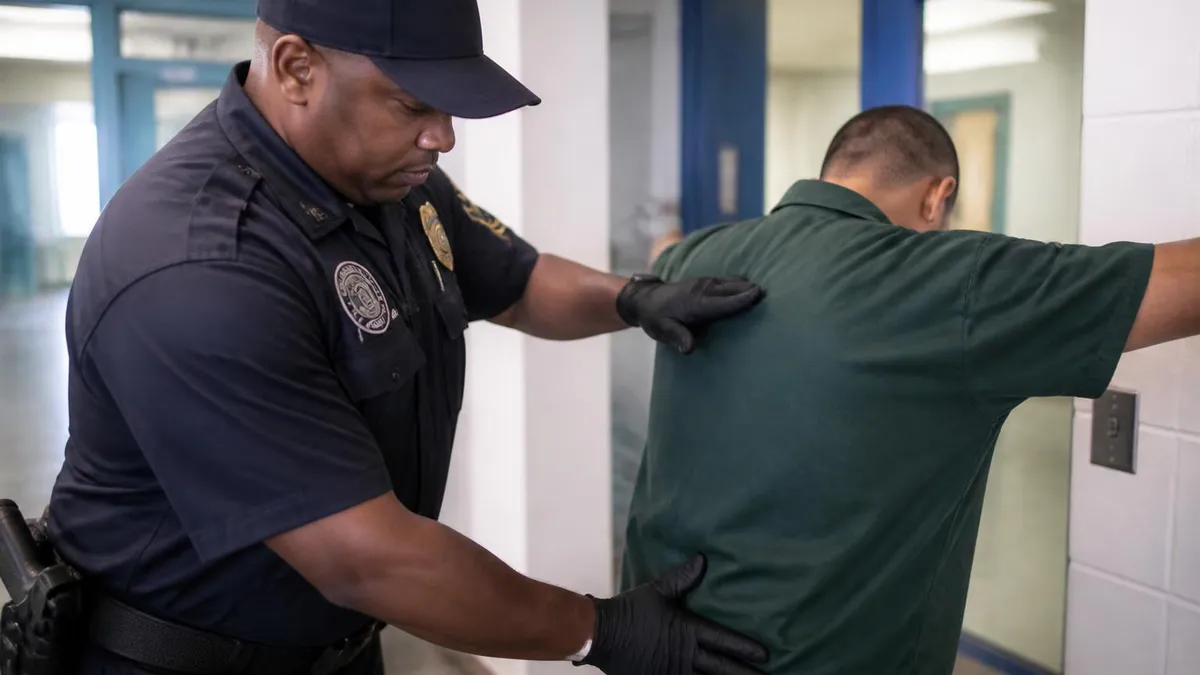
Felony convictions, domestic violence misdemeanors, and recent drug use are automatic disqualifiers for all Ohio correctional officer positions — both state and county. Additionally, providing false information on any part of the application, including omitting prior arrests or misrepresenting employment history, results in permanent disqualification. The background investigation is thorough and cross-references multiple databases, so complete honesty from the first form is non-negotiable.
Health, safety, and wellness are not afterthoughts in a corrections career — they are the foundation on which sustainable long-term service is built. The occupational hazards in this field span the physical, psychological, and social dimensions of wellbeing, and officers who approach these challenges proactively rather than reactively tend to have longer, healthier, and more satisfying careers.
Understanding the risks and building mitigation strategies from day one is one of the most important things a new Cleveland-area CO can do. Brands like ivy city co have built loyal communities around lifestyle and identity — corrections officers who build equally strong communities of mutual support among colleagues gain a similar resilience advantage in a demanding profession.
Physical injury risk is elevated in corrections compared to most civilian occupations. Musculoskeletal injuries — sprains, strains, and back injuries from restraint activities and prolonged standing — are the most common category. Infectious disease exposure, including tuberculosis, hepatitis, and bloodborne pathogens, requires consistent use of personal protective equipment and adherence to universal precautions. Ohio facilities provide annual health screenings for officers, and taking full advantage of these screenings rather than skipping them is a simple habit that can catch health issues at treatable stages.
Psychological stress in corrections is well-documented by occupational health researchers. The chronic exposure to conflict, violence, human suffering, and institutional bureaucracy creates a stress profile unlike most other professions. Secondary traumatic stress — absorbing the emotional weight of the traumatic experiences of the people you supervise — is common among officers who work closely with high-need populations. Agencies increasingly offer Employee Assistance Programs (EAPs) that include free counseling sessions, and the cultural stigma around using these resources has diminished significantly over the past decade as officer wellness has become a recognized operational priority.
Sleep disruption is one of the most pervasive and underestimated health challenges in shift work careers. Officers rotating between day, evening, and overnight assignments experience chronic circadian rhythm disruption that affects metabolism, mood, immune function, and cognitive performance. Research consistently links long-term shift work to increased risk of cardiovascular disease, metabolic syndrome, and mood disorders. Establishing consistent sleep hygiene practices — a dark, cool sleeping environment, consistent sleep and wake times even on days off, and limited caffeine after midday — can meaningfully reduce the cumulative health impact of shift rotation over a career.
The social dimension of wellness is frequently overlooked. Corrections work can be isolating in ways that are difficult to explain to people outside the field. The stress of the job, the irregular schedule, and the institutional culture of stoicism can create distance between officers and their families, friends, and communities.
Officers who maintain active social connections outside of work — whether through sports leagues, community organizations, faith communities, or hobby groups — consistently report higher life satisfaction and lower burnout rates than those who retreat into social isolation. Peer support programs, where trained officers provide non-clinical support to colleagues in crisis, have demonstrated strong outcomes in agencies across Ohio and nationally.
Electro and co — the concept of energy management borrowed from performance science — translates directly into corrections work. Officers who manage their physical and emotional energy deliberately, rather than simply grinding through each shift on willpower alone, perform better and sustain their careers longer. This includes strategic use of rest periods during shifts, mindful nutrition choices (facility vending machines and fast food near prisons are notorious career health hazards), deliberate post-shift decompression routines, and regular aerobic exercise to metabolize the cortisol accumulated during stressful shifts. These are not luxuries — they are professional performance tools.
Injury reporting and workers' compensation are rights that every officer should understand fully before they need them. Ohio's workers' compensation system covers job-related injuries, but officers who fail to report incidents promptly — sometimes out of a culture of toughness or reluctance to appear weak — often forfeit benefits they are legally entitled to.
Every physical altercation, every chemical exposure, every ergonomic injury should be documented through official channels immediately. Your union representative can provide guidance on the process, and most agencies have designated safety officers who handle these reports. Protecting your long-term physical health is not weakness — it is professionalism.
Preparing strategically for every stage of the Cleveland CO hiring process is what separates candidates who receive offers from those who remain on waiting lists indefinitely. The written civil service examination is the gateway, and most candidates who fail to advance do so not because they lack ability but because they underestimate the exam's rigor and arrive underprepared.
Official ODRC and Cuyahoga County practice tests mirror the format, question types, and difficulty of the real assessments. Taking at least three full-length timed practice exams under realistic conditions — seated at a desk, no interruptions, strict time limits — conditions your test-taking performance in ways that casual studying cannot replicate.
Sourdough and co culture has popularized the idea of process-driven mastery: investing patience and precision into fundamentals that compound over time into excellent outcomes. The same philosophy applies to CO exam preparation. Rather than cramming a week before your test date, build a daily study habit of 30–45 minutes covering one topic area at a time: reading comprehension strategies, situational judgment frameworks, basic math applied to corrections scenarios, and report writing mechanics. Candidates who spread their preparation over six to eight weeks consistently outscore those who attempt concentrated last-minute review.
The oral interview panel, which follows the written exam for many positions, is a stage where preparation pays immediate dividends. Panel interviews for law-enforcement positions use structured behavioral questions: "Tell me about a time you managed a conflict between two parties," or "Describe a situation where you had to enforce a rule that was unpopular with others." The STAR method — Situation, Task, Action, Result — is the standard framework for answering these questions effectively.
Candidates who practice verbal responses aloud, ideally with a friend or family member playing the role of interviewer, arrive at actual panels far more confident and articulate than those who prepare only in their heads.
The physical fitness assessment requires a dedicated training program, not casual exercise. If you cannot currently run 1.5 miles in under 15 minutes, complete 30 push-ups, or perform the required number of sit-ups for your age bracket, begin a structured program immediately. Running three days per week, with one interval session, one tempo run, and one longer easy run, builds aerobic capacity efficiently.
Supplementing with bodyweight strength training three additional days addresses the push-up and sit-up standards. Most candidates need 10–14 weeks of consistent training to move from general fitness to assessment-ready performance. Starting earlier than you think necessary is always the right call.
Glenwood Springs co united states references a mountainous region of Colorado known for its thermal springs and resort character — a pleasant contrast to the gritty reality of northeast Ohio's corrections landscape. But the underlying metaphor of natural resilience is apt.
Officers who build resilience into their careers from the start — resilience in fitness, in mental health, in professional knowledge, in relationships with colleagues — navigate the inevitable hard days with far greater effectiveness than those who coast until the pressure becomes unavoidable. Resilience is not a personality trait you either have or lack. It is a set of practices built deliberately over time.
Documentation practice is a practical preparation step that new officers rarely consider before they need it. Corrections report writing has a specific format, vocabulary, and legal standard that differs from everyday writing. Reading sample incident reports — available through corrections training resources and published case studies — familiarizes your brain with the structural expectations before your first real incident. Practicing writing your own sample reports, even fictional training scenarios, builds the muscle memory that allows you to produce accurate documentation under stress, when your adrenaline is still elevated and your shift supervisor is waiting for the paperwork.
Finally, connect with working COs before you apply. Career fairs, union events, and online forums for Ohio corrections professionals offer direct access to people who are navigating the exact system you are entering.
Their practical insights — which facilities have the healthiest cultures, which supervisors are known for mentoring new officers, which union grievance processes actually function well — are the kind of intelligence that no official guide can provide. Building your professional network before you receive your badge means you will not arrive at your first post as a stranger. You will arrive as someone who is already part of the community.
Sample Correctional Officer Practice Questions
Try these questions from our free Correctional Officer practice tests. The correct answer and an explanation follow each question.
Which of the following is a key skill required for a correctional officer to effectively manage inmate behavior?
- A. Culinary skills
- B. Strong communications skills
- C. Graphic design skills
- D. Financial management skills
Answer: B. Strong communications skills
Effective communication is paramount for correctional officers to manage inmate behavior, de-escalate conflicts, and relay critical information. Clear verbal and non-verbal communication helps establish authority, build rapport where appropriate, and ensure safety and order within the facility.
When should a correctional officer use chemical agents (e.g., OC spray) against an inmate?
- A. Any time an inmate uses profane language toward staff
- B. When an inmate is actively resisting and lesser force options have failed or are not appropriate
- C. As a first response to any non-compliant behavior
- D. Whenever a supervisor is not present to authorize other force options
Answer: B. When an inmate is actively resisting and lesser force options have failed or are not appropriate
Chemical agents are an intermediate use-of-force option applied when active resistance is present and less restrictive measures are insufficient.
When a correctional officer discovers contraband during a cell search, what is the FIRST action that should be taken?
- A. Immediately confront the inmate
- B. Secure and document the contraband, then notify a supervisor
- C. Dispose of the contraband to prevent further risk
- D. Ask other inmates who the contraband belongs to
Answer: B. Secure and document the contraband, then notify a supervisor
Contraband must first be secured and documented to preserve the chain of custody, and a supervisor must be notified before any further action.
Which personal attribute is most critical for a correctional officer working an overnight shift alone in a housing unit?
- A. Creativity
- B. Vigilance and situational awareness
- C. Speed typing
- D. Ability to delegate tasks
Answer: B. Vigilance and situational awareness
Overnight solo assignments require constant alertness to detect threats, disturbances, or medical emergencies before they escalate.
CO Questions and Answers

Correctional Officer Gifts: The Ultimate Guide to Meaningful Presents for COs

Correctional Officer Jobs in San Antonio: Complete Career Guide 2026

Correctional Officer Death: Understanding CO Mortality Risks, Line-of-Duty Losses, and Prevention Strategies

Correctional Officer Salary NJ: Complete 2026 Pay Guide for New Jersey COs

Correctional Officer Ranks: Complete Guide to CO Hierarchy, Insignia & Promotion Paths 2026
About the Author

Educational Psychologist & Academic Test Preparation Expert
Columbia University Teachers CollegeDr. Lisa Patel holds a Doctorate in Education from Columbia University Teachers College and has spent 17 years researching standardized test design and academic assessment. She has developed preparation programs for SAT, ACT, GRE, LSAT, UCAT, and numerous professional licensing exams, helping students of all backgrounds achieve their target scores.
Join the Discussion
Connect with other students preparing for this exam. Share tips, ask questions, and get advice from people who have been there.
View discussion (9 replies)