
Pima County Corrections Officer: Complete Career Guide to Correctional Officer Roles by County
Pima County corrections officer career guide 2026 October. Duties, salary, hiring steps & county-by-county CO breakdown. 🎓 Start your corrections career today.
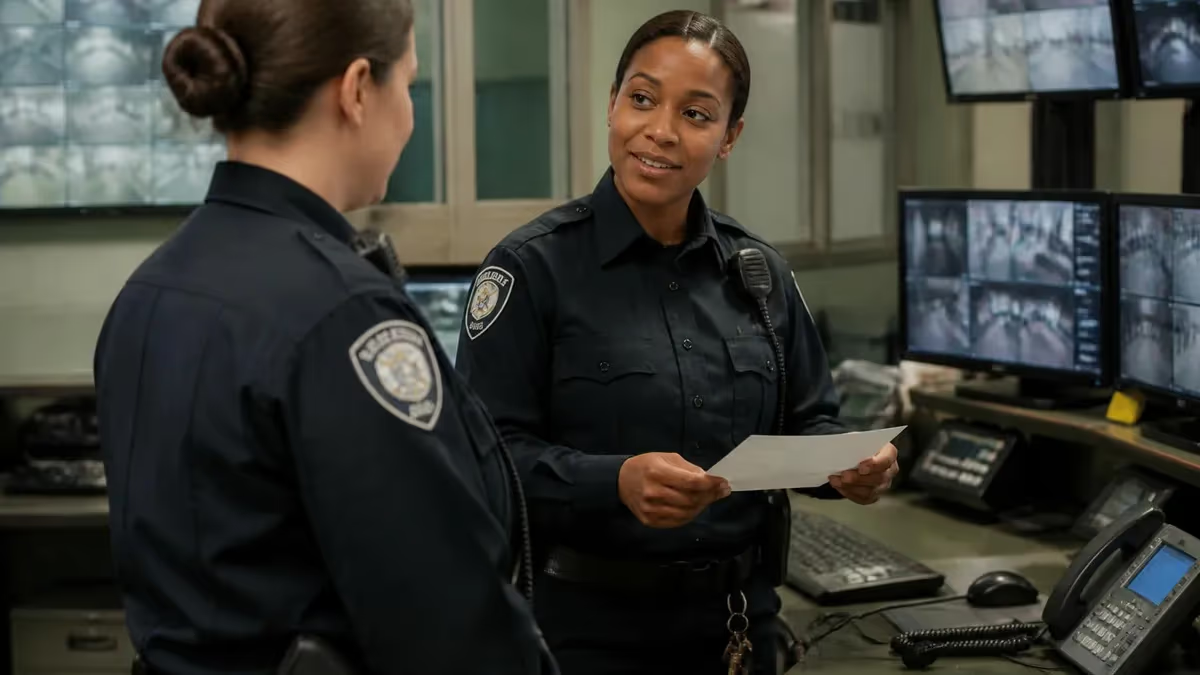
Becoming a pima county corrections officer is one of the most stable, rewarding, and demanding career paths in Arizona's public safety sector. Whether you are drawn to law enforcement because of a desire to maintain order, support inmate rehabilitation, or build a long-term government career with strong benefits, the corrections field offers real opportunity. Pima County's detention facilities house thousands of inmates annually, and the department consistently recruits qualified candidates who can handle high-pressure environments with professionalism, composure, and clear communication.
Correctional officer roles vary significantly from county to county across the United States. In Pima County, Arizona, officers work within the Sheriff's Department, overseeing the Pima County Adult Detention Complex — one of the largest county jails in the Southwest. Understanding the specific requirements, pay scales, and daily responsibilities tied to your target county is essential before you begin the application process. What works for Maricopa County may differ sharply from what Pima County expects, even within the same state.
The corrections profession has evolved considerably over the past two decades. Today's correctional officers are expected to manage mental health crises, de-escalate volatile situations, document incidents accurately, and coordinate with medical staff, social workers, and courts. The era of simply locking doors and watching cells is long past. Modern CO roles demand emotional intelligence, legal knowledge, and physical readiness in equal measure — a combination that makes the job both challenging and deeply meaningful for those who are well-suited to it.
One important dimension that applicants often overlook is how career advancement opportunities differ depending on where you work. Exploring correctional officer by county resources helps you understand how rank structures and promotion timelines compare across different jurisdictions, giving you a clearer picture of your long-term trajectory before you commit to a specific department. This strategic awareness is something that separates successful long-term COs from those who burn out or stagnate early in their careers.
County-level corrections departments in states like Arizona, California, Texas, and Florida each maintain distinct hiring pipelines, background investigation standards, and training academies. Some counties prioritize military veterans and offer expedited hiring tracks. Others emphasize community college criminal justice coursework or prior experience in related fields such as security, social work, or emergency medical services. Pima County, for instance, offers a structured career ladder that rewards officers who pursue additional certifications and demonstrate leadership potential over time.
Across the country, correctional officer shortages have prompted many counties to raise starting salaries, enhance benefits packages, and simplify hiring timelines. In Pima County, recruits can expect competitive entry-level compensation, comprehensive health insurance, retirement contributions, and paid academy training — all meaningful advantages compared to many private-sector security roles. Understanding the full compensation picture, beyond just the base salary, is critical when evaluating whether a specific county department is the right fit for your life and financial goals.
This guide covers everything you need to know about pursuing a correctional officer career by county, with special attention to Pima County's unique landscape. From daily duties and physical fitness requirements to salary benchmarks, promotion pathways, and exam preparation strategies, we have compiled the most actionable and accurate information available to help you move forward with confidence. Whether you are just starting your research or are already deep in the application process, the sections below will give you a clear roadmap to success.
Pima County Corrections by the Numbers
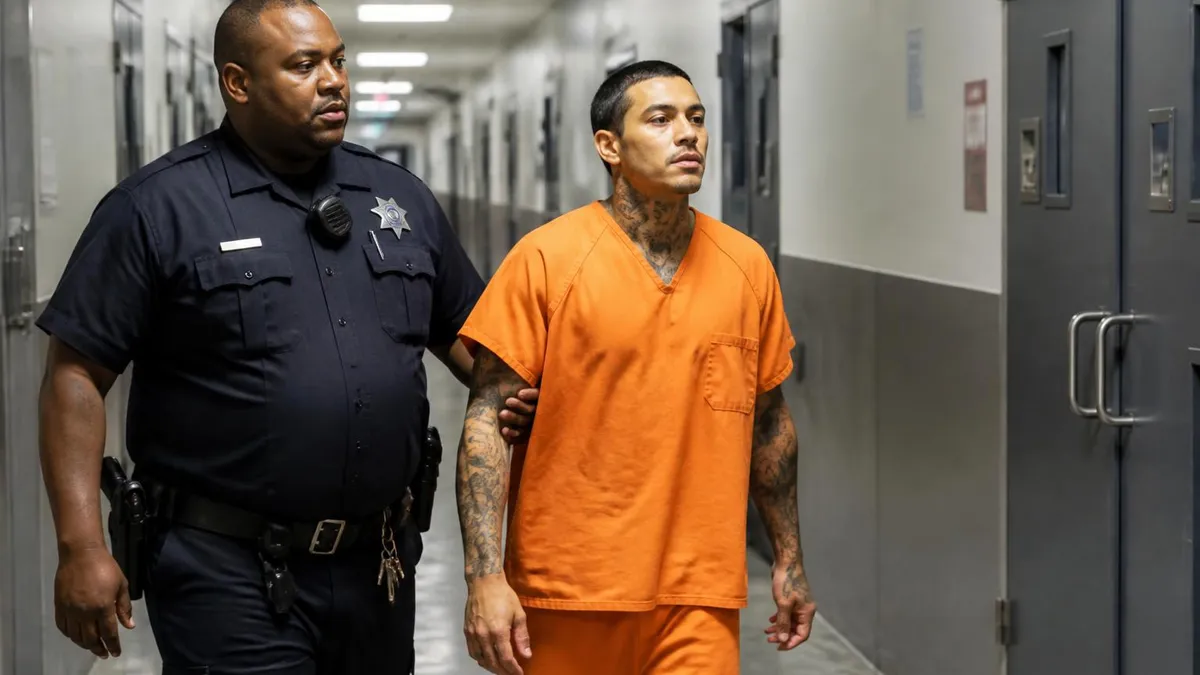
Core Requirements for County Correctional Officer Positions
Most Arizona counties, including Pima, require applicants to be at least 18 years old and hold a high school diploma or GED. Some counties offer hiring bonuses for candidates with associate or bachelor's degrees in criminal justice, psychology, or a related field.
All CO candidates undergo a thorough background check covering criminal history, credit standing, prior employment, and character references. Pima County disqualifies candidates with felony convictions, domestic violence misdemeanors, or recent drug use, particularly within the past three to five years.
Candidates must pass a physical fitness test measuring cardiovascular endurance, upper-body strength, and agility. Pima County's standards align with Arizona POST guidelines, typically including a timed mile-and-a-half run, sit-ups, and push-ups within age and gender brackets.
Applicants complete a written exam assessing reading comprehension, situational judgment, basic math, and writing skills. Scoring above the minimum cutoff is required to advance in the process. Thorough preparation using practice tests significantly improves pass rates for first-time test takers.
A licensed psychologist evaluates candidates for emotional stability, stress tolerance, and suitability for correctional work. The evaluation typically includes standardized personality inventories and a one-on-one clinical interview. Candidates who appear impulsive, deceptive, or emotionally volatile are typically disqualified at this stage.
Salary and benefits are among the most frequently researched topics for prospective correctional officers, and for good reason — compensation varies widely depending on your county of employment, years of experience, and the specific facility where you work. In Pima County, entry-level detention officers typically earn between $46,000 and $52,000 annually, with opportunities to increase base pay through shift differentials, overtime, and longevity bonuses after completing designated service milestones. This competitive starting range reflects the challenging and essential nature of the work.
When comparing county-level corrections salaries across Arizona, Maricopa County tends to offer slightly higher base pay due to the larger facility footprint and higher cost of living in the Phoenix metro area. However, Pima County offsets this gap with a lower overall cost of living in Tucson and a more manageable commute for officers stationed at the downtown detention complex. Candidates who prioritize work-life balance alongside earning potential will find Pima County's total compensation package genuinely competitive when all factors are weighed together.
Beyond base salary, Pima County correctional officers receive a strong benefits package that includes medical, dental, and vision insurance for officers and their eligible dependents. The county contributes to a defined-benefit retirement plan through the Arizona Public Safety Personnel Retirement System (PSPRS), which provides meaningful long-term financial security unavailable in most private-sector jobs. Officers who complete 20 years of service can retire with a percentage of their final average compensation, making corrections a legitimate vehicle for early retirement planning.
Shift differentials add meaningfully to total annual income. Officers assigned to evening, overnight, or weekend shifts typically earn a premium of three to five percent above base pay. For many officers working 12-hour rotating schedules, these differentials compound quickly over a full year. Combined with overtime opportunities — which are common in detention facilities experiencing staffing shortages — total annual earnings for experienced Pima County officers can easily exceed $65,000 to $70,000.
Professional development stipends and tuition reimbursement programs are available to officers who pursue higher education while employed. Pima County has historically supported officers seeking associate and bachelor's degrees in criminal justice, public administration, and behavioral sciences. These educational investments not only qualify officers for promotion to supervisory ranks but also open lateral transfer opportunities into investigative, training, or administrative roles within the Sheriff's Department.
Understanding how salaries scale with rank is particularly important for long-term career planning. Entry-level officers who advance to corporal, sergeant, or lieutenant positions see meaningful salary increases at each step. The detailed breakdown of rank-based compensation is covered in resources on correctional officer by county structures, where you can compare Pima County's pay ladder against neighboring jurisdictions and national benchmarks to make an informed decision about where to build your career.
Finally, correctional officers in Arizona benefit from strong workers' compensation protections and occupational injury coverage, given the inherent risks of working in a detention environment. Officers who sustain injuries in the line of duty receive medical treatment and wage replacement benefits while they recover. This safety net, combined with the retirement system and health coverage, creates a total compensation picture that compares favorably to many civilian careers requiring similar levels of education and physical demand.
Daily Life as a Corrections Officer: Shifts, Duties & Challenges
A typical shift for a Pima County corrections officer begins with a briefing covering inmate population changes, notable incidents from the previous shift, and any standing orders from facility administration. Officers then conduct headcounts, supervise meal distribution, monitor inmate movement between housing units and program areas, and respond to medical or behavioral emergencies as they arise. Documentation — writing clear, accurate incident reports — is one of the most time-consuming yet legally critical tasks an officer performs each day.
Beyond security functions, modern corrections officers are expected to build constructive relationships with inmates to reduce tension and support rehabilitation programming. This includes enforcing rules consistently and fairly, referring inmates to mental health or substance abuse services when appropriate, and collaborating with case managers and counselors. Officers who develop strong communication skills tend to experience fewer confrontational incidents and report higher job satisfaction over the course of their careers in county detention facilities.
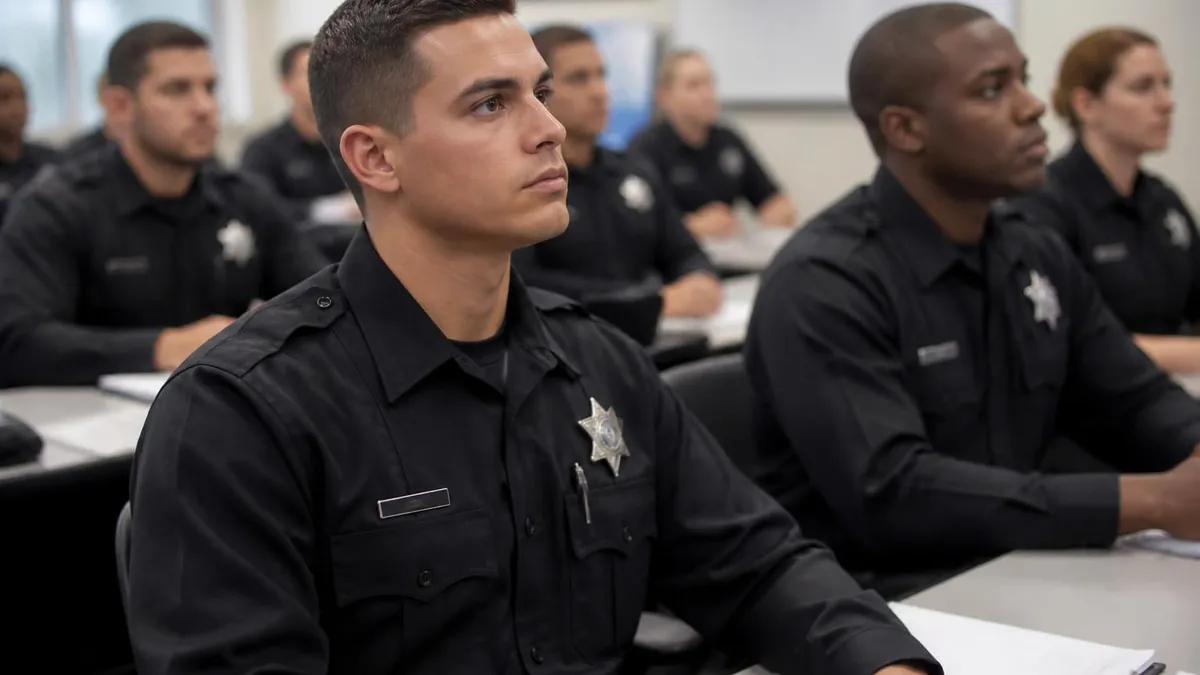
Is a County Correctional Officer Career Right for You?
- +Stable government employment with strong job security even during economic downturns
- +Competitive salary with shift differentials, overtime, and longevity pay increases
- +Comprehensive benefits including medical, dental, vision, and defined-benefit retirement
- +Paid academy training — no upfront tuition cost to enter the profession
- +Clear promotion ladder from officer to corporal, sergeant, lieutenant, and beyond
- +Opportunity to positively impact inmate rehabilitation and public safety outcomes
- −Rotating 12-hour shifts that disrupt sleep patterns and personal schedules
- −High exposure to stress, trauma, and potential violence on a daily basis
- −Strict conduct standards that extend to off-duty behavior and social media presence
- −Physical demands require maintaining fitness throughout a multi-decade career
- −Risk of secondary trauma, compassion fatigue, and long-term psychological impact
- −Promotion timelines can be slow in smaller county departments with limited openings
Correctional Officer Hiring Checklist: Step-by-Step Action Plan
- ✓Confirm you meet Pima County's minimum age, education, and citizenship requirements before applying
- ✓Obtain your high school diploma or GED and gather certified copies for your application packet
- ✓Review and begin addressing any background issues — credit, prior employment gaps, or minor legal matters
- ✓Start a structured physical fitness program targeting the run, push-up, and sit-up components at least 90 days before your test
- ✓Register for and complete an accredited first aid and CPR certification course
- ✓Gather five professional and character references who can speak to your reliability, integrity, and work ethic
- ✓Download and complete the Pima County Sheriff's Department correctional officer application accurately and honestly
- ✓Schedule and attend the written examination, arriving early with valid photo ID and required materials
- ✓Prepare thoroughly for the psychological evaluation by practicing honest, consistent self-reflection about your background
- ✓Complete the medical examination and drug screening at the designated county-approved facility on time
Honesty Beats Perfection in Background Investigations
Background investigators in Pima County are specifically trained to detect inconsistencies and omissions — not just criminal history. Candidates who proactively disclose past issues and explain them with context consistently fare better than those who attempt to conceal or minimize their backgrounds. Transparency, combined with demonstrated personal growth, is the single most effective strategy for navigating the background investigation successfully.
Career advancement in county corrections is both systematic and merit-based. In Pima County, officers who demonstrate strong performance evaluations, complete required training hours, and show leadership aptitude become eligible for promotion after meeting minimum time-in-grade requirements. The path from entry-level officer to corporal typically requires two to three years of solid performance, while advancement to sergeant often demands five or more years along with completion of supervisory training modules provided by the department.
For officers with broader ambitions, lateral opportunities within the Pima County Sheriff's Department are genuinely plentiful. Experienced detention officers frequently transition into roles in the patrol division, criminal investigations, court security, or specialized units such as the gang intelligence team or the fugitive apprehension unit. These transitions use the interpersonal skills, situational awareness, and policy knowledge that officers develop during their years inside the detention facility — skills that translate powerfully into almost any law enforcement context.
Specialized certifications also accelerate career growth in meaningful ways. Officers who complete training in mental health crisis intervention, suicide prevention, substance abuse programming, or trauma-informed care become valuable assets to their facilities and often receive priority consideration for senior posts or training officer roles. The Arizona Department of Corrections and county-level agencies both invest in sending high-potential staff to regional and national training conferences, further broadening career development opportunities.
Some Pima County corrections officers ultimately pursue administrative and policy roles, transitioning into positions focused on staff training, facility operations management, or compliance and accreditation coordination. These non-patrol career tracks offer regular schedules, reduced physical demands, and salaries that can reach $80,000 to $100,000 annually for senior administrators. Understanding this full spectrum of career options is one reason why building a strong early-career foundation inside a county detention facility pays long-term dividends that many applicants simply do not anticipate when they first apply.
Education plays an increasingly important role in CO advancement. Officers holding associate degrees typically advance to supervisory roles faster than those without post-secondary credentials, while bachelor's degree holders are well-positioned for administrative, training, and program management positions. Pima County's tuition assistance programs make it financially feasible to pursue a degree while working full-time, particularly given the compressed schedule that 12-hour rotating shifts provide. Many officers complete two-year degrees during their first three to five years on the job without significant disruption to their work performance or personal life.
Networking within the corrections community — attending regional conferences, joining professional associations like the American Jail Association (AJA) or the National Institute of Corrections (NIC) alumni network — opens doors to promotional opportunities, specialized training grants, and mentorship relationships with experienced leaders. Officers who invest in their professional identity beyond the walls of their home facility consistently report faster promotion timelines and greater career satisfaction over the long term. This proactive approach to career development is what separates officers who retire at the entry level from those who build influential leadership careers in county corrections.
Ultimately, the most successful corrections officers are those who approach the career with a growth mindset from day one. They seek feedback from supervisors, volunteer for challenging assignments, pursue additional training before it is required, and build reputations as reliable, fair, and professional colleagues. These habits, established in the first two to three years of employment, create a trajectory that compounds powerfully over a 20- or 25-year career and opens doors at every level of the county corrections system — and beyond.
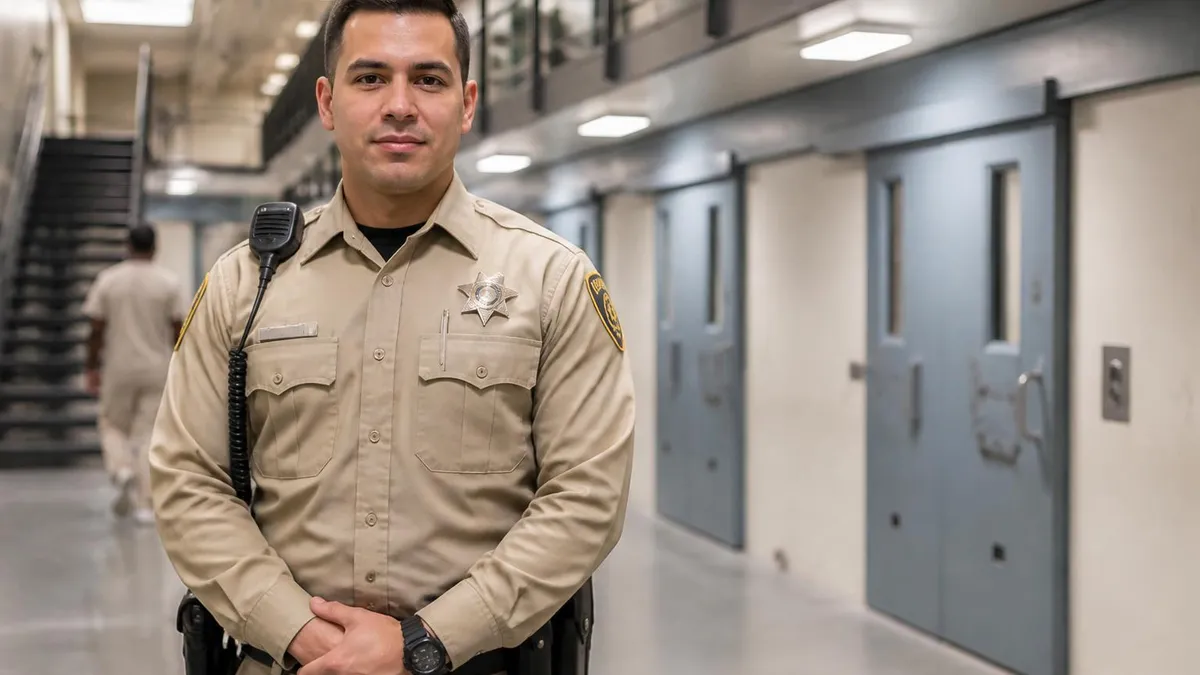
Pima County Sheriff's Department typically uses a continuous hiring model rather than fixed application windows, but eligibility lists expire after 12 to 18 months. If you do not advance to a conditional offer within that window, you must reapply from the beginning. Monitor the official Pima County HR portal regularly and respond to every scheduling request within 48 hours — slow responses are a common reason qualified candidates are bypassed during the selection process.
Preparing for the written examination and academy training is where many candidates either distinguish themselves or fall short of expectations. The Pima County corrections officer written exam typically covers reading comprehension passages drawn from legal documents and policy manuals, situational judgment scenarios set inside a detention environment, basic arithmetic and record-keeping tasks, and short writing exercises that assess grammar and clarity. Candidates who practice these specific content areas consistently for four to six weeks before the exam score significantly higher than those who rely on general aptitude alone.
Situational judgment questions are particularly important and often underappreciated by first-time test takers. These questions present realistic scenarios — an inmate who claims to be having a medical emergency during a lockdown, a colleague who appears to be violating policy, or an inmate who attempts to bribe an officer — and ask candidates to select the most appropriate response from several options. Correct answers are grounded in core corrections principles: inmate safety first, policy compliance over personal judgment, and documentation of all significant events without delay.
Physical preparation deserves at least as much attention as the written exam. The physical fitness test used in Arizona county hiring typically includes a 1.5-mile run completed within a time standard that varies by age and sex, followed by a set number of push-ups and sit-ups performed in 60 seconds each. Candidates who begin training at least 90 days before their scheduled fitness test — running three to four times per week and incorporating bodyweight strength work — consistently report feeling confident and well-prepared on test day rather than scrambling to meet minimum standards at the last moment.
Resources such as correctional officer by county guides provide valuable context about how different county departments structure their written and physical testing components, which can help you calibrate your preparation strategy if you are applying to multiple departments simultaneously. Cross-referencing Pima County's specific standards against neighboring counties and statewide benchmarks gives you a realistic sense of where your current fitness and academic preparation stands relative to the competitive field of applicants you will be measured against.
Mental preparation is an equally important but less frequently discussed dimension of the hiring process. The psychological evaluation and oral board interview both require candidates to demonstrate self-awareness, emotional regulation, and the ability to communicate clearly under pressure. Practicing answers to common interview questions — Why do you want to work in corrections?
How have you handled conflict with a supervisor in the past? Describe a situation where you had to enforce a rule even when you personally disagreed with it — significantly improves performance in the oral board panel, where first impressions and communication clarity weigh heavily in hiring scores.
Once hired, the paid training academy is intensive and demanding. Recruits in Arizona county corrections academies typically spend 16 weeks covering legal authority, inmate rights, use-of-force policy, defensive tactics, first aid, report writing, cultural competency, and mental health crisis intervention. Attendance and performance in the academy directly affect your permanent record and are reviewed when you become eligible for promotion. Officers who approach the academy with the same discipline and commitment they brought to the hiring process start their careers on the strongest possible footing.
Finally, building a strong support network before you begin the academy pays dividends throughout your career. Connect with current officers through professional associations, department ride-along programs, or community college criminal justice programs. Mentors who have already navigated the hiring process, academy training, and first-year transition provide practical insights that no study guide can fully replicate. Their guidance on managing shift fatigue, navigating department politics, and maintaining physical and mental health will prove invaluable as you build your own career inside Pima County's corrections system.
Practical tips for succeeding as a correctional officer in Pima County begin before your first day on the job. One of the most impactful things you can do during the hiring process is to observe a current officer's shift if the department offers a ride-along or facility tour program. Direct observation eliminates unrealistic expectations and prepares you mentally for the sensory environment — the noise, the controlled chaos, the sustained vigilance — that defines daily life inside a county detention facility. Officers who enter the role with accurate expectations adapt faster and report higher early-career satisfaction.
Once hired and through the academy, your first six months as a probationary officer are the most critical of your career. During this period, supervisors are actively evaluating not just whether you can follow procedures, but whether you demonstrate sound judgment, integrity under pressure, and the willingness to take initiative when appropriate. Volunteering for challenging assignments, asking thoughtful questions during shift briefings, and maintaining careful documentation practices signals to supervisors that you are a serious professional rather than someone simply fulfilling minimum requirements until probation ends.
Building positive working relationships with your peers is essential for both safety and career advancement. Corrections is a team environment where officers depend on each other during emergencies, and trust between colleagues is built through consistent, reliable behavior over many months. Be the officer who shows up on time, covers shifts when genuinely needed, communicates clearly during handoffs, and follows through on commitments. These habits create social capital within the department that pays dividends when promotional opportunities, specialty assignment openings, or scheduling preferences become available.
Stress management is not optional in corrections — it is a professional competency that directly affects your performance, health, and longevity in the role. Officers who rely exclusively on overtime earnings and ignore the cumulative toll of shift work, trauma exposure, and constant vigilance frequently experience burnout within three to five years. Investing in regular physical activity outside of work, maintaining social connections beyond the department, and using employee assistance programs proactively are strategies that experienced officers consistently identify as the most protective factors against long-term occupational burnout.
Continuing education should be treated as a career investment rather than an administrative requirement. Arizona county corrections officers who pursue certifications in areas like crisis intervention training (CIT), mental health first aid, or corrections case management become more versatile, more promotable, and more effective at their core mission of maintaining safe and orderly facilities. Many of these certifications are offered at no cost through departmental training calendars or state-funded programs, making them accessible even for officers managing tight personal budgets while early in their careers.
Documentation discipline is one of the most overlooked success factors in corrections careers, yet it has profound long-term implications. Every incident report, use-of-force documentation, and inmate grievance response you write becomes part of an official record that can be reviewed in legal proceedings, internal affairs investigations, and promotional evaluations. Officers who write clear, factual, jargon-free reports consistently demonstrate professional credibility that translates directly into career advancement. Take pride in your written work — it is one of the most visible and durable expressions of your professional standards.
Finally, stay engaged with the broader corrections profession beyond your immediate facility. Reading publications from the American Jail Association, following state and federal corrections policy developments, and connecting with officers from other county departments through training events and professional associations keeps your perspective fresh and your skills current. The corrections landscape is changing — toward greater emphasis on rehabilitation, mental health services, and data-driven management — and officers who understand and adapt to these changes position themselves as leaders in the next generation of county detention management across Arizona and the wider United States.
CO Questions and Answers
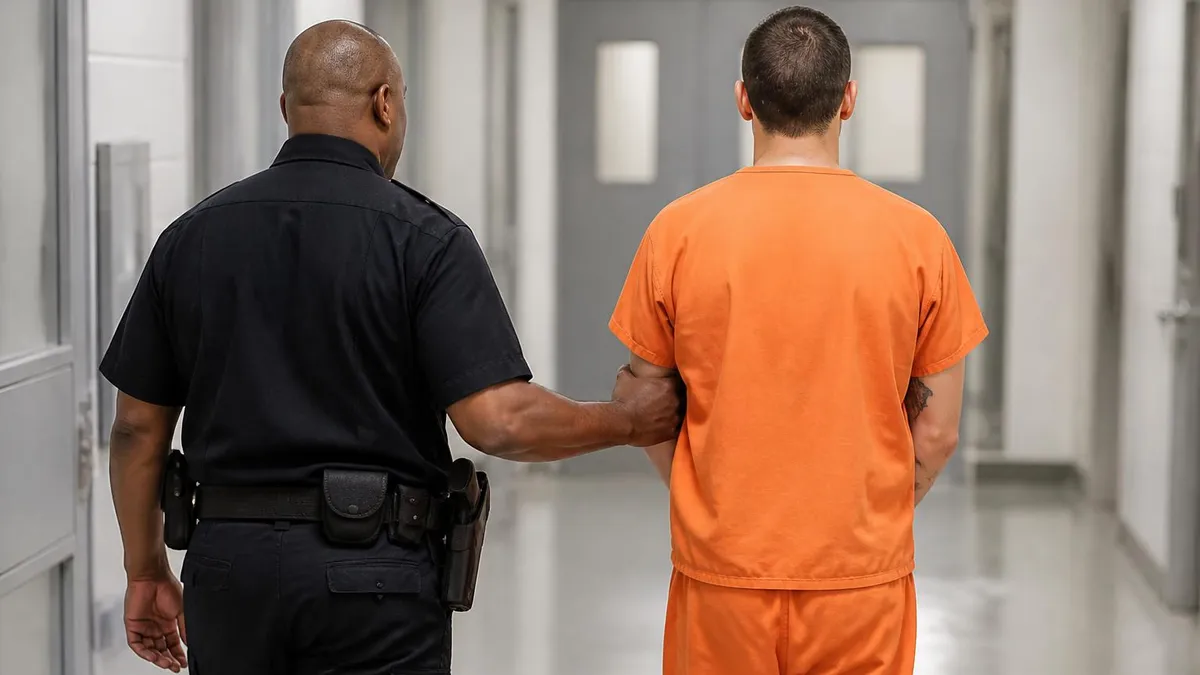
Correctional Officer Ranks: Complete Guide to CO Hierarchy, Insignia & Promotion Paths 2026

Correctional Officer Physical Test: Complete Training Guide & Requirements 2026
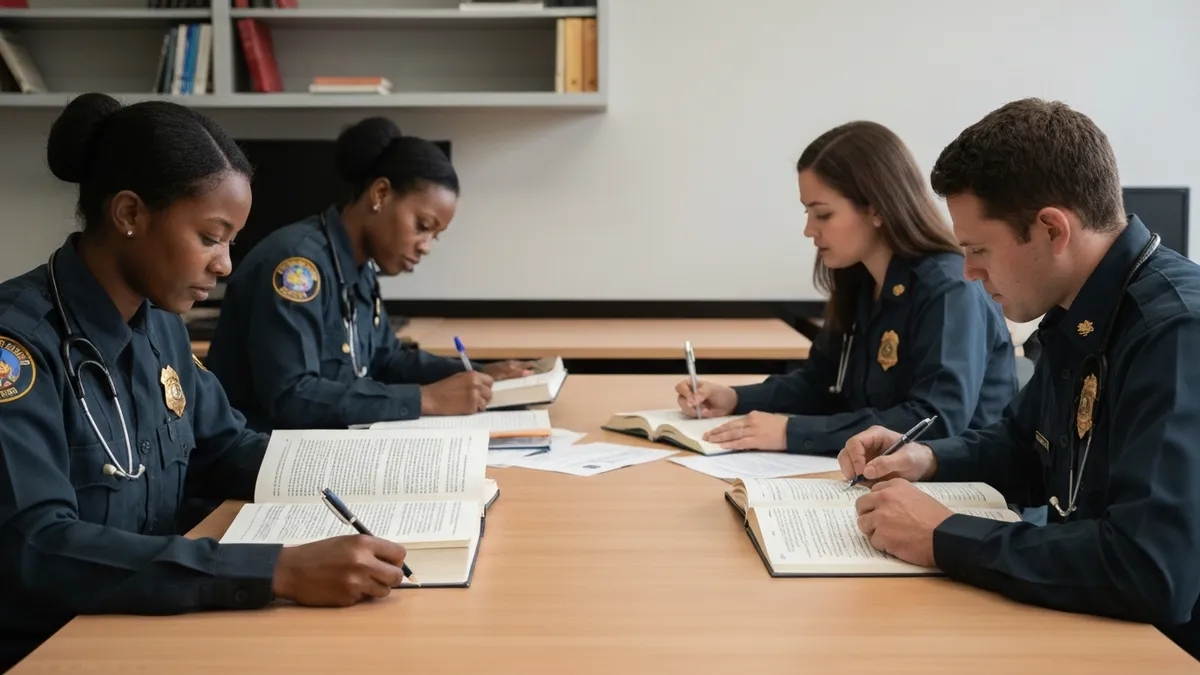
Colorado Correctional Officer — Corrections Career Guide 2026
Correctional Officer Practice Test PDF 2026

Female Correctional Officer: Career Guide, Challenges, and Opportunities in CO
About the Author

Educational Psychologist & Academic Test Preparation Expert
Columbia University Teachers CollegeDr. Lisa Patel holds a Doctorate in Education from Columbia University Teachers College and has spent 17 years researching standardized test design and academic assessment. She has developed preparation programs for SAT, ACT, GRE, LSAT, UCAT, and numerous professional licensing exams, helping students of all backgrounds achieve their target scores.
Join the Discussion
Connect with other students preparing for this exam. Share tips, ask questions, and get advice from people who have been there.
View discussion (9 replies)