
CNA in Pennsylvania 2026 September: Training, Certification, Salary, and Requirements
Free CNA in Pennsylvania 2026 September: Training, practice test with questions and answer explanations. Prepare for the 2026 September exam with instant scoring. 🗨️


Pennsylvania Detailed Breakdown
Philadelphia and Southeastern Pennsylvania represent the largest CNA market in the Commonwealth. Penn Medicine (Hospital of the University of Pennsylvania, Pennsylvania Hospital, Jefferson-affiliated facilities) and Jefferson Health (14+ hospitals across the region) are among the top employers of CNAs in the state, offering competitive wages and union-backed benefits in many settings. Temple University Health System and Einstein Healthcare Network (now part of Jefferson) also hire CNAs in volume across their Philadelphia campuses. The Community College of Philadelphia offers affordable CNA training at approximately $800–$1,200 for residents. SEIU Healthcare Pennsylvania has a strong presence in Philadelphia-area nursing facilities and hospitals, providing many CNAs with collectively bargained wages starting above $16–$18/hour. PA CareerLink Philadelphia operates multiple workforce centers that connect job seekers to free WIOA-funded CNA training programs. CNA wages in Philadelphia average $16–$20/hour, with union hospital positions reaching $20–$24/hour. The Philadelphia suburbs — Delaware County, Montgomery County, Bucks County, and Chester County — also offer strong CNA employment through Main Line Health, Crozer Health, and numerous SNFs. CNA scholarships and employer-sponsored training are widely available in the Philadelphia market.
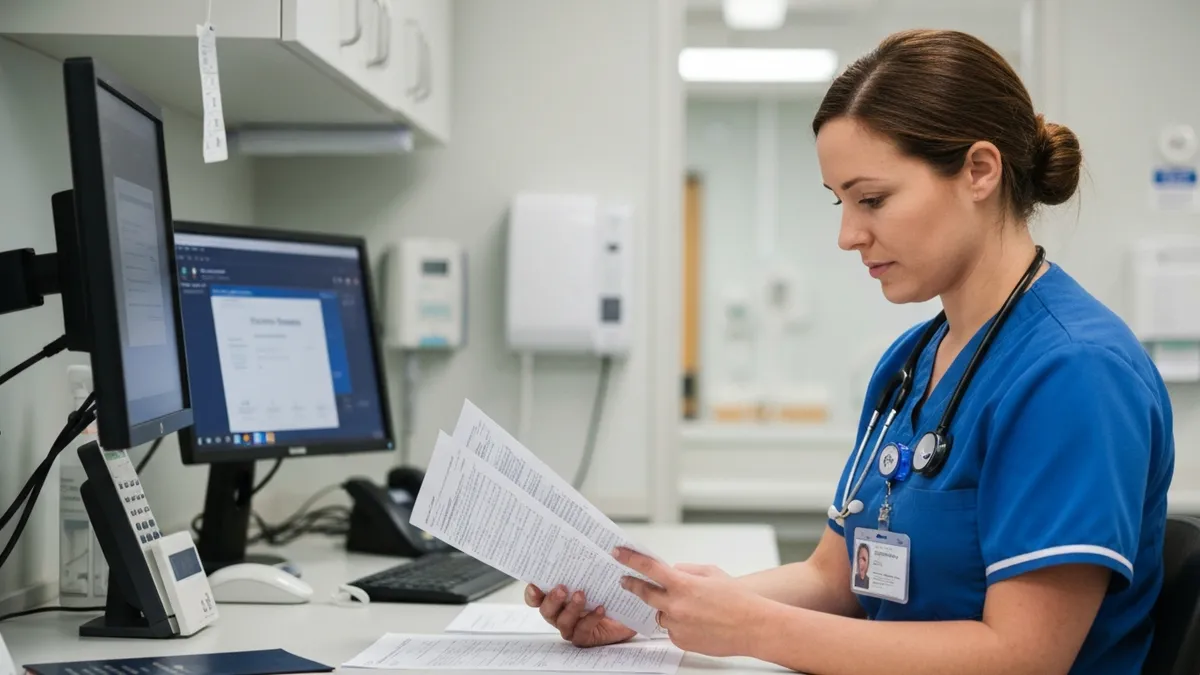

Pennsylvania Essential Checklist
- ✓Be at least 16 years old (most PA programs require 17–18; verify with your specific program)
- ✓Provide valid government-issued photo ID (PA driver's license, passport, or state ID)
- ✓Complete Pennsylvania State Police (PATCH) criminal history check
- ✓Complete FBI fingerprint-based federal background check through IdentoGO
- ✓Obtain a 2-step Mantoux TB test (or QuantiFERON Gold) — required by PA nursing facilities
- ✓Pass a physical examination by a physician, CRNP, or PA-licensed provider
- ✓Current BLS/CPR certification (AHA BLS or American Red Cross — Hands-Only not accepted)
- ✓Complete required immunizations (Hep B series, MMR, Varicella, Tdap, annual Flu)
- ✓Pass a drug screen if required by your clinical training site
- ✓Enroll in and complete a PA DOH-approved 80-hour CNA training program
- ✓Complete at least 16 hours of supervised clinical training at a PA-licensed long-term care facility
- ✓Register for both Credentia (NNAAP) exam sections (written + clinical skills)
- ✓Pass written knowledge exam (70 questions, 2 hours, passing score set by the state)
- ✓Pass clinical skills evaluation (5 randomly selected skills, all must be passed)
- ✓Wait for PA DOH Nurse Aide Registry placement (2–4 weeks after exam passage)
- ✓Renew every 2 years: provide proof of 8 hours paid nursing service within the 24-month renewal period
Pennsylvania Advantages and Disadvantages
- +Credentia (NNAAP) is widely available with testing sites in all major PA cities — scheduling is straightforward
- +SEIU union presence in Philadelphia significantly boosts wages and benefits for hospital and SNF CNAs
- +PA CareerLink free training programs make CNA certification accessible at no cost for eligible residents
- +UPMC and Penn Medicine are two of the most prestigious healthcare employers in the US — major career advancement platforms
- +Strong demand across all PA regions: Philadelphia, Pittsburgh, Lehigh Valley, Central PA, and Erie all have steady openings
- +Only 80 hours required — one of the shorter state minimums nationally, allowing faster certification
- +Employer-sponsored training widely available at UPMC, Jefferson Health, and major SNF chains
- +Pennsylvania's large aging population (4.3M+ residents age 60+) ensures long-term job security for CNAs
- −Pennsylvania's strict background check requirements (Act 169 + federal FBI check) add time and cost before clinical
- −Salaries ($30K–$38K statewide) are below coastal markets like New York, New Jersey, and Connecticut
- −Philadelphia's high cost of living can offset wage advantages compared to Central PA or Erie
- −Credentia's NNAAP (not Prometric) means some national exam prep resources may not perfectly reflect PA exam format
- −2-step TB testing requirement adds time before clinical rotations can begin — 2 weeks minimum
- −Limited CNA training programs in rural NEPA and Northcentral PA counties
- −UPMC dominance in Pittsburgh means limited employer competition in some markets — less leverage for CNA wage negotiation
- −Reciprocity processing through PA DOH can take 4–10 weeks for out-of-state candidates
Pros and Cons at a Glance
| Pros | Cons |
|---|---|
| Credentia (NNAAP) is widely available with testing sites in all major PA cities — scheduling is straightforward | Philadelphia's high cost of living can offset wage advantages compared to Central PA or Erie |
| SEIU union presence in Philadelphia significantly boosts wages and benefits for hospital and SNF CNAs | Credentia's NNAAP (not Prometric) means some national exam prep resources may not perfectly reflect PA exam format |
| PA CareerLink free training programs make CNA certification accessible at no cost for eligible residents | Limited CNA training programs in rural NEPA and Northcentral PA counties |
| UPMC and Penn Medicine are two of the most prestigious healthcare employers in the US — major career advancement platforms | UPMC dominance in Pittsburgh means limited employer competition in some markets — less leverage for CNA wage negotiation |
About the Author

Registered Nurse & Healthcare Educator
Johns Hopkins University School of NursingDr. Sarah Mitchell is a board-certified registered nurse with over 15 years of clinical and academic experience. She completed her PhD in Nursing Science at Johns Hopkins University and has taught NCLEX preparation and clinical skills courses for nursing students across the United States. Her research focuses on evidence-based exam preparation strategies for healthcare certification candidates.
Join the Discussion
Connect with other students preparing for this exam. Share tips, ask questions, and get advice from people who have been there.
View discussion (8 replies)