
CNA in California: Training, CDPH Requirements & Salary Guide 2026
💡 Pass your verify cna certification california exam on the first attempt. Practice questions with detailed answer explanations and instant scoring for
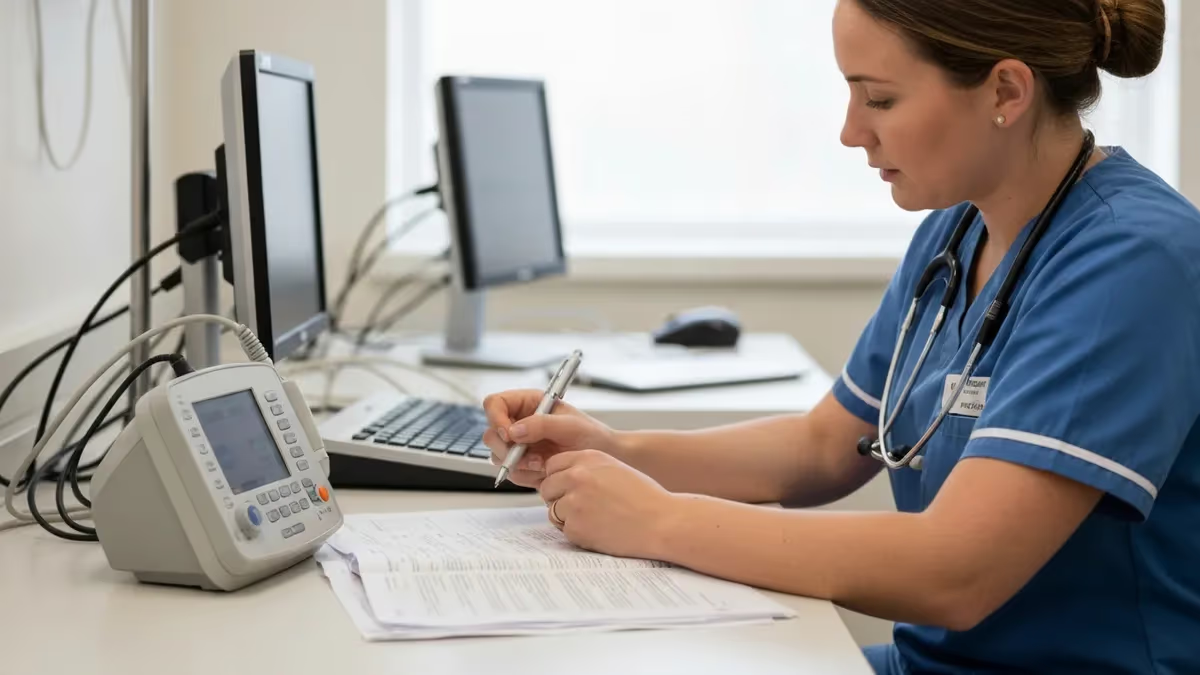
California has one of the largest workforces of certified nursing assistants in the country — and one of the strictest certification processes. If you're planning to work bedside in the Golden State, you'll need to complete a state-approved training program, pass the competency exam, and register with the California Department of Public Health (CDPH). The process isn't complicated, but skipping a single step can easily delay your actual start date by several weeks or even longer.
Before you apply for jobs, you should verify CNA certification california status through the CDPH's Aide and Technician Certification Section. Employers run this check too — if your name doesn't appear on the registry, you won't get hired. The certified nursing assistant license verification california process takes about 48 hours online, though phone verification is faster when the office picks up.
This guide covers everything from training hour requirements and exam prep to salary expectations across California's major metro areas. Whether you're starting fresh or transferring credentials from another state, you'll find the specifics you need right here. We break down CDPH's 150-hour minimum, explain the clinical skills test, and walk through what CNA jobs actually pay in cities like Los Angeles, San Diego, Fresno, and Bakersfield.
One thing worth noting early: California's CNA registry is managed entirely by CDPH, not the Board of Nursing. That distinction matters because it means different contact information, different processing timelines, and different renewal forms than what LVNs and RNs use. Don't waste time on the BRN website — the Aide and Technician Certification Section handles everything for nursing assistants.
If you want more targeted practice, the cna school near me page covers the same material with additional questions and explanations.
If you want more targeted practice, the cna renewal form page covers the same material with additional questions and explanations.
If you want more targeted practice, the cna verification page covers the same material with additional questions and explanations.
CNA: upcoming dates and official changes
- Aug 1, 2026: Connecticut (Prometric) implements new exam pricing: $48 for written only, $48 for oral only, $125 for bundled written and clinical skills, effective August 1, 2026.[3]
- Jul 1, 2026: Idaho (Prometric) raises CNA exam fees to $34 each for written and oral exams, plus test site fees, effective July 1, 2026.[4]
- Eligibility (training): Minimum 75 clock hours approved training (federal requirement); at least 16 hours supervised practical training.[1]
- Passing score (written or oral): Set per state; no national percentage published.[1]
- Exam fee — CA: Fee amount set per state; California application fee is none; exam administered through CDPH-approved testing vendor.[2]
- Retake policy: Minimum 3 attempts required; aides must be told which areas they failed before each retake.[1]
All verified CNA facts and sources
Numbers in brackets link to the official sources listed under Sources & last verified. Dates that have passed are removed automatically.

Running a certified nursing assistant license verification california check is straightforward — but people trip up on spelling. The CDPH registry search requires your exact legal name as it appears on your training program paperwork. If you married and changed your name, you'll need to submit a name-change form before the registry reflects your current one.
For a quick cna salary california comparison, CNAs in urban hospitals earn toward the top of that $38K–$48K range while rural skilled nursing facilities sit closer to the bottom. The cna license lookup california portal at the CDPH website lets employers and CNAs confirm active status, check for any disciplinary findings, and verify certification dates. Bookmark the link — you'll use it more than you'd think.
Keep in mind that California doesn't accept abbreviated training. Every program must include at least 100 hours of supervised clinical practice on top of classroom instruction. That's more than most states require, which is partly why California-trained CNAs are respected across the country when they transfer.
Some training programs in California run accelerated schedules — three weeks of full-time classes and clinicals, six days a week. These intensive programs are popular with career changers who can't afford months of unpaid training. Just make sure the accelerated schedule still meets the 150-hour minimum. A few programs have been cited by CDPH for cutting clinical hours short to speed up graduation.
So what does cna salary california actually look like when you drill into the numbers? Entry-level CNAs in Sacramento and the Central Valley start around $17–$19 per hour. In San Francisco and the Bay Area, that floor jumps to $21–$24 per hour thanks to the higher cost of living and union contracts at many hospitals. Annual figures for experienced CNAs in metro areas regularly clear $45K.
You can check cna license in california through the Health Care Worker Background Check Program as well. This secondary verification confirms that a CNA has cleared the DOJ and FBI background checks required for direct patient care. Facilities use both systems — the CDPH registry and the background check database — before making a hire.
Looking for work outside of the usual hospital or nursing home circuit? Cna jobs fresno listings include home health agencies, rehabilitation centers, and hospice providers. Fresno's lower cost of living means your CNA paycheck stretches further than it would in L.A., even though the hourly rate is a few dollars less.
Night shift and weekend differentials add real money to your base rate. Most California facilities pay an extra $1.50–$3.00 per hour for evening shifts (3 PM–11 PM) and $2.00–$4.00 for overnight work. If you're willing to take the less popular shifts, you can push a $38K base salary past $43K without changing facilities or gaining seniority.
Training & CDPH Requirements
150 hours minimum. California's CDPH mandates at least 50 hours of classroom theory and 100 hours of supervised clinical practice in a licensed facility. Programs typically run 4–8 weeks full-time or 8–12 weeks part-time. You must complete the entire program within 24 months before sitting for the competency exam.
Community colleges, vocational schools, and some hospitals offer approved programs. Always verify the program appears on the CDPH-approved list before you enroll — unapproved programs won't count, and you'll have to start over.
The california certified nurse assistant license verification database gets updated weekly, not daily. If you just passed your exam, don't panic when your name doesn't appear right away. CDPH processes certifications in batches — most new CNAs see their name on the registry within 10–15 business days after exam results are finalized.
Cna jobs fresno and the surrounding San Joaquin Valley are growing faster than many coastal cities. Skilled nursing facilities in Clovis, Madera, and Visalia are actively recruiting, and some offer sign-on bonuses of $500–$1,500 for CNAs who commit to a 6-month contract. The demand isn't slowing down — California's aging population means CNA positions will keep opening at a pace that outstrips supply for at least the next decade.
If you're comparing California to neighboring states, the training requirements here are heavier. Arizona requires 120 hours, Nevada asks for 75, and Oregon mandates just 155. But California's higher bar comes with higher pay and more job protections, including mandatory staffing ratios that keep workloads manageable.
California was the first state to mandate nurse-to-patient ratios in acute care settings, and those ratios trickle down to CNA assignments too. In most skilled nursing facilities, a CNA is assigned no more than 8–10 residents during the day shift. Compare that to states without ratio laws where 15–20 residents per CNA is common — and you start to see why California attracts healthcare workers despite its high cost of living.
Thinking about cna classes las vegas and then transferring to California? It's possible — but not automatic. Nevada's 75-hour minimum doesn't meet California's 150-hour requirement, so you'll likely need to complete a bridge program or additional clinical hours before CDPH will accept your credentials. The california cna license lookup tool won't show your name until your out-of-state endorsement application clears, which takes 4–8 weeks on average.
The cna classes las vegas route appeals to people who live near the state line — Henderson and Laughlin residents sometimes train in Nevada and then commute to California facilities in Needles or Barstow. Just make sure you understand the endorsement process before you commit to a Nevada program with California plans.
California's cna license lookup system also shows any findings, complaints, or disciplinary actions tied to your certification number. If you've had a complaint filed against you, it doesn't disappear when you move. Transparency is baked into the system — and employers check. Staffing agencies running background verifications pull this data monthly, so any issues on your record will surface quickly regardless of which facility you apply to.
Pros and Cons of Being a CNA in California
- +Higher pay than most states — $38K–$48K range with room to grow in metro areas
- +Mandatory staffing ratios protect CNAs from dangerous patient loads
- +Strong union presence in hospitals means better benefits and overtime protections
- +California-trained CNAs are respected nationwide — the 150-hour requirement sets a high bar
- +Diverse facility types: hospitals, SNFs, home health, hospice, rehab centers
- +Growing demand due to aging population — job security is strong through at least 2035
- −Higher cost of living erodes the salary advantage, especially in the Bay Area and L.A.
- −150 hours of training takes longer and costs more than most neighboring states
- −Background check process adds $80–$100 and delays start dates by 2–4 weeks
- −Registry updates lag behind — new CNAs sometimes wait 2+ weeks to appear in the system
- −Licensing renewal requires 48 hours of in-service training every 24 months
- −Physical demands remain high — burnout rates are significant even with staffing protections
Cna jobs los angeles make up a huge chunk of California's CNA employment. L.A. County alone has over 400 skilled nursing facilities, plus dozens of acute care hospitals and hundreds of home health agencies. Competition for the best-paying positions is real, though — facilities in Westwood, Beverly Hills, and Pasadena tend to pay $22–$26 per hour but expect experienced applicants with clean records.
Meanwhile, cna training san antonio graduates who relocate to California find that their Texas credentials don't transfer cleanly. Texas requires only 100 hours, so California's CDPH typically asks for additional coursework. The endorsement application fee is $100, and you'll need a letter of good standing from the Texas Nurse Aide Registry. Plan for 6–8 weeks of processing time.
Smaller cities offer less competition and often better work-life balance. CNA jobs in Riverside, Ontario, and San Bernardino pay $18–$21 per hour with lower housing costs than coastal metros. If you're flexible on location, the Inland Empire is one of California's hidden gems for healthcare workers.
Travel CNA positions are another option gaining popularity in California. Staffing agencies like Aya Healthcare and AMN Healthcare place temporary CNAs at facilities facing staff shortages. Travel assignments typically last 8–13 weeks and pay $20–$25 per hour plus housing stipends. You'll need at least one year of experience and an active California certification to qualify.
Step-by-Step Certification Checklist
- ✓Confirm you meet the minimum age (16) and education requirements (no diploma required in CA)
- ✓Choose a CDPH-approved CNA training program — verify approval status on the CDPH website
- ✓Complete all 150 hours: 50 classroom + 100 clinical practice minimum
- ✓Submit your Live Scan fingerprinting for DOJ and FBI background checks ($80–$100)
- ✓Register for the Nurse Aide Competency Exam through Credentia or Headmaster or your training program
- ✓Pass the written (or oral) exam — 60 multiple-choice questions, 70% passing score
- ✓Pass the clinical skills evaluation — 5 randomly selected skills demonstrated live
- ✓Wait for CDPH to process your certification (10–15 business days after exam results)
- ✓Verify your name appears on the CDPH Nurse Aide Registry before applying to jobs
- ✓Set a reminder for your 24-month renewal — 48 hours of in-service training required
Cna positions san diego are competitive but plentiful. The city's military-adjacent healthcare system — including VA hospitals and Tricare-affiliated clinics — hires CNAs with or without veteran status. San Diego's median CNA wage sits around $19.50 per hour, which translates to roughly $40,500 annually for full-time work.
Earning your cna certification california is the foundation, but it's not the ceiling. Many CNAs use the credential as a stepping stone to LVN or RN programs. California community colleges give enrollment priority to applicants with active CNA certifications, and some employers offer tuition reimbursement programs that cover 50–100% of nursing school costs. It's one of the most practical entry points into healthcare.
If you've already passed your exam and want to confirm your status, the CDPH online registry is the fastest route. Type your name exactly as it appears on your training documents — middle names matter. If the search returns nothing, try your maiden name or contact CDPH directly at (916) 327-2445.
For CNAs who want to maximize earnings without leaving bedside care, per diem work is worth considering. Per diem CNAs in California earn $22–$30 per hour because facilities pay a premium for last-minute coverage. The tradeoff is no guaranteed hours and typically no benefits — but if you're already covered by a spouse's insurance, per diem shifts at two or three facilities can easily push your annual income above $50K.
How much do certified nursing assistants make in california? It depends heavily on geography, facility type, and experience. Brand-new CNAs at skilled nursing facilities in the Central Valley start around $16.50–$18 per hour. After two years and one renewal cycle, that typically climbs to $19–$21. Hospital CNAs in the Bay Area earn $24–$28 per hour — some of the highest CNA wages in the nation.
Cna jobs san diego listings on Indeed and ZipRecruiter consistently show 200+ openings at any given time. Home health positions pay slightly less per hour ($17–$19) but offer mileage reimbursement and flexible scheduling. Hospice CNA roles in San Diego pay around $20–$22 per hour and often include weekend differentials of $2–$3 extra.
When you compare California to national averages, the gap is significant. The U.S. median CNA salary sits around $33K. California's $38K–$48K range means even entry-level positions here pay more than experienced CNAs earn in states like Mississippi, Arkansas, or West Virginia.
California CNAs must renew every 24 months by completing 48 hours of in-service training and submitting proof of at least 8 hours of paid work during the renewal period. If your certification expires, you'll need to retake the competency exam — and possibly repeat the entire 150-hour training program. Set calendar reminders 90 days before your expiration date.
The california cna registry is your official record — and it's publicly searchable. Anyone can look up a CNA by name to confirm active certification, check for disciplinary actions, and verify the certification issue date. Facilities use this tool during hiring, and some staffing agencies run weekly checks on their entire roster to catch expirations early.
If you're pursuing cna certification verification california after a name change, a move, or a long gap in employment, the process is more involved. CDPH requires a notarized name-change affidavit, updated identification, and sometimes a new background check if more than two years have passed since your last one. Budget 4–6 weeks for the paperwork to process.
Reciprocity from other states exists but isn't guaranteed. California evaluates each application individually. If your training state required fewer than 150 hours, CDPH will typically ask you to complete supplemental training or pass an equivalency review. The fastest transfers come from states with similar or higher hour requirements — New York (130), Illinois (120 + bridge), and Florida (120 + bridge).
Military-trained medics and hospital corpsmen can also apply for CNA certification through CDPH's military experience pathway. If you served as a 68W (Army) or HM (Navy), your training likely exceeds 150 hours — but you'll still need to pass the California competency exam. CDPH processes military applications faster than standard endorsements, usually within 2–3 weeks.
CNA Practice Test Questions
Prepare for the CNA - Certified Nursing Assistant exam with our free practice test modules. Each quiz covers key topics to help you pass on your first try.
CNA Activities of Daily Living
CNA Exam Questions covering Activities of Daily Living. Master CNA Test concepts for certification prep.
CNA Aging Process
Free CNA Practice Test featuring Aging Process. Improve your CNA Exam score with mock test prep.
CNA Anatomy and Physiology Basics
CNA Mock Exam on Anatomy and Physiology Basics. CNA Study Guide questions to pass on your first try.
CNA Assisting with Daily Living
CNA Test Prep for Assisting with Daily Living. Practice CNA Quiz questions and boost your score.
CNA Assisting with Range of Motion Exercises
CNA Questions and Answers on Assisting with Range of Motion Exercises. Free CNA practice for exam readiness.
CNA Basic Human Anatomy and Age-Related Ch...
CNA Mock Test covering Basic Human Anatomy and Age-Related Changes. Online CNA Test practice with instant feedback.
CNA Basic Nursing Skills
Free CNA Quiz on Basic Nursing Skills. CNA Exam prep questions with detailed explanations.
CNA Basic Nursing Skills 10
CNA Practice Questions for Basic Nursing Skills 10. Build confidence for your CNA certification exam.
CNA Basic Nursing Skills 11
CNA Test Online for Basic Nursing Skills 11. Free practice with instant results and feedback.
CNA Basic Nursing Skills 1
CNA Study Material on Basic Nursing Skills 1. Prepare effectively with real exam-style questions.
CNA Basic Nursing Skills 12
Free CNA Test covering Basic Nursing Skills 12. Practice and track your CNA exam readiness.
CNA Basic Nursing Skills 13
CNA Exam Questions covering Basic Nursing Skills 13. Master CNA Test concepts for certification prep.
CNA Basic Nursing Skills 14
Free CNA Practice Test featuring Basic Nursing Skills 14. Improve your CNA Exam score with mock test prep.
CNA Basic Nursing Skills 15
CNA Mock Exam on Basic Nursing Skills 15. CNA Study Guide questions to pass on your first try.
CNA Basic Nursing Skills 16
CNA Test Prep for Basic Nursing Skills 16. Practice CNA Quiz questions and boost your score.
CNA Basic Nursing Skills 17
CNA Questions and Answers on Basic Nursing Skills 17. Free CNA practice for exam readiness.
CNA Basic Nursing Skills 18
CNA Mock Test covering Basic Nursing Skills 18. Online CNA Test practice with instant feedback.
CNA Basic Nursing Skills 19
Free CNA Quiz on Basic Nursing Skills 19. CNA Exam prep questions with detailed explanations.
CNA Basic Nursing Skills 20
CNA Practice Questions for Basic Nursing Skills 20. Build confidence for your CNA certification exam.
CNA Basic Nursing Skills 21
CNA Test Online for Basic Nursing Skills 21. Free practice with instant results and feedback.
CNA Basic Nursing Skills 2
CNA Study Material on Basic Nursing Skills 2. Prepare effectively with real exam-style questions.
CNA Basic Nursing Skills 3
Free CNA Test covering Basic Nursing Skills 3. Practice and track your CNA exam readiness.
CNA Basic Nursing Skills 4
CNA Exam Questions covering Basic Nursing Skills 4. Master CNA Test concepts for certification prep.
CNA Basic Nursing Skills 5
Free CNA Practice Test featuring Basic Nursing Skills 5. Improve your CNA Exam score with mock test prep.
CNA Basic Nursing Skills 6
CNA Mock Exam on Basic Nursing Skills 6. CNA Study Guide questions to pass on your first try.
CNA Basic Nursing Skills 7
CNA Test Prep for Basic Nursing Skills 7. Practice CNA Quiz questions and boost your score.
CNA Basic Nursing Skills 8
CNA Questions and Answers on Basic Nursing Skills 8. Free CNA practice for exam readiness.
CNA Basic Nursing Skills 9
CNA Mock Test covering Basic Nursing Skills 9. Online CNA Test practice with instant feedback.
CNA Basic Restorative Services
Free CNA Quiz on Basic Restorative Services. CNA Exam prep questions with detailed explanations.
CNA Basic Restorative Services 1
CNA Practice Questions for Basic Restorative Services 1. Build confidence for your CNA certification exam.
CNA Bathing and Dressing
CNA Test Online for Bathing and Dressing. Free practice with instant results and feedback.
CNA Body Mechanics
CNA Study Material on Body Mechanics. Prepare effectively with real exam-style questions.
CNA Career Advancement and Opportunities
Free CNA Test covering Career Advancement and Opportunities. Practice and track your CNA exam readiness.
CNA Career Opportunities and Benefits
CNA Exam Questions covering Career Opportunities and Benefits. Master CNA Test concepts for certification prep.
CNA Care for Residents with Cognitive Impa...
Free CNA Practice Test featuring Care for Residents with Cognitive Impairment. Improve your CNA Exam score with mock test prep.
CNA Care of Cognitively Impaired Residents
CNA Mock Exam on Care of Cognitively Impaired Residents. CNA Study Guide questions to pass on your first try.
CNA Care of Cognitively Impaired Residents 1
CNA Test Prep for Care of Cognitively Impaired Residents 1. Practice CNA Quiz questions and boost your score.
CNA Care Of Cognitively Impaired Residents 4
CNA Questions and Answers on Care Of Cognitively Impaired Residents 4. Free CNA practice for exam readiness.
CNA Common Medical Terms and Abbreviations
CNA Mock Test covering Common Medical Terms and Abbreviations. Online CNA Test practice with instant feedback.
CNA Communication and Interpersonal Skills
Free CNA Quiz on Communication and Interpersonal Skills. CNA Exam prep questions with detailed explanations.
CNA Communication and Interpersonal Skills 1
CNA Practice Questions for Communication and Interpersonal Skills 1. Build confidence for your CNA certification exam.
CNA Communication And Interpersonal Skills 4
CNA Test Online for Communication And Interpersonal Skills 4. Free practice with instant results and feedback.
CNA Eligibility and Qualifications
CNA Study Material on Eligibility and Qualifications. Prepare effectively with real exam-style questions.
CNA Emergency Procedure
Free CNA Test covering Emergency Procedure. Practice and track your CNA exam readiness.
CNA Ethics and Professionalism
CNA Exam Questions covering Ethics and Professionalism. Master CNA Test concepts for certification prep.
CNA Exam Structure and Content
Free CNA Practice Test featuring Exam Structure and Content. Improve your CNA Exam score with mock test prep.
CNA Feeding and Hydration
CNA Mock Exam on Feeding and Hydration. CNA Study Guide questions to pass on your first try.
CNA Infection Control
CNA Test Prep for Infection Control. Practice CNA Quiz questions and boost your score.
CNA Infection Control and Safety
CNA Questions and Answers on Infection Control and Safety. Free CNA practice for exam readiness.
CNA Isolation Precautions
CNA Mock Test covering Isolation Precautions. Online CNA Test practice with instant feedback.
CNA Legal & Ethical Behaviours
Free CNA Quiz on Legal & Ethical Behaviours. CNA Exam prep questions with detailed explanations.
CNA Legal & Ethical Behaviours 1
CNA Practice Questions for Legal & Ethical Behaviours 1. Build confidence for your CNA certification exam.
CNA Legal & Ethical Behaviours 4
CNA Test Online for Legal & Ethical Behaviours 4. Free practice with instant results and feedback.
CNA Mental Health and Social Services Needs
CNA Study Material on Mental Health and Social Services Needs. Prepare effectively with real exam-style questions.
CNA Mental Health and Social Services Needs 1
Free CNA Test covering Mental Health and Social Services Needs 1. Practice and track your CNA exam readiness.
CNA Mental Health And Social Services Needs 4
CNA Exam Questions covering Mental Health And Social Services Needs 4. Master CNA Test concepts for certification prep.
CNA Nutrition and Hydration Management
Free CNA Practice Test featuring Nutrition and Hydration Management. Improve your CNA Exam score with mock test prep.
CNA Patient Care Procedure
CNA Mock Exam on Patient Care Procedure. CNA Study Guide questions to pass on your first try.
CNA Personal Care Skills
CNA Test Prep for Personal Care Skills. Practice CNA Quiz questions and boost your score.
CNA Personal Care Skills 1
CNA Questions and Answers on Personal Care Skills 1. Free CNA practice for exam readiness.
CNA Personal Care Skills 4
CNA Mock Test covering Personal Care Skills 4. Online CNA Test practice with instant feedback.
CNA Personal Care Skills 5
Free CNA Quiz on Personal Care Skills 5. CNA Exam prep questions with detailed explanations.
CNA Personal Hygiene and Grooming
CNA Practice Questions for Personal Hygiene and Grooming. Build confidence for your CNA certification exam.
CNA Practice Test - Basic Nursing Skills #2
CNA Test Online for Practice Test - Basic Nursing Skills #2. Free practice with instant results and feedback.
CNA Practice Test - Basic Nursing Skills #2 1
CNA Study Material on Practice Test - Basic Nursing Skills #2 1. Prepare effectively with real exam-style questions.
CNA Preventing Patient Falls and Injuries
Free CNA Test covering Preventing Patient Falls and Injuries. Practice and track your CNA exam readiness.
CNA Promoting Resident Independence and Ch...
CNA Exam Questions covering Promoting Resident Independence and Choice. Master CNA Test concepts for certification prep.
CNA Proper Hand Hygiene and PPE Usage
Free CNA Practice Test featuring Proper Hand Hygiene and PPE Usage. Improve your CNA Exam score with mock test prep.
CNA Resident Rights and Communication
CNA Mock Exam on Resident Rights and Communication. CNA Study Guide questions to pass on your first try.
CNA Resident’s Rights
CNA Test Prep for Resident’s Rights. Practice CNA Quiz questions and boost your score.
CNA Resident's Rights 1
CNA Questions and Answers on Resident's Rights 1. Free CNA practice for exam readiness.
CNA Resident's Rights 4
CNA Mock Test covering Resident's Rights 4. Online CNA Test practice with instant feedback.
CNA Roles and Responsibilities
Free CNA Quiz on Roles and Responsibilities. CNA Exam prep questions with detailed explanations.
CNA Safety and Emergency Procedures
CNA Practice Questions for Safety and Emergency Procedures. Build confidence for your CNA certification exam.
CNA Safety and Emergency Procedures 1
CNA Test Online for Safety and Emergency Procedures 1. Free practice with instant results and feedback.
CNA Safety And Emergency Procedures 4
CNA Study Material on Safety And Emergency Procedures 4. Prepare effectively with real exam-style questions.
CNA Safety and Infection Control
Free CNA Test covering Safety and Infection Control. Practice and track your CNA exam readiness.
CNA Scope of Practice
CNA Exam Questions covering Scope of Practice. Master CNA Test concepts for certification prep.
CNA Skills and Competencies
Free CNA Practice Test featuring Skills and Competencies. Improve your CNA Exam score with mock test prep.
CNA Supporting Rehabilitation Activities
CNA Mock Exam on Supporting Rehabilitation Activities. CNA Study Guide questions to pass on your first try.
CNA The Nurse Aide's Role and Responsibili...
CNA Test Prep for The Nurse Aide's Role and Responsibilities. Practice CNA Quiz questions and boost your score.
CNA Time Management and Prioritization
CNA Questions and Answers on Time Management and Prioritization. Free CNA practice for exam readiness.
CNA Toileting and Elimination
CNA Mock Test covering Toileting and Elimination. Online CNA Test practice with instant feedback.
CNA Using Adaptive Devices
CNA Practice Questions for Using Adaptive Devices. Build confidence for your CNA certification exam.
Your cna license california doesn't just unlock bedside work — it opens doors to specialized roles. Restorative CNAs, medication aides (in some facilities), and hospice CNAs all build on the base certification. Some California employers pay a $1–$3 per hour premium for CNAs who complete additional specialty training in wound care, dementia care, or rehabilitation.
Cna jobs bakersfield are growing alongside Kern County's expanding healthcare infrastructure. Adventist Health Bakersfield, Mercy Southwest, and several large SNFs hire regularly. Starting pay in Bakersfield runs $16.50–$18.50 per hour — lower than L.A. but paired with significantly cheaper housing. A CNA earning $36K in Bakersfield has roughly the same purchasing power as one earning $52K in San Francisco.
Whether you're just starting out or verifying an existing credential, California's CNA system rewards preparation. Complete all 150 hours, pass the exam on your first try, and keep your registry listing clean. Do that, and you'll have steady work in a state that genuinely needs you.
The demand curve isn't theoretical — California's Employment Development Department projects 8,200 new CNA positions annually through 2032. That figure doesn't include replacement openings from retirements and career advancement, which add another 15,000+ vacancies per year. If you're weighing career options, few entry-level healthcare roles offer this combination of job security, upward mobility, and geographic flexibility.
CNA Questions and Answers
Sources & last verified
- Centers for Medicare & Medicaid Services — eligibility, passing score, retake policy (official source). “All aides must complete at least 75 clock hours of training” Verified Oct 14, 2026.
- cdph.ca.gov — exam fee (official source). “Initial applicants use form CDPH 283 B” Verified Oct 14, 2026.
- prometric.com — other (official source). “Effective August 1, 2026, the following exam pricing will be implemented” Verified Oct 14, 2026.
- prometric.com — other (official source). “Effective July 1, 2026, the following exam pricing will be implemented: $34 written, $34 oral, plus test site fees” Verified Oct 14, 2026.
How we verify: editorial & fact-checking policy. Report an error: contact us.
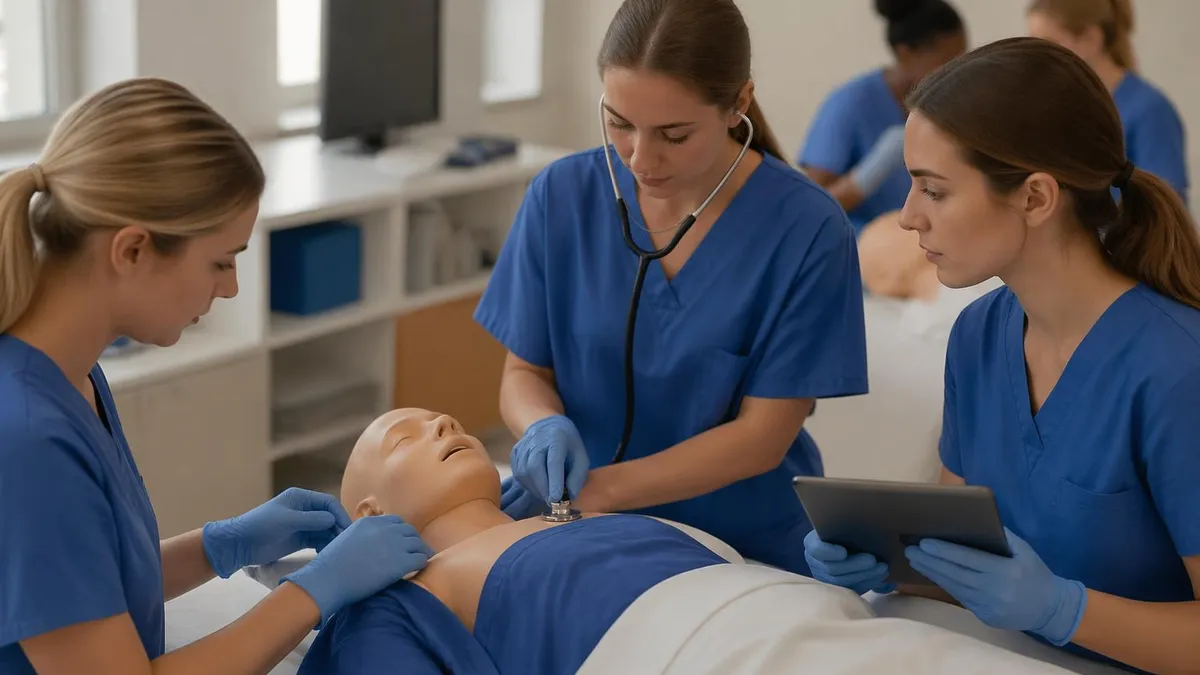
Restorative CNA: Duties, Training, Salary & How to Get Started
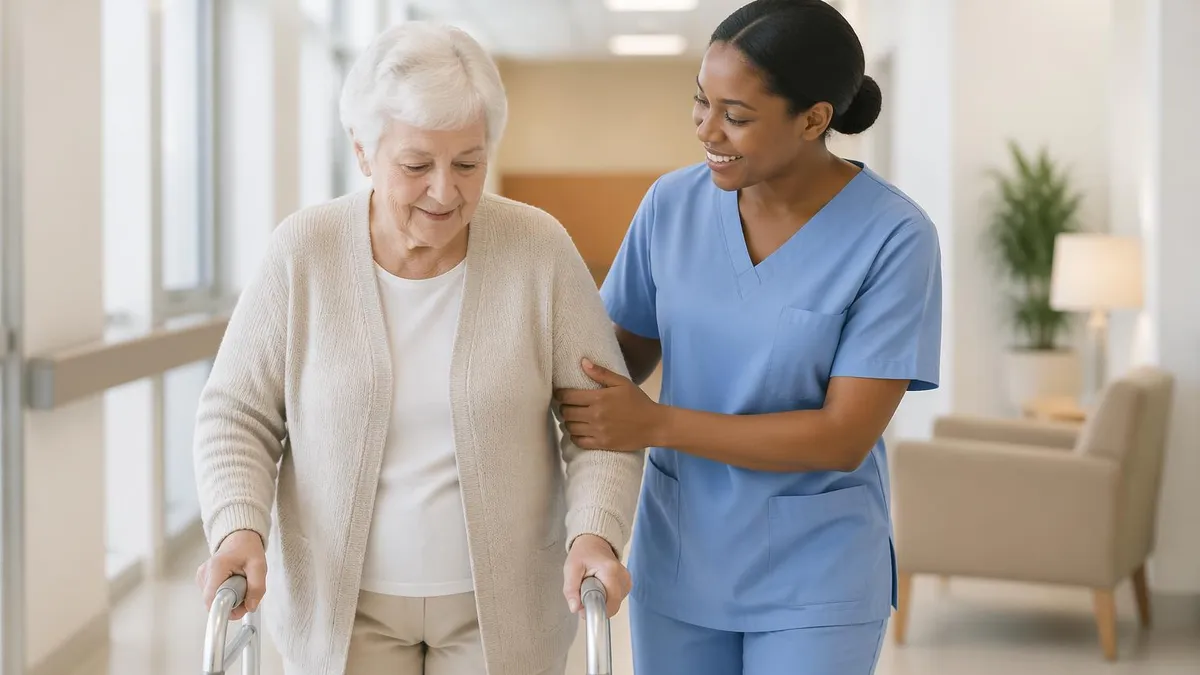
CNA Hospital Jobs Near Me: How to Find, Apply & Get Hired in 2026

Goodwill CNA Program: Free Classes, Costs, and How to Enroll
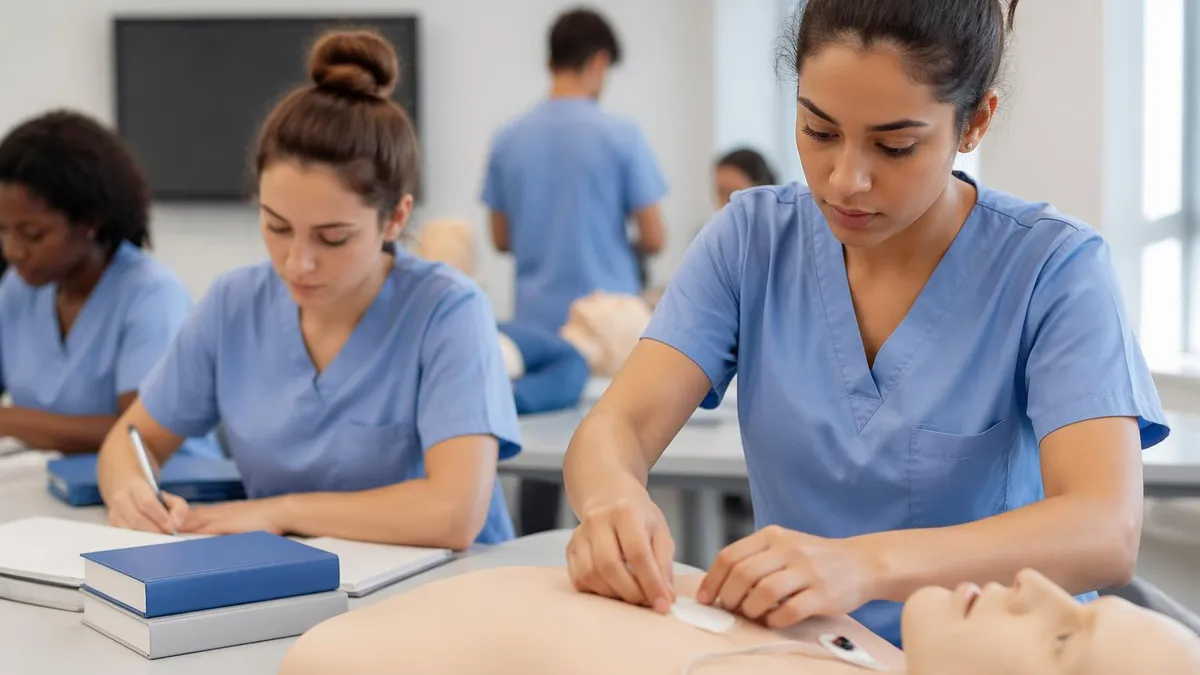
Hospice CNA: Duties, Salary, Per Diem Work & How to Get Started
4-Week CNA Program: Online Options, State Programs & How to Enroll
How this page was made: written with AI tools. Exam facts are checked against the official sources listed below. Not reviewed by a subject-matter expert. Editorial policy
Sources & references
Exam facts on this page (fees, format, dates, passing scores) are checked against these official sources; the date is our last check. Editorial policy
- floridasnursing.gov — Eligibility, exam format · verified Oct 2026
- law.cornell.edu — Eligibility · verified Oct 2026
- law.cornell.edu — Test delivery · verified Oct 2026
- prometric.com — Exam information · verified Oct 2026