
PA CDL Manual: Your Complete Guide to PennDOT's Commercial Driver's Handbook
Master the PA CDL Manual (PennDOT PUB 223). 🔎 Download free PDF, study 13 sections, ace the knowledge test, and pass your skills exam.
So you're chasing a Pennsylvania commercial driver's license. Maybe you've got a job lined up hauling freight on I-80, or you're eyeing a school bus route in Bucks County. Either way, there's one document standing between you and that shiny new CDL—the PA CDL Manual, officially known as PennDOT Publication 223. It's free, it's hefty, and yes, it really does cover everything you need to know.
Here's the thing most new drivers don't realize: the manual isn't just a study guide. It's the literal source material for every knowledge test question PennDOT throws at you. Skip a section, and you might find yourself staring at an air brake question you can't answer. Read it carefully, and the tests start to feel almost routine. We're going to walk through what's inside, how to actually study it (because reading 200+ pages cover-to-cover isn't always the move), and what PA-specific quirks you absolutely cannot miss.
Whether you're going for Class A, B, or C, whether you need endorsements for hazmat or passengers, this guide breaks down the whole playbook. Grab a coffee. Let's dig in. There's a lot here, but none of it is wasted ink—every chapter in PUB 223 connects to something you'll be tested on or expected to know once you're behind the wheel of a heavy commercial vehicle. Treat it as foundational, not optional.
And one more thing before we start. The PA CDL process is more rigorous than your average passenger license. Federal regulations layer on top of state rules. Background checks. Medical certifications. Skills tests in vehicles you may have never touched before. The manual ties it all together, which is exactly why PennDOT built it the way they did—so you have a single reference document covering federal mandates, state-specific provisions, and the practical knowledge you need to actually drive these rigs safely.
PA CDL Manual at a Glance
Let's start with the basics—where to actually get the manual. PennDOT publishes the PA CDL Manual (PUB 223) as a free PDF download on the official Driver and Vehicle Services site. You don't need an account, you don't pay a dime, and you can save it to your phone, tablet, or laptop. Some testing centers and DMV offices also stock physical copies, but supplies vary by location. The digital version updates more frequently and gives you the option to search by keyword, so honestly? Stick with the PDF.
The manual itself reflects the 2005 model from the American Association of Motor Vehicle Administrators (AAMVA), with Pennsylvania-specific overlays. That means roughly 80% of what you read applies nationally—federal motor carrier safety regs, vehicle inspection standards, hours-of-service rules. The other 20%? Pure PA. Things like weight limits on state roads, idling restrictions in certain counties, third-party tester procedures, and the documentation PennDOT requires at your local Driver License Center when you finally show up to test.
One word of caution. Don't grab an outdated PDF from some random forum. PennDOT revises the manual periodically, and questions on your knowledge test reflect the latest version. Always pull it fresh from dmv.pa.gov before you commit to studying. If you're already a few weeks into prep when a new edition drops, scan the change log—PennDOT typically highlights revised sections at the front of the document. Most updates are minor, but every now and then a regulatory shift (like ELDT in 2022) reshapes whole chapters.
Where to Download the PA CDL Manual
Visit dmv.pa.gov and search for 'PUB 223' or 'CDL Manual.' The PDF is free, current, and the only version PennDOT officially endorses. Bookmark the page—you'll be back many times throughout your training and your career.
Now the meat of it. The PA CDL Manual is organized into 13 sections, and each one targets a specific competency. Some apply to all CDL holders. Others only matter if you're going for certain endorsements or vehicle classes. Knowing which sections you need—and which you can skim—saves you serious time. The structure isn't arbitrary, either. It mirrors the order PennDOT recommends you study them in, building from general safety concepts to specialized vehicle operation.
Section 1 introduces commercial driving. Quick read. Section 2, Driving Safely, is required for everyone and covers vehicle inspection, basic control, signaling, space management, night driving, fog, mountain driving, and emergency maneuvers. This is the longest single chapter, and for good reason. Section 3, Transporting Cargo Safely, applies to most freight drivers—loading, weight distribution, cargo securement, the whole nine yards. Knowing how to balance a load matters as much as knowing how to drive one.
Then come the specialty sections. Section 4 covers transporting passengers (bus drivers, shuttle operators). Section 5 is air brakes—mandatory if your vehicle has them, and trust me, most heavy trucks do. Section 6 deals with combination vehicles, which means tractor-trailers. Sections 7 through 10 cover doubles/triples, tankers, hazmat, and school buses respectively. Section 11 handles pre-trip inspection. Section 12 covers basic vehicle control skills. Section 13 wraps up with on-road driving. Sections 11 through 13 are the trio that maps directly to the skills test, so anything you study there pays double dividends.
CDL Classes and Endorsements Explained
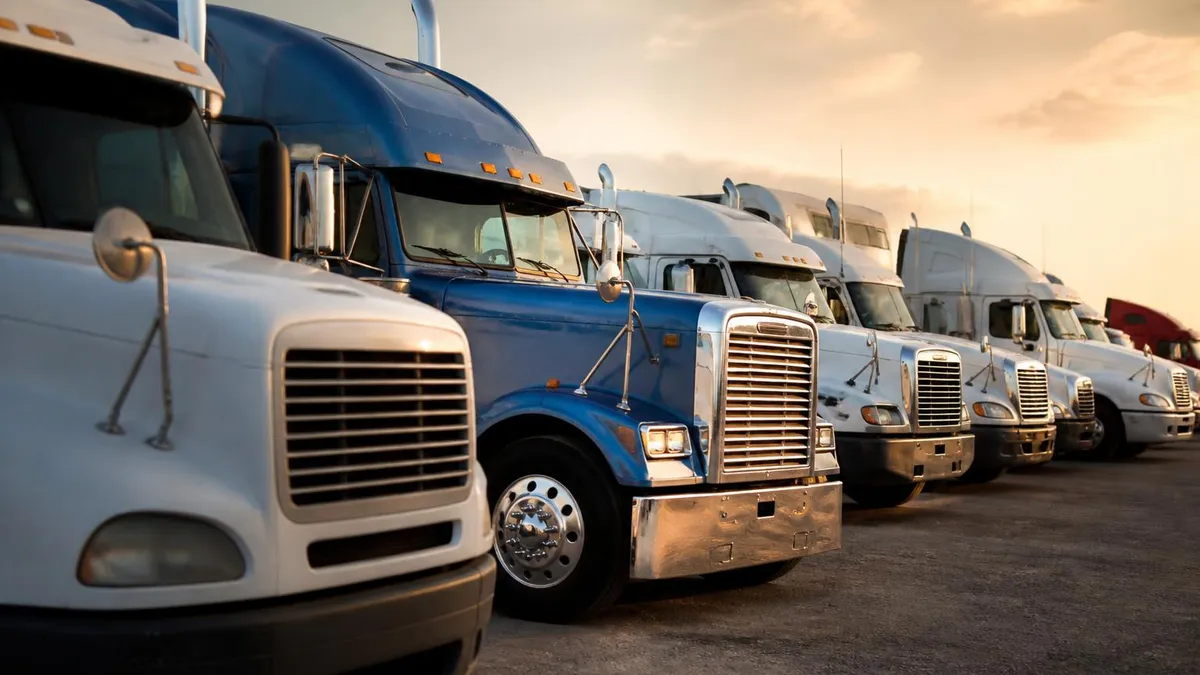
Combination vehicles with a Gross Combined Weight Rating of 26,001 pounds or more, towing a unit weighing over 10,000 lbs. Think tractor-trailers, livestock haulers, flatbed semis, tanker trucks, and intermodal containers. This is the most flexible CDL because it also lets you operate Class B and C vehicles. Sections 2, 3, 5, 6, and 11 through 13 of the manual are essential reading for Class A applicants.
Single vehicles weighing 26,001 lbs or more, or vehicles towing trailers under 10,000 lbs. Common Class B examples include dump trucks, straight box delivery trucks, garbage trucks, large city buses, and concrete mixers. Focus your study on Sections 2, 3, 4 (if you'll transport passengers), 5 for air brakes, 11 for pre-trip, and 13 for on-road driving requirements.
Vehicles under 26,001 lbs that haul 16 or more passengers (including the driver) or any quantity of hazardous materials requiring placards. Typical Class C drivers operate small buses, shuttle vans, daycare transport, or smaller hazmat delivery trucks. Sections 4 (passenger), 9 (hazmat), and the relevant endorsement chapters carry the bulk of study weight for this class.
Each letter expands your CDL's capabilities. P stands for Passenger transport, S for School bus operation (most restrictive), T for Doubles or Triples trailer combinations, N for Tank vehicles, H for Hazardous Materials, and X is the combined Tank plus Hazmat endorsement. Every endorsement requires its own knowledge test pulled directly from the matching manual section, and some require skills tests as well.
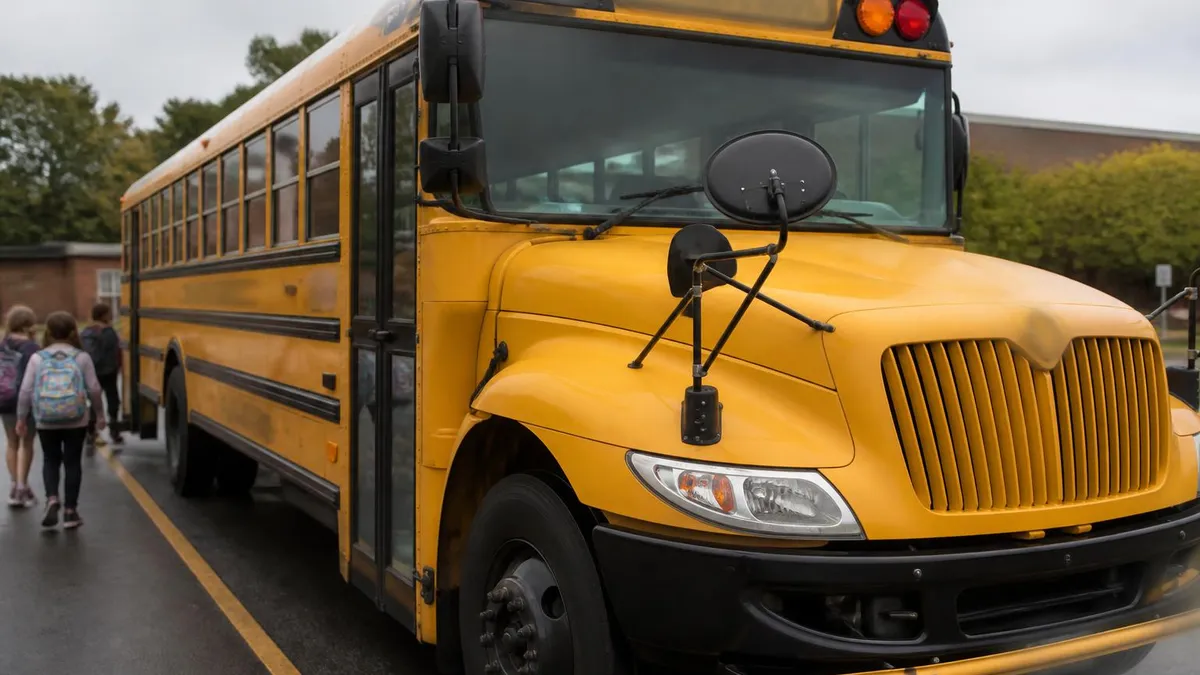
Endorsements deserve their own conversation. They're the add-ons that expand what your CDL lets you do—and each one comes with its own knowledge test (and sometimes a skills test too). Plan accordingly because cramming six endorsements in one sitting is a recipe for burnout. Most drivers add endorsements gradually as their careers shift. You don't have to grab them all at once.
The H endorsement (hazmat) is the most demanding. You'll need to pass a knowledge test based on Section 9, get fingerprinted, undergo a TSA background check, and pay extra fees. Allow 60+ days for the background check to clear. The X endorsement bundles tank and hazmat together—handy if you're driving fuel tankers. Passenger and school bus endorsements (P and S) require both knowledge tests and behind-the-wheel skills assessments specific to those vehicles. Yes, that means more time, more fees, and another round of pre-trip practice in the actual vehicle class.
The T endorsement (doubles/triples) is knowledge-only. Same with N (tank vehicles). One smart move: if you know you'll need multiple endorsements eventually, schedule your knowledge tests on the same day. PennDOT lets you take several in one visit, and you save trips to the office. Just don't try to take five knowledge tests in one morning if you haven't slept—mental fatigue tanks scores fast, and retakes cost time you don't want to lose.
PA CDL Testing Components
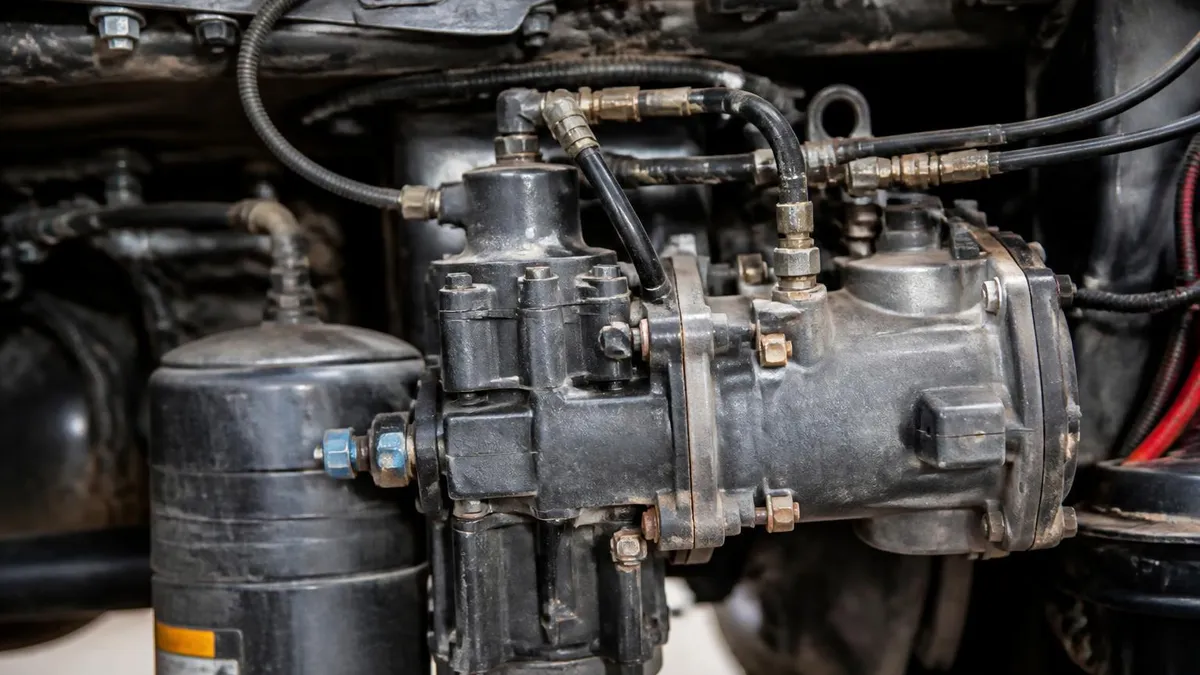
The skills test is where many candidates stumble. Not because they can't drive—but because they don't know exactly what the examiner is looking for. Pre-trip inspection is the biggest landmine. You're expected to walk around the vehicle and verbally identify components: brake chambers, slack adjusters, leaf springs, suspension airbags, the catalytic converter, exhaust system, fuel tanks, drive shafts, the works. Skip a step or mumble through a description, and points come off fast.
Practice it out loud. Seriously—say the words. Examiners want to hear you name parts and explain why they matter. "This is the brake chamber. I'm checking it's securely mounted and not leaking air." Memorize the sequence. The manual provides a complete pre-trip checklist in Section 11, and you'll want it second nature. Some candidates record themselves doing a full walk-around on their phone and play it back to spot the parts they skipped or rushed through.
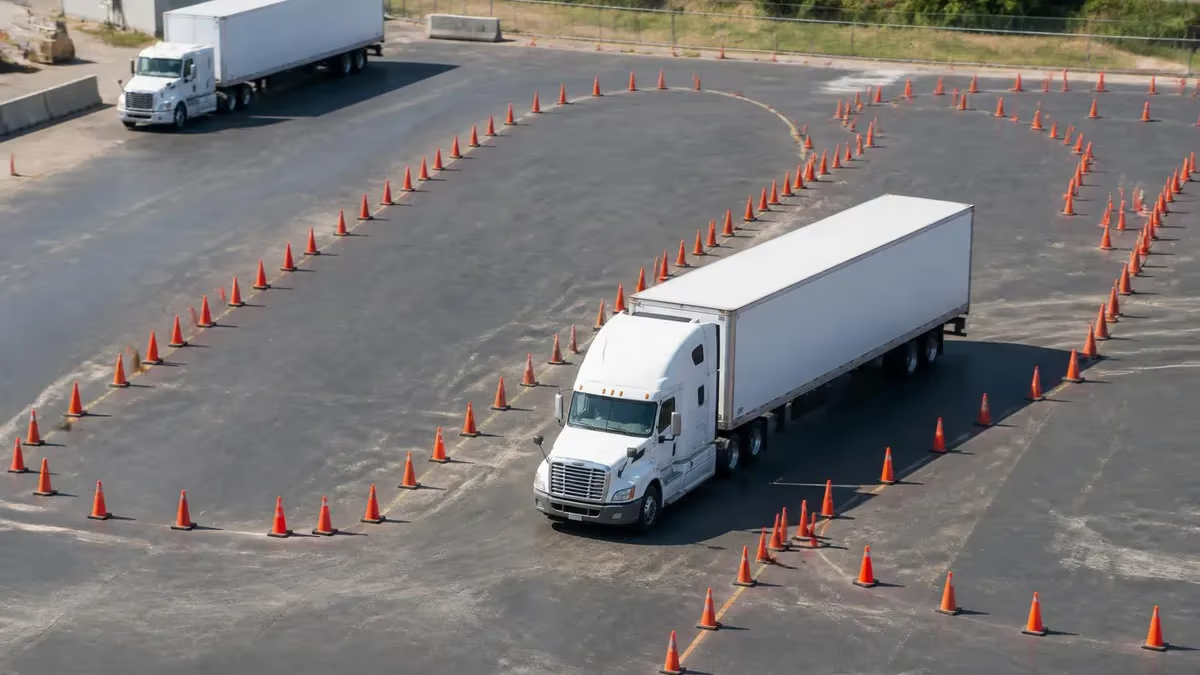
Basic vehicle control comes next. Straight-line backing sounds easy until you realize you need to keep the trailer within a narrow lane without crossing boundary lines. Offset backing and parallel parking demand even more precision. Most trucking schools dedicate days to this. Use that time. The on-road portion typically lasts 45 minutes to an hour and covers freeway merging, turns, traffic lights, railroad crossings, and downgrades. Examiners look for smooth deceleration, complete stops, mirror usage every 5 to 8 seconds, and signal use at every lane change. Old habits from passenger driving don't fly here.
More CDL applicants fail the pre-trip inspection than any other part of the skills test. Section 11 of the PA CDL Manual is your roadmap—and the examiner literally uses it as a checklist. Study it like your livelihood depends on it. Because it does.
Pennsylvania-specific rules deserve their own breakdown because federal regs and state regs don't always line up perfectly. Hours of Service (HOS) follow federal FMCSA standards on interstate routes—11 hours driving, 14-hour on-duty window, 10 hours off, the standard math. But intrastate (PA-only) drivers operating under 150 air miles from their base have slightly different exemptions, including a 16-hour on-duty allowance for short-haul work. If you only drive within Pennsylvania, learn the intrastate exemptions cold. They affect how you log your day and when you legally have to stop.
Weight limits are where PA gets specific. The state enforces a maximum gross vehicle weight of 80,000 pounds on interstate highways without a special permit. Single axle limits sit at 20,000 lbs; tandem axles at 34,000 lbs. Local roads and bridges may post lower limits—those bright orange signs aren't decoration, they're enforceable. The manual covers permit requirements for overweight or oversized loads, and PennDOT issues them through a separate online portal. Plan ahead; same-day permits aren't a sure thing.
Pennsylvania also has unique rules around idling. The Diesel-Powered Motor Vehicle Idling Act limits idling to five minutes per hour in most commercial vehicles. Exceptions exist for sleeper berths and extreme temperatures, but ignoring the rule earns hefty fines. The manual touches on this briefly; the full statute lives on PennDOT's environmental compliance page. Construction zones, school zones, and certain urban districts also carry enhanced speeding penalties for commercial vehicles, sometimes double the standard passenger fine. Worth knowing before you stack a few tickets.
PA CDL Application Checklist
- ✓Download the latest version of PUB 223 (the PA CDL Manual) directly from the official PennDOT website at dmv.pa.gov and save the PDF to multiple devices for easy access
- ✓Identify which sections of the manual apply to your specific CDL class and endorsements you plan to pursue, then prioritize those chapters in your study schedule
- ✓Complete Entry-Level Driver Training (ELDT) theory coursework from a provider listed on the FMCSA Training Provider Registry before scheduling your initial skills test
- ✓Bring acceptable proof of identity, Pennsylvania residency documentation, Social Security verification, and your DOT medical certificate to your Driver License Center visit
- ✓Schedule multiple knowledge tests in batches on the same day to save trips to PennDOT and reduce overall testing fees and travel time
- ✓Practice the full pre-trip inspection verbally—walk around your training vehicle and narrate every component check, building muscle memory for the actual skills test
- ✓Allow 60 or more days for hazmat background check clearance through TSA if you're pursuing the H endorsement, especially before accepting any hazmat-required job offer
Smart studying beats long studying. The PA CDL Manual rewards focused effort, not marathon read-throughs. Here's what actually works. Start with Section 2 (Driving Safely). Everyone needs it, and it sets the foundation. Read it twice—once for understanding, once for retention. Then move to Section 11 (pre-trip) because it shows up on both the knowledge test and the skills test. Double dipping. The more times concepts repeat in your study schedule, the better they stick.
Add endorsement sections based on your career path. Heading into long-haul freight? Sections 5 (air brakes) and 6 (combination vehicles) are non-negotiable. Driving a school bus? Sections 4 and 10. Tankers and hazmat? Sections 8 and 9. Don't waste hours on doubles/triples if you'll never pull a B-train. Tailor your prep to the job offer in front of you, not a hypothetical future career change.
Practice tests are your best friend here. Reading the manual builds knowledge. Practice questions build test stamina. They expose what you don't know, force recall under pressure, and mirror the actual exam format. PracticeTestGeeks offers free CDL practice tests pulled directly from the manual content—use them. Take five or six rounds before showing up at the testing center. By then, the questions feel familiar instead of intimidating. Aim for consistent 90%+ scores on practice tests before you book the real one. If you're scraping by at 80%, you're not ready yet—keep grinding.
PA CDL Manual Pros and Cons
- +Completely free PDF from PennDOT—there's no cost barrier to studying for your CDL knowledge tests
- +Covers every CDL class and endorsement in one comprehensive document, eliminating the need for multiple study guides
- +Reflects current federal motor carrier safety regulations along with Pennsylvania-specific rules and exemptions
- +Same source material PennDOT examiners use to write knowledge test questions, so studying it gives you a direct test advantage
- +Available 24/7 on any device for flexible study sessions whenever your schedule allows
- −Dense—over 200 pages of technical content can overwhelm new readers without a structured study plan in place
- −Doesn't include practice questions or quizzes to test your retention, so you'll need supplementary practice tests
- −Updates can happen without major announcements—always pull the freshest PDF from dmv.pa.gov before testing
- −Limited visual aids and diagrams; some technical concepts like air brake operation beg for video explanations
- −No interactive elements, bookmarking helpers, or progress tracking built into the PDF format itself
Pros and Cons at a Glance
| Pros | Cons |
|---|---|
| Completely free PDF from PennDOT—there's no cost barrier to studying for your CDL knowledge tests | Doesn't include practice questions or quizzes to test your retention, so you'll need supplementary practice tests |
| Covers every CDL class and endorsement in one comprehensive document, eliminating the need for multiple study guides | Updates can happen without major announcements—always pull the freshest PDF from dmv.pa.gov before testing |
| Reflects current federal motor carrier safety regulations along with Pennsylvania-specific rules and exemptions | Limited visual aids and diagrams; some technical concepts like air brake operation beg for video explanations |
| Same source material PennDOT examiners use to write knowledge test questions, so studying it gives you a direct test advantage | No interactive elements, bookmarking helpers, or progress tracking built into the PDF format itself |
Speaking of weak spots—the manual covers everything, but it doesn't walk you through it like a teacher would. Some sections, especially air brakes and combination vehicles, throw a lot of mechanical concepts at you without much hand-holding. If you're not coming from a mechanical background, supplement with YouTube videos or a CDL prep course. Visual demonstrations of how an air brake system actually engages will save you hours of trying to picture it from text alone. Same goes for fifth-wheel coupling, brake chamber pushrod travel, and trailer charging procedures.
For ELDT specifically, you can't just self-study and show up. The federal rule requires training from a provider listed on the FMCSA Training Provider Registry. Some are full-blown trucking schools (3 to 8 weeks of training, $4,000 to $10,000). Others are streamlined theory-only programs for endorsements ($150 to $500). Choose based on whether you need behind-the-wheel hours or just theory. The Registry's public-facing search tool lets you filter by location and program type. Some employers will even reimburse training costs once you're hired and complete a probationary period—ask before paying out of pocket.
One more pro tip. If you fail a knowledge test, PennDOT lets you retake it after a short waiting period—typically the next business day. Skills test retakes carry a fee and require rescheduling. Either way, don't let one failure rattle you. Most CDL holders failed at least one section their first time around. The manual's still your roadmap. Re-read the section, take another practice test, and try again. Persistence beats perfection here. The drivers who finish the process aren't the smartest—they're the ones who don't quit when a test goes sideways.
Once you've got the CDL in hand, the PA CDL Manual doesn't lose its value. It becomes your reference document. Questions about vehicle inspection requirements? Section 11. Refresher on hazmat placarding? Section 9. New regulation update? PennDOT amends the manual to reflect it. Keep that PDF saved—you'll thank yourself the first time you're audited or pulled into a roadside inspection wondering about a specific rule.
The CDL haul driver opens fast once you're licensed. PA's freight industry is huge—intermodal terminals near Harrisburg, refining infrastructure in the Pittsburgh region, agricultural transport across Lancaster County, and metro distribution hubs ringing Philadelphia. Entry-level drivers can expect $50,000 to $65,000 in the first year, with experienced regional and long-haul drivers pulling $70,000 to $90,000. Specialty endorsements (hazmat, tanker, doubles) typically add $5,000 to $15,000 annually.
The bottom line? The PA CDL Manual isn't a chore—it's a roadmap to a real career. Treat it that way. Read carefully, take practice tests aggressively, and don't shortcut the ELDT requirement. Pennsylvania needs commercial drivers, and PennDOT's process exists to make sure the ones on the road can handle what comes at them. Do the work. Pass the tests. Then start hauling.
One last reminder. Keep your medical certificate (DOT physical) current, renew your CDL on schedule (every four years in PA), and stay alert to federal regulation changes. The trucking industry evolves. The manual evolves with it. Stay sharp, and you'll stay employed. Pennsylvania's highways move freight every hour of every day—and the next generation of commercial drivers starts right here, with PUB 223 cracked open on a kitchen table somewhere. Your turn to grab the keys.
CDL Questions and Answers
About the Author

Licensed Driving Instructor & DMV Test Specialist
Penn State UniversityRobert J. Williams graduated from Penn State University with a degree in Transportation Management and has spent 20 years as a certified driving instructor and DMV examiner consultant. He has personally coached thousands of applicants through written knowledge tests, skills assessments, and commercial driver licensing programs across more than 30 states.
Join the Discussion
Connect with other students preparing for this exam. Share tips, ask questions, and get advice from people who have been there.
View discussion (7 replies)