

CAPE Practice Test
Updated for September 2026The field of adapted physical education plays a crucial role in ensuring that all students, regardless of their physical or cognitive abilities, can participate in physical activities and sports. The CAPE (Certified Adapted Physical Educator) credential is a professional certification designed to recognize educators who are qualified to teach physical education to students with disabilities. This guide provides a comprehensive overview of the CAPE test, certification requirements, and the necessary qualifications to succeed in this essential field.
CAPE Practice Test Questions
Prepare for the CAPE - Certified Adapted Physical Educator exam with our free practice test modules. Each quiz covers key topics to help you pass on your first try.
CAPE Assessment & Program Planning
CAPE Exam Questions covering Assessment & Program Planning. Master CAPE Test concepts for certification prep.
CAPE Curriculum Design & Adapted Activities
Free CAPE Practice Test featuring CAPE Curriculum Design & Adapted Activities. Improve your CAPE Exam score with mock test prep.
CAPE Exercise Science & Motor Development
CAPE Mock Exam on CAPE Exercise Science & Motor Development. CAPE Study Guide questions to pass on your first try.
CAPE Communication & Stakeholder Engagement
CAPE Test Prep for Communication & Stakeholder Engagement. Practice CAPE Quiz questions and boost your score.
CAPE Disability Classification & Conditions
CAPE Questions and Answers on Disability Classification & Conditions. Free CAPE practice for exam readiness.
CAPE Foundations of Adapted Physical Educa...
CAPE Mock Test covering Foundations of Adapted Physical Education. Online CAPE Test practice with instant feedback.
CAPE Instructional Strategies & Inclusion ...
Free CAPE Quiz on Instructional Strategies & Inclusion Techniques. CAPE Exam prep questions with detailed explanations.
CAPE Legal, Ethical & Professional Respons...
CAPE Practice Questions for Legal, Ethical & Professional Responsibilities. Build confidence for your CAPE certification exam.
CAPE Professional Ethics & Standards
CAPE Test Online for Professional Ethics & Standards. Free practice with instant results and feedback.
Key Takeaways
Free CAPE Practice Test Online
The CAPE test is essential for educators seeking certification as Certified Adapted Physical Educators, ensuring they possess the necessary competencies in adapted physical education.
Adaptive physical education certification focuses on inclusion, curriculum development, collaboration, and ongoing professional development to enhance educational outcomes for students with disabilities.
Educational requirements for adapted physical education specialists typically include a bachelor's degree, specialized coursework, practical experience, and passing the CAPE test.
Adapted physical education courses provide educators with the knowledge and skills necessary to effectively teach students with disabilities and prepare for certification exams.
Qualifications for adapted physical education aides include educational background, experience with students with disabilities, communication skills, physical fitness, and empathy.
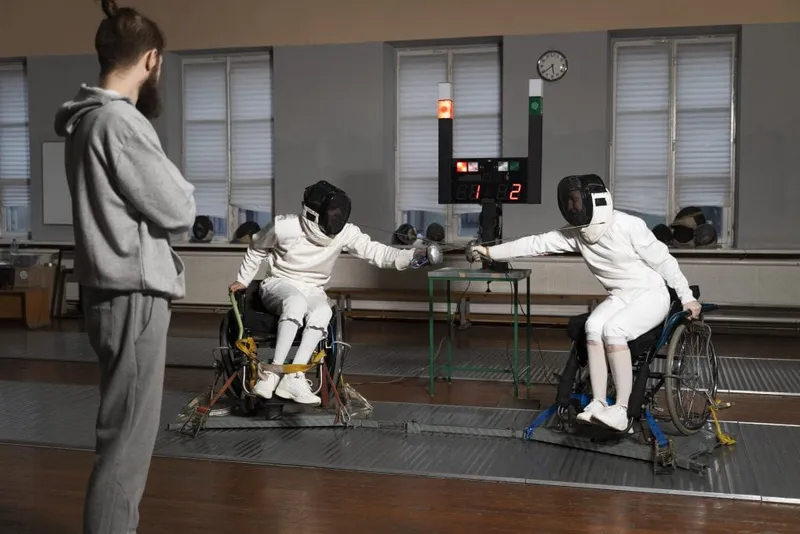
CAPE Test: Certified Adapted Physical Educator Exam
The CAPE test is a pivotal component for educators looking to specialize in adapted physical education. This examination evaluates a candidate's knowledge and skills related to teaching physical education to students with diverse needs. Key aspects of the CAPE test include:
Purpose: The CAPE exam aims to ensure that educators possess the necessary competencies to create inclusive physical education programs. It underscores the commitment to adapting physical activities to meet the unique needs of students with disabilities.
Test Format: The exam typically consists of multiple-choice questions that cover a variety of topics, such as motor development, adaptive sports, assessment techniques, and effective teaching strategies. Candidates may also encounter scenario-based questions to assess their practical application of knowledge.
Eligibility Criteria: Candidates must generally hold a bachelor’s degree in physical education, special education, or a related field. Additionally, prior teaching experience or coursework in adapted physical education is often required.
Testing Locations and Frequency: The CAPE test is administered at various testing centers throughout the year. Candidates should check with the certifying organization for specific dates and locations to plan accordingly.
- ✓Confirm your exam appointment and location
- ✓Bring required identification documents
- ✓Arrive 30 minutes early to check in
- ✓Read each question carefully before answering
- ✓Flag difficult questions and return to them later
- ✓Manage your time — don't spend too long on one question
- ✓Review flagged questions before submitting
Adaptive Physical Education Certification
Adaptive physical education certification is essential for educators who wish to specialize in teaching physical education to students with disabilities. This certification not only enhances an educator's professional credentials but also ensures that they are well-equipped to create inclusive environments. Key features of adaptive physical education certification include:
Focus on Inclusion: The certification emphasizes the importance of modifying physical education programs to accommodate the needs of all students, fostering a sense of belonging and participation.
Curriculum Development: Certified educators learn to develop and implement individualized education plans (IEPs) tailored to the unique needs of each student, ensuring appropriate adaptations and modifications.
Collaboration Skills: Educators with adaptive physical education certification are trained to collaborate effectively with other professionals, such as occupational therapists and special education teachers, to provide a comprehensive approach to student development.
Ongoing Professional Development: Maintaining adaptive physical education certification typically requires continuing education credits, ensuring that educators remain current with the latest research and best practices in the field.
Adapted Physical Education Specialists Education Requirements
To become an adapted physical education specialist, candidates must meet specific educational requirements that prepare them for the challenges of working with students with diverse abilities. The educational pathway includes:
Bachelor’s Degree: Candidates are usually required to hold a bachelor’s degree in physical education, special education, kinesiology, or a related field. This foundational education is critical for understanding both physical education and the needs of students with disabilities.
Specialized Coursework: Many programs require coursework specifically related to adapted physical education, covering topics such as motor skills development, assessment strategies, and inclusive teaching methods.
Practical Experience: Most educational programs include a practical component, such as an internship or student teaching experience, where candidates work directly with students in adapted physical education settings. This hands-on experience is invaluable for developing effective teaching strategies.
Certification Examination: After fulfilling the educational requirements, candidates must pass the CAPE test to demonstrate their competence and readiness to work as adapted physical education specialists.
Adapted Physical Education Courses
Adapted physical education courses are essential for educators seeking to specialize in this field. These courses provide the knowledge and skills necessary to effectively teach physical education to students with disabilities. Key aspects of adapted physical education courses include:
Course Content: Adapted physical education courses typically cover a range of topics, including adaptive sports, behavior management, inclusive teaching strategies, and the assessment of student progress.
Hands-On Learning Opportunities: Many courses incorporate practical experiences, allowing educators to apply theoretical knowledge in real-world situations. This may involve observing adapted physical education classes or participating in hands-on activities.
Collaborative Learning: Educators often work in groups, sharing insights and strategies with peers. Collaborative projects foster a deeper understanding of the challenges and opportunities within adapted physical education.
Certification Preparation: Adapted physical education courses often align with the content covered in the CAPE test, helping candidates prepare for the certification examination and ensuring they are knowledgeable about current best practices.
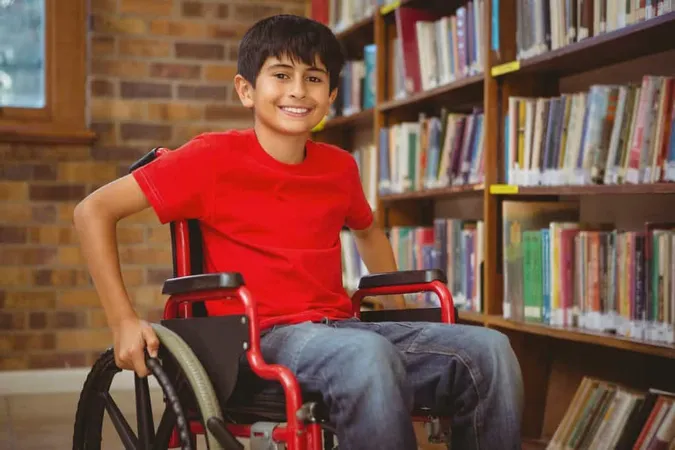
Qualifications for Adapted Physical Education Aide
An adapted physical education aide plays a supportive role in helping students with disabilities participate in physical education activities. The qualifications for this position are essential for ensuring effective support. Key qualifications include:
-
Educational Background: While specific educational requirements may vary, many adapted physical education aide positions require a high school diploma or equivalent. Some roles may prefer or require coursework in physical education, special education, or related fields.
-
Experience Working with Students with Disabilities: Previous experience in educational settings, particularly with students who have disabilities, is often preferred. This experience helps aides understand the unique needs and challenges faced by these students.
-
Communication Skills: Adapted physical education aides must possess strong communication skills to effectively work with teachers, therapists, and students. Clear communication is essential for fostering a supportive learning environment.
-
Physical Fitness: Aides should maintain a level of physical fitness to assist students in various activities, demonstrating exercises, and providing physical support as needed.
-
Empathy and Patience: Working with students with disabilities requires a high degree of empathy and patience. Aides should be prepared to adapt their support to meet the emotional and physical needs of each student.
Conclusion
The role of Certified Adapted Physical Educators is vital in promoting inclusive environments that encourage physical activity and engagement among students with disabilities. By understanding the CAPE test, certification requirements, and the qualifications necessary for both specialists and aides, educators can better prepare themselves to make a meaningful impact. Pursuing adapted physical education certification not only enhances an educator's professional qualifications but also empowers students to lead healthier, more active lives.
FAQs
What is the CAPE certification?
The CAPE certification recognizes educators who have the knowledge and skills to teach physical education to students with disabilities.
What are the educational requirements for becoming an adapted physical education specialist?
Candidates typically need a bachelor’s degree in physical education, special education, or a related field, along with specialized coursework and practical experience.
How can I prepare for the CAPE test?
Preparation for the CAPE test includes studying relevant coursework, utilizing practice exams, and gaining hands-on experience in adapted physical education settings.
What qualifications are needed for an adapted physical education aide?
Qualifications generally include a high school diploma, experience working with students with disabilities, and strong communication and interpersonal skills.
Are there continuing education requirements for adapted physical educators?
Yes, many certification programs require ongoing professional development to maintain certification, ensuring educators remain current with best practices.
CAPE: Pros and Cons
- +CAPE certification validates expertise recognized by employers nationwide
- +Certified professionals typically earn 15-20% higher salaries
- +Opens doors to advanced positions and leadership roles
- +Demonstrates commitment to professional standards and ethics
- +Builds a strong professional network through certification communities
- −Exam preparation typically requires 2-4 months of dedicated study
- −Certification and exam fees can range from $150-$500+
- −Must complete continuing education to maintain active certification
- −Pass rates vary — thorough preparation is essential for success
- −Some certifications require prerequisite experience or education
(CAPE) Certified Adapted Physical Educator Questions and Answers
About the Author

Certified Professional Development Expert & Niche Certification Advisor
University of Pennsylvania Graduate School of EducationDr. Alexandra Kim holds a PhD in Professional Studies from the University of Pennsylvania and is a Certified Professional in Learning and Performance (CPLP) and Certified Professional in Talent Development (CPTD). With 17 years of corporate training and professional certification advisory experience, she helps professionals navigate specialized, emerging, and cross-industry certification programs.
Join the Discussion
Connect with other students preparing for this exam. Share tips, ask questions, and get advice from people who have been there.
View discussion (8 replies)