
Licensed Bartender: Complete Training Guide and Requirements for 2026 September
Become a licensed bartender in 2026 September. Requirements, training steps, costs, and certification tips for all 50 states. ✅

Becoming a licensed bartender in the United States is one of the most rewarding paths in the hospitality industry, offering flexible hours, strong earning potential, and daily social interaction. Whether you are just starting out or transitioning from another career, understanding the full licensing landscape is the critical first step. Requirements vary significantly by state, so knowing exactly what your jurisdiction demands will save you time, money, and frustration before you ever step behind the bar.
The path to licensure typically involves completing an alcohol server training course, meeting your state's minimum age requirement, and in some cases passing a formal certification exam. Many states require Responsible Beverage Service (RBS) training before you can legally pour a single drink. Others have no mandatory state-level license but expect individual employers or counties to enforce training standards. Researching your local rules is not optional — it is the foundation of a compliant career.
Training programs range from brief online modules lasting just a few hours to comprehensive bartending school curricula spanning several weeks. Both paths can satisfy legal requirements depending on your state, but they deliver very different skill sets. Online RBS courses cover liability law, signs of intoxication, and refusal techniques. Full bartending school adds hands-on practice with equipment, cocktail recipes, speed drills, and customer service skills that employers actually value at the point of hire.
Cost is a real consideration for anyone entering the profession. State-mandated alcohol server training certificates typically run between $10 and $50. Nationally recognized certifications from organizations like TIPS (Training for Intervention ProcedureS) or ServSafe Alcohol cost between $30 and $75. Full bartending schools can range from $200 for a short community college course all the way up to $1,200 or more for private programs. Understanding which credential your target employers actually recognize helps you spend wisely rather than over-investing in credentials that add no hiring advantage.
Employers in high-volume venues — hotel bars, casino floors, concert arenas, and upscale cocktail lounges — often look for candidates who have gone beyond minimum state requirements. Holding a nationally portable credential signals professionalism, reduces the employer's liability exposure, and can justify a higher starting wage. In competitive markets like New York City, Las Vegas, or Miami, a nationally recognized certification combined with genuine cocktail knowledge will consistently outperform a bare state certificate on a résumé.
The bartending job market remains strong heading into 2026. The Bureau of Labor Statistics projects steady demand for bartenders, with the median annual wage sitting around $31,000 to $35,000 in base pay — significantly boosted by tips that can push total annual compensation well above $50,000 in busy establishments. Fine dining, resort, and craft cocktail bar positions routinely report tip income of $200 to $400 per shift, making the earning ceiling far higher than many entry-level hospitality roles.
This guide walks you through every stage of the licensing journey: understanding state-by-state requirements, choosing the right training program, mastering bar law and cost control, and ultimately launching a career that is both legally compliant and professionally competitive. By the end, you will have a clear action plan tailored to your specific situation, including the practice resources you need to pass any required exams on your first attempt.
Licensed Bartender Industry by the Numbers

How to Become a Licensed Bartender: Step-by-Step Path
Verify Your State's Requirements
Complete Alcohol Server Training
Enroll in a Bartending Training Program
Obtain Required Permits or Cards
Pass Certification Exams if Required
Apply for Bartending Positions
Choosing the right training program is arguably the most consequential decision you will make on the road to becoming a licensed bartender. The market is crowded with options, and not all credentials carry equal weight with hiring managers. Understanding the difference between regulatory compliance training and professional skill development will help you allocate your time and budget toward programs that actually advance your career rather than simply checking a legal box.
Responsible Beverage Service (RBS) training is the baseline legal requirement in most US states. These courses focus exclusively on liability reduction: how to check IDs properly, how to recognize the behavioral signs of intoxication, how to refuse service without escalating conflict, and what your legal exposure looks like if an intoxicated patron causes harm after leaving your establishment. TIPS (Training for Intervention ProcedureS) is the most widely recognized national RBS provider, with certification accepted in all 50 states. ServSafe Alcohol, offered by the National Restaurant Association, is a strong second choice and is specifically mandated by some state ABC agencies.
Bartending school programs go far beyond RBS content and teach the practical craft skills employers evaluate during working interviews. A quality program will cover the major cocktail families (sours, highballs, martinis, old-fashioneds, fizzes), free-pour technique and measured pouring, glassware selection and garnish presentation, speed bar setup and well organization, and basic inventory management. Schools vary enormously in quality, so look for programs that provide real bar equipment, time behind an actual bar top, and access to industry instructors with verifiable professional experience.
Community college bartending programs deserve more attention than they typically receive. These courses, offered in states like California, Texas, Florida, and New York, often cost under $300, run for 6–10 weeks, and cover both RBS content and practical skills. Some include TIPS or ServSafe exam preparation within the curriculum. Because they are accredited institutions, their certificates carry credibility with corporate hospitality chains that might be skeptical of lesser-known private schools. If your budget is limited, a community college program combined with independent cocktail study at home is a highly efficient approach.
Online bartending courses have proliferated in recent years, and while they cannot replace hands-on practice, they provide excellent supplementary education. Platforms like Udemy, Coursera, and dedicated bartending education sites offer video-based lessons on cocktail theory, spirits knowledge, and bar management. These are particularly valuable for candidates who already have entry-level bar experience and want to deepen their knowledge before pursuing positions at more prestigious venues. Pairing an online course with regular practice sessions — even mixing drinks at home — builds the muscle memory that separates competent bartenders from exceptional ones.
Nationally recognized professional certifications beyond RBS are worth considering if you plan to work at high-end properties. The United States Bartenders' Guild (USBG) offers education programs and a professional network that opens doors at craft cocktail bars and competition circuits. The BarSmarts program, developed in partnership with Pernod Ricard, is respected in the spirits industry and covers advanced cocktail theory, distilling knowledge, and flavor pairing. These credentials are not required for most bartending jobs, but they signal a level of passion and commitment that differentiates candidates in a competitive applicant pool.
Whichever training path you choose, supplement your coursework with dedicated exam preparation. Bar law, liquor regulations, and inventory cost control are the three areas where candidates most frequently struggle on certification assessments. Practice tests that simulate real exam conditions help you identify knowledge gaps before test day, build time management habits, and reduce test anxiety through familiarity with question formats. Consistent low-stakes practice — 20 questions per day for two weeks — is measurably more effective than cramming the night before your exam.
Key Knowledge Areas for Licensed Bartenders
Every licensed bartender must understand the legal framework governing alcohol service in their jurisdiction. Dram shop laws hold establishments liable for injuries caused by visibly intoxicated patrons they continued to serve. In states like Texas, Illinois, and New Jersey, bartenders themselves can face personal civil liability. Knowing the legal threshold for intoxication, proper ID verification procedures (including spotting fakes), and the documentation required after an incident are non-negotiable professional competencies that protect both you and your employer.
Liquor regulations extend beyond service rules into purchasing, storage, and sales compliance. Licensed establishments must buy alcohol exclusively from state-licensed distributors in most jurisdictions, maintain accurate purchase records, and comply with advertising and signage restrictions. Bartenders working in states with control systems — where the state monopolizes spirits sales, such as Pennsylvania or Utah — face additional compliance layers. Understanding these frameworks before your first shift prevents costly violations that can result in fines, license suspension, or criminal charges for both the bartender and the establishment.

Pros and Cons of Pursuing Licensed Bartender Certification
- +Strong earning potential with tips regularly doubling or tripling base hourly wages
- +Nationally portable credentials travel with you across state lines, expanding job opportunities
- +Flexible scheduling makes bartending compatible with school, family, or secondary careers
- +Clear legal protection — certified bartenders demonstrate due diligence in dram shop lawsuits
- +Career advancement path leads to bar management, beverage director, and ownership roles
- +High social energy environment suits outgoing personalities and builds lasting professional networks
- −Late-night and weekend hours can conflict with personal relationships and social commitments
- −Physical demands — standing 6–10 hours, lifting kegs, repetitive pouring — cause cumulative strain
- −Income volatility during slow seasons, bad weather, or economic downturns reduces financial predictability
- −Exposure to intoxicated, aggressive, or difficult customers is a daily occupational reality
- −State licensing fees, training costs, and permit renewals represent ongoing out-of-pocket expenses
- −Entry-level positions at lower-volume venues may produce disappointing tip income until experience builds
Licensed Bartender Certification Checklist
- ✓Verify your state's minimum age requirement for serving alcohol (18 or 21 depending on jurisdiction).
- ✓Research your state ABC agency's mandatory training or permit requirements before enrolling in any course.
- ✓Choose a state-approved RBS provider such as TIPS, ServSafe Alcohol, or Learn2Serve.
- ✓Complete your RBS course and pass the certification exam with a score of 75% or higher.
- ✓Apply for any required local permits, liquor cards, or server registrations through your ABC office.
- ✓Enroll in a hands-on bartending school or community college program to build practical craft skills.
- ✓Memorize the 40+ classic cocktail recipes most frequently tested in bartending school finals.
- ✓Practice free-pouring accuracy to consistently hit 1 oz, 1.5 oz, and 2 oz pours within 5% variance.
- ✓Study bar inventory math including pour cost formulas, variance calculations, and par-level setting.
- ✓Complete at least two full-length bar law and liquor regulations practice exams before your certification test.
Bar Law Questions Are the #1 Stumbling Block on Certification Exams
Surveys of bartending school graduates consistently show that bar law and liquor regulations questions cause the most exam failures — not cocktail recipes or pour technique. Dedicate at least 40% of your study time to dram shop liability, third-party responsibility laws, ID verification standards, and your state's specific permit requirements. Candidates who master the legal content section pass on their first attempt at a rate more than twice as high as those who prioritize recipe memorization alone.
The career outlook for licensed bartenders in 2026 is genuinely encouraging, particularly for candidates who invest in comprehensive training and build a diversified skill set. The Bureau of Labor Statistics projects employment of bartenders to remain stable through 2032, with the highest concentrations of jobs in California, Florida, Texas, New York, and Nevada. These five states together account for more than 35% of all bartending positions nationwide, and each offers a distinct market with different earning dynamics, licensing requirements, and venue types.
Earning potential is highly variable and heavily influenced by venue type. Bartenders at casual chain restaurants in mid-sized markets typically earn $18 to $24 per hour including tips. Hotel bar bartenders in major metro areas earn $28 to $38 per hour with benefits. Fine dining and craft cocktail bartenders in cities like New York, San Francisco, or Chicago regularly report take-home pay of $80,000 to $120,000 annually when tips are factored in. Casino bartenders on the Las Vegas Strip operate in yet another earning tier, with guaranteed gratuities and union representation providing strong income floors even on slow nights.
Advancement opportunities for experienced, credentialed bartenders extend well beyond the bar itself. Bar managers typically earn $45,000 to $65,000 annually in salaried roles, and beverage directors at hotel groups or restaurant chains can command $75,000 to $95,000 with full benefits packages. Brand ambassador roles with spirits companies are another high-paying lateral move, combining bartending expertise with marketing skills and offering travel budgets alongside competitive salaries. Some licensed bartenders launch independent consulting practices, advising restaurant owners on bar program development, cocktail menu design, and staff training systems.
The craft cocktail movement that reshaped American bar culture over the past 15 years continues to drive demand for technically skilled, knowledgeable bartenders who understand spirits production, flavor science, and cocktail history. Establishments investing in premium programs are willing to pay premium wages to attract candidates who can articulate why a particular rum works in a daiquiri or explain the difference between Japanese and Scotch whisky production methods. This knowledge premium rewards bartenders who pursue ongoing education beyond their initial certification.
Geographic mobility is a structural advantage of bartending credentials that is often underestimated. A TIPS or ServSafe Alcohol certification combined with verifiable bar experience makes you immediately employable in virtually any US market. Unlike many licensed professions where state-specific credentials create barriers to relocation, bartending skill sets transfer fluidly. This mobility is particularly valuable during economic slowdowns — bartenders can follow job demand to stronger regional markets rather than waiting for their local market to recover.
The gig economy has created additional earning avenues for licensed bartenders that were not widely available a decade ago. Mobile bartending for private events, corporate parties, weddings, and pop-up experiences represents a growing market where skilled bartenders can charge $35 to $75 per hour as independent contractors. Platforms connecting private event clients with licensed bartenders have reduced the friction of finding gig work, and bartenders who build strong client portfolios often supplement their primary bar income by $15,000 to $30,000 annually through weekend events alone.
Salary negotiation is an area where licensed and certified bartenders consistently outperform uncertified candidates. Presenting credentials during the hiring process allows you to anchor compensation discussions around documented competency rather than years of experience alone. Specific certifications in high-demand areas — TIPS certification, ServSafe Alcohol, USBG membership, or a wine service credential like WSET Level 2 — each serve as objective evidence of expertise that justifies a higher hourly rate or a more favorable tip pool arrangement before your first shift begins.

Most state-issued Responsible Beverage Service certificates expire after 2 or 3 years, and many employers are now required to verify current certification status before scheduling shifts. If your certificate lapses, you may be legally prohibited from serving alcohol until you recertify — meaning lost income during the renewal period. Set a calendar reminder 60 days before your expiration date and budget 3–4 hours to complete the renewal course online so your coverage never lapses.
Effective exam preparation separates candidates who pass certification assessments on their first attempt from those who face the cost and delay of retesting. The most common mistake bartending students make is treating exam prep as an afterthought — memorizing drink recipes obsessively while ignoring the bar law and cost control content that actually drives most exam failures. A strategic, content-balanced study plan built around practice testing will consistently outperform unstructured review of course notes.
Start your exam preparation by obtaining the official content outline from your certifying body or bartending school. Most programs publish a breakdown of exam topics and their relative weighting. If bar law and liquor regulations account for 30% of exam questions, allocate 30% of your study time to that material — not 10%. This sounds obvious, but most students naturally gravitate toward topics they find interesting (cocktail recipes) rather than topics they find challenging (dram shop liability calculations and state permit fee schedules). Forcing parity in your study time is the single most impactful habit adjustment most candidates can make.
Practice tests are the most effective preparation tool available, and using them correctly matters as much as using them frequently. Don't just answer practice questions — analyze your wrong answers in depth. When you miss a question about bar inventory variance, trace back to the underlying concept: do you understand what theoretical usage means, how to calculate it from sales data, and how to distinguish normal variance from theft indicators? Shallow review of answer keys builds false confidence; deep conceptual review of wrong answers builds genuine understanding that transfers to exam questions you've never seen before.
Spaced repetition is a proven memory technique that dramatically outperforms massed study sessions. Instead of reading your bar law chapter for four hours the night before the exam, review the same material in four 30-minute sessions spread across four days. Each review session reinforces neural pathways before they fully fade, creating stronger long-term retention. Apps like Anki allow you to create digital flashcards and automate spaced repetition scheduling for terms like dram shop liability, third-party responsibility, BAC thresholds, and permit renewal timelines.
Group study sessions with fellow bartending school students can accelerate learning for certain content types. Cocktail recipe memorization, in particular, benefits from verbal testing — having a study partner call out cocktail names while you recite ingredients and preparation methods engages different cognitive processes than reading alone. However, be selective about group study for bar law content: legal concepts require individual comprehension rather than collaborative memorization, and group study can create a false sense of shared understanding when one person in the group actually grasps the material while others simply follow along.
Physical and logistical preparation on exam day affects performance more than most candidates expect. Arrive at your testing location 15 minutes early to reduce anxiety and complete any check-in procedures without rushing. Eat a solid meal beforehand — cognitive performance measurably declines when blood sugar is low. If your exam is computer-based, take any available practice exam in the same software environment beforehand so the interface feels familiar. Read every exam question twice before selecting your answer; certification exam writers frequently include answer choices that are close but subtly wrong, and slow, deliberate reading catches these traps that rushing misses.
After passing your certification exam, keep digital and physical copies of your certificate accessible at all times. Many states and employers now use online verification systems that allow instant credential checking, so registering your certificate in your state's verification database immediately after receiving it prevents administrative delays when you apply for positions. Building a professional portfolio — your RBS certificate, bartending school diploma, any specialty spirit certifications, and letters of recommendation from supervisors — gives you a polished package to present at every hiring interview that signals the professionalism employers at premium venues are actively seeking.
Translating your certification into real-world bartending success requires practical preparation that goes beyond what any exam can test. The bartenders who thrive in their first year behind a professional bar are those who walk in having already internalized efficient workflows, developed product knowledge beyond their school curriculum, and built the physical habits that make high-volume service look effortless to guests. Licensing opens the door — professional habits keep you employed and accelerate your advancement once you are through it.
Station setup is the foundation of high-speed bar service, and mastering it before your first shift pays dividends that compound every night you work. Learn to set up your well in the same order every shift so your hand reaches the correct bottle automatically without visual confirmation. Keep your most frequently used spirits, mixers, and garnishes within arm's reach in consistent positions.
Pre-batch high-volume cocktails — margarita mix, simple syrup, sour mix — at the start of each shift to reduce single-drink preparation time during rush periods. A bar that is properly organized before doors open generates 20 to 30% more revenue during peak hours than an identical bar with inconsistent setup habits.
Product knowledge is your most powerful upsell tool and your strongest defense against customer complaints. Know the basic flavor profiles, production regions, and price tiers of every spirit brand you carry.
When a guest asks for a whiskey recommendation, a bartender who can articulate the difference between a high-rye bourbon and a wheat-forward bourbon — and match that to the guest's stated preference — will sell a $14 pour instead of an $8 well spirit, improving both the check average and the tip. Dedicate 30 minutes per week to tasting and studying a new spirit category, and within a year you will have comprehensive knowledge that most bartenders never develop.
Customer service skills differentiate good bartenders from great ones in ways that show up directly in tip percentages. The most impactful habits are deceptively simple: make eye contact with every guest within 30 seconds of them sitting down, even if you cannot immediately serve them; address regulars by name; remember drink preferences of frequent guests; and close every interaction with a genuine, personalized comment rather than a generic farewell. These micro-moments of connection build loyalty that translates into $5-per-drink tips instead of $2-per-drink tips across hundreds of interactions per shift.
Conflict de-escalation is a skill every working bartender encounters regularly, and handling difficult situations well protects both your personal safety and your establishment's reputation. When a guest becomes aggressive after being cut off, use a calm, even tone and physically move to create space between yourself and the guest.
Avoid arguing or justifying your refusal decision in detail — a simple, firm statement that you are following house policy and are happy to arrange a safe ride home for them is the appropriate response. Know where your establishment's panic button, security team, or designated contact person is located before any situation requiring their involvement arises.
Building your professional network from day one creates opportunities that rarely appear through job boards alone. Attend local USBG chapter events, participate in cocktail competitions even at the entry level, and introduce yourself to spirits company representatives when they visit your bar for product education sessions. The bartending community is tighter-knit than it appears from the outside, and most high-profile job openings are filled through direct referrals from trusted industry contacts rather than public postings. Every positive professional interaction is a potential career-advancing connection.
Finally, approach your career as a continuous learning journey rather than a destination reached at certification. The spirits industry evolves constantly — new distilling techniques, emerging cocktail trends, shifting guest preferences, and evolving compliance regulations all require ongoing education to stay current.
Subscribe to industry publications, follow respected bartenders on professional social platforms, and set a personal goal of learning one new skill or deepening one area of knowledge each month. Bartenders who commit to this growth mindset consistently outpace peers who treat their initial certification as the end of their education rather than the beginning of a long and rewarding professional journey.
Bartender Bartender Questions and Answers

Bartender Age Requirements: Complete Certification & Licensing Guide for 2026
Bartending Classes Near Me: How to Find, Compare, and Choose the Right Local Training Program in 2026
How to Become a Bartender by State: Complete Requirements Guide for All 50 States
What Does the Term Bruising Mean in Bartending? A Complete Guide to Shaken Cocktail Science
Lady Bartender: A Complete Guide for Women Behind the Bar in 2026
About the Author
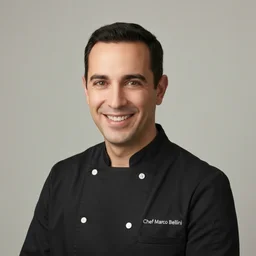
Executive Chef & Culinary Arts Certification Educator
Culinary Institute of AmericaChef Marco Bellini is a Certified Executive Chef and graduate of the Culinary Institute of America with over 20 years of professional kitchen experience in Michelin-recognized restaurants. He teaches culinary arts certification, food safety, and hospitality exam preparation, having guided thousands of culinary students through their ServSafe, ProStart, and professional chef certifications.
Join the Discussion
Connect with other students preparing for this exam. Share tips, ask questions, and get advice from people who have been there.
View discussion (7 replies)