
Bartending Positions Explained: Every Role Behind the Bar and What It Takes to Land One
Explore every bartending position from barback to head bartender. Learn duties, pay, and how to advance your bar career. 🎯

Understanding the full range of bartending positions is the single most important step you can take before entering the hospitality industry. The bar world is not a flat hierarchy where everyone does the same job — it is a layered ecosystem of specialized roles, each with distinct responsibilities, earning potential, and career trajectories. Whether you are brand new to the industry or a seasoned server looking to make the jump behind the stick, knowing exactly what each position entails puts you miles ahead of the competition during interviews and training alike.
The term "bartender" often gets used as a catch-all, but experienced hospitality professionals know that a barback, a bar porter, a lead bartender, and a beverage director are four completely different jobs requiring very different skill sets. Each role on the bar team contributes to the overall guest experience in a unique way. A well-run bar operates almost like a professional kitchen brigade — every person knows their lane, communicates clearly, and executes their tasks with precision so that service flows seamlessly even during the most punishing Friday-night rushes.
Salary ranges across bartending positions vary dramatically. Entry-level barbacks in mid-size US cities typically earn between $12 and $16 per hour plus tip-outs, while experienced head bartenders in major metropolitan markets can clear $80,000 to $120,000 annually when tips are factored in. Beverage directors and bar managers often earn salaried compensation ranging from $55,000 to $95,000 depending on venue size, ownership structure, and geographic market. Understanding where each role falls on that earnings spectrum helps you set realistic expectations and build a smart career roadmap.
Certification plays an increasingly important role in differentiating candidates across all bartending positions. Employers at upscale cocktail lounges, hotel bars, and multi-unit restaurant groups actively screen for candidates who hold recognized credentials such as TIPS, ServSafe Alcohol, or the Certified Specialist of Spirits (CSS) designation. These credentials signal professionalism, liability awareness, and commitment to the craft. Some states even require responsible-service training as a condition of employment, making certification not just a resume booster but a legal prerequisite in certain markets.
The bar industry in the United States employs roughly 650,000 bartenders at any given time, according to Bureau of Labor Statistics data, and that figure does not include the hundreds of thousands of barbacks, bar supervisors, and beverage managers who round out bar teams nationwide. Job growth projections for food and beverage service roles hover around 9 percent through 2032, meaning demand for qualified bar professionals will continue to outpace supply in most markets. This is genuinely good news for anyone serious about building a career behind the bar.
One thing that surprises many newcomers is how much formal preparation improves outcomes even for entry-level positions. Applicants who walk into interviews with a working knowledge of classic cocktail families, basic inventory concepts, and state liquor laws consistently outperform candidates who rely solely on personality and enthusiasm. That preparation does not happen overnight — it requires intentional study, hands-on practice, and ideally some structured education. Throughout this guide you will find concrete information about every major bartending role, what employers actually look for, and how to build the foundational knowledge that accelerates advancement at every stage of your career.
Whether your goal is to land your first barback shift this weekend or to eventually open your own craft cocktail bar, the roadmap starts here. Read every section carefully, take notes on the roles that align with your strengths, and use the practice quizzes embedded throughout to test your knowledge of bar law, inventory control, and service techniques — the same content areas that show up in bartending certification exams across the country.
Bartending Positions by the Numbers

The Core Bartending Positions You Need to Know
The entry-level engine of any bar team. Barbacks restock spirits, cut garnishes, wash glassware, change kegs, and keep ice bins full. This role builds foundational speed, organization, and product knowledge — the launchpad for every successful bartending career.
The core customer-facing role responsible for crafting cocktails, managing a section, processing payments, and maintaining compliance with liquor laws. A skilled bartender balances speed, accuracy, upselling technique, and genuine hospitality simultaneously during high-volume service periods.
Senior bartenders who mentor junior staff, manage opening and closing procedures, handle escalated guest issues, and often assist with menu development. Lead bartenders bridge the gap between front-line service and bar management without taking on full administrative duties.
Oversees daily bar operations including scheduling, vendor relationships, purchasing, inventory management, and staff training. Bar managers are accountable for labor cost percentages, pour-cost targets, and overall beverage program profitability across one or multiple venues.
The highest rung in most bar hierarchies. Beverage directors design cocktail menus, negotiate supplier contracts, manage multi-location beverage programs, control budgets exceeding $500K annually, and often represent the brand at industry events, trade shows, and media appearances.
Every bartending position — from barback to beverage director — demands a core set of transferable skills that employers assess during the hiring process and continue evaluating throughout your tenure. The most universally valued skill is speed without sacrificing accuracy. During a busy Saturday night at a 200-seat restaurant, a bartender who can execute ten cocktails per minute with zero variance is worth far more to an operator than one who crafts a visually stunning drink in three minutes flat. Speed is learnable, but it requires deliberate repetition over months, not days.
Product knowledge sits at the foundation of every bar role. You do not need to memorize every expression from every distillery on earth, but you do need a working command of core spirit categories — whiskey, vodka, gin, rum, tequila, mezcal, brandy — their primary flavor profiles, how they interact with mixers and modifiers, and which classic cocktails showcase each one.
Guests routinely ask for recommendations, and your ability to provide confident, accurate guidance directly influences check averages and tip percentages. Most experienced bartenders find that deep product knowledge develops naturally over one to two years of consistent behind-the-bar experience supplemented by deliberate self-study.
Compliance and legal awareness are non-negotiable across all bartending positions. Every person who serves alcohol in a commercial setting carries personal liability exposure under dram shop statutes, which exist in 43 US states. These laws can hold servers and their employers financially responsible for damages caused by intoxicated guests after they leave the premises. Understanding when and how to refuse service, how to identify signs of intoxication, and what documentation to create when an incident occurs is critical knowledge that no responsible bar professional can afford to skip. This is precisely why responsible-service certifications carry so much weight with employers.
Communication skills are underrated in bar hiring conversations but overvalued by operators who have managed high-performing bar teams. A bartender who communicates clearly with kitchen staff, barbacks, servers, and guests simultaneously — without raising their voice, losing their cool, or missing a drink order — is an asset worth fighting to retain. Communication encompasses active listening, reading guest body language, de-escalating tense situations, and delivering difficult news like a last-call announcement without triggering conflict. These skills are partly innate but largely developed through experience and intentional self-reflection after each service shift.
Physical stamina and ergonomic awareness matter more than most applicants realize when researching bartending positions. A standard bar shift runs eight to twelve hours, much of it spent standing on hard surfaces, reaching, lifting cases of spirits, and moving quickly in tight spaces. Back injuries, repetitive-stress injuries to wrists and shoulders, and foot problems are common among bartenders who neglect proper footwear, lifting technique, and posture habits. Investing in quality non-slip footwear and learning proper lifting mechanics before your first shift is a smart move that pays dividends years down the road.
Financial literacy increasingly separates good bartenders from great ones. Understanding pour costs, recipe costing, variance analysis, and basic P&L concepts makes you a far more valuable employee and a much stronger candidate for promotion into bar management. Many working bartenders have zero formal training in these areas and rely entirely on their managers to handle numbers.
If you take the initiative to learn basic beverage cost formulas — pour cost percentage equals cost of goods divided by revenue times 100 — you will immediately stand out in any management-track conversation. Several bartending certification programs now include inventory and cost-control modules precisely because operators have demanded it.
Emotional intelligence rounds out the skill profile of a truly elite bar professional. The ability to read a table, sense when a guest wants to be left alone versus engaged in conversation, recognize early warning signs of over-service situations, and respond to complaints without becoming defensive distinguishes career bartenders from people who simply pass through the industry. Emotional intelligence is difficult to teach in a classroom setting but can be deliberately cultivated through practice, mentorship, and honest post-shift reflection about how specific guest interactions played out and what you might have done differently.
Career Paths Across Bartending Positions
Most successful bartenders begin their careers as barbacks, a position that demands physical endurance, meticulous organization, and a genuine eagerness to learn. A typical barback shift involves restocking over 50 bottles per night, replacing empty kegs, maintaining sanitizer solution levels, polishing hundreds of glasses, and ensuring that ice bins never drop below safe service levels. Barbacks who master these fundamentals within three to six months and demonstrate real cocktail curiosity almost always earn bartending opportunities within their own venue — skipping the external job search entirely.
The transition from barback to bartender typically happens when a scheduled bartender calls out sick and management needs someone to step in, or when a new venue opens and internal candidates are promoted to fill positions. Smart barbacks accelerate this timeline by shadowing bartenders during slow hours, memorizing the house cocktail menu, studying spirit categories on their own time, and volunteering to help with inventory counts. Employers notice ambition and preparation — and reward it with opportunity far more reliably than raw talent alone.

Pros and Cons of Pursuing Bartending as a Career
- +High earning potential through tips, especially in major metro markets
- +Flexible scheduling options including nights, weekends, and part-time shifts
- +Fast career advancement possible within 2-4 years with the right approach
- +Creative outlet through cocktail development and menu design
- +Strong social environment with regular guest relationships and team camaraderie
- +Transferable skills — inventory, cost control, leadership — that open doors beyond bars
- −Physical demands are significant — 10-hour shifts on hard floors are the norm
- −Income is unstable — tip earnings fluctuate sharply with seasons and economic conditions
- −Late-night and weekend schedules can strain personal relationships and social life
- −Exposure to alcohol creates real risks of over-consumption for some professionals
- −Dram shop liability exposure is personal and can be financially devastating
- −Career advancement slows dramatically without intentional skill development and certification
Certification Checklist for Every Bartending Position
- ✓Complete a TIPS, ServSafe Alcohol, or state-approved responsible-service training course.
- ✓Study your state's specific dram shop liability statutes and legal BAC thresholds.
- ✓Learn to calculate pour cost percentage using the standard cost-of-goods formula.
- ✓Memorize the five classic cocktail families: sour, fizz, highball, stirred, and built.
- ✓Practice speed drills — aim to build a 6-drink round in under 4 minutes consistently.
- ✓Obtain a food handler's card if required by your state or county health department.
- ✓Shadow an experienced bartender through a full Friday night service before applying for shifts.
- ✓Build a basic spirits vocabulary covering at least 10 distilling regions and their flavor profiles.
- ✓Review your state's age-verification documentation requirements — accepted IDs vary by jurisdiction.
- ✓Take at least one practice exam covering bar law and inventory control before your certification test.
Certification Doubles Your Interview-to-Offer Conversion Rate
Hiring managers at upscale venues report that candidates who arrive with at least one verifiable certification — TIPS, ServSafe Alcohol, or a spirits credential — convert from interview to job offer at roughly twice the rate of uncertified candidates. Certification signals accountability, legal awareness, and professional seriousness in a single credential line on your resume.
What employers actually look for when filling bartending positions often diverges sharply from what applicants assume. Most entry-level candidates walk into auditions believing that memorizing twenty cocktail recipes will win the job. Experienced hiring managers, however, are evaluating something far more nuanced: how you move behind the bar, how you communicate under pressure, whether you smile naturally during repetitive tasks, and how you handle a mistake when it happens in front of them. The technical skills matter enormously, but they are table stakes — baseline requirements that every serious candidate should already possess before the audition begins.
References matter more in the bar industry than in almost any other hospitality segment. Bar communities in major US cities are tight-knit, and word travels fast about candidates who were unreliable, dishonest about inventory, or difficult to manage. Before you list anyone as a reference, have an honest conversation with them about what they will say.
A lukewarm reference from a former manager who liked you but remembers a pattern of lateness will do more damage than no reference at all. Curate your reference list carefully and ensure each person can speak specifically and enthusiastically about your work ethic, reliability, and guest-facing skills.
The audition or working interview is standard practice when filling bartending positions at quality venues. You will typically be asked to come in for a two to four hour trial shift — usually during a slower daytime or early-evening period — during which you will be observed making drinks, interacting with guests and staff, and handling the mechanical flow of service.
Preparation for a working interview should include reviewing the bar's cocktail menu in advance, practicing the drinks at home if you can source the ingredients, and arriving early enough to walk through the space and understand the layout before service begins. Showing up uninformed about the menu is one of the most common and easily avoidable mistakes candidates make.
Compensation negotiation is another area where most bartending job seekers leave money on the table. Many hourly positions at bars and restaurants carry more flexibility than employers initially advertise, particularly for candidates with demonstrated experience, verifiable certifications, or specialized skills like flair bartending, Japanese-style ice carving, or advanced wine service. Research typical pay rates in your specific market before entering any compensation conversation — average bartender earnings in Nashville, Tennessee differ significantly from rates in San Francisco, California, and negotiating without that market data puts you at an immediate disadvantage.
Venue type selection is perhaps the most underappreciated strategic decision in a bartending career. A barback position at a high-volume hotel bar that does $50,000 in weekly beverage revenue will teach you more in six months than three years at a low-volume neighborhood bar doing $8,000 per week.
The pace, the complexity of service, the caliber of mentorship available, and the sheer number of repetitions you accumulate all scale with venue volume and prestige. If your goal is to advance quickly, pursue positions at busy, well-run establishments even if the hourly pay is initially lower than what slower venues offer — the skill development and network access are worth the trade-off.
Industry certifications also serve as leverage in venue selection conversations. Candidates who hold a Certified Bar Manager (CBM) credential, a Certified Specialist of Spirits (CSS) designation, or even completion of a recognized bartending school program can use those credentials to target venues that advertise for experienced candidates rather than competing in the undifferentiated pool of uncertified applicants.
This matters because the best bartending jobs — at James Beard Award-nominated cocktail bars, luxury hotel flagship properties, and high-end private clubs — almost never recruit from general job boards. They hire through internal networks, industry referrals, and direct outreach to candidates whose professional profiles signal genuine commitment to the craft.
Long-term career planning in the bar industry requires thinking about income diversification well before your body begins to feel the cumulative toll of years of physical service. Many veteran bartenders supplement their income through brand ambassador work, spirits education and consulting, cocktail competition judging, and private event bartending — all of which leverage bar expertise without requiring the same physical output as a full-time floor role. Building these income streams early, while your network and reputation are growing, positions you for a sustainable career that continues generating income even as you inevitably transition away from peak-volume floor service.

In 43 US states, dram shop laws allow injured third parties to sue not just the bar that over-served a patron, but individual servers and bartenders personally. A single incident involving an intoxicated guest who causes an accident after leaving your bar can result in civil judgments against you directly. Responsible-service certification is the primary documented defense against personal liability — carry yours and keep it current.
Standing out in a competitive pool of applicants for bartending positions requires a deliberate multi-front strategy that combines technical preparation, professional presentation, and strategic networking. The candidates who consistently win the best bar jobs are not necessarily the most talented mixologists in the applicant pool — they are the ones who prepared most thoroughly, presented themselves most professionally, and made themselves easy to say yes to at every stage of the hiring process. That sounds simple but it requires real effort and intentionality that most applicants simply do not bring.
Your resume for a bartending position should be formatted differently than a standard corporate resume. Lead with a skills summary that includes your certifications, your volume experience expressed in concrete terms — "managed 200-cover Saturday night service averaging $18,000 in beverage revenue" — and any specialized training or competition experience. List venue names and positions in reverse chronological order with brief bullet points highlighting measurable accomplishments rather than generic duty descriptions. Avoid listing soft skills like "team player" or "hard worker" without pairing them with concrete evidence — experienced hiring managers discount unsupported claims immediately.
Your digital presence matters increasingly when employers research bartending candidates. A clean Instagram or TikTok profile showcasing your cocktail work, your knowledge of spirits, and your professional demeanor communicates competence before you ever walk through the door. Conversely, a social media presence full of unprofessional content can disqualify you from consideration before the first interview. Many bar managers explicitly search candidates' social profiles as part of their screening process, particularly for lead and management-track positions where public-facing representation of the brand is part of the role.
Networking within your local bar community is the single highest-return investment you can make in your bartending career. Attend industry events, participate in local cocktail competitions, volunteer for charity events where professional bartenders participate, and make a habit of introducing yourself respectfully to bartenders at well-regarded venues when you visit as a guest. These connections pay off in unexpected ways — a referral from a respected local bartender carries more weight with most hiring managers than any resume credential, because it provides a first-person endorsement of your character and work ethic from someone whose judgment the manager trusts.
Continuing education signals career seriousness across all levels of bartending positions. Consider enrolling in structured programs beyond basic certification — the United States Bartenders' Guild (USBG) offers workshops on advanced cocktail technique, spirits education modules, and professional development seminars in most major markets.
The WSET Level 2 Award in Spirits is an internationally recognized qualification that demonstrates serious spirits knowledge and opens doors at upscale cocktail programs and hotel properties. Even reading two or three authoritative industry books per year — David Wondrich's work on cocktail history, Jim Meehan's bar design and operations guides, or the Death & Co cocktail book — compounds your knowledge base in ways that surface naturally during interviews and service interactions.
Mentorship accelerates every stage of a bartending career more than any other single factor. Identify two or three experienced bar professionals in your market whose careers you admire and whose values align with your own, then find appropriate ways to build genuine relationships with them — not transactional networking, but real professional relationships built on mutual respect and shared interest in the craft.
Ask if you can observe a service shift, offer to assist with an event, or simply express genuine admiration for their work and invite a coffee conversation. Most experienced bartenders are generous with their knowledge when approached respectfully by someone who demonstrates authentic passion for the profession.
Finally, approach every bartending position you hold — even the ones that feel like stepping stones — with the same professionalism and commitment you would bring to your dream job. Reputations in hospitality are built through consistent behavior over time, not through single impressive performances. The barback who never calls out sick, always arrives early, and goes home having left the bar cleaner than they found it will be remembered by every manager and bartender they work alongside. Those memories turn into referrals, opportunities, and career-defining introductions at exactly the moments when they matter most.
Practical preparation for bartending certification exams and job auditions follows a set of proven principles that consistently produce better results than cramming or relying on general experience alone. The most effective approach is spaced repetition — distributing your study sessions across multiple days and returning to previously learned material at increasing intervals. Neuroscience research consistently shows that spaced repetition produces retention rates 40 to 60 percent higher than massed studying, which means you are far better served by thirty-minute daily sessions over two weeks than by one eight-hour marathon the night before your exam or audition.
Focus your early study sessions on the highest-yield content areas first. For bartending certification exams, that means responsible alcohol service — identifying signs of intoxication, understanding refusal-of-service protocols, knowing your state's specific dram shop statutes — and basic inventory and cost control, which appears prominently on most professional certification assessments. These two content areas account for the largest percentage of exam questions and the most frequent real-world liability situations you will encounter throughout your career. Mastering them first gives you the strongest possible foundation for everything else you study.
Practice exams are among the most powerful tools available to anyone preparing for a bartending certification or job audition. They simulate the cognitive conditions of test-taking, reveal specific knowledge gaps you may not have identified through passive reading, and build the mental confidence that comes from experiencing success under simulated pressure.
The ideal study rhythm involves reading a content section, practicing fifteen to twenty questions on that section, reviewing every question you missed in detail, and then waiting at least 24 hours before testing yourself again on the same material. This review-and-delay cycle is what converts short-term recall into durable long-term knowledge.
Physical preparation for a bartending audition deserves as much attention as mental preparation. If you have been out of a bar environment for any significant period, spend time at home practicing the physical mechanics of service — shaking, stirring, straining, pouring, and garnishing — until the movements feel automatic.
Muscle memory deteriorates without consistent practice, and an audition is not the time to rediscover that your shaking technique feels awkward or your freepouring accuracy has drifted. If you do not have access to bartending equipment at home, many cocktail supply shops rent or sell affordable practice kits, and community bartending schools often have open-lab hours available to enrolled students.
Mental rehearsal is a technique borrowed from elite sports performance that applies directly to bartending auditions and high-stakes shifts. Spend five to ten minutes the night before a major audition or certification exam visualizing yourself executing perfectly — moving confidently behind the bar, building drinks accurately and efficiently, communicating warmly with guests and staff, and handling an unexpected obstacle (a substitution request, a complaint, a crowded service window) with calm competence. This mental simulation activates the same neural pathways as physical practice and has been shown in multiple sports psychology studies to measurably improve performance on the actual day.
On the day of any bartending exam or audition, prioritize sleep, nutrition, and arrival timing above all else. Showing up tired, hungry, or rushed is self-sabotage that undermines weeks of excellent preparation. Eat a balanced meal two to three hours before your start time — not so close that you feel heavy, not so far that your energy dips during the session.
Arrive at least fifteen minutes early for any audition so you have time to orient yourself to the space without feeling rushed. Bring a pen, a notepad, and any certification documents that might be requested. Leave your phone on silent and keep it in your pocket — checking it during a working interview is one of the fastest ways to communicate the wrong priorities to a prospective employer.
After any exam or audition, conduct an honest post-event review regardless of outcome. Write down what went well and what you would do differently, identify specific knowledge gaps the experience revealed, and update your study plan accordingly. Career development in bartending is iterative — every experience teaches you something useful if you approach it with genuine curiosity and willingness to learn. The bartenders who reach the senior positions in this industry are invariably those who treated every single shift, every exam, and every professional interaction as an opportunity to improve, not merely to perform.
Bartender Bartender Questions and Answers

Bartending Classes Near Me: How to Find, Compare, and Choose the Right Local Training Program in 2026

How to Become a Bartender by State: Complete Requirements Guide for All 50 States

Did Ed Gein Really Kill the Bartender? The True Crime Myth vs. Bartending Reality

Mobile Bartending Names: 200+ Ideas to Brand Your Cocktail Business in 2026

Bartender Salary Maryland: Complete Pay Guide by City, Venue, and Experience for 2026
About the Author
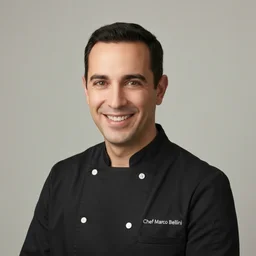
Executive Chef & Culinary Arts Certification Educator
Culinary Institute of AmericaChef Marco Bellini is a Certified Executive Chef and graduate of the Culinary Institute of America with over 20 years of professional kitchen experience in Michelin-recognized restaurants. He teaches culinary arts certification, food safety, and hospitality exam preparation, having guided thousands of culinary students through their ServSafe, ProStart, and professional chef certifications.
Join the Discussion
Connect with other students preparing for this exam. Share tips, ask questions, and get advice from people who have been there.
View discussion (7 replies)