
Bartender Salary Maryland: Complete Pay Guide by City, Venue, and Experience for 2026
Bartender salary Maryland 2026: 📚 real hourly wages, tips, and total pay by Baltimore, Annapolis, Bethesda, and DC suburbs. Compare venues, shifts, and
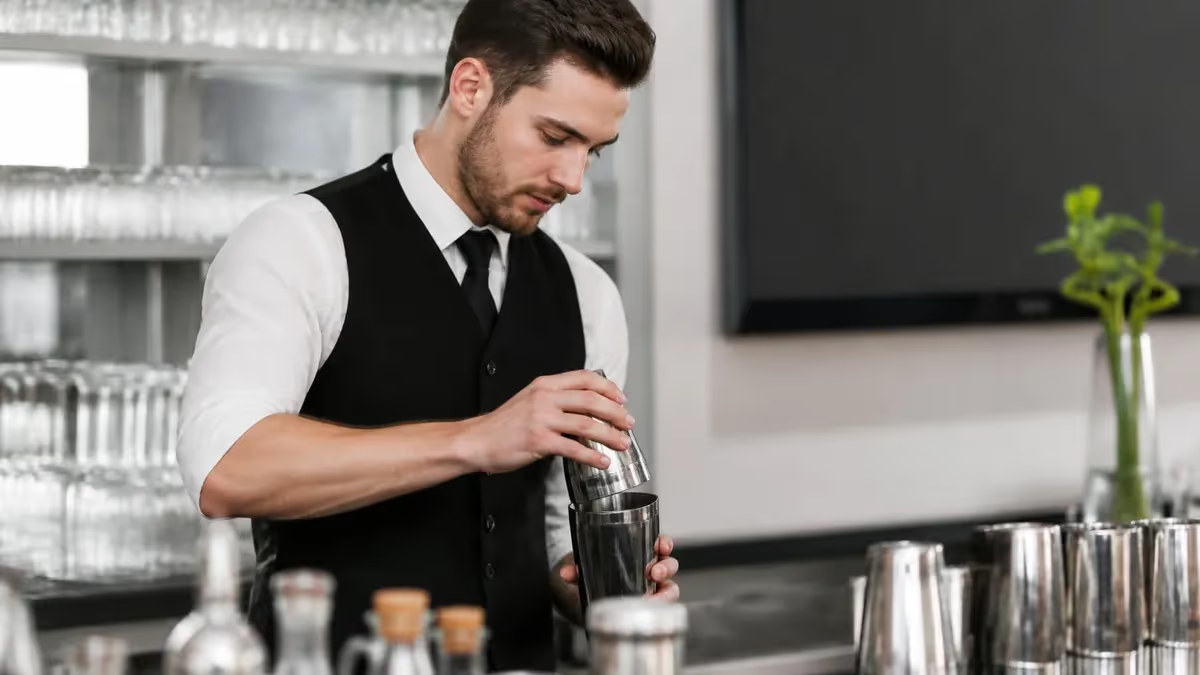
The bartender salary Maryland market in 2026 is one of the most interesting in the country because the state blends high-tipping urban corridors like Baltimore Inner Harbor and Bethesda with quieter shore towns where seasonality drives wild swings in take-home pay. A working bartender in Maryland can realistically earn anywhere from $32,000 to $78,000 per year once tips are included, and the difference usually comes down to venue type, shift, and proximity to the DC metro. Understanding those levers is the first step to maximizing income.
Maryland follows a tipped minimum wage structure, which means the base hourly wage is lower than the standard state minimum, but tips legally must bring the total to at least the full minimum wage. In 2026, the state minimum sits at $15.00 per hour for most employers, with the tipped wage floor at $3.63 per hour. That gap is closed by gratuities, which in busy Maryland venues routinely push effective hourly pay well above $25 and sometimes north of $40 on weekend nights.
Where you work matters enormously. A craft cocktail bar in Federal Hill pays differently than a hotel lobby bar in Ocean City, and a country club in Potomac operates on a completely different tip structure than a sports bar in Glen Burnie. Even within Baltimore City, neighborhoods like Fells Point, Hampden, and Canton each have their own rhythms, customer bases, and drink-price ceilings that directly affect what you take home at the end of a shift.
Experience and certification also drive earnings. Bartenders with TIPS or TAM (Techniques of Alcohol Management) certification, plus a Maryland alcohol awareness card, get priority for premium shifts at hotels, banquet halls, and private clubs. Add a few years behind the stick at a high-volume venue and your name moves up the call list for high-profile events, weddings, and corporate functions in Bethesda, Columbia, and Annapolis, where hourly plus gratuity packages can exceed $50.
This guide breaks down 2026 bartender pay across Maryland in detail. You will see city-by-city averages, venue-by-venue comparisons, the impact of tip pooling, seasonal patterns on the Eastern Shore, and how Maryland stacks up against neighboring Virginia, DC, Delaware, and Pennsylvania. You will also see how certifications, shift selection, and basic financial discipline turn an average Maryland bartender salary into a genuinely strong middle-class income.
Whether you are a new graduate weighing your first bar job, a seasoned bartender thinking about relocating from another state, or a hospitality manager trying to benchmark wages for your team, the data here is built to give you a realistic picture. We will avoid inflated industry averages that include only base wages, and instead focus on total cash compensation, the number that actually lands in your bank account after a Maryland year behind the bar.
Bartender Salary Maryland by the Numbers (2026)
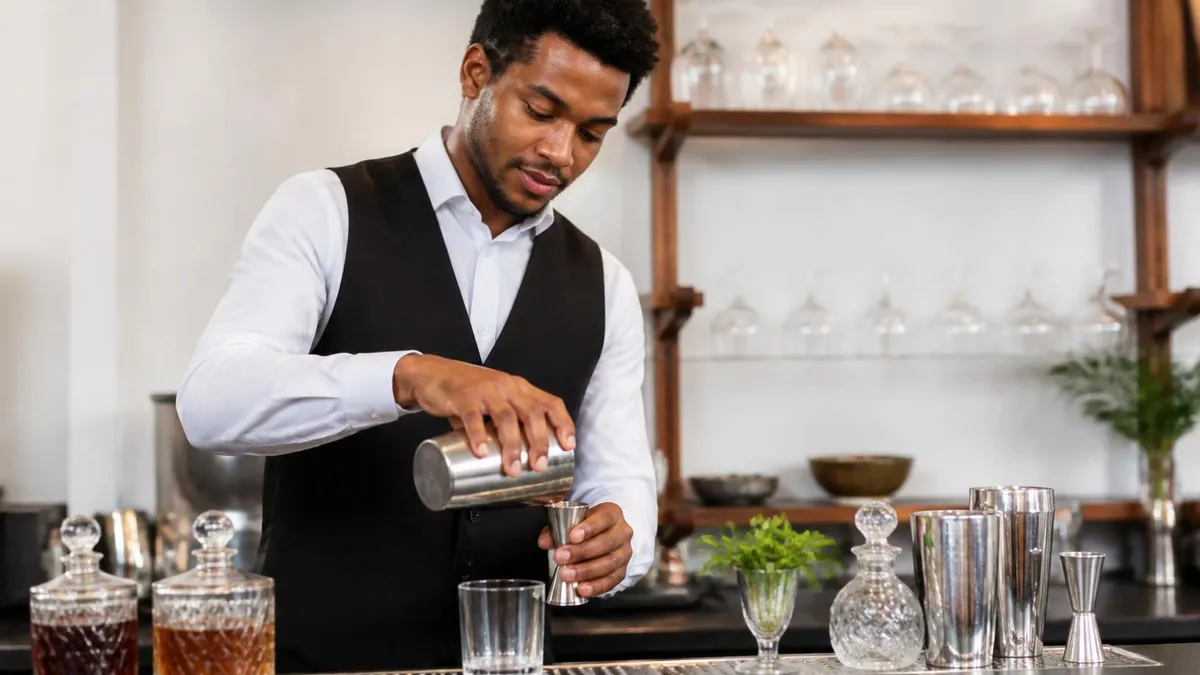
Maryland Bartender Earnings Breakdown
Bartender pay in Maryland varies dramatically by city, and understanding the local landscape is essential before accepting an offer or negotiating a raise. Baltimore City remains the largest single market, with thousands of active bartender positions spread across Inner Harbor hotels, Fells Point taverns, Hampden craft bars, and stadium concessions at Camden Yards and M&T Bank Stadium. Median total pay in Baltimore in 2026 sits at roughly $51,800 per year, with top earners at high-volume venues clearing $70,000 once event work is included.
Annapolis punches well above its weight thanks to a steady flow of government officials, naval academy events, and a strong year-round tourism scene around the historic district. Bartenders working Main Street establishments, waterfront restaurants, and the marina-adjacent hotels routinely report effective hourly pay of $30 to $38. Median annual total compensation in Annapolis is approximately $56,500, and seasoned bartenders with private-event experience often crack $72,000 during peak boat-show and wedding months.
Bethesda, Chevy Chase, and the Montgomery County corridor consistently produce the highest bartender salaries in Maryland. Proximity to DC means upscale dining, corporate happy hours, and embassy-adjacent private events that tip generously. Hotel bartenders at Bethesda North Marriott and similar properties report total pay in the $62,000 to $82,000 range, with banquet-heavy schedules pushing the top tier even higher. Frederick and Rockville sit a step below but still outperform the state median.
The Eastern Shore tells a different story shaped by seasonality. Ocean City bartenders can earn $1,200 to $2,500 per week between Memorial Day and Labor Day, then face thin schedules through winter. Annualized, the average Ocean City bartender lands near $48,000, but the in-season hourly pace is some of the highest in the state. Skilled seasonal workers often supplement with off-season shifts in Salisbury, Easton, or by following the work down to Florida and the Gulf Coast.
Western Maryland markets like Hagerstown, Cumberland, and Frostburg pay less in absolute terms, but the cost of living is considerably lower. Median bartender pay runs $38,000 to $46,000, and rent and transportation costs can be half of what bartenders pay in Bethesda or Federal Hill. For new bartenders looking to build experience without burning out in a high-cost market, these towns offer a more sustainable starting point, especially at established neighborhood bars and brewery taprooms.
Suburbs that ring Baltimore, including Towson, Columbia, Ellicott City, and Glen Burnie, produce solid, predictable pay. Chain casual restaurants like Cheesecake Factory, Yard House, and local favorites generate steady tips because of higher table turnover, even if check averages are lower than at fine dining establishments. Median total pay in these suburban corridors hits $50,000 to $58,000, and the slightly easier commute and parking situation versus downtown Baltimore is a quality-of-life factor many bartenders weigh heavily.
Finally, the Prince George's County market, including National Harbor, College Park, and Largo, has grown rapidly with new entertainment districts and casino-adjacent dining. MGM National Harbor and the surrounding hotels operate with union-influenced wage structures, banquet pools, and high-volume guest counts. Bartenders there report annual total pay between $58,000 and $74,000, making it one of the strongest growth markets in the state for new bartenders willing to commit to high-volume, high-pressure service.
Bartender Practice Test Questions
Prepare for the Bartender Certification exam with our free practice test modules. Each quiz covers key topics to help you pass on your first try.
Bartender Certification Bar Inventory and ...
Bartender Exam Questions covering Certification Bar Inventory and Cost Control. Master Bartender Test concepts for certification prep.
Bartender Certification Bar Law and Liquor...
Free Bartender Practice Test featuring Certification Bar Law and Liquor Regulations. Improve your Bartender Exam score with mock test prep.
Bartender Certification Bar Sanitation and...
Bartender Mock Exam on Certification Bar Sanitation and Safety. Bartender Study Guide questions to pass on your first try.
Bartender Certification Bar Setup and Orga...
Bartender Test Prep for Certification Bar Setup and Organization. Practice Bartender Quiz questions and boost your score.
Bartender Certification Bar Tools and Glas...
Bartender Questions and Answers on Certification Bar Tools and Glassware. Free Bartender practice for exam readiness.
Bartender Certification Basic
Bartender Mock Test covering Certification Basic. Online Bartender Test practice with instant feedback.
Bartender Certification Cocktail Recipes a...
Free Bartender Quiz on Certification Cocktail Recipes and Techniques. Bartender Exam prep questions with detailed explanations.
Bartender Certification Customer Service a...
Bartender Practice Questions for Certification Customer Service and Sales. Build confidence for your Bartender certification exam.
Bartender Certification Customer Service S...
Bartender Test Online for Certification Customer Service Skills. Free practice with instant results and feedback.
Bartender Certification Mixology Fundamentals
Bartender Study Material on Certification Mixology Fundamentals. Prepare effectively with real exam-style questions.
Bartender Certification Responsible Alcoho...
Free Bartender Test covering Certification Responsible Alcohol Service. Practice and track your Bartender exam readiness.
Bartender Certification Spirits, Beer, and...
Bartender Exam Questions covering Certification Spirits, Beer, and Wine. Master Bartender Test concepts for certification prep.
Bartender Certification Spirits, Liqueurs,...
Free Bartender Practice Test featuring Certification Spirits, Liqueurs, and Cocktails. Improve your Bartender Exam score with mock test prep.
Bartender Responsible Alcohol Service
Bartender Mock Exam on Responsible Alcohol Service. Bartender Study Guide questions to pass on your first try.
Bartender Spirits, Liqueurs, and Cocktails
Bartender Test Prep for Spirits, Liqueurs, and Cocktails. Practice Bartender Quiz questions and boost your score.
Bartender Bar Sanitation and Safety
Bartender Questions and Answers on Bar Sanitation and Safety. Free Bartender practice for exam readiness.
Bartender Bar Setup and Organization
Bartender Mock Test covering Bar Setup and Organization. Online Bartender Test practice with instant feedback.
Bartender Bar Tools and Glassware
Free Bartender Quiz on Bar Tools and Glassware. Bartender Exam prep questions with detailed explanations.
Bartender Basic
Bartender Practice Questions for Basic. Build confidence for your Bartender certification exam.
Bartender Cocktail Recipes and Techniques
Bartender Test Online for Cocktail Recipes and Techniques. Free practice with instant results and feedback.
Bartender Customer Service and Sales
Bartender Study Material on Customer Service and Sales. Prepare effectively with real exam-style questions.
Bartender Customer Service Skills
Free Bartender Test covering Customer Service Skills. Practice and track your Bartender exam readiness.
Bartender Salary Maryland by Venue Type
Hotel bartending in Maryland is consistently one of the most reliable income paths. Properties like the Four Seasons Baltimore, Sagamore Pendry, Bethesda North Marriott, and Gaylord National at National Harbor offer steady traffic, generous tipping from business travelers, and frequent banquet overflow opportunities. Full-time hotel bartenders in these venues report total pay between $55,000 and $78,000 in 2026, with benefits like 401(k) matches, paid time off, and union representation at some properties further boosting the real value of the role.
Hotel bartenders also benefit from structured scheduling and predictable income, unlike the boom-or-bust shifts at smaller bars. The trade-off is that base check averages are often capped by hotel pricing strategies, so the upside relies on volume and event work. Bartenders with TIPS certification and basic banquet experience are favored for the highest-paying private events, where service charges create additional gratuity pools beyond the standard tip line. This is the sweet spot for income stability.
Working as a Bartender in Maryland: Is the Pay Worth It?
- +Effective hourly pay regularly exceeds $25-$40 once tips are included on busy nights
- +Strong year-round demand in Baltimore, Annapolis, and DC suburbs reduces job-search downtime
- +Tipped minimum wage protections legally guarantee full state minimum if tips fall short
- +Diverse venue mix lets bartenders choose between hotels, craft bars, casinos, and clubs
- +Certifications like TIPS and TAM unlock higher-paying banquet, hotel, and private-event work
- +National Harbor and MGM offer benefits packages rare in the broader hospitality industry
- +Relocation options to DC, Virginia, and Delaware are short commutes for cross-state opportunities
- −Tip income is variable and harder to budget than salaried roles
- −Late nights, weekends, and holidays are mandatory at almost every venue
- −Ocean City and shore markets are deeply seasonal with thin winter schedules
- −Cost of living in Bethesda, Annapolis, and downtown Baltimore eats into higher pay
- −Tip pooling at some venues reduces individual upside even on great nights
- −Standing, lifting, and high-volume service create real physical wear and tear
- −Income reporting and self-employment tax planning are more complex than hourly W-2 work
Steps to Maximize Your Bartender Salary in Maryland
- ✓Earn your TIPS or TAM alcohol awareness certification before applying to top venues
- ✓Apply for the local jurisdiction's alcohol service card (Baltimore City, Montgomery County, etc.)
- ✓Build a portfolio of high-volume shifts before pursuing craft cocktail roles
- ✓Target Bethesda, Annapolis, and National Harbor for the highest base-plus-tip averages
- ✓Volunteer for banquet, wedding, and corporate event shifts whenever offered
- ✓Track your weekly tips by venue and shift to identify your highest-yield schedule
- ✓Learn classic cocktail specs cold to qualify for premium craft bar interviews
- ✓Negotiate base hourly pay separately from tip share at any new venue
- ✓Set up quarterly estimated tax payments to avoid year-end IRS penalties
- ✓Network at industry events like Baltimore Bar Show to build referral pipelines
Effective hourly pay, not base wage, is what matters
A Maryland bartender earning the $3.63 tipped minimum plus an average of $22 per hour in tips clears roughly $25.63 per hour. Over a 40-hour week, that is $1,025 weekly or about $53,300 annually before overtime, banquets, and holiday pay. Top performers at Bethesda hotels and National Harbor casinos consistently double the state median by stacking premium shifts and event work.
Comparing Maryland bartender salaries to neighboring states is essential if you are thinking about a move or trying to benchmark a current offer. Washington DC sits next door and pays meaningfully more on paper, with median bartender total pay around $61,000. The catch is that DC bartenders also pay DC income tax, dramatically higher rent, and often longer commutes if they live in Maryland anyway. Many Maryland-based bartenders work DC shifts strategically rather than relocating outright.
Virginia, particularly Arlington, Alexandria, and Fairfax, offers a similar pay profile to Bethesda and Rockville. Median total pay for bartenders in Northern Virginia runs $54,000 to $68,000, with strong banquet markets at hotels around Reagan National and Tysons Corner. The Virginia tipped wage is lower than Maryland's at $2.13 per hour federal, which means tip volatility hits Virginia bartenders harder when business slows. Maryland's $3.63 base provides a meaningful safety net.
Delaware bartender pay is closer to the Maryland Eastern Shore than to Baltimore. Median total compensation runs $44,000 to $52,000, with Wilmington and Rehoboth Beach as the strongest markets. The big advantage in Delaware is the lack of state sales tax, which keeps drink prices effectively higher relative to consumer spending power, and the casino market at Dover Downs and Delaware Park offers strong steady income similar to MGM National Harbor.
Pennsylvania, particularly the Philadelphia metro and York-Lancaster corridor, runs slightly below Maryland on average. Median bartender pay sits at $48,000 to $54,000 statewide. Philly's craft cocktail scene rivals Baltimore's in quality but generally pays a few thousand less annually due to lower drink prices and check averages. For Maryland bartenders living near the PA border in Hagerstown or Cecil County, picking up cross-state shifts can be a useful income supplement during slow seasons.
West Virginia bartender pay is the lowest in the immediate region, with median total compensation around $36,000 to $42,000. The mountain resorts at Snowshoe and Greenbrier are notable exceptions and pay competitively with Maryland resort markets. For most Maryland bartenders, West Virginia is not a serious alternative unless lifestyle or family considerations dominate, given the meaningful pay gap and limited high-volume venues outside of Charleston and Morgantown.
Putting these comparisons together, Maryland sits in the middle of the regional pack on absolute pay but offers some of the best risk-adjusted income thanks to the higher tipped minimum wage, diverse venue mix, and strong year-round demand outside of seasonal pockets. For experienced bartenders, the ability to mix Maryland base work with strategic DC or Virginia shifts can push annual totals into the $80,000-plus range without ever relocating from a Maryland address.
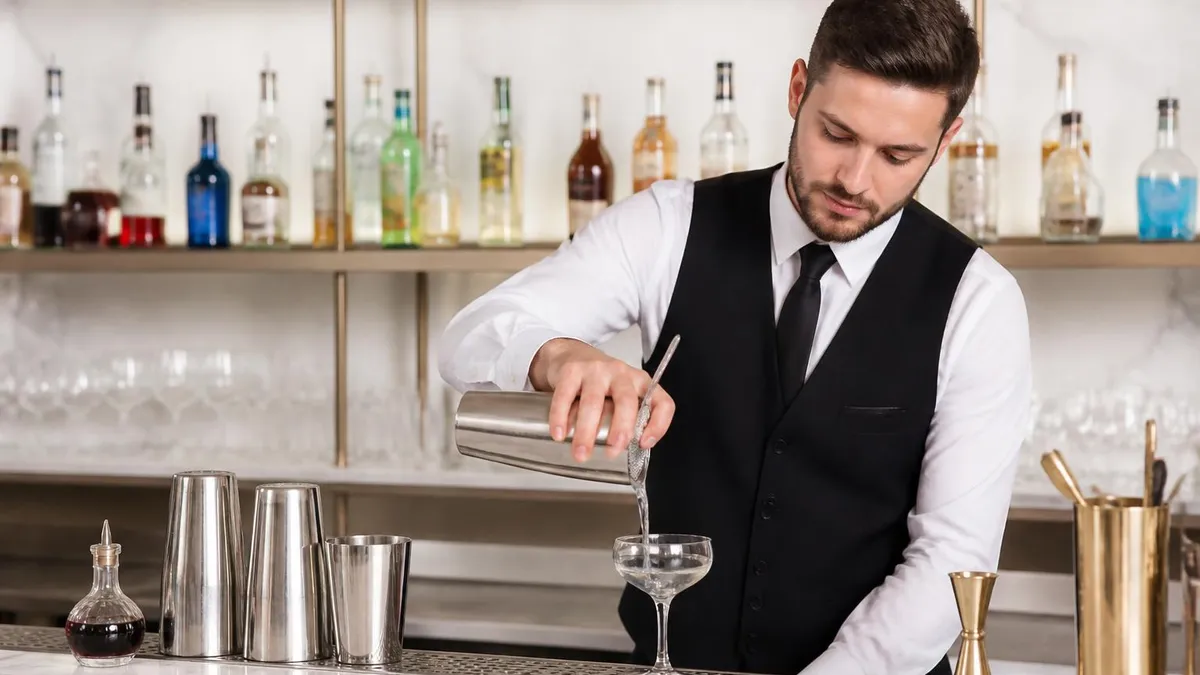
Many Maryland jurisdictions, including Baltimore City, Montgomery County, and Prince George's County, require bartenders to hold an approved alcohol awareness certification card before serving. TIPS and TAM are the most widely accepted. Working without the proper card can result in personal fines, employer fines, and even license suspension for the venue. Always verify the specific requirement for the county where you plan to work before your first shift.
Career growth for Maryland bartenders has more pathways in 2026 than ever before, and the salary trajectory beyond the bar itself is increasingly attractive. The traditional progression is bartender to head bartender to bar manager to beverage director, with each step adding $8,000 to $15,000 in base salary plus performance bonuses. A beverage director at a high-volume Baltimore restaurant group or Bethesda hotel can clear $95,000 to $130,000 once bonuses, tip share, and benefits are added in.
Brand ambassador and supplier roles are a growing alternative for experienced bartenders. Distilleries like Sagamore Spirit and Lyon Distilling, plus national brands with Maryland market managers, recruit heavily from the bar community. These roles pay $65,000 to $95,000 in base salary, typically include a car or car allowance, travel reimbursement, and entertainment budgets, and offer a much more predictable schedule than service bartending. Strong public-speaking skills and a portfolio of bar relationships are the key qualifications.
Consulting and pop-up work is another lane that experienced Maryland bartenders increasingly pursue. Helping a new restaurant build its cocktail program, training staff, or running a six-week pop-up at a hotel can generate $5,000 to $25,000 per project on top of regular bartending income. The consulting market is most active in Baltimore, Annapolis, and the DC suburbs, where new venues open frequently and operators value proven beverage talent who understand the local guest base.
Ownership is the highest-upside path and the riskiest. Maryland bartenders who save aggressively, build a brand, and find partners with capital have launched successful neighborhood bars, mobile bartending companies, and event-services businesses across the state. Mobile bartending in particular has boomed since 2020, and a well-run Maryland mobile bar can clear $150,000 to $400,000 in annual revenue with relatively low overhead. For more context on the local hiring landscape, see Bartender Near Me.
Education and certification continue to pay dividends throughout your career. Beyond TIPS and TAM, advanced credentials like the BarSmarts certification, WSET spirits qualifications, and sommelier programs add measurable salary lift. Maryland bartenders with WSET Level 2 in spirits or wine routinely command $2 to $5 more per hour at upscale venues, and the credential is a visible signal to hiring managers that you take the craft seriously.
Financial planning is the underrated career-growth lever. Many Maryland bartenders earn strong incomes but lack the structures to convert that income into long-term wealth. Setting up a SEP-IRA or solo 401(k) if you do any 1099 work, automating savings off each weekly cash deposit, and working with an accountant familiar with tipped-income tax rules will move more money to your balance sheet than another two dollars an hour at the bar. The bartenders with the most secure careers in their 40s and 50s are almost always the ones who treated bartending like a real business early.
Finally, geographic mobility within Maryland is its own career strategy. Spending three years in Ocean City to bank summer cash, then moving to Bethesda for stable hotel work, then transitioning to a Baltimore craft program for industry reputation is a real path many bartenders have followed. The state is small enough that an hour or two of driving puts you in a completely different market with different demands, different pay structures, and different opportunities, all while keeping your Maryland residency and network intact.
Practical advice for any Maryland bartender starts with knowing your numbers. Track every shift's hourly tips for at least 90 days. This shows you which venues, days, and time slots actually pay best, rather than relying on the bar's reputation or what your manager says. Many bartenders are shocked to learn that their Tuesday lunch shift outperforms a Friday closing shift on an effective-hourly basis because of lower competition for tips and a quicker pace per guest interaction.
Pick your venue based on the math, not the vibe. A trendy craft bar with a long ticket time and complex builds may pay less per hour than a busy neighborhood pub where you can ring 60 tickets an hour. Visit any potential venue twice as a guest before accepting a job, once on a peak night and once on a slow night, and quietly count the bar's covers per hour and average ticket size. This 30-minute exercise tells you more about future earnings than any interview.
Build relationships with regulars deliberately. A regular at a Maryland neighborhood bar typically tips 25 to 40 percent over time once a relationship forms, versus the 15 to 18 percent walk-in average. Learning names, drink preferences, and small personal details is direct income. Top earning bartenders in Maryland often have notebooks or phone notes with hundreds of guest details that compound their tip averages over years.
Manage your taxes proactively. Maryland income tax plus federal tax plus self-employment-style obligations on heavy cash tips can easily reach 25 to 30 percent of your gross earnings. Set aside that percentage in a separate savings account every week. Use a real accountant who has worked with tipped employees, not generic tax software. The annual cost is far less than the penalties you will pay for under-reporting tip income, which the IRS audits more aggressively each year.
Protect your body. Bartending is physical labor disguised as social work. Maryland bartenders who plan ten- or twenty-year careers invest in good non-slip shoes, compression socks, anti-fatigue mats where allowed, and regular bodywork like massage or chiropractic care. The bartenders who burn out at 35 almost always neglected this. Treating your body as the income-producing asset it is changes how you approach every shift.
Diversify income streams within hospitality early. Sign up with a reputable Maryland staffing agency for occasional banquet, wedding, and corporate event shifts. Build a mobile bartending side business for friends and family events. Pick up shifts at a second venue on your slowest day at your primary bar. Each additional income stream both raises total earnings and acts as insurance if your main venue cuts hours, closes, or changes ownership unexpectedly.
Finally, plan an exit before you need one. Most bartenders work behind the stick longer than they originally planned. The ones with the smoothest transitions to management, brand work, ownership, or careers outside hospitality are the ones who started building those bridges in their early earning years. Maryland's hospitality industry has dense networks, real career ladders, and active alumni communities. Use them while you are still in your prime earning shifts, not after the schedule has already started thinning out.
Bartender Bartender Questions and Answers
Bartender Near Me: How to Find, Vet, and Hire a Local Bartender in 2026
Wisconsin Bartending License: Operator's License Guide 2026
Shot Bartending Techniques: The Complete Guide to Speed, Style, and Service Behind the Bar
Bartender for Hire: How to Book, Pricing Guide, and What to Expect in 2026
Bartending License Florida: Complete Certification & Permit Guide for 2026
Join the Discussion
Connect with other students preparing for this exam. Share tips, ask questions, and get advice from people who have been there.
View discussion (7 replies)