
How to Become a Bartender: Complete 2026 September Career Guide
💯 Become a bartender in 2026 September: training, certification, licensing, salary, and the step-by-step path from beginner to working behind the bar.
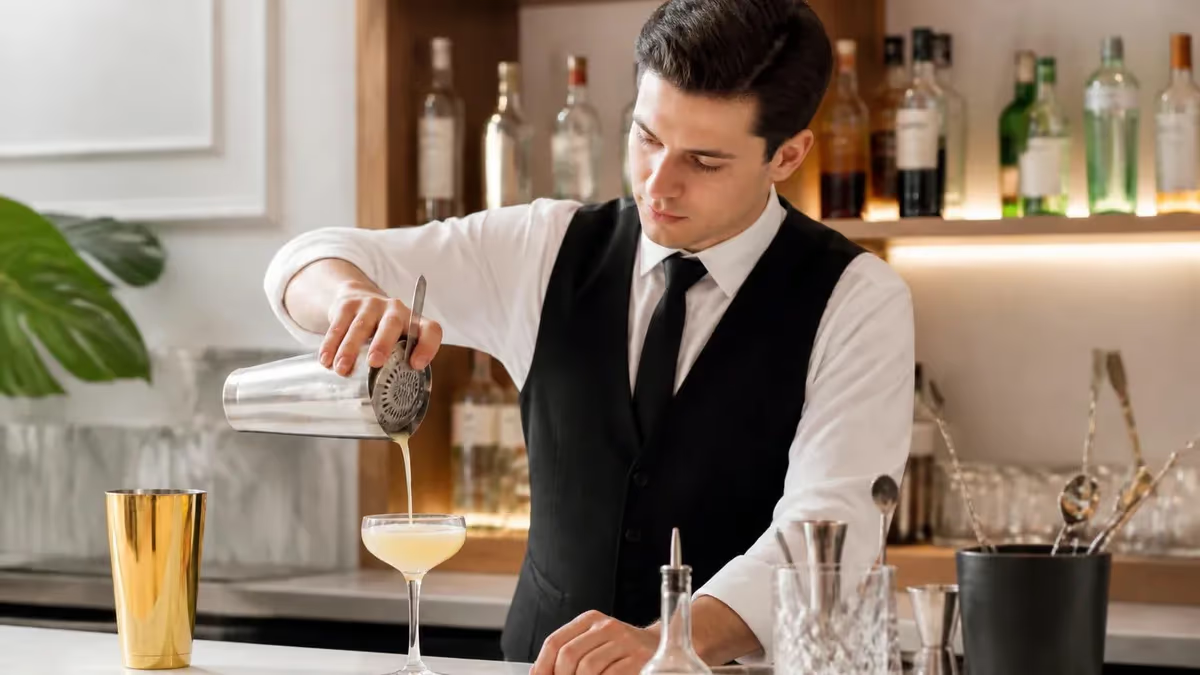
How to Become a Bartender: The Real Path From Zero to Behind the Stick
Most guides will tell you to enroll in bartending school. That's not actually how 80% of working bartenders got their job. The honest path looks messier. You'll meet your state's minimum age, grab a cheap alcohol-server certificate, learn maybe ten drinks cold, then walk into a small bar at 2pm on a Tuesday asking if they need a barback. That's it. The whole thing can happen in three weeks if you hustle.
Here's the thing about this trade: bartending is half technical, half social, and the social half is what gets you hired. Bar owners can teach pour counts. They can't teach you how to read a drunk regular at 1am. So if you want to bartender jobs faster than your competition, focus less on flair-bartending YouTube videos and more on showing up to bars during their slow hours with a real handshake and a resume that's honest about what you don't know yet.
This guide walks the full road. Age limits by state. Which alcohol-server cert your state actually requires (TIPS, ServSafe Alcohol, RBS, BASSET — they're not interchangeable). The ten cocktails you must know before you touch a shaker on the job. Whether bartending school is worth the $300–$700 or if YouTube and a home bar will do. The barback-to-bartender path that beats school 9 times out of 10. And the truth about pay — base wage is brutal, tips are the whole game.
Quick check before you start: this career suits some people and crushes others. You'll work nights. Weekends. Holidays. Christmas Eve is the bar's biggest night — you'll be there. Your friends with 9-to-5s will stop seeing you. You'll smell like lime juice and bleach when you get home at 3am. Your feet will hurt for the first six months until you find the right shoes. If that sounds awful, this isn't your career. If it sounds fine — even a little fun — you're built for it.
The upside is real. Cash in your pocket at the end of every shift. No boss looking over your shoulder hour by hour. A genuine craft you can take to any city in the world. Built-in social life — your coworkers become family fast. A skillset that travels: a bartender who's worked Brooklyn can move to Austin or LA next month and find work the same week. Not many jobs offer that kind of mobility.
One thing this guide won't do — promise you a six-figure income inside a year. That's the YouTube fantasy. Reality is that year-one bartenders make $30K–$45K in most U.S. cities, learning the craft on neighborhood bar shifts. The bartenders pulling $80K and up have 3–7 years behind the stick, work prime locations, and earned their spot through grinding weekends.
Be patient with the income arc. The skill compounds. Every regular you remember by name, every cocktail you nail under pressure, every Saturday rush you survive without breaking — that all stacks into the kind of reputation that gets you better shifts and a better bar. Read the steps. Pick your state. Get your cert this week. You can be behind a bar by the end of next month.
Bartending by the Numbers
Step 1: Meet the Minimum Age Requirement
Around 30 states let you serve alcohol at 18 — meaning you can wait tables and bring drinks to customers, but not mix them behind the bar. Useful if you're starting out as a server first.
Most states require bartenders themselves to be 21. This is where you'll actually mix, pour, and ring drinks. Check your state board's exact wording — some count age at hire, not application.
Wisconsin lets you bartend at 18 with an operator's license. Maine and Montana allow 18. Some Texas venues hire 18-year-olds for spirits service. Always verify with your state's alcohol control board first.
Don't show up to interviews underage hoping no one checks. Most bars run a background check before your first shift — getting caught wastes the bar's time and burns your reference network in town.
Step 2: Get Your Alcohol Server Certification
This is the cheapest, fastest, most important step. An alcohol-server certificate proves you know how to refuse a sale, ID a guest, and spot intoxication. Most states require it. Many bars won't even interview you without one. The whole thing takes 3–4 hours online and costs $15–$50. Get this done before you do anything else on this list.
The cert you need depends entirely on your state. There are four big ones: TIPS, ServSafe Alcohol, RBS (California), and BASSET (Illinois). They're not interchangeable. A TIPS card won't get you hired in California — they want RBS. A ServSafe card won't fly in Illinois. Check your state's alcohol board website, then buy the matching course. It's that simple.
You can also explore bartending license online requirements in your specific state — some require a state-issued card on top of the national cert. Wisconsin's "operator's license" is the most famous example. Texas wants the TABC seller-server. Once you've got the right paper, you're legally clear to mix drinks and accept money for them.
What's actually on the exam? Mostly common-sense scenarios. Three drinks deep, customer slurring — do you cut them off, water them down, or call a cab? Fake ID with a peeling laminate — confiscate or refuse? A pregnant woman orders a glass of wine — serve or decline? You're tested on 40 to 60 multiple-choice questions, you typically need 75% to pass, and the courses essentially feed you the right answers in the video lessons. Almost nobody fails on the first try if they actually watch the modules.
Renewal matters too. Most server certs expire in 2–3 years. Set a calendar reminder. Bartenders who let theirs lapse get cut from shifts the second a health inspector walks in. Keep a photo of your card on your phone — managers ask to see it constantly. And one more pro tip: print two physical copies. One stays in your wallet. One stays in your car. Lose the wallet and you're not scrambling at 5pm before a Friday shift.
Bartender Practice Test Questions
Prepare for the Bartender Certification exam with our free practice test modules. Each quiz covers key topics to help you pass on your first try.
Bartender Certification Bar Inventory and ...
Bartender Exam Questions covering Certification Bar Inventory and Cost Control. Master Bartender Test concepts for certification prep.
Bartender Certification Bar Law and Liquor...
Free Bartender Practice Test featuring Certification Bar Law and Liquor Regulations. Improve your Bartender Exam score with mock test prep.
Bartender Certification Bar Sanitation and...
Bartender Mock Exam on Certification Bar Sanitation and Safety. Bartender Study Guide questions to pass on your first try.
Bartender Certification Bar Setup and Orga...
Bartender Test Prep for Certification Bar Setup and Organization. Practice Bartender Quiz questions and boost your score.
Bartender Certification Bar Tools and Glas...
Bartender Questions and Answers on Certification Bar Tools and Glassware. Free Bartender practice for exam readiness.
Bartender Certification Basic
Bartender Mock Test covering Certification Basic. Online Bartender Test practice with instant feedback.
Bartender Certification Cocktail Recipes a...
Free Bartender Quiz on Certification Cocktail Recipes and Techniques. Bartender Exam prep questions with detailed explanations.
Bartender Certification Customer Service a...
Bartender Practice Questions for Certification Customer Service and Sales. Build confidence for your Bartender certification exam.
Bartender Certification Customer Service S...
Bartender Test Online for Certification Customer Service Skills. Free practice with instant results and feedback.
Bartender Certification Mixology Fundamentals
Bartender Study Material on Certification Mixology Fundamentals. Prepare effectively with real exam-style questions.
Bartender Certification Responsible Alcoho...
Free Bartender Test covering Certification Responsible Alcohol Service. Practice and track your Bartender exam readiness.
Bartender Certification Spirits, Beer, and...
Bartender Exam Questions covering Certification Spirits, Beer, and Wine. Master Bartender Test concepts for certification prep.
Bartender Certification Spirits, Liqueurs,...
Free Bartender Practice Test featuring Certification Spirits, Liqueurs, and Cocktails. Improve your Bartender Exam score with mock test prep.
Bartender Responsible Alcohol Service
Bartender Mock Exam on Responsible Alcohol Service. Bartender Study Guide questions to pass on your first try.
Bartender Spirits, Liqueurs, and Cocktails
Bartender Test Prep for Spirits, Liqueurs, and Cocktails. Practice Bartender Quiz questions and boost your score.
Bartender Bar Sanitation and Safety
Bartender Questions and Answers on Bar Sanitation and Safety. Free Bartender practice for exam readiness.
Bartender Bar Setup and Organization
Bartender Mock Test covering Bar Setup and Organization. Online Bartender Test practice with instant feedback.
Bartender Bar Tools and Glassware
Free Bartender Quiz on Bar Tools and Glassware. Bartender Exam prep questions with detailed explanations.
Bartender Basic
Bartender Practice Questions for Basic. Build confidence for your Bartender certification exam.
Bartender Cocktail Recipes and Techniques
Bartender Test Online for Cocktail Recipes and Techniques. Free practice with instant results and feedback.
Bartender Customer Service and Sales
Bartender Study Material on Customer Service and Sales. Prepare effectively with real exam-style questions.
Bartender Customer Service Skills
Free Bartender Test covering Customer Service Skills. Practice and track your Bartender exam readiness.
Which Alcohol Certification Does Your State Require?
TIPS — Training for Intervention Procedures — is the most widely accepted alcohol-server cert in the U.S. Accepted in 40+ states. The on-premises course costs about $40 and runs ~3.5 hours fully online. It covers intoxication signs, fake-ID detection, dram-shop liability, and refusal techniques.
Best for: bartenders working across multiple states, traveling event staff, anyone unsure which cert to pick. The card is good for 3 years. If your state doesn't mandate a specific cert, TIPS is the safest default — almost every bar manager recognizes it on sight.
Bartending School vs Self-Taught: The Honest Trade-Off
- +Hands-on practice with real liquor, real ice, real shakers — not just YouTube videos at your kitchen counter
- +Job-placement help from school networks (American Bartenders School, Bartending College, ABC)
- +Resume credential that helps when you have zero bar experience to point to
- +Forced practice on 50–100 drink recipes in a structured 1–2 week schedule
- +Some schools include your TIPS or state cert in the tuition price
- +Industry contacts — instructors are usually working bartenders with hiring connections
- −$300–$700 tuition with no guarantee of placement — most bars don't actively recruit from schools
- −Many bar owners openly say they prefer hiring barbacks they've trained themselves
- −Compressed 1–2 week programs can't replicate the speed and chaos of a real Friday night
- −Free YouTube channels (Educated Barfly, The Educated Bartender, BarSchool) teach the same drinks
- −Community college hospitality programs cover the same content for less money
- −Cert is what bars actually check — not whether you finished a school program
Step 3: 10 Classic Cocktails You Must Know Cold Before Day One
- ✓Old Fashioned — bourbon, sugar, bitters, orange peel. The #1 most-ordered classic in U.S. bars.
- ✓Margarita — tequila, lime, triple sec. Know rocks vs frozen, salt vs no salt.
- ✓Mojito — white rum, mint, lime, sugar, soda. Slow to make — learn shortcuts.
- ✓Martini — gin or vodka, dry vermouth. Know dirty, dry, with olive vs twist.
- ✓Manhattan — rye or bourbon, sweet vermouth, bitters. Cherry garnish, stirred not shaken.
- ✓Whiskey Sour — bourbon, lemon, simple syrup, optional egg white.
- ✓Cosmopolitan — vodka, triple sec, cranberry, lime. Still common at hotel bars.
- ✓Negroni — equal parts gin, Campari, sweet vermouth. Orange peel garnish.
- ✓Daiquiri — white rum, lime, simple. The real one, not the frozen slushy.
- ✓Moscow Mule — vodka, ginger beer, lime. Copper mug if you have them.
Three-Drink Rule
If a regular orders three drinks during their first visit and you can make all three without checking a recipe card — you're hireable. Drill these ten until you can do them under 60 seconds each, hands shaking from nerves. That's the bar. Garnish placement doesn't matter your first month. Speed does.
Step 4: Bartending School vs Self-Taught — The Real Math
Bartending school sounds like the obvious move, but the numbers don't always work. American Bartenders School charges around $595. Bartending College runs $400–$650. National Bartenders School quotes $495–$795 depending on the city. For that money, you get 40 hours of instruction across 1–2 weeks, plus your TIPS cert and a job-placement service that mostly emails you Craigslist listings you could find yourself.
Now do the self-taught math. TIPS cert: $40. A used three-piece shaker set: $20. A jigger, bar spoon, and strainer: $25. A bottle each of well bourbon, gin, vodka, rum, tequila, sweet vermouth, dry vermouth, and triple sec: $120. Total: about $205. Six hours a week practicing on Educated Barfly's YouTube curriculum for 3 weeks, and you'll know more recipes than most school grads.
The catch — bartending school does teach speed-pouring, free-pour counts, and bar setup faster than YouTube. If you're a total beginner and you have $500 burning a hole, the structured environment is worth it. But know that no respected bar manager hires "because" of a school cert. They hire because you can talk, look reliable, and demonstrate two cocktails in a 5-minute interview test. Community-college hospitality programs in places like Las Vegas, Austin, and New Orleans teach the same skills for $150–$300 — worth checking before paying private-school prices.
If you go the school route, pick one with real city placement. American Bartenders School has campuses in Phoenix, Vegas, and SoCal that genuinely place graduates. Bartending College in Texas has solid Austin and Dallas pipelines. Schools in your own city with local owner connections beat any famous national brand. Tour the school before paying — sit in on a class. If it looks like a hotel conference room with 30 students and one bottle of colored water per table, walk out.
Don't fall for placement guarantees. Almost every school promises "100% job placement assistance." That phrase means they'll forward you job postings. Not the same as a placement. Ask the school for specific names of graduates who got hired in the last 90 days and which bars hired them. If the front-desk person dodges, you have your answer. Real schools with real industry pipelines will name three bars in your zip code without hesitation.
One smart hybrid path: take a 2-day weekend workshop instead of a full week-long program. Cities like LA, Chicago, and Miami have $150–$250 weekend intensives that teach the 30 most-ordered cocktails, basic free-pour, and bar setup. You walk away with hands-on time, a small completion certificate, and most of your tuition still in your pocket. Combine that with home practice and a real cert, and you're competitive against anyone who paid $700 for a longer course.
Online bartending courses are the cheapest option of all. ABC Bartending Online runs about $39. Bartending College Online is $79. The Bar Smarts certification — used by many craft-cocktail bars — costs $130 and is genuinely respected in the industry. None of these replace hands-on practice, but they pair perfectly with a home bar setup and YouTube drills. Spend $79 on the course, $150 on tools and bottles, and you've got a real credential and real skill for under $250 total.
If you only have $50 to spend on this whole project — spend it on your alcohol-server cert. Skip the school, skip the fancy shaker kit, skip everything else. A bar will hire you with a TIPS card and a willingness to barback. They will not hire you with a $700 school certificate and no state-required server cert. Cert first. Always.
Step 5: The Barback-to-Bartender Path (How Most People Actually Get In)
Want the honest secret? Roughly six in ten working bartenders started as barbacks. A barback is the support role behind the bar — stocking ice, restocking liquor, cutting fruit, washing glassware, hauling kegs. The pay is brutal at first (often minimum plus tip-out, maybe $15–$18/hr in a good bar). But it's the single most reliable on-ramp to a bartending shift.
Why it works: you're already trusted. You know the menu. You know the regulars. You've watched the bartenders mix drinks for three months. The moment someone calls out sick or quits, the manager looks down the bar at you instead of posting a job ad. "You ever tend bar before? Want to cover Tuesday?" That Tuesday becomes Thursday, then weekends, then full-time. The transition takes 3–9 months in most bars.
To barback successfully: show up 15 minutes early every shift, learn every bartender's preferred setup, never let the ice well go empty, and ask one good cocktail question per shift. "Hey, what's the difference between a sour and a fix?" Bartenders love teaching people who genuinely want to learn. The ones who treat barbacks as servants get nothing. The ones who teach you their tricks become your reference list.
One more thing about barbacking: get the dish pit dialed. Sounds boring. Isn't. Clean glassware is the bar's single biggest bottleneck during a rush. The barback who keeps the rocks glasses, coupes, pints, and shot glasses cycling fast becomes invaluable in ninety days. Bartenders fight to have you on their nights. That fight is exactly what gets you promoted — when two bartenders both lobby the GM to train you up, it happens.
Server-to-bartender is the other common path, especially at chain restaurants. Olive Garden, Applebee's, Chili's, and most hotel restaurants promote internally. Work the floor for 6 months, prove you can handle the rush, then ask the GM about bar training when a spot opens. It's slower than barbacking but the schedule's nicer and the path is more predictable. Big-box chains also offer formal bar-school programs internally — Darden's takes 4 weeks and ends with a real bar test. Cost to you: zero. They pay you to learn.
A third path nobody mentions: catering and event bartending. Companies like ServingTalent, Trumpets, and local catering kitchens hire constantly for weddings, corporate events, and private parties. Pay is solid — $25–$40/hr including tip pools. The cocktail menu is usually limited to beer, wine, and 4–6 "signature" drinks. Perfect for beginners. You build real reps in front of real customers, and the host pays through the caterer. Two months of weekend catering gigs and your resume looks like a year of bar experience.
Step 6: Building Speed, Menu Knowledge, and Landing Your First Real Bar Job
Speed matters more than artistry your first year. A good neighborhood bartender makes 30–40 drinks an hour during a rush. A great one hits 50–60. You build that by drilling the same ten cocktails until your hands move without your brain. Buy a stopwatch app. Time yourself making an Old Fashioned from order to delivery. Beat 45 seconds. Then beat 30. Speed is what gets you a Friday-night shift instead of a Tuesday lunch.
Menu knowledge comes next. Every bar has its own cocktail list — usually 15–25 drinks unique to the venue. The bartender who shows up day one knowing the well brands, the house pour count, and the menu's signature drinks is the one who survives the 60-day trial period. Ask for the menu before you start. Practice each one at home. Show up confident.
For your first job, small dive bars and neighborhood pubs are your friend. They hire newcomers. They tolerate mistakes. Don't apply to craft-cocktail bars or hotel lobbies your first month — those expect 2+ years experience and will sniff out a beginner in the interview test. Walk into 5 small bars per week between 2pm and 4pm with a resume that lists your TIPS cert, any service jobs, and a line about your home practice.
Ask for the manager by name (Yelp the bar first). This works. People still hire face-to-face in this industry. If you want to become a bartender the fastest way possible — five bars a week, in person, with your cert in hand — beats 50 online applications every single time.
Resume tips for the absolute beginner: keep it to one page. Top line — your name and phone. Next — your alcohol-server cert with expiration date. Then any food-service or retail jobs with cash-handling responsibility (servers, baristas, cashiers all count). Then a short "Bartending Practice" line listing the cocktails you can mix from memory. Skip the objective statement. Skip references-on-request. Bring three copies printed, plus a digital version on your phone in case the manager asks you to text it.
Pay reality: base wage is often the tipped minimum ($2.13/hr federal, more in some states). The whole income comes from tips. A solid neighborhood bar bartender clears $25–$45/hr including tips. Top hotel-bar and fine-dining bartenders in major cities pull $60K–$90K annually. Vegas and NYC nightclub bartenders during peak season can hit six figures — but those jobs are brutal hours and take 5+ years to reach. Set realistic expectations. Year one, you're making $30K–$45K with tips. Year three, you should be at $45K–$65K. After that, location and venue type determine the ceiling — and your willingness to grind weekend nights.
Bartender Questions and Answers
About the Author
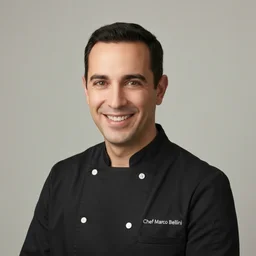
Executive Chef & Culinary Arts Certification Educator
Culinary Institute of AmericaChef Marco Bellini is a Certified Executive Chef and graduate of the Culinary Institute of America with over 20 years of professional kitchen experience in Michelin-recognized restaurants. He teaches culinary arts certification, food safety, and hospitality exam preparation, having guided thousands of culinary students through their ServSafe, ProStart, and professional chef certifications.
Join the Discussion
Connect with other students preparing for this exam. Share tips, ask questions, and get advice from people who have been there.
View discussion (7 replies)