
Bartenders for Hire: Everything You Need to Know Before Booking or Becoming One
✍🏼 Everything about bartenders for hire — what they cost, how events work, and how certification helps you land more gigs in 2026 August.
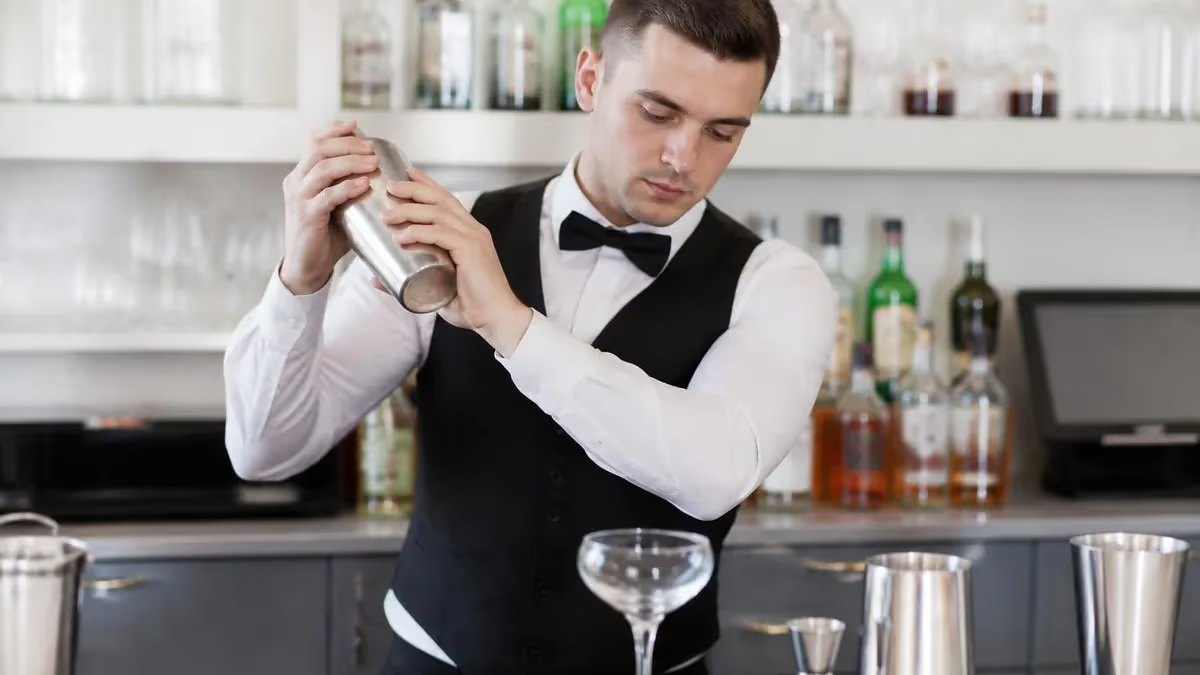
When it comes to hosting a memorable event, finding the right bartenders for hire can make or break the experience. Whether you are planning a wedding reception, a corporate cocktail hour, a birthday bash, or a backyard graduation party, a skilled bartender brings far more to the table than just mixing drinks. They manage crowd flow, upsell responsibly, keep guests safe, and create the kind of casual, welcoming atmosphere that turns a gathering into a genuine celebration people talk about for years.
The market for professional bartenders available for hire has expanded dramatically over the past decade. The rise of the gig economy, event-specific staffing platforms, and social media exposure has made it easier than ever for both hosts and bartenders to connect quickly and efficiently. From freelance mixologists who specialize in craft cocktails to licensed event bartenders who know every state liquor regulation by heart, the options available to event planners and private hosts are broader and more varied than at any previous point in history.
Understanding what certified bartenders actually bring to an event is essential before you start comparing prices or submitting booking requests. A bartender who has completed formal certification is trained not only in mixology and drink preparation, but also in responsible alcohol service, identifying signs of intoxication, checking identification documents, and complying with dram shop liability laws. These are not optional extras — they are foundational skills that protect you as a host from legal exposure and protect your guests from harm.
From the bartender's perspective, becoming available for hire in a competitive market requires more than raw talent behind the stick. Clients increasingly ask about certifications, insurance, and professional experience before making any commitment. Having a recognized credential like TIPS, ServSafe Alcohol, or a state-issued bartending license signals to potential clients that you take the profession seriously and that you understand both the craft and the legal landscape that governs it.
Cost is always a consideration when hiring a professional bartender for a private event. Rates vary widely depending on the bartender's experience level, the type of event, geographic location, duration of service, and whether alcohol and supplies are included. Understanding the typical pricing structure for bartenders for hire helps both hosts budget accurately and helps aspiring professionals set rates that are competitive without undervaluing their expertise and time.
This article covers every angle of the bartenders-for-hire equation: what hosts need to know when sourcing and booking a professional, what certifications are most valued in the marketplace, how to price your services as a working bartender, what legal protections apply at private events, and how ongoing education and practice testing can sharpen the knowledge that separates average hires from top-tier professionals. Whether you are on the hiring side or the hired side, the information here will help you navigate the process with confidence.
Bartenders for Hire by the Numbers

Types of Bartenders Available for Hire
Independent professionals who work private parties, weddings, and corporate events. They typically carry their own tools and may offer package deals that include setup, service, and breakdown. Rates are negotiated directly and vary by experience and region.
Placed through hospitality staffing firms, these bartenders come pre-screened and often pre-insured. Agencies handle payroll, background checks, and liability paperwork, making them a lower-risk option for large events or corporate clients needing multiple staff.
Specialists trained in craft cocktail creation, spirit education, and menu development. Often hired for upscale private events, product launches, or brand activations where unique, curated drink experiences are part of the entertainment package.
Entrepreneurs who own and operate fully equipped mobile bars — trailers, carts, or vintage vehicles. They bring their own setup, supplies, and bartending staff. Ideal for outdoor weddings, festivals, and events without fixed bar infrastructure.
Employees of licensed catering companies or banquet halls who can also be booked independently. They are experienced in high-volume service, often trained in state-specific liquor laws, and hold current food handler and alcohol service certifications.
Understanding how bartenders for hire set their prices is one of the most practical steps any event host can take before reaching out for quotes. The most common pricing model is an hourly rate, which in 2025 typically ranges from $25 per hour on the low end for newer professionals in smaller markets to $75 or more per hour for experienced certified mixologists in high-demand urban areas.
Most private event bartenders charge a minimum of four to five hours even if the actual service runs shorter, because setup, travel, and breakdown time all factor into their overall commitment to your event.
Flat-rate packages are another popular option, especially through mobile bar companies and staffing agencies. A standard flat-rate package for a four-hour wedding reception might run between $400 and $900 and often includes the bartender's labor, basic supplies like napkins and garnish trays, and sometimes a signature cocktail consultation. Premium packages can exceed $1,500 when custom menus, multiple bartenders, and branded mobile bar setups are included. Always ask for an itemized quote so you know exactly what is and is not covered in the base price.
Gratuity is a separate consideration. At private events, tipping culture varies. Some bartenders include a suggested 15 to 20 percent gratuity in their contracts for private work; others leave it entirely to the client's discretion. If you are hosting a cash bar where guests pay for their own drinks, tips typically go to the bartender as part of normal service etiquette. For open bars where the host covers all costs, budgeting a gratuity of $1 to $2 per guest served is a reasonable and appreciated gesture that professional bartenders will remember when considering repeat bookings.
Supply costs represent a significant variable that many hosts overlook. Whether you provide the alcohol, the bartender provides it, or you use a licensed caterer with a permit to sell, the logistics and legal requirements differ in every state.
In most jurisdictions, private individuals cannot resell alcohol without a license, which means you as a host must either purchase the spirits yourself and provide them to the bartender, or work with a licensed caterer or mobile bar operator who holds the appropriate permits. Mishandling this can expose you to fines or, in worst cases, criminal liability under your state's dram shop laws.
Experience and certification directly affect what a bartender can charge. A bartender who holds a current TIPS (Training for Intervention ProcedureS) certification, a ServSafe Alcohol credential, or a state-issued license can credibly command rates at the higher end of the market because clients understand the professional and legal value those credentials represent. They are also more insurable, which matters for venues that require proof of coverage before allowing outside bartenders to work on their property.
Geographic location plays a major role in pricing. Bartenders in New York City, Los Angeles, Miami, and Chicago routinely charge 30 to 50 percent more than their counterparts in smaller Midwestern or Southern cities, simply because the cost of living, competition for premium events, and client expectations are all higher. If you are in a mid-sized market and receiving quotes that seem high, check whether the bartender typically works larger metro events and is pricing accordingly, or whether their rate genuinely reflects local market conditions.
Finally, the type of event itself affects pricing. A casual backyard birthday party with 30 guests has very different service demands than a 200-person wedding reception with a custom cocktail menu, champagne service, and a wine pairing course. The more complex the service requirements, the more preparation the bartender must invest before the event even starts, and their pricing should reflect that investment. Asking detailed questions about what a bartender's rate actually covers — and what triggers additional charges — is the most important conversation you can have before signing any agreement.
Bartender Practice Test Questions
Prepare for the Bartender Certification exam with our free practice test modules. Each quiz covers key topics to help you pass on your first try.
Bartender Certification Bar Inventory and ...
Bartender Exam Questions covering Certification Bar Inventory and Cost Control. Master Bartender Test concepts for certification prep.
Bartender Certification Bar Law and Liquor...
Free Bartender Practice Test featuring Certification Bar Law and Liquor Regulations. Improve your Bartender Exam score with mock test prep.
Bartender Certification Bar Sanitation and...
Bartender Mock Exam on Certification Bar Sanitation and Safety. Bartender Study Guide questions to pass on your first try.
Bartender Certification Bar Setup and Orga...
Bartender Test Prep for Certification Bar Setup and Organization. Practice Bartender Quiz questions and boost your score.
Bartender Certification Bar Tools and Glas...
Bartender Questions and Answers on Certification Bar Tools and Glassware. Free Bartender practice for exam readiness.
Bartender Certification Basic
Bartender Mock Test covering Certification Basic. Online Bartender Test practice with instant feedback.
Bartender Certification Cocktail Recipes a...
Free Bartender Quiz on Certification Cocktail Recipes and Techniques. Bartender Exam prep questions with detailed explanations.
Bartender Certification Customer Service a...
Bartender Practice Questions for Certification Customer Service and Sales. Build confidence for your Bartender certification exam.
Bartender Certification Customer Service S...
Bartender Test Online for Certification Customer Service Skills. Free practice with instant results and feedback.
Bartender Certification Mixology Fundamentals
Bartender Study Material on Certification Mixology Fundamentals. Prepare effectively with real exam-style questions.
Bartender Certification Responsible Alcoho...
Free Bartender Test covering Certification Responsible Alcohol Service. Practice and track your Bartender exam readiness.
Bartender Certification Spirits, Beer, and...
Bartender Exam Questions covering Certification Spirits, Beer, and Wine. Master Bartender Test concepts for certification prep.
Bartender Certification Spirits, Liqueurs,...
Free Bartender Practice Test featuring Certification Spirits, Liqueurs, and Cocktails. Improve your Bartender Exam score with mock test prep.
Bartender Responsible Alcohol Service
Bartender Mock Exam on Responsible Alcohol Service. Bartender Study Guide questions to pass on your first try.
Bartender Spirits, Liqueurs, and Cocktails
Bartender Test Prep for Spirits, Liqueurs, and Cocktails. Practice Bartender Quiz questions and boost your score.
Bartender Bar Sanitation and Safety
Bartender Questions and Answers on Bar Sanitation and Safety. Free Bartender practice for exam readiness.
Bartender Bar Setup and Organization
Bartender Mock Test covering Bar Setup and Organization. Online Bartender Test practice with instant feedback.
Bartender Bar Tools and Glassware
Free Bartender Quiz on Bar Tools and Glassware. Bartender Exam prep questions with detailed explanations.
Bartender Basic
Bartender Practice Questions for Basic. Build confidence for your Bartender certification exam.
Bartender Cocktail Recipes and Techniques
Bartender Test Online for Cocktail Recipes and Techniques. Free practice with instant results and feedback.
Bartender Customer Service and Sales
Bartender Study Material on Customer Service and Sales. Prepare effectively with real exam-style questions.
Bartender Customer Service Skills
Free Bartender Test covering Customer Service Skills. Practice and track your Bartender exam readiness.
Bartender Certifications That Matter Most to Clients
TIPS (Training for Intervention ProcedureS) is the most widely recognized responsible alcohol service certification in the United States. Originally developed in 1982, the program has trained over 5 million hospitality professionals and is accepted in all 50 states as evidence of responsible service training. For bartenders for hire, holding a current TIPS card signals to clients and venue managers that you know how to identify signs of intoxication, check IDs accurately, and intervene when a guest has had too much — skills that protect everyone at the event and reduce the host's legal exposure.
TIPS certification is available in an online format and can be completed in roughly four hours. Recertification is required every three years to keep the credential active and current with updated alcohol service guidelines. Many event venues now require proof of TIPS certification before allowing freelance bartenders to work on their premises, especially for events where alcohol sales are involved. Carrying a physical or digital copy of your TIPS certificate at every event is a professional habit that builds immediate client trust and eliminates on-site paperwork delays.

Pros and Cons of Hiring a Freelance Bartender vs. a Staffing Agency
- +Freelancers typically offer lower hourly rates and more flexible scheduling
- +Direct communication means no middleman delays when finalizing event details
- +Certified freelancers often develop signature cocktail menus unique to your event
- +Staffing agencies pre-screen all bartenders for certifications and background history
- +Agency bookings usually include liability insurance built into the service contract
- +Agencies can quickly replace a bartender who cancels or is unavailable last minute
- −Freelancers may lack professional liability insurance unless they carry their own policy
- −Vetting freelancer credentials requires time and follow-up that agencies handle automatically
- −Staffing agencies charge a markup of 20 to 40 percent above the bartender's actual pay rate
- −Agency bartenders may be less personalized or invested in your specific event vision
- −Freelancers with no agency backing have no formal dispute resolution process if issues arise
- −Agency availability may be limited during peak wedding and holiday event seasons
Complete Checklist Before Hiring a Bartender for Your Event
- ✓Verify the bartender holds a current TIPS, ServSafe Alcohol, or equivalent certification.
- ✓Confirm they carry personal liability insurance or are covered under a venue policy.
- ✓Request a written contract that specifies hours, duties, rate, and cancellation terms.
- ✓Ask whether the bartender is licensed to operate in your state under applicable liquor laws.
- ✓Clarify who is responsible for purchasing and transporting alcohol to the event.
- ✓Confirm the bartender's experience with events of your specific size and format.
- ✓Discuss the drink menu in advance and agree on a signature cocktail or specialty item.
- ✓Establish a setup and breakdown timeline separate from the paid service hours.
- ✓Confirm the bartender's policy on refusing service to visibly intoxicated guests.
- ✓Get references from at least two previous private event clients and follow up with them.
Certification Reduces Your Legal Risk at Private Events
In states with dram shop liability laws, a host who serves alcohol at a private event can be held legally responsible if an intoxicated guest causes harm after leaving. Hiring a certified bartender who is trained to recognize and cut off intoxicated guests is one of the most effective ways to reduce that exposure. Always ask for proof of certification before finalizing any booking.
Legal and liability considerations are among the most frequently overlooked aspects of hiring bartenders for private events, yet they carry some of the most serious real-world consequences. Dram shop laws exist in the majority of U.S. states and hold alcohol providers — including private party hosts — responsible for damages caused by guests who were over-served at their event.
The specifics vary dramatically by state: some limit liability to commercial licensees, while others extend it to social hosts who serve alcohol at private gatherings. Knowing which category applies in your jurisdiction is not optional; it is basic financial and legal self-protection.
When you hire a professional bartender rather than self-serving at a party, you introduce a trained intermediary whose job is specifically to manage responsible alcohol service. This does not automatically transfer all legal risk from host to bartender, but it does demonstrate a good-faith effort to exercise reasonable care — a factor that courts and insurance adjusters consider when evaluating liability. A bartender with documented training in alcohol service intervention who has a signed contract and verifiable credentials creates a paper trail that works in a host's favor if a dispute ever arises.
Liability insurance is a related but distinct concern. A professional bartender who carries their own general liability and liquor liability insurance provides a critical layer of financial protection that self-employed casual bartenders often lack. If a guest claims they were over-served and files a lawsuit following a car accident or injury, a bartender with active liquor liability coverage can help shield the event host from bearing the full financial burden. Always request a certificate of insurance before confirming any booking, and if the bartender is unable to produce one, factor that gap into your decision-making process.
Licensing requirements add another layer of complexity that differs by state and even by municipality. In some jurisdictions, any person who pours alcohol at an event where the host has charged admission or sold tickets must hold a commercial pouring license. In others, private hosts are exempt as long as they are not selling alcohol directly.
Mobile bar operators who bring their own licensed inventory occupy yet another regulatory category and must hold both a business license and a liquor license issued by the appropriate state authority. The patchwork of laws is genuinely confusing, and the consequences of getting it wrong can include event shutdown, fines, and in extreme cases, criminal misdemeanor charges.
Minors and identification verification represent one of the highest-risk operational areas for any bartender working a private event. Even at a private home party, serving alcohol to a guest who is under 21 is a criminal offense in every U.S. state. Professional bartenders are trained to check identification from any guest who appears to be under 30, using a consistent and documented approach.
Hosts who hire uncertified individuals to serve at events where minors are present significantly increase their exposure to both civil and criminal liability. A bartender who has passed a formal alcohol service certification exam has specifically studied the correct ID-checking procedures and the legal consequences of failing to follow them.
Event insurance is another product that hosts should consider alongside bartender liability. Event insurance policies — available through companies like Markel, Allstate, and RVNA — typically cover property damage, personal injury, and in some cases, alcohol-related incidents at private gatherings.
Premiums for a one-day event insurance policy can run as little as $75 to $200 depending on event size and coverage limits, making it a cost-effective safety net that pairs well with hiring a certified professional bartender. Many popular event venues now require proof of event insurance from all private renters, which means the question is often not whether to buy it, but which policy provides the right coverage.
Understanding the legal landscape does not require a law degree, but it does require doing basic research specific to your state and event type. Your state's alcohol beverage control (ABC) board website is the authoritative source for current licensing requirements and social host liability rules. If your event is large, high-profile, or involves significant alcohol expenditure, spending an hour with a local attorney who handles hospitality law is money well spent. The goal is to enjoy a successful event — not to spend the following year dealing with legal headaches that a few simple precautions could have prevented entirely.

In states like California, New Jersey, and Massachusetts, private hosts can be held civilly liable for damages caused by guests who were over-served at a home party. Before your event, check your state's current social host liability rules through the state ABC board website. Hiring a certified bartender and purchasing event insurance are the two most practical steps you can take to limit your exposure.
For working bartenders looking to increase their visibility and land more private event bookings, building a credible professional presence is the single most important long-term investment you can make. Clients searching for bartenders for hire in 2026 increasingly start online — browsing platforms like GigSalad, The Bash, Bark, and Thumbtack, or searching Google for local options. Your profile on any of these platforms is often the first impression a potential client forms about your professionalism and capabilities, and a thin or outdated profile is an immediate credibility killer in a market where dozens of competitors are just a click away.
Certifications are your most powerful marketing tool. When you list active credentials — TIPS, ServSafe Alcohol, a state liquor license, or a specialty spirits certification from organizations like the Wine and Spirit Education Trust (WSET) or the United States Bartenders' Guild (USBG) — you immediately separate yourself from uncertified casual bartenders who compete primarily on price. Clients who understand what they are buying will pay a premium for documented qualifications; clients who do not understand the difference are often not the clients worth competing for at the low end of the market anyway.
Reviews and references are the social proof that closes bookings. Every satisfied client is a potential reference, and every successful event is an opportunity to ask for a brief written review on the platform where the booking originated or on your Google Business Profile.
A bartender with 20 positive reviews on GigSalad or a 4.9-star Google profile will consistently win bookings over a more experienced competitor who has no documented track record. Building your review portfolio is not passive — it requires actively asking happy clients to share their feedback, which most people are willing to do if asked politely within 24 hours of a successful event.
Specialization adds a premium dimension to your services that generalist bartenders cannot match. If you develop expertise in a particular area — craft cocktail curation, Japanese whisky service, zero-proof mocktail menus for sober events, or molecular mixology — you attract a specific segment of the market that is actively searching for exactly what you offer and is willing to pay above-market rates for it.
Specialty services also generate word-of-mouth referrals within tightly networked communities, such as the sober-curious social circle, the craft spirits enthusiast group, or the corporate event planning community, where one great performance can lead to a chain of bookings.
Networking with wedding planners, corporate event coordinators, venue managers, and catering companies is one of the most consistently effective strategies for building a stable private event client base. These professionals regularly need reliable bartenders to complete their service packages, and they are far more likely to refer someone they have met and vetted personally than to risk an unknown hire on a client's important event. Attending local hospitality industry meetups, joining the USBG chapter in your city, and introducing yourself at wedding industry networking events are all low-cost, high-return ways to build the relationships that generate repeat and referral business.
Pricing strategy matters more than many new freelance bartenders realize. Setting your rate too low signals inexperience or lack of confidence, and it attracts clients who are primarily price-driven and often the most demanding. Setting your rate at a level that reflects your certifications, experience, and the genuine value you provide — and being able to articulate that value clearly when clients ask — positions you as a professional rather than a commodity. It is also worth reviewing your rates annually and adjusting for inflation, increased experience, and any new certifications you have earned since your last pricing review.
Practice and ongoing education are what separate consistently excellent bartenders from those who plateau. Taking periodic practice tests on bar law, inventory management, and alcohol service regulations keeps your knowledge sharp and reminds you of edge cases you might otherwise forget during the heat of a busy event.
Studying new spirits, trends in cocktail culture, and evolving state liquor regulations ensures that your knowledge base stays relevant in a rapidly changing industry. The bartenders who remain in highest demand year after year are invariably the ones who treat their craft as an ongoing education rather than a fixed skillset acquired once and never revisited.
Practical preparation separates the bartenders who get rehired from the ones who never hear back after a single gig. Before any event, conduct a full review of the drink menu and confirm quantities with the client at least 48 hours in advance.
Running out of a key ingredient mid-event — whether it is a specific spirit, a mixer, or even ice — reflects poorly on your preparation and is almost always preventable with a careful pre-event checklist and conservative consumption estimates. A standard rule of thumb is to plan for 1.5 drinks per guest per hour for the first two hours, then one drink per hour for each hour after that, adjusted upward for events with an open bar or a cocktail-forward theme.
Tool preparation is equally important and frequently overlooked by less experienced bartenders. Arriving at an event with a complete, organized bar kit — shakers, jiggers, strainers, muddlers, bar spoons, openers, and backup tools for anything that might break or go missing — communicates professionalism immediately and prevents service disruptions that frustrate both guests and hosts.
Investing in a quality, organized bar roll or carrying case is one of the most practical gear decisions any freelance bartender can make early in their career, both for the actual functionality it provides and the impression it creates when you set up at a client's event.
Managing the pace of service is a skill that takes time to develop but pays enormous dividends in terms of guest satisfaction and responsible service outcomes. During the first hour of most events, demand is highest as guests arrive and settle in.
Having simple, pre-batched drinks or a signature punch ready to serve during this rush period prevents a bottleneck at the bar that leads to long lines and impatient guests. After the initial rush, shifting to made-to-order service allows you to engage more personally with guests, monitor their consumption more carefully, and demonstrate the craft skills that justify your professional rate.
Communication with the event host throughout the event is a professional habit that most clients deeply appreciate but rarely expect. A brief check-in at the start of service, a midpoint update on supply levels and any notable observations, and a closing conversation about any issues worth flagging all demonstrate that you are an active partner in the event's success rather than just a hired pair of hands.
If you notice a guest who may be approaching their limit, communicating discretely with the host before taking action gives them the opportunity to handle the situation personally, which is often the preferred approach at private social gatherings.
Post-event follow-up is where many freelance bartenders leave money and opportunity on the table. Sending a brief thank-you message to the client within 24 hours — acknowledging the event, confirming all went well, and gently requesting a review if they were happy with the service — is a low-effort action with high potential return.
Clients who feel appreciated are far more likely to rebook for future events and to recommend you to friends who are planning their own celebrations. Building a simple client contact list and sending a friendly check-in message in the weeks before major event seasons is another underused strategy that reminds past clients you are available and interested in working with them again.
Continuing education is not just about maintaining certifications — it is about staying genuinely current in a craft that evolves constantly. The spirits industry introduces new categories, production methods, and regional products every year. Cocktail culture shifts in response to food trends, health consciousness, cultural influences, and the creativity of bartenders who push the boundaries of what a drink can be. Reading industry publications, following respected bartenders and distillers on social media, and attending local tasting events and industry seminars are all ways to stay engaged with the craft beyond the transactional mechanics of booking and executing events.
Finally, building your financial fundamentals as a self-employed bartender is every bit as important as building your craft skills. Keeping clear records of income, expenses, mileage, and equipment costs makes tax season manageable and ensures you are capturing every legitimate business deduction available to you.
Setting aside 25 to 30 percent of your gross event income for taxes, maintaining a separate business bank account, and reviewing your pricing structure quarterly are habits that protect your financial health over the long term and allow you to invest confidently in the certifications, tools, and marketing that drive continued growth in your private event business.
Bartender Bartender Questions and Answers
Bartending School Near Me: How to Find the Best Local Program in 2026

Bartender Interview Questions: 50+ Real Questions With Sample Answers for 2026
Bartending Kit: The Complete Tool Guide for Certification Prep
Wisconsin Bartending License: Operator's License Guide 2026
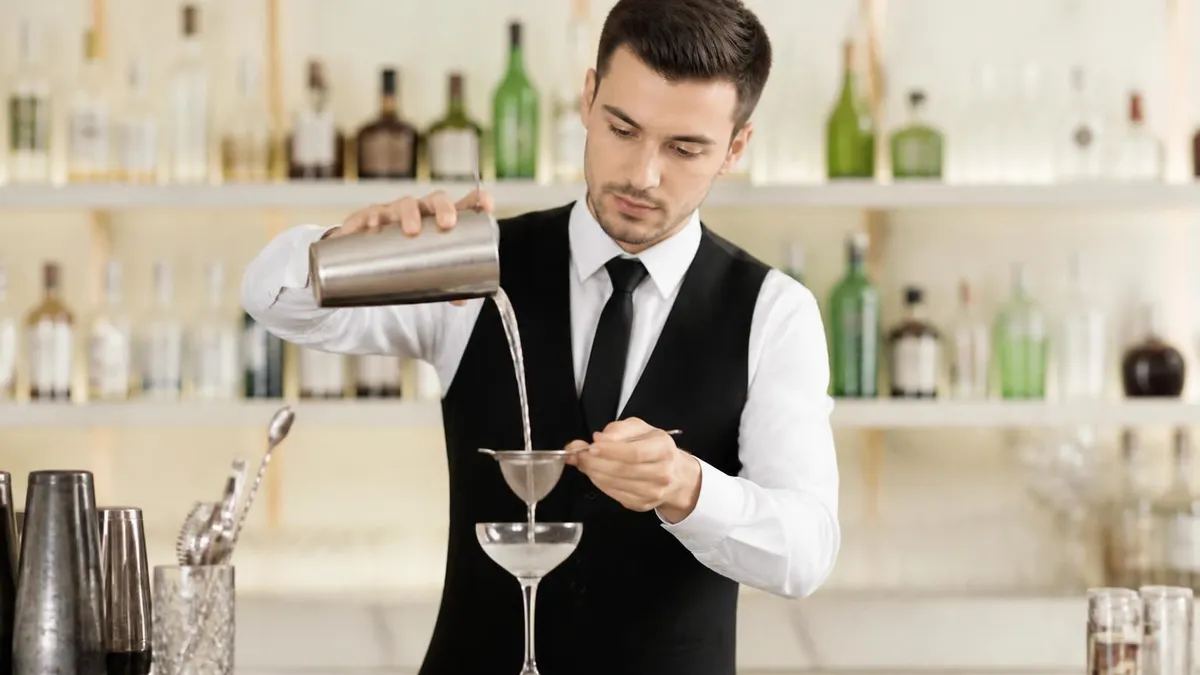
Shot Bartending Techniques: The Complete Guide to Speed, Style, and Service Behind the Bar
About the Author
Executive Chef & Culinary Arts Certification Educator
Culinary Institute of AmericaChef Marco Bellini is a Certified Executive Chef and graduate of the Culinary Institute of America with over 20 years of professional kitchen experience in Michelin-recognized restaurants. He teaches culinary arts certification, food safety, and hospitality exam preparation, having guided thousands of culinary students through their ServSafe, ProStart, and professional chef certifications.
Join the Discussion
Connect with other students preparing for this exam. Share tips, ask questions, and get advice from people who have been there.
View discussion (7 replies)