
How to Get ARRT Certified: Complete Step-by-Step Guide for Radiologic Technologists
Learn how to get ARRT certified step by step — education, ethics, exam prep, and application tips for radiologic technologists in 2026 September. 🟢

Understanding how to get ARRT certified is the first and most important step for anyone pursuing a career as a radiologic technologist in the United States. The American Registry of Radiologic Technologists (ARRT) is the national credentialing organization that certifies and registers qualified professionals in medical imaging and radiation therapy. Earning ARRT certification signals to employers, patients, and colleagues that you have met rigorous education, ethics, and competency standards. Without it, practicing in most states is simply not possible.
The ARRT certification process involves three major requirements: completing an accredited educational program, satisfying an ethics review, and passing the ARRT examination in your chosen discipline. Each of these steps must be completed in the correct order, and each has its own set of sub-requirements, timelines, and potential pitfalls. Thousands of candidates go through this process every year, and those who plan ahead consistently report less stress and higher first-attempt pass rates than those who wait until the last minute to prepare.
The most common discipline candidates pursue is Radiography (R), which is the foundation for X-ray imaging. However, ARRT offers credentials in more than a dozen disciplines, including Computed Tomography (CT), Magnetic Resonance Imaging (MRI), Nuclear Medicine Technology, Radiation Therapy, Sonography, and several post-primary specialty areas. Your chosen discipline determines which accredited program you must complete and which version of the ARRT exam you will take.
One of the most frequently asked questions from aspiring radiologic technologists is how long the entire certification process takes. For most candidates, the path from enrolling in an accredited program to holding a valid ARRT credential takes approximately two to four years. Associate degree programs in radiography typically run 24 months, while bachelor's degree programs take 48 months. After graduation, the application and examination process adds another four to eight weeks, depending on how quickly you submit your materials and how long the ethics review process takes.
Financial planning is also an important part of the journey. Between tuition, clinical training fees, and the ARRT exam application fee, candidates can expect to invest several thousand dollars before they ever receive a paycheck as a credentialed technologist. The good news is that radiologic technologists enjoy strong job security and competitive salaries. According to the U.S. Bureau of Labor Statistics, the median annual wage for radiologic and MRI technologists is approximately $67,000, with top earners in high-demand markets bringing in well over $90,000 per year.
Preparation is the single most reliable predictor of success on the ARRT examination. Candidates who use structured study plans, take multiple full-length practice exams, and review all content categories outlined in the ARRT Content Specifications consistently outperform peers who study without a strategy. Resources like how to get arrt certified practice materials can dramatically improve your readiness and confidence heading into test day. Using these tools early and often will help you identify weak areas in plenty of time to address them before your scheduled exam date.
This guide walks you through every stage of the ARRT certification process — from choosing an accredited program to submitting your application, navigating the ethics review, preparing for the exam, and maintaining your credential after you pass. Whether you are still in high school exploring healthcare careers or a working professional considering a new specialty, the information here will help you make informed decisions and move forward with confidence on your path to ARRT certification.
ARRT Certification by the Numbers
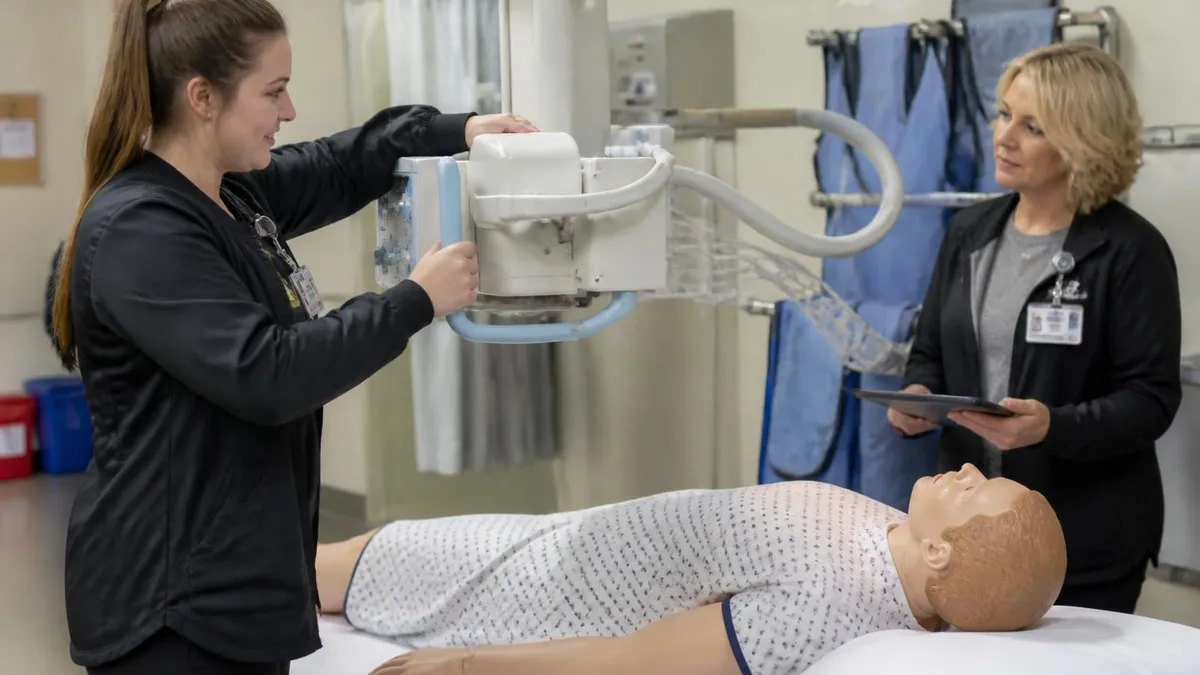
ARRT Certification Timeline: Step by Step
Enroll in an ARRT-Approved Accredited Program
Complete Clinical Competency Requirements
Pass the ARRT Ethics Review
Submit Your ARRT Application
Schedule and Take the ARRT Exam
Receive Your ARRT Credential
The educational foundation of ARRT certification is non-negotiable. To be eligible to sit for any primary ARRT examination, you must graduate from a program that has been accredited by a ARRT-recognized accrediting organization. For Radiography, the primary accreditor is the Joint Review Committee on Education in Radiologic Technology (JRCERT). For Radiation Therapy, Nuclear Medicine Technology, and other disciplines, ARRT recognizes accreditors such as JRCNMT and CAAHEP. Before you enroll in any program, verify its accreditation status directly with the accrediting body — not just the school's marketing materials.
Accredited radiography programs typically cover four core curricular areas: patient care and management, radiation protection, image production, and radiographic procedures. Patient care includes understanding medical emergencies, infection control, contrast media reactions, and communication with patients of all ages and cognitive abilities. Radiation protection courses teach you the principles of ALARA (As Low As Reasonably Achievable), dosimetry, and the biological effects of ionizing radiation. These are heavily tested concepts on the ARRT exam and deserve significant study time during your program.
Clinical training is integrated throughout accredited programs and is where book knowledge gets translated into hands-on proficiency. Students rotate through multiple imaging modalities including general radiography, fluoroscopy, surgical imaging, and sometimes CT or MRI depending on the program. Each rotation has a set of required competency evaluations. For the Radiography (R) credential, ARRT requires candidates to demonstrate competency in 31 mandatory procedures, 15 of 36 elective procedures, and all terminal competencies before their program director can sign off on the application.
The ethics and character review is one of the most misunderstood parts of the certification process. ARRT requires all applicants to self-report any criminal convictions, suspensions, probations, or violations of healthcare regulations within the past five years (and some categories require lifetime disclosure). This is not designed to automatically disqualify people — many candidates with minor past issues are approved after review. However, failing to disclose a reportable incident is treated as dishonesty and is far more likely to result in denial than the underlying incident itself.
If you have anything to disclose, the smartest move is to request a pre-application determination from ARRT before you complete your educational program. This allows ARRT to review your circumstances and give you a determination of eligibility without the pressure of an active application deadline. The review process is confidential, and the written determination gives you clarity on whether to proceed. Many candidates with disclosed issues have gone on to become credentialed radiologic technologists after providing context, letters of recommendation, and evidence of rehabilitation.
Understanding the structure of your ARRT exam content specifications is essential for directing your study efforts efficiently. ARRT publishes detailed content specifications documents (available free on their website) that break down each exam by major content categories and subcategories, along with the percentage of questions devoted to each area. For the Radiography exam, the three major categories are Radiation Protection (weighted approximately 23%), Equipment Operation and Quality Control (approximately 22%), and Image Production (approximately 26%), with Radiographic Procedures making up the remaining portion. Knowing where the most points are concentrated helps you prioritize your review time.
Many candidates underestimate the importance of anatomy knowledge on the ARRT exam. Radiographic procedures questions are not just about technique — they test your ability to identify anatomical structures, recognize normal versus abnormal positioning, and understand the clinical indications for specific projections. Review every required projection from head to toe, know the positioning criteria, the central ray angles, the anatomical structures demonstrated, and the most common positioning errors. Use positioning atlases alongside your practice questions to reinforce the visual and technical knowledge simultaneously.
ARRT Exam Prep Strategies That Work
Effective ARRT exam preparation begins with a structured 10–12 week study schedule created immediately after graduation. Divide your available study hours across the major content categories using ARRT's published content weighting as a guide. Spend proportionally more time on image production and radiation protection, which together account for nearly 50% of scored questions. Block out two to three hours of focused study each weekday and a longer review session on weekends to build consistency and prevent burnout.
Use the first two weeks to take a full-length diagnostic practice exam under timed, test-like conditions before reviewing any material. Your diagnostic results will reveal your strongest and weakest content areas, allowing you to customize the remaining weeks of study. Candidates who skip this step often spend precious study hours reviewing topics they already know well while neglecting areas where they are genuinely weak. Track your progress with weekly mini-quizzes to confirm you are retaining material across all domains, not just the most recently reviewed topics.
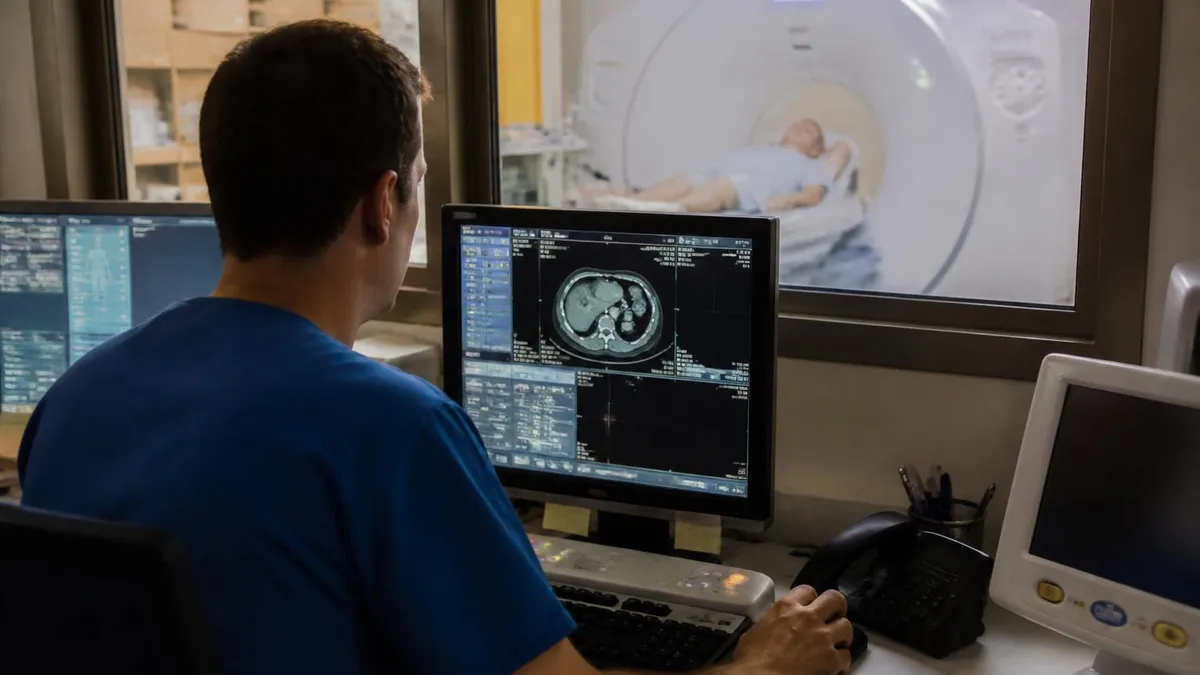
Pros and Cons of Pursuing ARRT Certification
- +Strong job security — radiologic technologist employment is projected to grow 6% through 2032 (faster than average)
- +Competitive starting salaries averaging $55,000–$65,000 annually, with experienced techs earning $80,000+
- +ARRT certification opens doors to advanced specialties including CT, MRI, mammography, and interventional radiology
- +Transferable credential recognized in all 50 states, making geographic mobility easy for career advancement
- +Meaningful patient care role — you directly contribute to diagnosis and treatment of serious medical conditions
- +Multiple educational pathways available, from associate degrees to bachelor's completion programs designed for working adults
- −Two to four year educational commitment required before you can sit for the certification exam
- −Upfront costs including tuition, fees, and the $225 ARRT exam application fee represent a significant financial investment
- −Mandatory continuing education — 24 CE credits required every two years to maintain your active credential
- −Radiation exposure is an occupational reality, requiring consistent use of dosimetry badges and protective shielding
- −The ARRT ethics disclosure process can be stressful for candidates with any past legal or disciplinary history
- −Clinical rotations during training involve shift work, weekend hours, and holidays that may conflict with personal obligations
Pros and Cons at a Glance
| Pros | Cons |
|---|---|
| ARRT certification opens doors to advanced specialties including CT, MRI, mammography, and interventional radiology | Two to four year educational commitment required before you can sit for the certification exam |
| Meaningful patient care role — you directly contribute to diagnosis and treatment of serious medical conditions | Radiation exposure is an occupational reality, requiring consistent use of dosimetry badges and protective shielding |
| Multiple educational pathways available, from associate degrees to bachelor's completion programs designed for working adults | The ARRT ethics disclosure process can be stressful for candidates with any past legal or disciplinary history |
ARRT Certification Application Checklist
- ✓Verify your program is accredited by a ARRT-recognized accreditor (JRCERT, JRCNMT, or CAAHEP) before graduating.
- ✓Complete all mandatory and elective clinical competencies required for your discipline.
- ✓Request your program director's signature on the ARRT graduation and competency verification form.
- ✓Disclose all required criminal convictions, violations, or ethics incidents on your application — omissions are disqualifying.
- ✓Submit a pre-application ethics determination request if you have anything to disclose before your application deadline.
- ✓Create an online account on the ARRT website and complete the application within 12 months of graduation.
- ✓Pay the application fee ($225 for primary credentials as of 2026) by credit card through the ARRT portal.
- ✓Wait for your Authorization to Test (ATT) letter via email before attempting to schedule your exam.
- ✓Schedule your exam at a Prometric testing center within your 90-day ATT validity window.
- ✓Bring two valid forms of ID to the testing center on exam day — a government-issued photo ID is required.
Your ATT Is Only Valid for 90 Days
Once ARRT issues your Authorization to Test, you have exactly 90 days to sit for the exam. If you miss this window, you must reapply and pay the application fee again. Schedule your exam date immediately after receiving your ATT — do not wait until you feel fully ready. A structured study plan started the day your ATT arrives is far more effective than an open-ended preparation period with no deadline pressure.
The ARRT examination is a computer-based adaptive test delivered exclusively at Prometric testing centers located throughout the United States and its territories. The Radiography (R) exam consists of 200 items — 180 of which are scored and 20 of which are unscored pilot questions randomly distributed throughout the exam. You will not be able to tell which questions are scored and which are not, so you should approach every question with the same level of care and effort. The total available testing time is 3.5 hours, and most candidates complete the exam in 2 to 2.5 hours.
Questions on the ARRT exam are written by practicing radiologic technologists and reviewed by ARRT item development committees for accuracy, clarity, and appropriate difficulty level. Each question is classified by content category and cognitive level (recall, application, or analysis). The vast majority of questions are written at the application and analysis level, which means they require you to apply knowledge to a specific clinical scenario rather than simply recalling a memorized fact. This is an important distinction that should fundamentally shape how you approach your exam preparation.
Scoring on the ARRT exam uses a scaled score system. The passing score for the Radiography exam is 75 on a scale that runs from 1 to 99. This does not mean you need to answer exactly 75% of questions correctly.
The actual number of correct responses required to achieve a passing scaled score varies slightly from exam form to exam form due to statistical equating — a process that accounts for minor differences in question difficulty across different test versions. Practically speaking, candidates who pass typically answer approximately 70–75% of scored questions correctly, though ARRT does not publish the exact raw-to-scaled score conversion.
After you complete the exam and submit your answers, the testing center transmits your results to ARRT electronically. ARRT typically releases official results within 2–3 business days via the online MyARRT portal. You will receive an email notification when your results are available. If you pass, you can download a digital copy of your certificate immediately. Your official printed certificate will be mailed to the address on file within 2–3 weeks of the results release. Most employers will accept a screenshot of your digital result as proof of certification while you wait for the physical document.
Candidates who do not pass on their first attempt are permitted to retake the exam up to three times within a one-year eligibility period from the date of their initial application approval. After three attempts, you must wait until the next application cycle to reapply. If you receive a failing result, ARRT provides a diagnostic score report that breaks down your performance by content category.
Use this report to guide your remediation — identify the two or three categories where your performance was weakest and devote the majority of your re-study time to those areas. Attempting the exam again without a targeted remediation plan rarely produces a different outcome.
Many candidates ask whether they should pursue the ARRT Radiography credential first and then add specialty credentials later, or attempt to enter a specialty program directly. The vast majority of specialists in CT, MRI, Mammography, and similar fields hold the Radiography (R) credential as their primary credential.
This is not always required — ARRT does have separate primary pathways for Nuclear Medicine Technology, Radiation Therapy, and Sonography — but for anyone interested in diagnostic imaging broadly, earning your (R) credential first provides the broadest foundation and the widest range of employment options while you gain experience and decide on a specialty direction.
Once you have passed your exam and received your credential, the next priority is understanding how to maintain it. ARRT certification is active for a two-year renewal cycle that runs from January 1 of even-numbered years to December 31 of the following even-numbered year. During each two-year cycle, you must complete 24 approved continuing education credits. CE credits can be earned through ARRT-recognized providers, including professional organizations, accredited colleges, hospital-based programs, and online learning platforms. Failure to complete your CE credits results in an inactive credential, which means you technically cannot practice in states that require active ARRT certification.

ARRT requires you to submit your certification application within 12 months of your graduation date. After this deadline passes, you will need to wait for a new application period and may face additional requirements. Candidates who delay their application often find that clinical competencies expire or that their program director is no longer available to certify their records. Submit your application as soon as possible after graduation — ideally within 30 to 60 days.
Maintaining your ARRT credential over the course of a long career requires more than just completing continuing education credits every two years. It also requires ongoing compliance with ARRT's Standards of Ethics, which all credential holders agree to uphold as a condition of holding the credential.
The Standards of Ethics include two components: the Code of Ethics (aspirational guidelines) and the Rules of Ethics (mandatory standards of minimally acceptable professional conduct). Violations of the Rules of Ethics — such as practicing outside your scope, falsifying patient records, or being convicted of a crime — must be self-reported to ARRT within 30 days.
Post-primary specialty credentials are one of the most powerful ways to increase your earning potential and expand your clinical scope as a credentialed radiologic technologist. ARRT offers post-primary credentials in 10 specialty areas, including Computed Tomography (CT), Magnetic Resonance Imaging (MRI), Mammography (M), Cardiac-Interventional Radiography (CI), and Quality Management (QM). To earn a post-primary credential, you must hold an ARRT primary credential in good standing, complete a minimum number of qualifying CE credits, document clinical experience in the specialty area, and pass the post-primary examination.
The CT credential is among the most sought-after post-primary credentials in medical imaging. CT technologists operate sophisticated cross-sectional imaging equipment to produce detailed images of the body's internal structures for diagnosis of cancer, cardiovascular disease, trauma injuries, and neurological conditions. Earning the CT credential requires 16 hours of CT-specific CE (Category A) in the 24 months prior to application and documentation of 50 clinical procedures across required CT categories. Many employers in urban and suburban markets list CT certification as a preferred or required qualification for full-time radiographer positions.
MRI technologists operate magnetic resonance imaging systems that produce high-contrast images of soft tissue without ionizing radiation. The demand for qualified MRI technologists has grown substantially over the past decade as MRI technology has become more widely used in outpatient, hospital, and research settings. Earning the MRI (MR) post-primary credential requires the same CE and clinical experience documentation structure as CT, but with MRI-specific procedure categories. Many radiology practices offer structured MRI cross-training programs for experienced radiographers looking to add this credential to their portfolio.
Salary data consistently shows that radiologic technologists who hold multiple ARRT credentials — particularly combinations like R+CT or R+MRI — earn significantly more than single-credential colleagues in the same geographic market. A radiographer with only the (R) credential in a mid-sized metropolitan area might earn $58,000–$65,000 per year. Add an MRI credential, and the same technologist is competitive for positions paying $75,000–$88,000. Add both CT and MRI, and six-figure salaries become achievable in high-cost-of-living markets and specialized clinical environments such as academic medical centers, private outpatient imaging chains, and traveling tech staffing arrangements.
Travel radiologic technology is a career path that has grown dramatically since 2020. Travel techs accept short-term (usually 13-week) contracts with hospitals and imaging centers across the country, often earning weekly gross pay of $2,500–$4,000 through a combination of taxable hourly wages and tax-free housing and meal stipends.
ARRT certification is universally required for travel tech assignments, and having post-primary credentials significantly expands the number and quality of contracts available to you. Many experienced radiologic technologists use travel assignments to accelerate savings, pay off student loans, and gain clinical experience in high-volume, high-acuity environments that would be difficult to access in a permanent position at a single institution.
For those interested in career advancement beyond the clinical bedside, ARRT certification is also the foundation for roles in radiologic technology education, quality management, department management, and medical imaging informatics. Lead technologist, supervisor, and radiology manager roles are frequently open to experienced credentialed techs who develop additional skills in leadership, data analysis, or accreditation compliance. Advanced academic degrees (BS, MS, or even doctoral programs in health administration or medical imaging) are available to credentialed technologists who want to move into administrative, research, or educational roles in the long term.
When it comes to final-phase exam preparation in the two weeks before your scheduled ARRT examination, the focus should shift from learning new material to consolidating and reinforcing what you already know. Trying to cram large amounts of new content in the days before the exam frequently backfires — it increases anxiety, disrupts sleep patterns, and can actually interfere with recall of well-established knowledge. Instead, use the final two weeks for targeted review of your weakest content categories, full-length timed practice exams every other day, and light daily review of high-yield facts in anatomy and radiation protection.
Sleep is a non-negotiable performance variable that many candidates overlook during final exam preparation. Research on memory consolidation consistently shows that sleep in the 24 hours after learning is critical for transferring information from short-term to long-term memory.
Pulling all-nighters or significantly reducing sleep in the week before your exam impairs both recall and analytical reasoning — exactly the cognitive functions the ARRT exam tests most heavily. Protect 7–9 hours of sleep per night throughout your entire study period and especially in the final week. A well-rested brain sitting for a 3.5-hour exam will consistently outperform an exhausted brain with marginally more raw study hours logged.
The role of peer study groups in ARRT exam preparation is often underrated. Working through practice questions in a group setting forces you to verbalize your reasoning process, which reveals gaps in understanding that silent solo study can mask. When you explain why an answer choice is correct — or why the distractors are wrong — you engage a deeper level of processing than simply reading an explanation written by someone else.
Form or join a study group with three to five fellow graduates, meet weekly via video call or in person, and take turns presenting explanations for challenging questions. Teaching a concept to someone else is one of the most reliable ways to cement your own understanding of it.
Digital flashcard platforms like Anki use spaced repetition algorithms to optimize the timing of review for each fact you are trying to learn. When you use spaced repetition during your ARRT study period, facts you find difficult are reviewed more frequently, while facts you have already mastered are reviewed less often, freeing up study time for material that actually needs work. Building a comprehensive Anki deck covering radiation units, positioning terminology, image quality factors, contrast media reactions, and radiographic anatomy gives you a personalized review system that adapts to your specific knowledge gaps over the weeks of your study program.
On the morning of your exam, eat a balanced meal containing protein and complex carbohydrates at least 90 minutes before your scheduled appointment time. Avoid excessive caffeine, which can increase test anxiety and impair fine motor coordination. Dress in comfortable, layered clothing — testing centers maintain their rooms at a consistent temperature, but individual comfort varies.
When you sit down at your workstation, take two to three deep breaths before you begin. The first few questions on any standardized exam tend to feel harder than they actually are because your brain is still ramping up to test-taking mode. Stay calm, read each question stem fully before looking at the answer choices, and trust your preparation.
After receiving your passing result, your first step should be to update your resume and professional profiles to reflect your ARRT credential. Add your credential designation (e.g., RT(R) ARRT) after your name in email signatures, LinkedIn profiles, and job applications. This designation communicates at a glance that you hold an active, validated credential in a specific discipline.
Begin exploring job opportunities in your preferred setting — hospital outpatient imaging centers, urgent care facilities, private radiology practices, and academic medical centers all hire entry-level credentialed radiographers regularly, and the national demand for credentialed professionals remains consistently strong across all major U.S. markets.
Long-term career success as a credentialed radiologic technologist requires continuous investment in both technical skills and professional development. Attend the annual meeting of the American Society of Radiologic Technologists (ASRT) to stay current on emerging imaging technologies, regulatory changes, and clinical best practices. Consider joining your state's radiologic technology society for networking opportunities and CE events. As you accumulate years of experience, mentor students and new graduates in your department — not only does this contribute to the profession, but it reinforces your own knowledge and positions you as a subject matter expert and potential leader in your organization.
ARRT Questions and Answers

ARRT Practice Test PDF (Free Printable 2026)
American Registry of Radiologic Technologists: Complete Training Guide & Requirements

ARRT Practice Test 2026: Free Questions & Full Exam Prep Guide

ARRT Certification: Requirements, Exam & How to Get Certified
ARRT Credentials: Complete Guide to Types, Requirements & How to Earn Them
About the Author

Medical Laboratory Scientist & Clinical Certification Expert
Johns Hopkins UniversityDr. Sandra Kim holds a PhD in Clinical Laboratory Science from Johns Hopkins University and is certified as a Medical Technologist (MT) and Medical Laboratory Scientist (MLS) through ASCP. With 16 years of clinical laboratory experience spanning hematology, microbiology, and molecular diagnostics, she prepares candidates for ASCP board exams, MLT, MLS, and specialist certification tests.