
Forklift Driver Jobs in Australia: Your Complete Career Guide for TLILIC0003 Holders
📚 Find forklift driver jobs in Australia with your TLILIC0003 licence. Salary data, top industries, job search tips, and career advancement advice.

Forklift driver jobs are among the most reliably available trade positions across Australia, with demand consistently outpacing supply in warehousing, logistics, construction, and manufacturing sectors. If you hold a TLILIC0003 — the nationally recognised forklift operator licence — you are already equipped with the credential that most employers require before they will even consider your application. The good news is that the Australian labour market for licensed forklift operators has remained strong through 2025 and into 2026, driven by e-commerce growth, infrastructure investment, and a sustained need for skilled material-handling workers across every major city and regional hub.
Understanding where the jobs are, what they pay, and how to position yourself competitively is the difference between settling for casual shift work and landing a stable, well-paid full-time role with room to grow. Many operators spend their careers jumping between labour-hire agencies when a more strategic approach — targeting industries with the best pay rates, building a solid safety record, and upskilling progressively — could deliver significantly better outcomes within just a few years. This guide is designed to give you that strategic view of the forklift employment landscape in Australia.
The TLILIC0003 licence covers the operation of a counterbalance forklift, which is the most widely used forklift type in Australian workplaces. This makes your licence highly transferable across industries. Whether you are just starting out after completing your training or you are an experienced operator looking to advance into supervisory or specialised roles, the pathway forward is clearer than many people realise. Knowing which sectors pay best, which certifications add the most value, and what hiring managers are actually looking for will sharpen your job search considerably.
Salary expectations for forklift drivers in Australia vary quite significantly depending on industry, location, experience level, and whether the position is casual, part-time, or full-time permanent. Entry-level operators in distribution centres typically earn between $28 and $34 per hour, while experienced operators in mining, cold storage, or hazardous materials environments can earn $40 to $55 per hour or more with penalty rates included. Understanding these ranges helps you evaluate job offers realistically and negotiate from a position of knowledge rather than guesswork.
Explore forklift driver jobs by forklift type — knowing which models you are certified and experienced to operate will directly influence which positions you qualify for and how competitive your application looks to employers. Operators who can demonstrate proficiency on reach trucks, order pickers, and rough-terrain forklifts in addition to the standard counterbalance unit are consistently preferred when employers are choosing between candidates with similar licensing credentials.
This guide covers everything from where to find the best forklift job listings in Australia, to how to write a CV that gets past recruitment screening, to the industries that offer the strongest long-term career progression for TLILIC0003 holders. We also address common questions around licence currency, medical fitness requirements, and how to transition into supervisory or fleet management roles as your experience grows. Read on to build your understanding of what a rewarding forklift career in Australia actually looks like in 2026.
Forklift Driver Jobs in Australia by the Numbers

Forklift Operator Salary Ranges Across Australian Industries
Warehousing and logistics remain the largest employers of TLILIC0003-licensed forklift operators in Australia. The explosive growth of e-commerce since 2020 has permanently shifted the volume of goods moving through distribution centres, and that means a sustained, high demand for operators who can work efficiently, safely, and accurately in fast-paced warehouse environments. Major players like Amazon, Woolworths Group, Coles Supply Chain, and Linfox regularly advertise hundreds of forklift positions across their national networks, and they typically offer structured induction programs, competitive hourly rates, and opportunities for overtime.
Manufacturing is another sector that consistently absorbs large numbers of forklift operators. In manufacturing facilities, forklift operators are responsible for moving raw materials to production lines, transferring finished goods to dispatch areas, and managing the flow of components between work stations. The nature of the work tends to be more repetitive than in distribution environments, but the trade-off is often greater job stability — manufacturers frequently prefer permanent employees over casual labour-hire arrangements, which suits operators looking for consistent income and access to company benefits such as superannuation contributions above the statutory minimum, paid leave, and health allowances.
The construction and building materials sector offers some of the most interesting variety in forklift work. Operators in this space may find themselves working at a timber yard one week and on a large commercial construction site the next, moving steel, concrete blocks, or prefabricated building components. Pay rates are generally higher than in warehousing, partly because of the physical demands of the environment and partly because of the site allowances that are commonly built into enterprise agreements covering construction workers. If you enjoy working outdoors and handling diverse loads, this sector is worth targeting specifically in your job search.
Cold storage and refrigeration logistics is a niche that offers excellent pay premiums for operators willing to work in low-temperature conditions. Cold chain distribution has grown significantly as Australia's food export industry has expanded, and facilities handling chilled and frozen goods need licensed forklift operators around the clock. Cold allowances — additional hourly payments for working in environments below specified temperatures — can add several dollars per hour to your base rate. Workers in this sector also tend to develop strong specialist skills that are transferable to high-paying roles in pharmaceutical logistics and perishable export handling.
Mining and resources is the highest-paying sector for forklift operators, though it also comes with the most demanding conditions. Fly-in fly-out (FIFO) roles in Western Australia, Queensland, and the Northern Territory often pay operators $45 to $55 per hour or more, with accommodation and meals provided on site. However, these roles typically require additional certifications beyond the TLILIC0003, including site-specific inductions, drug and alcohol testing compliance, and sometimes elevated rescue or first aid qualifications. If you are willing to put in the groundwork on supplementary certifications, the financial rewards can be substantial.
Agriculture and food processing create strong seasonal demand for forklift operators, particularly during harvest periods and export packing seasons. In regions like the Riverina in New South Wales, the Darling Downs in Queensland, and the South Australian wine regions, food processing facilities ramp up staffing significantly between March and June and again between August and November. Seasonal work in these areas can be an excellent way for newer operators to build hours on their logbook quickly, develop a broad range of handling experience, and supplement their income during periods when metropolitan warehouse work is slower than usual.
Forklift Driver Job Types: Casual, Contract and Permanent Roles
Casual forklift operator positions are the most common entry point into the industry and are widely available through labour-hire agencies such as Programmed, WorkPac, Hays, and Adecco. Casual rates are typically 20 to 25 percent higher than the equivalent permanent rate, compensating for the lack of paid leave and job security. This loading can make casual work financially attractive in the short term, especially during periods of peak demand in warehousing and logistics, when overtime is readily available.
The main drawback of casual employment is income unpredictability — your rostered hours can change week to week based on operational demand. However, experienced operators who develop a strong reliability record with their agency often find they become effectively permanent in practice, with consistent hours and first preference for available shifts. Many full-time permanent roles are also filled by converting reliable casuals, making casual work a genuine pathway into stable employment with major employers.

Pros and Cons of a Forklift Driver Career in Australia
- +Strong, consistent national demand across all major industries and regions
- +TLILIC0003 licence is nationally recognised and portable across all Australian states and territories
- +Clear pathway to higher earnings through industry specialisation and supplementary certifications
- +Wide range of employment types — casual, contract, and permanent — to suit different lifestyle needs
- +Opportunities to transition into supervision, fleet management, and workplace health and safety roles
- +Mining and cold storage sectors offer substantially above-average pay rates for willing operators
- −Entry-level hourly rates in metropolitan warehousing are modest compared to some other trades
- −Physical demands of the role — vibration, repetitive motion, awkward postures — can accumulate over time
- −Casual roles offer unpredictable hours that make budgeting and financial planning more difficult
- −Licence renewal every five years requires additional cost and time investment
- −Night shift and weekend work is common in logistics environments and may not suit all operators
- −Automation and autonomous forklift technology is gradually reducing demand in some warehouse types
Forklift Job Search Checklist for TLILIC0003 Holders
- ✓Locate and make a certified copy of your current TLILIC0003 High Risk Work Licence before applying.
- ✓Update your CV to clearly list your TLILIC0003 licence number, issue date, and expiry date.
- ✓Record all forklift models and attachment types you have operated experience with on your CV.
- ✓Gather two professional references from previous supervisors or site managers who can speak to your safety record.
- ✓Register your profile on Seek, Indeed Australia, and Workforce Australia and set up job alerts for forklift operator roles.
- ✓Contact at least three industrial labour-hire agencies in your area to register as an available operator.
- ✓Research the enterprise agreements or award rates applicable to your target industry so you can evaluate offers accurately.
- ✓Prepare a brief cover letter tailored to each application that highlights your safety record and relevant industry experience.
- ✓Arrange a current National Police Check (most large employers require this as part of onboarding).
- ✓Confirm your medical fitness — some employers, particularly in mining, require a pre-employment medical clearance.
Your Safety Record Is Your Most Valuable Asset
Australian employers consistently report that a clean, documented safety record is the single most important factor in selecting between candidates with equivalent licensing credentials. Operators who can demonstrate zero incidents across multiple employers and thousands of operating hours command premium rates and are offered permanent positions ahead of peers. If you do not already have a logbook recording your operating hours and any safety observations or near-miss reports, start one now — even retrospectively reconstructed records demonstrate the right mindset to hiring managers.
Standing out as a forklift operator applicant in a competitive job market requires more than simply presenting your TLILIC0003 licence certificate and hoping for the best. Hiring managers at large distribution centres and logistics companies screen dozens of applications for every available role, and they are looking for signals that distinguish reliable, safety-conscious professionals from operators who treat the work as a temporary stepping stone. The way you present your experience, your safety record, and your attitude toward workplace compliance can have an enormous impact on which side of the shortlist you end up on.
The first practical step is to ensure your CV is structured to surface the information employers care most about immediately. Place your licence details — the TLILIC0003 number, issuing state, and expiry date — at the top of the document alongside your contact information, not buried in a skills section halfway down.
Then list your forklift operating experience chronologically, with the employer name, the types of forklift equipment you operated, the approximate daily or weekly operating hours, and any specific tasks or environments you handled. Concrete detail here — mentioning that you operated a 3-tonne counterbalance in a refrigerated facility at minus 18 degrees, for example — creates a vivid picture that generic CV language does not.
References matter enormously in the trades and logistics sector. Before you apply, contact your previous supervisors and line managers to let them know you are job seeking and to confirm they are willing to speak positively on your behalf. Employers will call your references before making an offer, and a lukewarm or unavailable reference can cost you a role even when you are the strongest candidate on paper. Ideally, you want references who can speak specifically to your punctuality, your approach to pre-start safety checks, how you handle near-misses, and your behaviour under pressure during busy periods.
Additional certifications and training courses demonstrate initiative and expand the range of roles you can apply for. Beyond the TLILIC0003, consider obtaining your Elevated Work Platform (EWP) licence, your Dogging or Rigging licence, a Forklift Attachments awareness course certificate, or a Warehousing and Storage industry unit of competency. Each additional credential makes you a more versatile and more attractive candidate, particularly for employers who need operators who can perform multiple roles within the same facility on different days. Many of these courses can be completed in one to three days at registered training organisations throughout Australia.
Presentation during interviews and labour-hire registration appointments counts more than most operators expect. Coming prepared with your original licence, a printed copy of your CV, your references list, and any relevant certificates demonstrates professionalism and saves time. Dress neatly — you do not need to wear a suit, but clean, well-maintained work wear or smart casual clothing signals that you take the opportunity seriously.
Be prepared to answer questions about specific scenarios: how you would respond to a load that shifted mid-carry, what steps you take during a pre-operational safety check, and how you manage working in high-pedestrian areas. These questions are designed to assess real competence, not just licence compliance.
Online presence is increasingly relevant even for trades workers. A complete LinkedIn profile that lists your TLILIC0003 certification, your key employers, and endorsements from former colleagues and supervisors gives recruiters and hiring managers a quick way to verify your background and reach out directly. Many logistics companies now use LinkedIn to proactively source candidates for forklift positions before posting the role publicly, meaning operators with a professional online profile are sometimes approached with opportunities that never appear on job boards.
Networking within the industry is underrated as a job search strategy. The forklift and materials handling community in Australia is relatively tight-knit — operators who have worked at multiple sites often know hiring supervisors at nearby facilities. Letting your network know you are looking for a new role, attending industry safety events or toolbox talks, and maintaining positive relationships with former employers can surface opportunities that never appear on Seek or Indeed. Some of the best permanent forklift positions are filled through word-of-mouth recommendations well before the role is formally advertised.

Your TLILIC0003 High Risk Work Licence must be current and valid at the time you commence employment — not just when you apply. If your licence is within three months of expiry, prioritise renewal before submitting applications. Some employers will not process an offer for an operator whose licence expires within 60 days, as it creates a compliance risk for their site. Check your expiry date on your licence card now and plan your renewal timeline accordingly.
Career advancement for forklift operators in Australia does not happen by accident — it is the result of deliberate choices about which skills to develop, which industries to gain experience in, and how to position yourself for roles that offer more responsibility and higher earnings over time. The good news is that the forklift and materials handling sector has well-defined progression pathways, and operators who understand them can move from entry-level casual work to senior supervisory or specialised operational roles within five to eight years of consistent effort.
The first major progression step for most forklift operators is from casual or labour-hire employment to a direct, permanent role with a single employer. Permanent employment brings superannuation contributions, paid leave entitlements, and access to internal promotion opportunities that simply are not available to casual workers. Once you are in a permanent role, focus on building a strong internal reputation through consistent punctuality, proactive participation in safety discussions, and a willingness to assist with training new operators. These behaviours make you visible to team leaders and managers when promotion opportunities arise.
Team leader and leading hand positions are the natural next step after demonstrating consistent performance as an operator. These roles typically involve a combination of hands-on forklift operation and supervisory responsibilities — assigning tasks to the shift team, conducting daily briefings, monitoring safety compliance, and liaising with warehouse management about throughput targets and operational priorities. The pay premium for leading hand positions can be $3 to $6 per hour above the standard operator rate, and the experience gained in people management is directly applicable to further progression into supervisory and management roles.
Warehouse supervisor and logistics coordinator positions represent the next tier of advancement and typically move away from regular forklift operation toward a management focus. In these roles, you are responsible for the performance of an entire shift or warehouse section — managing staffing, monitoring key performance indicators, coordinating inbound and outbound freight schedules, and ensuring compliance with work health and safety legislation. Many employers prefer to promote experienced operators into these roles rather than hiring externally, because internal candidates already understand the operational realities of the environment in a way that external managers often do not.
For operators with a strong interest in workplace safety, a career transition into Work Health and Safety (WHS) advisory or coordination roles is increasingly viable. The practical operational experience of a TLILIC0003-licensed forklift operator — understanding load dynamics, understanding the real hazards of materials handling environments, and having lived the daily safety compliance process — is genuinely valued by WHS professionals and employers looking for safety coordinators who can relate to the workforce they are protecting. A Certificate IV in Work Health and Safety or a Diploma in WHS can formalise this transition and significantly expand your earning potential.
Fleet and equipment management is another avenue for experienced operators to transition into higher-paying roles without leaving the materials handling sector entirely. Forklift fleet managers oversee the maintenance schedules, compliance documentation, operator training, and operational deployment of forklift fleets across large sites or multi-site operations.
This role combines technical knowledge of forklift equipment with organisational and administrative skills, and it is well-compensated — senior fleet managers at large distribution companies or mining operations can earn $90,000 to $120,000 annually in salary packages. A background in forklift operation combined with a demonstrated interest in equipment maintenance and compliance is the typical entry pathway into these positions.
Training and assessment is a rewarding career path for experienced operators who enjoy teaching and knowledge transfer. Registered Training Organisations across Australia are consistently looking for qualified, experienced forklift trainers who can deliver TLILIC0003 training programs and conduct workplace assessments.
To pursue this path, you will need to obtain a Certificate IV in Training and Assessment (TAE40122), and most RTOs also require a minimum of three to five years of recent, relevant forklift operation experience. Trainer/assessor roles offer predictable hours, professional environments, and the satisfaction of helping new operators build the skills and knowledge they need to work safely and successfully in the industry.
Practical job search strategies make a real difference when the forklift operator market is competitive, and experienced operators who approach their search systematically consistently outperform those who rely solely on passive job board browsing.
One of the most effective tactics is to identify the major distribution centres, warehouses, and manufacturing facilities in your area and to approach their HR or operations teams directly — in person or via a targeted email — rather than waiting for a job to be advertised publicly. Many large employers maintain a pool of pre-vetted candidates they contact before posting roles, and getting your name into that pool can give you first access to the best opportunities.
Labour-hire agencies remain the fastest route to active work, particularly for operators who are new to an area or who are re-entering the industry after a period away. Registering with multiple agencies simultaneously — rather than working exclusively with one — dramatically increases the number of shifts and opportunities you are exposed to.
Be clear with each agency about your availability, your preferred industries, your acceptable travel distance, and your minimum hourly rate expectations. Agencies place candidates more effectively when they have accurate information about your constraints and preferences, and operators who communicate clearly tend to get more and better offers than those who leave their parameters vague.
When evaluating job offers, look beyond the base hourly rate to understand the full compensation picture. Enterprise agreements in warehousing, logistics, and manufacturing often include overtime penalty rates (typically 150 percent for the first two hours and 200 percent thereafter), weekend penalty rates, shift allowances for afternoon and night shifts, and tool or uniform allowances. A role advertised at $32 per hour that includes consistent afternoon shift and Saturday penalties could deliver an effective rate of $38 to $42 per hour in practice — significantly more attractive than it initially appears from the headline number alone.
Geographic flexibility can open up substantially better-paying opportunities for forklift operators willing to work outside major metropolitan areas. Regional distribution hubs, grain handling facilities, and agricultural processing plants in areas like the Hunter Valley, the Darling Downs, the Riverland, and the Pilbara consistently offer higher base rates and lower competition for positions than inner-city warehouses. If you have the personal flexibility to relocate, even temporarily, targeting regional employers can accelerate your earnings and experience accumulation considerably within a relatively short period.
Staying current with industry developments matters more than many operators appreciate. Forklift technology is evolving — electric forklifts, telematics systems, warehouse management software integrations, and the early stages of autonomous forklift deployment are reshaping what employers expect from their operators.
Operators who understand how to use warehouse management systems, who are familiar with the operational differences between internal combustion and lithium-ion electric forklifts, and who can engage constructively with technology adoption are more valuable to employers than those who resist or ignore these changes. Seeking out short courses or online learning in these areas demonstrates adaptability and forward-thinking that hiring managers genuinely value.
Documenting your operating hours and maintaining a personal record of your workplace safety performance is a habit that pays dividends over the course of a forklift career. Most experienced operators cannot accurately recall the total hours they have spent operating different classes of forklift equipment, and that uncertainty costs them when they are asked about it during job interviews or when applying for senior roles.
A simple spreadsheet or notebook recording your employer, the forklift class, approximate operating hours per month, and any safety observations or near-misses creates a professional record that strengthens every application you make going forward and demonstrates the kind of systematic, safety-conscious mindset that distinguishes excellent operators from average ones.
Finally, do not underestimate the value of investing in your own ongoing education and professional development, even when your employer does not require it. Operators who pursue additional high-risk work licences, complete first aid recertification proactively, attend industry safety seminars, and read widely about materials handling best practice consistently earn more, advance faster, and report higher job satisfaction than those who treat the TLILIC0003 as the end of their learning journey rather than the beginning. The forklift industry in Australia rewards those who take their craft seriously and invest in becoming genuinely excellent at what they do.
TLILIC0003 Questions and Answers
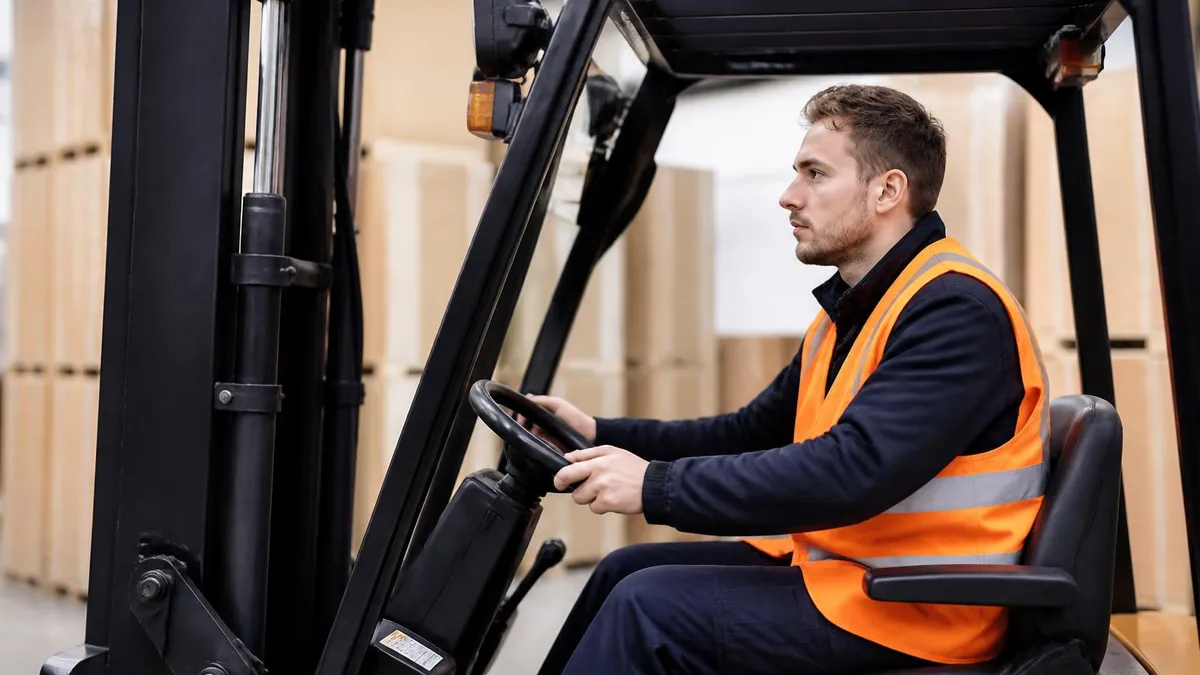
Forklift Models — Complete Guide (2026)
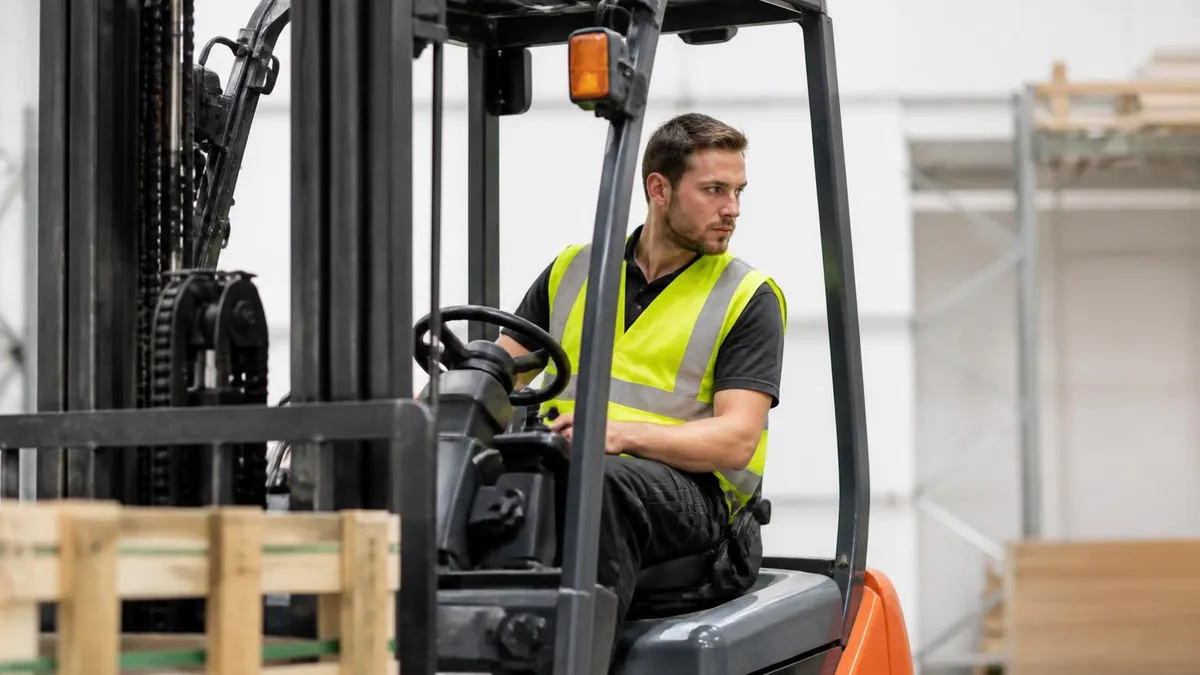
TLILIC0003 Forklift Maintenance: Pre-Shift Checks & Service Guide (2026)
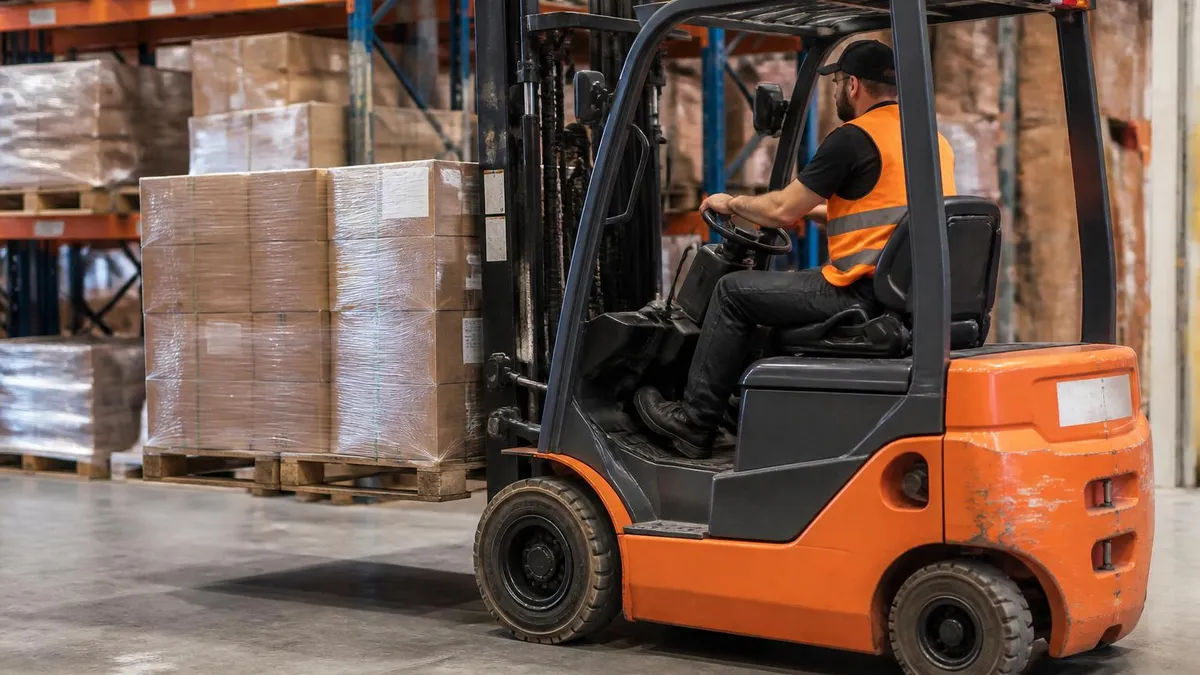
Forklift Licence Renewal Australia: Complete TLILIC0003 Guide (2026)
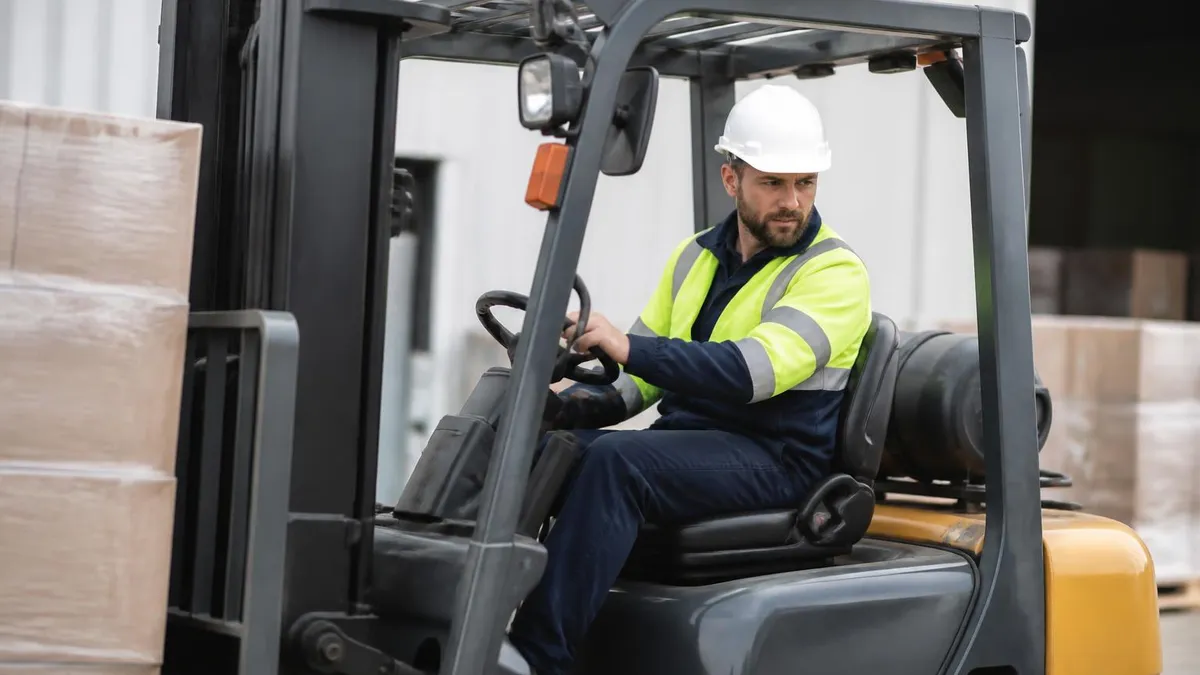
Electric 3 Wheel Forklift: Complete Guide to Electric Forklift Types for TLILIC0003 Operators in Australia
Forklift Sale Brisbane: Complete TLILIC0003 Operator Guide to Buying Forklifts in Australia
About the Author

Certified Crane Operator & Skilled Trades Exam Specialist
Ferris State UniversityRobert Martinez is a Journeyman Ironworker, NCCCO-certified crane operator, and forklift trainer with a Bachelor of Science in Construction Technology from Ferris State University. He has 21 years of ironworking, rigging, and heavy equipment operation experience across high-rise and industrial construction sites. Robert prepares candidates for crane operator, rigger, forklift, and skilled trades certification examinations.