
State Trooper Barracks: Inside the Stations Where Troopers Train, Patrol, and Serve
📗 State trooper barracks explained: how Texas, Florida, Illinois, and Carolina trooper stations operate, daily life, training, and career insights.
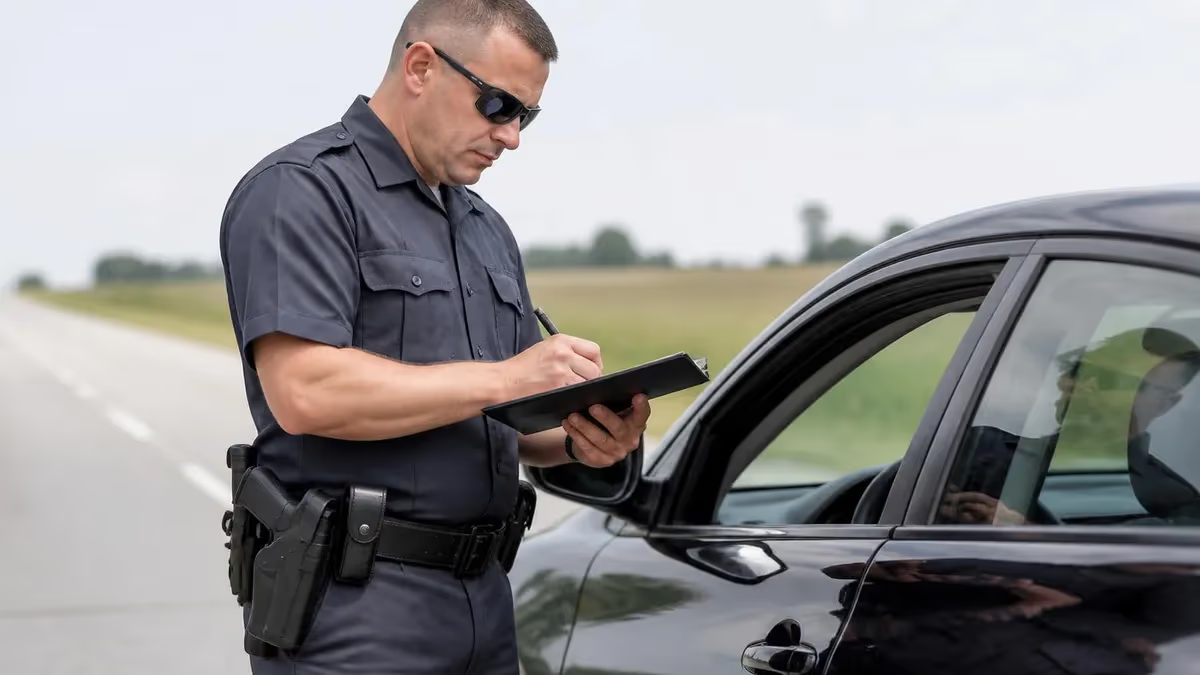
A state trooper barracks is far more than a building with a parking lot full of cruisers. It is the operational heart of every highway patrol district in America, serving as a dispatch center, training facility, equipment depot, evidence storage room, and second home for the troopers who work twelve-hour shifts protecting the nation's interstates. Whether you are researching a career, preparing for an academy class, or simply curious after watching the viral state trooper texas a clip from College Station, understanding how a barracks functions reveals the backbone of state-level law enforcement.
The term "barracks" traces back to early twentieth-century state police organizations, particularly Pennsylvania and New York, where troopers literally lived together in military-style housing between patrols. Although most modern troopers commute from private homes, the language stuck. Today, the word describes any regional station house where troopers report for muster, file reports, store gear, and respond to dispatch calls covering hundreds of square miles of rural highway, urban interstate, and unincorporated county road.
Each state designs its barracks system differently. Texas operates through Department of Public Safety regional offices, Florida uses Florida Highway Patrol troop headquarters scattered across ten geographic regions, Illinois divides the state into twenty-one districts under the Illinois State Police, and North Carolina splits its troopers across eight troops and dozens of district offices. The architecture, staffing, and equipment vary widely, but the mission remains consistent: provide a permanent law enforcement presence in areas that local municipal departments cannot effectively cover.
Walk into any state trooper barracks and you will see a similar layout. The front lobby includes a public counter where citizens can request crash reports, fingerprint cards, or commercial vehicle inspections. Behind the secured door lies a briefing room with podium, projection screen, and rows of seats for shift muster. Adjacent rooms house evidence lockers, weapons cleaning stations, a small gym, locker rooms with showers, and a kitchenette where troopers reheat meals between back-to-back calls.
Barracks also serve as community anchors. Local 4-H groups tour them, Eagle Scout candidates earn merit badges by interviewing the post commander, and crash victims' families sometimes arrive unannounced seeking answers. Troopers who work out of a single barracks for decades develop personal relationships with tow truck operators, county judges, prosecutors, and emergency room nurses, building the informal network that makes rural law enforcement possible despite vast distances and limited backup.
This guide walks through everything related to the modern state trooper barracks, from architectural standards and shift patterns to salary impacts based on assigned station location. By the end, you will understand why a remote barracks in the Texas Panhandle operates differently from a busy post outside Orlando, and how that geography shapes a trooper's entire career from rookie patrolman to senior sergeant.
State Trooper Barracks by the Numbers
How State Trooper Barracks Are Organized
The largest barracks in each region, housing the troop commander (usually a captain or major), administrative staff, criminal investigations, and a public records counter. Open extended hours to the public.
Mid-sized barracks staffed by a lieutenant and 15 to 40 troopers covering several counties. Most patrol operations launch from here, including DUI enforcement and commercial vehicle inspections.
Small one-room or two-room offices in remote counties where a single trooper reports for paperwork. Common in western Texas, northern Arizona, and rural Arkansas where distances stretch over 100 miles.
Specialized campus-style facilities like the Texas DPS Academy in Austin, Illinois State Police Academy in Springfield, and FHP Academy in Tallahassee. House recruits for 24 to 32 weeks.
Dedicated barracks for SWAT, dive teams, aviation, K-9, and motorcycle squads. Often co-located with a troop headquarters but operate independently with their own command structure.
Daily life inside a state trooper barracks follows a rhythm that has barely changed since the 1950s, even though the technology has been radically modernized. Most barracks operate on a three-shift schedule: day shift from 6 a.m. to 2 p.m., evening from 2 p.m. to 10 p.m., and overnight from 10 p.m. to 6 a.m. Some agencies, including the Florida Highway Patrol and Arizona Department of Public Safety, have shifted to ten or twelve-hour shifts to reduce commute fatigue and improve coverage during peak crash hours.
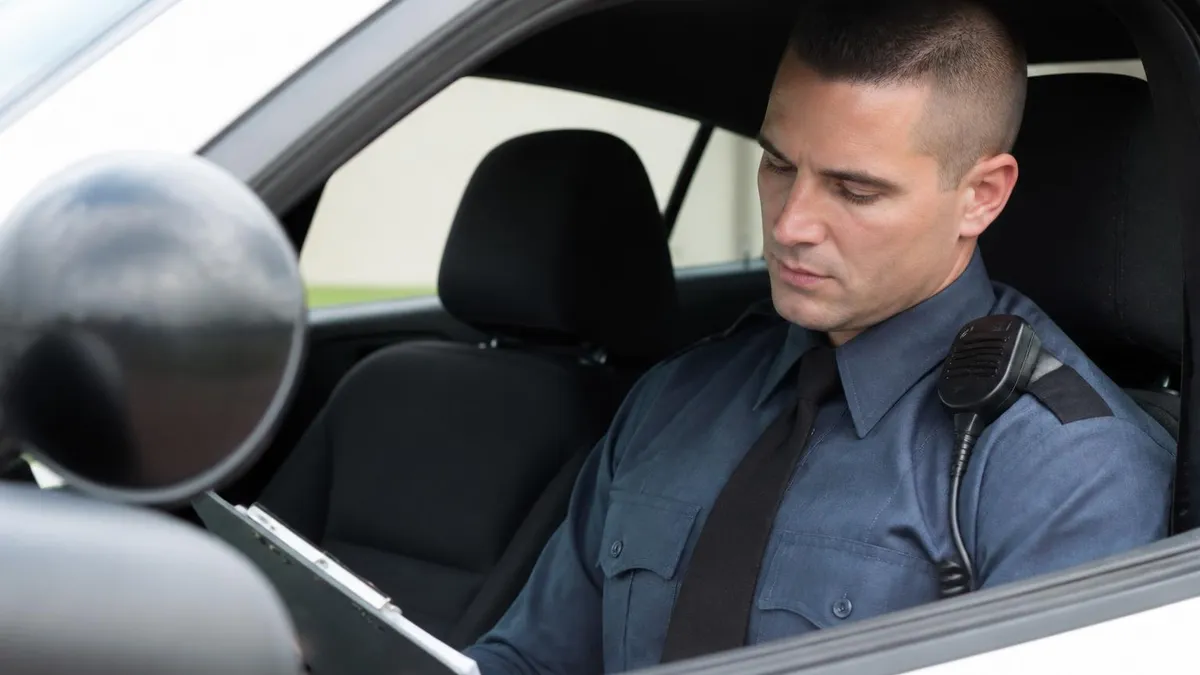
Shift begins with muster, a brief stand-up meeting where the sergeant reviews overnight incidents, distributes BOLOs (Be On the Look Out alerts), assigns patrol zones, and reads relevant intelligence bulletins. New troopers stand at attention; veterans lean against the wall with coffee. The sergeant inspects uniform appearance, weapon condition, and equipment readiness before troopers head to the lot to inspect their assigned cruiser for damage, fuel level, and shotgun ammunition.
Between calls, troopers return to the barracks to write reports, attend mandatory training modules, testify in administrative hearings, or simply decompress with peers. The break room culture varies enormously. A busy urban barracks outside Houston might feel like a fast-food kitchen with constant motion; a remote post in the Florida Panhandle might host only two troopers playing cards while waiting for the next dispatch. Both environments build the camaraderie that defines trooper culture and influences state trooper salary retention rates across decades.
Evidence handling consumes more time than the public realizes. Every traffic stop that yields contraband, every crash with a fatality, and every assault investigation generates evidence that must be sealed, labeled, photographed, and stored according to strict chain-of-custody rules. Most barracks maintain a temperature-controlled evidence room with biometric access, separate refrigerators for biological samples, and a long-term vault for firearms recovered from felons.
Communications form the nerve center of any barracks. Dispatchers, usually civilian employees, monitor radio traffic across multiple frequencies, run license plates through NCIC databases, coordinate with neighboring agencies, and serve as the lifeline for troopers working alone on dark rural highways. Many barracks dispatch centers now consolidate multiple districts into regional communications hubs, but the relationship between trooper and dispatcher remains intensely personal and trust-based.
The barracks also functions as the trooper's psychological refuge. After a fatal crash investigation, a child welfare call, or an officer-involved shooting, troopers return to the post for debriefings, peer support, and increasingly, mandatory chaplain visits or peer-to-peer counseling. Modern departments recognize that the barracks must serve as a sanctuary, not just a workspace, if they want to retain experienced troopers through the inevitable cumulative trauma of decades on patrol.
Vehicle maintenance, uniform laundry, gun cleaning, and equipment inventory all happen between calls. Troopers who treat their cruiser like a personal vehicle, keep their report writing current, and maintain positive relationships with civilian barracks staff tend to advance faster, get the preferred shift slots, and earn the trust required for specialty assignments like SWAT, aviation, or criminal investigations divisions.

State Trooper Practice Test Questions
Prepare for the State Trooper exam with our free practice test modules. Each quiz covers key topics to help you pass on your first try.
State Trooper Criminal and Traffic Law
State Trooper Exam Questions covering Criminal and Traffic Law. Master State Trooper Test concepts for certification prep.
State Trooper General
Free State Trooper Practice Test featuring General. Improve your State Trooper Exam score with mock test prep.
State Trooper MCQ
State Trooper Mock Exam on MCQ. State Trooper Study Guide questions to pass on your first try.
State Trooper Patrol and Investigation Pro...
State Trooper Test Prep for Patrol and Investigation Procedures. Practice State Trooper Quiz questions and boost your score.
State Trooper
State Trooper Questions and Answers on State Trooper. Free State Trooper practice for exam readiness.
State Trooper Random
State Trooper Mock Test covering Random. Online State Trooper Test practice with instant feedback.
State Trooper Reading Comprehension and Re...
Free State Trooper Quiz on Reading Comprehension and Reasoning. State Trooper Exam prep questions with detailed explanations.
State Trooper Report Writing and Grammar
State Trooper Practice Questions for Report Writing and Grammar. Build confidence for your State Trooper certification exam.
State Trooper Situational Judgment and Ethics
State Trooper Test Online for Situational Judgment and Ethics. Free practice with instant results and feedback.
State Trooper Trivia
State Trooper Study Material on Trivia. Prepare effectively with real exam-style questions.
State Trooper Use of Force Principles
Free State Trooper Test covering Use of Force Principles. Practice and track your State Trooper exam readiness.
State Trooper Ultimate State Trooper
State Trooper Exam Questions covering Ultimate State Trooper. Master State Trooper Test concepts for certification prep.
State Trooper Community Relations and Comm...
Free State Trooper Practice Test featuring Community Relations and Communication. Improve your State Trooper Exam score with mock test prep.
State Trooper Constitutional Rights and Ci...
State Trooper Mock Exam on Constitutional Rights and Civil Liberties. State Trooper Study Guide questions to pass on your first try.
State Trooper Criminal Law Fundamentals
State Trooper Test Prep for Criminal Law Fundamentals. Practice State Trooper Quiz questions and boost your score.
State Trooper Emergency Response and Crisi...
State Trooper Questions and Answers on Emergency Response and Crisis Management. Free State Trooper practice for exam readiness.
State Trooper Emergency Vehicle Operations
State Trooper Mock Test covering Emergency Vehicle Operations. Online State Trooper Test practice with instant feedback.
State Trooper Ethics and Professional Conduct
Free State Trooper Quiz on Ethics and Professional Conduct. State Trooper Exam prep questions with detailed explanations.
State Trooper Firearms Safety and Use of F...
State Trooper Practice Questions for Firearms Safety and Use of Force. Build confidence for your State Trooper certification exam.
State Trooper Incident Report Writing
State Trooper Test Online for Incident Report Writing. Free practice with instant results and feedback.
State Trooper Investigation Procedures
State Trooper Study Material on Investigation Procedures. Prepare effectively with real exam-style questions.
State Trooper Map Reading and Navigation
Free State Trooper Test covering Map Reading and Navigation. Practice and track your State Trooper exam readiness.
State Trooper Patrol Operations and Proced...
State Trooper Exam Questions covering Patrol Operations and Procedures. Master State Trooper Test concepts for certification prep.
State Trooper Patrol Procedures and Tactics
Free State Trooper Practice Test featuring Patrol Procedures and Tactics. Improve your State Trooper Exam score with mock test prep.
State Trooper Physical Fitness and Wellnes...
State Trooper Mock Exam on Physical Fitness and Wellness Standards. State Trooper Study Guide questions to pass on your first try.
State Trooper Reading Comprehension and Logic
State Trooper Test Prep for Reading Comprehension and Logic. Practice State Trooper Quiz questions and boost your score.
State Trooper Report Writing and Documenta...
State Trooper Questions and Answers on Report Writing and Documentation. Free State Trooper practice for exam readiness.
Texas, Florida, and Illinois State Trooper Barracks Compared
The texas state trooper system operates through six regions managed by the Texas Department of Public Safety, with major regional offices in Houston, Dallas, San Antonio, El Paso, Lubbock, and Garland. Each regional headquarters supervises smaller district offices that may patrol territories spanning over ten thousand square miles, particularly in West Texas where troopers often drive forty miles between calls and never see another marked unit during an entire eight-hour shift.
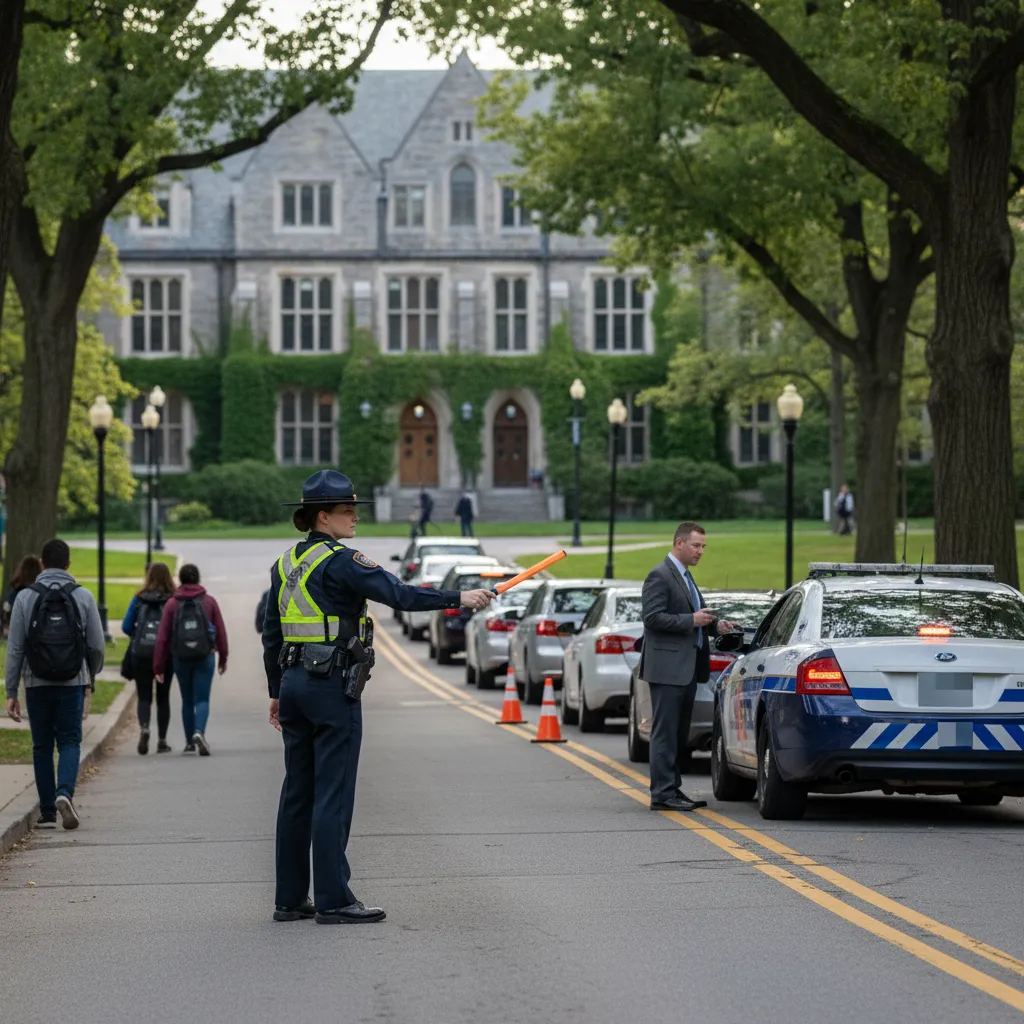
Texas DPS barracks integrate Highway Patrol, Criminal Investigations Division, Texas Ranger Division, and aircraft units into combined facilities in major cities. The viral texas a&m state trooper meme originated at a College Station district office, where troopers regularly work football traffic, tailgate enforcement, and stadium security alongside campus police. Salaries start around $69,000 and rise to $115,000+ for senior trooper IV positions assigned to high-cost urban barracks.
Working Out of a Rural vs. Urban State Trooper Barracks
- +Rural barracks offer more autonomy and less supervisor oversight on daily decisions
- +Urban barracks provide faster backup response times, often under three minutes
- +Rural posts feature lower cost of living, allowing trooper salaries to stretch further
- +Urban barracks offer more specialty unit opportunities like SWAT, K-9, and aviation
- +Rural assignments build strong community relationships and tight peer bonds
- +Urban posts deliver high call volume that accelerates experience and promotion eligibility
- −Rural barracks face long backup response times, sometimes exceeding twenty minutes
- −Urban barracks demand longer commutes through heavy traffic before and after shifts
- −Rural troopers handle every call type alone without specialist support nearby
- −Urban posts experience higher stress, more critical incidents, and faster burnout
- −Rural assignments limit access to advanced training and academy continuing education
- −Urban barracks involve more administrative oversight and stricter uniform inspections

Checklist: Before You Visit a State Trooper Barracks
- ✓Call ahead to confirm public counter hours, which vary by district and state
- ✓Bring government-issued photo identification for records requests or fingerprinting
- ✓Have the crash report number ready if requesting a copy of a traffic accident
- ✓Bring exact cash or a check; many rural barracks cannot process credit cards
- ✓Wear neat, non-offensive clothing; secure facilities enforce dress standards
- ✓Leave firearms in your vehicle unless you have a specific lawful purpose
- ✓Allow extra time for security screening at urban troop headquarters buildings
- ✓Prepare written questions if you are a student researching law enforcement careers
- ✓Schedule academy tours or ride-along requests at least four weeks in advance
- ✓Be patient; troopers may be dispatched mid-conversation to emergency calls
Not every barracks is open 24/7
Many state trooper barracks lock public lobbies after 5 p.m. and on weekends, even though troopers continue patrolling around the clock. If you need to file a report or recover towed property, always call first. Most agencies post an after-hours emergency phone number on the front door connecting directly to dispatch.
Every state trooper barracks is connected to a centralized training academy where new recruits complete a residential program lasting between twenty and thirty-two weeks. The Texas DPS Academy in Austin requires twenty-eight weeks of intensive instruction in firearms, defensive tactics, emergency vehicle operations, criminal law, accident investigation, and Spanish language basics. Recruits live on campus, march in formation between classes, and earn weekend leave only after demonstrating physical fitness and academic performance benchmarks set by senior training officers.
The Florida Highway Patrol Academy in Tallahassee runs twenty-eight weeks and emphasizes hurricane response, interstate enforcement, and Spanish-language traffic stops. The Illinois State Police Academy in Springfield operates a twenty-six week program with a heavy focus on urban tactics, narcotics interdiction along Interstate 80, and constitutional law. The carolina state trooper academy at the North Carolina Justice Academy in Salemburg runs twenty-four weeks and includes specialized training for mountain driving, motorcycle enforcement, and coastal hurricane operations.
Once cadets graduate, they report to an assigned district barracks for the field training phase. A senior trooper, designated as a Field Training Officer, rides alongside the rookie for twelve to sixteen weeks, evaluating every traffic stop, every report, and every radio transmission. The rookie cannot patrol independently until the FTO signs off on competence in twenty-plus performance domains, from radar calibration to courtroom testimony preparation, with final approval from the district lieutenant.
Many barracks designate one or two senior troopers as full-time FTOs who never carry their own caseload. These mentors shape the next generation, teaching unwritten lessons about which judges accept handwritten warrants, which tow operators will respond to remote crashes at 3 a.m., and which local restaurants offer trooper discounts that the official policy manual would never mention.
Continuing education happens primarily inside the barracks itself. Most states require forty hours of in-service training per year, covering legal updates, use-of-force reviews, mental health response, implicit bias awareness, and emergency vehicle operation refreshers. The briefing room transforms into a classroom on training days, with academy instructors traveling between barracks to deliver standardized curriculum to working troopers across the state.
Specialty schools, taught at the central academy, give experienced troopers opportunities to earn certifications in motorcycle enforcement, K-9 handling, drug recognition, accident reconstruction, and SWAT operations. Selection for these schools depends heavily on the district lieutenant's recommendation, making the trooper-supervisor relationship within each barracks the single most important factor in long-term career advancement and assignment quality.
The barracks-academy pipeline also flows in reverse. Senior troopers with strong instructional skills sometimes rotate to the academy as full-time instructors for three to five years, then return to a district command position. This rotation keeps academy curriculum grounded in current field realities while infusing district command staff with the latest research on tactics, technology, and trooper wellness.
Crash reports, body camera footage, and incident reports must be requested from the appropriate barracks within statutory windows that vary by state. Texas requires requests within ten business days for some records; Florida Sunshine Law generally allows immediate access. Missing the window can permanently delete dashcam footage. Always submit written requests as soon as possible.
Salary structure for state troopers varies significantly based on the barracks assignment, the state's funding model, and the cost of living in the surrounding region. A new trooper assigned to an arizona state trooper barracks in Phoenix earns approximately $65,000 in base salary, while the same rookie working out of a Flagstaff barracks earns the same base but pays dramatically less for housing and groceries. Departments rarely adjust salary by post location, meaning rural troopers often enjoy a higher effective standard of living despite identical pay grades.
Texas Department of Public Safety troopers begin around $69,000 and progress through four ranks (Trooper I through Trooper IV) over approximately seven years, reaching over $110,000 in base salary by year ten. Promotions to sergeant, lieutenant, captain, and major add additional compensation, often tied to assignment at a larger troop headquarters rather than a small district office. The carolina state trooper career path follows similar progression, with starting salaries near $55,000 and senior salaries approaching $90,000 for experienced master troopers.
Overtime pay forms a substantial portion of trooper income at most barracks. Troopers earn time-and-a-half for court appearances on off-duty days, special event security, federal task force assignments, and emergency response activations during hurricanes, wildfires, or civil unrest. A motivated trooper assigned to a busy urban barracks can earn $25,000 or more in overtime annually, pushing total compensation well above the published base salary figures most candidates research before applying.
The arkansas state trooper eup search trend reveals how many people research trooper uniforms for gaming or media projects, but the real-world uniform allowance averages around $1,200 annually for cleaning, replacement boots, and new duty belts. Most barracks provide free uniform laundry service and equipment storage, eliminating significant out-of-pocket costs that municipal officers often face. Take-home cruiser programs further reduce commuting expenses for troopers assigned to rural districts.
Pension benefits represent the largest hidden compensation advantage of trooper careers. Most state police pension plans allow retirement after twenty-five or twenty-seven years of service with a benefit equal to seventy-five to ninety percent of the final average salary. A trooper who joins at age twenty-three can retire at age fifty with a lifetime pension exceeding $80,000 annually, plus health insurance continuation, making the total compensation package one of the most generous in American public service.
Geographic transfers between barracks can affect lifetime earnings significantly. Troopers who request high-cost urban barracks may earn more overtime but face higher housing costs; those who voluntarily accept remote rural assignments often receive priority for promotions because few candidates volunteer for those posts. Career strategists recommend new troopers spend their first five years at a busy barracks to maximize experience, then transfer to a quieter post for the latter half of their career to balance lifestyle with continued earning.
Specialty units offer additional pay premiums that range from $200 to $1,500 monthly. SWAT operators, K-9 handlers, motorcycle officers, aviation pilots, and bilingual liaison troopers all earn assignment differentials on top of base salary. These positions are typically housed at major troop headquarters rather than small district barracks, creating another financial incentive for ambitious troopers to compete for transfers to larger urban posts despite the lifestyle tradeoffs.
If you are preparing for a career that begins at a state trooper barracks, the most important advice from veteran troopers is to start your physical conditioning, study habits, and background-check preparation at least twelve months before applying. Academy attrition rates run between fifteen and forty percent depending on the state, and the recruits who wash out most often are not the ones who fail academics but those whose fitness levels collapse under the cumulative stress of pre-dawn runs, defensive tactics rotations, and weekly written examinations.
Visit the barracks where you hope to work. Most district commanders welcome ride-along requests from serious applicants who have already passed initial background screening. Spending ten or twelve hours in a cruiser with a working trooper reveals the reality of the job in ways that no recruitment brochure can capture, from the boredom of long highway stretches to the adrenaline surge of a high-risk traffic stop on a dark interstate at 2 a.m.
Study the laws of the state where you plan to apply. Each state has its own vehicle code, criminal procedure rules, and use-of-force statutes that academy instructors will test relentlessly. Free practice questions covering trooper-specific content can dramatically improve your comprehension before academy day one, when instructors begin lecturing at college-level speed and expecting cadets to absorb material that will appear on closed-book examinations within seventy-two hours.
Build relationships with current troopers through community events, charity runs, and academy open houses. State police agencies hire heavily through referrals and informal recommendations, even though the formal application process is open to all qualified candidates. A district commander who recognizes your name from previous interactions will give your application closer attention than one arriving cold from the centralized recruitment portal.
Prepare your background check documentation thoroughly. Investigators will interview former employers, neighbors, ex-spouses, and college roommates. They will examine your credit history, social media presence, driving record, and military service if applicable. Candidates who proactively disclose minor issues, document corrective actions taken, and present consistent timelines throughout their adult life dramatically outperform candidates who hope investigators will overlook problematic chapters in their past.
Maintain your driving record as if your career depends on it, because it does. Most agencies disqualify applicants with three or more moving violations in the past five years or any DUI conviction in the past ten years. Even minor at-fault crashes can flag concerns about judgment, attention, and decision-making under pressure, the same qualities that determine whether you will survive a thirty-year career operating a cruiser at high speeds on rain-slicked highways.
Finally, prepare your family. The trooper career path imposes rotating shifts, mandatory holiday work, sudden overtime activations, and the constant emotional weight of responding to fatal crashes and violent calls. Spouses, partners, and children of successful troopers report that open communication about scheduling, peer support networks for trooper families, and realistic expectations about the lifestyle make the difference between a thriving thirty-year career and an early resignation citing family strain as the primary reason.
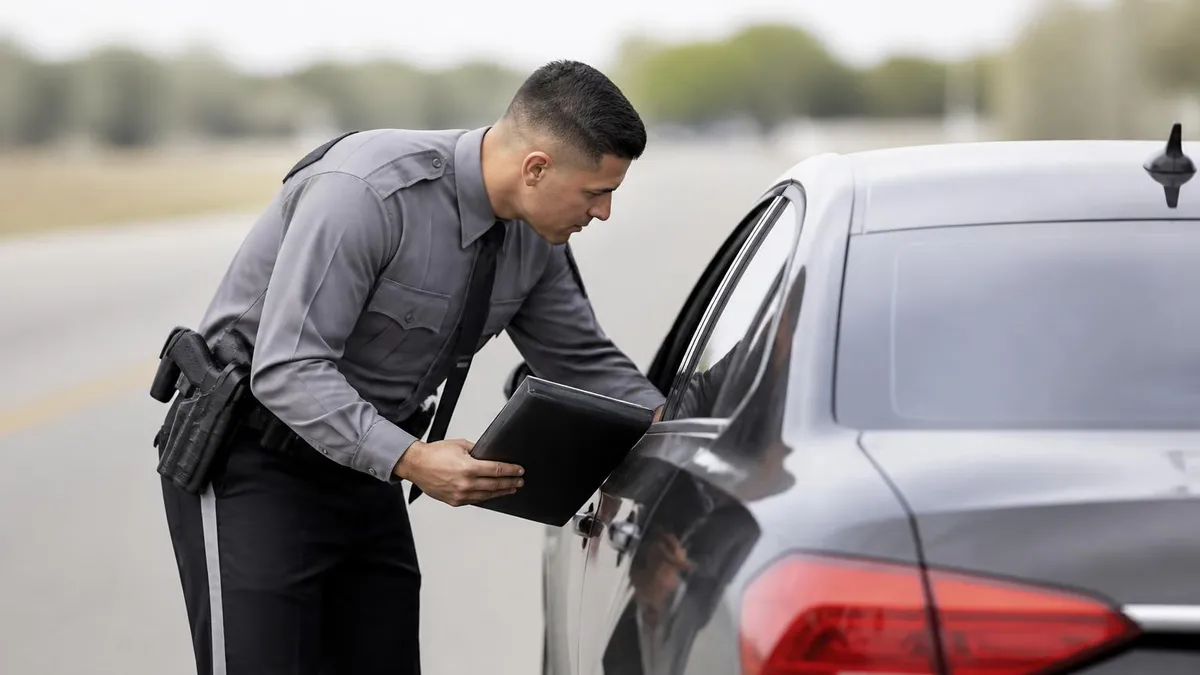
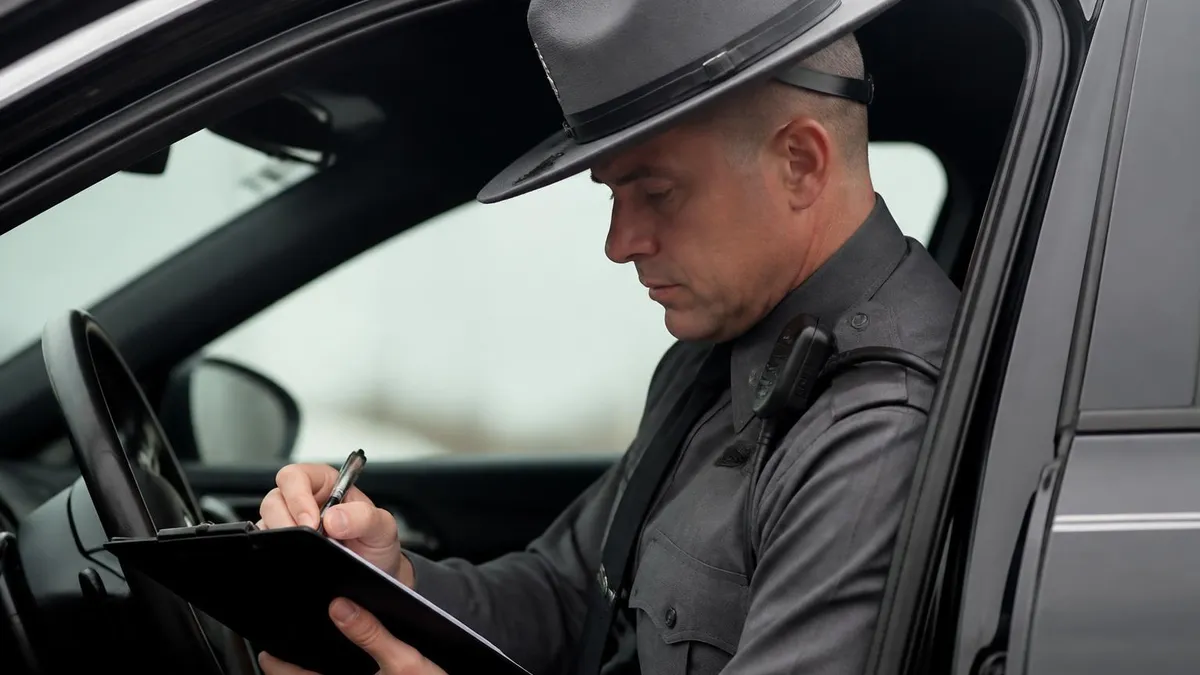
State Trooper Questions and Answers

About the Author

Educational Psychologist & Academic Test Preparation Expert
Columbia University Teachers CollegeDr. Lisa Patel holds a Doctorate in Education from Columbia University Teachers College and has spent 17 years researching standardized test design and academic assessment. She has developed preparation programs for SAT, ACT, GRE, LSAT, UCAT, and numerous professional licensing exams, helping students of all backgrounds achieve their target scores.
Join the Discussion
Connect with other students preparing for this exam. Share tips, ask questions, and get advice from people who have been there.
View discussion (3 replies)