
SNHD Shot and Vaccine Records: Complete Guide to Southern Nevada Health District Immunization Services
Southern Nevada Health District shot records, food handlers card requirements & immunization services explained. Get your SNHD health card fast. ✅

If you work in food service in Las Vegas or anywhere in Clark County, understanding how the snhd manages southern nevada health district shot records and vaccination documentation is essential. The Southern Nevada Health District maintains one of the most comprehensive immunization tracking systems in the American Southwest, and knowing how to access, update, and verify your vaccine records can mean the difference between landing a job and missing out on employment opportunities in the hospitality-heavy Las Vegas economy.
The food handlers card is the most frequently requested credential tied to SNHD's public health services, with over 27,000 monthly searches from workers trying to understand the requirements. But immunization records go far beyond just food safety certification — they touch school enrollment, healthcare employment, travel documentation, and a wide range of public health requirements that affect hundreds of thousands of Nevada residents every year. The Southern Nevada Health District serves as the official repository for immunization data in Clark County.
Workers in the food and beverage industry must complete a food handlers permit process that includes demonstrating knowledge of food safety principles, but certain positions in healthcare, childcare, and education also require verified vaccination records from SNHD. Understanding which records you need, how to retrieve them from the SNHD system, and what to do if records are missing or incomplete is critical knowledge for anyone navigating Nevada's workforce requirements or public health mandates.
The SNHD immunization program operates through the Nevada WebIZ system, a statewide immunization information system (IIS) that tracks vaccines administered in Nevada. This platform allows authorized healthcare providers, schools, and employers to verify immunization status with patient consent. Whether you need records for a new job, a school enrollment, or international travel, knowing how the system works helps you get what you need faster and with far less frustration than guessing at the process.
Nevada's immunization requirements touch millions of residents, from children entering kindergarten to adults re-entering the workforce after a gap in employment. Clark County, which includes Las Vegas and the surrounding metropolitan area, has a particularly high demand for immunization verification services given the size of its population and the transient nature of the hospitality workforce. Many workers arrive from other states or countries and need to establish new vaccination records within the Nevada system before they can meet employment requirements.
The snhd food handlers test and related health card processes are part of a broader public health framework that includes immunization outreach, disease surveillance, and community health education. Understanding how shot records fit into this larger picture helps residents make better decisions about their health documentation and ensures they are prepared for employment, school, or healthcare interactions that require proof of vaccination. This guide walks you through every aspect of accessing and managing your immunization records through SNHD.
Throughout this article, we cover the specific steps for requesting southern nevada health district shot records, the timelines you should expect, the fees involved, and the common mistakes people make that delay their requests. We also explain how the food handlers card relates to broader health district services and how to use SNHD's online tools to streamline the entire process from start to finish.
SNHD Immunization & Food Handlers Card by the Numbers

How to Request Your SNHD Shot Records
Gather Your Identification Documents
Submit Your Record Request
Verify Your Identity and Consent
Wait for Processing
Receive and Review Your Records
Update Incomplete Records if Needed
The food handlers card — sometimes called the food handlers permit or snhd health card — is one of the most important credentials issued under the Southern Nevada Health District's public health authority. Any person who works with unpackaged food, food equipment, or food-contact surfaces in Clark County must obtain and maintain a valid food handlers card. This includes not just cooks and prep workers, but also servers, bartenders, bussers, and hotel buffet attendants in Las Vegas's massive hospitality sector.
To obtain your food handlers card through SNHD, you must pass the food handlers test, which covers core food safety topics including temperature control, personal hygiene, cross-contamination prevention, allergen awareness, and proper cleaning and sanitizing procedures. The test is available online through SNHD's approved testing platform and must be completed with a passing score before the card is issued. Most applicants complete the test in under an hour, though first-time test-takers benefit significantly from dedicated study and practice.
The snhd las vegas food handlers card is valid for three years from the date of issuance. When your card expires, you must retake the food handlers test to renew it — there is no automatic renewal process. Many workers in the Las Vegas food and beverage industry lose their cards simply by forgetting the expiration date, which can temporarily disrupt their employment and require them to stop working until the renewal is complete.
It is important to understand that the food handlers card is distinct from other food safety certifications like the ServSafe Manager Certification or the SNHD Food Safety Manager Certification. The food handlers card is a basic-level credential required for all food workers, while the manager certification is a more advanced credential required specifically for food safety managers and supervisors. Both credentials have different testing requirements, costs, and validity periods, so workers should make sure they understand which one applies to their specific job role.
The clark county health department — also referred to as the Clarke County Health Department in some older documents — is the same entity as SNHD for most practical purposes. The Southern Nevada Health District officially serves Clark County, which is the county in which Las Vegas, Henderson, North Las Vegas, Boulder City, and Mesquite are located. When employers or schools ask for documentation from the clark county health department, they are asking for the same records that SNHD maintains and issues.
Shot records from SNHD are required in several employment sectors beyond food service. Healthcare workers in Clark County hospitals, clinics, and care facilities must demonstrate immunity to hepatitis B, influenza, MMR (measles, mumps, and rubella), varicella, and Tdap as a condition of employment. Schools and childcare facilities require SNHD-verified immunization records for all students and staff, and non-compliance can result in exclusion from school during disease outbreaks, even for vaccinated individuals whose records are simply not on file.
For workers who have received vaccines outside of Nevada — particularly those who moved to Las Vegas from other states or countries — establishing a complete SNHD record can require some coordination. Vaccines administered by providers enrolled in other state immunization information systems can sometimes be transferred electronically, but in many cases workers must obtain paper records from previous providers and submit them manually to SNHD for entry into the Nevada WebIZ system. Starting this process early, before you actually need the records for a job or school enrollment, avoids unnecessary urgency and stress.
SNHD Immunization Record Types and Uses
Personal immunization records from SNHD are used by individuals to verify their own vaccination history for employment, school enrollment, travel, or personal health management. These records can be accessed through the Nevada WebIZ patient portal after completing an identity verification process. You can download, print, or share your records digitally with authorized parties, making it much easier to respond to employer requests for proof of vaccination without hunting down old paperwork.
When you request a personal immunization record from SNHD, the record will list every vaccine on file in the Nevada WebIZ system along with the date administered, the vaccine lot number, and the administering provider. If vaccines are missing — for example, because they were given by an out-of-state provider who was not enrolled in Nevada's system — those gaps will appear in your record and will need to be resolved separately before the record can be considered complete for any compliance purpose.

Getting Your Shot Records Through SNHD: Advantages and Challenges
- +Nevada WebIZ allows online access to records 24/7 without needing to visit an SNHD clinic in person
- +SNHD maintains records for all vaccines administered by enrolled Nevada providers, creating a single comprehensive source
- +Records can be shared digitally with employers and schools, reducing reliance on paper documents that can be lost
- +SNHD clinics offer low-cost or free immunizations for residents who need to update their vaccination status
- +The food handlers card process is integrated with SNHD's online platform, enabling quick certification for food workers
- +Nevada WebIZ records are accepted by all Clark County schools, employers, and healthcare facilities as authoritative proof
- −Records from out-of-state providers are often missing from the Nevada WebIZ system and require manual entry
- −Identity verification for online access can be complex for residents without standard US identification documents
- −Processing times of 5 to 10 business days can be problematic for workers with urgent employment start dates
- −SNHD clinics may have limited appointment availability during peak periods, particularly during school enrollment season
- −Records for vaccines given before Nevada's WebIZ system was established may not be available electronically
- −The food handlers card must be renewed every three years and there is no automatic reminder system from SNHD
SNHD Shot Record and Food Handlers Card Verification Checklist
- ✓Create a Nevada WebIZ patient portal account to access your immunization records online
- ✓Verify that all vaccines you have received appear correctly in your Nevada WebIZ record
- ✓Contact previous providers to request transfer of any out-of-state vaccination records to Nevada WebIZ
- ✓Check the expiration date on your food handlers card and mark the renewal date on your calendar
- ✓Download and save a digital copy of your immunization records for easy sharing with employers
- ✓Confirm that your personal information (name, date of birth, address) is accurate in the SNHD system
- ✓Schedule an SNHD clinic appointment if you need any vaccines to update your immunization status
- ✓Request a certified copy of your immunization record if your employer requires an official SNHD-stamped document
- ✓Complete the SNHD food handlers test online if your food handlers card is expired or not yet obtained
- ✓Keep a paper backup of your vaccine records in a secure location in case of system access issues
Nevada WebIZ Is the Official Record — Not Your Paper Vaccine Card
Many residents assume their personal paper vaccine card is the authoritative record of their immunizations, but in Nevada, the official source is the Nevada WebIZ immunization information system. If your vaccines are not in WebIZ, employers and schools may not accept your paper card alone. Always verify your vaccines appear in the system — especially if you moved to Nevada from another state or received vaccines before the WebIZ system was widely adopted.
The Southern Nevada Health District operates several immunization clinics throughout Clark County where residents can receive vaccines, update their immunization records, and get assistance navigating the Nevada WebIZ system. These clinics serve both insured and uninsured residents and offer vaccines on a sliding fee scale to ensure that cost is not a barrier to immunization. SNHD also operates mobile vaccination units that visit underserved communities, schools, and workplaces throughout the Las Vegas metropolitan area, bringing immunization services directly to populations that may have difficulty accessing fixed clinic locations.
SNHD's main public health clinic is located in downtown Las Vegas, but the district also operates satellite locations in the southern valley, the northwest valley, and in Henderson and North Las Vegas to serve the geographically dispersed Clark County population. Appointments are strongly recommended for immunization services, particularly during high-demand periods like the back-to-school season in August and September when clinic schedules fill up rapidly. Walk-in availability varies by location and time of day, so calling ahead or checking the SNHD website for current availability is always advisable.
For adults who need routine vaccinations such as the annual flu shot, Tdap, shingles vaccine, or pneumococcal vaccine, SNHD clinics offer competitive pricing that is often lower than retail pharmacies. Adult immunization is an important but frequently overlooked aspect of public health — many adults are not aware that some childhood vaccines wear off over time and require booster doses to maintain protection. SNHD's immunization staff can review your records and recommend which boosters or catch-up vaccines you may need based on your age, health history, and occupation.
Travel vaccines are another important service provided by SNHD's immunization program. Las Vegas's large international tourism industry means that many residents travel internationally for both work and leisure, and some destinations require proof of specific vaccinations such as yellow fever or typhoid as a condition of entry. SNHD can administer travel-required vaccines and provide the International Certificate of Vaccination or Prophylaxis (ICVP), commonly known as the yellow card, which is accepted as official proof of vaccination by border authorities in many countries.
Healthcare workers who work in Clark County hospitals or clinics and are required to show annual influenza vaccination can use SNHD's occupational health immunization services to meet those requirements efficiently. SNHD also provides guidance to healthcare employers on how to maintain compliant immunization records for their entire workforce, which is an important compliance function given the strict requirements imposed by The Joint Commission, CMS, and Nevada state health regulations on healthcare facilities.
School nurses and administrators in Clark County schools rely heavily on the Nevada WebIZ system and SNHD's support to maintain compliant student immunization records. Each year, Clark County School District (CCSD) works with SNHD to conduct immunization audits that identify students who are out of compliance with state vaccination requirements. Students who cannot demonstrate compliance by the deadline established by Nevada law may be excluded from school until their vaccination records are in order, making the SNHD immunization record system directly relevant to school attendance and academic continuity.
Community health workers and navigators employed by SNHD assist low-income, uninsured, and immigrant populations in accessing immunization services and understanding how the Nevada WebIZ system works. These navigators speak multiple languages and can help residents who face language barriers or unfamiliarity with the US healthcare system to complete the record request process, schedule vaccination appointments, and understand what documentation they need to bring to clinic visits. This outreach function is a critical component of SNHD's mission to ensure that all Clark County residents have equitable access to public health services.

SNHD immunization record requests typically take 5 to 10 business days to process, and during peak periods like back-to-school season, processing may take longer. If you need records for a job start date, school enrollment deadline, or healthcare compliance audit, submit your request at least three weeks in advance. Expedited processing is not always available and cannot be guaranteed even if requested, so planning ahead is the safest approach.
One of the most common issues people encounter when requesting southern nevada health district shot records is discovering that vaccines they know they received are not in the Nevada WebIZ system. This happens most frequently with vaccines administered by out-of-state providers, vaccines given at non-enrolled Nevada providers like certain retail pharmacies or urgent care clinics, and vaccines that were given many years ago before electronic record-keeping became standard. Resolving these gaps requires obtaining paper documentation from the original provider and submitting it to SNHD for manual entry.
Another common problem is name or date of birth discrepancies in the WebIZ system. If your name was recorded with a spelling variation — for example, a hyphenated name entered without the hyphen, or a middle name included in one record but not another — your records may not consolidate correctly in the system. These discrepancies must be resolved with SNHD staff before the records can be certified as accurate. Bringing documentation such as a birth certificate or passport that shows your legal name can help SNHD staff identify and merge duplicate records quickly.
The snhd las vegas health card online portal occasionally experiences technical issues that prevent residents from accessing their records or completing the identity verification step. If you encounter a technical problem, SNHD recommends clearing your browser cache, trying a different browser, or contacting their technical support line for assistance. In-person record requests at an SNHD clinic are always available as a fallback option for residents who cannot complete the online process successfully.
For residents who were born outside the United States and received childhood vaccines in another country, establishing a Nevada immunization record can be particularly challenging. Foreign vaccine records may use different vaccine names, different dosing schedules, or different record formats than those used in the United States. SNHD staff can work with an interpreter of your immunization history to identify which vaccines you have received and whether any additional doses are needed to meet Nevada's requirements, using standard immunization catch-up schedules approved by the CDC.
Employers who are audited by a regulatory agency and find that employee immunization records are incomplete or not properly documented in Nevada WebIZ can face significant compliance consequences. Healthcare facilities, in particular, must maintain immunization records for all patient-facing staff and must be able to produce those records on demand during accreditation reviews. SNHD works with facilities to establish compliant record-keeping processes and can assist with the bulk transfer of employee immunization data into Nevada WebIZ when facilities are implementing new compliance programs.
The clarke county health department also handles vital records including death certificates and birth certificates, which are separate from immunization records but are sometimes needed in conjunction with them — for example, when a guardian needs to establish legal authority to request a deceased child's or dependent's health records. Understanding that SNHD handles multiple categories of official records can help residents navigate requests more efficiently by directing them to the correct department or online portal from the start.
The snhd food handlers test preparation process has become much more accessible with the availability of online practice tests and study materials. Workers who use dedicated practice resources — including the food handlers card practice tests available on sites like PracticeTestGeeks — consistently perform better on the actual food handlers test and reduce their risk of failing and having to retake it. Given that the food handlers permit is required before you can legally work with unpackaged food in Clark County, passing the test on your first attempt is both financially and professionally advantageous.
Preparing effectively for the SNHD food handlers test and managing your immunization records are two tasks that reward proactive planning over reactive scrambling. The best time to verify your shot records with SNHD is before you need them urgently — not after you have already accepted a job offer with a start date one week away. Building a habit of checking your Nevada WebIZ records annually, much like you might check your credit score or renew your car registration, ensures that you are never caught off-guard by missing or outdated immunization documentation.
For the food handlers test specifically, the most effective study approach combines reviewing the SNHD Food Handler Manual with taking multiple full-length practice tests under timed conditions. The manual covers all of the topics tested on the actual exam, including personal hygiene, time and temperature control, foodborne illness prevention, cross-contamination, allergen management, and proper cleaning and sanitizing procedures. Reading the manual once is generally not sufficient — most successful test-takers review each major topic section at least twice and spend additional time on areas where they feel less confident.
Time and temperature control is consistently one of the most heavily tested topics on the SNHD food handlers exam. You should be able to recall key temperature thresholds without hesitation: 41°F or below for cold food storage, 135°F or above for hot food holding, the temperature danger zone between 41°F and 135°F, and the minimum internal cooking temperatures for different types of food including poultry (165°F), ground beef (155°F), whole cuts of beef (145°F), and fish (145°F). These specific numbers appear on the test regularly, and memorizing them before test day is essential.
Allergen awareness has become an increasingly important topic on the SNHD food handlers test following the expansion of the Big 9 allergen framework. The nine major food allergens recognized by the Food Allergen Labeling and Consumer Protection Act are milk, eggs, fish, shellfish, tree nuts, peanuts, wheat, soybeans, and sesame. Food service workers must know how to prevent cross-contact between allergen-containing and allergen-free foods, how to respond when a customer discloses an allergy, and how to read food labels for allergen declarations. This topic is covered in detail in the SNHD manual and is worth dedicated study time.
The 3-compartment sink is another topic that deserves specific attention in your food handlers test preparation. The three-compartment manual warewashing process requires workers to wash items in the first compartment using hot water and detergent, rinse them in the second compartment using clean water, and sanitize them in the third compartment using an approved chemical sanitizer at the correct concentration.
The sanitizer concentration matters: too little fails to kill pathogens, and too much can leave harmful chemical residues on food-contact surfaces. Common chemical sanitizers include chlorine (at 50–100 ppm), iodine (at 12.5–25 ppm), and quaternary ammonium compounds (at 200–400 ppm depending on the product).
Personal hygiene requirements are fundamental to the SNHD food handlers exam and cover topics including handwashing frequency and technique, the use of gloves and when gloves must be changed, restrictions on working with food when ill, policies on jewelry and nail polish, and proper hair restraint requirements.
Handwashing is particularly heavily tested — you should know that hands must be washed for at least 20 seconds, using soap and warm water, and that hand sanitizer is not a substitute for handwashing in food preparation environments. Situations requiring immediate handwashing include after using the restroom, after touching your face or hair, after handling raw meat, and after handling garbage.
After passing your food handlers test and obtaining your SNHD food handlers card, keep both a digital copy on your phone and a physical card in your wallet so you can show proof of certification on demand. Employers are required by SNHD regulations to verify that all food handlers have valid cards on file, and health inspectors may ask to see cards during routine restaurant inspections. Maintaining your card and keeping your immunization records current are two simple habits that protect your employment, demonstrate professionalism, and contribute to the public health of the Las Vegas community.
SNHD Questions and Answers
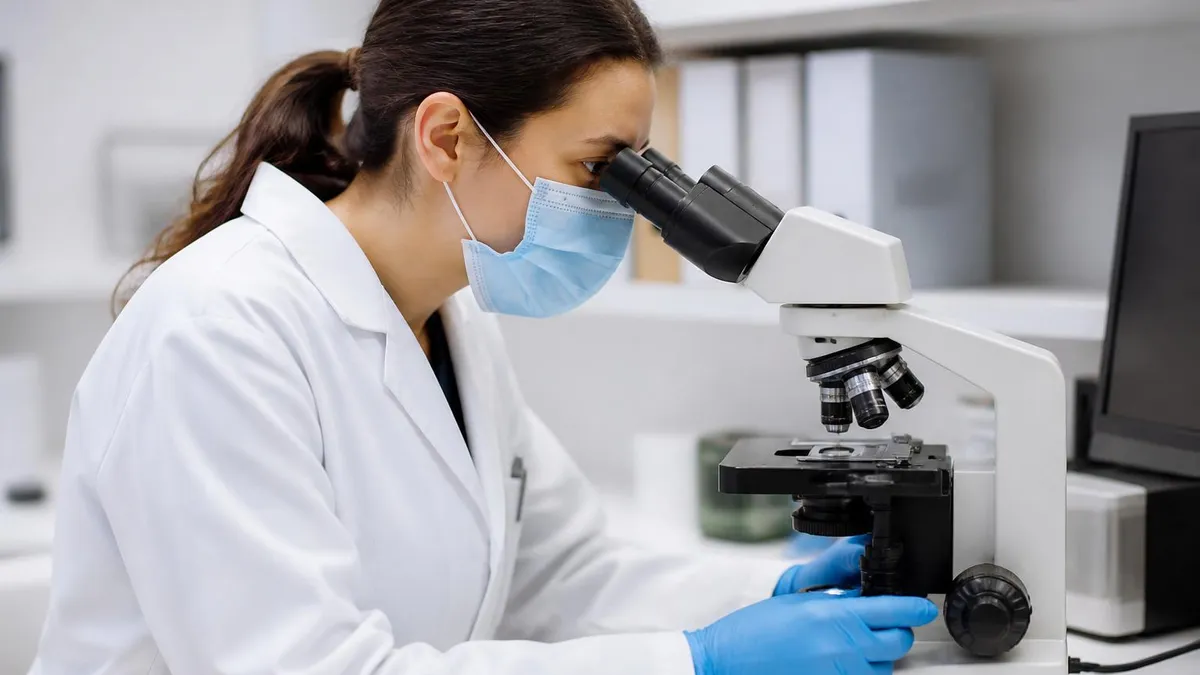
SNHD: Southern Nevada Health District Services and Health Cards
SNHD Practice Test Video Answers

SNHD Website Guide: How to Get Your Food Handlers Card in Las Vegas
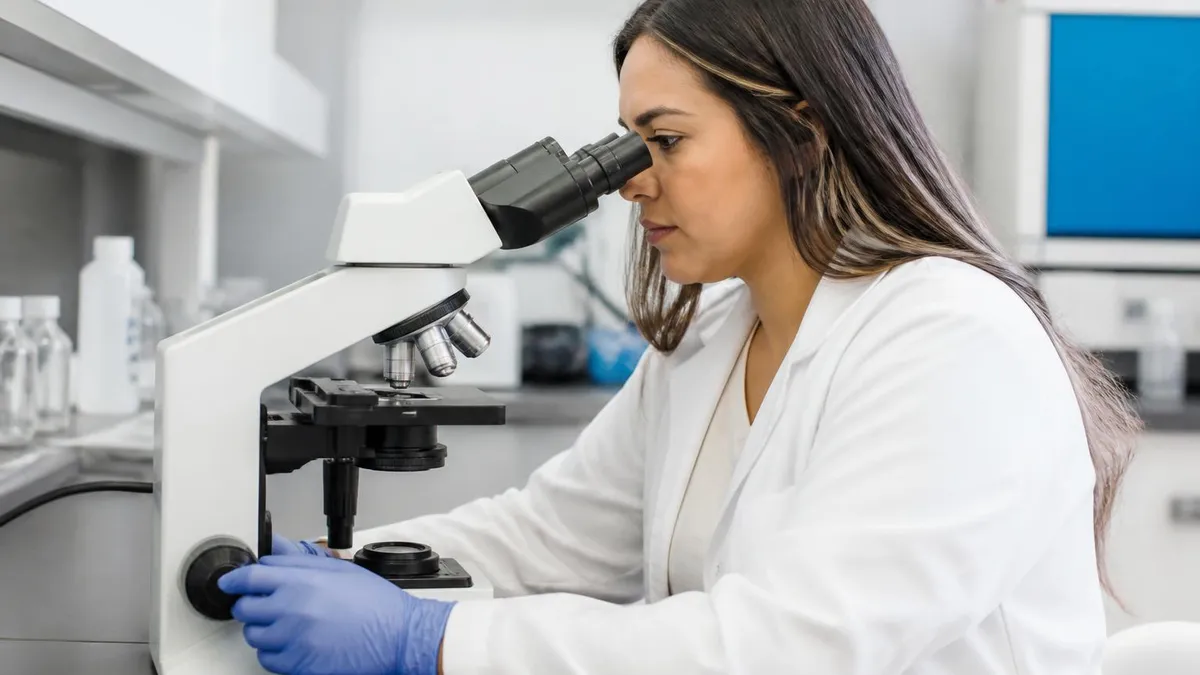
Southern Nevada Health District Death Certificate & Food Handlers Card: Complete Las Vegas Guide
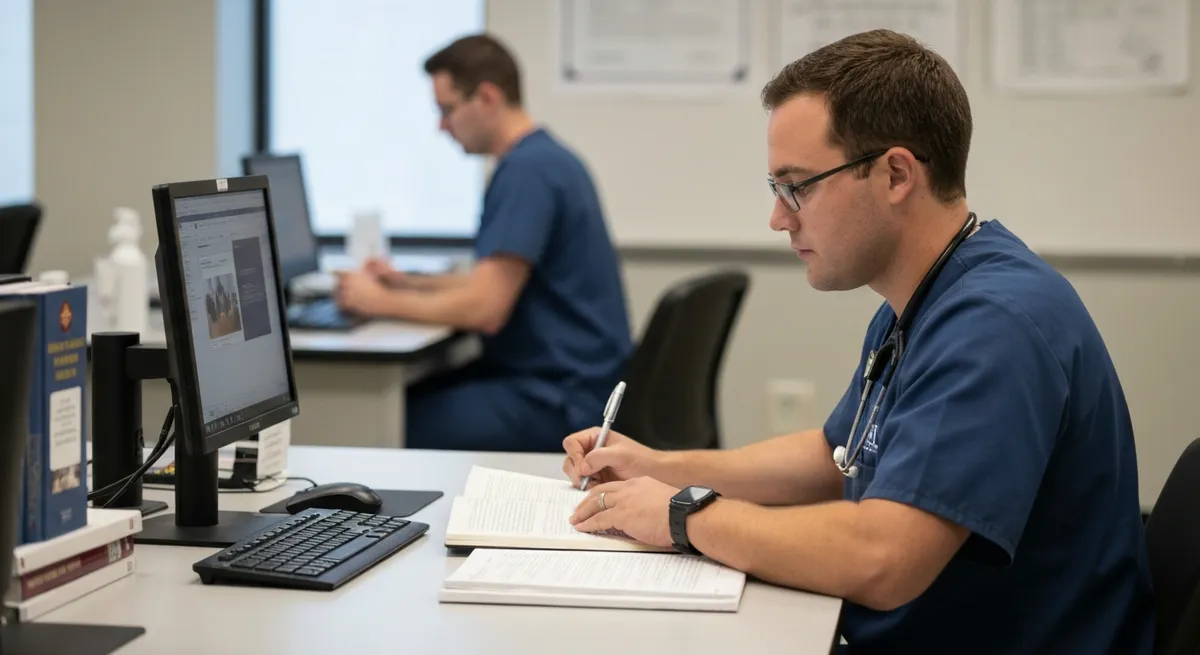
SNHD - Southern Nevada Health District: Complete Study Guide 2026
About the Author

Educational Psychologist & Academic Test Preparation Expert
Columbia University Teachers CollegeDr. Lisa Patel holds a Doctorate in Education from Columbia University Teachers College and has spent 17 years researching standardized test design and academic assessment. She has developed preparation programs for SAT, ACT, GRE, LSAT, UCAT, and numerous professional licensing exams, helping students of all backgrounds achieve their target scores.
Join the Discussion
Connect with other students preparing for this exam. Share tips, ask questions, and get advice from people who have been there.
View discussion (8 replies)