
ServSafe Video Training: How Video-Based Learning Accelerates Your Food Safety Certification
Master food safety with ServSafe video training. 🎯 Learn how video courses work, what they cover, and how to pass your certification exam faster.
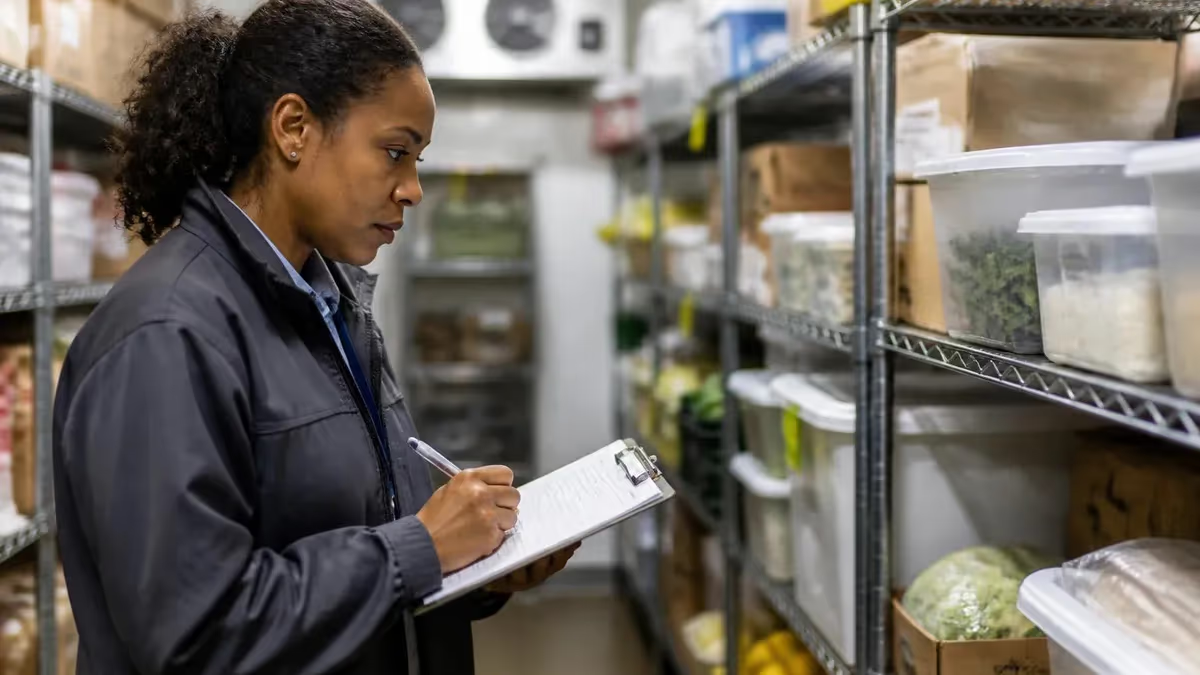
If you are preparing for your food handler or food protection manager certification, ServSafe video training is one of the most effective ways to absorb complex food safety concepts. The National Restaurant Association Educational Foundation (NRAEF) has developed high-quality video-based courses that walk students through everything from temperature control to foodborne illness prevention in a visual, engaging format that sticks far better than reading a textbook alone. Many candidates who struggle with dense written material find that video instruction dramatically improves their comprehension and retention before exam day.
ServSafe video content is designed to mirror the structure of the official ServSafe Manager or Food Handler exams, which means every module you watch directly maps to questions you will encounter on test day. The videos use real kitchen scenarios, animated diagrams, and expert narration to explain critical concepts like the temperature danger zone, cross-contamination pathways, and proper handwashing procedures. Because the content is scenario-based, you are not just memorizing facts — you are building the kind of practical decision-making skills that the exam is specifically designed to test.
The accessibility of video-based training has expanded significantly in recent years. Most ServSafe video courses are available online, meaning you can study on your laptop, tablet, or smartphone at any time that fits your schedule. This flexibility is particularly valuable for food service workers who keep irregular hours or who need to complete their certification while juggling a full-time job. Some employers even provide access to ServSafe video modules as part of their onboarding process, making it easier than ever to get certified without paying out of pocket.
Understanding how ServSafe video training fits into the broader certification process is key to using it effectively. Video instruction alone does not grant you a certificate — you must still pass a proctored written exam administered by an approved ServSafe proctor. However, students who complete a full video course before sitting for the exam consistently report higher confidence levels and better first-attempt pass rates. The visual repetition of key concepts, combined with built-in knowledge checks within many video modules, helps you identify weak areas early so you can focus your remaining study time where it matters most.
One important distinction to be aware of is the difference between the ServSafe Food Handler video course and the ServSafe Manager video course. The Food Handler program covers foundational food safety topics and is often required for entry-level kitchen staff. The Manager course goes significantly deeper, covering hazard analysis, pest management, facility design considerations, and crisis response. If you are aiming for the Certified Food Protection Manager (CFPM) credential, which is recognized by the Conference for Food Protection and required in many states, you will want the full Manager-level video curriculum, not just the shorter Food Handler series.
State-specific requirements also play a role in how you access and use ServSafe video content. Some states have additional rules about who must be certified, how often recertification occurs, and whether online-only training satisfies local health code requirements. For example, certain jurisdictions require in-person proctored exams even if you completed your coursework via video. Candidates in states like Montana can explore resources like this servsafe video guide to understand how online training intersects with local regulations. Always verify your state's specific requirements with your local health department before enrolling in any video course.
The bottom line is that ServSafe video training is not a shortcut — it is a smarter, more engaging path to genuine food safety knowledge. Whether you are a first-time candidate or a seasoned food service professional renewing an expiring credential, investing time in structured video coursework before your exam dramatically increases your odds of passing on the first attempt and carrying meaningful, applicable food safety skills into your workplace every single day.
ServSafe Video Training by the Numbers
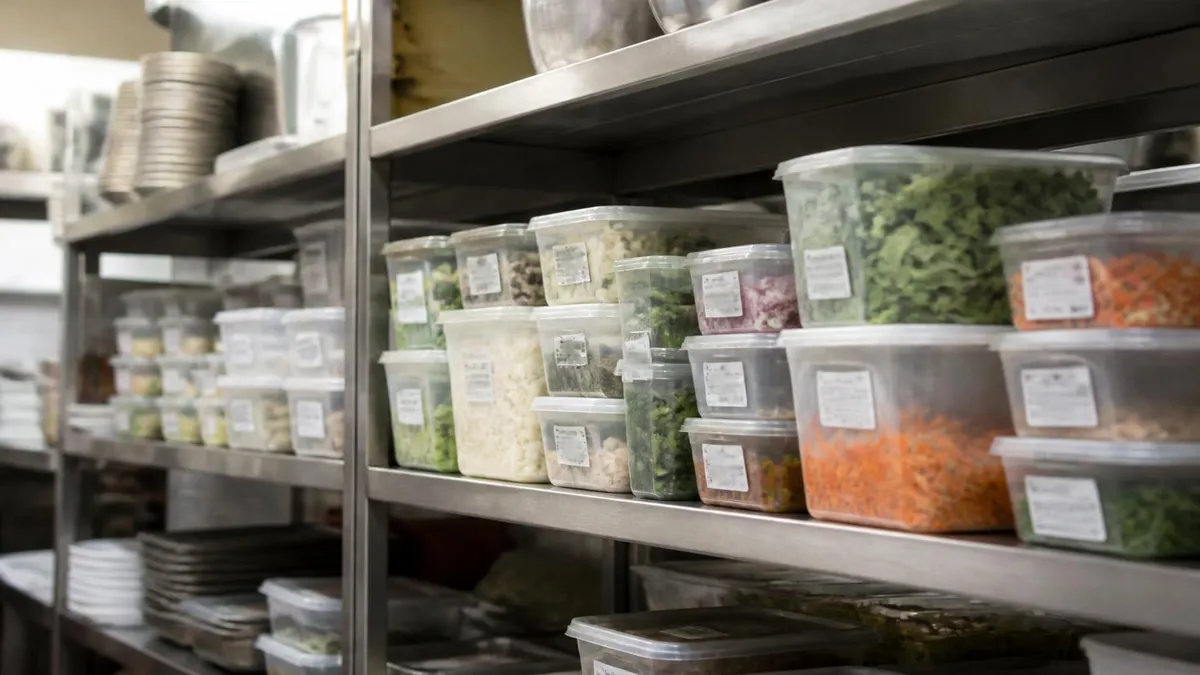
What ServSafe Video Courses Cover
Videos cover the science behind foodborne illness, including the major pathogens — Salmonella, E. coli, Norovirus, and Listeria — their sources, symptoms, and the conditions that allow them to thrive in food service environments.
Detailed video modules explain the temperature danger zone (41°F–135°F), safe cooking temperatures for different proteins, proper cooling methods, and how HACCP principles create a system of preventive controls in commercial kitchens.
Step-by-step video demonstrations show correct handwashing technique, when to wash hands, proper glove use, and how to handle situations involving sick employees — one of the most frequently tested areas on the ServSafe exam.
Video content covers the critical difference between cleaning and sanitizing, proper chemical concentrations, sanitizer testing methods, and integrated pest management strategies that every food protection manager must understand.
Modules walk through safe food sourcing, what to check when receiving deliveries, proper storage temperatures and configurations, FIFO (first-in, first-out) rotation, and how to reject non-compliant shipments from suppliers.
Choosing the right ServSafe video course depends heavily on which certification you are pursuing and the delivery format that best matches your learning style and schedule. The two primary credential tracks are the ServSafe Food Handler certificate and the ServSafe Manager certification.
Food Handler video courses are typically shorter — ranging from two to four hours of content — and focus on foundational topics like basic hygiene, cross-contamination prevention, and safe food temperatures. Manager courses are considerably more comprehensive, often spanning eight to fifteen hours of video content spread across multiple modules that cover the full scope of the CFPM examination blueprint.
When evaluating specific video course options, look closely at whether the content is accredited and up to date with the current edition of the ServSafe Manager Book. The NRAEF periodically revises its curriculum to reflect updated FDA Food Code guidelines, and older video content may not accurately represent what appears on the current exam. Reputable providers will clearly state which edition of the ServSafe curriculum their video content aligns with. If a course does not specify this, that is a red flag worth investigating before you spend time and money on outdated material.
Another important factor is whether the video course includes integrated practice questions and knowledge assessments. The best ServSafe video programs embed short quizzes at the end of each module, forcing you to recall and apply what you just watched before moving on. This active retrieval practice is one of the most powerful learning techniques supported by cognitive science research.
Passive video watching alone — without any self-testing — produces significantly weaker long-term retention than courses that require you to demonstrate comprehension as you go. Prioritize video programs that include these built-in checks over those that simply stream content without any interactive elements.
Instructor credentials and production quality also matter more than many candidates realize. Video courses narrated by certified food safety professionals who have real-world kitchen or health inspection experience tend to be more nuanced and practically useful than generic corporate training videos. Look for instructors who explain not just the rule but the reason behind it — understanding why you should never place raw chicken above ready-to-eat produce helps you generalize that principle to novel situations you encounter on the exam, rather than just memorizing a specific rule that may be phrased differently in a test question.
Cost is a practical consideration as well. ServSafe video courses range from free supplemental YouTube content produced by independent educators to official NRAEF online courses that bundle the video curriculum with the exam registration fee. If your employer is covering certification costs, the official NRAEF bundle is typically the safest investment because it guarantees alignment between your study materials and the actual exam. If you are self-funding your certification, a combination of free video resources and official practice exams can be a cost-effective strategy, as long as you verify that the free content is accurate and current.
Group training options are worth considering for restaurant managers who need to certify multiple team members simultaneously. The NRAEF offers instructor-led video training programs where a certified ServSafe instructor leads a class through the video curriculum, pausing for discussion and questions at key points. This blended format combines the visual richness of video instruction with the interactive benefits of a live classroom environment. Many candidates find this hybrid approach particularly effective for difficult topics like HACCP plan development and crisis management scenarios that benefit from guided discussion rather than solo video viewing.
Finally, consider the platform's technical requirements before committing to any video course. Some older online platforms require specific browser plugins or have poor mobile compatibility, which can be frustrating if you plan to study on a phone or tablet during breaks at work. The best modern platforms are fully responsive, support offline viewing for downloaded content, and track your progress across multiple sessions so you can pick up exactly where you left off. Before purchasing, test the platform's interface with a free preview lesson to make sure it works smoothly on the devices you actually plan to use for studying.
ServSafe Video Training Formats Compared
Self-paced online video is the most popular format for ServSafe training because it allows candidates to study whenever and wherever their schedule permits. You can pause, rewind, and rewatch any section as many times as needed, which is especially valuable for complex topics like HACCP plan development or chemical sanitizer concentration calculations. Most self-paced platforms track your progress and allow you to resume mid-module, making it easy to study in short bursts between shifts.
The primary challenge of self-paced video is maintaining discipline without an external deadline or instructor keeping you accountable. Many candidates start a self-paced course with great intentions but fall behind as work and personal obligations compete for their time. Setting a firm study schedule — for example, two hours every Tuesday and Thursday evening — before you begin can make the difference between completing the course well before your exam date and scrambling to finish at the last minute.
Pros and Cons of Using ServSafe Video for Exam Prep
- +Visual demonstrations make abstract concepts like temperature danger zones concrete and memorable
- +Flexible self-paced format fits around irregular food service work schedules
- +Scenario-based content mirrors real exam question formats better than text-only study
- +Many video platforms include built-in quizzes that reinforce retention through active recall
- +Rewind and replay any section as many times as needed without embarrassment
- +Video narration helps auditory learners who absorb spoken explanation better than silent reading
- −Self-paced video requires strong personal discipline to maintain a consistent study schedule
- −Some older video courses may not align with the current ServSafe curriculum edition
- −Video alone cannot replace hands-on practice with the actual ServSafe Manager Book
- −Internet connectivity issues can disrupt study sessions on platforms without offline download
- −Passive watching without note-taking produces weaker retention than active engagement
- −Premium video courses can be expensive if your employer does not cover the training cost
Pre-Exam ServSafe Video Study Checklist
- ✓Confirm your video course aligns with the current edition of the ServSafe Manager Book (9th edition as of 2024).
- ✓Complete all video modules in sequence — later modules build directly on concepts introduced in earlier ones.
- ✓Take handwritten notes during each video session focusing on specific numbers, temperatures, and time limits.
- ✓Complete the built-in knowledge check at the end of each module before advancing to the next section.
- ✓Download or print the official ServSafe exam outline and verify your video course covers every listed topic.
- ✓After finishing all modules, take at least two full-length practice exams under timed, exam-like conditions.
- ✓Review every question you answered incorrectly on practice exams by rewatching the corresponding video module.
- ✓Pay special attention to video sections on HACCP, the temperature danger zone, and foodborne illness pathogens.
- ✓Create a one-page summary sheet of the most critical numbers and formulas from your video notes.
- ✓Schedule your proctored exam no more than two weeks after completing your final video module to maximize retention.
Rewatch Beats Rereading for Long-Term Retention
Cognitive science research consistently shows that rewatching a short video segment immediately after encountering a difficult concept produces significantly stronger memory consolidation than rereading the same content in text form. If a ServSafe video module covers a topic you find confusing — such as Time-Temperature Control for Safety (TCS) foods or the specific sanitizer concentration ranges for chlorine versus quaternary ammonium — rewind and watch the segment again before moving on. This deliberate re-exposure, combined with pausing to write down the key point in your own words, can turn a confusing concept into a solidly retained fact before exam day.
Maximizing the effectiveness of your ServSafe video study sessions requires more than simply pressing play and watching the content scroll by. The most successful candidates treat video modules like interactive learning experiences rather than passive entertainment. This means keeping a notebook open beside you at all times, pausing the video every five to seven minutes to write a brief summary of what you just learned in your own words, and verbalizing key definitions aloud as you encounter them. This multi-modal engagement — seeing, hearing, and physically writing — activates more memory pathways simultaneously than any single channel alone.
Time of day matters more than most students realize when it comes to video-based learning. Research in chronobiology consistently shows that most people retain new information more effectively during their peak alertness hours, which for the majority of people falls in the late morning or early afternoon. If you are a night-shift kitchen worker whose natural sleep schedule puts your peak alertness at noon, scheduling your ServSafe video sessions around that window will produce meaningfully better retention than forcing yourself to study late at night when your cognitive resources are depleted after a long shift.
Study session length is another variable worth optimizing. Contrary to the instinct to marathon through as much video content as possible in a single sitting, research on learning and memory strongly supports shorter, more frequent sessions. A pattern of three 45-minute video study sessions spread across a week will typically produce better retention than a single three-hour marathon session covering the same material.
The gaps between sessions allow your brain to consolidate what it learned through a process called memory consolidation, which primarily happens during sleep. This is why candidates who cram the night before consistently underperform those who spread their preparation over several weeks.
Using a dedicated study space free from the distractions common in food service environments — phone notifications, background music, coworkers dropping by — makes a substantial difference in how much video content actually makes it into long-term memory.
Studies on attention and learning show that even brief interruptions during a video lesson can disrupt encoding, causing you to lose the thread of an explanation in ways that are not immediately obvious. If you cannot access a genuinely quiet space at home, consider using noise-canceling headphones at your local library or arriving early to a study group before other people arrive and the ambient noise level rises.
Note-taking strategy deserves particular attention for video-based learners. The Cornell Note-Taking System works exceptionally well alongside video content: divide your page into a main notes column, a cue column for key questions and terms, and a summary box at the bottom. As you watch each ServSafe video module, capture the main points in the notes column.
Immediately after the video, cover the notes column and use only the cue column to test whether you can reconstruct the key information. This active self-testing process, known as the retrieval practice effect, is one of the most reliably effective study techniques identified by educational psychologists over the past thirty years.
Spaced repetition is another powerful technique to layer on top of your video viewing schedule. After watching a module on, say, foodborne illness pathogens, return to your notes on that topic two days later, then again five days after that, and again two weeks later. Each time you revisit the material, you strengthen the memory trace and push the information into longer-term storage.
Free spaced repetition apps like Anki allow you to create digital flashcards from your video notes and automatically schedule them for review at scientifically optimized intervals. Many successful ServSafe candidates combine video instruction with Anki flashcard decks covering the specific numbers, temperatures, and timelines that appear frequently on the exam.
Finally, make deliberate use of the pause and predict technique during your video sessions. Before a video narrator explains the answer to a scenario question — for example, what a food manager should do when a shipment of ground beef arrives at 50°F instead of the required 41°F or below — pause the video and formulate your own answer first.
Then play the video to confirm or correct your reasoning. This technique, sometimes called the generation effect, produces dramatically stronger memory traces than passively receiving information. It also simulates the cognitive demand of the actual exam, where you must recall principles and apply them to novel scenarios without any prompts or visual cues to guide you.

Finishing a ServSafe video course — even an official NRAEF course — does not automatically register you for the certification exam. You must separately schedule your proctored exam through an approved ServSafe proctor, pay the applicable exam fee, and bring a valid government-issued photo ID on test day. Many candidates are surprised to discover this distinction after completing their video coursework. Check the NRAEF website or contact your course provider to confirm your exam registration status before assuming your certification process is complete.
Once you have completed your ServSafe video coursework and passed your proctored exam, the next steps toward maintaining your credential are just as important as the initial preparation process. ServSafe Manager certifications are valid for five years from the date you pass your exam, after which you must complete the full recertification process — which includes retaking the proctored exam — to maintain your CFPM status. Some states impose shorter validity windows or additional state-specific continuing education requirements, so confirming your jurisdiction's rules is an essential step immediately after passing.
Keeping a copy of your ServSafe certificate in both digital and physical formats is a practical habit that prevents headaches down the line. Your employer will typically want a copy for their compliance records, and local health inspectors may request proof of certification during routine restaurant inspections. The NRAEF maintains a digital certificate lookup tool on its website that allows inspectors and employers to verify certification status in real time, but having your own copies accessible eliminates any delays if the online system is temporarily unavailable during an inspection visit.
Staying current with food safety regulations does not end when you receive your certificate. The FDA Food Code, which forms the basis of ServSafe curriculum, undergoes revisions approximately every four years, and state health departments may adopt updated versions of the code on their own schedules. Subscribing to updates from your state health department and periodically reviewing the NRAEF's published curriculum updates will help you stay aware of meaningful changes to food safety standards between your recertification cycles. This is particularly important for food service managers who make daily decisions about food safety protocols based on their regulatory knowledge.
Sharing your ServSafe knowledge with your team is one of the highest-value activities a newly certified food protection manager can engage in. A single certified manager is responsible for ensuring that everyone in the kitchen operates according to safe food handling principles, which means informal coaching and training conversations are a continuous part of the job.
Reviewing key video concepts with your team — even informally, by discussing a ServSafe scenario during a pre-shift meeting — multiplies the value of your certification beyond your own individual knowledge and creates a culture of food safety awareness that reduces risk for your entire operation.
Employers who invest in ServSafe video training for multiple staff members often report measurable reductions in foodborne illness incidents, health code violations, and costly food recalls. Insurance carriers and franchise systems increasingly recognize ServSafe certification as a meaningful quality indicator, and some business owners find that maintaining high certification rates among their management team can positively influence their insurance premiums and franchise agreement terms. The business case for comprehensive ServSafe training extends well beyond regulatory compliance into operational excellence and brand reputation management.
For candidates who did not pass the ServSafe Manager exam on their first attempt, video training remains a valuable resource for targeted remediation. Because most video platforms track which modules you completed and when, you can use your score report from the failed exam — which identifies the content areas where you underperformed — to pinpoint exactly which video modules to rewatch before your retake.
This targeted approach is far more efficient than repeating the entire video course from the beginning, and it allows you to concentrate your preparation time on genuine knowledge gaps rather than topics you already understand well.
Ultimately, the value of ServSafe video training extends well beyond passing a certification exam. The knowledge you gain about food safety science, temperature control, contamination pathways, and crisis response translates directly into daily operational decisions that protect your customers, your employees, and your business.
Whether you access this content through an official NRAEF platform, an employer's LMS, or a state-specific resource guide, committing to thorough video-based preparation is one of the best investments you can make in your food service career. For state-specific guidance on how video training intersects with local certification requirements, review the resources available through guides covering regulations in your specific region.
Practical study habits developed during your ServSafe video preparation will serve you long after the exam is over. One of the most transferable skills you build through video-based food safety training is the habit of thinking in terms of hazard pathways — asking yourself, at every stage of food handling, where contamination could enter the process and what control measure prevents it. This kind of preventive mindset is the core of HACCP thinking, and it is something that video training reinforces through repeated visual scenarios far more effectively than a list of rules ever could.
Building a personal reference library from your video notes is a practical post-certification step that many experienced food protection managers recommend. Organize your handwritten or digital notes by topic — temperature control, hygiene, cleaning and sanitizing, receiving and storage — and keep this reference accessible in your office or on your phone.
When a novel situation arises on the job that falls outside your immediate memory, your structured notes give you a quick way to verify the correct procedure without having to search through a textbook or call a health inspector. This kind of self-built reference resource is a direct product of the careful note-taking habits you develop during focused video study sessions.
Networking with other ServSafe-certified professionals in your area is another underutilized strategy for maintaining and deepening your food safety knowledge. Local restaurant associations, culinary school alumni networks, and state health department advisory committees often include opportunities for certified food protection managers to connect, share best practices, and stay informed about upcoming regulatory changes.
These professional relationships can be particularly valuable when you are navigating unusual food safety situations — like managing a pop-up event in an unfamiliar kitchen or responding to a supplier recall — where the experience of a seasoned colleague provides guidance that no video module could fully anticipate.
For managers overseeing multi-unit operations, implementing a structured internal ServSafe video training program creates consistency across locations that is difficult to achieve through informal on-the-job coaching alone. When every manager in your organization has watched the same video modules, internalized the same terminology, and passed the same certification exam, your food safety culture becomes genuinely systematic rather than dependent on individual manager knowledge and preferences. This consistency is particularly valuable during staff transitions, new location openings, and health department inspections where demonstrating a documented, repeatable food safety training process matters for regulatory compliance.
Refreshing your video knowledge midway through your five-year certification cycle is a best practice that many food safety professionals recommend even though it is not formally required. Rewatching one or two modules per year on topics that are particularly relevant to your current operation — for example, rewatching the allergen management module after your restaurant adds new menu items — keeps your knowledge current and reinforces principles that may have faded from active memory.
Several states are moving toward requiring continuing education credits for food protection managers between certification cycles, making this proactive approach increasingly aligned with emerging regulatory trends as well as simply good professional practice.
Technology continues to evolve the ServSafe video experience in meaningful ways. The NRAEF and third-party training providers have increasingly incorporated interactive simulations, virtual kitchen walkthroughs, and adaptive learning algorithms into their video platforms. Adaptive platforms analyze your performance on built-in quizzes and automatically adjust which content you see next, directing you toward modules covering your weakest areas rather than presenting material in a fixed linear sequence regardless of your individual knowledge gaps. These intelligent video platforms represent the leading edge of food safety education technology and are worth seeking out if you want the most efficient, personalized preparation experience available.
The commitment you make to thorough ServSafe video preparation reflects a deeper commitment to the safety and well-being of every customer who eats food you and your team prepare. Foodborne illness affects an estimated 48 million Americans every year, hospitalizes 128,000, and kills approximately 3,000 — numbers that underscore why food safety certification is not merely a regulatory box to check but a genuine public health responsibility.
When you invest hours in video-based study, practice your knowledge with realistic exam questions, and carry those lessons into your daily kitchen operations, you are directly contributing to safer food for your community and a more trustworthy food service industry as a whole.
ServSafe Questions and Answers

ServSafe Montana: Complete Food Handler Training & Certification Guide

How Can I Get My ServSafe Certificate? Complete Step-by-Step Guide to Certification

ServSafe Test

How Long Does ServSafe Certification Last? Validity Periods by Credential and State

ServSafe Food Protection Manager: Complete Training Guide & Certification Requirements
About the Author

Registered Sanitarian & Food Safety Certification Expert
Cornell University College of Agriculture and Life SciencesThomas Wright is a Registered Sanitarian and HACCP-certified food safety professional with a Bachelor of Science in Food Science from Cornell University. He has 17 years of experience in food safety auditing, regulatory compliance, and foodservice management training. Thomas prepares food industry professionals for ServSafe Manager, HACCP certification, and state food handler examinations.
Join the Discussion
Connect with other students preparing for this exam. Share tips, ask questions, and get advice from people who have been there.
View discussion (8 replies)