
ServSafe Montana: Complete Food Handler Training & Certification Guide
ServSafe Montana requirements explained. Learn who needs certification, how to register, costs, and how to pass the exam. ✅ Free practice tests included.

If you work in food service in Montana, understanding servsafe montana requirements is one of the most important steps you can take toward a stable, professional career in the industry. Montana law requires that food establishments employ at least one certified food protection manager who has passed an accredited exam — and ServSafe is the most widely recognized program in the state.
Whether you manage a restaurant in Billings, run a cafeteria in Great Falls, or oversee kitchen operations in Missoula, ServSafe certification demonstrates that you understand the principles of safe food handling and can protect your customers from foodborne illness.
Montana follows guidelines set by the FDA Food Code, which mandates that at least one Person in Charge (PIC) per food establishment must hold an accredited food safety manager certification. ServSafe, administered by the National Restaurant Association Educational Foundation (NRAEF), meets this requirement in all 50 states, including Montana. This makes ServSafe the go-to credential for food service managers, chefs, kitchen supervisors, and anyone responsible for overseeing food preparation and handling in a professional setting across Big Sky Country.
Getting certified in Montana is a straightforward process, but it does require preparation. The ServSafe Manager Certification exam consists of 90 questions covering everything from foodborne illness prevention and cross-contamination control to proper temperature management and pest control. You have 90 minutes to complete the exam, and you must score at least 70percent — answering 56 of the 80 scored questions correctly — to earn your certification. The exam is proctored, meaning you must take it under supervision, either in person at an authorized testing location or through an online proctored session.
The good news for Montana food service workers is that ServSafe offers multiple pathways to prepare. You can attend an in-person class led by a certified ServSafe instructor, work through a self-paced online course, or use a combination of study materials and free practice tests to prepare independently. Many community colleges, culinary schools, and restaurant associations across Montana partner with ServSafe to offer training sessions throughout the year. Cities like Billings, Missoula, Helena, Great Falls, and Bozeman typically have multiple class sessions available each quarter, and online options are available statewide for those in rural areas.
Once you pass the ServSafe Manager exam, your certification is valid for five years from the date you pass — not the date you take the class. After five years, you must retake the exam to renew your certification. Montana health departments typically conduct inspections that verify at least one certified manager is on staff, so keeping your certification current is not only professionally smart but also a regulatory requirement for your establishment to maintain its operating license in good standing.
The cost of ServSafe certification in Montana varies depending on how you choose to study. The exam fee alone is typically around $36 when purchased through an instructor or testing center. Study materials, including the official ServSafe Manager textbook (currently in its 8th edition), add another $50 to $70. If you enroll in an instructor-led course that includes the exam fee and study materials, expect to pay between $125 and $200 total. Online course bundles from the ServSafe website range from $22 to $179 depending on what materials you include.
Preparing thoroughly before exam day is the key to passing on your first attempt. The ServSafe exam covers seven core content areas: The Flow of Food, Foodborne Microorganisms and Allergens, Purchasing and Receiving, Storing Food, Preparing Food, Methods of Cooking, and Serving Food Safely. Additionally, topics like cleaning and sanitizing, pest management, and facility layout are tested. Using free practice tests alongside the official study guide is one of the most effective strategies for boosting your score and walking into the testing center with confidence.
ServSafe Montana by the Numbers
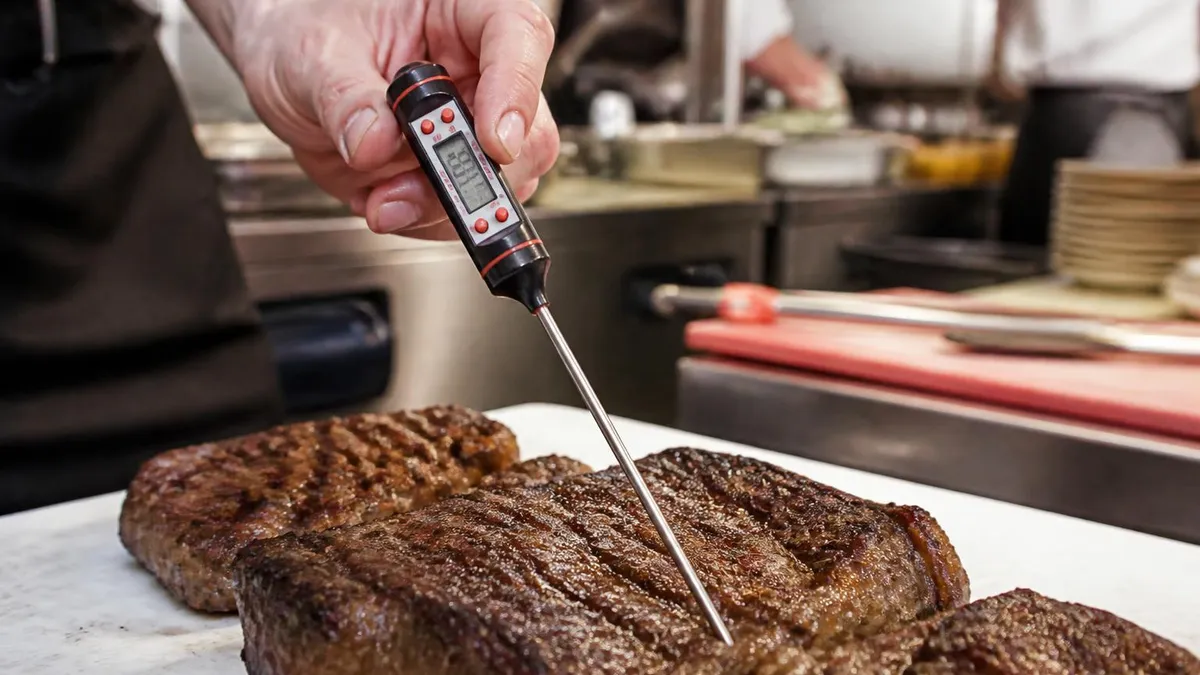
Montana Food Safety Certification Requirements
Montana requires at least one certified food protection manager per food establishment. This typically means the head chef, kitchen manager, or owner must hold an accredited certification like ServSafe. Health inspectors verify compliance during routine inspections.
Montana accepts food manager certifications from ANSI-accredited programs only. ServSafe is the most popular option, but other accredited providers like Prometric and NEHA are also accepted. Self-study without an accredited exam does not fulfill the state requirement.
Montana distinguishes between food handlers (who need basic food safety awareness) and certified food protection managers. All food workers benefit from food safety training, but only the manager-level certification satisfies the state's mandatory credentialing requirement for food establishments.
Individual Montana counties and municipalities may have additional requirements beyond the state baseline. Billings, Missoula, and Helena may require additional documentation or have specific renewal timelines. Always verify with your local health department before assuming state rules are sufficient.
Getting your ServSafe certification in Montana follows a clear, step-by-step process that begins with choosing your study method and ends with receiving your digital and physical certificate within four to six weeks of passing the exam. The first decision you need to make is whether to pursue instructor-led training or self-paced online learning. Both pathways lead to the same proctored exam, but they differ significantly in structure, timeline, and cost. Understanding the pros and cons of each will help you choose the option that fits your schedule and learning style.
Instructor-led ServSafe classes in Montana are typically offered as one-day or two-day intensive sessions that cover all exam content in a structured classroom environment. These classes are led by certified ServSafe instructors who are authorized to administer the proctored exam at the end of the session. This means you can study and test in a single sitting, making it an efficient option for busy food service professionals. Many Montana restaurant associations, community colleges, and culinary programs schedule these classes monthly or quarterly, especially in larger cities like Billings and Missoula.
The online study path through the ServSafe website gives you flexibility to work through the material at your own pace. You purchase access to the online course, complete the modules over days or weeks, and then schedule a separate proctored exam session. Online proctoring is available through ServSafe's platform, allowing you to take the exam from home or your workplace with a webcam and a reliable internet connection. This option is particularly valuable for food service workers in rural Montana who may not have easy access to in-person testing locations.
Once you've chosen your study method, you'll need to purchase the appropriate materials. The current ServSafe Manager Book (8th edition) is the foundational study resource and covers all seven content domains tested on the exam. If you're taking an instructor-led course, materials are often bundled with your registration fee. If you're studying independently, you can purchase the book separately from the ServSafe website, Amazon, or through a local foodservice distributor. The 8th edition includes updated guidance on allergen management, food safety technology, and the latest FDA Food Code requirements.
Registering for the exam is done through the ServSafe website or through your instructor if you're in a classroom course. When registering, you'll select your preferred exam delivery method (in-person at a testing site or online proctored), your preferred language (the exam is available in English and Spanish in Montana), and your testing date. First-time test-takers should allow at least two to four weeks of study time before scheduling the exam — longer if you are new to food safety concepts or haven't studied in a formal setting recently.
On exam day, arrive at your testing location at least 15 minutes early with a valid government-issued photo ID. The exam proctor will verify your identity, explain the rules, and seat you at a computer terminal. The 90-question exam is delivered digitally and covers multiple-choice questions. You cannot use notes, phones, or reference materials during the exam. Once you complete and submit your exam, you'll typically receive a preliminary pass/fail result immediately, though official score reports are processed within a few days by the National Restaurant Association Educational Foundation.
If you pass, your ServSafe Manager Certification will be mailed to the address you provided during registration, and a digital copy will be available through your ServSafe account online. Montana employers and health inspectors accept both the physical card and the digital certificate as valid proof of certification. Keep both copies in a safe place and make a note of your certification expiration date — five years from your exam date — so you can plan for renewal well in advance of the deadline.
ServSafe Exam Topics & Study Strategies for Montana
The ServSafe Manager exam tests seven primary content domains. The largest section — The Flow of Food — covers how food moves through your operation from purchasing and receiving to serving, and accounts for roughly 30 percent of exam questions. Other major topics include foodborne microorganisms and allergens, safe food temperatures, proper storage techniques, and controlling time-temperature abuse. You can expect questions about the Temperature Danger Zone (41°F–135°F), minimum internal cooking temperatures for various proteins, and safe cooling procedures for hot foods.
Additional exam content covers cleaning and sanitizing, pest management, facility design, and the roles and responsibilities of a food protection manager. Questions about food allergens have become more prominent in recent editions of the exam, reflecting the FDA's updated Food Code guidance. Understanding the Big 9 allergens — milk, eggs, fish, shellfish, tree nuts, peanuts, wheat, soybeans, and sesame — and how to prevent allergen cross-contact in food preparation is now an essential component of exam readiness. Montana test-takers should give extra attention to these allergen management questions.

ServSafe Certification: Is It Worth It for Montana Food Workers?
- +Satisfies Montana's mandatory food protection manager certification requirement for food establishments
- +Recognized by health departments in all 50 states, including every county in Montana
- +Demonstrates professionalism and food safety competence to employers and customers
- +Opens doors to management-level positions with higher pay in Montana's growing hospitality industry
- +Valid for five full years before renewal is required, providing long-term credential value
- +Available in both English and Spanish, making it accessible to Montana's diverse food service workforce
- −Total cost of $125–$200 for course, materials, and exam can be a barrier for entry-level workers
- −Exam requires a 75 percent passing score, which demands genuine preparation and study time
- −Certification expires after five years, creating an ongoing renewal cost and time commitment
- −In-person testing locations are concentrated in larger Montana cities, creating travel burdens for rural workers
- −Online proctored exams require a stable internet connection, which can be unreliable in some Montana rural areas
- −Re-examination fee applies if you fail, adding unexpected costs for candidates who do not pass on the first attempt
ServSafe Montana Certification Prep Checklist
- ✓Confirm your establishment's local health department requirements and any county-specific rules beyond state standards.
- ✓Purchase the ServSafe Manager Book 8th Edition from the ServSafe website or an authorized retailer.
- ✓Decide between instructor-led classroom training and self-paced online study based on your schedule and location.
- ✓Register for your preferred exam delivery method — in-person at a Montana testing center or online proctored.
- ✓Block out at least 10–15 hours of dedicated study time spread across two to three weeks before your exam date.
- ✓Complete all chapter review questions in the ServSafe Manager Book to reinforce each content domain.
- ✓Take at least three full-length timed practice exams and review every incorrect answer thoroughly.
- ✓Create flashcards for critical temperatures, time limits, and pathogen names most commonly tested on the exam.
- ✓Prepare a valid government-issued photo ID to present at the testing center or to your online proctor on exam day.
- ✓After passing, store both your digital certificate and physical card securely and note your five-year expiration date.
You Only Need 75% — But Don't Underestimate the Exam
The ServSafe Manager exam passing threshold of 75 percent sounds manageable, but first-time pass rates nationally hover around 65–70 percent. Montana candidates who use official study materials AND take multiple practice tests before exam day pass at significantly higher rates than those who rely on experience alone. Invest the study time upfront and you'll likely only need to take the exam once.
Understanding the full cost picture of ServSafe certification in Montana helps you budget appropriately and avoid surprises. The total investment depends heavily on which study path you choose and whether you pass on your first attempt. Breaking down the costs into individual components — study materials, course enrollment, exam fees, and potential retake fees — gives you a clear picture of what you're committing to financially before you begin the process.
The ServSafe Manager Book (8th edition) is the cornerstone study resource and typically costs between $50 and $70 when purchased new from the ServSafe website or a major online retailer. Some candidates opt for used copies of the 7th edition to save money, but this is risky because the 8th edition includes updated allergen guidance and Food Code revisions that are reflected in current exam questions. Investing in the most current edition is strongly recommended for anyone planning to test in 2024 or later in Montana.
If you enroll in an instructor-led ServSafe class in Montana, the registration fee typically ranges from $85 to $150 and usually includes both the exam fee and access to study materials. This bundled pricing often represents the best value for candidates who want structured instruction and want to complete everything — study, instruction, and testing — in a single day or weekend. Many Montana restaurant associations and culinary schools offer these bundled classes, and some employers cover the cost for kitchen managers and supervisors as a workforce development benefit.
If you choose the self-study route, you'll pay separately for study materials and the exam. The online ServSafe Manager course costs between $22 and $75 depending on which package you select, and the exam fee (when purchased separately) is approximately $36. Adding these together with the cost of the textbook brings your total self-study investment to roughly $108 to $181. While this can be cheaper than a bundled class, it requires more self-discipline and time management on your part to stay on track without an instructor guiding the schedule.
Retake fees are an important cost consideration that many candidates overlook. If you do not pass the ServSafe Manager exam on your first attempt, you must pay the exam fee again to retake it. ServSafe allows unlimited retakes, but each attempt costs the standard exam fee of approximately $36. There is no mandatory waiting period between attempts, which means you can reschedule relatively quickly, but you should use the time between attempts to review your weak areas thoroughly rather than rushing back to the testing center unprepared.
Montana food service employers are increasingly willing to reimburse ServSafe certification costs for employees who demonstrate commitment to their roles. If your employer hasn't offered to cover your costs, it's worth asking — many businesses view certification reimbursement as a legitimate staff development expense that also protects the establishment's regulatory standing. Some Montana Workforce Services programs and culinary training nonprofits also offer financial assistance for food safety certification to workers who qualify based on income or employment status.
Renewal costs are a long-term budget consideration. When your five-year certification expires, you must retake the exam (not just pay a renewal fee). The retake follows the same process and costs as the original exam — typically $36 for the exam fee, plus any study materials you want to refresh your knowledge.
Most experienced food service managers find renewal straightforward since they've been applying the knowledge daily for five years, but taking at least a few practice tests before the renewal exam is still recommended to ensure you're current with any Food Code updates that may have occurred since your original certification.
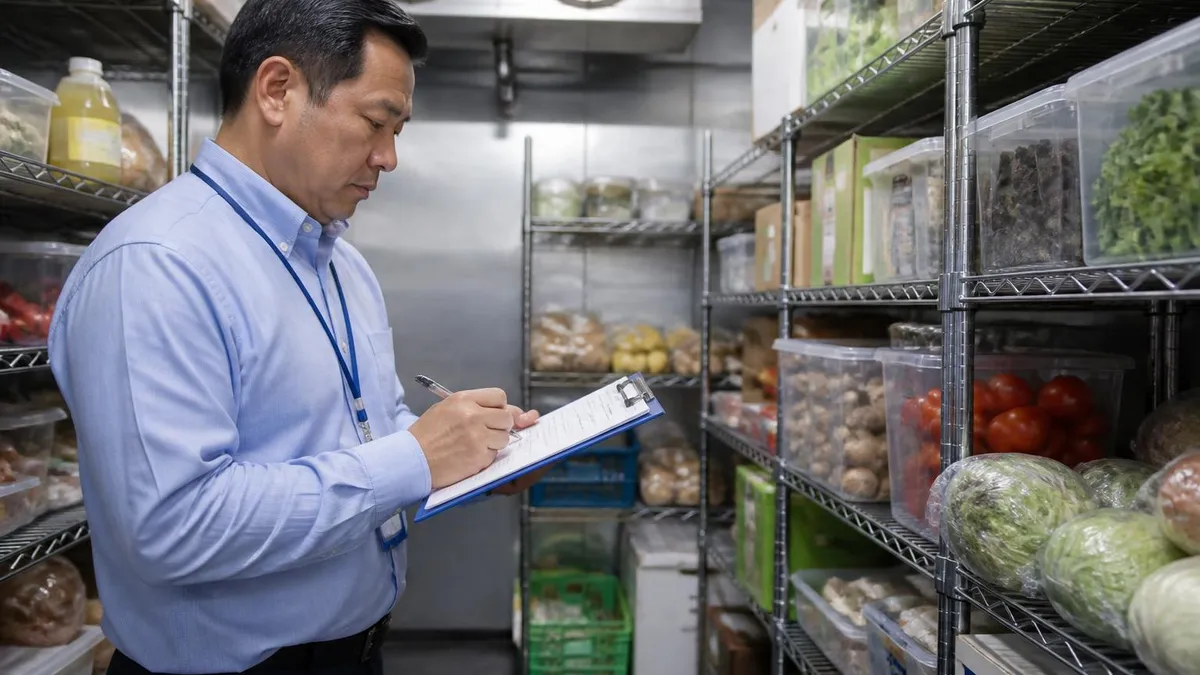
Montana health inspectors verify that at least one certified food protection manager is on staff during routine inspections. Operating without a certified manager on record can result in a violation, a follow-up inspection, and in serious cases, temporary closure of your establishment. If your current certification is expiring soon, schedule your renewal exam at least 60 days before the expiration date to ensure there is no gap in your certified status.
Earning your ServSafe Manager Certification in Montana does more than satisfy a regulatory checkbox — it genuinely advances your career and positions you for long-term success in the state's vibrant food service industry. Montana's tourism-driven economy means that food service is one of the largest employment sectors in the state, with restaurants, hotels, resorts, school cafeterias, healthcare dining facilities, and catering companies all requiring certified managers. Holding a current ServSafe certification makes you a more attractive candidate for these roles and demonstrates to employers that you take food safety seriously.
Food service managers in Montana earn a median wage of approximately $52,000 to $64,000 per year, with experienced managers at high-volume establishments in resort communities like Whitefish, Big Sky, and Red Lodge earning considerably more during peak tourism seasons. While many factors influence salary — years of experience, type of establishment, and geographic location — holding a current ServSafe Manager Certification is often listed as a minimum requirement for management-level postings. Some employers offer a pay differential of $1 to $3 per hour for certified managers compared to uncertified kitchen leads performing similar duties.
Beyond salary, ServSafe certification opens doors to specialized career paths within the food service industry. Food safety auditors, quality assurance managers, and food service compliance officers all typically require or strongly prefer candidates with active food safety manager certifications. Montana's growing craft brewery, distillery, and farm-to-table restaurant scene has created new demand for knowledgeable food safety managers who understand both traditional restaurant operations and the specific safety considerations of craft food and beverage production environments.
Employers in Montana's healthcare and institutional food service sector — including hospitals, assisted living facilities, schools, and correctional facilities — place particularly high value on ServSafe certification because of the vulnerable populations they serve. Elderly residents, children, hospitalized patients, and immunocompromised individuals face greater health risks from foodborne illness than the general public, making rigorous food safety practices especially critical. Certified managers in these settings often command premium salaries and enjoy greater job stability than their counterparts in traditional restaurant environments.
The professional credibility that comes with ServSafe certification extends beyond your immediate employer. If you aspire to open your own food service business in Montana someday, having a current certification as the owner-operator can streamline your licensing process with local health departments, signal your commitment to safety to potential investors and lenders, and reduce your liability exposure in the event of a food safety incident at your establishment. Many Montana small business development centers and restaurant consultants recommend certification as one of the first steps for aspiring food service entrepreneurs.
ServSafe also offers additional specialty credentials beyond the Manager Certification that can further differentiate your professional profile. The ServSafe Food Handler certificate (a shorter, less intensive credential) is useful for training front-line staff. The ServSafe Alcohol certification is valuable for bartenders and servers at Montana's many establishments with liquor licenses. And the ServSafe Allergens online course — a newer addition to the ServSafe portfolio — is increasingly sought after as food allergy awareness grows among Montana consumers. Stacking these credentials builds a comprehensive food safety skill set that makes you an extremely valuable team member in any food service organization.
Perhaps most importantly, ServSafe certification gives you the knowledge and confidence to make real-time food safety decisions that protect your customers, your staff, and your establishment's reputation. A single foodborne illness outbreak linked to a Montana restaurant can generate deeply damaging media coverage, trigger health department investigations, and result in long-term customer attrition from which some businesses never recover. The investment you make in ServSafe training pays dividends not just in career advancement, but in the daily peace of mind that comes from knowing your kitchen operates at the highest standards of food safety excellence.
Walking into the ServSafe Manager exam feeling fully prepared requires more than just reading the textbook once. The candidates who consistently pass on their first attempt share a common set of habits: they study in short, focused sessions rather than marathon cramming sessions; they test themselves frequently with practice questions; and they actively review their mistakes rather than simply moving on after getting an answer wrong. Adopting these evidence-based study strategies in the weeks before your Montana exam will dramatically improve your chances of success.
Start your preparation by reading the ServSafe Manager Book from cover to cover at a comfortable pace — aim to complete one or two chapters per study session, spending about 45 to 60 minutes at a time. After finishing each chapter, complete the chapter review questions without looking back at the text. This active recall technique forces your brain to retrieve information from memory, which is far more effective for retention than simply re-reading highlighted passages. For chapters where you struggle with the review questions, re-read the relevant sections before moving on.
Temperature memorization is a common stumbling block for ServSafe candidates. The exam tests your ability to recall specific temperatures quickly and accurately — for example, the minimum internal cooking temperature for poultry (165°F), ground beef (155°F), whole cuts of pork and beef (145°F), and cold holding temperatures (41°F or below). Create a simple reference card with these temperatures and review it daily during your study period. Associating each temperature with a vivid real-world example — like imagining a steaming roast chicken fresh from a 165°F oven — can help the numbers stick more effectively than rote memorization alone.
Practice exam timing is another critical element of effective preparation. The ServSafe Manager exam gives you 90 minutes for 90 questions — that's exactly one minute per question. During practice sessions, replicate this pacing by setting a timer and committing to moving on if you spend more than 90 seconds on any single question. You can always flag difficult questions and return to them if time permits. Getting comfortable with the pacing in practice prevents the panic that comes from realizing with 30 minutes left that you're only halfway through the exam.
On the week before your exam, shift from intensive learning to review and consolidation. Re-read chapter summaries, review your flashcards, take one final full-length practice test, and get adequate sleep each night. Arriving at the exam well-rested is more valuable than squeezing in extra study hours at the expense of sleep. Research consistently shows that sleep plays a critical role in memory consolidation — the information you've studied all week gets reinforced while you sleep, making it more accessible during the exam the next day.
On exam day itself, eat a nutritious meal before arriving, bring your valid government-issued photo ID, and plan to arrive at least 15 minutes before your scheduled start time. Dress in comfortable layers since testing center temperatures can vary. If something unexpected delays you — a traffic issue, a car problem — contact the testing center immediately rather than assuming you can reschedule on the fly. Most ServSafe testing centers in Montana can accommodate last-minute rescheduling with proper notice, but no-shows may forfeit their exam fee entirely.
After you pass, don't let your food safety knowledge go stale. The most effective certified managers regularly apply their ServSafe training in practical daily decisions — checking food temperatures during service, verifying that staff are following proper handwashing protocols, conducting regular cleaning and sanitizing audits, and staying current with any updates to Montana's food safety regulations. Treat your certification not as a one-time achievement but as the foundation of an ongoing commitment to food safety excellence that benefits every customer who walks through your door.
ServSafe Questions and Answers

ServSafe Test
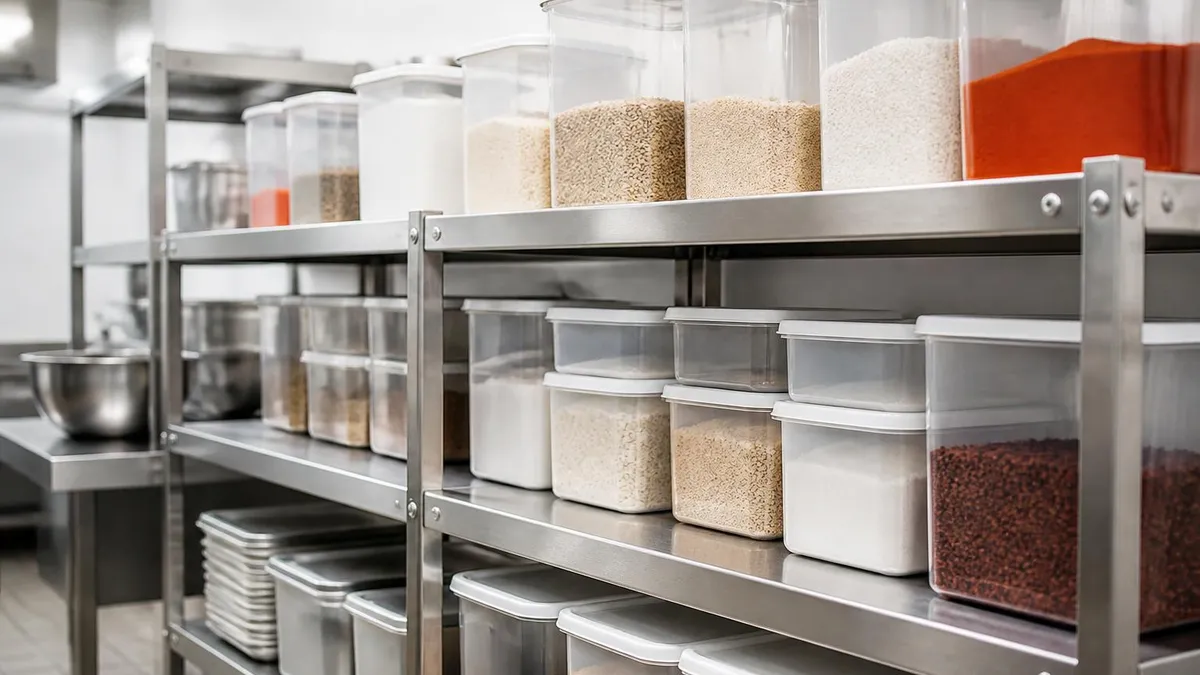
How Long Does ServSafe Certification Last? Validity Periods by Credential and State

ServSafe Food Protection Manager: Complete Training Guide & Certification Requirements

ServSafe Manager Test Answers PDF: Complete Study Guide and Practice Prep for 2026

How Can I Get My ServSafe Certificate? Complete Step-by-Step Guide to Certification
About the Author

Registered Sanitarian & Food Safety Certification Expert
Cornell University College of Agriculture and Life SciencesThomas Wright is a Registered Sanitarian and HACCP-certified food safety professional with a Bachelor of Science in Food Science from Cornell University. He has 17 years of experience in food safety auditing, regulatory compliance, and foodservice management training. Thomas prepares food industry professionals for ServSafe Manager, HACCP certification, and state food handler examinations.
Join the Discussion
Connect with other students preparing for this exam. Share tips, ask questions, and get advice from people who have been there.
View discussion (8 replies)