
ServSafe Food Protection Manager: Complete Training Guide & Certification Requirements
Complete guide to ServSafe Food Protection Manager certification: ✏️ exam requirements, training steps, costs, and study tips to pass in 2026 September.

The ServSafe Food Protection Manager certification is one of the most widely recognized credentials in the U.S. foodservice industry. Issued by the National Restaurant Association Educational Foundation (NRAEF), this certification demonstrates that a food service professional has mastered the knowledge and skills needed to prevent foodborne illness outbreaks, manage food safety risks, and maintain a compliant operation. Whether you manage a restaurant kitchen, a school cafeteria, or a hospital food service department, earning this credential marks you as a trusted leader in safe food handling practices.
Food safety regulators across the country take manager certification seriously. The FDA Food Code recommends — and most state and local health departments require — that at least one certified food protection manager be on-site in any food establishment during all hours of operation. Without this certification, many operations risk failing health inspections, incurring fines, or even facing temporary closure. For individual professionals, the certification unlocks career advancement opportunities, higher wages, and greater job security in a competitive industry.
Earning your servsafe food protection manager credential involves completing a training program, studying the official ServSafe Manager textbook, and passing a nationally recognized proctored exam. The certification is valid for five years in most jurisdictions, after which recertification is required. The process is rigorous but very achievable with structured preparation, and thousands of food service professionals pass the exam every year using the right study strategies.
The ServSafe program was developed and is continuously updated by the NRAEF in partnership with leading food scientists, regulatory experts, and industry professionals. This means the content you study reflects the very latest FDA Food Code guidance, emerging food safety threats, and best practices used in real commercial kitchens. Topics covered include biological, chemical, and physical hazards; the flow of food from purchasing to serving; time and temperature control; personal hygiene; cleaning and sanitizing; pest management; and crisis management procedures.
For employers, having a ServSafe Food Protection Manager on staff provides measurable business benefits. Insurance companies often offer lower premiums to operations with certified managers. Health inspectors view certified staff favorably during routine inspections, frequently resulting in better scores and fewer citations. In the event of a foodborne illness complaint or outbreak investigation, documented proof of manager certification can be critical evidence of the establishment's commitment to food safety — potentially limiting legal liability.
This guide covers everything you need to know about the ServSafe Food Protection Manager certification: what it is, who needs it, how to register, what the exam covers, how much it costs, and how to build a study plan that gives you the best chance of passing on your first attempt. Whether you are a first-time candidate or a returning professional seeking recertification, this resource will walk you through every step of the process with practical, actionable information drawn from the official ServSafe program guidelines.
Understanding the full scope of what this certification requires before you begin studying makes the entire journey more efficient. Many candidates waste valuable study time on low-priority topics while neglecting the high-weighted domains that account for the majority of exam questions. This guide will help you allocate your preparation time strategically, choose the right training format, and walk into the testing room with confidence. Let's begin with the key numbers that define this certification.
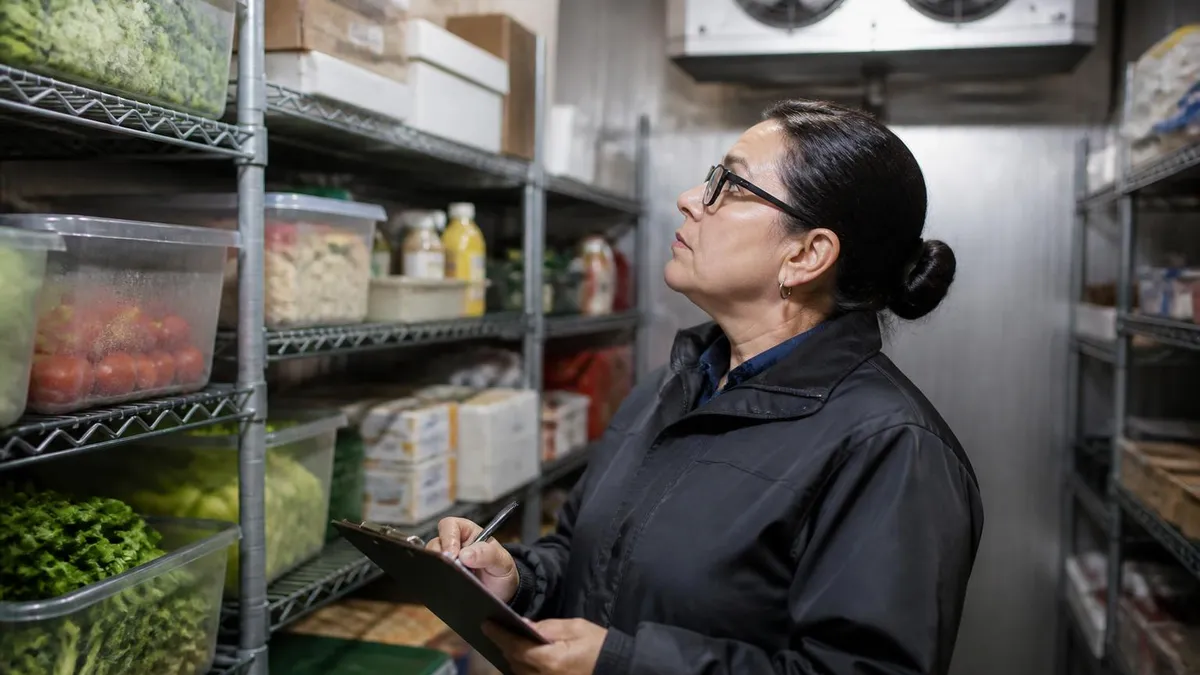
ServSafe Food Protection Manager by the Numbers
ServSafe Manager Exam Format
| Section | Questions | Time | Weight | Notes |
|---|---|---|---|---|
| Providing Safe Food | 15 | ~20 min | ~17% | Hazards, FAT TOM, high-risk populations |
| Forms of Contamination | 12 | ~16 min | ~13% | Biological, chemical, physical, allergens |
| The Safe Food Handler | 8 | ~11 min | ~9% | Personal hygiene, illness policies |
| The Flow of Food | 20 | ~27 min | ~22% | Receiving, storage, prep, cooking, serving |
| Cleaning and Sanitizing | 10 | ~13 min | ~11% | Procedures, chemicals, equipment |
| Facilities & Pest Management | 10 | ~13 min | ~11% | Design, utilities, IPM |
| Food Safety Management Systems | 15 | ~20 min | ~17% | HACCP, active managerial control |
| Total | 90 | 2 hours | 100% |
One of the first decisions you will make as a ServSafe Food Protection Manager candidate is choosing the right training format. The NRAEF offers several pathways to prepare for the certification exam, and your choice should be based on your schedule, learning style, budget, and the specific requirements of your state or employer. Understanding the differences between these options before you commit will save you time and money while ensuring you receive the instruction quality you need to pass.
The most popular option is the instructor-led classroom course, typically held over one or two days at a community college, culinary school, or through a local restaurant association chapter. These sessions are led by ServSafe-certified instructors and often include the exam at the end of the final day. The interactive format allows you to ask questions in real time, work through case studies with peers, and benefit from an experienced instructor's practical examples drawn from years in the industry. Many candidates find this format especially helpful if they prefer structured learning and accountability.
The online self-paced course is ideal for busy professionals who cannot commit to fixed classroom hours. Available directly through the ServSafe website, this digital program allows you to study at your own pace across any device. The online course includes videos, interactive exercises, and knowledge checks built into each chapter. After completing the online training, you must still take the proctored certification exam either at a testing center or through an approved online proctoring service. One important note: the online course alone does not grant certification — you must pass the exam separately.
Some candidates choose to study independently using only the ServSafe Manager Book without enrolling in any formal course. This seventh edition textbook covers every exam domain in detail and includes practice tests at the end of each chapter. Self-study can be effective for disciplined learners who have prior food safety experience, but it requires stronger self-motivation and careful attention to the exam outline to ensure no critical topics are overlooked. Most exam prep experts recommend pairing self-study with at least one full-length timed practice test before exam day.
Regardless of which preparation format you choose, you will need to register for the proctored certification exam separately through the ServSafe website or an approved testing provider. The exam is administered by a certified ServSafe proctor and must take place under supervised conditions — either in person at an authorized testing location or via online proctoring with webcam verification. Bringing a valid government-issued photo ID is mandatory; without it, you will not be permitted to take the exam and will forfeit your exam fee.
For employer-sponsored training, many restaurant groups, hotel chains, and healthcare food service companies arrange group sessions for their management staff. This is often the most cost-effective route for organizations that need to certify multiple employees at once. Group pricing on course materials and exam vouchers can reduce the per-person cost significantly. If your employer is paying for your certification, confirm in advance which exam format they have arranged and whether the proctored exam is included in the registration or requires separate scheduling.
State and local regulations may impose additional requirements beyond the standard ServSafe program. Some jurisdictions require a minimum number of training hours from an accredited provider, mandate specific cooling and temperature log training, or require separate state-issued food manager certifications in addition to the ServSafe credential. Before registering, check your state's department of health or agriculture website to confirm that ServSafe is an approved certification in your area and to identify any supplemental requirements. In the vast majority of U.S. states, ServSafe's ANAB (ANSI National Accreditation Board) accreditation satisfies all regulatory requirements for certified food protection managers.
Completing your training well before your exam date — ideally at least two weeks ahead — gives you time to review weak areas identified during practice testing. Many candidates underestimate how much the hands-on flow-of-food scenarios and temperature chart memorization contribute to the exam score. Structured preparation, not just familiarity with food safety concepts, is the most reliable predictor of first-attempt success.
Key ServSafe Food Protection Manager Exam Topics
The ServSafe exam tests your ability to identify and control three categories of hazards: biological (bacteria, viruses, parasites, fungi), chemical (cleaning agents, pesticides, toxic metals), and physical (bones, glass, metal fragments). Biological hazards are responsible for the vast majority of foodborne illness outbreaks in the U.S., making them the highest-priority area on the exam. You must understand FAT TOM — the six conditions that allow pathogens to grow — including Food, Acidity, Temperature, Time, Oxygen, and Moisture, and know how manipulating each factor prevents microbial growth.
High-risk populations — including young children, the elderly, pregnant women, and immunocompromised individuals — require special attention because they are far more susceptible to severe illness from pathogens like Salmonella, E. coli O157:H7, Listeria monocytogenes, and Norovirus. The exam frequently presents scenarios involving these groups and asks candidates to identify the appropriate risk-reduction strategy. Understanding the Big 6 pathogens (Norovirus, Hepatitis A, Salmonella Typhi, E. coli O157:H7, Shigella, and Nontyphoidal Salmonella) and their specific transmission routes is essential for answering these scenario-based questions correctly.
Is the ServSafe Food Protection Manager Certification Worth It?
- +Recognized by health departments in all 50 states as a legitimate food safety credential
- +ANAB accreditation means it satisfies FDA Food Code manager certification requirements nationwide
- +Certification demonstrably reduces foodborne illness incidents and health inspection violations
- +Boosts earning potential — certified food managers often earn $3,000–$6,000 more annually
- +Covers comprehensive food safety knowledge applicable to every type of food service operation
- +Five-year validity period reduces the frequency and cost of recertification compared to shorter credentials
- −Exam fee plus study materials can cost $100–$175 when paid out of pocket by the individual
- −Passing score of 75% requires serious study; the exam is not a simple memorization test
- −Proctored exam requirement means scheduling in advance and traveling to an approved testing site or using online proctoring
- −Certification must be renewed every five years, creating ongoing time and cost commitments
- −Some states have additional local certification requirements beyond ServSafe that add cost and complexity
- −Online self-paced course must be paired with separate exam registration, which some candidates find confusing
ServSafe Food Protection Manager Certification Checklist
- ✓Verify that ServSafe is an approved food manager certification in your state or jurisdiction before registering.
- ✓Purchase the official ServSafe Manager Book (7th Edition) or enroll in the approved online course.
- ✓Complete all chapter review questions and use the end-of-book practice exam to benchmark your readiness.
- ✓Register for the proctored certification exam through the official ServSafe website or an approved proctor.
- ✓Bring a valid government-issued photo ID (driver's license, passport, or state ID) on exam day.
- ✓Memorize all minimum internal cooking temperatures for the most commonly tested protein categories.
- ✓Learn the two-stage cooling method and the complete temperature danger zone (41°F–135°F).
- ✓Study the Big 6 pathogens, their sources, associated foods, and prevention strategies for each.
- ✓Review proper sanitizer concentration ranges for chlorine, iodine, and quaternary ammonium compounds.
- ✓Score at least 80% on two consecutive full-length practice tests before scheduling your actual exam date.

75% Is the Magic Number — But Aim for 80%+ in Practice
The ServSafe Manager Certification Exam requires a minimum score of 70% (56 of the 80 scored questions) to pass. However, experienced food safety instructors consistently recommend that candidates aim for 80% or higher on all practice tests before sitting for the real exam. The added buffer accounts for test-day anxiety, unfamiliar question phrasing, and the scenario-based questions that tend to be harder than straightforward recall questions on practice tests.
Understanding the full cost structure of the ServSafe Food Protection Manager certification helps you budget appropriately and avoid unexpected expenses. The total investment depends on which training format you choose, whether your employer subsidizes the cost, and whether you purchase materials through the official ServSafe website or through an authorized training center. On average, candidates spend between $100 and $175 for the complete certification experience when paying out of pocket.
The ServSafe Manager Book with Answer Sheet is the primary study resource and is required for instructor-led courses. The textbook retails for approximately $70–$90 depending on the edition and bundle you purchase. Many training centers include the book in the overall course price, so confirm what is included before purchasing separately. The answer sheet bundled with the book is specifically formatted for proctor use during the certification exam and must be submitted as part of the official testing process.
The exam-only option costs $36 per attempt when purchased directly through ServSafe.com (pricing as of 2026). This applies to candidates who are self-studying or who have already completed a prior training course and simply need to take or retake the exam. The exam registration fee is non-refundable in most cases, so only schedule your exam date once you are consistently scoring 80% or higher on practice tests. Some testing centers charge an additional proctoring fee (typically $20–$50) on top of the exam registration cost.
The online course bundle — which includes access to the digital training program plus the exam — is available through ServSafe.com at prices ranging from approximately $125 to $175 depending on the specific package. This option is popular among candidates who prefer the convenience of self-paced online learning. Note that the online course does not come with the physical textbook; if you prefer studying from a print resource, you will need to purchase the book separately or supplement with digital resources.
For candidates who do not pass on their first attempt, each retake costs the same as the original exam fee ($36 per attempt when self-registered). There is no limit on the number of retake attempts, but you must wait at least 60 days after a failed attempt before retesting and must complete additional study before each retake. Reviewing your score report after a failed attempt is essential — it identifies which domains you scored below the minimum and allows you to focus your remediation study on the weakest areas rather than re-studying content you already know well.
Employer reimbursement programs are available at many restaurant chains, hotel groups, and foodservice management companies. If your employer has not proactively offered reimbursement, it is worth asking your HR or operations team whether a food safety certification reimbursement policy exists. Many companies that require manager certification as a condition of employment will pay for the course and exam, particularly if you are a salaried manager or shift supervisor. Some even provide paid study time during work hours as part of an internal training program.
State and local funding sources can also help offset costs for food service workers. Some states offer workforce development grants or training vouchers through their department of labor that can be applied toward recognized food safety credentials like ServSafe. Culinary schools and community colleges sometimes offer ServSafe courses at subsidized rates for students enrolled in food service programs. Exploring these options before paying full price can result in significant savings, particularly for small business owners or independent food service operators with tight training budgets.
While ServSafe is accepted in all 50 U.S. states, some jurisdictions impose additional requirements — including minimum training hours, state-specific food manager exams, or local health department registration fees — that go beyond what the standard ServSafe program covers. California, for example, requires food managers to obtain a county-issued Food Handler Card in addition to their national certification. Always verify your local requirements through your state health department website before scheduling your exam to avoid compliance gaps.
Once you have earned your ServSafe Food Protection Manager certification, understanding what comes next is just as important as the credential itself. Your certificate will arrive either digitally (if you tested online) or by mail from the NRAEF within a few weeks of passing. Keep both a digital copy and a physical copy in a safe location, as you may need to present it to your employer, local health department, or insurance provider. Many jurisdictions require that a copy of your certification be posted or readily available on-site during health inspections.
Your certification card includes your name, the date of issue, and the expiration date — which is five years from the date you passed the exam in most states. Mark this expiration date prominently in your calendar and set a reminder at least 90 days before expiration. Allowing your certification to lapse creates a compliance gap for both you and your employer, and some health departments impose fines on establishments that operate without a currently certified food protection manager on staff during business hours.
Recertification requires passing the ServSafe Manager Certification Exam again — there is no grandfathering or abbreviated renewal process. However, many recertifying candidates find the second exam significantly easier than the first because their years of practical experience have reinforced the concepts tested. Still, some regulatory updates and new food safety guidance may have been added to the exam since you last tested, so reviewing the current edition of the ServSafe Manager Book before your recertification exam is strongly recommended even for experienced professionals.
Continuing education in food safety does not have to wait until recertification. The NRAEF and many state restaurant associations offer free and low-cost webinars, workshops, and online modules covering emerging food safety topics such as allergen management updates, new regulatory guidance on Listeria control, and best practices for food delivery and ghost kitchen operations. Staying current with industry developments makes you a more effective food safety manager and keeps your knowledge sharp between certification cycles.
Many ServSafe Food Protection Manager certificate holders choose to advance their credentials further by pursuing the ServSafe Allergens certification, the ServSafe Alcohol certification, or the Certified Food Safety Manager (CFSM) designation from another accredited body. These additional credentials demonstrate a deeper commitment to food safety professional development and can open doors to senior management, training coordination, and food safety consulting roles. Some employers specifically seek candidates with multiple safety certifications when hiring for director-level food service positions.
Building a food safety culture at your establishment is one of the most valuable things a certified food protection manager can do with their expertise. Beyond checking boxes for regulatory compliance, a strong food safety culture means that every employee — from the dishwasher to the sous chef — understands why food safety practices matter and consistently follows them without needing to be reminded. This cultural shift requires ongoing training, clear communication, visible leadership commitment, and regular monitoring. Your certification gives you both the knowledge and the credibility to lead that transformation effectively.
For those interested in long-term career growth, the ServSafe Food Protection Manager certification pairs exceptionally well with formal culinary education, a degree in hospitality management, or specialized training in HACCP plan development. Regulatory compliance officers, food safety auditors, and third-party certification specialists all frequently hold this credential as a foundational qualification. As the foodservice industry continues to expand — with the U.S. restaurant industry projected to reach $1.5 trillion in sales by 2030 — demand for credentialed food safety professionals will only grow, making this certification an investment that pays dividends throughout your career.
Building an effective study plan for the ServSafe Food Protection Manager exam requires more than just reading the textbook from cover to cover. The most successful candidates use a multi-layered approach that combines reading, active recall, timed practice testing, and targeted review of weak areas. Allocating four to six weeks of dedicated study time — with at least 30 to 45 minutes of focused practice daily — is the preparation model most commonly recommended by certified ServSafe instructors across the country.
Begin your study plan by reading Chapter 1 (Providing Safe Food) and Chapter 2 (Forms of Contamination) in the ServSafe Manager Book. These foundational chapters introduce the concepts that underpin every other topic in the exam: hazard types, FAT TOM, high-risk populations, and the Big 6 pathogens. After reading each chapter, immediately complete the chapter review questions without referring back to the text. This active recall practice is significantly more effective for long-term retention than simply rereading highlighted passages.
Weeks two and three should focus on the Flow of Food chapters, which represent the largest single domain on the exam. Create a temperature reference card listing the minimum internal cooking temperatures, safe receiving temperatures, and holding temperatures for every major food category. Carry this card with you and review it during breaks at work or between tasks. Repetition-based memorization is the most reliable strategy for mastering the numerical data points that appear repeatedly throughout the exam.
During week four, shift your focus to Cleaning and Sanitizing (Chapter 10) and the Food Safety Management Systems chapter on HACCP (Chapter 8). These chapters tend to trip up candidates who skim them in favor of the more intuitive flow-of-food content. Pay close attention to sanitizer concentration tables, the differences between cleaning and sanitizing, and the step-by-step process for building and verifying a HACCP plan. The exam frequently asks scenario questions that require you to identify which HACCP principle or sanitizing procedure applies in a given situation.
Spend weeks five and six on timed full-length practice tests simulating actual exam conditions. Set a 120-minute timer, work through all 90 questions without pausing or referring to notes, then score your results immediately. For every question you answered incorrectly, look up the correct answer in the textbook rather than simply accepting the answer key's explanation. This deeper review process reveals the conceptual gaps that superficial answer-key reading often misses. Aim to complete at least three full-length timed practice tests before your exam date.
On the day before your exam, resist the urge to cram new material. Instead, review your temperature reference card, skim your notes on the Big 6 pathogens and HACCP principles, and get a full night of sleep. Research on test performance consistently shows that well-rested candidates outperform sleep-deprived ones even when the fatigued candidate studied more hours the night before. Arrive at the testing center at least 15 minutes early, bring your government-issued photo ID, and trust the preparation you have invested in the preceding weeks.
Using free online practice resources to supplement your official study materials is a highly effective strategy for reinforcing exam readiness. Platforms like PracticeTestGeeks.com offer topic-specific practice quizzes covering every major domain on the ServSafe Manager exam — from foodborne illness prevention and allergen management to emergency procedures and cooking standards. These timed, question-format drills build the mental muscle memory needed to answer exam questions quickly and accurately under pressure, and they provide immediate feedback that helps you identify knowledge gaps in real time rather than discovering them on exam day.
ServSafe Questions and Answers

How Long Does ServSafe Certification Last? Validity Periods by Credential and State

ServSafe Test

How Can I Find My ServSafe Certificate? Complete Step-by-Step Guide

ServSafe Classes Online: Complete Guide to Courses, Certification, and Exam Prep in 2026

ServSafe Manager Test Answers PDF: Complete Study Guide and Practice Prep for 2026
About the Author

Registered Sanitarian & Food Safety Certification Expert
Cornell University College of Agriculture and Life SciencesThomas Wright is a Registered Sanitarian and HACCP-certified food safety professional with a Bachelor of Science in Food Science from Cornell University. He has 17 years of experience in food safety auditing, regulatory compliance, and foodservice management training. Thomas prepares food industry professionals for ServSafe Manager, HACCP certification, and state food handler examinations.
Join the Discussion
Connect with other students preparing for this exam. Share tips, ask questions, and get advice from people who have been there.
View discussion (8 replies)