
ServSafe Sanitation and Hygiene Guide 2026 September: Key Rules & Procedures
Pass your ServSafe Sanitation and Hygiene Guide exam on the first attempt. ✍🏼 Practice questions with detailed answer explanations, hints, and instant

servsafe-sanitation">Introduction to ServSafe Sanitation and Hygiene
Maintaining impeccable sanitation and hygiene is fundamental to any successful foodservice operation and a core pillar of ServSafe food safety. This comprehensive guide, updated for 2026, delves into the essential rules and procedures mandated by ServSafe to prevent foodborne illnesses. Whether you are preparing for your ServSafe food safety manager certification, seeking to enhance your team's knowledge through ServSafe food safety training, or simply aiming to uphold the highest standards, understanding these principles is paramount. Mastering these areas is key to passing the servsafe manager practice test and ensuring a safe dining experience for all patrons. Adherence to these guidelines is what defines effective management of food safety practices ServSafe professionals champion. For more information, see our servsafe practice test resource.

servsafe">Personal Hygiene Standards for ServSafe Food Safety
Personal hygiene is the first line of defense against contamination in any food establishment. The ServSafe food safety manager understands that proper handwashing, appropriate attire, and health policies are non-negotiable. Every individual involved in food preparation and service must adhere strictly to these guidelines to prevent the spread of pathogens. This is a critical component of any ServSafe food safety course. For more information, see our when should hand antiseptics be used servsafe resource. For more information, see our servsafe personal hygiene resource.
Sanitation And Hygiene Essential Checklist
- ✓Wash hands thoroughly and often, especially after using the restroom, handling raw food, or touching hair/face.
- ✓Wear clean clothing and appropriate hair restraints (hats, hairnets) to prevent physical contamination.
- ✓Avoid touching ready-to-eat food with bare hands; use gloves, tongs, or other utensils.
- ✓Report illnesses, especially those with symptoms like vomiting, diarrhea, or jaundice, to management immediately.
- ✓Keep fingernails trimmed, clean, and free of polish or artificial nails when handling food.
- ✓Remove jewelry (except a plain band ring) from hands and arms before food preparation.
Preventing Cross-Contamination in ServSafe Operations
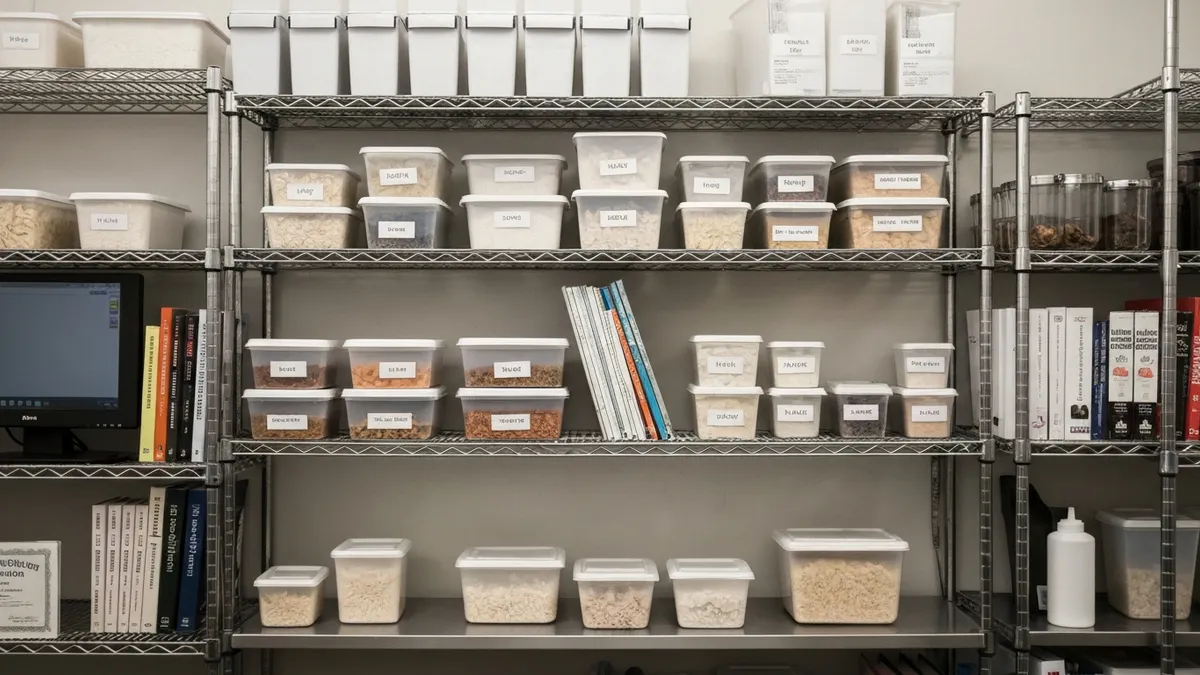
Cross-contamination is a leading cause of foodborne illness and a major concern for any ServSafe food safety manager. It occurs when pathogens are transferred from one food or surface to another. Preventing this requires diligent practices, from food storage to preparation. This is a core topic for the ServSafe food safety test and crucial for obtaining your ServSafe food safety certificate.
servsafe-compliance">Effective Cleaning and Sanitizing for ServSafe Compliance
Cleaning removes food and other dirt from surfaces, while sanitizing reduces pathogens to safe levels. Both are essential for maintaining a safe environment and are distinct practices. Understanding the difference is vital for anyone undergoing ServSafe food safety training and certification. Knowing which is a correct food safety practice ServSafe advocates is key to operational excellence. For more information, see our a detergent must be able to servsafe resource.
Sanitation And Hygiene Detailed Breakdown
Cleaning — Involves using soap and water to remove visible food particles and dirt from surfaces. All food-contact surfaces must be cleaned and rinsed before being sanitized. This applies to equipment, utensils, and work surfaces. Regular cleaning is a fundamental aspect of ServSafe food safety management systems.
Pest Management and ServSafe Food Safety Standards
Pests like rodents, insects, and flies can carry pathogens and contaminate food and surfaces. An effective pest management program is crucial for any food establishment aiming for high ServSafe food safety standards. This is a critical area covered in ServSafe food safety manager training. For more information, see our where should mop water be disposed servsafe resource.

servsafe-food-safety-certification">Achieving Your ServSafe Food Safety Certification
Obtaining a ServSafe food safety certification is a testament to an individual's commitment to upholding the highest standards of food safety. This credential, especially the ServSafe food safety manager certification, is often a legal requirement and highly valued by employers. It demonstrates a comprehensive understanding of critical control points, from receiving to service. For those looking to prepare, a servsafe allergen practice test can be a valuable tool. For more information, see our servsafe practice test 2026 resource. For more information, see our servsafe study guide 2026 resource.
There are various pathways to achieve your certification, including online courses, in-person classes, and self-study. Many resources, like the ServSafe food safety manager study guide or a premier food safety servsafe study guide spanish pdf, are available to help you prepare for the ServSafe food safety test. Completing a ServSafe food safety course and passing the exam demonstrates that you are truly food safety ServSafe certified. For those interested in a comprehensive learning experience, the ServSafe food safety training and certification program offers everything you need to become a certified professional.
Test your knowledge with our servsafe alcohol test practice questions.
Sanitation And Hygiene Advantages and Disadvantages
- +Meets regulatory requirements in many jurisdictions.
- +Enhances career opportunities and professional credibility.
- +Reduces the risk of foodborne illness outbreaks and associated liabilities.
- +Demonstrates a commitment to public health and safety.
- +Provides a comprehensive understanding of food safety principles.
- −Requires dedicated study time and effort for the exam.
- −Certification needs renewal, incurring periodic costs and re-testing.
- −Can be an initial investment for individuals or small businesses.
ServSafe Sanitation Questions and Answers

SERVSAFE Manager 2026: Complete Guide to the Manager Certification Exam
ServSafe Certification 2026: Complete Guide to Getting Certified
ServSafe Temperature Danger Zone: Complete Guide 2026

ServSafe Cheat Sheet 2026: Key Facts, Temperatures & Quick Reference

ServSafe Cost 2026: Exam Fees, Renewal & Training Prices

ServSafe Food Handler Guide 2026 — Certification Requirements
About the Author

Registered Sanitarian & Food Safety Certification Expert
Cornell University College of Agriculture and Life SciencesThomas Wright is a Registered Sanitarian and HACCP-certified food safety professional with a Bachelor of Science in Food Science from Cornell University. He has 17 years of experience in food safety auditing, regulatory compliance, and foodservice management training. Thomas prepares food industry professionals for ServSafe Manager, HACCP certification, and state food handler examinations.
Join the Discussion
Connect with other students preparing for this exam. Share tips, ask questions, and get advice from people who have been there.
View discussion (7 replies)