
ROTC Scholarship Application: How to Apply, Qualify, and Win Funding 2026 July
Master the ROTC scholarship application: ✍🏼 deadlines, requirements, the board interview, and proven tips to win Army, Navy, or Air Force funding.

The rotc scholarship application is the single most important step toward earning a fully funded college degree in exchange for a commitment to serve as a commissioned officer. Every year, thousands of high school seniors and current college students compete for a limited pool of national and campus-based awards from the Army, Navy, Marine Corps, and Air Force. Understanding the process early gives you a decisive advantage, because the strongest candidates begin assembling their packets nearly a year before the final board reviews them.
An ROTC scholarship is not a typical financial aid form you fill out in an afternoon. It is a competitive, multi-part evaluation that weighs your academic record, physical fitness, leadership history, and demonstrated motivation to serve. The application reads almost like a job interview for a future officer, and the selection boards look for evidence that you will thrive under pressure, lead peers, and graduate on time with a commission. Treating it casually is the fastest way to be passed over.
The financial stakes are enormous. A four-year national scholarship can cover full tuition and fees at many institutions, plus a monthly stipend, an annual book allowance, and sometimes room and board through campus-specific incentives. Over four years, the total package frequently exceeds $180,000 at private universities. Few opportunities for an eighteen-year-old carry that kind of value, which is exactly why competition is fierce and the boards can afford to be highly selective about whom they choose to fund.
This guide walks you through the entire journey from eligibility to commissioning. We cover the timeline, the documents you must gather, the fitness assessment, the interview, and the most common mistakes that sink otherwise strong applicants. If you want a deeper breakdown of award amounts and types before you begin, our companion rotc scholarship application resource explains every tier in detail and shows precisely how the branches differ from one another.
It helps to think of the process in three buckets: prove you qualify, build a competitive packet, and perform on the board. Qualifying is mostly about meeting hard cutoffs for age, citizenship, GPA, and test scores. Building the packet is where your essays, recommendations, and activity history come together. Performing on the board is the interview and fitness component, where your in-person presence and articulation of your goals can move you from the waitlist into a fully funded slot.
Whether you are aiming for an Army four-year award, a Navy or Marine NROTC scholarship, or an Air Force commission, the underlying expectations are remarkably consistent. Boards reward applicants who are physically ready, academically solid, genuinely committed, and able to explain why they want to lead. Start early, document everything, and treat each piece of the application as a chance to show the kind of officer you intend to become. The rest of this article gives you the concrete steps to do exactly that, stage by stage.
ROTC Scholarships by the Numbers

ROTC Scholarship Application Timeline
Spring of Junior Year
Open the Application (June–July)
Build the Packet (Fall)
Board Interview
Selection Boards
Decision & Activation
The rotc scholarship application centers on a single online portal run by each branch, but the data it collects is far broader than a typical college form. You will enter biographical information, academic history, standardized test scores, a list of athletic and leadership activities, and answers to short-essay prompts about your motivation to serve. Each branch maintains its own system, so an applicant interested in multiple services must complete separate applications, though much of the underlying information overlaps and can be reused with minor edits.
Academic credentials anchor the evaluation. Boards look at your unweighted GPA, the rigor of your course load, and your SAT or ACT scores. While the published minimums are forgiving, the candidates who actually win tend to clear 1100 on the SAT or 24 on the ACT and carry a GPA well above 3.0. Demonstrating an upward grade trend, advanced coursework, and an intended major aligned with the branch's needs all strengthen your standing during the academic portion of the review.
Leadership and athletics carry real weight because boards are predicting future officer performance, not just classroom success. Varsity sports, team captaincies, student government, Eagle Scout rank, JROTC leadership, and part-time work that required responsibility all signal the traits cadre want to develop. List specific roles and quantify your impact wherever possible. A line like "team captain who organized weekly twenty-person training sessions" tells the board far more than a vague mention of mere participation in an activity.
The fitness assessment is a gate you cannot skip. Each branch requires a physical screening, and for the Army that means an official assessment proctored by a trained administrator. Boards reward strong fitness because it predicts your ability to complete demanding officer training. Even if your raw numbers are average, showing a documented improvement trajectory and arriving at the test in genuinely good condition reflects the discipline that selection panels are explicitly looking for in every funded candidate.
Recommendation letters and essays humanize your file. Choose recommenders who have actually supervised your leadership rather than the most senior person you can find, and brief them on the specific qualities the board values. Your essays should answer the prompts directly, connect your past experiences to a clear motivation for service, and avoid clichés about wanting to "give back." Concrete stories about leading peers or overcoming adversity resonate far more than generic patriotic statements ever will.
Finally, the medical and contracting steps convert an offer into an active scholarship. Selected applicants complete a medical examination through the Department of Defense screening system, and any flagged conditions may require a waiver. Plan for this early, because medical processing is the most common cause of delayed activation. Once you clear medical review and sign your contract with the host unit, your funding begins and you officially join the cadet ranks at your chosen university for the coming academic year.
ROTC Scholarship Application by Branch
Army ROTC offers the largest number of national scholarships, with roughly two thousand four-year awards each cycle plus three- and two-year options for college students. The application runs through the official Army portal and requires a fitness assessment, interviews with battalion cadre, and a list of preferred host universities. Winners attend any participating school and commission into the active Army, Reserve, or National Guard upon graduation from their program.
The Army weighs leadership experience heavily and actively seeks applicants pursuing in-demand majors like nursing, engineering, and computer science. Scholarship recipients receive full tuition or room-and-board options, a monthly stipend that increases by academic year, and a book allowance. The Army's volume of awards makes it the most statistically accessible branch, but a complete, early, and athletically strong packet still separates winners from the waitlist every single year.

Is an ROTC Scholarship Worth It?
- +Covers full or substantial tuition, fees, and books at participating universities
- +Provides a tax-free monthly stipend throughout the academic school year
- +Guarantees a commissioned officer job and steady salary after graduation
- +Builds leadership, fitness, and resume credentials civilian peers rarely match
- +Offers a clear, structured path with mentorship from experienced cadre
- +Includes access to advanced training, travel, and specialized career fields
- −Requires a multi-year active or reserve service obligation after commissioning
- −Demands early mornings, physical training, and military science coursework
- −Limits flexibility to change majors or transfer schools without approval
- −Carries strict fitness, GPA, and medical standards you must maintain
- −Involves a competitive application that many qualified students do not win
- −Commits you to service obligations even if your career interests shift later
ROTC Scholarship Application Checklist
- ✓Confirm you meet age, citizenship, and graduation eligibility before applying.
- ✓Raise your GPA and lock in competitive SAT or ACT scores early.
- ✓Create your account on the official branch application portal.
- ✓Request official high school transcripts and verified test score reports.
- ✓Build a detailed list of athletic, leadership, and work activities.
- ✓Identify and brief recommenders who have supervised your leadership.
- ✓Draft, revise, and proofread every required application essay.
- ✓Train for and schedule your official physical fitness assessment.
- ✓Prepare and rehearse answers for your officer board interview.
- ✓Submit a complete packet in time for an early selection board.
- ✓Complete the Department of Defense medical screening promptly.
- ✓Accept your offer and contract with the host university ROTC unit.
Apply for an early board
Selection boards convene in waves through the fall and winter, and the earliest boards have the most funding available. A complete, polished packet submitted before the first board can be reviewed multiple times if not selected, dramatically improving your overall odds. Procrastinating until the final deadline forces you to compete for the smallest remaining pool of awards.
The officer interview and the physical fitness assessment are where many applicants gain or lose their scholarships, and they deserve dedicated preparation. The interview is a structured conversation with a recruiter, cadre member, or board officer designed to evaluate your maturity, communication, and genuine motivation for service. Unlike a college admissions chat, this conversation is implicitly assessing whether you can stand in front of soldiers, sailors, or airmen and lead them with confidence under real stress.
Preparation for the interview begins with self-knowledge. Be ready to explain, in specific terms, why you want to serve, why you chose this particular branch, and what leadership experiences have shaped you. Practice answering aloud so your responses sound natural rather than memorized. Boards quickly detect rehearsed platitudes, so anchor every answer in a real example: a time you led a team, resolved a conflict, or pushed through a setback. Concrete stories signal authentic, tested character to the panel.
Presentation matters more than candidates expect. Arrive ten minutes early in conservative business attire, offer a firm handshake, maintain eye contact, and sit with confident posture. Address the interviewer respectfully and avoid filler words. These details do not win the scholarship by themselves, but they communicate that you understand the bearing expected of an officer. Sloppy presentation, by contrast, raises doubts that no strong essay can fully overcome in the eyes of an experienced board.
The fitness assessment requires months of structured training, not a last-minute push. Each branch tests core components such as push-ups, sit-ups or planks, and a timed run, with the Army's official assessment being the most demanding gate for scholarship candidates. Build a progressive program that improves both strength and cardiovascular endurance, and test yourself under realistic conditions weeks in advance so the official measurement holds no surprises. Documented improvement reflects the discipline boards prize most.
Mental preparation is equally important. Treat the fitness test like a competition: hydrate well the day before, warm up thoroughly, and pace your run rather than sprinting the opening minutes. Many applicants with adequate fitness underperform simply because they mismanage nerves or pacing on test day. A calm, deliberate approach lets your training express itself fully and produces the strong scores that strengthen the rest of your packet in the board's final tally.
Use practice tools to sharpen the knowledge side of your readiness as well. Familiarity with military values, basic tactical concepts, and the expectations of cadet life signals seriousness and eases your transition once you contract. If you want to verify you meet every threshold before investing months of effort, review our detailed breakdown of the rotc scholarship application standards so you arrive at the interview and fitness test fully confident in your candidacy.

The most common reasons strong candidates lose scholarships are missed deadlines and stalled medical screening. Application portals close on firm dates with no extensions, and Department of Defense medical reviews can take weeks, especially if a condition requires a waiver. Begin both processes as early as possible to avoid forfeiting an offer you already earned.
Winning an ROTC scholarship comes down to presenting a complete, balanced, and early packet that leaves the board no reason to doubt your potential as an officer. The strongest applicants rarely have the highest score in every category; instead, they show no glaring weaknesses and a clear narrative of growth. A candidate with a solid GPA, strong fitness, genuine leadership, and a compelling motivation consistently outperforms one with a single spectacular metric and obvious gaps elsewhere in the file.
Start by treating your academic record as the foundation. Boards cannot fund an applicant who looks like an academic risk, so prioritize a steady or rising GPA and the highest standardized test scores you can reasonably achieve. If your scores sit just below the competitive range, retaking the SAT or ACT after focused preparation is one of the highest-return investments you can make, often moving your file from borderline to clearly selectable in the eyes of a deliberating board.
Build a leadership story rather than a list of memberships. Boards want to see escalating responsibility and measurable impact, not a long roster of clubs you joined passively. Seek out roles where you actually directed others, organized events, or carried accountability for outcomes. When you describe these experiences in essays and interviews, quantify them and explain what you learned about leading people, because that reflection is what convinces a board you will grow into a genuinely capable officer.
Treat fitness as a year-round commitment, not an application requirement. Cadre know that physical readiness predicts who will complete demanding training, so a strong assessment score carries weight well beyond its raw points. Beyond the test itself, sustained fitness habits make the entire cadet experience easier once you contract, and they signal the self-discipline that defines successful officers across every branch of the armed forces of the United States.
Polish your written materials relentlessly. Essays riddled with typos or vague generalities undercut an otherwise excellent file, while crisp, specific, error-free writing reinforces the impression of a serious, organized candidate. Have a teacher, mentor, or recruiter review your drafts, and make sure every essay directly answers its prompt. The same care applies to your activity descriptions and contact information, where small errors can create costly confusion during the processing of your application.
Finally, lean on the people who run these programs. Recruiters and host-unit cadre evaluate hundreds of applicants and know exactly what boards reward. Ask them to review your packet, mock-interview you, and flag weaknesses while you still have time to fix them. Reviewing detailed eligibility resources like our guide to the rotc scholarship application alongside direct mentorship gives you both the data and the human insight to compete at the highest possible level.
With your packet assembled, the final stretch is about execution and follow-through. Create a simple tracking document that lists every required item, its status, and its deadline, then update it weekly. The single most preventable failure in the scholarship process is an incomplete submission, where a missing transcript or unconfirmed test score leaves an otherwise excellent file ineligible for review. A one-page tracker eliminates that risk and keeps you calm as deadlines approach throughout the fall.
Confirm receipt of every document rather than assuming it arrived. Portals and email systems occasionally drop uploads, and recommenders sometimes forget to submit. A brief, polite follow-up to verify your transcript, scores, and letters are logged protects months of preparation. Build in a buffer of at least two weeks before each deadline so you have time to resolve any problem the verification step uncovers without panic or a last-minute scramble that adds avoidable stress.
Rehearse your interview with someone who will give honest feedback. Record yourself answering the most likely questions, then watch the playback to catch nervous habits, filler words, or rambling answers. Tighten each response to a clear point supported by one concrete example. The goal is not to sound scripted but to be so comfortable with your own story that you can speak about it naturally under the mild pressure of a formal board setting with experienced officers.
Keep your fitness sharp right up to test day, then taper slightly before the official assessment so you arrive fresh. Avoid introducing new exercises in the final week that could cause soreness or injury. On the morning of the test, eat a light meal, hydrate, and warm up fully. Treat the assessment as the culmination of months of training rather than a single make-or-break event, and your conditioning will show clearly in the score the proctor records.
Stay engaged with your prospective host unit throughout the process. Visiting campus, meeting current cadets, and emailing the recruiting officer demonstrate genuine interest and give you insider knowledge about what that specific detachment values. These relationships also smooth your transition once you contract, because you will already know faces, expectations, and the rhythm of the program before your first day of physical training as a newly funded cadet.
If you are not selected on your first attempt, do not give up. Many successful officers won three-year or campus-based scholarships after an initial denial, using their freshman year to raise their GPA, log leadership roles, and improve fitness. The boards reward demonstrated growth, and a thoughtful reapplication that addresses your earlier weaknesses often succeeds. Persistence, paired with honest self-assessment and steady preparation, is the trait that ultimately turns applicants into commissioned leaders of character.
ROTC Questions and Answers

ROTC Scholarships: Complete Guide to Types, Amounts, and How to Win One

ROTC Scholarship Requirements: Complete Eligibility & Application Guide
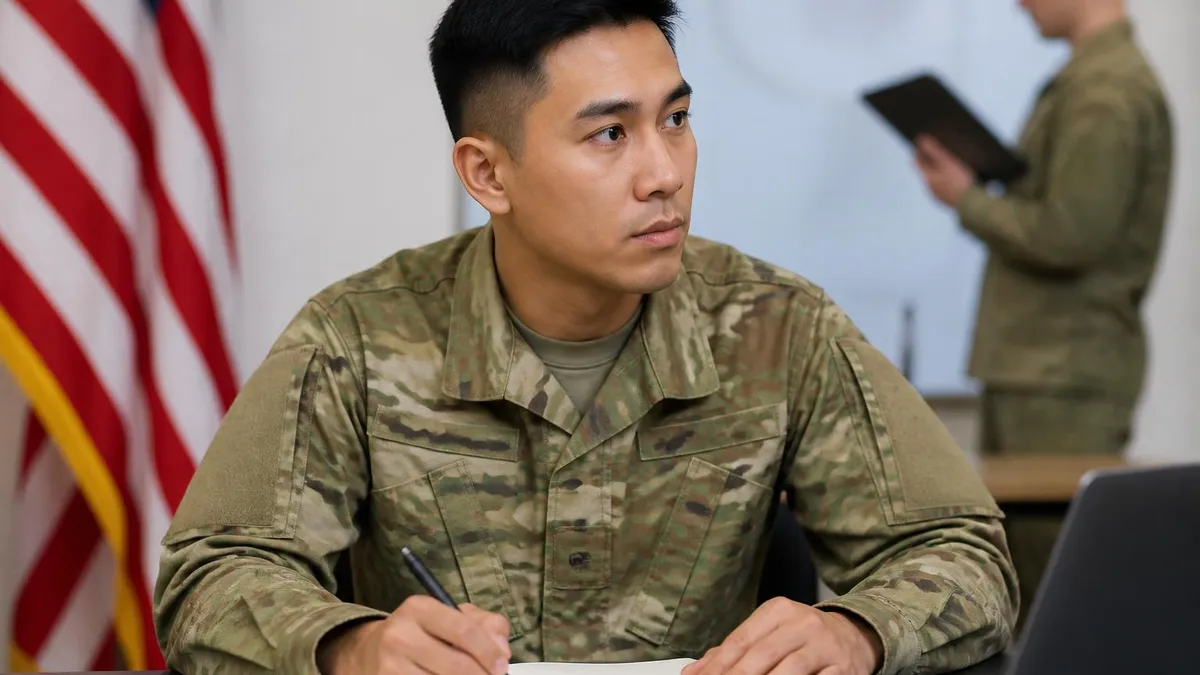
ROTC Creed: Full Text, Meaning, and How to Memorize It
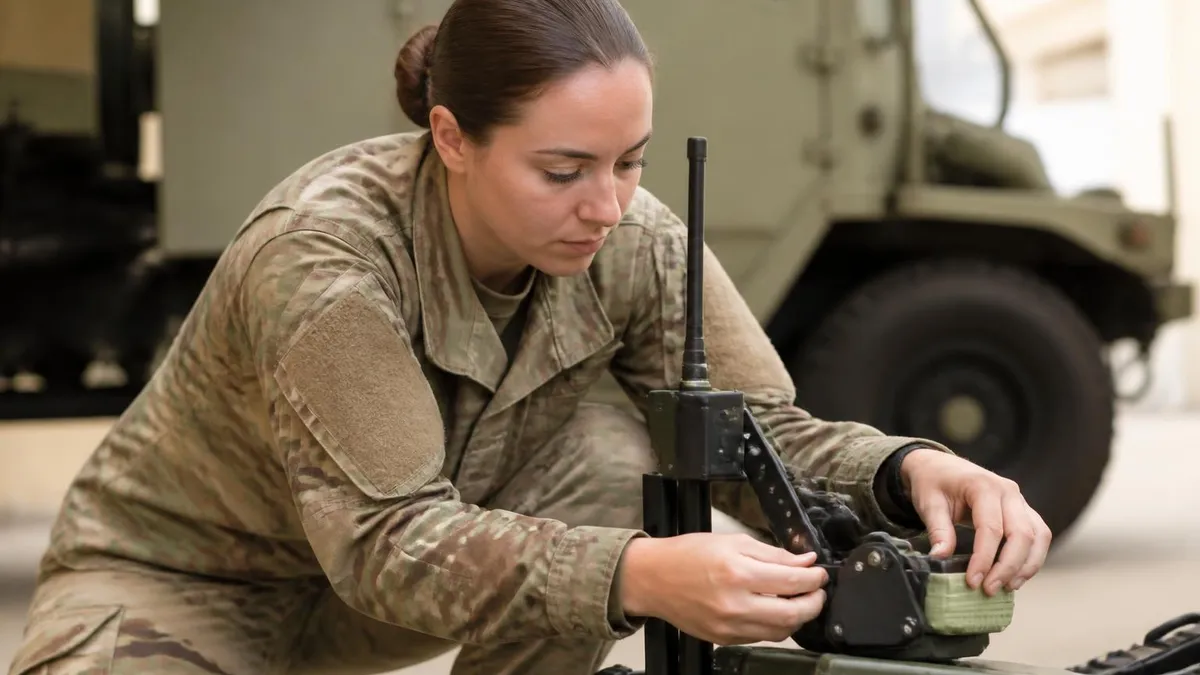
Marine ROTC: Duties, Career Path, and Life as a Marine Corps Officer

What Is ROTC? The Complete Guide to the Program
About the Author

Educational Psychologist & Academic Test Preparation Expert
Columbia University Teachers CollegeDr. Lisa Patel holds a Doctorate in Education from Columbia University Teachers College and has spent 17 years researching standardized test design and academic assessment. She has developed preparation programs for SAT, ACT, GRE, LSAT, UCAT, and numerous professional licensing exams, helping students of all backgrounds achieve their target scores.
Join the Discussion
Connect with other students preparing for this exam. Share tips, ask questions, and get advice from people who have been there.
View discussion (7 replies)