
What Is ROTC? The Complete Guide to the Program 2026 October
Learn what ROTC is, how it works, what scholarships it offers, and what career paths it opens. ✅ Covers Army, Navy, and Air Force ROTC programs.

What Is ROTC? The Complete Guide to the Program
ROTC stands for Reserve Officer Training Corps. It's a college-based officer commissioning program that trains students for leadership roles as officers in the U.S. military. ROTC is offered at hundreds of colleges and universities nationwide, allowing students to earn their academic degree and complete military officer training simultaneously. Graduates are commissioned as second lieutenants in the Army, ensigns in the Navy, second lieutenants in the Marine Corps, or second lieutenants in the Air Force or Space Force upon completing the program.
The program is different from military service academies (West Point, Annapolis, the Air Force Academy). Service academies are standalone institutions that replace a traditional college education. ROTC programs exist within regular colleges and universities — you attend as a regular student, choose your own major, live in regular student housing, and participate in campus life. The ROTC training component is layered on top, typically involving ROTC-specific classes, physical training sessions, and leadership labs spread across the week.
Scholarships are the most immediate reason many students consider ROTC. The program offers merit-based scholarships that cover tuition, university fees, and a monthly living stipend. Full four-year scholarships are available for incoming freshmen; two- and three-year scholarships are available for current college students.
The trade-off is a service commitment — scholarship recipients commit to serve as active-duty military officers for a set period after graduation. Understanding that trade-off — the benefits, the commitment, and what daily life in ROTC actually looks like — is what this guide covers in detail. Taking a practice quiz on free ROTC leadership and management questions can help you gauge your readiness for what the program demands.
The structure ROTC creates — early mornings, physical standards, peer leadership, and academic demands running simultaneously — is deliberately demanding. That combination either confirms that a military officer career is the right fit or reveals early enough that it isn't, before a long-term commitment is locked in. Either outcome is valuable, which is why the Basic Course operates without any service obligation attached for the first two years.
- Available branches: Army, Navy, Marine Corps (via NROTC), Air Force, Space Force
- Where: 1,700+ colleges and universities (cross-enrollment often available)
- Scholarship value: Up to full tuition + fees + $420-$500/month stipend
- Service commitment: 4-8 years active duty (varies by branch and scholarship)
- Time commitment: Typically 3-5 hours per week during freshman/sophomore years; more as you advance
- GPA requirement: Minimum 2.5 for most programs; competitive scholarships average 3.5+
ROTC Through Four Years of College
Freshman and Sophomore Years (MS I and MS II)
Contracting (Typically Sophomore Year)
Junior and Senior Years (MS III and MS IV)
Advanced Camp (Summer Before Senior Year — Army)
Senior Year and Branch/Rate Assignment
Active Duty Service
Who Is Eligible for ROTC?
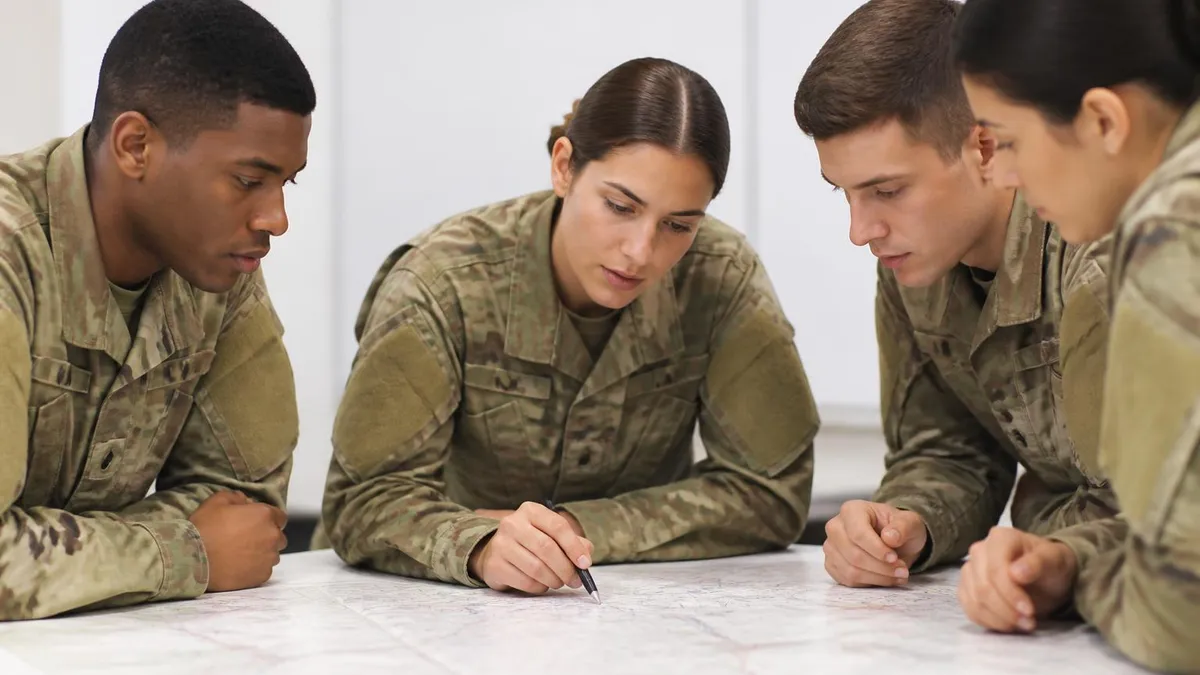
Basic eligibility requirements are consistent across branches. You must be a U.S. citizen (or a national if applying for Army ROTC), between 17 and 26 years old at commissioning (age limits vary slightly by branch), and able to meet military physical fitness standards. A medical examination using the Department of Defense medical standards is required — the same standards used for military service generally.
Vision requirements, medical history, and physical fitness benchmarks are all assessed. You don't need to meet these standards at application — you need to meet them at commissioning — but any known disqualifying conditions should be researched early.
Academic eligibility centers on a minimum GPA (typically 2.5, but often higher in practice for scholarship competition) and full-time college enrollment at the host institution or an approved cross-enrolled institution. You don't have to go to the college that hosts the ROTC program if you attend a nearby college with a formal partnership agreement. Many students attend a smaller college and cross-enroll in ROTC at a larger university's program a few miles away.
For scholarship applicants specifically, the competition is merit-based and considers GPA, SAT/ACT scores, athletics or extracurricular involvement, teacher recommendations, and a personal essay. Physical fitness test results are also part of the scholarship application. The most competitive applicants have GPAs above 3.5, strong standardized test scores, demonstrated leadership experience in high school, and solid physical fitness scores. Non-scholarship participants can also join ROTC and later compete for two- or three-year scholarships as college students. Understanding the ROTC tactics and strategy content covered in the advanced course gives prospective cadets a realistic picture of the curriculum's demands.
Students who are already enrolled in college can join ROTC if they have enough remaining semesters to complete the program. Sophomores can join the Basic Course, contract at the end of sophomore year, and complete the Advanced Course in junior and senior years. Some programs offer a Cadet Leadership Course (CLC) — a summer training event that compresses the Basic Course into a few weeks — allowing juniors or even seniors to join and still complete the program in time to commission.
Transfer students present a slightly different eligibility picture. Transfers who arrive with 2+ years remaining at a host institution are straightforward cases — they can follow the standard ROTC timeline. Students with only one year remaining may not be eligible unless they plan an additional year of enrollment. Graduate students pursuing a master's degree at a host institution can sometimes participate in ROTC through their graduate program years, committing during that window rather than as undergraduates.
ROTC by Military Branch
The largest ROTC program, offered at 1,100+ institutions. Army ROTC cadets commission as second lieutenants in the U.S. Army. Available branches after commissioning include Infantry, Aviation, Military Intelligence, Signal Corps, Ordnance, and others. Four-year scholarships up to $150,000+ in value available.
Offered at 160+ institutions. NROTC students can commission into the Navy as ensigns or the Marine Corps as second lieutenants (Marine Option). Programs include scholarships and college program (non-scholarship) participants. Naval Science curriculum focuses on maritime and naval operations.
Offered at 145+ universities with 1,100+ cross-enrollment partner institutions. Commissions second lieutenants in the Air Force or Space Force. Rated (pilot) and non-rated (intelligence, cyber, engineering, logistics) career paths available. Pilot slots are highly competitive.
Marine Officer applicants compete through NROTC Marine Option scholarships and the college program. Marines commission as second lieutenants and attend The Basic School in Quantico after commissioning. Marine Option is physically and academically demanding — additional physical training requirements beyond the standard NROTC program.
ROTC Scholarship Types
- Awarded to high school seniors before college enrollment
- Cover full tuition and university fees at most schools
- Monthly stipend: $420-$500 (varies by year, increases annually)
- Additional $1,200/year book allowance (Army)
- Require immediate ROTC enrollment and contracting
- Active duty service commitment: 4-8 years (varies by branch and scholarship tier)
- Competitive — typically awarded to top applicants nationwide
What the ROTC Program Actually Involves
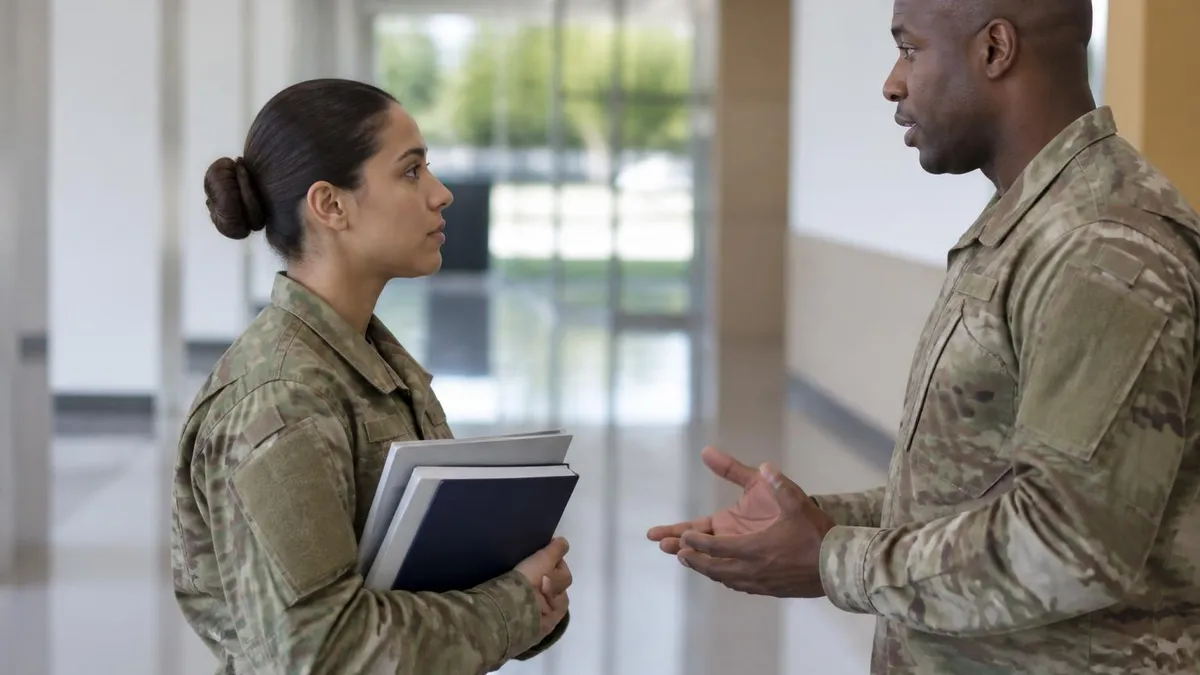
A typical week in ROTC for a freshman or sophomore includes Physical Training (PT) two or three mornings per week (often starting at 6 AM), one class session in Military Science, and a weekly Leadership Lab. Total time commitment for Basic Course cadets is roughly 5-8 hours per week — manageable alongside a normal college courseload. Advanced Course (junior and senior year) cadets spend more time: running leadership labs for junior cadets, additional training exercises, and preparing for commissioning responsibilities.
Physical fitness is a sustained component throughout the program. All branches have fitness test standards that cadets must meet and maintain. Army cadets take the Army Combat Fitness Test (ACFT), which tests strength and cardio through a six-event assessment. Navy/Marine and Air Force programs have their own tests. PT sessions aren't just fitness tests — they're used for unit cohesion, mental resilience training, and building the physical baseline that military service requires. Students who arrive physically unprepared often struggle initially; those who commit to PT improve rapidly.
Leadership laboratories put cadets in command and staff roles — running squad-level tactical exercises, planning training events, and evaluating each other's leadership. The assessment is continuous: performance in labs, PT, academics, and military bearing are all tracked and contribute to a cadet's overall ranking. This ranking affects scholarship eligibility, branch assignment preferences, and duty station selection at the end of the program. The ROTC military leadership practice test content reflects the types of leadership principles and decision-making frameworks the Advanced Course curriculum emphasizes.
Field training exercises (FTX) take cadets off campus for multi-day exercises that test land navigation, small unit tactics, communication, and mission planning. These range from weekend exercises to more intensive multi-week events. For most cadets, field training is the most memorable part of the program — it's challenging, often uncomfortable, and the clearest test of whether you actually want a military career before you're committed to one.
The relationship between ROTC and your academic schedule requires deliberate planning. Required ROTC classes must fit your schedule alongside major requirements, general education requirements, and electives. Some ROTC programs have specific Military Science courses that are only offered at particular times — conflicts with required major classes can create scheduling headaches. Meeting with your academic advisor and your ROTC recruiting officer in the same semester is the most practical way to map out a four-year plan that satisfies both programs without unintended conflicts.
ROTC Scholarship Application Checklist
- ✓U.S. citizenship confirmed — collect documentation for your application
- ✓GPA at or above 3.0 (competitive scholarships average 3.5+) — review your transcript
- ✓SAT/ACT scores submitted — retake if scores are below competitive range
- ✓Physical fitness baseline established — start a consistent PT routine before applying
- ✓Medical pre-screening — research any known conditions that might affect eligibility
- ✓Teacher or counselor recommendations requested from people who know your leadership
- ✓Extracurricular activities documented — athletics, team leadership, service documented
- ✓Personal statement drafted addressing why you want to serve as a military officer
- ✓ROTC programs at target colleges identified — contact each program's professor of military science
- ✓Application deadlines tracked — Army ROTC national scholarship applications open in June for the following fall
ROTC: Benefits and Drawbacks
- +Full or partial tuition scholarships reduce or eliminate student loan debt
- +Monthly stipend and book allowance provide income during college
- +Guaranteed employment post-graduation with a defined career path
- +Leadership development applicable in military and civilian careers
- +Access to military benefits including healthcare, housing allowance, and retirement
- +Travel, adventure, and diverse professional assignments
- +Competitive starting salaries as a commissioned officer ($45k-$55k base + benefits)
- −Active duty service commitment of 4-8 years after commissioning
- −Limited control over duty station location — Army assigns you where needed
- −Physical standards must be met and maintained continuously
- −Program requires additional time commitment on top of college coursework
- −Not all majors or career paths are compatible with military service timing
- −Deployment risk to combat zones depending on branch and specialty
- −Post-military civilian career transition requires planning and effort
Pros and Cons at a Glance
| Pros | Cons |
|---|---|
| Full or partial tuition scholarships reduce or eliminate student loan debt | Limited control over duty station location — Army assigns you where needed |
| Monthly stipend and book allowance provide income during college | Physical standards must be met and maintained continuously |
| Guaranteed employment post-graduation with a defined career path | Program requires additional time commitment on top of college coursework |
| Leadership development applicable in military and civilian careers | Not all majors or career paths are compatible with military service timing |
| Access to military benefits including healthcare, housing allowance, and retirement | Deployment risk to combat zones depending on branch and specialty |
| Travel, adventure, and diverse professional assignments | Post-military civilian career transition requires planning and effort |
Service Commitment and Post-Graduation Career
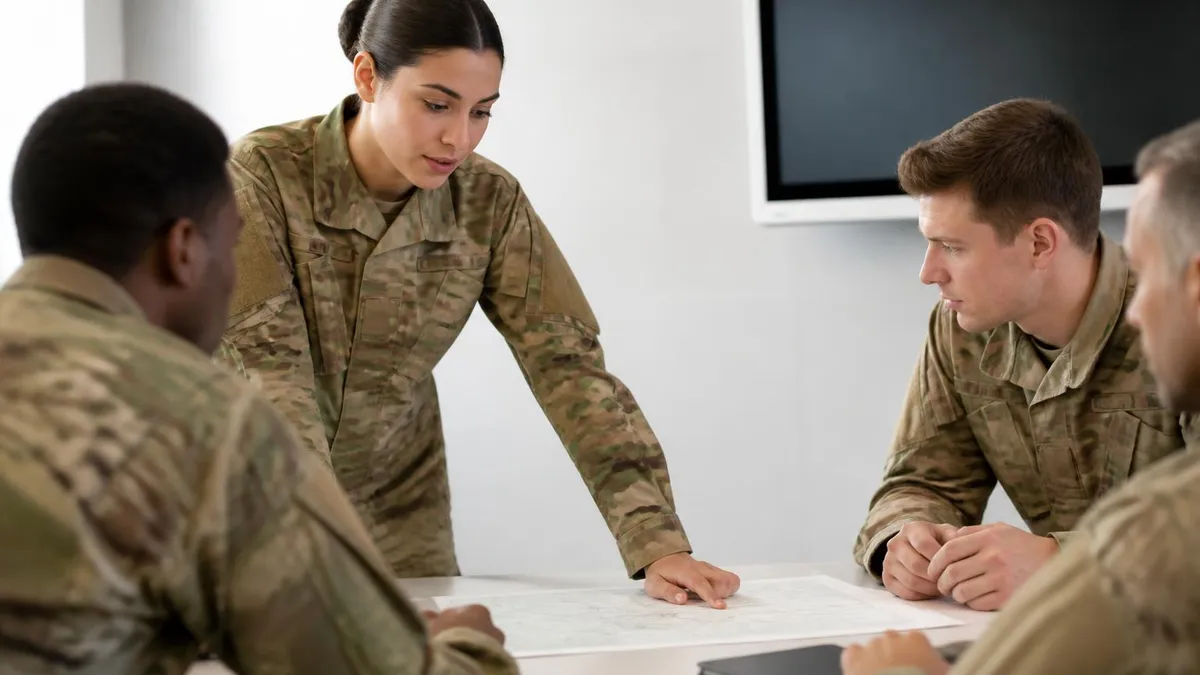
The service commitment attached to ROTC scholarships is the most important factor to understand before applying. Army ROTC scholarship recipients commit to 4 years of active duty service followed by 4 years in the Individual Ready Reserve (IRR). Non-scholarship cadets who contract also incur an 8-year total military service obligation, though the active component is typically 4 years. NROTC and AFROTC have similar structures with branch-specific variations — Navy officers typically commit to 5 years of active duty for scholarship recipients.
Life as a commissioned officer begins immediately after graduation and a branch-specific basic officer training course. Army officers attend Basic Officer Leader Courses (BOLC) — branch-specific training lasting 4-6 months. The training prepares officers for their first leadership assignment commanding a platoon of 30-40 soldiers. Air Force officers attend Undergraduate Pilot Training if rated, or officer specialty training courses if non-rated. These courses last 6 months to over a year depending on specialty.
First duty assignments vary enormously in location, workload, and day-to-day experience. Infantry officers at Fort Drum, New York live a very different military experience than finance officers at Fort Sam Houston or Signal officers in Europe. The military assigns officers based on the needs of the service — rank, branch, and some degree of preference expression — but the final assignment decision rests with the Army, Navy, or Air Force. Understanding the full range of ROTC values and tactical skills content cadets learn throughout the program helps new officers arrive at their first assignment prepared rather than starting from scratch.
Post-military career planning is something many officers start well before they separate. The skills developed in military leadership — managing complex organizations, operating under pressure, decision-making with incomplete information, and maintaining performance standards — translate well to civilian leadership roles. Veterans who plan their transition thoughtfully — pursuing relevant certifications, building civilian network connections during the last year of service, and leveraging military education benefits for graduate school — often find themselves competing effectively for leadership roles in corporate, government, and nonprofit sectors.
ROTC by the Numbers
What to Expect from Daily Life in ROTC
ROTC is additive, not alternative, to the college experience. You still pick your own major, join clubs, form friendships outside ROTC, and have a college social life. But the ROTC schedule doesn't bend for other obligations — PT starts at 6 AM whether or not you were studying until 2 AM. The best ROTC cadets develop time management and discipline skills that make them effective in all areas of college life, not just the military component. The ones who struggle tend to underestimate the program's demands when they're also carrying a full academic courseload.
Peer culture inside ROTC programs varies significantly by school. Programs at large state universities with strong ROTC traditions have active alumni networks, established training cultures, and competitive atmospheres. Programs at smaller schools may be more intimate but have fewer cadets, fewer resources, and less competitive training environments. Both can produce excellent officers — the question is what kind of training environment suits you best.
ROTC does not prohibit normal college social activities. You can drink legally, maintain a relationship, travel during breaks, and participate in university organizations. What you can't do is violate military conduct standards — behavior that would embarrass the military or result in legal trouble affects your standing in the program.
Drug use, serious academic integrity violations, and conduct unbecoming of an officer candidate can result in disenrollment and (for scholarship recipients) a requirement to repay scholarship funds or serve as an enlisted soldier instead of an officer. Reviewing ROTC values and tactical skills content reinforces the ethical framework that all officer candidates are expected to internalize throughout the program.
The social environment inside ROTC creates bonds that officers describe as among the strongest of their careers. The shared physical challenge, the pressure of mutual accountability, and the formative experiences of field training create cohesion that extends beyond graduation. Alumni networks from ROTC programs remain professionally and personally active for decades — a resource that career changers and military-to-civilian transitioners frequently cite as one of the most valuable long-term benefits of their time in the program.
How to Apply for ROTC
The application process varies by branch. Army ROTC has a centralized national scholarship application that opens each June for the following fall cohort — you apply for the scholarship and designate the colleges you're considering, and scholarship awards are made independent of college admission. You apply to the college separately. NROTC and AFROTC have similar national scholarship processes. Once admitted to a college with an ROTC program, you can also walk on to the program without a scholarship — no application is required to start attending Basic Course classes and PT.
The first step is contacting the Recruiting Officer or Professor of Military Science (PMS) at the ROTC program of the college you're considering. They can explain program-specific details, walk-on procedures, scholarship timelines, and cross-enrollment arrangements if your college doesn't host a program directly. This conversation is the best investment of time for anyone seriously considering ROTC — it replaces hours of website research with direct answers tailored to your situation.
For high school juniors targeting four-year scholarships, application preparation should start by October of junior year. Scholarship applications typically open in summer and have early deadline windows (often October-November) that are the most competitive for scholarship awards. Strong applicants who miss early deadlines are often considered for later rounds.
For current college students pursuing two- or three-year scholarships, reaching out to the host campus's PMS is the starting point — they can connect you to the scholarship process and help you understand whether cross-enrollment from your current school is feasible. The ROTC military leadership practice test is a useful benchmark for understanding the type of knowledge and decision-making the program develops in its candidates.
Timing the ROTC application to align with college applications requires some advance planning for high school students. National scholarship applications typically open in the summer before senior year — the same period when students are preparing college applications. Managing both processes simultaneously is manageable but requires organization. Students who delay starting their ROTC scholarship application until November or December miss the most competitive early-round deadlines and are evaluated in smaller, later applicant pools where scholarship availability may be reduced.
Sample ROTC - Reserve Officer Training Corps Practice Questions
Try these questions from our free ROTC - Reserve Officer Training Corps practice tests. The correct answer and an explanation follow each question.
When executing 'Right Face,' how many degrees does the soldier turn?
- A. 45 degrees
- B. 90 degrees
- C. 180 degrees
- D. 135 degrees
Answer: B. 90 degrees
Right Face is a 90-degree pivot to the right, executed on the heel of the right foot and the ball of the left foot.
What is the relationship between theory and practice in Reserve Officer Training Corps tactics and strategy?
- A. Theory provides the foundation and framework that guides effective practical application
- B. Theory and practice are completely unrelated
- C. Practice is only important; theory is unnecessary
- D. Theory replaces the need for any practical experience
Answer: A. Theory provides the foundation and framework that guides effective practical application
Theory and practice are complementary: theoretical knowledge provides the conceptual framework and understanding that guides effective, evidence-based practical application in professional settings.
The 'Column of Files' formation is best described as:
- A. A single line of soldiers standing side by side
- B. Multiple ranks forming a wide line abreast
- C. A single file of soldiers standing one behind the other
- D. A wedge-shaped movement formation
Answer: C. A single file of soldiers standing one behind the other
A column of files is a formation where soldiers are arranged in a single column, one behind the other, used to move through narrow spaces.
In Reserve Officer Training Corps, why is military history knowledge important for professional certification?
- A. It demonstrates competence and ensures practitioners meet established standards
- B. It is only required for administrative purposes
- C. It has no practical relevance to daily work
- D. It is important only for entry-level positions
Answer: A. It demonstrates competence and ensures practitioners meet established standards
Professional certification in specific knowledge areas demonstrates that practitioners have met established competency standards, ensuring quality of service and public protection.
Take the full ROTC - Reserve Officer Training Corps practice test
ROTC Questions and Answers
About the Author

Educational Psychologist & Academic Test Preparation Expert
Columbia University Teachers CollegeDr. Lisa Patel holds a Doctorate in Education from Columbia University Teachers College and has spent 17 years researching standardized test design and academic assessment. She has developed preparation programs for SAT, ACT, GRE, LSAT, UCAT, and numerous professional licensing exams, helping students of all backgrounds achieve their target scores.
Join the Discussion
Connect with other students preparing for this exam. Share tips, ask questions, and get advice from people who have been there.
View discussion (9 replies)