
Free Phlebotomy Training: Programs, Grants, and Online Routes 2026 October
🎯 Find free phlebotomy training: WIA grants, hospital scholarships, online classes, and how to qualify for tuition assistance in 2026 October.
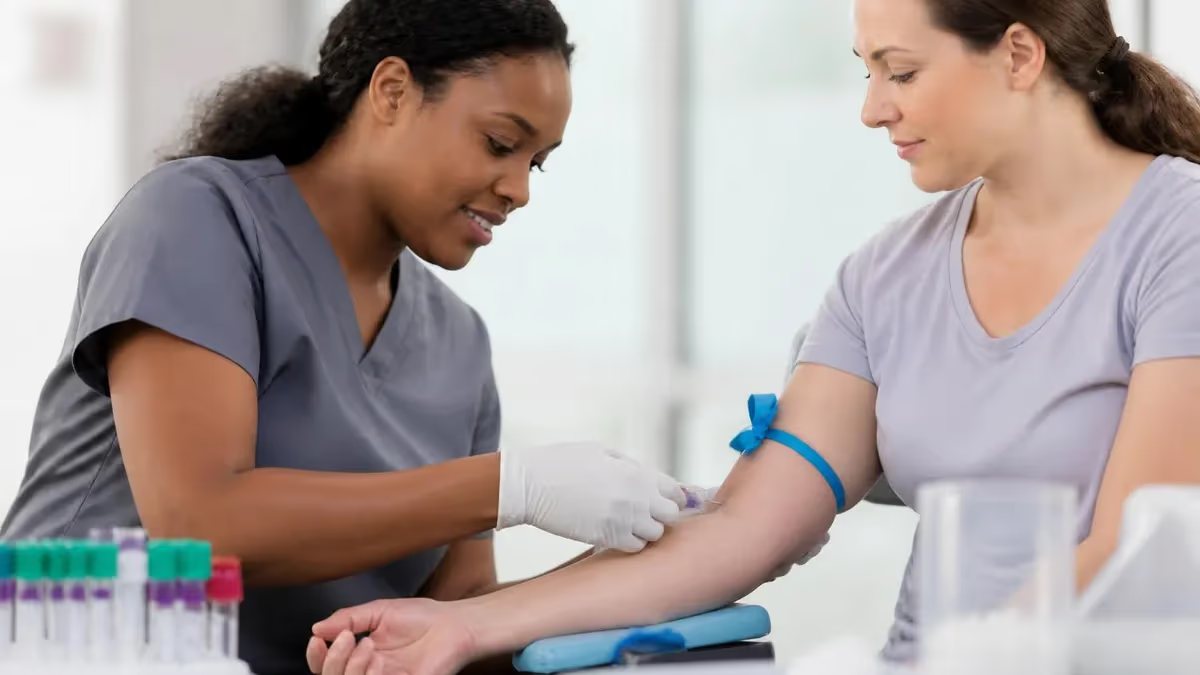
Free phlebotomy training sounds too good to be true, but the routes are real if you know where to look. Hospitals pay students to learn. State grants cover full tuition. Community colleges run no-cost classes for residents on assistance. You just have to find the right program at the right time, and most people never do because the listings get buried under paid school ads.
This guide walks you through the actual pathways. Workforce Innovation grants (WIOA). Hospital-sponsored programs where you train on the job. Online theory courses that handle the bookwork for free, so you only pay for clinicals. Scholarships that target career-changers, veterans, and single parents. We will name programs, point you at the application windows, and warn you about the "free training" pitches that turn into $2,000 bills three weeks in.
Phlebotomy is one of the shortest healthcare programs you can take, four to eight weeks in most cases. That short timeline is exactly why so many free options exist. Hospitals need draws done. Labs need techs at the bench. Funding bodies love programs that put people in jobs fast, so phlebotomy attracts grant money at a rate that nursing programs cannot match. If you have been told to pay $1,500 for a course, slow down and read this first.
One quick framing note before we go deep. "Free" in this guide means tuition, books, and exam fees are covered by someone other than you. It does not always mean zero opportunity cost. Some routes require unpaid hours during clinicals. Some require commitments to work for a specific employer afterward. Read each section as a trade-off, not a freebie, and pick the trade that matches your life.
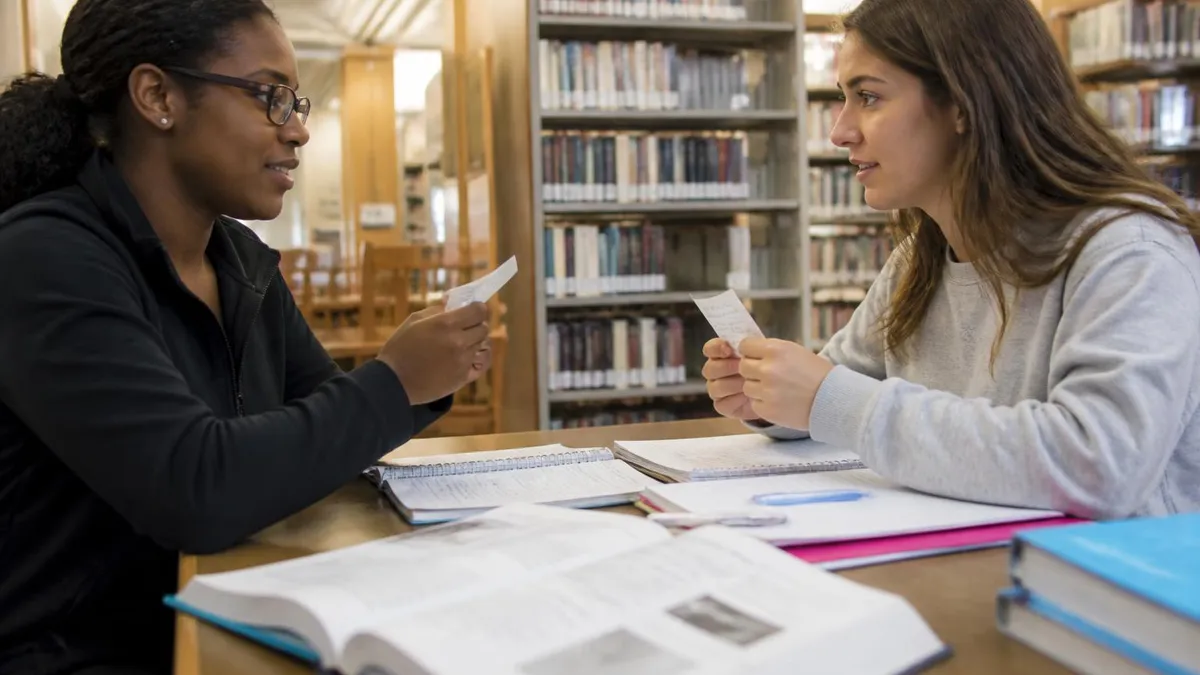
Free Phlebotomy Training by the Numbers
The numbers above come from a mix of Bureau of Labor Statistics data, American Society for Clinical Pathology certification reports, and state workforce board placement summaries from 2024 and 2025. Free programs do not skimp on hours. Whether you pay or not, you still need 40 hours of classroom theory and roughly 100 successful live draws to sit for a national certification exam. The funding just changes who writes the check.
One thing worth flagging early. "Free" sometimes means "free if you qualify, otherwise $1,800." Read the eligibility before you fill out the application. Most WIOA-funded seats require you to be unemployed, underemployed, or earning below a state-set threshold. Hospital sponsorships usually require a work commitment of 12 to 24 months after you finish. Neither is a bad deal, but you should know the trade before you sign.
You will also see programs that advertise "government-funded" without specifying which government. That phrasing is sometimes accurate and sometimes a marketing dodge. Ask which specific grant program funds the seat. The honest answers are WIOA, Pell, TAA (Trade Adjustment Assistance), or a named state workforce initiative. If the school cannot point to a specific federal or state program, the "funding" is probably a private payment plan with interest.
Government workforce grants (WIOA): Tuition, books, exam fees, sometimes childcare and gas. Apply through your state's American Job Center. Eligibility is based on income and employment status.
Hospital-sponsored programs: Free training in exchange for a work commitment. You earn an hourly wage during training, typically $14 to $17 an hour, and commit to working at the sponsoring hospital for 12 to 24 months after graduation.
Red Cross and community college scholarships: Need-based or merit-based seats funded by local foundations and donor pools. Awards range from a few hundred dollars to full tuition plus books and supplies.
Each of those paths has its own application calendar. WIOA accepts year-round but seats open in waves tied to fiscal quarters. Hospital programs usually post twice a year, often January and July, and fill within a week. Scholarships run on academic calendars, so the deadlines hit in spring for fall start dates. Plan backwards from when you want to start drawing blood for a living, then add three months for paperwork.
If you are already on SNAP, TANF, or unemployment, you have a head start. Caseworkers can refer you directly to training providers, and the eligibility paperwork is usually pre-filled. People who walk in cold without that referral often wait six to eight weeks longer for approval, simply because the documents have to be sourced from scratch.
How the Funding Sources Break Down
Federal workforce dollars administered by states. Covers tuition, books, exam fees, sometimes transport. Apply at your local American Job Center. Income eligibility varies by state but most use 200 percent of federal poverty line as the cutoff.
Large hospital systems like HCA, Ascension, and Kaiser run in-house phlebotomy academies. You apply as an employee, train on the clock, and commit to working there afterward. Pay during training runs $14 to $17 an hour.
Local foundations fund seats for residents. Often tied to specific zip codes or demographic targets like single parents, veterans, or first-generation college students. Awards range from $400 to full tuition plus books and supplies.
If you have a documented disability, your state vocational rehab office can pay for your full training plus testing fees. The intake process takes two to three months and requires medical documentation, but the funding is generous when approved.
WIOA is the biggest pot of money for free phlebotomy training in the United States, by a wide margin. The Department of Labor allocates roughly $3 billion a year to the program. Phlebotomy training providers register with their state's Eligible Training Provider List, and approved schools can accept WIOA vouchers as full payment. If you walk into a phlebotomy school and ask if they take WIOA, the answer should be yes within five seconds. If they hesitate, walk back out.
Hospital sponsorships are smaller in dollar volume but often the best deal of the three, because you earn money while training. The downside is competition. A typical 12-seat HCA cohort gets 200 applications. Your resume needs to show some kind of healthcare exposure, even volunteer hospital work or a CNA certification, to make the first cut. Apply to three or four systems at once and treat it like a job hunt, not a school application.
Community college scholarships are the quiet third option that most people skip. Foundations like the Health Career Foundation, the WellSpan Health Foundation, and dozens of local hospital auxiliaries fund phlebotomy seats every year. Many awards go unclaimed because nobody applies. Search the foundation directory at your local community college's financial aid office, not just the federal FAFSA portal. The local awards never show up in national databases.

Walk Through the Application by Funding Type
Step one: locate your nearest American Job Center using the careeronestop.org locator. Step two: bring ID, social security card, last two months of pay stubs or proof of unemployment, and any high school or GED documentation. Step three: meet with a case manager who will run an eligibility screen. Step four: get assigned to an approved training provider. Total timeline from walk-in to first class is typically 30 to 45 days. Funding covers tuition, books, exam fees, sometimes transport and childcare.
Online versus in-person matters less than people assume. Most free training programs use a hybrid model: theory online, clinicals at a partner hospital or lab. The American Red Cross runs a popular hybrid that lets you do roughly 30 hours of self-paced coursework before showing up for two weekends of hands-on practice. WIOA grants cover hybrid programs the same way they cover traditional classroom-only schools, so do not let format choice trap you in a more expensive option.
Watch out for fully online programs claiming to certify you without clinicals. National certifications including ASCP, NHA, and AMT all require documented live draws on real patients. A purely online course can give you a certificate of completion, but it cannot give you a recognized professional credential. Employers know the difference. Spend the time to find a program with a real clinical placement.
The hybrid format also helps with scheduling. If you work days, you can hit the online theory at night and weekends, then take two weeks of unpaid leave for the clinical block. If you have small kids, the online portion lets you keep them in their normal childcare routine until clinical weeks. Asking up front about the clinical scheduling rhythm can be the difference between completing the program and dropping out at week three.
The bait-and-switch: Course advertised as free but requires a $300 "registration fee" plus $500 for scrubs, supplies, and a textbook. Real free programs cover all of that.
The unaccredited mill: Free certificate, no clinicals, no recognized credential. You will not pass an employer's verification check, and the time spent is essentially wasted.
The work-for-no-pay scheme: Some staffing agencies offer "free training" in exchange for an unpaid 90-day clinical rotation. That is illegal in most states. Hospital sponsorships pay you during training, not after.
The scams have gotten more sophisticated. A common one is the social media ad showing a person in scrubs with the caption "I got my phlebotomy certification in three weeks for free." The funnel sends you to a landing page that captures your information and sells it to several paid schools. You then get bombarded with calls from financial aid officers at for-profit colleges. The training they offer is real, but it is not free and not particularly cheap.
Verify any program through three filters before you commit. First, is it on your state's Eligible Training Provider List? That confirms it accepts WIOA. Second, does it lead to a nationally recognized certification (ASCP, NHA, AMT, or ASPT)? That confirms employers will accept the credential. Third, can the program name three current employers of recent graduates? That confirms the placement claims are real.
One more red flag: any program that asks you to sign a contract before disclosing the total cost in writing. Free or not, every legitimate school will give you a single sheet showing tuition, fees, books, supplies, exam fees, and any other line item. If they refuse to put numbers on paper, the numbers will not be in your favor.
Documents You Need to Apply
- ✓Government-issued photo ID and Social Security card
- ✓High school diploma or GED transcript
- ✓Last two months of pay stubs or unemployment statement
- ✓Proof of any public assistance (SNAP, TANF, WIC, Medicaid)
- ✓Resume showing work history for the last three years
- ✓Two professional or academic references with contact info
- ✓Immunization records, especially Hepatitis B and TB test
- ✓Letter of intent or short essay explaining career goals
Once you are in a program, free or paid, the curriculum hits the same milestones. You start with anatomy and physiology of the circulatory system, which is shorter than it sounds. You learn the names of veins in the antecubital fossa, the layers of skin a needle passes through, and the order of draw for various tube colors. Most students find this the easiest part of the program, and free programs cover it just as thoroughly as expensive ones.
Week two usually moves to safety protocols. Bloodborne pathogen training, OSHA standards, needle stick prevention, proper PPE use, and the disposal procedures for sharps containers. This unit is heavily tested and you will see it on every certification exam. Take notes during the lectures and review the OSHA bloodborne pathogen standard on your own time, because instructors gloss over details that exam writers love.
Weeks three and four shift to actual draws. You start on a training arm, a plastic mannequin with synthetic veins and fake blood. Once you can find the vein and complete a draw without watching your hand, you move to peer practice. Yes, you will draw blood from your classmates, and they will draw blood from you. This is universal whether the program is free or premium. Nobody escapes the peer phase.
By the time you reach clinicals, you should already be confident with the technique. Clinicals are about applying that technique on real patients with real veins of varying difficulty. You will draw from people who are dehydrated, who have small veins, who are nervous and tense up their arm, who have rolled veins, who are obese and require a longer needle, who are elderly with fragile skin. This is where the free programs and paid programs converge, because the clinicals happen at the same hospitals regardless of who paid your tuition.
Free Training vs Paid Programs
- + —
- + —
- + —
- + —
- + —
- − —
- − —
- − —
- − —
- − —
Once you are certified, the job market is generous to entry-level phlebotomists. Median wage in 2024 was $19.06 an hour according to BLS data, with the top quartile pushing past $24 in metro markets. Job growth is projected at 8 percent through 2032, faster than the national average. Hospitals and outpatient labs hire constantly, often through staffing agencies first and direct after six months.
The smart move after certification is to stack credentials. Add an EKG technician certification, which is another short program (often four weeks), and you become a "patient care tech" who can do both. That title pays $3 to $5 an hour more than straight phlebotomy. Many of the same WIOA grants and hospital sponsorships will fund the EKG add-on if you are already employed in a healthcare role.
For long-term planning, phlebotomy is a stepping stone for most people. You will see colleagues use the role as a launchpad to nursing school, medical lab science, or physician assistant programs. The clinical exposure looks great on healthcare school applications. Free training gets you started without debt, which is exactly what you want when the bigger education investments come next.
Quick Action Plan for Rural and Family Applicants
- ✓Call the nearest community college and ask about WIOA-approved phlebotomy seats
- ✓Ask specifically about mileage reimbursement for out-of-county training
- ✓Request childcare reimbursement at the very first intake meeting
- ✓Apply to two or three critical-access rural hospital systems at once
- ✓Stack community college childcare grants on top of WIOA tuition
- ✓Build a 30-day plan with concrete daily phone calls and document gathering
If you live in a rural area, free phlebotomy training is harder to find but not impossible. Look at the nearest community college, even if it is a 45-minute drive. Many rural workforce boards will reimburse mileage for WIOA-funded students attending out-of-county programs. Telehealth-adjacent jobs are also growing in rural hospitals, which means clinic-based phlebotomy work is hiring at small critical-access facilities that often run their own short training programs. Smaller systems are sometimes the easiest sponsorships to land because they get fewer applications and respond faster than urban hospital networks.
For applicants juggling family responsibilities, the question of childcare during clinicals comes up often. WIOA grants frequently include childcare reimbursement, but you have to ask for it specifically. Hospital sponsorships often run on-site daycare at a discount for employees, which is one of the reasons they retain workers so effectively after training. Community college scholarships almost never cover childcare directly, but the financial aid office can usually point you at separate childcare grants you can stack on top. Bring up childcare needs at the first meeting, not the last, so the case manager can plan around them.
One last note on long-term value. Even if you choose phlebotomy as a temporary stop on the way to nursing or medical school, the free certification is a credential that pays for itself within weeks of starting work. Most graduates who use WIOA funding break even (in earned wages versus tuition saved) inside a month. That is the lowest break-even point of any healthcare program in the country, which is exactly why the workforce boards keep funding it. They get measurable employment outcomes faster than from any other training they offer.
Sample Phlebotomy Practice Questions
Try these questions from our free Phlebotomy practice tests. The correct answer and an explanation follow each question.
A candidate applies for the PBT(ASCP) exam under Route 1 (formal training). Which document must accompany the application?
- A. A letter from their physician
- B. Official transcripts from an accredited phlebotomy program
- C. A state phlebotomy license
- D. A letter from a clinical lab director only
Answer: B. Official transcripts from an accredited phlebotomy program
Route 1 requires official transcripts verifying completion of a NAACLS-accredited phlebotomy training program.
What organization accredits phlebotomy training programs recognized by the ASCP Board of Certification?
- A. NAACLS
- B. JCAHO
- C. CLIA
- D. CAP
Answer: A. NAACLS
NAACLS (National Accrediting Agency for Clinical Laboratory Sciences) accredits programs accepted by ASCP BOC.
Which ASCP certification is specifically designed for phlebotomy technicians who have completed an accredited phlebotomy program?
- A. MLT(ASCP)
- B. PBT(ASCP)
- C. MLS(ASCP)
- D. CLSup(ASCP)
Answer: B. PBT(ASCP)
PBT(ASCP) stands for Phlebotomy Technician certified by the American Society for Clinical Pathology.
According to ASCP standards, how many hours of clinical phlebotomy experience (venipunctures) are required for examination eligibility under Route 2?
- A. 50 venipunctures
- B. 100 venipunctures
- C. 1,040 hours of work experience
- D. 200 venipunctures
Answer: C. 1,040 hours of work experience
Route 2 for PBT(ASCP) requires 1,040 hours of acceptable clinical work experience in the US.
Phlebotomy Questions and Answers
The simplest way to use this guide: pick the path that fits your current situation, write down the next concrete step, and do it this week. If you are unemployed, that step is calling your local American Job Center and asking about WIOA-funded healthcare training. If you are working but underpaid, it is browsing the careers page at the largest hospital system within driving distance for "phlebotomy training program" job postings. If you are a student or career-changer with savings, it is visiting the financial aid office at your community college and asking for the local scholarship directory.
Free phlebotomy training exists in real, repeatable ways. The barrier is not money. It is paperwork, patience, and persistence. The applicants who land the free seats are the ones who apply to multiple sources simultaneously, follow up after every conversation, and treat the process like a job hunt. Start now. The next cohort fills faster than the last one did.
A final word on timing. The biggest mistake new applicants make is waiting until they feel "ready" before they apply. Free seats do not reward readiness. They reward fast paperwork. The candidates who get in are the ones who walked in within a week of deciding to pursue the career, even if their documents were not perfect. Walk in this week. The case manager will tell you exactly what to bring next time. Two weeks later, you can be enrolled.
About the Author

Registered Nurse & Healthcare Educator
Johns Hopkins University School of NursingDr. Sarah Mitchell is a board-certified registered nurse with over 15 years of clinical and academic experience. She completed her PhD in Nursing Science at Johns Hopkins University and has taught NCLEX preparation and clinical skills courses for nursing students across the United States. Her research focuses on evidence-based exam preparation strategies for healthcare certification candidates.