
PCA Personal Assistant Jobs: Complete Guide to Care.com Personal Assistant Jobs, PCA Meaning, and Launching Your Caregiving Career in 2026 September
Explore care com personal assistant jobs, PCA meaning, pca skin care roles & salary. Your complete 2026 September caregiving career guide. ✅

If you have been searching for care com personal assistant jobs or wondering what a PCA role actually involves day to day, you are far from alone. Millions of Americans explore personal care assistant positions each year, drawn by flexible schedules, meaningful work, and a growing demand for in-home support services. The term PCA covers a wide range of roles—from helping elderly clients with bathing and mobility to supporting younger adults with disabilities in living independently. Understanding the full landscape before you apply gives you a significant competitive advantage in a crowded job market.
PCA meaning varies slightly by state and employer, but at its core a Personal Care Assistant is a trained paraprofessional who helps clients with activities of daily living (ADLs). These activities include personal hygiene, meal preparation, medication reminders, light housekeeping, and transportation to appointments. The Bureau of Labor Statistics projects home health and personal care aide jobs will grow by 22 percent through 2032—far faster than the national average—meaning demand for qualified PCAs will only intensify over the coming decade.
Many job seekers encounter the acronym PCA and assume it refers exclusively to pca skin or pca skincare product lines, which are entirely separate industries. PCA Skin is a well-known professional skincare brand offering products like the pca hydrating toner and various pca skin care formulations used in medical spas and dermatology clinics. While both fields use the same three-letter abbreviation, personal care assistant work is a distinct healthcare-adjacent career path with its own training requirements, certifications, and compensation structures.
The pca medical context adds another layer of complexity. In hospital settings, PCA can stand for Patient-Controlled Analgesia—a system involving a pca pump that allows patients to self-administer pain medication within physician-set limits. This medical PCA meaning is completely different from the personal care assistant role and should not be confused when researching job opportunities or certification requirements. Knowing these distinctions helps you interpret job postings accurately and target the right positions for your skills.
Beyond individual job listings, platforms like Care.com, Indeed, and state Medicaid agency portals list thousands of personal assistant jobs across all fifty states. Some positions are consumer-directed, meaning the client or their family manages payroll and scheduling directly. Others are agency-based, where a home care organization handles HR functions, training, and benefits. Each model has trade-offs in terms of stability, pay rates, and professional development opportunities that we will explore in detail throughout this guide.
For those interested in faith-based caregiving communities, the pca church—the Presbyterian Church in America—also operates charitable care ministries and senior assistance programs that sometimes employ or volunteer PCAs in congregational settings. While this represents a smaller slice of available positions, it illustrates how diverse the landscape of personal assistant work truly is, spanning secular agencies, nonprofit organizations, government Medicaid programs, and private direct-hire arrangements with families.
This comprehensive guide covers everything you need to know about personal assistant jobs: what the role entails, how to find positions, what qualifications employers expect, what the work schedule actually looks like, and how to prepare for the hiring process. Whether you are entering caregiving for the first time or transitioning from a related field like certified nursing assistance, the information here will help you move forward with clarity and confidence.
PCA Personal Assistant Jobs by the Numbers

What Personal Care Assistant Jobs Actually Require
PCAs assist clients with bathing, dressing, grooming, toileting, and mobility. Mastery of safe transfer techniques, body mechanics, and infection control protocols is essential to prevent injury to both the client and yourself during hands-on care.
Most states require a criminal background check through the FBI or state agency, a health screening including TB test, and completion of a state-approved PCA training program ranging from 40 to 120 hours depending on jurisdiction.
PCAs maintain care logs, report changes in client condition to supervising nurses or care managers, and communicate clearly with family members. Basic digital literacy for electronic visit verification (EVV) systems is increasingly standard across Medicaid programs.
The role involves prolonged standing, bending, and lifting. Employers and clients both prioritize dependability above almost every other trait. Consistent attendance and punctuality directly impact vulnerable clients who depend on timely care delivery.
Finding care com personal assistant jobs starts with understanding where these positions are actually posted and what signals separate a legitimate opportunity from an exploitative one. Care.com operates as a marketplace that connects families directly with caregivers, and it lists tens of thousands of personal assistant positions at any given time. Creating a strong profile on the platform—complete with a professional photo, verified background check badge, and detailed experience summary—dramatically increases the number of families who reach out to you proactively rather than requiring you to apply cold to every listing.
Beyond Care.com, state Medicaid program websites are an underutilized gold mine for PCA positions. Programs like Massachusetts MassHealth, Minnesota CDCS (Consumer Directed Community Supports), and California's IHSS (In-Home Supportive Services) maintain their own caregiver registries and directly connect qualified PCAs with eligible consumers. These consumer-directed programs often pay slightly higher hourly rates than private agencies because the administrative overhead is lower, and they give workers more scheduling autonomy since the client manages the relationship directly.
Agency-based positions through companies like Visiting Angels, Home Instead, Comfort Keepers, and BrightSpring Health Services offer a different value proposition. Agencies handle worker's compensation insurance, payroll taxes, and scheduling coordination. They also provide ongoing training and may offer benefits like health insurance or paid time off for full-time employees. The trade-off is that agency pay rates are often one to three dollars per hour lower than direct-hire arrangements, and workers have less control over which clients they are matched with or what hours they work.
Geographic location significantly shapes your options and compensation. Urban markets like New York City, Los Angeles, and Chicago have robust agency ecosystems and high demand, but competition among job seekers is also fiercer. Rural markets often have acute shortages of qualified PCAs, which can translate to faster hiring, signing bonuses, and mileage reimbursement. Some rural Medicaid programs have introduced enhanced rates to attract workers to underserved counties, making smaller-market positions financially competitive with urban alternatives.
Networking within your community remains one of the most effective and overlooked job search strategies for PCA candidates. Local Area Agencies on Aging (AAAs), Independent Living Centers (ILCs), and disability services organizations frequently maintain informal referral lists and can connect you with families looking for reliable help. Attending community health fairs or volunteering with senior centers builds your reputation before you even submit a formal application, which carries enormous weight in a field built on personal trust.
For those who have already completed their training, understanding pca skin care and the full scope of what PCA duties encompass helps you craft targeted cover letters and interview responses that resonate with hiring managers. Emphasizing specific skills—safe patient handling, dementia communication strategies, wound care observation, or bilingual fluency—positions you as a specialist rather than a generalist, which commands better pay and more desirable assignments regardless of whether you pursue agency or consumer-directed employment.
Job boards like Indeed, ZipRecruiter, and LinkedIn also list substantial volumes of PCA and personal assistant positions, and setting up email alerts with keywords like "personal care assistant," "home health aide," "consumer-directed PCA," and your specific state program name ensures you see new openings within hours of posting. Speed matters in competitive markets—the strongest candidates often apply within the first 24 hours and secure interviews before the pool of applicants grows unwieldy for the hiring manager or family to sort through.
PCA Job Types: Agency, Consumer-Directed, and PCA Medical Roles Compared
Agency-based PCA positions are managed by licensed home care organizations that handle recruiting, training, scheduling, payroll, and liability insurance. Workers receive a W-2, may qualify for employer-sponsored health benefits after meeting hour thresholds, and benefit from structured supervision by registered nurses who conduct periodic care plan reviews. Agencies also provide backup coverage when a regular PCA is sick, protecting both client and worker from last-minute crises.
The primary drawback is lower hourly pay—typically $14 to $18 per hour nationally—because the agency retains a margin to cover its overhead and profit. Workers also have less control over client matching, shift timing, and geographic territory. However, for new PCAs without an established client base or professional references, agencies offer a reliable entry point with built-in training frameworks that accelerate competency development in the first six to twelve months of employment.

Is a PCA Career Right for You? Honest Pros and Cons
- +Strong and growing job security driven by aging Baby Boomer population and Medicaid expansion
- +Flexible scheduling options including part-time, full-time, overnight, and weekend-only positions
- +Deep personal fulfillment from building meaningful relationships with clients and their families
- +Low educational barrier to entry—high school diploma or GED plus state training typically sufficient
- +Geographic portability since demand exists in every US state and most rural and urban markets
- +Clear career ladder from PCA to HHA to CNA to LPN with each step adding credentials and pay
- −Pay rates remain below the living wage threshold in many states, particularly for entry-level agency positions
- −Physical demands including lifting, bending, and prolonged standing increase injury risk over time
- −Emotional labor and caregiver burnout are significant occupational hazards without proper support systems
- −Inconsistent hours in consumer-directed roles when clients are hospitalized or transition to facilities
- −Limited employer-sponsored benefits in part-time and consumer-directed arrangements
- −High exposure risk to illness and infection requires rigorous adherence to PPE and hygiene protocols
PCA Job Application Checklist: What Is a PCA Candidate Expected to Have Ready
- ✓Obtain a state-approved PCA or HHA training certificate from an accredited program
- ✓Complete a fingerprint-based FBI background check and any required state registry check
- ✓Get a current TB test result (within the past 12 months) from a clinic or health department
- ✓Gather two or three professional or personal character references with valid contact information
- ✓Create an updated resume emphasizing caregiving experience, ADL skills, and any clinical training
- ✓Set up profiles on Care.com, Indeed, and your state's Medicaid caregiver registry with verified credentials
- ✓Obtain a valid driver's license and confirm reliable transportation if the role includes community outings
- ✓Download and practice the EVV (Electronic Visit Verification) app required by your state or agency
- ✓Prepare a brief personal statement explaining why you chose caregiving and what populations you serve best
- ✓Schedule a CPR and First Aid certification course if your current certification has lapsed
Consumer-Directed Programs Can Pay 20–40% More Than Agency Rates
In states like Massachusetts, Minnesota, and California, Medicaid-funded consumer-directed PCA programs pay fiscal intermediary-processed wages that routinely exceed agency rates by $3 to $6 per hour. If you qualify to work in a consumer-directed arrangement and your state permits it, the long-term earnings difference over a full-time career can exceed $15,000 annually compared to standard agency employment.
Compensation for personal care assistant jobs varies enormously depending on state, employer type, program funding source, and individual experience. Nationally, the median hourly wage for home health and personal care aides sits around $16.10, according to the most recent Bureau of Labor Statistics Occupational Employment data, but this figure masks significant geographic variation. California PCAs working under the IHSS program can earn $18 to $22 per hour in high-cost counties, while PCAs in rural Southern states may start closer to $12 to $13 per hour under private agency arrangements.
State minimum wage laws increasingly set the effective floor for PCA compensation. As more states raise their minimum wages above the federal floor of $7.25, Medicaid reimbursement rates have come under pressure to keep pace—though they often lag behind by several years. Advocacy organizations like PHI (formerly the Paraprofessional Healthcare Institute) actively lobby for PCA wage parity policies that link Medicaid reimbursement rates to a percentage of the regional living wage, and several states have enacted such policies with measurable results for worker take-home pay.
Benefits eligibility represents another major dimension of total compensation that hourly rates alone do not capture. Full-time agency employees who regularly exceed 30 hours per week may qualify for employer-sponsored health insurance under the Affordable Care Act employer mandate. Some of the larger home care chains—Comfort Keepers, Bayada, and Amedisys, for example—offer 401(k) matching, paid time off accrual, and tuition reimbursement programs that make the total compensation package meaningfully competitive with entry-level clinical roles in facility settings.
Career advancement pathways from PCA to higher-credentialed roles represent another form of long-term compensation. Many employers offer free or subsidized CNA (Certified Nursing Assistant) training for PCAs who have demonstrated reliability and clinical interest. CNA certification typically adds $3 to $5 per hour to base pay and opens doors to facility-based positions in nursing homes, assisted living communities, and rehabilitation centers. From CNA, motivated workers can pursue LPN or RN licensure through community college and state university programs, often with employer tuition support.
The porsche experience analogy—while unexpected in a caregiving context—actually resonates with seasoned PCAs who describe their work as providing a premium, highly personalized service experience to clients who depend on them for quality of life. Just as the Porsche Experience Center teaches drivers to extract maximum performance from a precision machine through attentive technique, skilled PCAs learn to read subtle changes in their clients' physical and emotional state, adjusting their approach in real time to deliver care that is simultaneously safe, dignified, and deeply responsive to individual need.
Specialization also commands premium pay in the PCA labor market. PCAs who obtain additional training in dementia and Alzheimer's care, pediatric personal care, traumatic brain injury support, or ventilator-dependent care can command $20 to $30 per hour or more because the pool of qualified workers in these specialties is significantly smaller than general-population demand. Online and in-person specialty training programs from organizations like the Alzheimer's Association, NADSA, and university extension schools are widely accessible and typically require 8 to 24 additional hours of instruction beyond standard PCA certification.
Understanding the full compensation picture—hourly rate, benefits value, mileage reimbursement, overtime eligibility, and advancement trajectory—equips PCA job seekers to negotiate confidently. Many candidates accept the first offer presented without realizing that agencies frequently have flexibility on starting rate for candidates who bring documented experience, bilingual skills, or specialized certifications. Researching average wages in your specific county using BLS Occupational Employment Statistics or the PHI State Data Center before your first interview gives you factual leverage in compensation conversations and signals the professional seriousness that employers use to distinguish top-tier candidates from the field.

FBI fingerprint-based background checks now required by most state Medicaid programs can take 4 to 8 weeks to process, and some state registries have additional clearance steps that add further delays. Initiate your background check as soon as possible—ideally before you begin job searching—so clearance arrives before your first offer, preventing unpaid waiting periods that catch many new PCA candidates off guard.
Preparing effectively for the PCA hiring process requires understanding what employers and clients actually evaluate during interviews and trial shifts—and it differs meaningfully from hiring processes in most other industries. Families hiring directly through consumer-directed programs are evaluating personal chemistry, trustworthiness, and communication style as much as formal credentials. They are inviting you into their home and entrusting you with the safety and dignity of someone they love, which means the soft skills you demonstrate during initial contact carry enormous weight in the selection decision.
Agency interviews typically involve a structured HR screening followed by a clinical competency assessment. Interviewers will ask behavioral questions using the STAR format (Situation, Task, Action, Result) about how you have handled challenging caregiving scenarios in the past. Common scenarios include: managing an agitated client with dementia who refuses care, responding to a fall or sudden change in condition, resolving a scheduling conflict that creates a gap in a client's coverage, and navigating communication breakdowns with a family member who disagrees with the care approach you are implementing.
Practical competency demonstrations are increasingly standard parts of agency hiring. Candidates may be asked to show proper hand hygiene technique, demonstrate how they would safely assist a client from a bed to a wheelchair using a gait belt, or explain the steps they would follow if a client reported chest pain. These demonstrations are not designed to trick you—they are designed to verify that your training was substantive and that you can apply it calmly under observation. Practicing these skills with a friend or family member before your interview eliminates the nervousness that causes otherwise qualified candidates to underperform.
References are weighted more heavily in PCA hiring than in almost any other entry-level occupation. Because the role involves unsupervised access to vulnerable adults in their homes, employers conduct thorough reference checks with follow-up questions about your reliability, honesty, and behavior under stress. Prepare your references in advance by informing them that a call is coming, briefly reminding them of the specific role they observed you in, and providing the name and role of the person likely to contact them. A reference who is caught off guard or who provides a vague, unenthusiastic account can torpedo an otherwise strong candidacy.
Criminal background check results require honest disclosure. Most states and agencies follow EEOC guidance that mandates individualized assessment of any criminal history rather than automatic disqualification. If your record includes older offenses, minor infractions, or charges that were dismissed, prepare a brief written statement explaining the circumstances and what has changed since then. Many employers—particularly those with difficulty filling positions in high-demand markets—extend conditional offers to candidates with minor histories who demonstrate rehabilitation and stability through their references and interview presentation.
Negotiating your first PCA position is appropriate and expected. Once a formal offer is extended, you have a brief window to ask clarifying questions and negotiate terms without jeopardizing the offer. Key areas to negotiate include starting hourly rate (especially if you bring prior caregiving experience or a specialty certification), guaranteed weekly hours to protect against income instability, mileage reimbursement rate for clients who require transportation, and timing of your first performance review and associated pay increase. Framing these conversations around your value to the employer rather than your personal needs positions the negotiation as collaborative rather than adversarial.
Finally, approach the first 90 days of any PCA position as an extended audition. Your punctuality, documentation quality, communication with supervisors, and client satisfaction during this period establish your professional reputation within the organization and with the client's care team. PCAs who exceed expectations during probationary periods are the first considered for premium assignments, overtime opportunities, client referrals, and internal advancement—compounding advantages that persist throughout the tenure of the employment relationship and beyond into the broader professional network of the local caregiving community.
Succeeding long-term as a PCA requires more than technical skill and reliable attendance. Emotional resilience is the foundational competency that separates PCAs who thrive over multi-year careers from those who burn out within months. The work involves regular exposure to grief, physical decline, family conflict, and the moral distress of caring for clients whose conditions worsen despite excellent care. Building a sustainable emotional support system—through peer supervision, employee assistance programs, personal therapy, or faith communities like a pca church ministry—is not a luxury but a professional necessity for longevity in the field.
Self-care practices specific to physical strain deserve equal attention. PCAs who develop proper body mechanics habits early—using mechanical lifts when available, applying gait belts consistently, positioning their own body correctly before assisting with transfers—dramatically reduce their risk of musculoskeletal injury. The National Institute for Occupational Safety and Health (NIOSH) identifies home health workers as among the highest-risk occupations for back injury, and workers who neglect these practices often face career-limiting injuries within the first three to five years of employment.
Continuing education keeps your skills current and your career options broad. Many states require PCAs to complete annual in-service training hours—typically 8 to 12 hours per year—to maintain active status on state registries. Treating these requirements as a minimum rather than a ceiling accelerates professional growth. Free and low-cost online training from platforms like Direct Care Training and Resource Center, NADSA, and state community college systems allows ambitious PCAs to add specializations without disrupting their current work schedule or taking on significant debt.
Documentation habits established early in your career protect you legally and professionally. Accurate, timely care notes that record what assistance was provided, any changes in client condition, refusals of care, and incident reports create a factual record that defends both client welfare and your professional conduct if questions arise. In consumer-directed programs using EVV apps, ensuring that your clock-in and clock-out data accurately reflects actual service hours is both a legal requirement and a billing integrity issue that state auditors actively monitor.
Professional associations like the National Association for Home Care and Hospice (NAHC) and the Home Care Association of America (HCAOA) offer resources, advocacy, and networking opportunities that individual PCAs can access. Joining an association—even at the student or associate member level—connects you to a broader professional community, keeps you informed about legislative changes affecting PCA wages and working conditions, and signals a level of career commitment that distinguishes you in competitive hiring situations.
Technology literacy is becoming an increasingly important PCA competency as the field modernizes. Beyond EVV apps for time-tracking, PCAs may be expected to use remote patient monitoring platforms, telehealth communication tools, medication management apps, and care coordination software that keeps the entire care team aligned around a shared plan. Candidates who demonstrate comfort with smartphones, basic apps, and digital documentation during the hiring process gain a meaningful edge over otherwise equivalent applicants in agencies that have invested in these platforms.
The communities that rely most heavily on personal care assistants—elderly adults aging in place, people with physical and intellectual disabilities, and individuals recovering from acute illness or injury—are not statistics. They are neighbors, parents, and community members whose quality of life depends directly on the skill, consistency, and compassion of the PCAs who serve them. Approaching this career with that awareness transforms what could feel like a series of routine tasks into a sustained act of community service that generates professional pride and personal fulfillment that purely credential-driven careers rarely match.
PCA Questions and Answers

PCA Duties: Complete Guide to Personal Care Assistant Responsibilities, Daily Tasks, and Care Standards in 2026

Personal Care Assistant Jobs Near Me: How to Find Local PCA Positions, Apply Successfully, and Start Your Caregiving Career in 2026
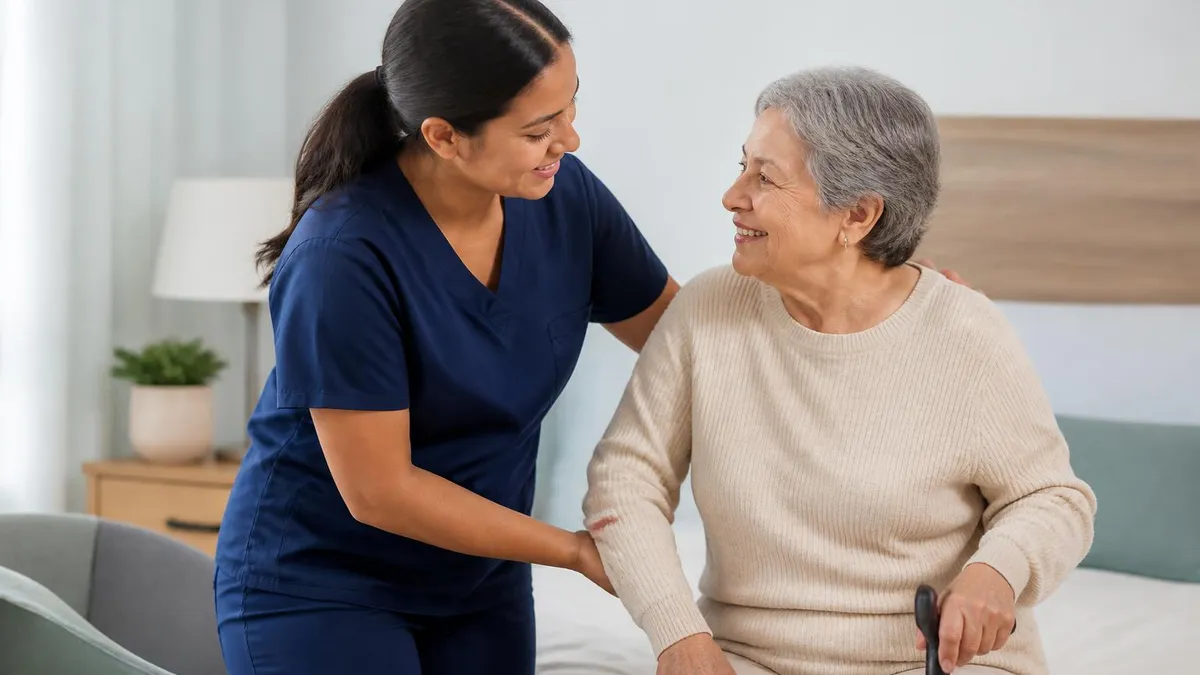
Personal Care Assistant Salary 2026: Complete Pay Guide by State, Experience, and Setting

Tempus Unlimited PCA: Complete Guide to Personal Care Assistant Services, Eligibility, and How to Get Started in 2026

Massachusetts PCA Directory: Complete Guide to the PCA Skin, Medical, and Personal Care Assistant Landscape
About the Author

Registered Nurse & Healthcare Educator
Johns Hopkins University School of NursingDr. Sarah Mitchell is a board-certified registered nurse with over 15 years of clinical and academic experience. She completed her PhD in Nursing Science at Johns Hopkins University and has taught NCLEX preparation and clinical skills courses for nursing students across the United States. Her research focuses on evidence-based exam preparation strategies for healthcare certification candidates.