
PCA Provider: Complete Guide to Understanding Personal Care Assistant Roles, PCA Skin, Medical Meaning, and Career Paths in 2026 September
What is a PCA provider? Explore pca skin care, pca medical meaning, duties, and how to start your PCA career in 2026 September. ✅ Full guide.

A PCA provider is one of the most versatile and impactful roles in modern healthcare and personal wellness. The acronym PCA carries several important meanings depending on context — from a Personal Care Assistant who helps individuals with daily living activities, to PCA skin care products used by dermatologists worldwide, to PCA medical settings where patient-controlled analgesia devices are managed. Understanding what each type of PCA provider does is essential for anyone considering a career in caregiving, exploring skincare options, or navigating healthcare services in the United States.
When most people search for a pca provider, they are looking for information about Personal Care Assistants — trained individuals who support clients with disabilities, chronic illnesses, or age-related limitations in performing everyday tasks. PCA providers work in a wide variety of settings including private homes, assisted living facilities, adult day programs, and community-based care environments. The demand for qualified PCA providers has grown significantly in recent years as the US population ages and more states invest in home- and community-based care programs.
PCA skin is another major category that comes up frequently in searches. PCA Skin is a professional skincare brand founded by an aesthetician in 1990, offering dermatologist-developed formulas used in clinical and medical spa settings across the country. Products like the PCA hydrating toner have become household names among skincare enthusiasts and professionals alike. Understanding the difference between PCA as a skincare brand and PCA as a caregiving role helps clarify the landscape for consumers and job seekers who may find both topics intertwined in their research.
The PCA meaning also extends into the world of automotive experiences — the Porsche Club of America, commonly abbreviated PCA, offers driving events known as the Porsche Experience that bring together thousands of enthusiasts. While this is a distinctly different use of the acronym, it demonstrates how broadly the letters PCA appear across American culture and commerce. For the purposes of this guide, we focus primarily on the caregiving and medical definitions of PCA, with relevant context about PCA skin care woven in where appropriate.
In the medical world, a PCA pump refers to a patient-controlled analgesia device that allows patients to self-administer measured doses of pain medication, typically after surgery or during serious illness. Healthcare providers and nurses who manage PCA pumps play a critical support role in hospital settings. PCA medical professionals who oversee these devices require specific training in pharmacology, patient safety, and equipment management, making PCA medical knowledge a specialized but important subset of nursing and allied health education.
PCA church is yet another community context where the abbreviation appears — the Presbyterian Church in America uses PCA as its official acronym. While unrelated to caregiving or skincare, the PCA church is a significant institution in American religious life, with hundreds of congregations across all 50 states. People researching the meaning of PCA may encounter references to the church alongside caregiving and skincare definitions, which can cause initial confusion.
Whether you are asking what is a PCA because you need care services for a loved one, because you are considering a career as a pca skincare professional, or because you want to understand pca skin care product lines, this comprehensive guide covers every major angle. By the end of this article, you will have a complete picture of the PCA landscape in 2026 — from job duties and salary expectations to skincare product breakdowns and medical applications.
PCA Provider Industry by the Numbers

Types of PCA Providers in the United States
A trained individual who assists clients with activities of daily living such as bathing, dressing, meal preparation, and mobility. PCAs work in homes, group homes, and community settings. They are often funded through Medicaid waiver programs and are the most common meaning of PCA provider in healthcare contexts.
An aesthetician or dermatology professional trained in PCA Skin product lines. These providers work in medical spas, dermatology clinics, and wellness centers, using scientifically formulated products including the popular PCA hydrating toner to treat conditions like acne, hyperpigmentation, and aging skin.
A nurse or physician who manages patient-controlled analgesia (PCA) pumps in hospital settings. These medical PCA providers calibrate dosage limits, monitor patient responses, and ensure safe pain management protocols are followed during post-surgical recovery and chronic pain treatment.
Many states allow consumers to hire, train, and manage their own PCA providers through Consumer Directed Personal Assistance Programs (CDPAP). In self-directed models, the individual receiving care acts as the employer, giving them maximum control over who provides their personal care services.
PCA skin care is one of the most recognized professional skincare brands in the United States, and understanding its role helps clarify why so many searches for PCA lead to both caregiving and cosmetic results. Founded in 1990 by Melaney Long, PCA Skin began as a line of chemical peel formulations designed for clinical use by licensed aestheticians and dermatologists.
Over the decades, the brand expanded to include moisturizers, sunscreens, serums, and cleansers, earning a reputation for science-backed formulas that deliver measurable results. The PCA hydrating toner became one of their signature products, valued for its ability to balance skin pH, prep the skin for treatment, and deliver mild exfoliation without irritation.
The PCA hydrating toner contains ingredients such as hyaluronic acid, lactic acid, and botanical extracts that work synergistically to hydrate and refine the skin's surface. Medical-grade skincare professionals who incorporate PCA skin care into their treatment protocols often recommend the toner as a foundational step after cleansing. Its formulation is gentle enough for sensitive skin yet effective for clients dealing with dullness, uneven texture, or post-procedure sensitivity. Understanding the distinction between over-the-counter products and professional PCA skincare is important — many PCA Skin products are sold only through licensed providers and clinics, ensuring proper guidance and appropriate use.
In the medical setting, PCA meaning most commonly refers to patient-controlled analgesia, a pain management approach that gives patients direct control over their analgesic dosage within preset safety limits. A PCA pump is the device used to deliver this medication — typically opioids such as morphine or hydromorphone — intravenously in small, measured boluses.
The PCA medical provider, usually a registered nurse or anesthesiologist, programs the device with a lockout interval and maximum dose to prevent overdose. Patients report higher satisfaction with PCA pump systems compared to nurse-administered pain medication because they feel more in control of their comfort during recovery.
PCA medical knowledge is also relevant to PCAs working in home health settings who may encounter clients using medical equipment. While a personal care assistant is not authorized to administer medications or operate medical devices like PCA pumps, understanding what these devices do helps PCAs communicate effectively with nursing staff and family members, recognize signs of pain or distress in clients, and document observations that are relevant to the client's medical team. Comprehensive PCA training programs in states like Massachusetts, New York, and California include basic medical terminology modules that cover these scenarios.
PCA church — the Presbyterian Church in America — is a conservative Reformed denomination founded in 1973. With over 380,000 members and nearly 1,900 congregations across the country, the PCA church is one of the largest Presbyterian bodies in the United States. While entirely separate from healthcare and skincare, the PCA church is worth mentioning because many individuals researching the PCA meaning encounter it in search results and need to quickly distinguish it from the healthcare and cosmetic contexts. The church maintains an active presence in urban church planting, college ministry, and international missions.
The Porsche Experience, managed through the Porsche Club of America (PCA), represents another widely recognized use of the PCA acronym. The PCA offers track events, autocross competitions, driving tours, and club meetings for Porsche owners and enthusiasts. The Porsche Experience Center locations in Atlanta and Los Angeles allow drivers to test the full performance capabilities of Porsche vehicles in a controlled, professional environment. Again, this is entirely separate from caregiving, but the overlap in search intent is significant enough that any comprehensive PCA provider guide should acknowledge it to help readers navigate correctly.
For those specifically looking at pca skincare or pca skin care as a professional path, becoming an authorized PCA Skin provider requires completing brand training courses, holding a valid aesthetician or cosmetology license, and purchasing products through authorized distributor channels. Many aesthetic professionals report that adding PCA Skin certifications to their credentials increases client retention and allows them to charge premium rates for advanced treatment protocols. The brand regularly releases updated protocols and product innovations, making ongoing education a key part of maintaining PCA skin provider status.
PCA Skin Care, Medical, and Caregiving Career Paths
A career as a personal care assistant offers flexible hours, meaningful work, and a clear path into healthcare. Most states require PCAs to complete a state-approved training program ranging from 8 to 75 hours, pass a competency evaluation, and register with the state's caregiver registry. Entry-level PCAs typically earn between $14 and $18 per hour, with experienced professionals and those holding additional certifications earning up to $22 per hour in high-demand markets like California, Massachusetts, and New York.
The career ladder for PCAs extends into certified nursing assistant (CNA), home health aide (HHA), licensed practical nurse (LPN), and registered nurse (RN) roles. Many healthcare employers offer tuition assistance and on-the-job training to help PCAs advance their credentials. Consumer-directed PCA programs, which allow family members to serve as paid caregivers, have also opened the field to thousands of people who want to support loved ones while earning income. The combination of job security, growth potential, and personal fulfillment makes PCA caregiving one of the most recommended entry points into healthcare.

Pros and Cons of Working as a PCA Provider
- +High job security with 22% projected growth through 2032 nationwide
- +Flexible scheduling options including part-time, full-time, and live-in arrangements
- +Deep personal fulfillment from directly improving clients' quality of life
- +Low barrier to entry — most states require only a short training program and background check
- +Pathway to advance into CNA, HHA, LPN, or RN roles with employer support
- +Consumer-directed programs allow family members to be paid caregivers for loved ones
- −Physically demanding work involving lifting, transferring, and assisting with mobility
- −Median pay remains below $35,000 annually despite high demand and emotional labor
- −Emotional burnout is common, especially when clients experience health declines
- −Irregular hours and on-call shifts can disrupt work-life balance significantly
- −Limited benefits such as health insurance or paid time off in some employment models
- −Exposure to illness, injury risk, and challenging home environments without adequate support
PCA Provider Certification Checklist: Steps to Get Started
- ✓Confirm your state's minimum age requirement (usually 16 or 18) for PCA work
- ✓Complete a state-approved PCA or home health aide training program (8–75 hours)
- ✓Pass the required written and skills competency evaluation for your state
- ✓Submit to a criminal background check through your state's registry system
- ✓Obtain CPR and first aid certification from a recognized organization like the Red Cross
- ✓Register with your state's caregiver registry or home care agency database
- ✓Gather required documentation: ID, Social Security card, vaccination records, and TB test results
- ✓Complete any additional employer-specific orientation and training modules
- ✓Review HIPAA privacy requirements and sign your employer's confidentiality agreement
- ✓Set up direct deposit and review pay schedules, overtime rules, and mileage reimbursement policies
Consumer-Directed Programs Let Family Members Get Paid
In states like New York, Massachusetts, and California, Medicaid-funded consumer-directed programs such as CDPAP allow eligible individuals to hire a family member — including an adult child, sibling, or friend — as their official PCA provider. This means caregivers can receive competitive hourly wages for care they may already be providing informally. Check with your state's Medicaid office to confirm current eligibility rules and hourly rates in your area.
Becoming a PCA provider in 2026 is more accessible than ever, thanks to expanded Medicaid funding, online training options, and growing awareness of home-based care as a preferred alternative to nursing facilities. The first step for most aspiring PCAs is identifying which type of PCA work aligns with their skills and goals — caregiving, skincare professional, or medical support. For caregiving roles, the path begins with a state-approved training program that covers personal hygiene assistance, mobility support, meal preparation, basic safety protocols, and professional communication with clients and their families.
State training requirements vary significantly. In Massachusetts, PCAs must complete an 8-hour orientation program before beginning work, followed by additional on-the-job training. New York requires 110 hours of training for home health aides working with Medicaid clients. California mandates 10 hours of training for in-home supportive services (IHSS) workers, with additional requirements for those providing certain medical support tasks. Understanding your state's specific requirements before beginning the hiring or training process saves time and prevents compliance issues down the line.
Background checks are a universal requirement for PCA providers across all 50 states. Most states check the National Sex Offender Public Website, state criminal records, and abuse/neglect registry databases. Some states, including Minnesota and Oregon, also require fingerprint-based FBI background checks for PCAs working with vulnerable adult populations. Individuals with certain conviction types may be barred from PCA work entirely, while others may be evaluated on a case-by-case basis depending on the nature of the offense and how much time has passed since the conviction.
The hiring process for PCA providers typically involves an application, interview, reference checks, and a skills demonstration. Many agencies conduct mock scenarios during interviews — asking candidates to demonstrate how they would assist a client who has fallen, or how they would handle a situation where a client refuses care. These practical assessments help agencies identify candidates with not just the technical knowledge but also the empathy, problem-solving ability, and calm demeanor that effective PCA work requires on a daily basis.
Once hired, new PCA providers typically complete an agency orientation that covers documentation requirements, emergency procedures, client rights, and infection control protocols. Electronic documentation systems have become increasingly common, with many agencies using apps that allow PCAs to clock in and out, record completed tasks, and flag concerns for supervisors in real time. Proficiency with basic smartphone technology is now a practical requirement for most agency-employed PCAs, even in rural markets where tech adoption has historically been slower.
For PCA skin care professionals, the path to becoming an authorized provider involves completing the brand's proprietary training curriculum. PCA Skin offers in-person and online education modules covering skin analysis, chemical exfoliation safety, product layering protocols, and contraindications for specific skin conditions. Providers who complete advanced certification in PCA's treatment protocols gain access to professional-only products and can market themselves as certified PCA Skin specialists, which carries significant credibility in the medical aesthetics space.
Networking is a crucial but often overlooked component of building a successful PCA provider career. Whether you work in home care or aesthetics, connecting with supervisors, fellow providers, client families, and community organizations creates referral pipelines and professional development opportunities that can dramatically accelerate your growth. Professional associations like the National Association for Home Care and Hospice (NAHC) and the Society of Dermatology Skincare Specialists (SDSS) offer resources, advocacy, and annual conferences that help PCA providers stay current and connected in their fields.

Personal care assistants are not licensed healthcare providers and are strictly prohibited from performing medical tasks such as administering injections, dispensing prescription medications, or operating medical equipment like PCA pumps without specific delegation and supervision from a licensed nurse. Performing tasks outside your authorized scope of practice can result in immediate termination, loss of your registry status, and potential legal liability. Always clarify scope-of-practice boundaries with your supervising agency or client's care coordinator before attempting any task you are uncertain about.
Succeeding as a PCA provider in today's care environment requires more than completing a training checklist — it demands ongoing professional development, strong communication skills, and a clear understanding of client rights and dignity. The most effective PCA providers approach their work as true partners in their clients' independence, not just task-completers. This means taking time to learn each client's preferences, routines, and communication style, and adapting your approach accordingly. A client who has lived independently for decades may require a very different interaction style than someone who is new to receiving personal care services.
Documentation is one of the most important — and most frequently underestimated — skills for PCA providers. Accurate, timely records of care provided, client observations, and any incidents or concerns protect both the client and the PCA. Many regulatory agencies and Medicaid programs audit documentation regularly, and gaps or inconsistencies in records can trigger investigations, withheld payments, or even program termination. PCAs who develop strong documentation habits early in their careers build a professional reputation that opens doors to supervisory roles and specialized caseloads over time.
Cultural competence is increasingly recognized as a core PCA provider competency. The United States is home to clients from hundreds of cultural backgrounds, each with different expectations around touch, privacy, gender-specific care, dietary preferences, and family involvement in care decisions. Effective PCA providers educate themselves about the cultural backgrounds of their clients, ask thoughtful questions rather than making assumptions, and advocate within their agencies for culturally responsive care practices. Many state training programs now include cultural humility modules specifically because of how directly cultural factors affect care quality and client satisfaction.
Technology is transforming the PCA provider landscape in significant ways. Remote patient monitoring tools, electronic visit verification (EVV) systems, and telehealth platforms are now standard features of many home care programs. EVV systems in particular are now federally mandated for Medicaid-funded personal care services, requiring PCAs to check in and out electronically at every client visit using GPS-enabled devices. PCAs who are comfortable with these systems and can troubleshoot basic technical issues are significantly more valuable to agencies and clients than those who resist technology adoption.
Self-care and burnout prevention are topics that every PCA provider needs to take seriously. The emotional and physical demands of caregiving — especially for clients with dementia, terminal illness, or severe disabilities — can lead to compassion fatigue, depression, and musculoskeletal injuries if not actively managed. Successful long-term PCA providers establish clear professional boundaries, maintain social connections outside of work, use proper body mechanics for transfers and lifts, and seek supervision or peer support when challenging situations arise. Agencies that invest in PCA wellness programs see lower turnover and better care outcomes across their entire client population.
For those interested in the pca skincare professional path, succeeding requires staying current with an industry that evolves rapidly. New active ingredients, updated treatment protocols, and expanding scientific understanding of conditions like rosacea, melasma, and barrier dysfunction mean that yesterday's best practices may be outdated within a few years. PCA Skin releases updated training materials regularly, and dedicated providers allocate time each quarter to review new evidence and recertify in updated protocols. Building relationships with dermatologists and plastic surgeons in your area creates a referral ecosystem that supports a thriving practice built around professional-grade lines like PCA Skin.
Income growth as a PCA provider is achievable through multiple pathways. For caregiving PCAs, specialty certifications in dementia care, traumatic brain injury support, or pediatric personal care can command higher hourly rates. For aesthetics professionals, adding PCA Skin advanced certifications, building a loyal retail client base, and moving into a medical spa or dermatology practice environment can push annual earnings above $70,000.
For medical PCAs working in hospital settings, transitioning into a charge nurse or case manager role with continued education unlocks further income growth while maintaining the patient-centered focus that draws many people to PCA work in the first place.
Practical preparation is the foundation of a successful PCA provider career, and the good news is that the steps are clearly defined and achievable within a relatively short timeframe. Whether you are entering the caregiving field for the first time or transitioning from another healthcare role, focusing on the right priorities from day one sets you up for both immediate success and long-term career growth. Start by researching your specific state's PCA requirements using the official state Medicaid website or the National Association for Home Care and Hospice's state-by-state resource guide.
One of the most practical tips for new PCA providers is to shadow an experienced caregiver before your first solo assignment. Many agencies offer preceptorship programs where new hires observe and assist a senior PCA during actual client visits. This hands-on learning experience is invaluable because it translates classroom knowledge into real-world competency — you see firsthand how to assist with a bed bath without exposing the client unnecessarily, how to handle a medication reminder diplomatically, and how to de-escalate a client who is confused or agitated. No training video replicates the learning that happens in an actual care environment.
Building your professional portfolio from the beginning of your PCA career gives you a competitive advantage when applying for advanced positions or specialized caseloads. Document every training program you complete, every certification you earn, and any commendations or positive feedback you receive from clients or supervisors. A well-organized professional portfolio that includes your training certificates, CPR card, background check clearance, and reference letters makes a powerful impression during interviews and demonstrates the kind of organized, detail-oriented approach that excellent PCA providers bring to their client care every day.
Time management is a practical skill that significantly affects PCA provider effectiveness. Many PCAs serve multiple clients in a single day, traveling between homes with specific schedules and task lists at each location. Developing reliable routines for each client, building in buffer time for unexpected needs, and communicating proactively with supervisors when schedules run long prevents the chronic lateness and rushed care that leads to client dissatisfaction and documentation errors. Apps specifically designed for home care workers can help PCAs track schedules, mileage, task completion, and client notes in one organized system.
Understanding Medicaid funding structures helps PCA providers advocate for their clients and themselves. Most PCA services are funded through state Medicaid programs, either through managed care organizations (MCOs) or fee-for-service models. Hours authorizations are determined by assessment of the client's functional limitations, and PCAs who document client needs thoroughly and accurately contribute directly to appropriate authorizations. When clients' needs increase — due to illness, injury, or advancing disability — PCAs who have maintained thorough documentation are better positioned to support requests for increased care hours through the formal reassessment process.
Certification as a Dementia Care Specialist is one of the highest-value investments a PCA provider can make in 2026. With over 6 million Americans living with Alzheimer's disease and dementia, the demand for PCAs with specialized dementia training is substantial and growing. Programs like the Alzheimer's Association's Essentials of Dementia Care and the National Council of Certified Dementia Practitioners certification equip PCAs with communication strategies, behavioral management techniques, and safety protocols specific to dementia care. PCAs with dementia certifications typically command $2–$5 higher hourly rates and are frequently the first considered for complex or high-needs client assignments.
Finally, remember that being a PCA provider is about more than completing tasks — it is about preserving the dignity, autonomy, and quality of life of the people you serve. The most respected PCA providers in any setting are those who treat every client interaction as an opportunity to affirm that person's worth and individuality.
Whether you are assisting with grooming, preparing a meal, or simply sitting with a client during a difficult moment, your presence and professionalism matter profoundly. Investing in your own growth as a PCA provider is ultimately an investment in the well-being of every person whose life you touch.
PCA Questions and Answers
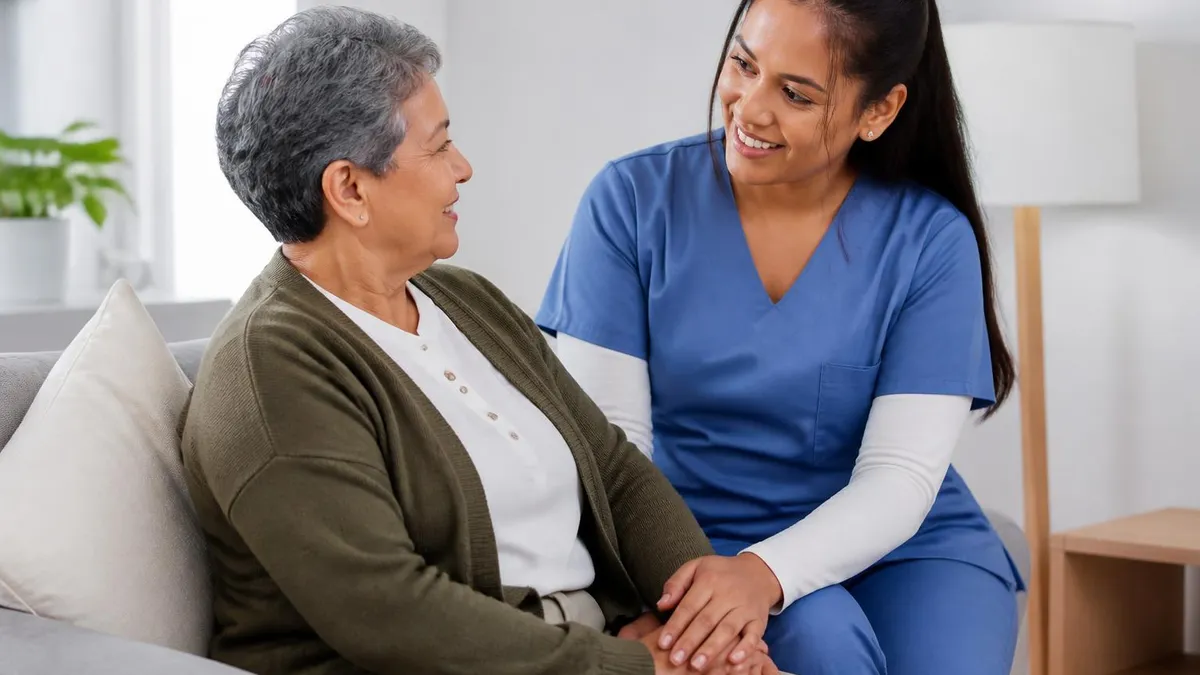
PCA Duties: Complete Guide to Personal Care Assistant Responsibilities, Daily Tasks, and Care Standards in 2026
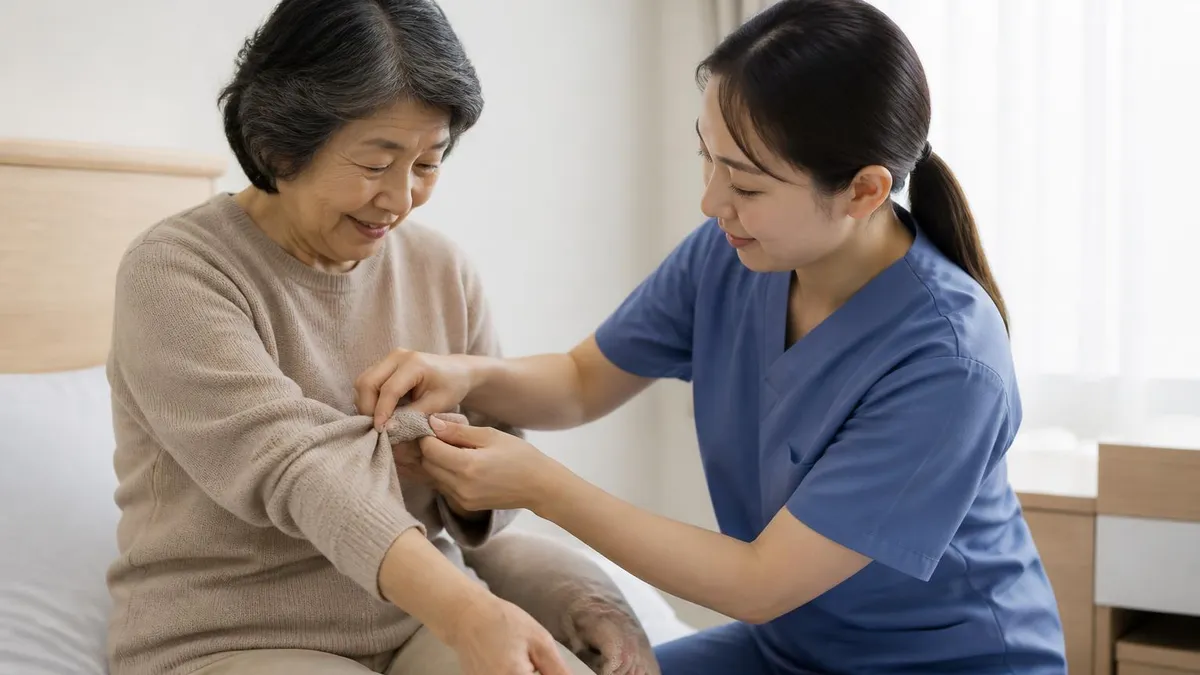
Personal Care Assistant Jobs Near Me: How to Find Local PCA Positions, Apply Successfully, and Start Your Caregiving Career in 2026
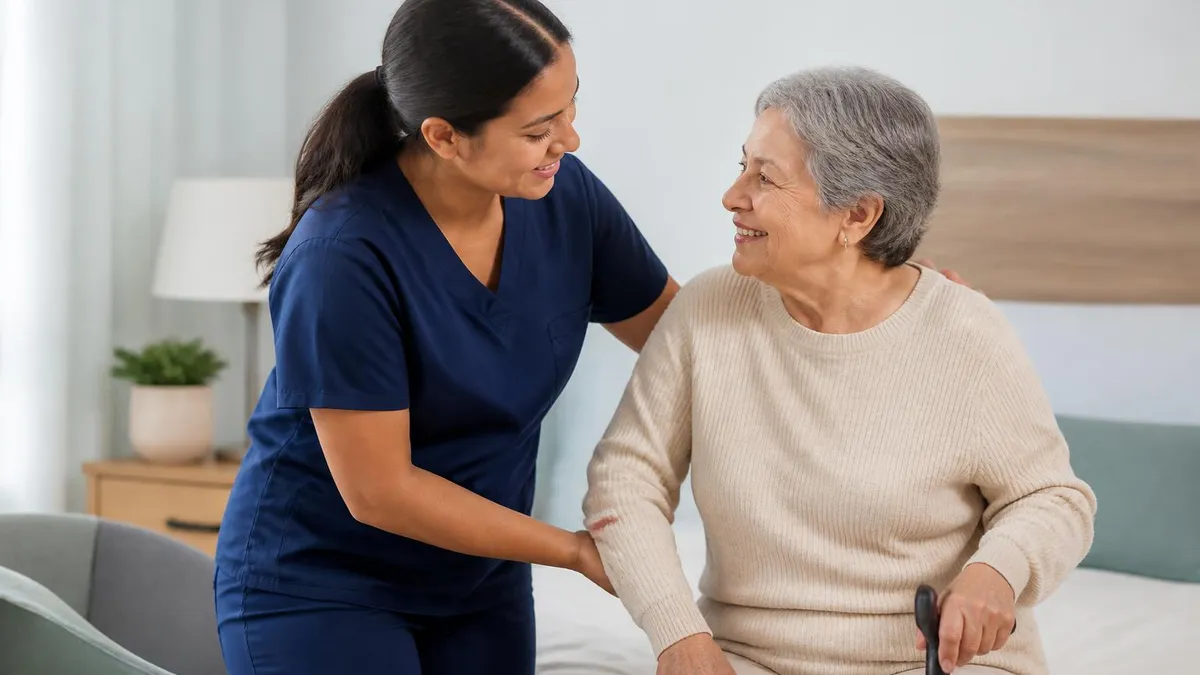
Personal Care Assistant Salary 2026: Complete Pay Guide by State, Experience, and Setting

Tempus Unlimited PCA: Complete Guide to Personal Care Assistant Services, Eligibility, and How to Get Started in 2026

Massachusetts PCA Directory: Complete Guide to the PCA Skin, Medical, and Personal Care Assistant Landscape
About the Author

Registered Nurse & Healthcare Educator
Johns Hopkins University School of NursingDr. Sarah Mitchell is a board-certified registered nurse with over 15 years of clinical and academic experience. She completed her PhD in Nursing Science at Johns Hopkins University and has taught NCLEX preparation and clinical skills courses for nursing students across the United States. Her research focuses on evidence-based exam preparation strategies for healthcare certification candidates.