
PCA Jobs Raleigh NC: Complete Guide to Personal Care Assistant Careers, Requirements, and Opportunities in the Triangle
Find PCA jobs in Raleigh NC — salary, requirements, top employers & tips to land your first Personal Care Assistant role. 🎯

If you are searching for PCA jobs Raleigh NC, you have landed in the right place. The Triangle region — anchored by Raleigh, Durham, and Chapel Hill — is one of the fastest-growing job markets in the southeastern United States, and the demand for personal care assistants has risen sharply alongside its booming population. Whether you are a first-time caregiver or an experienced healthcare worker looking to transition into home-based care, Raleigh offers a wide range of opportunities across private agencies, hospital systems, and state-funded programs.
Understanding what a PCA role actually entails is the first step toward building a rewarding career. At its core, a personal care assistant provides hands-on support to elderly adults, individuals with physical disabilities, or people managing chronic conditions that limit their independence. Tasks range from assistance with bathing and dressing to medication reminders, meal preparation, and light housekeeping. If you want a detailed breakdown of daily responsibilities, our guide on pca jobs raleigh nc covers every core duty in depth.
The term PCA meaning extends beyond job titles — it represents a philosophy of person-centered care that places the client's dignity, preferences, and goals at the center of every interaction. Raleigh employers increasingly emphasize this values-based approach during hiring, meaning candidates who can demonstrate empathy, patience, and strong communication skills stand out from the crowd. Knowing the vocabulary and concepts behind PCA work helps you perform better in interviews and on the job.
Raleigh's healthcare ecosystem includes major employers like WakeMed Health and Hospitals, UNC Rex Healthcare, and Duke Health outpatient facilities, as well as dozens of home care agencies such as Bayada Home Health Care, Comfort Keepers, and Right at Home. Each employer type — hospital system versus private agency versus consumer-directed program — has distinct hiring processes, pay structures, and training requirements, so understanding these differences helps you target your job search effectively.
PCA skin and PCA skincare terminology occasionally causes confusion for job seekers who encounter it during online research. PCA Skin is a professional skincare brand unrelated to personal care assistance; similarly, PCA hydrating toner references a cosmetic product line. When you see these terms in search results, they are not caregiving roles. Focus your search on terms like personal care assistant, home health aide, or direct support professional to find legitimate caregiving positions in Wake County.
Compensation for PCA roles in Raleigh has improved meaningfully in recent years. According to the Bureau of Labor Statistics, home health and personal care aides in the Raleigh-Cary metropolitan area earn a median hourly wage of approximately $13.50 to $16.00, with experienced workers and those holding certifications earning at the higher end. Some consumer-directed programs allow clients to hire family members as paid caregivers, which opens another pathway into this field for people who are already providing informal care to a loved one.
This guide walks you through everything you need to know about PCA careers in Raleigh: the qualifications required, the top employers hiring right now, realistic salary expectations, the pros and cons of different care settings, and practical steps to land your first position. Whether you are exploring a career change or looking to advance within caregiving, the information here will help you make confident, informed decisions about your next move.
PCA Jobs Raleigh NC by the Numbers

PCA Qualifications Required in Raleigh, NC
Most Raleigh employers require a high school diploma or GED and a minimum age of 18. Some agencies accept candidates who are 16 or older with parental consent for non-medical companion roles, though hands-on personal care positions typically require full adult status.
North Carolina mandates a criminal background check through the NC Department of Health and Human Services. Candidates must also be cleared on the NC Health Care Personnel Registry, which tracks abuse, neglect, and exploitation findings against care workers statewide.
Home health aides in NC must complete at least 75 hours of approved training, including 16 hours of supervised clinical practice. PCAs working in non-medical settings may face fewer formal requirements, but most agencies provide in-house orientation covering safety, communication, and client rights.
The majority of Raleigh home care agencies and hospital-affiliated programs require current CPR and First Aid certification before your first shift. American Heart Association and American Red Cross courses are widely available in Wake County, often at low or no cost through employers.
PCA work is physically demanding. Employers typically require the ability to lift 50 pounds, assist with transfers, stand or walk for extended periods, and perform repetitive bending and reaching. A pre-employment physical or health screening may be required by larger agency and hospital employers.
Understanding PCA medical terminology and compensation structures is essential before you start comparing job offers in Raleigh. In the context of healthcare employment, PCA stands for personal care assistant — a role that sits at a different point on the clinical spectrum than a certified nursing assistant (CNA) or licensed practical nurse (LPN), but one that is equally indispensable to the care continuum. Knowing where PCAs fit within PCA medical frameworks helps you advocate for fair pay and understand what career ladders look like.
Raleigh's cost of living has risen steadily over the past decade, and wages for caregiving roles have followed — though not always at the same pace. As of mid-2026, most Raleigh-area home care agencies advertise starting wages between $13.00 and $15.50 per hour for entry-level PCAs. Workers with a CNA credential, prior experience, or specialized skills such as dementia care or pediatric support typically earn $15.00 to $18.00 per hour. Hospital-affiliated programs managed by WakeMed or UNC Health tend to offer the most competitive base wages, along with benefits packages that include health insurance and paid time off.
Shift differentials add meaningful income for workers willing to take evening, overnight, or weekend assignments. Many Raleigh agencies pay an extra $1.00 to $2.50 per hour for evening shifts starting after 5 PM and weekend shifts, which can push effective hourly compensation well above $18.00 for caregivers who build a flexible schedule. Live-in caregiving positions — where the PCA resides in the client's home — are compensated differently, often on a daily or weekly flat rate that averages $150 to $220 per day depending on care complexity.
Benefits eligibility varies significantly by employer type. Full-time employees of large agencies or hospital systems typically access medical, dental, and vision insurance after a 60- to 90-day probationary period. Part-time workers and those placed through staffing registries are more likely to work as 1099 contractors, responsible for their own tax withholding, health insurance, and retirement planning. Understanding this distinction before accepting a position can prevent significant financial surprises down the road.
North Carolina's Medicaid program funds a substantial portion of PCA services through the Community Alternatives Program for Disabled Adults (CAP/DA) and the CAP/C program for children. PCAs employed through Medicaid-funded agencies typically earn wages set by state reimbursement rates, which historically have lagged behind private-pay market rates. However, ongoing advocacy from disability rights organizations has pushed for rate increases, and the gap has narrowed in recent years. Workers in Medicaid-funded positions often gain stability through consistent caseloads and predictable hours.
PCA stats from the NC Division of Health Service Regulation show that turnover in the home care sector remains high — often exceeding 60% annually — which ironically creates abundant job opportunities for new entrants. However, chronic turnover also signals underlying issues with pay and working conditions that prospective PCAs should investigate before committing to a specific employer. Asking about average caseload size, scheduling flexibility, supervisor availability, and mileage reimbursement policies during your interview gives you a clearer picture of day-to-day reality than job postings alone can provide.
Mileage reimbursement is a frequently overlooked compensation factor for PCAs who travel between multiple client homes during a shift. The IRS standard mileage rate for 2026 is 70 cents per mile, and reputable agencies typically reimburse at or near that rate. Caregivers driving their own vehicles to serve multiple clients per day can accumulate substantial mileage expenses, so clarifying reimbursement policy upfront protects your take-home income and prevents your vehicle from becoming an unacknowledged subsidy for your employer.
Top Employers Hiring PCAs in Raleigh, NC
Raleigh is home to dozens of licensed home care agencies actively recruiting personal care assistants year-round. National chains like Bayada Home Health Care, Comfort Keepers, Visiting Angels, and Right at Home maintain large Raleigh offices and frequently post openings on Indeed, ZipRecruiter, and their own career portals. These agencies typically offer flexible scheduling, paid training, and the ability to work with multiple clients, which gives new PCAs valuable variety while building their skills and professional reputation.
Smaller locally owned agencies such as Senior Helpers of Raleigh-Durham and Companions for Seniors offer a more intimate workplace culture and often assign dedicated coordinators who provide closer day-to-day support to caregivers. Pay rates at local agencies can be competitive with national chains, particularly for experienced workers, and some local operators offer retention bonuses or gas stipends not commonly found at larger competitors. Researching agency reviews on Glassdoor and Indeed before applying helps you identify employers with strong reputations for treating caregivers well.

Is a PCA Career in Raleigh Right for You?
- +High and growing demand means jobs are widely available across all experience levels
- +Flexible scheduling options including part-time, full-time, overnight, and live-in shifts
- +Meaningful work with direct positive impact on clients' quality of life and independence
- +Low formal education barrier — most positions require only a high school diploma
- +Diverse work environments from private homes to assisted living and hospital settings
- +Clear career pathways into CNA, LPN, RN, and other healthcare roles with tuition support
- −Starting wages can be below living wage in a market where Raleigh's cost of living has risen sharply
- −Physically demanding work with risk of musculoskeletal injury from transfers and lifting
- −High emotional demands, especially when working with clients with dementia or terminal illness
- −Inconsistent hours in agency settings depending on client availability and scheduling gaps
- −Limited benefits for part-time or contractor PCAs without access to employer health insurance
- −Travel time between clients is often unpaid, reducing effective hourly compensation
How to Apply for PCA Jobs in Raleigh: Complete Checklist
- ✓Obtain a high school diploma or GED — required by virtually all Raleigh PCA employers before hiring.
- ✓Complete a CPR and First Aid certification course through AHA or Red Cross — takes one day and costs $30–$60.
- ✓Register with the NC Health Care Personnel Registry and confirm your name is clear of any findings.
- ✓Complete a criminal background check authorization — agencies submit this on your behalf during onboarding.
- ✓Gather two or three professional references from past employers, teachers, or community supervisors.
- ✓Create a simple one-page resume highlighting caregiving experience, reliability, and client interaction skills.
- ✓Apply to at least five agencies simultaneously — Bayada, Comfort Keepers, Visiting Angels, Right at Home, and one local agency.
- ✓Prepare answers to common interview questions about handling difficult behaviors, emergency situations, and scheduling flexibility.
- ✓Get a tuberculosis (TB) test or chest X-ray — many Raleigh agencies and health systems require this before you begin work.
- ✓Verify your driver's license and auto insurance are current if you plan to transport clients or travel between homes.
Applying to Multiple Agencies Simultaneously Cuts Your Time to First Shift by 40%
Raleigh's home care agencies each run their own onboarding timelines, and delays in background checks, health screenings, or reference verification are common. Candidates who apply to five or more agencies at the same time consistently reach their first paid shift two to three weeks faster than those who wait for one offer before moving to the next. Start applications in parallel, complete shared requirements like CPR and TB testing early, and you will be earning within a month of beginning your search.
Career advancement opportunities for Raleigh PCAs are more robust than many people entering the field realize. The caregiving workforce pipeline in North Carolina is deliberately structured so that entry-level PCA experience counts toward the clinical hours required for CNA certification, and CNA hours in turn count toward LPN and RN licensure programs. If you enter the field as a PCA, you are not starting over each time you decide to advance — you are building a cumulative record that accelerates your path through subsequent credentials.
Wake Technical Community College, located in Raleigh, offers one of the most accessible and affordable CNA training programs in the region. The program runs approximately eight weeks and qualifies graduates to sit for the NC Nurse Aide I competency exam. Many Raleigh home care agencies and health systems offer full or partial tuition reimbursement for employees who pursue CNA certification while working, meaning the financial barrier to advancement is considerably lower than it first appears. Some hospital employers like WakeMed also offer structured career development stipends of up to $3,000 per year for continuing education.
Specialized skills command meaningful pay premiums in Raleigh's caregiving market. PCAs who complete additional training in dementia care — through programs like the Alzheimer's Association's Essentials of Dementia Care — can earn $1.00 to $2.50 more per hour than uncertified peers. Pediatric personal care, behavioral support, and technology-assisted care for clients using ventilators or feeding tubes are other specializations that increase both hourly rates and job stability, as the pool of qualified candidates willing and trained to provide these services remains relatively small.
The PCA church community in Raleigh occasionally offers caregiving opportunities through faith-based social service programs operated by congregations or affiliated nonprofits. Organizations like Catholic Charities of the Diocese of Raleigh and Inter-Faith Food Shuttle's social services arm sometimes connect trained caregivers with clients in need, particularly seniors with limited income who may not qualify for Medicaid-funded services but cannot afford private-pay agency rates. These placements may be paid, volunteer, or stipend-based, and they provide valuable experience while serving vulnerable members of the community.
Continuing education resources in Raleigh extend well beyond formal degree programs. NC DHHS maintains a list of approved training providers for home health aide and PCA coursework, and many of these programs are available online or in hybrid formats that accommodate working caregivers. Additionally, the NC Direct Care Worker Association advocates for training resources, wage improvements, and professional recognition for PCAs and other direct care workers statewide — joining this organization connects you with a peer network and keeps you informed about policy changes affecting your pay and working conditions.
Understanding PCA stats related to the broader workforce helps contextualize your career trajectory. The Bureau of Labor Statistics projects that home health and personal care aide employment nationally will grow by 22% between 2022 and 2032, adding approximately 924,000 new jobs — the second-largest total job growth of any occupation in the country.
In the Raleigh metropolitan area, population growth and the aging of the large Baby Boomer cohort that settled in Research Triangle Park during the 1980s and 1990s are driving demand for caregivers at a rate that consistently outpaces supply. This structural imbalance favors workers who are qualified and ready to step into roles quickly.
Networking within Raleigh's healthcare community accelerates both your job search and your long-term career development. Attending job fairs hosted by WakeMed, UNC Health, or the Wake County Human Services department puts you in direct contact with recruiters. Joining LinkedIn and connecting with home care agency administrators, scheduling coordinators, and fellow PCAs in the Raleigh area opens referral pipelines that never appear on public job boards. Many caregiving positions in Raleigh — particularly the highest-paying live-in and specialty care roles — are filled through word-of-mouth referrals before they are ever advertised publicly.

Every employer in North Carolina is legally required to check the NC Health Care Personnel Registry before hiring any direct care worker. If your name appears on the registry due to a substantiated finding of abuse, neglect, or misappropriation of property, you cannot be employed as a PCA anywhere in the state. If you believe a finding on your record is in error, you have the right to request a hearing through NC DHHS — do not delay, as appeals have strict deadlines and unresolved findings block employment indefinitely.
North Carolina's consumer-directed care programs represent one of the most significant PCA employment pathways in the Raleigh area, and understanding how they work gives job seekers and family caregivers a meaningful advantage. The CAP/DA program — Community Alternatives Program for Disabled Adults — is a Medicaid waiver that allows eligible adults with disabilities to direct their own care, including choosing who provides it. For PCAs, this means clients have the authority to recruit and hire them directly rather than going through a traditional agency, which creates a more personal and often more stable employment relationship.
Eligibility for CAP/DA in North Carolina is determined by the Division of Health Benefits (DHB) and requires that the individual be Medicaid-eligible, at risk of nursing facility placement, and living in a community setting. Once a client is enrolled, they work with a care manager to develop a person-centered plan that identifies the services needed and the hours authorized per week. PCAs hired under CAP/DA must meet state training and background check requirements, but the hiring decision rests with the client — a fundamentally different dynamic than agency-directed placement.
The fiscal intermediary model is how consumer-directed programs handle payroll without requiring clients to become small business employers on their own. In North Carolina, fiscal intermediaries like Tempus Unlimited and Public Partnerships LLC (PPL) act as the employer of record for tax purposes, processing PCA timesheets, issuing paychecks, managing workers' compensation insurance, and ensuring compliance with state and federal employment law. PCAs working in consumer-directed settings submit hours through a digital time and attendance system, with client verification typically required for each submission.
For family members who are already providing care to a loved one with a disability, consumer-directed programs offer a formal pathway to be paid for work they are already doing. North Carolina's CAP/DA program allows spouses and adult children to serve as paid PCAs in some circumstances, though policies around family caregiver employment continue to evolve with ongoing Medicaid waiver renewals. Checking current eligibility rules with the Wake County DSS office or a CAP/DA case manager provides the most accurate and up-to-date information, since policy details change with budget cycles.
The porsche experience of working in consumer-directed care — where you build a deep, consistent relationship with a single client and their family rather than rotating through multiple households — appeals to many experienced PCAs who have grown fatigued by agency scheduling unpredictability. While the term porsche experience more commonly refers to automotive brand immersion events, within the caregiving community it has become informal shorthand for the premium, high-touch service model that consumer-directed clients expect from their personally chosen PCAs. Meeting that standard requires strong interpersonal skills, professional reliability, and a genuine commitment to the client's goals.
PCA pump programs — a term sometimes used in North Carolina caregiving circles to describe the intensive support needed for clients with complex medical equipment like feeding pumps or medication infusion systems — require additional competency verification beyond standard PCA training. PCAs supporting clients with medical equipment needs typically receive device-specific training from a nurse or respiratory therapist and must demonstrate competency before providing unsupervised assistance. These roles command higher hourly rates and are in especially short supply in the Raleigh market, making them excellent targets for PCAs who want to differentiate themselves and increase their earning potential.
Raleigh's rapid suburban expansion into towns like Cary, Apex, Fuquay-Varina, and Wake Forest has created substantial caregiver demand in communities that were previously served primarily by urban agencies stretching their geographic coverage. Consumer-directed clients in these outlying areas often struggle to find PCAs willing to commute, which creates opportunities for caregivers who live in or near these communities to fill gaps that agencies cannot. If you live in western or southern Wake County, targeting consumer-directed program clients in your immediate area may yield higher effective hourly earnings than agency work that requires extensive daily driving.
Practical preparation before your first PCA shift in Raleigh makes a measurable difference in both client outcomes and your own professional confidence. Many new PCAs underestimate the importance of a thorough client introduction meeting — commonly called an initial visit or care conference — where the caregiver, client, family members, and sometimes a care manager review the service plan together. Using this meeting to ask specific questions about the client's preferences, routines, communication style, and emergency contacts sets a professional tone and prevents misunderstandings that might otherwise surface awkwardly during your first solo shift.
Body mechanics training is one of the most practically important skills you can develop before you begin working, yet it is often rushed through during agency orientation. Improper lifting and transfer technique is the leading cause of musculoskeletal injury among PCAs, and these injuries disproportionately end caregiving careers prematurely. If your employer's orientation covers body mechanics too briefly, the NC Office on Aging offers supplementary resources, and YouTube channels maintained by physical therapists provide free, detailed video instruction on safe patient transfer techniques that you can study independently.
Documentation habits are another area where new Raleigh PCAs frequently struggle. Most employers require some form of visit documentation — whether a paper daily log, a mobile app entry, or an electronic health record note — that records the services provided, the client's condition, any changes observed, and the caregiver's departure time. Accurate, timely documentation protects you legally if a client or family member disputes care provided, and it supports continuity of care when multiple PCAs share responsibility for the same client across different days or shifts.
Understanding how to respond to medical emergencies is non-negotiable for PCAs working independently in clients' homes. Your CPR and First Aid certification covers the foundational response to cardiac and respiratory emergencies, but you should also familiarize yourself with your specific clients' emergency protocols — who to call first, whether the client has a Do Not Resuscitate (DNR) order, where the medication list is kept, and which family members should be contacted immediately. Having this information organized and accessible before an emergency occurs, rather than scrambling to find it during one, is the mark of a truly professional caregiver.
What is a PCA in the context of professional development? It is a role that requires ongoing learning, not just initial training. Raleigh-area caregivers who invest in continuing education — attending free webinars from the NC Caregiver Coalition, completing dementia care modules through the Alzheimer's Association, or pursuing specialty certifications through organizations like the National Association for Home Care and Hospice — consistently report higher job satisfaction, better client relationships, and faster wage progression than peers who treat their initial orientation as the endpoint of their professional education.
PCA skincare knowledge — separate from the PCA Skin cosmetic brand — is genuinely relevant to PCA work in the sense that skin assessment is a core competency for direct care workers. Monitoring clients' skin for signs of pressure injuries, rashes, dryness, or breakdown is something PCAs do every time they assist with bathing or dressing. Reporting skin changes promptly to supervisors or nursing staff is a critical safety responsibility, and PCAs who understand the stages of pressure injury development provide meaningfully better care than those who see skin assessment as outside their scope.
Finally, building a sustainable caregiving career in Raleigh requires intentional attention to your own health and wellbeing. Caregiver burnout is real and common, particularly for workers who care for clients with significant behavioral or cognitive challenges. Raleigh's NC State employee assistance program — available to workers at state-funded care settings — and several community mental health resources offer low-cost counseling and peer support specifically tailored to direct care workers. Protecting your own physical and emotional health is not separate from being a good PCA; it is the foundation that makes excellent, sustained caregiving possible.
PCA Questions and Answers
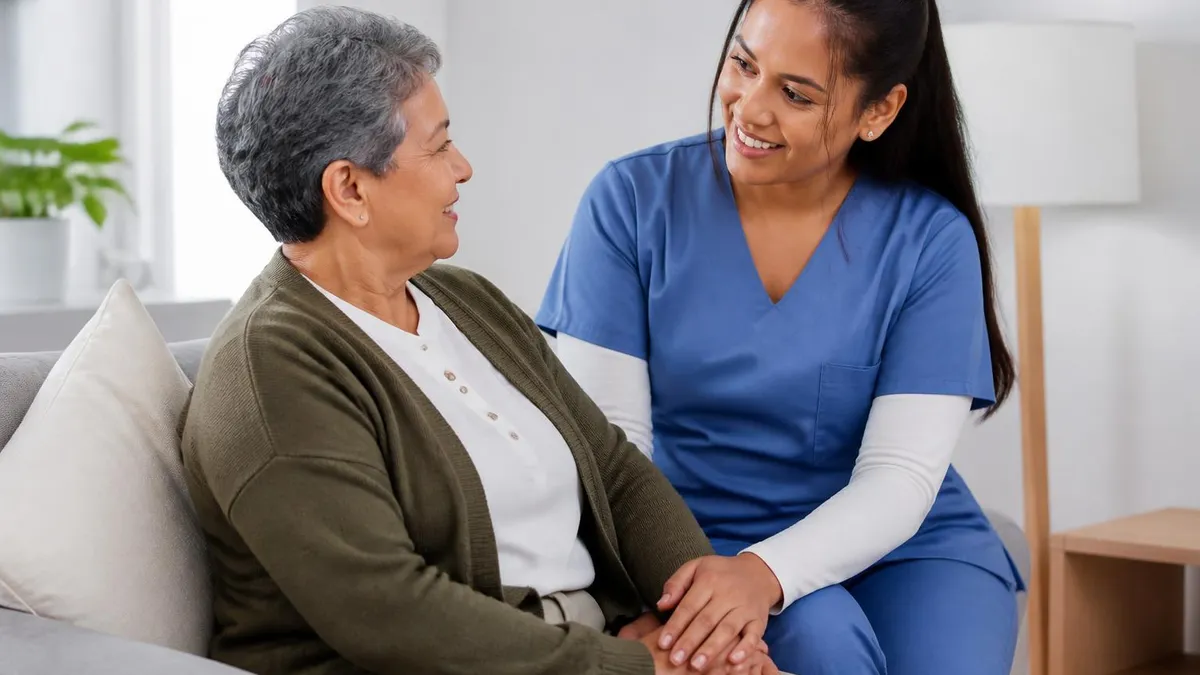
PCA Duties: Complete Guide to Personal Care Assistant Responsibilities, Daily Tasks, and Care Standards in 2026
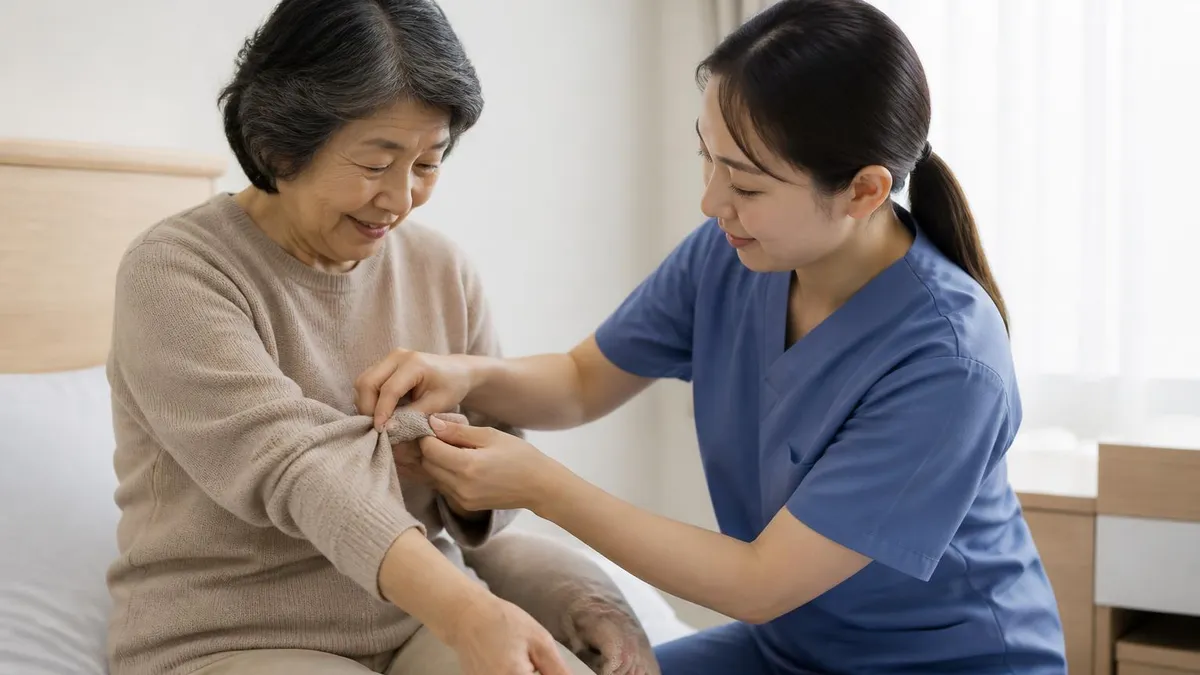
Personal Care Assistant Jobs Near Me: How to Find Local PCA Positions, Apply Successfully, and Start Your Caregiving Career in 2026
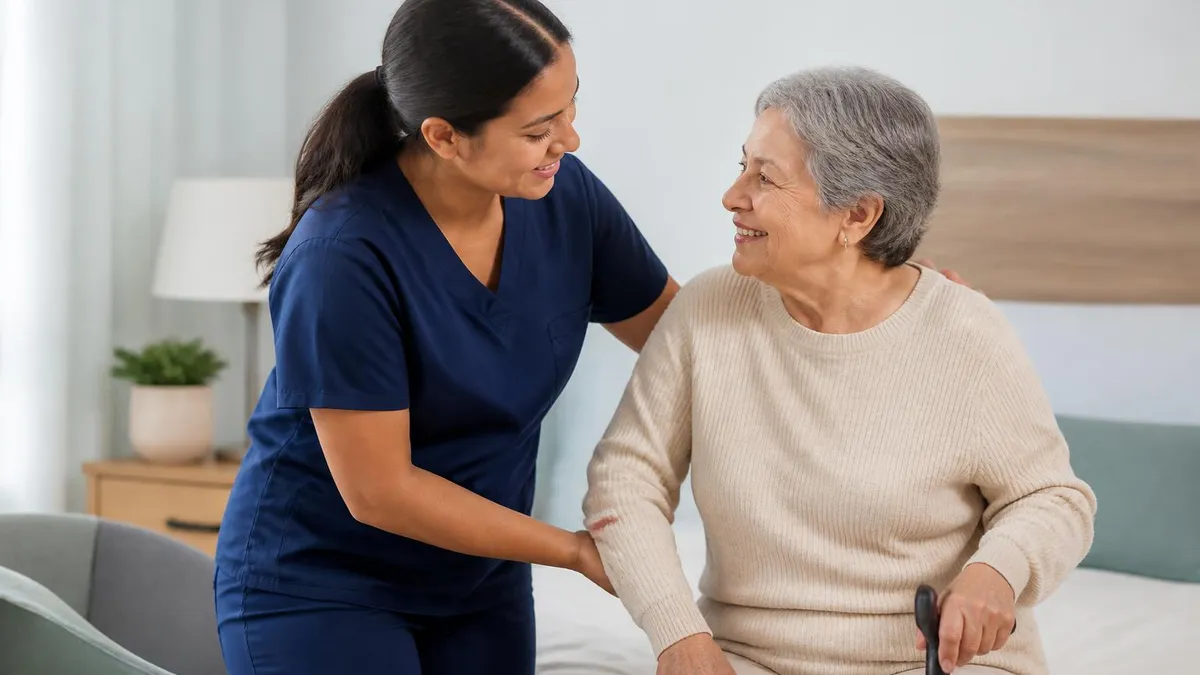
Personal Care Assistant Salary 2026: Complete Pay Guide by State, Experience, and Setting

Tempus Unlimited PCA: Complete Guide to Personal Care Assistant Services, Eligibility, and How to Get Started in 2026

Massachusetts PCA Directory: Complete Guide to the PCA Skin, Medical, and Personal Care Assistant Landscape
About the Author

Registered Nurse & Healthcare Educator
Johns Hopkins University School of NursingDr. Sarah Mitchell is a board-certified registered nurse with over 15 years of clinical and academic experience. She completed her PhD in Nursing Science at Johns Hopkins University and has taught NCLEX preparation and clinical skills courses for nursing students across the United States. Her research focuses on evidence-based exam preparation strategies for healthcare certification candidates.