
How to Become a PCA: Complete Training Guide and Requirements 2026 September
Learn how to become a PCA step by step — ✅ training, certification, state requirements, and job outlook. Complete 2026 September guide for aspiring personal care...
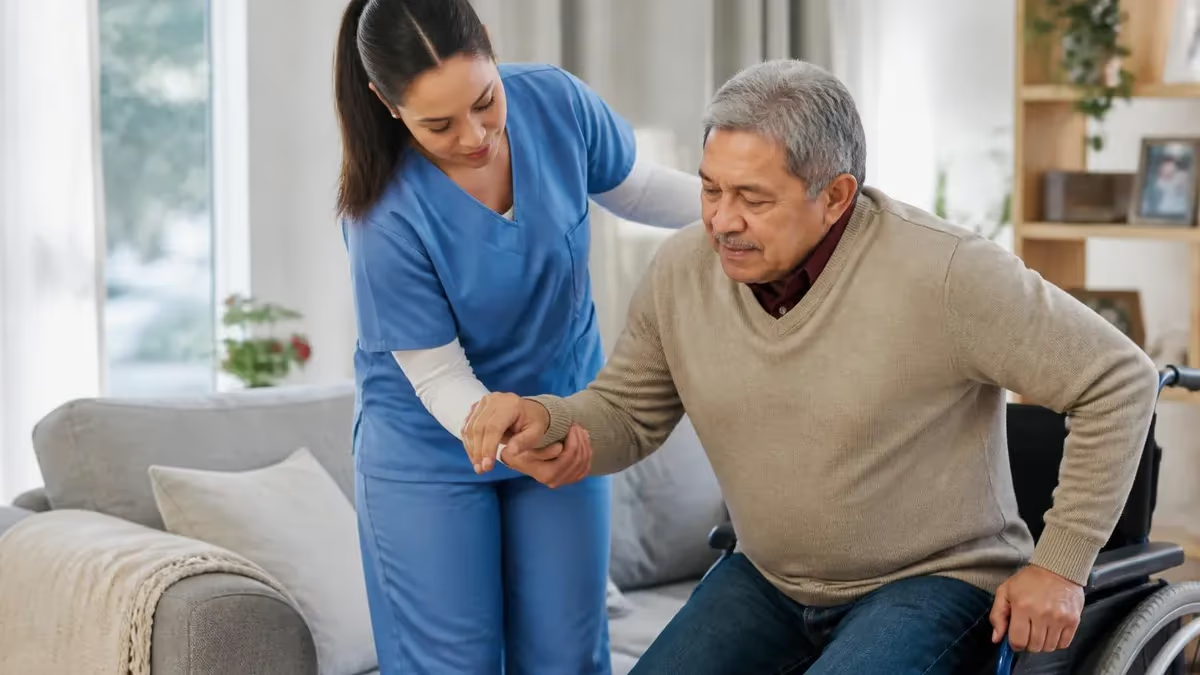
If you've been searching for a meaningful career in healthcare, understanding how to become a PCA — a Personal Care Assistant — is the first step toward a rewarding path that directly improves people's lives every single day. Much like pca skin products that nourish and protect, a Personal Care Assistant nourishes and protects the well-being of individuals who need daily support. The demand for PCAs is growing rapidly across every U.S. state, and the barriers to entry are lower than most healthcare roles, making it an accessible and fulfilling career choice.
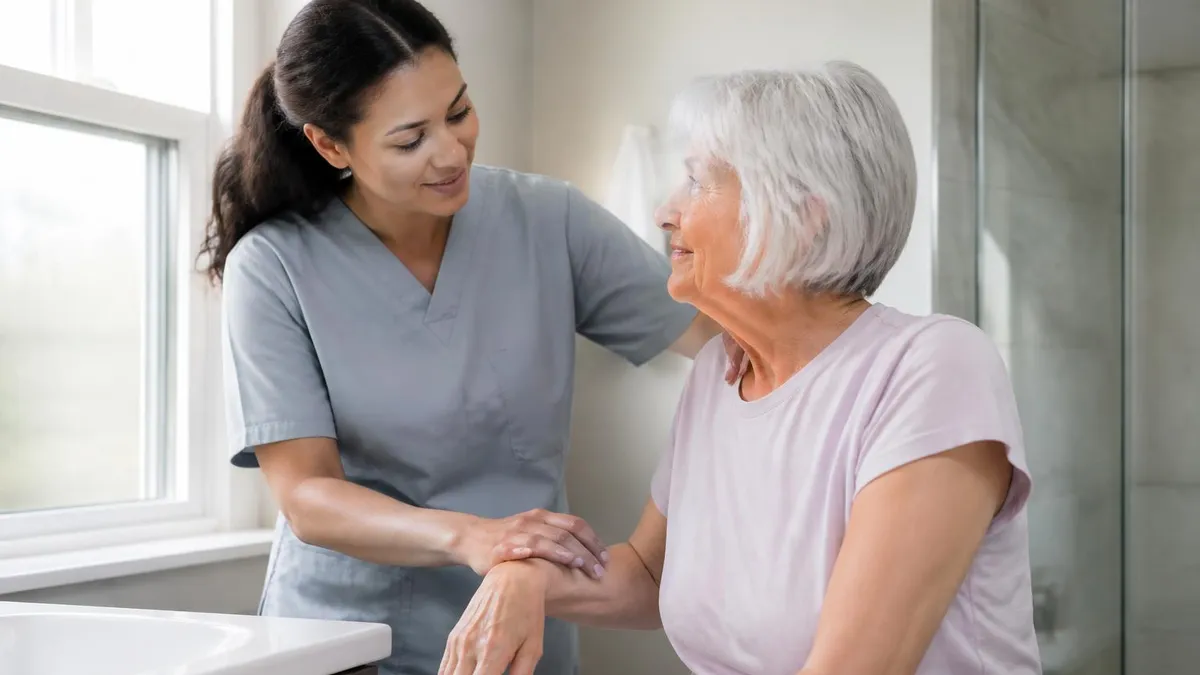
The pca meaning extends well beyond a simple job title. A Personal Care Assistant provides hands-on support to elderly individuals, people with disabilities, and those recovering from illness or surgery. The role encompasses assistance with activities of daily living such as bathing, dressing, meal preparation, light housekeeping, and companionship. Understanding what is a pca before you begin training helps you determine whether the role aligns with your strengths, values, and long-term goals in the caregiving field.
From a pca medical perspective, this role sits at the intersection of compassionate caregiving and foundational clinical support. While PCAs are not licensed nurses, they often work alongside registered nurses, home health aides, and other medical professionals within a coordinated care team. Some PCAs work in private homes, while others are employed by assisted living facilities, adult day programs, hospitals, or agencies that specialize in placing caregivers with clients who need ongoing support.
The training requirements to become a PCA vary by state, but most programs are short, affordable, and designed to get you working quickly. Many states require between 40 and 120 hours of combined classroom instruction and supervised practical training. Some states have no formal training mandate at all, allowing employers to set their own standards. Regardless of the minimum requirement in your state, completing a recognized training program significantly improves your employability and prepares you to handle the real challenges you'll face on the job.
Certification is another important consideration. While not universally required, earning a PCA certification demonstrates competence to employers and clients alike. Organizations such as the National Association for Home Care and Hospice (NAHC) and various state-specific bodies offer credentials that can boost your résumé. Passing a certification exam typically requires demonstrating knowledge of safety procedures, client rights, infection control, basic nutrition, and emergency response protocols — all skills covered in quality training programs.
The career outlook for Personal Care Assistants is exceptionally strong. According to the U.S. Bureau of Labor Statistics, employment in home health and personal care aide roles is projected to grow by 22 percent through 2032, far outpacing the average for all occupations. This growth is driven by the aging Baby Boomer population, the preference for aging in place, and ongoing shifts in how the U.S. healthcare system delivers long-term care services.
Whether you're entering the workforce for the first time, transitioning from another career, or looking to advance within the healthcare field, becoming a PCA offers a clear and structured path. This guide walks you through every step — from understanding the role and meeting state requirements, to completing training, finding your first job, and building a lasting career in personal care assistance. If you want to explore job opportunities alongside this guide, check out how to become a pca for a detailed look at the job market.
PCA Career by the Numbers
Step-by-Step Path to Becoming a PCA
Meet Basic Eligibility Requirements
Enroll in a PCA Training Program
Complete Clinical Hours and Skills Practice
Pass the Certification Exam (If Required)
Apply for Jobs and Get Hired
Pursue Continuing Education and Advancement
Understanding the full scope of PCA training and education requirements is essential before you commit to a program. Unlike many healthcare careers that demand years of college, becoming a Personal Care Assistant typically requires just weeks of focused preparation. However, the quality and comprehensiveness of that preparation matters enormously — both for passing any required certification exam and for performing your job safely and competently when you're working directly with vulnerable clients.
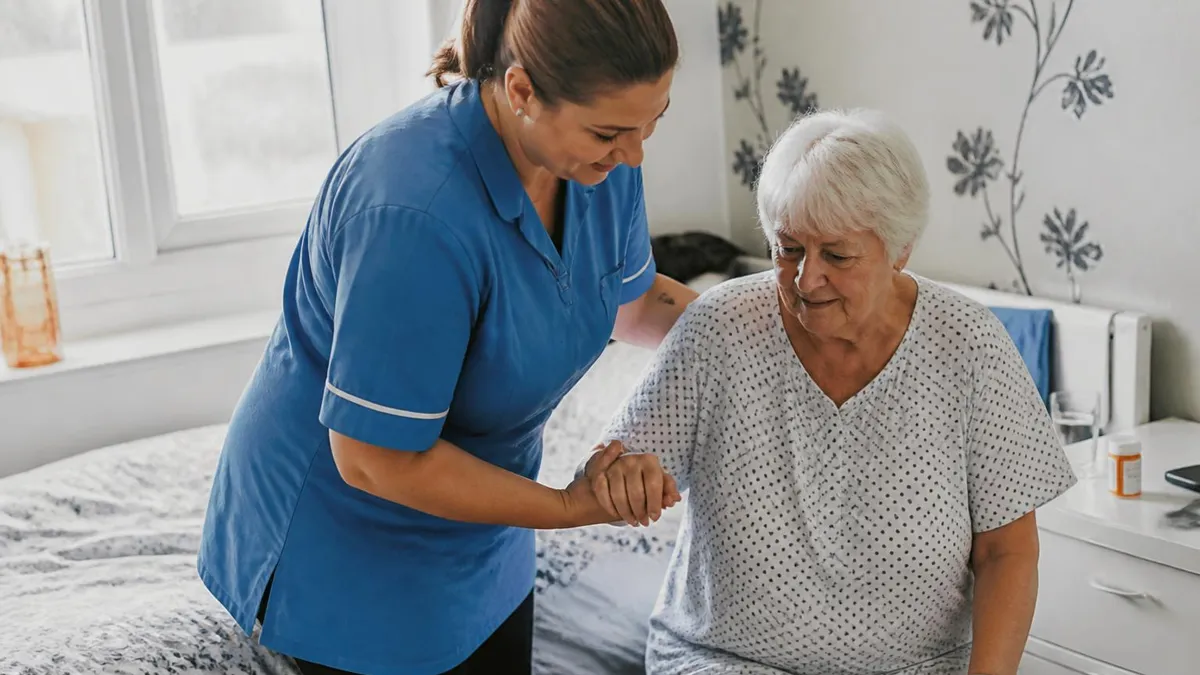
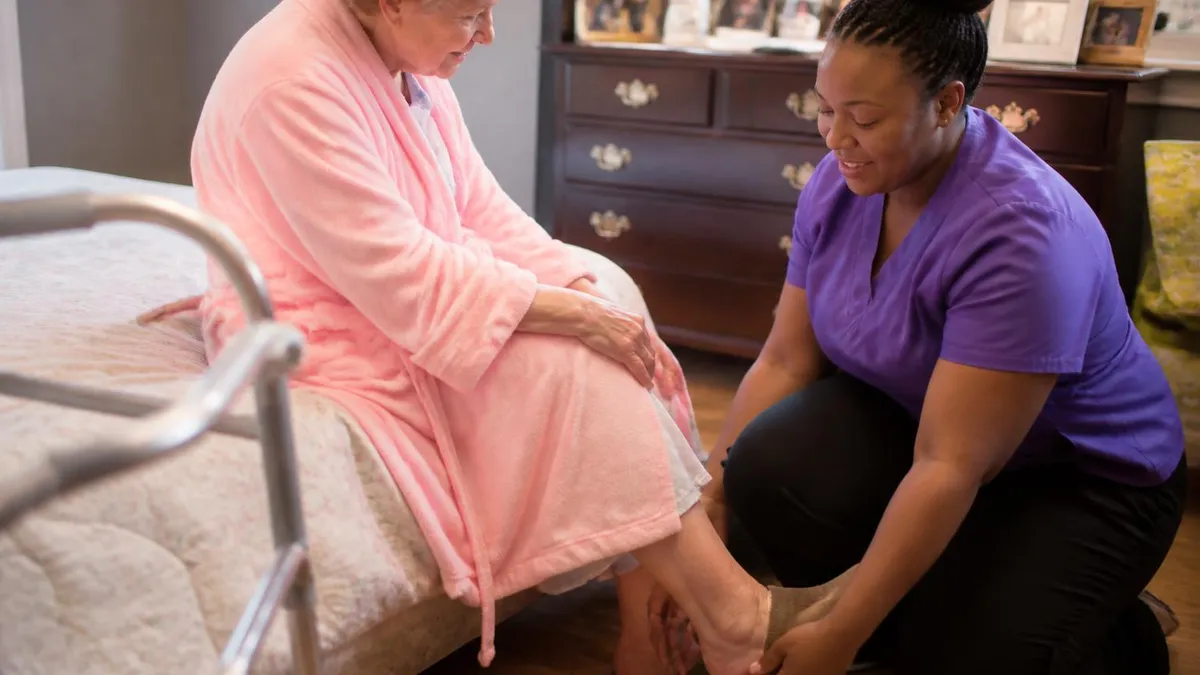
Most state-approved PCA training programs cover a standardized set of core competencies. These include personal hygiene assistance (bathing, grooming, and oral care), mobility and transfer techniques using proper body mechanics, nutrition and meal preparation for clients with dietary restrictions, medication reminders and documentation practices, infection control and universal precautions, and client communication and dignity preservation. Programs that skip or rush through these topics leave new PCAs underprepared for the realities of client care.
From a pca medical knowledge standpoint, trainees also learn foundational health monitoring skills such as recognizing signs of infection, pressure sores, dehydration, and changes in mental status that should be reported to a supervising nurse or care coordinator. This medical awareness is critical because PCAs often spend more time with clients than any other care provider, making them the first line of defense when a client's health begins to change. Accurate observation and timely reporting are among the most valued skills a PCA can bring to the job.
When selecting a training program, look for state approval or accreditation from a recognized body. Community colleges, Red Cross chapters, vocational schools, and many private home care agencies offer approved programs. Online programs have become increasingly available and can be a flexible option for people with existing work or family obligations. However, any legitimate PCA training program must include an in-person or supervised hands-on skills component — clinical competency cannot be adequately developed through classroom instruction alone.
The cost of PCA training is generally low compared to other healthcare programs. Many community college programs cost between $200 and $800. Some home care agencies offer free or subsidized training in exchange for a commitment to work for the agency for a defined period after certification. Medicaid-funded training programs exist in several states, particularly for individuals who are already providing informal care to a family member. Exploring these options can significantly reduce or eliminate your out-of-pocket training expenses.
Beyond the initial training, the best PCAs commit to ongoing professional development. Many states require annual continuing education hours to maintain certification. Topics covered in continuing education often include updated infection control guidelines, dementia care best practices, fall prevention strategies, and mental health first aid. These refreshers keep your skills current and signal to employers that you take professional responsibility seriously — a quality that leads to better job assignments, higher hourly rates, and faster advancement.
It's also worth understanding how the PCA role differs from similar positions before you begin training. The pca meaning in a home care context is distinct from a Home Health Aide (HHA), a Certified Nursing Assistant (CNA), or a Companion Caregiver. PCAs generally have a broader scope of daily living assistance but may not perform clinical tasks like wound care or catheter management that are within the HHA or CNA scope. Clarifying these distinctions helps you choose the right training pathway and set appropriate career expectations from the outset.
PCA Certification: What You Need to Know
The written portion of the PCA certification exam tests your theoretical knowledge of caregiving principles, safety standards, and client rights. Questions typically cover infection control protocols, proper documentation procedures, emergency response procedures, nutrition basics, and the ethical and legal responsibilities of a care provider. Most exams consist of 50 to 100 multiple-choice questions, and a passing score of 70 to 75 percent is standard across most certification bodies.
Preparing for the written exam is straightforward if you use the right resources. Review your training materials thoroughly, focus on terminology related to pca medical knowledge areas, and use practice tests to identify weak spots before exam day. Many candidates report that working through 200 to 300 practice questions in the weeks before the exam is the single most effective preparation strategy. Aim to understand the reasoning behind each answer, not just memorize the correct choice.
Pros and Cons of Becoming a Personal Care Assistant
- +Low barriers to entry — training takes weeks, not years, and costs are manageable
- +Strong and growing job demand with 22% projected growth through 2032
- +Deeply meaningful work that directly improves clients' quality of life daily
- +Flexible scheduling options including part-time, full-time, and live-in arrangements
- +Clear advancement pathways toward HHA, CNA, or nursing roles
- +Opportunity to build close, long-term relationships with clients and their families
- −Median wages are relatively low at approximately $16 per hour nationally
- −Physical demands include lifting, bending, and standing for extended periods
- −Emotional stress from caring for clients with serious illness or cognitive decline
- −Irregular hours and on-call requirements are common in some agency settings
- −Limited benefits in some part-time or independent contractor positions
- −Client cancellations can result in lost income for independently contracted PCAs
PCA Certification Preparation Checklist
- ✓Verify your state's specific training hour requirements and approved program list.
- ✓Confirm you meet all eligibility requirements including age, education, and background check.
- ✓Enroll in a state-approved training program offered by a community college or accredited agency.
- ✓Complete all required classroom or online instructional hours with a passing grade.
- ✓Participate in all hands-on clinical skills labs and supervised practice sessions.
- ✓Obtain a current CPR and First Aid certification before your competency evaluation.
- ✓Review all training materials focusing on PCA medical knowledge, safety, and client rights.
- ✓Complete at least 200 to 300 practice exam questions to reinforce written exam readiness.
- ✓Practice all required clinical skills with a partner until each technique is fluid and safe.
- ✓Submit your exam application with all required documentation and fees on time.
Practice Tests Are Your Best Preparation Tool
Research consistently shows that candidates who complete 200 or more practice questions before their PCA certification exam pass at significantly higher rates than those who rely solely on reviewing notes. Practice tests identify knowledge gaps early, build familiarity with question formats, and reduce test anxiety — giving you a decisive edge on exam day.
Understanding PCA salary, benefits, and career growth prospects is just as important as knowing the training requirements. When people research pca stats for this career, they often find wide variation in compensation depending on the state, employer type, client population, and whether the PCA is employed through an agency or works as an independent contractor. Getting clear on these numbers before you start training helps you set realistic expectations and make informed decisions about where and how you want to build your career.
According to the U.S. Bureau of Labor Statistics, the median hourly wage for home health and personal care aides was approximately $16.07 in 2024, translating to a median annual salary of around $33,400 for full-time workers. However, this figure masks significant geographic variation. PCAs in states like California, Massachusetts, Washington, and New York routinely earn $18 to $22 per hour or more, reflecting both higher state minimum wages and stronger union presence in the home care sector. In contrast, PCAs in southeastern states may earn closer to $12 to $14 per hour.
Benefits vary widely based on employment type. PCAs employed full-time through larger home care agencies or hospital systems often receive health insurance, paid time off, retirement plan contributions, and continuing education reimbursement. Part-time and independent contractor PCAs typically receive fewer or no employer-sponsored benefits, which means you need to budget for your own health coverage, taxes, and retirement savings. When evaluating job offers, factor in the full compensation package — not just the hourly rate.
Career advancement is one of the most compelling aspects of starting as a PCA. The credential serves as an entry point into healthcare, and many employers actively support upward mobility. With additional training — often subsidized by your employer — you can advance to Home Health Aide (HHA), which carries a slightly broader clinical scope and typically higher pay. From there, many HHAs pursue Certified Nursing Assistant (CNA) certification, which opens doors to hospital, skilled nursing facility, and clinic settings with significantly higher wages and more structured career ladders.
Some PCAs pursue specialization rather than upward mobility in the traditional clinical sense. Specializing in dementia and Alzheimer's care, pediatric home care, traumatic brain injury support, or hospice and palliative care can significantly increase your earning potential and marketability. Specialized PCAs often command premium hourly rates of $20 to $30 or more, particularly when working with complex clients who require highly skilled personal care and behavioral management techniques.
From a pca skincare analogy standpoint — just as investing in quality products like a pca hydrating toner yields long-term skin health benefits, investing in your professional development as a PCA yields compounding career returns over time. The more skills, certifications, and specializations you accumulate, the more valuable and in-demand you become in an already tight labor market. Employers actively compete for experienced, credentialed PCAs, especially in high-acuity home care settings.
Job satisfaction among PCAs is another consideration worth examining. While the work can be physically and emotionally demanding, surveys of home care workers consistently report high levels of personal fulfillment. The ability to make a tangible daily difference in a client's life — helping someone maintain independence, dignity, and quality of life at home — is a powerful motivator that keeps many PCAs in the field for years. For people who are drawn to caregiving, the intrinsic rewards often outweigh the financial limitations of entry-level positions.
All states require some form of criminal background check for PCAs, and many participate in the federal National Background Check Program (NBCP) for home care workers. Certain convictions — particularly those involving abuse, neglect, exploitation, or drug offenses — may permanently disqualify you from working as a PCA in some states. Check your state's specific disqualifying offense list before investing in training to confirm your eligibility.
State-by-state PCA requirements represent one of the most confusing aspects of entering this career, and it's critical to get the details right before you enroll in training or apply for jobs. Because personal care assistance is regulated primarily at the state level — with additional layers added by Medicaid programs, county agencies, and individual employers — the rules can differ dramatically depending on where you live. What qualifies you to work as a PCA in Texas may not meet the requirements in Minnesota or New York.
Let's look at some representative examples. In Minnesota, PCAs who provide services funded through Medicaid waiver programs must complete a state-approved PCA training curriculum of at least 75 hours, pass a competency evaluation, and be registered in the state's provider registry. Minnesota's program is one of the most structured in the country and reflects the state's strong investment in community-based long-term care. Employers there are legally required to verify registry status before placing a PCA with a Medicaid client.
California takes a different approach. The state's In-Home Supportive Services (IHSS) program, which is the largest publicly funded home care program in the U.S., does not mandate formal training for PCAs. Instead, it relies on consumer-directed models where clients have significant authority to hire and supervise their own care providers. However, California PCAs working for licensed home care agencies are subject to agency-specific training requirements, and many agencies require completion of a competency course as a condition of employment regardless of state mandates.
Massachusetts has historically maintained strong training standards for PCAs funded through its Medicaid program, MassHealth. The state requires completion of a 75-hour PCA training program offered through a consumer-directed program or agency. Massachusetts also operates a PCA quality home care workforce council that sets training standards and supports ongoing education for home care workers. The council's programs are widely regarded as a model for other states seeking to improve PCA workforce quality and consistency.
In Florida, PCAs working with elderly clients through the Agency for Health Care Administration must meet background screening requirements and complete a training program that addresses the specific needs of the elderly population. Florida's requirements are particularly focused on working with clients who have cognitive impairments, given the state's large population of older adults with Alzheimer's disease and related dementias. Florida PCAs who specialize in memory care often complete additional training beyond the state minimum.
Understanding these state differences is not just an academic exercise — it has real consequences for your career mobility. If you're trained and certified in one state and want to move to another, you may need to complete additional training or re-test to meet the new state's requirements. Some states have reciprocity agreements that allow you to transfer credentials more easily, while others require you to start the process from scratch. Planning for geographic mobility from the outset of your career helps you choose training programs and certifications with the broadest possible transferability.
For the most authoritative and current information on your state's PCA requirements, consult your state's Department of Health, Department of Human Services, or Aging and Disability Services agency. These agencies maintain updated guidance documents and lists of approved training providers. Many state agencies also have dedicated phone lines or email contacts specifically for home care workforce inquiries, making it relatively easy to get direct answers to your specific questions.
If you're ready to start exploring actual job listings and employer requirements in your area, a detailed look at how to become a pca will walk you through the job market, salary negotiation, and how to evaluate whether a specific employer or agency is the right fit for your career goals.
Once you've completed your training and passed any required certification exams, the practical work of building a successful PCA career begins. Many new PCAs feel a gap between what they learned in training and what they encounter in real client situations, and that's completely normal. The first few months on the job are an intense learning curve, and the strategies you use during that period can significantly shape the trajectory of your career. Approaching this phase with intentionality makes a real difference.
Your first priority as a new PCA should be mastering the art of client communication. Every client is different — different preferences, different medical histories, different personality styles, and different comfort levels with receiving care. Taking time at the beginning of each relationship to ask questions, listen carefully, and adapt your approach to the individual builds the trust that makes all subsequent care easier and more effective. Clients who feel respected and heard are more cooperative, more likely to disclose concerns about their health, and more likely to give you positive references that advance your career.
Documentation discipline is another critical practical skill that new PCAs sometimes underestimate. Accurate, timely, and thorough documentation of the care you provide protects both you and your clients. It ensures continuity of care when other providers are involved, provides a legal record of services delivered, and helps care coordinators identify trends in a client's health or behavior. Most agencies now use electronic visit verification (EVV) systems that record your clock-in and clock-out times and link to care plan documentation — familiarize yourself with your employer's specific system as quickly as possible.
Building a strong professional network within your first year as a PCA pays dividends throughout your career. Get to know the nurses, social workers, occupational therapists, and care coordinators you work alongside. These professionals can provide mentorship, refer you to better job opportunities, and advocate for your advancement when appropriate positions open up. In home care specifically, professional visibility within your agency or network is often the primary driver of who gets the best client assignments, the most consistent hours, and the first opportunities for advancement.
Physical self-care is non-negotiable for PCAs who want long careers in the field. Back injuries are the most common occupational hazard for home care workers, and many are preventable with proper body mechanics, appropriate assistive equipment, and a commitment to never attempting unsafe lifts alone. Always use gait belts, mechanical lifts, and transfer boards when appropriate. Be vocal with your employer and clients about the need for proper equipment, and do not allow client preferences or time pressure to override safe transfer protocols. A single back injury can end your career or require months of recovery.
Emotional resilience is equally important. PCAs regularly experience client health declines, hospitalizations, and deaths. Building healthy emotional processing habits — whether through peer support groups, professional counseling, religious or spiritual practice, or meaningful hobbies outside of work — is essential for long-term sustainability in caregiving. Many experienced PCAs describe the ability to grieve the loss of clients while continuing to show up fully for the next client as one of the most important skills they've developed over the course of their careers.
Finally, stay current with your continuing education requirements and proactively seek out additional training opportunities. Employers notice PCAs who invest in their own professional growth, and that visibility translates into better assignments, higher wages, and faster advancement. Whether you ultimately want to specialize in a particular care population, move into supervisory roles, or use your PCA experience as a foundation for further education in nursing or allied health, the habits you build in your first years on the job will define the ceiling of your career in this deeply important field.
PCA Questions and Answers
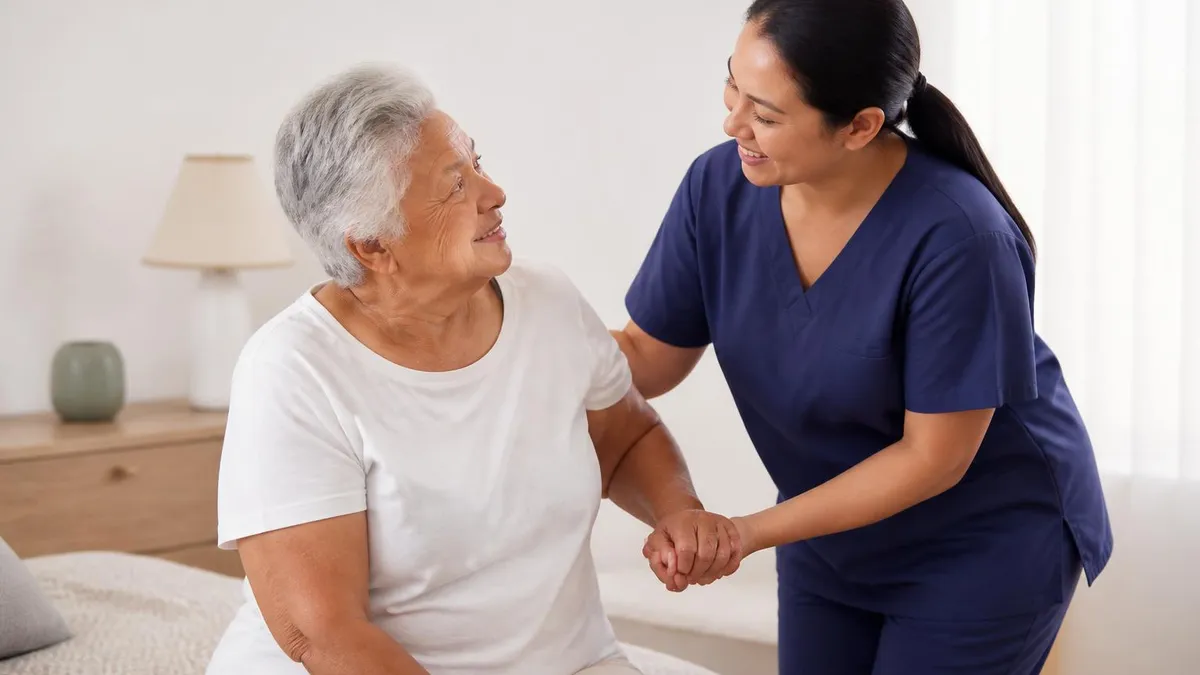
PCA Jobs: What They Pay, Where to Find Them, and How to Start
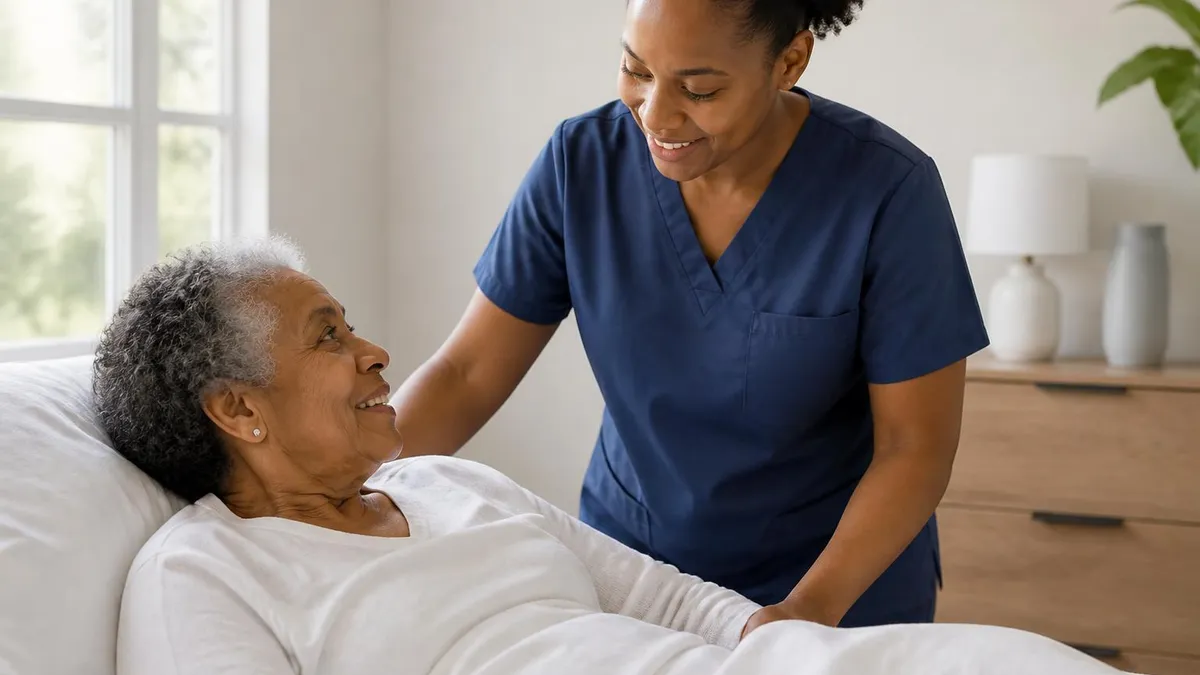
What Does a PCA Do? Complete Guide to Personal Care Assistant Duties and Daily Responsibilities
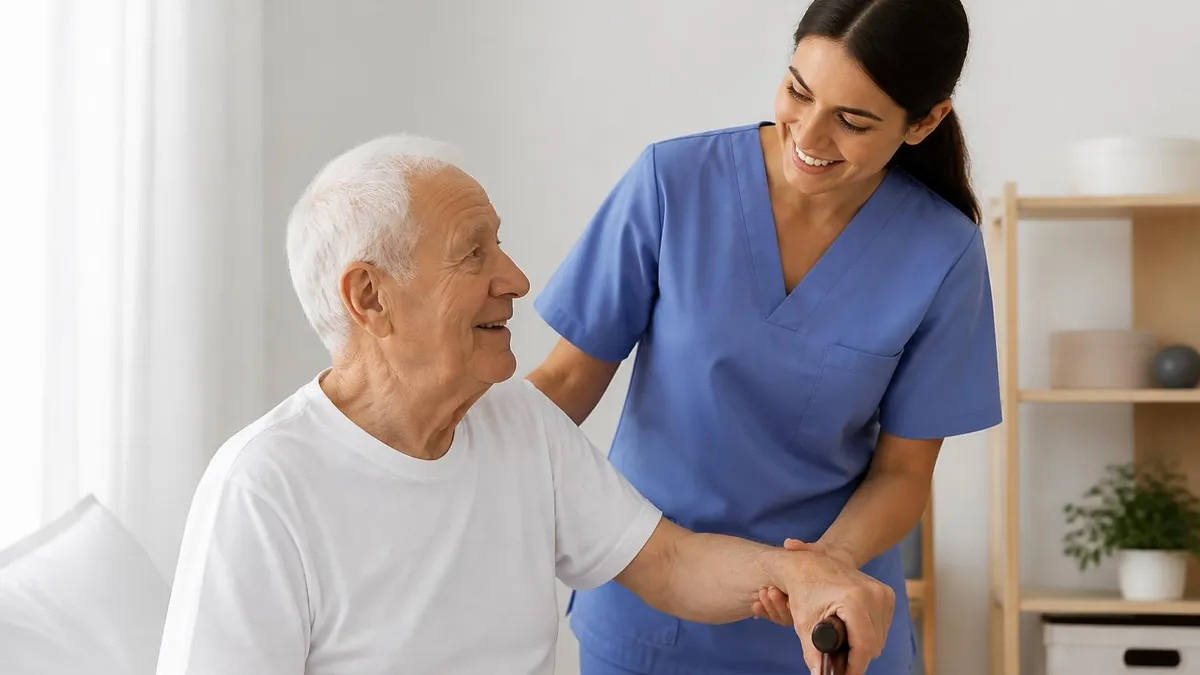
Personal Care Assistant Job Description: Complete Guide to PCA Duties, Skills, and Responsibilities in 2026
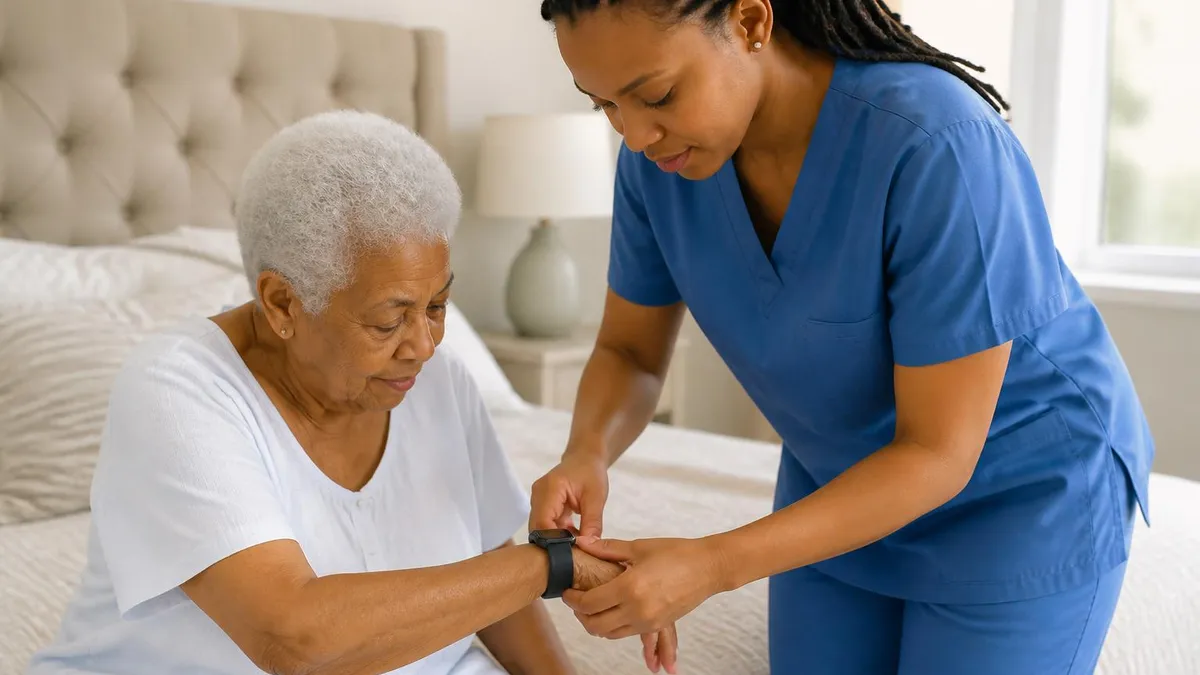
Difference Between PCA and HHA: Complete Career Comparison Guide for 2026
PCA Agencies: Complete Guide to Choosing the Right Personal Care Assistant Agency in 2026
About the Author

Registered Nurse & Healthcare Educator
Johns Hopkins University School of NursingDr. Sarah Mitchell is a board-certified registered nurse with over 15 years of clinical and academic experience. She completed her PhD in Nursing Science at Johns Hopkins University and has taught NCLEX preparation and clinical skills courses for nursing students across the United States. Her research focuses on evidence-based exam preparation strategies for healthcare certification candidates.