

PWR Practice Test
Updated for September 2026Parkinson's disease is a progressive neurological disorder that affects millions of people worldwide, leading to symptoms such as tremors, stiffness, and difficulty with movement and coordination. Managing Parkinson’s disease requires a comprehensive approach that incorporates medication, therapy, and lifestyle changes. One key aspect of managing Parkinson’s disease is improving movement and maintaining physical function. The Parkinson’s Wellness Recovery (PWR) Moves Certification is designed to help healthcare providers, physical therapists, and fitness professionals integrate exercise into the treatment plan for Parkinson’s patients, improving mobility, balance, and overall well-being.
PWR Moves is a specialized exercise program specifically created for individuals with Parkinson’s disease. The certification allows professionals to become proficient in teaching these exercises, which are designed to combat the motor symptoms associated with Parkinson’s, such as rigidity, bradykinesia (slowness of movement), and postural instability. This article will explore the PWR Moves Certification, its benefits, and how it enhances the ability of healthcare providers and fitness professionals to offer effective, evidence-based interventions for individuals with Parkinson’s disease.
Key Takeaways
Parkinson’s Wellness Recovery (PWR) Moves Certification trains healthcare professionals to use a research-based exercise program designed for people with Parkinson’s disease.
The PWR Moves program is designed to target motor symptoms, such as stiffness and slowness, as well as improve overall mobility and quality of life.
Certification involves learning therapeutic exercises and movement strategies that focus on maximizing mobility, strength, balance, and flexibility.
PWR Moves offers an evidence-based approach to Parkinson’s disease management, empowering individuals to take an active role in their own care.
Certified professionals are better equipped to address Parkinson’s-specific symptoms through tailored exercise regimens that promote health, function, and well-being.
PWR Practice Test Questions
Prepare for the PWR - Parkinson's Wellness Recovery Moves Certification exam with our free practice test modules. Each quiz covers key topics to help you pass on your first try.
PWR Client Assessment & Progress Monitoring
PWR Exam Questions covering Client Assessment & Progress Monitoring. Master PWR Test concepts for certification prep.
PWR Clinical Procedures & Techniques
Free PWR Practice Test featuring Clinical Procedures & Techniques. Improve your PWR Exam score with mock test prep.
PWR Documentation & Legal Standards
PWR Mock Exam on Documentation & Legal Standards. PWR Study Guide questions to pass on your first try.
PWR Functional Mobility & Movement Strategies
PWR Test Prep for Functional Mobility & Movement Strategies. Practice PWR Quiz questions and boost your score.
PWR Neurological Rehabilitation Techniques
PWR Questions and Answers on Neurological Rehabilitation Techniques. Free PWR practice for exam readiness.
PWR Parkinson’s Disease-Specific Exercise ...
PWR Mock Test covering Parkinson’s Disease-Specific Exercise Protocols. Online PWR Test practice with instant feedback.
PWR Parkinson's Disease-Specific Exercise ...
Free PWR Quiz on Parkinson's Disease-Specific Exercise Protocols. PWR Exam prep questions with detailed explanations.
PWR Patient Assessment & Care Planning
PWR Practice Questions for Patient Assessment & Care Planning. Build confidence for your PWR certification exam.
PWR Communication & Patient Education
PWR Test Online for PWR Communication & Patient Education. Free practice with instant results and feedback.
PWR Exercise Program Design & Progression
PWR Study Material on PWR Exercise Program Design & Progression. Prepare effectively with real exam-style questions.
Understanding Parkinson’s Wellness Recovery (PWR) Moves
PWR Moves is a program developed by Dr. Becky Farley, a leading researcher and physical therapist, to help people with Parkinson’s disease combat the motor challenges associated with the condition. The program uses exercise and movement strategies that focus on overcoming common movement deficits found in Parkinson’s patients, including:
Rigidity: Muscle stiffness that limits mobility.
Bradykinesia: Slowness of movement, which can impact daily tasks and physical function.
Postural Instability: A tendency to lose balance and fall, particularly when changing positions or walking.
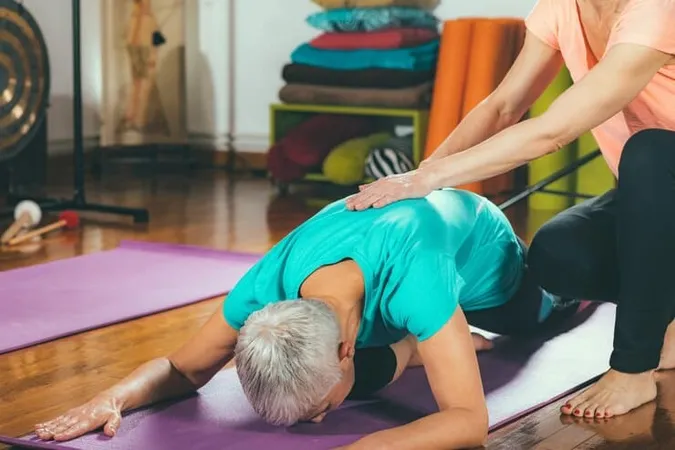
The PWR Moves program incorporates a variety of exercises that encourage functional movement patterns and promote neuroplasticity—the brain's ability to reorganize and form new neural connections. Key features of PWR Moves include:
Targeted Exercise: Movements specifically designed to address the symptoms of Parkinson’s disease, including flexibility exercises, strength training, and balance improvement.
Neuroplasticity Focus: Exercises that encourage motor learning and neural adaptation, supporting improvements in brain function.
Functional Movement: The program emphasizes exercises that help individuals perform daily tasks more easily, such as standing up from a chair, walking, and reaching.
Safety and Accessibility: PWR Moves can be adapted for people at different stages of Parkinson’s disease, making it suitable for both newly diagnosed individuals and those with advanced symptoms.
PWR Moves has shown to be effective in improving the quality of life for individuals with Parkinson’s disease by helping them regain independence, improve physical function, and reduce the risk of falls.
- ✓Review the official PWR exam content outline
- ✓Take a diagnostic practice test to identify weak areas
- ✓Create a study schedule (4-8 weeks recommended)
- ✓Focus on your weakest domains first
- ✓Complete at least 3 full-length practice exams
- ✓Review all incorrect answers with detailed explanations
- ✓Take a final practice test 1 week before exam day
Eligibility and Prerequisites
How to Obtain Parkinson’s Wellness Recovery (PWR) Moves Certification
The PWR Moves Certification is available to healthcare professionals, fitness instructors, physical therapists, occupational therapists, and other movement professionals who work with individuals affected by Parkinson’s disease. To be eligible for certification, candidates should have:
A background in physical therapy, occupational therapy, or fitness training.
Experience working with people with Parkinson’s disease or other neurological conditions (preferred but not required).
A passion for supporting individuals with Parkinson’s in achieving better mobility and quality of life.
Certification Process
Complete Training:
Candidates must attend the PWR Moves certification training course, which is typically offered as an in-person workshop or an online course. The training covers a wide range of topics, including the pathophysiology of Parkinson’s disease, the principles of movement therapy, and specific exercises for improving mobility and motor function.Master PWR Moves Techniques:
Training involves learning specific exercises designed to target Parkinson’s symptoms. The exercises are tailored to improve flexibility, strength, posture, and coordination. Participants also learn how to modify exercises based on individual abilities and needs.Application of Skills:
During the certification process, candidates are required to demonstrate their ability to teach PWR Moves exercises to patients. This includes ensuring safety during exercises and effectively explaining the movements to individuals with varying levels of Parkinson’s symptoms.Pass the Exam:
After completing the training, candidates must pass a written exam to assess their understanding of the PWR Moves program, as well as a practical exam that tests their ability to lead exercise classes and tailor movements to individual needs.
Certification Award:
Upon successfully completing the training and exams, candidates receive the PWR Moves Certification. This credential qualifies professionals to lead PWR Moves classes and provide individual instruction to patients with Parkinson’s disease.
Continuing Education:
To maintain certification, professionals are required to engage in ongoing education and attend workshops or courses to stay updated on new research and developments related to Parkinson’s disease management.
Benefits of PWR Moves Certification
Improved Patient Outcomes: PWR Moves helps individuals with Parkinson’s disease maintain their independence and improve mobility, reducing the impact of motor symptoms on their daily lives.
Enhanced Professional Credibility: Certification demonstrates a commitment to excellence and specialized knowledge in Parkinson’s disease management, setting certified professionals apart from their peers.
Increased Career Opportunities: PWR Moves certification opens doors to opportunities in clinics, rehabilitation centers, fitness centers, and private practice, allowing professionals to diversify their career options.
Networking and Support: Certified professionals gain access to a network of other experts in the field, enabling collaboration, support, and shared learning.
Patient Empowerment: The PWR Moves program empowers individuals with Parkinson’s to take an active role in their health and recovery by offering a structured, research-based approach to movement therapy.
Challenges in Parkinson’s Disease Management and How PWR Moves Helps
Progressive Symptoms: As Parkinson’s disease progresses, patients experience increasing difficulty with movement and balance. PWR Moves offers targeted exercises that address these symptoms and help patients maintain functional independence.
Motivation and Engagement: Staying active can be difficult for individuals with Parkinson’s, as they may feel discouraged by their symptoms. The structured and accessible approach of PWR Moves encourages patients to stay engaged and active.
Lack of Specialized Programs: Many individuals with Parkinson’s disease have limited access to specialized programs tailored to their unique needs. PWR Moves provides a certified and evidence-based solution to this gap in care.
Customization Needs: Each individual with Parkinson’s experiences different symptoms and challenges. PWR Moves training teaches professionals how to customize exercises for each patient's unique needs, ensuring effective and safe participation.
PWR Moves provides an invaluable tool for healthcare providers and fitness professionals to address these challenges and offer personalized, effective solutions for Parkinson’s patients.
Health educators pursuing NCHEC certification can prepare with our free CHES Certified Health Education Specialist practice test — covering needs assessment, planning, implementation, evaluation, and professional development.
FICEP candidates often also prepare with our CASAC practice test for overlapping addiction counseling and recovery support credential content.
CMRP certified maintenance and reliability candidates often also prepare with our CFM practice test for the facility management and equipment reliability fundamentals both certifications share.
Salesforce professionals expanding their IT certification portfolio often also prepare with the Cisco CCNA Practice Test 2026 to round out their technical credentials.
PWR: Pros and Cons
- +PWR certification validates expertise recognized by employers nationwide
- +Certified professionals typically earn 15-20% higher salaries
- +Opens doors to advanced positions and leadership roles
- +Demonstrates commitment to professional standards and ethics
- +Builds a strong professional network through certification communities
- −Exam preparation typically requires 2-4 months of dedicated study
- −Certification and exam fees can range from $150-$500+
- −Must complete continuing education to maintain active certification
- −Pass rates vary — thorough preparation is essential for success
- −Some certifications require prerequisite experience or education
PWR Questions and Answers
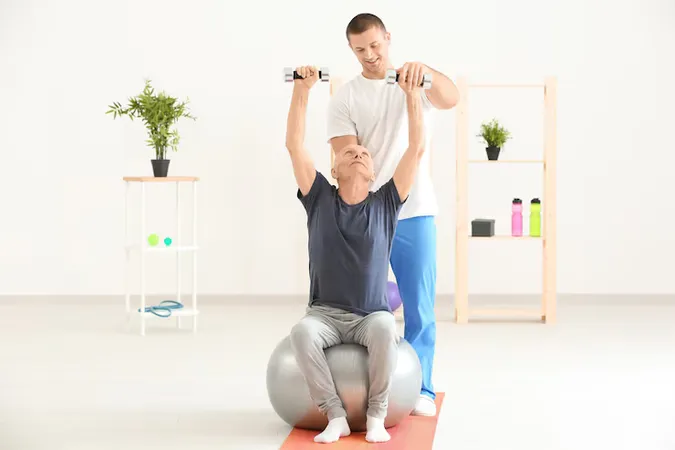
About the Author

Certified Professional Development Expert & Niche Certification Advisor
University of Pennsylvania Graduate School of EducationDr. Alexandra Kim holds a PhD in Professional Studies from the University of Pennsylvania and is a Certified Professional in Learning and Performance (CPLP) and Certified Professional in Talent Development (CPTD). With 17 years of corporate training and professional certification advisory experience, she helps professionals navigate specialized, emerging, and cross-industry certification programs.
Join the Discussion
Connect with other students preparing for this exam. Share tips, ask questions, and get advice from people who have been there.
View discussion (7 replies)