
PALS Recertification Online: Complete 2026 September Renewal Guide
⏳ PALS recert online guide for 2026 September. Compare AHA-aligned courses, costs, study schedules, and free practice questions to renew your PALS card fast.
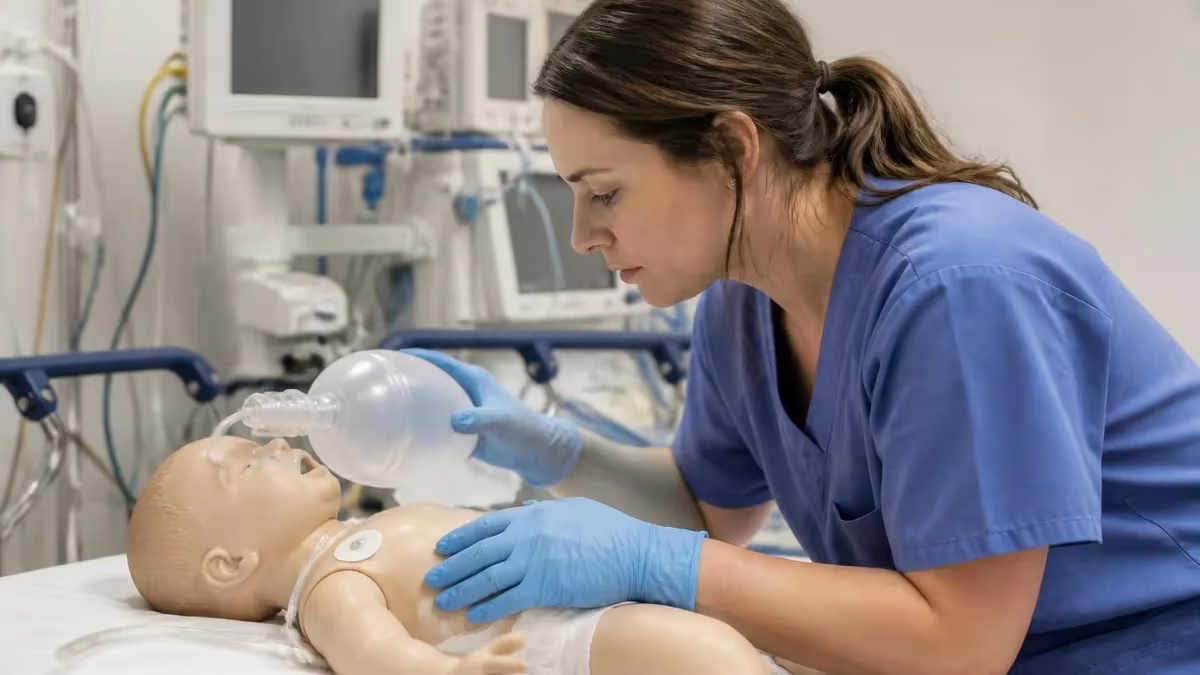
Completing your pals recert online has become the default path for busy pediatric nurses, emergency physicians, respiratory therapists, and paramedics who need to keep their two-year provider card active without losing a full workday to an in-person classroom. Online recertification combines self-paced video modules, interactive megacode simulations, and a final written exam that can be completed from any device with a stable internet connection. For most clinicians, the entire renewal cycle takes between three and six hours depending on prior experience and study habits.
The American Heart Association formally introduced HeartCode PALS as the blended-learning equivalent of its instructor-led course more than a decade ago, and in 2026 the program continues to dominate hospital credentialing requirements. HeartCode satisfies the cognitive portion entirely online, then routes the candidate to a skills check with a local AHA instructor or a voice-assisted manikin. Several non-AHA providers offer fully online alternatives that issue a wallet card on the same day for clinicians whose employers accept equivalent credentials.
Choosing the right path depends on three factors: which certifying body your employer recognizes, how much time has elapsed since your last card expired, and how confident you feel about the pediatric cardiac arrest algorithm, bradycardia and tachycardia management, post-arrest care, and the systematic approach. Most candidates who fail their first attempt do so because they skipped the rhythm recognition refresher, not because the cognitive exam is unusually difficult. Targeted practice is the highest-leverage prep activity.
This guide walks through every component of the online recertification process, including expected costs, day-of testing logistics, scoring thresholds, and the specific algorithms you must master before sitting for the final exam. You will also see how to leverage free practice question banks to identify weak topics in under thirty minutes, then build a focused study plan that closes those gaps before exam day. Read it through once, bookmark the sections relevant to your workflow, and return as your renewal deadline approaches.
Whether you are renewing for the first time after passing PALS as a new graduate or you are on your fifth two-year cycle as a charge nurse, the framework below applies. We will distinguish between true AHA HeartCode PALS, third-party courses that issue equivalent certificates, and predatory shortcuts that may leave you with a wallet card your hospital refuses to honor. The goal is a credential your employer accepts, completed in the least time, at the lowest reasonable cost.
One important note before you begin: providers whose cards have lapsed beyond a typical grace period may be required to enroll in the full initial PALS course rather than the abbreviated recertification module. Grace windows vary by training center, but the common standard is that a card expired by more than thirty days disqualifies you from the renewal pathway. Check with your employer's education department before paying for a renewal-only course if your card has already expired.
If you want a quick litmus test for readiness, try a free pediatric BLS or cardiac arrest question set right now. Scoring above eighty-five percent on a twenty-question quiz usually means you can complete recertification in a single sitting. Scoring below seventy percent signals that you should budget six to ten hours of structured review across one or two weeks before scheduling the cognitive exam.
PALS Recertification Online by the Numbers

Online PALS Recertification Requirements
Most training centers accept renewal candidates whose card is current or expired by less than 30 days. Beyond that grace window you must complete the full initial PALS course instead.
You need a desktop or laptop with current browser, stable broadband, working speakers or headphones, and a webcam for proctored exams. Tablets and phones are not officially supported by HeartCode.
You should be comfortable with pediatric vital sign ranges, ECG rhythm recognition, IV and IO access, and weight-based dosing. Recertification assumes you already learned these foundations during initial PALS.
Even fully online courses require an in-person or video skills verification with an AHA instructor or voice-assisted manikin. Schedule this before paying for the cognitive module to avoid delays.
Verify which certifying bodies your facility recognizes. Many hospitals require AHA HeartCode specifically; others accept ARC, ASHI, or equivalent provider courses. Confirm in writing before purchasing.
The online recertification workflow begins with account creation on the AHA eLearning platform or your chosen non-AHA provider. After payment, you receive immediate access to a series of self-paced modules covering the systematic approach, BLS quality metrics, recognition of respiratory distress and failure, shock states, cardiac rhythms requiring intervention, post-arrest care, and special considerations including toxic ingestions and trauma. Each module includes brief knowledge checks that must be passed before unlocking the next section.
After the cognitive modules, candidates enter the simulation phase. HeartCode uses adaptive megacode scenarios that present a pediatric patient case, prompt the learner to call out interventions in the correct sequence, and provide real-time feedback when an action falls outside the recommended algorithm. You can repeat scenarios until you achieve passing performance, which removes much of the pressure compared with a one-shot classroom megacode. Most learners need two to three attempts on the harder scenarios.
Once the simulations are complete, the platform unlocks a written exam consisting of approximately fifty multiple-choice questions. The exam is open book in the sense that no proctor watches you, but the AHA expects candidates to honor the honor code. You need eighty-four percent or higher to pass, and you receive two attempts before being required to repurchase the course. Most recertification candidates finish the exam in thirty to forty-five minutes.
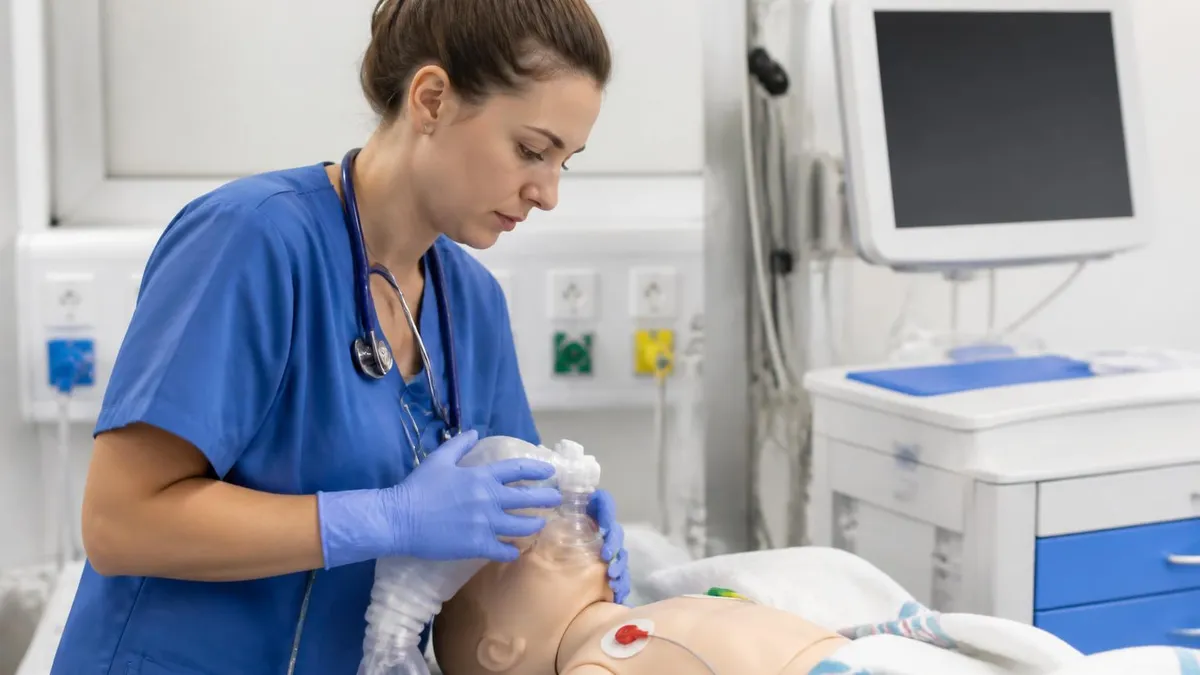
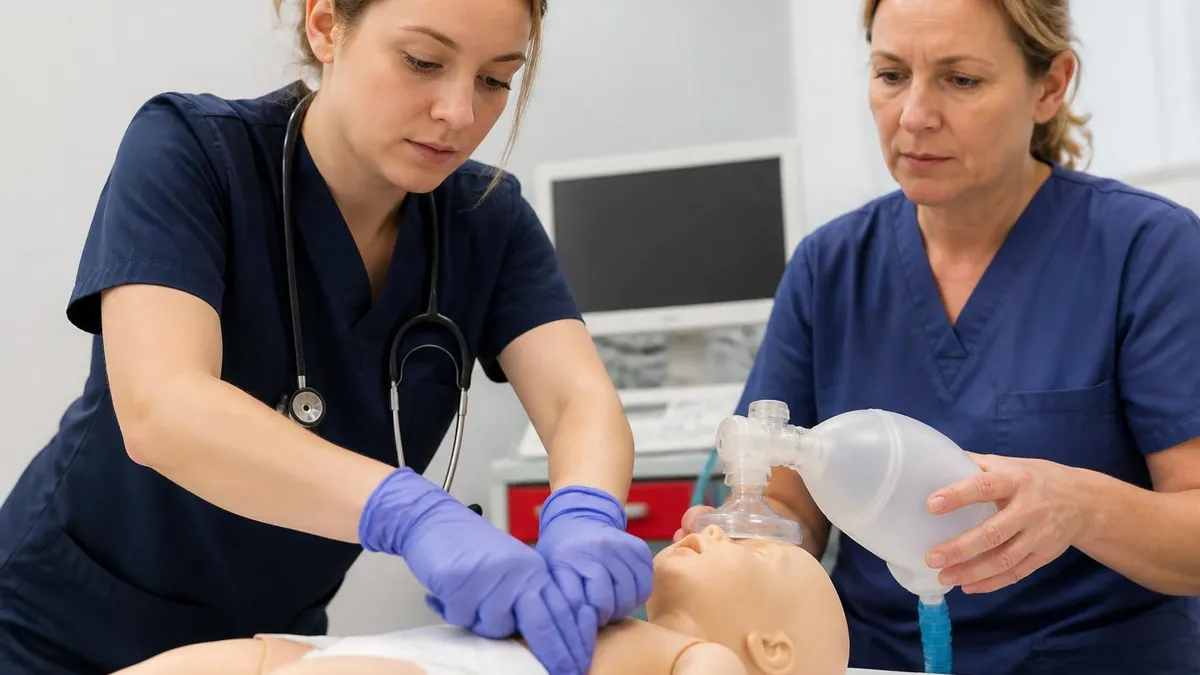
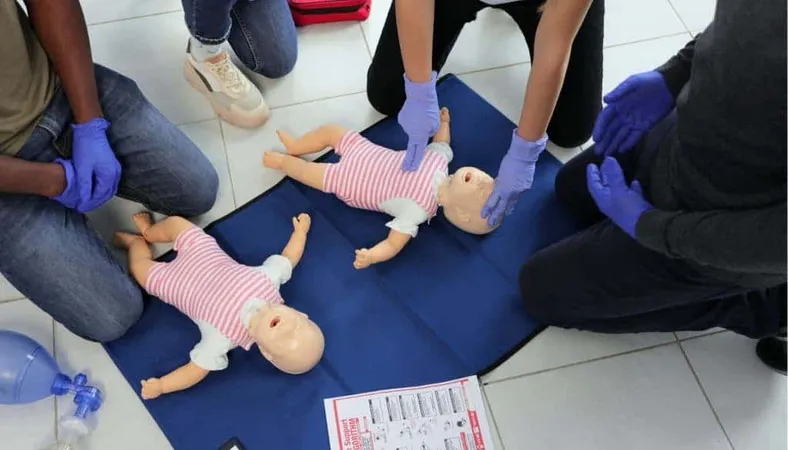
The final required step is the skills verification, sometimes called the skills check or hands-on session. AHA permits two formats: an in-person session with an authorized instructor at a training center or hospital, or a remotely supervised session using a voice-assisted manikin such as the RQI cart that many large health systems have already deployed. During skills verification you demonstrate high-quality compressions, bag-mask ventilation, AED or defibrillator pad placement, and lead a brief megacode as team leader.
Pricing varies meaningfully by provider and region. AHA HeartCode PALS itself runs about one hundred fifty to one hundred eighty dollars, and the skills session adds another forty to seventy-five dollars depending on whether your employer covers it. Non-AHA online providers advertise prices as low as one hundred twenty-five dollars including a card, but these are not interchangeable with AHA cards in most hospital credentialing systems. Always confirm acceptance before paying.
For a deeper walk-through of the curriculum itself, including the rhythm recognition standards and pharmacology updates that appear on the exam, the companion PALS online course guide covers content depth in detail. Recertification candidates who feel rusty should review that material before launching HeartCode, because the platform itself assumes you remember most of the foundational content from your initial training. Skipping that review is the most common reason candidates fail the cognitive exam on their first attempt.
Time-wise, plan on four to six hours total for a confident recertification candidate, and seven to ten hours if you have not actively used pediatric resuscitation skills in the past two years. The modules themselves total roughly two and a half hours of video. Megacodes add another hour. Exam preparation through practice questions adds two to four hours for most candidates, depending on baseline knowledge and how quickly you can identify and close gaps in algorithm fluency.
PALS Practice Test Questions
Prepare for the PALS - Pediatric Advanced Life Support exam with our free practice test modules. Each quiz covers key topics to help you pass on your first try.
PALS Cardiac Arrest
PALS Exam Questions covering Cardiac Arrest. Master PALS Test concepts for certification prep.
PALS Tachycardia
Free PALS Practice Test featuring Tachycardia. Improve your PALS Exam score with mock test prep.
PALS - Pediatric Advanced Life Support Bra...
PALS Mock Exam on - Pediatric Advanced Life Support Bradycardia With a Pulse. PALS Study Guide questions to pass on your first try.
PALS - Pediatric Advanced Life Support Car...
PALS Test Prep for - Pediatric Advanced Life Support Cardiac Arrest Algorithm. Practice PALS Quiz questions and boost your score.
PALS - Pediatric Advanced Life Support Hig...
PALS Questions and Answers on - Pediatric Advanced Life Support High-Quality Pediatric BLS. Free PALS practice for exam readiness.
PALS - Pediatric Advanced Life Support Man...
PALS Mock Test covering - Pediatric Advanced Life Support Managing Respiratory Emergencies. Online PALS Test practice with instant feedback.
PALS - Pediatric Advanced Life Support PAL...
Free PALS Quiz on - Pediatric Advanced Life Support PALS Pharmacology. PALS Exam prep questions with detailed explanations.
PALS - Pediatric Advanced Life Support Ped...
PALS Practice Questions for - Pediatric Advanced Life Support Pediatric Shock Management. Build confidence for your PALS certification exam.
PALS - Pediatric Advanced Life Support Ped...
PALS Test Online for - Pediatric Advanced Life Support Pediatric Systematic Assessment. Free practice with instant results and feedback.
PALS - Pediatric Advanced Life Support Pos...
PALS Study Material on - Pediatric Advanced Life Support Post-Cardiac Arrest Care. Prepare effectively with real exam-style questions.
PALS - Pediatric Advanced Life Support Res...
Free PALS Test covering - Pediatric Advanced Life Support Resuscitation Team Dynamics. Practice and track your PALS exam readiness.
PALS - Pediatric Advanced Life Support Tac...
PALS Exam Questions covering - Pediatric Advanced Life Support Tachycardia With a Pulse. Master PALS Test concepts for certification prep.
Comparing PALS Recertification Online Options
HeartCode PALS is the gold standard for hospital-employed clinicians because it is the only fully online format that issues a true American Heart Association eCard. The cognitive portion runs in your browser, and the skills check happens with an authorized AHA instructor or voice-assisted manikin. Cost typically lands between $165 and $225 once the skills session is included, and the wallet card is universally accepted by US hospital credentialing offices.
HeartCode's main advantage is acceptance: there is essentially no facility that will refuse a current AHA card. Its main disadvantage is the two-step structure, which requires you to coordinate a skills session in addition to completing the online modules. Build in one to two weeks of lead time to schedule the hands-on component, especially if your employer requires using a specific approved training center or instructor.
Is Online PALS Recertification Right for You?
- +Complete cognitive portion entirely from home on your own schedule
- +Repeat megacode simulations until you feel confident in the algorithms
- +Save 4-8 hours compared with a full instructor-led recertification class
- +Pause and resume modules between clinical shifts without losing progress
- +Free unlimited retakes of knowledge checks within each module
- +Standardized content delivery eliminates variation between instructors
- +Lower total cost than most in-person recertification courses
- −Requires separate in-person or video skills verification appointment
- −Less interactive than learning beside peers in a classroom setting
- −Self-discipline required to complete modules without procrastinating
- −Technical issues can delay completion if internet or platform fails
- −Some employers still mandate instructor-led recertification specifically
- −No real-time instructor feedback during the cognitive learning phase
- −Voice-assisted manikin skills sessions are not yet available everywhere
Pre-Exam Readiness Checklist for PALS Recert Online
- ✓Verify your current PALS card expiration date and confirm you are within the renewal grace window
- ✓Confirm with your employer which certifying body is accepted for credentialing in writing
- ✓Review pediatric vital sign ranges by age group and commit them to working memory
- ✓Re-memorize the pediatric cardiac arrest algorithm including drug doses and shock energies
- ✓Practice rhythm recognition for SVT, VT, VF, asystole, PEA, and sinus bradycardia
- ✓Review weight-based epinephrine, amiodarone, lidocaine, and atropine dosing
- ✓Complete at least 100 practice questions across all major algorithm categories
- ✓Identify your two weakest topics and complete focused review on those specifically
- ✓Test your computer, browser, webcam, and headset before starting the exam
- ✓Schedule your skills check session at least one week before your card expires
Front-load rhythm recognition practice before opening HeartCode
Candidates who score above 90% on a focused rhythm recognition quiz before launching their recertification modules complete the entire process about 40% faster than those who jump straight in. Spend your first study hour on ECG strips and pediatric arrest algorithms, then start the course. You will save time overall and pass the cognitive exam on your first attempt.
The cognitive exam draws heavily from a small set of algorithms you must know cold before sitting down. The pediatric cardiac arrest algorithm is the single highest-yield topic, and candidates routinely encounter five to eight questions covering compression depth and rate, ventilation timing, defibrillation energy doses, epinephrine timing, and the decision points between shockable and non-shockable rhythms. You should be able to recite the algorithm from memory in under sixty seconds. If you cannot, you are not ready for the exam.
The bradycardia with a pulse algorithm comes next in priority. Key decision points include identifying when heart rate plus cardiopulmonary compromise warrants intervention, the indication for chest compressions in pediatric bradycardia under sixty beats per minute with poor perfusion, and the sequence of epinephrine and atropine when the bradycardia persists despite oxygenation and ventilation. Pacing is the final consideration in refractory cases and is rarely needed in pediatrics outside congenital heart disease.
The tachycardia algorithms split between stable and unstable presentations and between narrow and wide complex rhythms. For stable narrow complex tachycardia consistent with SVT, vagal maneuvers come first, then adenosine at the appropriate weight-based dose. Unstable patients move directly to synchronized cardioversion. Wide complex tachycardia in a stable patient may warrant expert consultation, antiarrhythmic therapy, or cardioversion depending on the clinical picture and confidence in the rhythm interpretation.
Respiratory emergencies account for a substantial portion of the exam. You must distinguish between upper airway obstruction, lower airway obstruction, lung tissue disease, and disordered control of breathing, then identify whether the patient is in distress or failure. Each of these categories drives a different management pathway, including positioning, oxygen delivery method, nebulized treatments, and the threshold for advanced airway placement. Anaphylaxis and croup are common scenario topics.
Shock recognition and management is another high-yield section. Differentiating hypovolemic, distributive, cardiogenic, and obstructive shock determines fluid resuscitation strategy and the choice of vasoactive infusion. Pediatric septic shock receives particular emphasis given evolving consensus on early antibiotics, blood culture timing, and fluid boluses. Most exams include at least one scenario question covering a child in compensated versus decompensated shock and the correct early interventions.
Post-cardiac-arrest care is shorter in the curriculum but still tested. Targeted temperature management, glucose control, blood pressure goals, and the importance of avoiding hyperoxia after return of spontaneous circulation all appear in question banks. The general framework: maintain normocapnia, normoxia, normoglycemia, and adequate blood pressure while transferring the patient to a pediatric intensive care unit. Detailed reference material is available in the AHA pediatric advanced life support algorithms resource.
Special situations make up the final exam category. These include drowning, anaphylaxis, toxicological emergencies such as opioid overdose and tricyclic antidepressant ingestion, and trauma resuscitation principles. You will not see deep pharmacology on these topics, but you should recognize the broad management framework and the situations where standard PALS algorithms are modified. For example, opioid overdose may respond to naloxone before standard arrest interventions if pulses are still palpable.
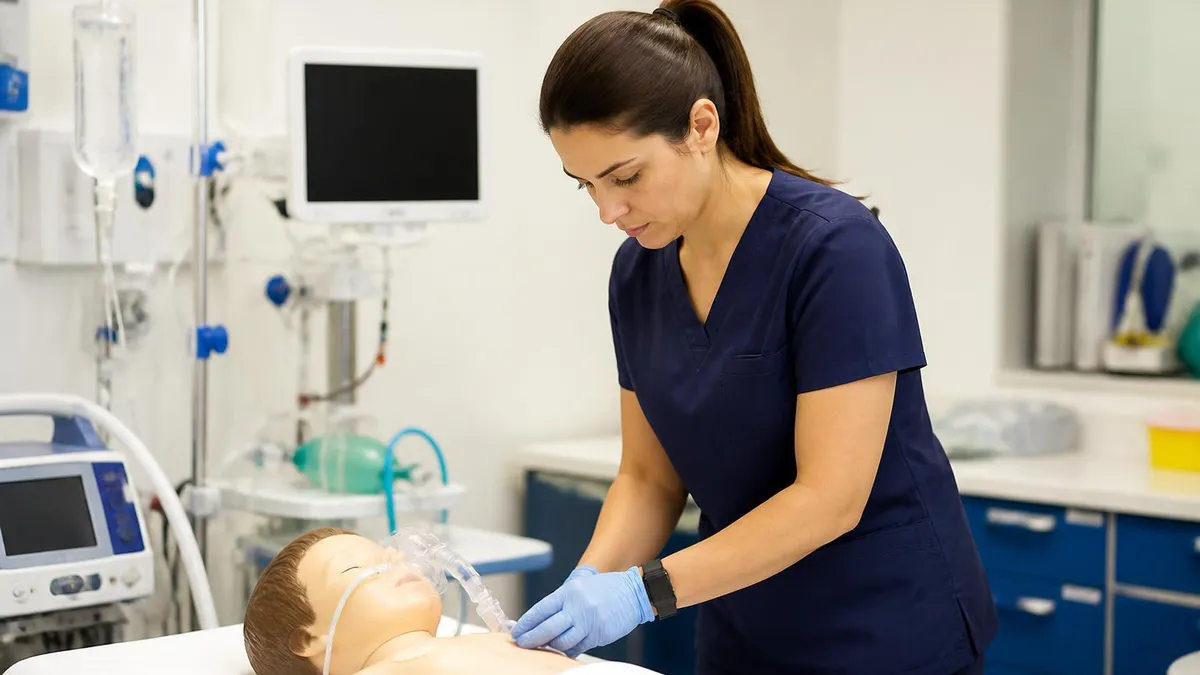
If your PALS card has already expired by more than 30 days, most training centers will require you to take the full initial PALS course rather than the abbreviated recertification. This adds hours and dollars to your renewal. Check your card expiration today and schedule recertification at least 4 weeks in advance to avoid being forced into the longer pathway.
Exam day for online PALS recertification looks different than the classroom experience most providers remember. There is no morning lecture, no shared lunch break with peers, and no surprise oral quiz from the instructor. Instead, you sit at your own desk, open your laptop, log into the platform, and progress through the modules at your chosen pace. Most candidates find this format less stressful overall, but it does require disciplined self-management to actually finish in a reasonable timeframe.
Before clicking start on the cognitive exam itself, take ten minutes to set up your environment. Close all unnecessary browser tabs, silence your phone, brew coffee or tea, and put a note on your door if you live with others. The exam is not timed in the strictest sense, but your platform session can expire if you walk away for too long, which forces you to log back in and may interrupt your flow. Plan to complete the exam in one uninterrupted sitting.
If you encounter a question you are uncertain about, flag it and move on rather than burning fifteen minutes wrestling with a single item. The cognitive exam allows you to return to flagged questions before submitting. Most candidates find that two or three of their initial flags resolve themselves once they complete the rest of the exam, because related questions later in the test often clarify the algorithm logic. Use the full exam as your reference, not just your memory.
Once you pass the cognitive exam, the platform issues a completion certificate that you bring to your skills verification session. Some training centers will not let you book the skills check until the cognitive certificate is in hand, so do not delay this step. For voice-assisted manikin sessions using RQI carts, your hospital education department usually coordinates the appointment, and the entire skills check takes twenty to thirty minutes per provider.
The skills check itself is more forgiving than candidates expect. Instructors are looking for safe, competent performance rather than perfection. Common evaluation points include compression depth of at least one and a half inches in infants and two inches in children, compression rate between one hundred and one hundred twenty per minute, full chest recoil, minimal interruptions, effective bag-mask ventilation without over-inflation, and correct team communication when serving as code leader. Practice these with a partner if possible before showing up.
After successful skills verification, your AHA eCard is typically issued within twenty-four to seventy-two hours. The card is valid for two years from the issue date, not from when your previous card expired, so completing renewal before expiration does not shorten your new cycle. Save the digital card to your phone and email a copy to your credentialing office immediately. Hospital systems that link to AHA's eCard database may verify automatically, but a forwarded copy speeds the process.
If you fail the cognitive exam on your first attempt, do not panic. You receive one immediate retake under the same purchase. Review the question categories where you struggled, return to those modules, and complete additional practice questions before the retake. Reviewing a focused pediatric advanced life support training guide alongside the AHA course materials closes most knowledge gaps quickly and meaningfully improves second-attempt scores.
Practical preparation strategies separate fast recertifiers from those who spend their entire weekend grinding through modules. The single biggest accelerator is starting with diagnostic practice questions rather than starting with the AHA modules. A twenty-question diagnostic across cardiac arrest, bradycardia, tachycardia, and respiratory emergencies reveals exactly which topics need attention. You can then watch only the modules relevant to your weak areas instead of slogging through every video at full length.
Print out the four primary algorithm cards and keep them next to your computer during the cognitive exam preparation phase. The exam itself is open book in practice, and the AHA explicitly encourages candidates to consult algorithm references during HeartCode scenarios. Building familiarity with the printed cards during practice translates directly to faster, more accurate answers on the real exam. Color-coding the decision points by intervention type also helps with rapid visual recall.
Use spaced repetition for drug doses. Epinephrine, amiodarone, lidocaine, atropine, and adenosine doses are the most commonly tested pharmacology, and they appear in scenarios where you must compute the correct milligram or microgram value for a given weight. Memorizing the standard doses in milligrams per kilogram and being able to multiply by representative weights such as ten, twenty, and thirty kilograms covers most exam scenarios with minimal mental effort.
If you have access to a hospital simulation lab, book one hour to run a mock megacode before exam day. Even a self-guided session walking through a pediatric arrest scenario with a manikin and a code cart embeds the sequence in physical memory more effectively than watching videos alone. The exam tests not just knowledge but the ability to recognize the next correct action under time pressure, and physical rehearsal accelerates that pattern recognition substantially.
Schedule the cognitive exam at a time of day when you are sharp. If you are a morning person, do not save the final exam for after a twelve-hour clinical shift. Recertification candidates routinely report poorer scores on attempts completed late at night after work. The exam is not difficult for prepared candidates, but fatigue measurably degrades performance on multi-step clinical reasoning questions. Treat exam scheduling as a strategic decision rather than an afterthought you fit in around clinical work.
Finally, build a reference library of pediatric resuscitation resources you trust and revisit periodically between recertification cycles. The two-year gap between renewals is long enough that even competent providers forget specific dosing thresholds or rhythm criteria. A short monthly review of one algorithm keeps the knowledge fresh and turns each subsequent renewal into a thirty-minute formality rather than a weekend project. Many critical care nurses maintain a personal flashcard deck in apps like Anki for this purpose.
Document your completion thoroughly. Save your AHA eCard PDF to multiple locations including cloud storage, email it to yourself, and forward a copy to your manager and credentialing office immediately. Lost cards delay credentialing renewals and can briefly affect your work assignments. The AHA can reissue lost cards, but the process takes several business days. A few minutes of organizational work after completion prevents this entirely and keeps you cleared for clinical work without interruption.
PALS Questions and Answers

About the Author

Registered Nurse & Healthcare Educator
Johns Hopkins University School of NursingDr. Sarah Mitchell is a board-certified registered nurse with over 15 years of clinical and academic experience. She completed her PhD in Nursing Science at Johns Hopkins University and has taught NCLEX preparation and clinical skills courses for nursing students across the United States. Her research focuses on evidence-based exam preparation strategies for healthcare certification candidates.
Join the Discussion
Connect with other students preparing for this exam. Share tips, ask questions, and get advice from people who have been there.
View discussion (8 replies)