
Ophthalmology Nurse Practitioner: Role, Salary, and How to Become an Eye NP
Become an eye nurse practitioner: ⏳ ophthalmology NP duties, salary ($110K+), certification path, training, and daily scope of practice explained.

The role of an eye nurse practitioner sits at one of the most fascinating intersections in advanced male nurse practitioner vs physician assistant, blending the precision of microsurgical specialty care with the holistic, patient-centered approach that defines the NP profession. Ophthalmology nurse practitioners diagnose, monitor, and manage a wide range of ocular conditions, working alongside ophthalmologists in clinics, surgical centers, and academic medical institutions across the United States. Demand for these specialized providers continues to climb as the aging population drives a sharp rise in cataracts, macular degeneration, and diabetic eye disease.
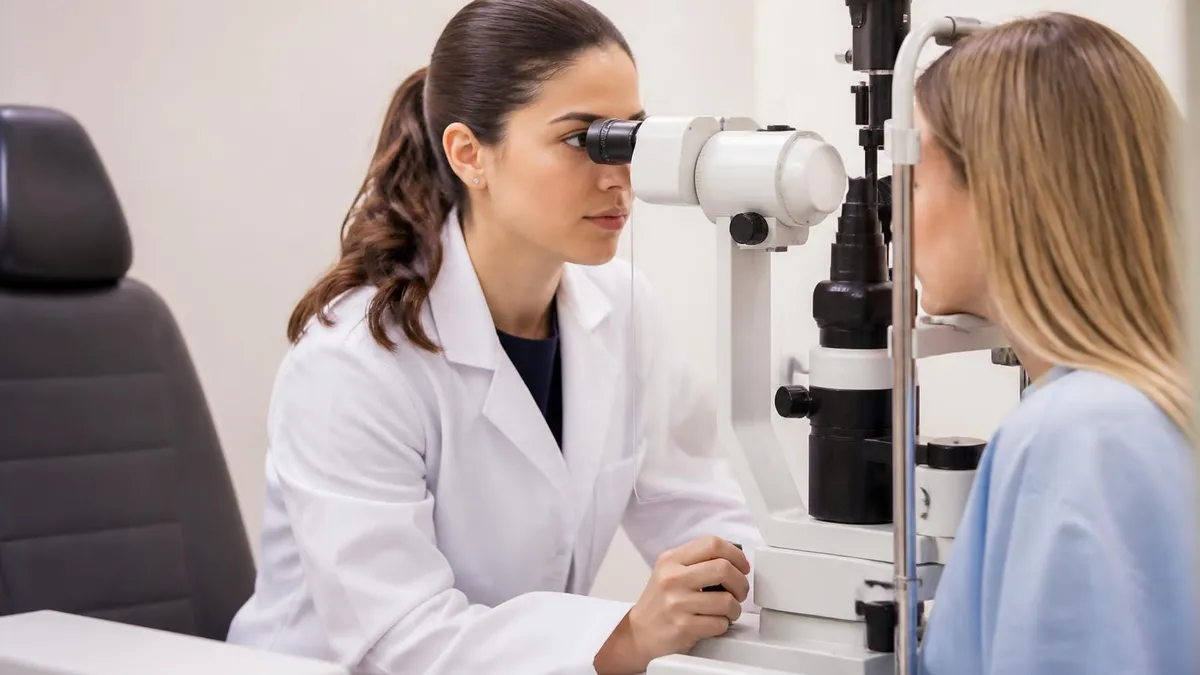
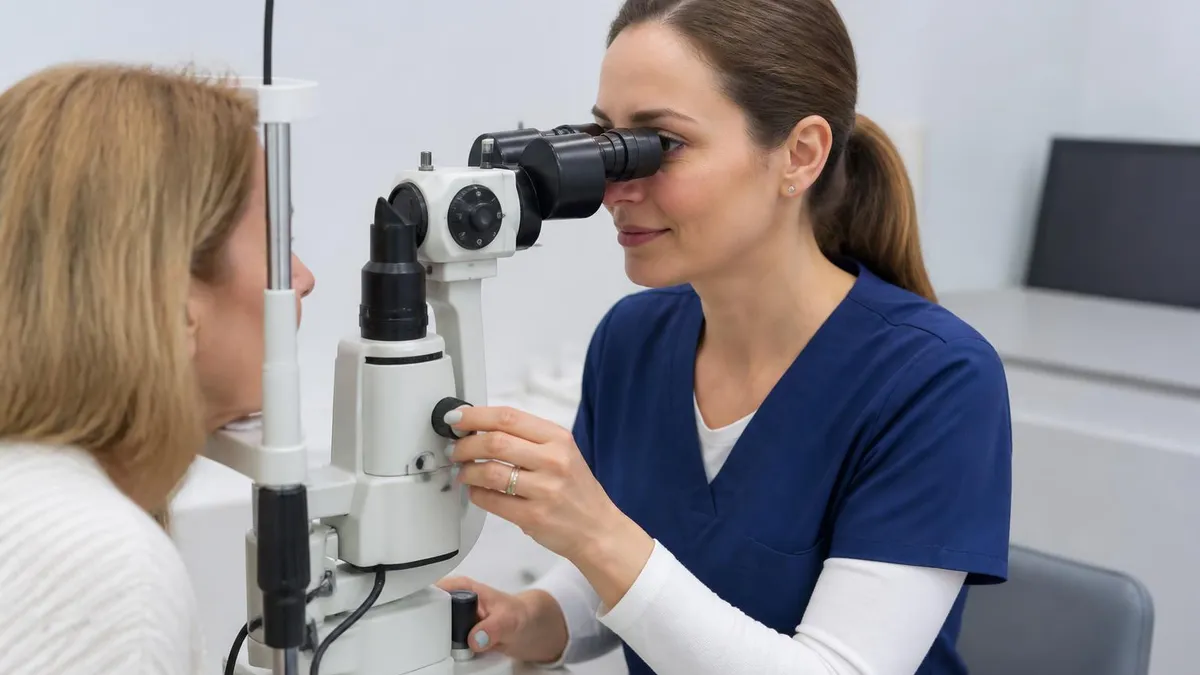
Unlike general primary care NPs, ophthalmology NPs spend their days behind slit lamps, interpreting fundus photographs, performing diagnostic imaging like OCT scans, and assisting with in-office procedures such as intravitreal injections and laser treatments. They serve as the clinical bridge between high-volume surgical practices and patients who need education, follow-up, and chronic disease management. Many also take on triage roles, handling urgent walk-ins for red eyes, sudden vision loss, or post-operative concerns.
Becoming an eye NP requires foundational training as a family nurse practitioner, adult-gerontology NP, or pediatric NP, followed by specialized ophthalmology fellowships, on-the-job training, or postgraduate certificate programs. The American Society of Ophthalmic Registered Nurses (ASORN) provides resources and continuing education, though no single subspecialty board certification yet exists exclusively for ophthalmology NPs. Most clinicians enter the field through mentorship within busy practices.
Compensation reflects the technical complexity of the work. Salaries typically range from $105,000 to $140,000 annually, with surgical practices and retina subspecialty groups often paying at the higher end. Productivity bonuses tied to injection volumes, post-op visits, and procedural assistance can push total compensation past $160,000 in busy metropolitan markets. Job openings are particularly strong in states with large retiree populations, such as Florida, Arizona, and California.
The scope of practice for an ophthalmology NP varies considerably by state, employer, and supervising physician comfort. In full-practice states, NPs may independently manage glaucoma medication regimens, refill prescriptions, and oversee dry eye treatment plans. In more restrictive jurisdictions, they typically operate under collaborative agreements, with the ophthalmologist signing off on prescriptions and complex management decisions. Understanding your state's nursing board regulations is essential before accepting a role.
Training in ophthalmology pharmacology, ocular anatomy, and visual field interpretation is rarely covered adequately in standard NP school. Most new eye NPs spend their first six to twelve months in intensive shadowing, learning to use specialized equipment like the Goldmann tonometer, gonioscopy lenses, and digital fundus cameras. The learning curve is steep, but ophthalmology is also among the most rewarding NP specialties because outcomes are visible, measurable, and often dramatic — restoring sight changes lives.
This guide walks through every dimension of the ophthalmology NP career: daily duties, certification pathways, salary expectations, the realities of working in retina versus comprehensive practices, and the practical steps to transition into this niche. Whether you are a nursing student exploring specialties or an experienced NP considering a pivot, you will leave with a clear roadmap to becoming a confident, well-compensated eye care provider.
Ophthalmology NPs by the Numbers
Core Duties of an Ophthalmology Nurse Practitioner
Performing visual acuity testing, refraction interpretation, slit lamp biomicroscopy, and dilated fundus examinations. NPs document findings, identify pathology, and triage urgent cases for the supervising ophthalmologist.
Ordering and interpreting OCT scans, visual fields, fundus photography, fluorescein angiography, and corneal topography. Accurate imaging interpretation drives diagnosis of glaucoma, macular degeneration, and diabetic retinopathy.
Prescribing and adjusting glaucoma drops, antibiotics, steroids, and dry eye therapies. NPs counsel patients on adherence, side effects, and refill schedules while monitoring intraocular pressure trends.
Assisting with intravitreal injections, laser trabeculoplasty, YAG capsulotomy, and minor lid procedures. Some NPs are trained to independently perform injections in retina subspecialty practices.
Managing cataract, glaucoma, and refractive surgery follow-up visits. NPs detect complications like endophthalmitis or pressure spikes early and coordinate care with the surgical team.
Becoming an eye nurse practitioner does not begin with ophthalmology — it begins with becoming a licensed registered nurse and then advancing through a graduate program. The standard pathway starts with a Bachelor of Science in Nursing (BSN), typically a four-year undergraduate degree, followed by passing the NCLEX-RN to obtain your RN license. Many future ophthalmology NPs spend two to four years working in medical-surgical, emergency, or ICU settings before applying to graduate school, building the clinical judgment and stamina needed for advanced practice.
Graduate education comes next, with most candidates choosing between a Master of Science in Nursing (MSN) or a Doctor of Nursing Practice (DNP). MSN programs typically take two to three years, while DNP programs require three to four years and emphasize systems leadership, quality improvement, and evidence-based practice. The DNP is increasingly preferred by employers and is positioned to become the entry-level standard for new NPs by 2030 according to AACN recommendations.
Population focus matters in ophthalmology. The Family Nurse Practitioner (FNP) track is the most flexible, allowing you to see patients across all ages — essential for pediatric strabismus clinics, adult cataract practices, and geriatric macular degeneration patients alike. Adult-Gerontology Primary Care NPs (AGPCNP) are also common in retina practices that primarily treat older adults. Pediatric NPs occasionally enter pediatric ophthalmology, particularly in academic medical centers.
National board certification follows graduation. The American Academy of Nurse Practitioners Certification Board (AANPCB) and the American Nurses Credentialing Center (ANCC) both offer the certification exams required for state licensure. Pass rates hover around 85-89% for first-time test takers, and most candidates dedicate eight to twelve weeks to focused exam preparation. Once certified, you apply for your state Advanced Practice Registered Nurse (APRN) license and prescriptive authority, which includes a DEA number for controlled substances.
Specialized ophthalmology training typically begins after these credentials are in place. The American Society of Ophthalmic Registered Nurses (ASORN) and the Joint Commission on Allied Health Personnel in Ophthalmology (JCAHPO) both offer continuing education courses tailored to eye care. Some ambitious NPs pursue Certified Ophthalmic Medical Technologist (COMT) credentials in parallel, demonstrating expertise in diagnostic testing that strengthens job applications dramatically.
On-the-job training remains the most common path into ophthalmology. New hires typically spend three to six months in intensive shadowing — observing comprehensive exams, learning slit lamp mechanics, mastering tonometry, and practicing pupillary assessment under direct supervision. Most large ophthalmology practices have structured onboarding curricula that gradually expand scope as competency grows. Expect a steep learning curve, especially around refractive error interpretation and posterior segment evaluation.
A growing number of postgraduate fellowships specifically train NPs and PAs in ophthalmology. Programs at institutions like Wills Eye Hospital, Bascom Palmer, and the Cleveland Clinic offer 6-12 month structured experiences with didactics, hands-on procedural training, and rotations through retina, glaucoma, cornea, and pediatric subspecialties. While these fellowships are competitive and often unpaid or modestly stipended, graduates command premium starting salaries and have their pick of jobs nationwide.
NP Practice Test Questions
Prepare for the NP - Nurse Practitioner exam with our free practice test modules. Each quiz covers key topics to help you pass on your first try.
NP Adult-Gerontology Acute Care Nurse Prac...
NP Exam Questions covering Adult-Gerontology Acute Care Nurse Practitioner. Master NP Test concepts for certification prep.
NP Family Nurse Practitioner
Free NP Practice Test featuring Family Nurse Practitioner. Improve your NP Exam score with mock test prep.
NP Pediatric Nurse Practitioner
NP Mock Exam on Pediatric Nurse Practitioner. NP Study Guide questions to pass on your first try.
NP Case Studies & Practical Application
NP Test Prep for Case Studies & Practical Application. Practice NP Quiz questions and boost your score.
NP Communication & Stakeholder Relations
NP Questions and Answers on Communication & Stakeholder Relations. Free NP practice for exam readiness.
NP Diagnosis & Clinical Decision-Making
NP Mock Test covering NP Diagnosis & Clinical Decision-Making. Online NP Test practice with instant feedback.
NP Patient Education & Health Promotion
Free NP Quiz on NP Patient Education & Health Promotion. NP Exam prep questions with detailed explanations.
NP Pharmacology & Prescribing
NP Practice Questions for NP Pharmacology & Prescribing. Build confidence for your NP certification exam.
NP Professional Standards & Competencies
NP Test Online for Professional Standards & Competencies. Free practice with instant results and feedback.
NP Quality Control & Assurance
NP Study Material on Quality Control & Assurance. Prepare effectively with real exam-style questions.
NP Regulatory Frameworks & Compliance
Free NP Test covering Regulatory Frameworks & Compliance. Practice and track your NP exam readiness.
NP Research & Evidence-Based Practice
NP Exam Questions covering Research & Evidence-Based Practice. Master NP Test concepts for certification prep.
Ophthalmology NP Subspecialty Settings
Comprehensive ophthalmology practices treat the full range of routine eye conditions — refractive errors, dry eye, cataracts, glaucoma screening, and basic medical retina. NPs in this setting see a high volume of patients each day, often 25 to 35, with visits focused on annual exams, medication refills, and pre-operative cataract evaluations. The pace is brisk but predictable, making it an excellent entry point for new eye NPs.
Daily responsibilities include refraction confirmation, slit lamp examination, intraocular pressure measurement, and dilated fundus assessment. NPs in comprehensive practices learn to identify which patients need referral to subspecialists for advanced retina, cornea, or glaucoma surgery. Compensation tends to be moderate, with strong work-life balance — typically Monday through Friday daytime hours without weekend call obligations.
Pros and Cons of Being an Eye Nurse Practitioner
- +Strong six-figure salary, often exceeding $130,000 with bonuses
- +Predictable Monday-Friday schedule with rare weekend or call obligations
- +Highly visible patient outcomes — restoring sight is deeply rewarding
- +Procedural variety including injections, laser assists, and imaging
- +Excellent job security driven by aging population and diabetes prevalence
- +Strong mentorship culture in established ophthalmology practices
- +Opportunity to specialize further in retina, glaucoma, or cornea
- −Steep learning curve with minimal ophthalmology training in NP school
- −Highly specialized skill set can limit career mobility outside eye care
- −High patient volumes can be physically demanding (constant repositioning)
- −Limited prescriptive autonomy in restricted-practice states
- −Few subspecialty board certifications exclusively for ophthalmology NPs
- −Repetitive nature of injection or post-op cataract visits can feel monotonous
Essential Skills Every Eye Nurse Practitioner Needs
- ✓Proficient slit lamp biomicroscopy of anterior and posterior segments
- ✓Accurate Goldmann applanation tonometry technique
- ✓Direct and indirect ophthalmoscopy with dilated fundus examination
- ✓OCT scan acquisition and interpretation across multiple device platforms
- ✓Visual field testing setup, troubleshooting, and pattern recognition
- ✓Gonioscopy for angle assessment in glaucoma evaluation
- ✓Foreign body removal and corneal abrasion management protocols
- ✓Intravitreal injection technique with sterile field maintenance
- ✓Pharmacology mastery of glaucoma, dry eye, and infectious disease drops
- ✓Recognition of vision-threatening emergencies like retinal detachment
- ✓Patient education on chronic disease and surgical recovery expectations
- ✓Documentation compliance for ICD-10 ophthalmology coding
Aging demographics are reshaping eye care
By 2030, one in five Americans will be over 65, dramatically increasing demand for cataract surgery, glaucoma management, and macular degeneration treatment. With ophthalmologist supply growing slowly and retina injections projected to exceed 10 million annually, eye NPs are filling a critical workforce gap — making this one of the most secure NP career paths of the decade.
Compensation for ophthalmology nurse practitioners is among the strongest in advanced practice nursing, reflecting both the technical complexity of the work and the high revenue-per-visit generated in specialty eye practices. National salary data places the median total compensation at approximately $122,000 annually, with the 25th percentile near $108,000 and the 75th percentile around $138,000. Top performers in productivity-based retina practices regularly exceed $160,000 when bonuses are factored in.
Geographic location dramatically influences pay. States with large retiree populations — Florida, Arizona, Texas, and California — consistently report higher demand and higher salaries, often paying $10,000 to $25,000 above the national median. The Northeast corridor, particularly New York, Massachusetts, and Connecticut, also offers strong compensation due to the concentration of academic medical centers and private equity-backed multi-specialty groups expanding their eye care divisions.
Practice setting drives substantial salary variation. Private equity-owned ophthalmology platforms have aggressively recruited NPs in recent years, frequently offering signing bonuses of $10,000 to $25,000, relocation packages, and student loan repayment assistance. Hospital-employed positions tend to offer slightly lower base salaries but stronger benefits, including generous retirement matches, tuition reimbursement, and comprehensive health insurance coverage that can add $15,000 to $20,000 in total value.
Productivity bonuses are increasingly common, particularly in retina practices where injection volume drives revenue. Common bonus structures include per-injection payments ranging from $5 to $15, quarterly RVU-based incentives, and shared profit pools tied to overall practice performance. Some practices also pay procedural bonuses for laser assists, YAG capsulotomies, and minor lid procedures. Understanding these structures during negotiation is essential to maximizing total compensation.
Benefits beyond base salary are significant. Most ophthalmology NP positions include 4-6 weeks of paid time off, full health insurance, malpractice coverage, continuing medical education stipends of $2,000 to $5,000 annually, and conference attendance funding. Vision benefits — including free eye exams and discounted eyewear for family members — are an underrated perk that ophthalmology employees particularly enjoy. Retirement plans typically include 401(k) matches of 3-6%.
The Bureau of Labor Statistics projects nurse practitioner employment to grow 45% between 2024 and 2034, the fastest of any major healthcare occupation. Within this growth, ophthalmology subspecialty demand is particularly strong due to the aging baby boomer population, rising diabetes prevalence, and the introduction of new injectable therapies for retinal disease. Job postings on Indeed, AAO Career Center, and ASORN job boards routinely exceed available qualified candidates.
Career advancement opportunities extend well beyond clinical practice. Experienced ophthalmology NPs move into clinical research coordinator roles, pharmaceutical company medical affairs positions, surgical practice administration, and faculty appointments at NP programs. Industry roles with companies like Regeneron, Genentech, and Alcon pay particularly well — often $150,000 to $200,000 — and trade clinical hours for travel and educational responsibilities. The pathway is rich for those willing to explore it.
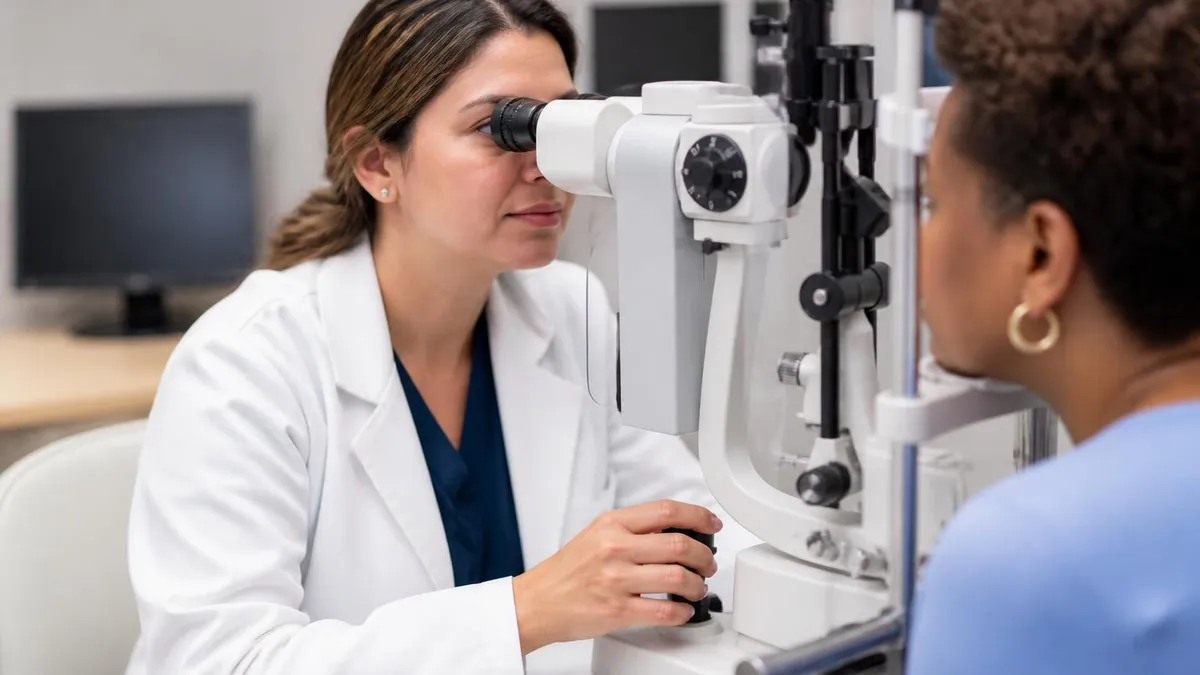
Before accepting an eye NP role, verify your state's scope of practice rules. Full-practice states like Oregon, Colorado, and New Mexico allow independent prescribing and management. Restricted states like Texas, Florida, and California require collaborative agreements with supervising physicians. These restrictions impact what procedures you can bill for and how much autonomy you have in clinical decisions.
Transitioning into ophthalmology from another NP specialty is entirely achievable with the right strategy, even without prior eye care experience. The most successful career switchers approach the move methodically, recognizing that ophthalmology employers are accustomed to training NPs from scratch and value foundational clinical skills, professionalism, and willingness to learn over prior subspecialty experience. Your existing NP license, prescriptive authority, and clinical judgment transfer directly — the eye-specific knowledge can be built.
Start by identifying your motivation. Ophthalmology is a niche specialty with limited lateral mobility, so be sure the day-to-day work appeals to you. Spend a half-day shadowing in a local practice before committing to the transition. Observe whether you enjoy the technical precision, the repetition of common conditions, and the procedural environment. If the work energizes you, the long-term career payoff is substantial.
Build foundational ophthalmology knowledge before applying. The American Academy of Ophthalmology's Basic and Clinical Science Course (BCSC) is the gold standard reference, though expensive. More accessible options include Kanski's Clinical Ophthalmology textbook, the AAO EyeWiki online resource, and the ASORN online education modules. Investing 100-200 hours of self-study before interviews demonstrates serious commitment and shortens onboarding time significantly.
Network strategically within the ophthalmology community. Attend the annual AAO meeting, ASORN conference, or regional ophthalmology society meetings as a non-physician attendee. Join LinkedIn groups for ophthalmology NPs and PAs to find mentors. Many career transitions happen through introductions rather than cold applications — practice administrators often hire NPs they meet through referrals from current employees or vendors.
Tailor your resume specifically for ophthalmology applications. Highlight any procedural experience (suturing, injections, sterile technique), patient education skills, and chronic disease management. If you have managed diabetic patients in primary care, emphasize that experience because diabetic retinopathy is a major part of eye practice. Mention any imaging or diagnostic technology proficiency, even if not ophthalmology-specific — comfort with technology accelerates training.
Negotiate training time into your contract offer. Realistic onboarding for an NP new to ophthalmology requires three to six months of reduced productivity expectations while learning equipment, protocols, and patient flow. The best practices offer structured curricula with weekly didactics, graduated patient complexity, and regular feedback sessions. Avoid practices that expect full productivity within four weeks — burnout and clinical errors are common when ramp-up is rushed.
Plan your long-term subspecialty trajectory early. Within ophthalmology, you can deepen into retina, glaucoma, pediatric, cornea, or oculoplastic subspecialties — each with distinct learning curves and earning potential. Discuss subspecialty interest during interviews so employers can structure your training accordingly. NPs who develop deep subspecialty expertise within three to five years command top-tier compensation and become indispensable to their practices, opening doors to leadership and equity opportunities.
Once you have landed your first eye nurse practitioner role, the real work begins — building proficiency at a pace that satisfies both your employer and your own learning needs. The most effective new ophthalmology NPs adopt a deliberate practice mindset, breaking the specialty into discrete skills and mastering each one through repetition and feedback. Plan to spend your first thirty days primarily observing, your next sixty days seeing patients with direct supervision, and the following ninety days expanding into independent visits with available consultation.
Invest in your own equipment knowledge. Many ophthalmology offices use different brands of slit lamps, OCT machines, and visual field analyzers, and small interface differences matter clinically. Ask the lead technician to give you a deep dive on each device, including troubleshooting common errors, calibration procedures, and image quality optimization. This technical fluency builds credibility with both staff and physicians and accelerates your evolution from trainee to trusted colleague.
Develop a personal reference system from day one. Create a digital notebook with photos of normal and abnormal findings — optic nerve cups, drusen patterns, macular holes, hypertensive retinopathy — annotated with your supervising ophthalmologist's interpretations. Over six months, this becomes an invaluable visual library tailored to your patient population. Pair this with concise treatment algorithms for the ten most common diagnoses you see, and decision-making speed will improve dramatically.
Communication skills make or break ophthalmology NP careers. Patients arriving for cataract evaluation are often anxious, retina patients fear blindness, and glaucoma patients struggle with asymptomatic chronic disease motivation. Master the art of brief, reassuring explanations that translate complex anatomy into accessible language. Use models, drawings, and analogies. Patients who understand their disease are more adherent, more satisfied, and more likely to leave positive online reviews that drive practice growth.
Build relationships across the entire eye care team. Ophthalmic technicians, scribes, surgical schedulers, optical dispensers, and front-office staff each play essential roles in patient flow. Spending time understanding each role — and helping when you can — earns goodwill that pays dividends when you need favors later. The best NPs in ophthalmology are known not just for clinical skill but for being collaborative team members who lift everyone around them.
Pursue continuing education aggressively in your first two years. Attend at least one major ophthalmology meeting annually, complete monthly CME modules through AAO or ASORN, and consider subscribing to journals like Ophthalmology, Retina, or the Journal of Glaucoma. Many employers reimburse $2,000 to $5,000 annually for education — use every dollar. The specialty evolves quickly, especially in retina and gene therapy, and staying current keeps you valuable and engaged.
Finally, protect your long-term clinical longevity. Ophthalmology can be physically demanding — hours behind the slit lamp create neck and back strain, and high patient volumes lead to mental fatigue. Invest in ergonomic equipment, take micro-breaks between patients, and maintain physical fitness with exercises that counteract forward-head posture. NPs who build these habits early tend to enjoy decades-long careers, while those who neglect them often burn out or develop chronic injuries within five to seven years.
NP Questions and Answers

Nurse Practitioner Jobs by State: Florida, Texas, California, and Beyond — A Complete 2026 Guide

Nurse Practitioner Day: Honoring NPs and Celebrating the Profession in 2026

Nurse Practitioner Specialties: Complete 2026 Guide to Every NP Track

Family Nurse Practitioner: Role, Salary & How to Become One

Psychiatric Mental Health Nurse Practitioner Guide
About the Author

Registered Nurse & Healthcare Educator
Johns Hopkins University School of NursingDr. Sarah Mitchell is a board-certified registered nurse with over 15 years of clinical and academic experience. She completed her PhD in Nursing Science at Johns Hopkins University and has taught NCLEX preparation and clinical skills courses for nursing students across the United States. Her research focuses on evidence-based exam preparation strategies for healthcare certification candidates.