
N-400 Online Application: Step-by-Step Filing Guide 2026 September
🆕 Pass the n-400 online application exam with confidence. Practice questions with detailed explanations, hints, and instant feedback on every answer.

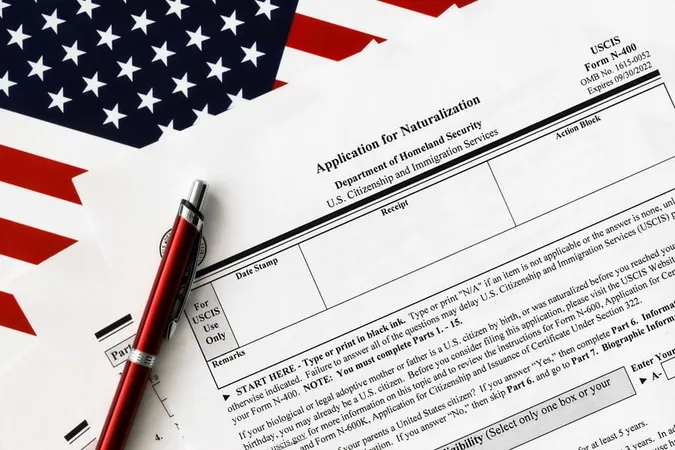
Can You File the N-400 Online?
Yes — USCIS now allows most applicants to file Form N-400, Application for Naturalization, through their online account at my.uscis.gov. Online filing isn't available to everyone. If you're filing based on qualifying military service, you'll need to paper file. But for the vast majority of applicants — those filing based on five years of permanent residence, or three years based on marriage to a U.S. citizen — the online option is fully available and increasingly preferred.
Filing online has real advantages. You can save your progress and return later. You pay the filing fee by credit card or bank account. You get a confirmation immediately after submission. And you can track your case status in real time through the same online account. It's faster, cleaner, and generates fewer data entry errors than mailing a paper form.
Who Can File the N-400 Online
You're eligible to file online if you meet standard naturalization requirements and aren't using a military-specific basis for filing. In practical terms, this means:
- You've been a permanent resident (green card holder) for at least 5 years, or 3 years if married to a U.S. citizen
- You've met continuous residence and physical presence requirements
- You can demonstrate good moral character
- You can pass the English and civics tests (or qualify for an exemption)
If any of those are uncertain — especially continuous residence, which trips up a surprising number of applicants — review your travel history before you file. Extended trips abroad can reset your continuous residence clock, and USCIS will see your entry/exit records.
How to Create Your USCIS Online Account
Go to my.uscis.gov and create an account using your email address. You'll verify your identity and, in some cases, link your existing USCIS records to your account. If you have prior immigration filings, they may appear in your account once linked. This takes a few minutes — do it before you're ready to file so you're not creating an account under pressure.
Once inside, select Form N-400 from the available forms list and choose the online filing option. The form is divided into sections that mirror the paper version — your biographic information, residence history, employment history, travel history, and the good moral character questions.
Pro Tip: Focus your N-400 study time on areas where you score lowest. Most exam questions test application of knowledge, not memorization.
Completing the N-400 Online: Section by Section
Personal information
Your legal name as it appears on your green card. If you want a name change as part of naturalization, you indicate that here — the court can change your name during the oath ceremony without a separate legal proceeding. That's one of the underused benefits of naturalizing through the standard process.
Residence and employment history
USCIS wants your address history for the past five years and your employment history for the same period. Be thorough and be accurate. Gaps in your employment history are fine — just explain them. Gaps in your address history that you can't explain raise flags.
Travel history
List all trips outside the United States for the past five years — departure date, return date, destination, and purpose. If any trip lasted more than six months, that's a potential continuous residence issue. Trips over one year generally break continuous residence unless you obtained a re-entry permit or returning resident visa before leaving.
This is where applicants most commonly make errors. If you traveled frequently for work, pull your passport and go entry by entry. Don't estimate.
Good moral character questions
These are the yes/no questions covering criminal history, drug use, tax filing status, gambling, polygamy, persecution, and other issues. Answer every question honestly. If a question applies to you — a past arrest, a DUI, even a charge that was dismissed — check yes and explain in the additional information section. USCIS runs background checks. Lying on this section is a ground for permanent bar from naturalization and potential deportation.
Paying the N-400 Fee Online
The current filing fee for Form N-400 is $725 for most applicants (as of 2026), which includes the biometric services fee. If you're 75 or older, the biometrics fee is waived. If you're filing online, you pay by credit card, debit card, or ACH bank transfer during submission. Keep your receipt — it's your proof of payment and your starting point for tracking your case.
Fee waivers are available for applicants who qualify based on income. If you receive means-tested benefits or your household income is at or below 150% of the federal poverty guidelines, you can request a waiver using Form I-912. File that request at the same time as your N-400.
After You Submit: What Happens Next
After submitting online, you'll receive a receipt notice with your case number. USCIS will schedule your biometrics appointment — you'll go to an Application Support Center to have your fingerprints and photo taken. This typically happens within a few weeks of filing in most field offices.
Next comes your naturalization interview. An officer will review your application, verify your documents, and administer the civics and English tests. If you pass, you'll be scheduled for an oath ceremony — sometimes the same day, sometimes weeks later depending on the office. At the oath ceremony, you take the Oath of Allegiance and receive your Certificate of Naturalization. You're a citizen.
Processing times vary widely by field office — currently ranging from 8 months to over two years. Check processing times at your local office on the USCIS website before filing to set realistic expectations.
Common Mistakes on the N-400 Online Application
- Incomplete travel history — Missing trips, especially short weekend trips to Canada or Mexico, are flagged at the interview when your passport tells a different story.
- Name inconsistencies — Your name on the N-400 must match your green card exactly unless you're requesting a name change.
- Answering no to applicable good moral character questions — Even old, dismissed, or expunged arrests should be disclosed. USCIS sees court records.
- Missing the continuous residence requirement — Filing before you've met the full five-year (or three-year) requirement. Count carefully from your green card approval date.

N-400: Pros and Cons
- +N-400 credential is recognized by employers and industry professionals
- +Higher earning potential compared to non-credentialed peers
- +Expanded career opportunities and professional advancement
- +Structured learning path builds comprehensive knowledge
- +Professional development that stays current with industry standards
- −Preparation requires significant time and study commitment
- −Associated costs for exams, materials, and renewal fees
- −Continuing education needed to maintain credentials
- −Competition for advanced positions can be challenging
- −Requirements and standards may vary by state or region




Preparing for the Civics Test
The civics test is one of the parts people most underestimate. The officer selects 10 questions from the official USCIS list of 100 civics questions. You need to answer 6 correctly. Sounds simple — but the questions cover U.S. history, government structure, rights and responsibilities, and geography. If you haven't lived here long or didn't go through the U.S. school system, some of these questions are genuinely difficult.
Study the official USCIS list. All 100 questions are publicly available and the officer will only ask from that list. There are no surprise questions. The study materials available through practice tests cover every question type you'll encounter — use them regularly in the weeks before your interview and you'll pass.
Start your application online, prepare for the civics test, and walk into your interview knowing exactly what to expect. The naturalization process is long, but each step is straightforward if you're prepared.
About the Author

Educational Psychologist & Academic Test Preparation Expert
Columbia University Teachers CollegeDr. Lisa Patel holds a Doctorate in Education from Columbia University Teachers College and has spent 17 years researching standardized test design and academic assessment. She has developed preparation programs for SAT, ACT, GRE, LSAT, UCAT, and numerous professional licensing exams, helping students of all backgrounds achieve their target scores.
Join the Discussion
Connect with other students preparing for this exam. Share tips, ask questions, and get advice from people who have been there.
View discussion (9 replies)