

N-400 Practice Test
Updated October 2026Starting your journey to US citizenship is exciting and a bit scary. The N-400 test is a big step towards becoming a citizen. This guide will help you understand the process and feel ready for it.
The N-400 test, also called the Application for Naturalization, is very important. It checks if you know about American history, government, and English. Passing this test shows you're serious about becoming a US citizen.
Free N-400 - Application for Naturalization Study Tools
Interactive N-400 - Application for Naturalization resources on PracticeTestGeeks, free to start:
- N-400 - Application for Naturalization flashcards — review key terms and concepts card by card
- N-400 - Application for Naturalization study guide — topic-by-topic overview of what the exam covers
- N-400 - Application for Naturalization cheat sheet — one-page printable summary for last-minute review
N-400 Practice Test Questions
Prepare for the N-400 - Application for Naturalization exam with our free practice test modules. Each quiz covers key topics to help you pass on your first try.
N-400 Common Pitfalls
N-400 Exam Questions covering Common Pitfalls. Master N-400 Test concepts for certification prep.
N-400 Eligibility Requirements
Free N-400 Practice Test featuring Eligibility Requirements. Improve your N-400 Exam score with mock test prep.
N-400 Processing Time
N-400 Mock Exam on Processing Time. N-400 Study Guide questions to pass on your first try.
N-400 Required Supporting Documents
N-400 Test Prep for Required Supporting Documents. Practice N-400 Quiz questions and boost your score.
N-400 Civics Test Preparation
N-400 Questions and Answers on Civics Test Preparation. Free N-400 practice for exam readiness.
N-400 Continuous Residence and Physical Pr...
N-400 Mock Test covering Continuous Residence and Physical Presence Requirements. Online N-400 Test practice with instant feedback.
N-400 English Language Requirements
Free N-400 Quiz on English Language Requirements. N-400 Exam prep questions with detailed explanations.
N-400 Naturalization Interview Process
N-400 Practice Questions for Naturalization Interview Process. Build confidence for your N-400 certification exam.
Key Takeaways
Free N-400 Practice Test Online
- The N-400 test is a key step to US citizenship
- Knowing English and civic knowledge is crucial
- It's important to know the eligibility and application process
- Studying and practicing can improve your chances
- Being confident and determined is key to success
Understanding the N-400 (Application for Naturalization) Test
The naturalization process in the United States follows specific laws and criteria. The N-400, or Application for Naturalization, is a key step. This guide will cover the N-400 test, including eligibility, fees, and needed documents.
- ✓Confirm your exam appointment and location
- ✓Bring required identification documents
- ✓Arrive 30 minutes early to check in
- ✓Read each question carefully before answering
- ✓Flag difficult questions and return to them later
- ✓Manage your time — don't spend too long on one question
- ✓Review flagged questions before submitting
Basic Eligibility Requirements for Naturalization
To get U.S. citizenship through naturalization, you must meet certain criteria. The U.S. Citizenship and Immigration Services (USCIS) sets these rules. Some key requirements include:
- Holding a permanent resident (green card) status for a specific period, usually 5 years
- Demonstrating continuous residence and physical presence in the United States
- Passing the English language and civics tests
- Possessing good moral character
- Taking the Oath of Allegiance
Application Fees and Processing Timeline
The N-400 application has a fee, which changes over time. As of 2026, the fee is $725. But, some may qualify for fee waivers or reductions. The USCIS aims to finish the review in 5 to 11 months, on average.
Required Documentation and Forms
Applicants need to submit many documents and forms. These include:
- Completed N-400 form
- Copy of permanent resident card (green card)
- Proof of continuous residence and physical presence in the U.S.
- Documents related to criminal history, if applicable
- Photographs and fingerprints
- Evidence of English language proficiency
- Payment for the application fee
Knowing the requirements and preparing the right documents is vital. By understanding the N-400 test and its criteria, you can start your journey to U.S. citizenship.
Components of the US Citizenship Exam
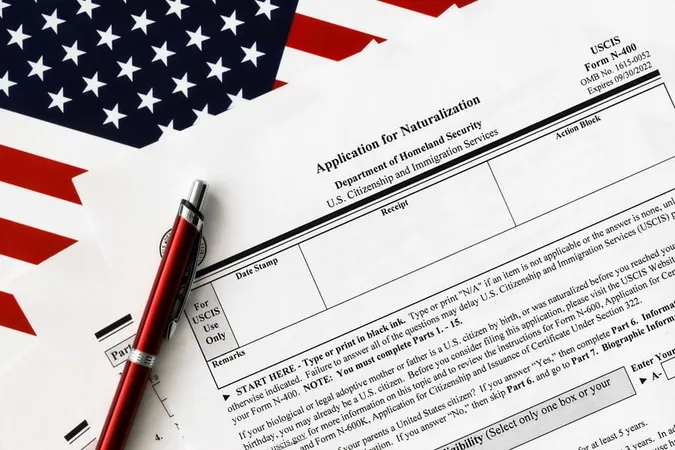
Becoming a US citizen is a big step. The naturalization process includes a detailed exam. This exam tests your English skills and knowledge of American history and government.
English Language Tests
Applicants must show their English skills through several tests. These include:
- Reading Test: You read a sentence in English aloud to show your fluency and understanding.
- Writing Test: You write a sentence in English to demonstrate your writing ability.
- Speaking Test: You have a conversation with a USCIS officer to check your speaking skills.
Civics Test
Applicants also need to pass a civics exam. This exam tests your knowledge of US government, US history, and American values. The test has 10 questions, and you must answer at least 6 correctly to pass.
The civics test covers many topics. These include the US government's structure, important historical events, and the rights and duties of American citizens. It's important to study well for this part of the exam.
By passing the English language tests and the civics exam, applicants show they are ready to embrace American values. This is a big step towards becoming a proud US citizen.
Preparing for the Naturalization Interview
The naturalization interview is the last step to becoming a U.S. citizen. It's vital to prepare well for this important event. This guide will help you get ready, from learning English to practicing for the interview.

English Language Proficiency Requirements
To become a citizen, you must show you can speak English well. This means you can read, write, speak, and understand it. In the interview, you'll talk with an immigration officer and show your English skills.
Civics Test Study Materials
The civics test checks your knowledge of U.S. history and government. Use the study materials from the U.S. Citizenship and Immigration Services (USCIS) to get ready. These materials cover many topics, like government branches and historical events.
Mock Interview Practice Tips
Practicing for the interview is key to feeling confident. Try mock interviews with friends, family, or an immigration expert. This helps you get used to the questions and how to answer them well.
- +Validates your knowledge and skills objectively
- +Increases job market competitiveness
- +Provides structured learning goals
- +Networking opportunities with other certified professionals
- −Study materials can be expensive
- −Exam anxiety can affect performance
- −Requires dedicated preparation time
- −Retake fees apply if you don't pass
Pros and Cons at a Glance
| Pros | Cons |
|---|---|
| Validates your knowledge and skills objectively | Study materials can be expensive |
| Increases job market competitiveness | Exam anxiety can affect performance |
| Provides structured learning goals | Requires dedicated preparation time |
| Networking opportunities with other certified professionals | Retake fees apply if you don't pass |
Sample N-400 - Application for Naturalization Practice Questions
Try these questions from our free N-400 - Application for Naturalization practice tests. The correct answer and an explanation follow each question.
What happens after you file your N-400 application? (Select the next immediate step)
- A. Interview and Oath Ceremony
- B. Receipt notice (Form I-797C)
- C. Naturalization Certificate Issuance
- D. Background Check Completion
Answer: B. Receipt notice (Form I-797C)
After filing your N-400 application, the very next immediate step is for USCIS to send you a receipt notice, typically Form I-797C. This notice confirms that they have received your application and provides a receipt number, which is essential for tracking your case status online. All other options occur much later in the naturalization process.
What happens if your case is delayed beyond the average processing time?
- A. You must restart the process
- B. You can submit a "Case Inquiry" online to USCIS
- C. Your application will be automatically denied
- D. You need to wait an additional 2 years
Answer: B. You can submit a "Case Inquiry" online to USCIS
If your N-400 application is delayed beyond the average processing time posted for your specific USCIS field office, you are entitled to submit a "Case Inquiry" (also known as an e-Request) online. This action prompts USCIS to review your case and provide an update or explanation for the delay. It's an important step for applicants experiencing unusual processing times.
How soon after filing should you expect to receive your biometrics appointment notice?
- A. 1-2 weeks
- B. 2-3 months
- C. 6 months
- D. After the interview is scheduled
Answer: A. 1-2 weeks
Following the receipt of your N-400 application, USCIS typically sends out the biometrics appointment notice relatively quickly. Applicants can generally expect to receive this notice within 1 to 2 weeks after their application has been accepted for processing. The actual appointment usually takes place a few weeks after the notice is received.
Which of the following actions could cause USCIS to deny your application based on "Good Moral Character"?
- A. Forgetting to include all your trips outside the U.S.
- B. Failing to disclose an arrest, even if charges were dropped
- C. Accidentally submitting incorrect spelling of your name
- D. Filing the form late
Answer: B. Failing to disclose an arrest, even if charges were dropped
Failing to disclose any arrest, even if charges were dropped or expunged, can be a serious issue that leads to denial based on "Good Moral Character." USCIS conducts thorough background checks and expects complete honesty from applicants. Concealing such information is considered misrepresentation and can negatively impact the application.
Take the full N-400 - Application for Naturalization practice test
(N-400) Application for Naturalization Questions and Answers
How this page was made: written with AI tools and published by Nathan Beja, founder of Practice Test Geeks, who is responsible for its content. Exam facts are checked against the official sources listed below. Not reviewed by a subject-matter expert. Editorial policy
Sources & references
Exam facts on this page (fees, format, dates, passing scores) are checked against these official sources; the date is our last check. Editorial policy
- uscis.gov — Score release, exam format, passing score, fees · verified Oct 2026