
Aspen Makeup Artist Guide: How to Book, Train, and Work in Aspen, Colorado
🗨️ Aspen makeup artist guide covering rates, bridal bookings, certification, and how to find the best makeup artist near me in Aspen, Colorado.
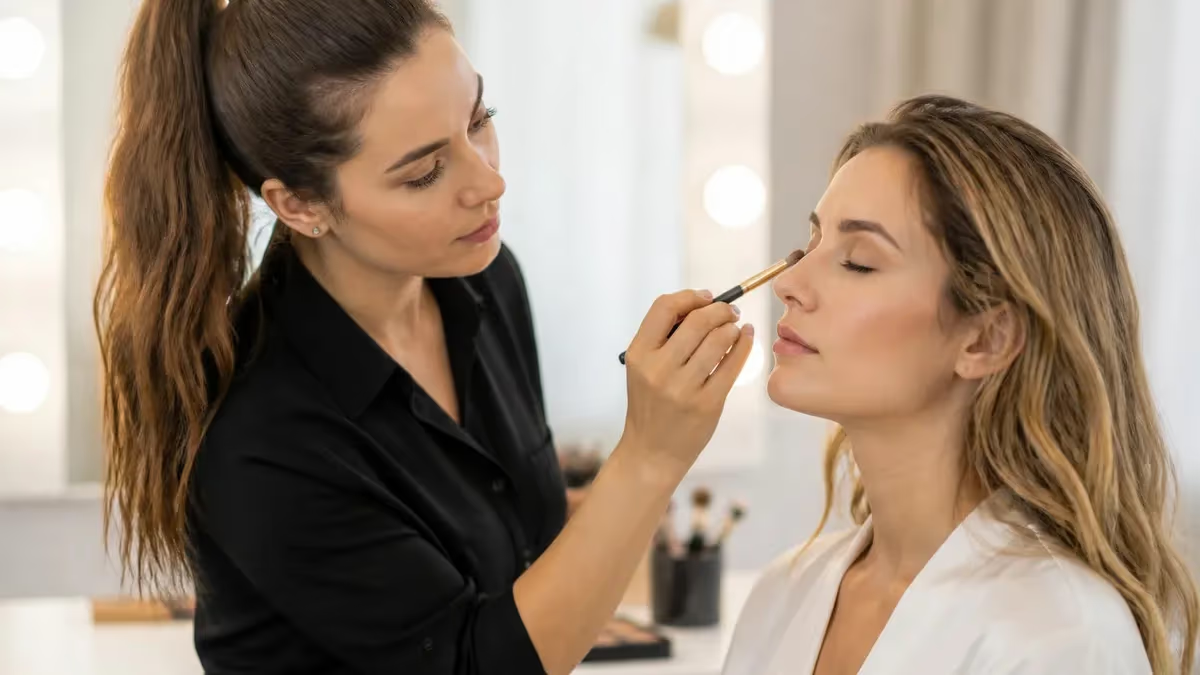
Searching for an aspen makeup artist means stepping into one of the most competitive luxury beauty markets in the United States. Aspen, Colorado attracts destination weddings, ski-week galas, film festivals, and celebrity events, all of which create high demand for skilled MUAs who can deliver flawless looks at 8,000 feet of elevation. Whether you want to book a pro for an event or build your own career in this mountain town, the path requires careful planning, real training, and an understanding of how altitude, dry air, and HD photography change every choice you make at the makeup chair.
The Aspen market is small, seasonal, and tightly networked. Most working artists juggle bridal clients, private ski-house glam sessions, editorial shoots for resort publications, and on-set work for film projects like the Aspen Film Festival. Rates here run roughly double the national average, with bridal trials starting near $250 and full wedding-day services reaching $1,200 or more for the bride alone. Demand peaks during the December holidays, mid-March spring break, and the June-through-September wedding season, when artists routinely book six months in advance.
If you are a client, knowing how to evaluate a portfolio, ask about altitude-tested products, and confirm trial availability matters more than chasing the cheapest quote. If you are an aspiring artist, you need certification, a sharp business plan, and connections to local hotels like the Little Nell, the St. Regis, and the Hotel Jerome, which generate a steady stream of referrals. A solid makeup artist and licensing foundation gives you the credibility wedding planners look for before adding you to their preferred-vendor list.
This guide walks through both sides of the Aspen equation. We cover what clients should expect to pay, how to vet artists, and which services dominate the local calendar. For aspiring MUAs, we map out the training timeline, the realistic income picture, the licensing rules in Colorado, and the seasonal patterns that determine whether you can actually live off your art in a town where a one-bedroom apartment often costs $4,000 per month.
You will also find altitude-specific technique notes. Aspen sits at 7,908 feet, which means lower humidity, faster skin dehydration, and stronger UV exposure. Powders cling, cream products separate, and lashes lift in ways they never would in Denver or Los Angeles. Working artists adapt with hydrating primers, silicone-free formulas, and setting sprays designed for arid environments. Clients who understand this prep with extra water, gentle exfoliation, and lip balm the night before.
By the end of this article you will know how to choose the right artist for a destination wedding, how to train and certify if you want to relocate, and how to price your services if you already work in beauty and want to add Aspen to your booking calendar. Every figure here reflects 2025 to 2026 market conditions reported by local salons, wedding planners, and certified MUAs working in Pitkin County year-round.
Aspen Makeup Artist Market by the Numbers
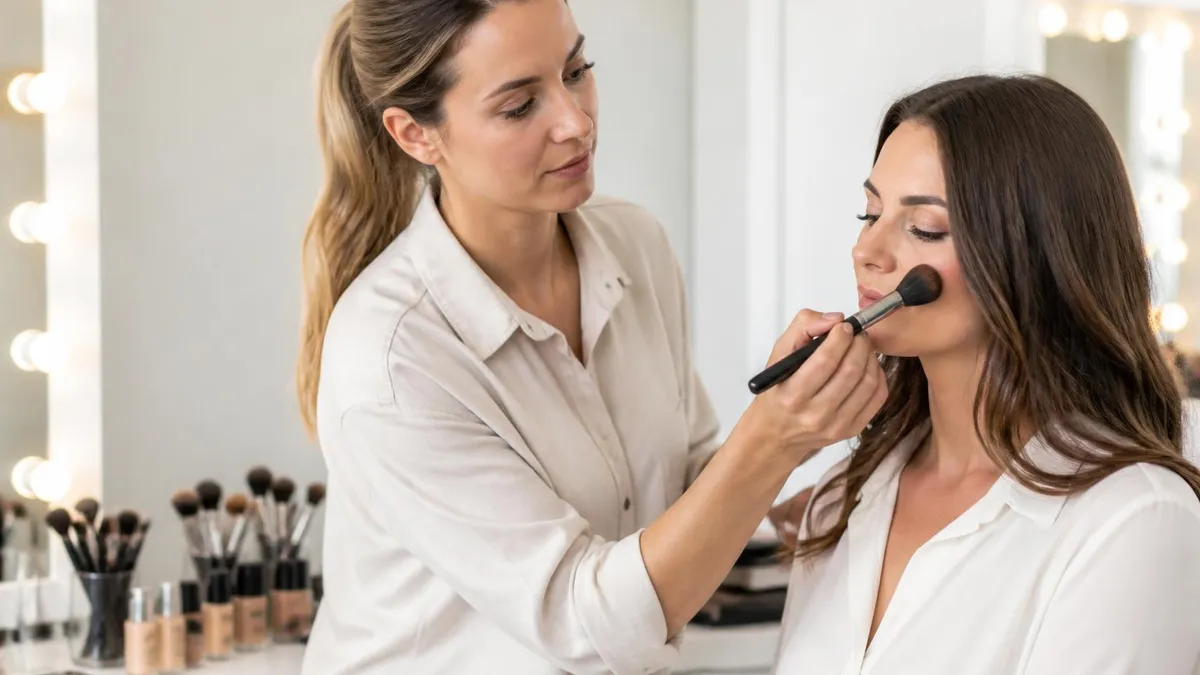
What Makes the Aspen Market Unique
Aspen hosts roughly 400 weddings per year, the majority destination events with budgets above $150,000. Couples fly in glam squads or hire local artists familiar with mountain venues like the Aspen Meadows Resort and Maroon Bells.
Film festivals, fashion shoots for resort publications, and private celebrity bookings create steady editorial demand. Artists with HD and airbrush experience earn premium day rates between $1,500 and $3,500 for film and print sessions.
From mid-December through March, luxury homes book in-room glam for galas, private dinners, and après-ski events. Hourly rates run $150 to $250 per face with minimums of two services and travel fees added.
Low humidity and intense UV demand hydrating primers, cream-based foundations, and aerosol setting sprays. Artists who train for these conditions deliver longer-lasting looks and earn loyal repeat clients in a small word-of-mouth market.
Booking a makeup artist near me in Aspen is different from hiring one in a major city. The local supply is small, calendars fill early, and most top artists work by referral rather than open online booking. Wedding planners at venues like the T Lazy 7 Ranch, Aspen Mountain Club, and the Little Nell maintain short preferred-vendor lists. If you are not connected through a planner, your best path is contacting the concierge at your hotel or reaching out to artists through Instagram, where most local MUAs showcase recent work and respond within twenty-four hours during business hours.
Start your search at least six months before your event. For peak dates between June and September, plan nine to twelve months ahead. Trials should happen one to three months before the wedding day, ideally at the same time of day as the event so you can see how products wear in matching light. Expect to pay a non-refundable retainer of twenty-five to fifty percent when you sign the contract. Reputable artists send a written agreement covering services, travel fees, timing, and cancellation policy before requesting payment.
When comparing artists, look beyond the polished Instagram grid. Ask for unedited portfolio photos taken at Colorado venues, not just studio shots from training. Request references from two recent clients, ideally brides married within the last twelve months. Confirm the artist has worked at your specific venue or one with similar altitude and lighting. Aspen Meadows differs sharply from a sea-level beach resort, and an artist who only photographs work in Los Angeles studios may struggle with the dry mountain air. The path to becoming a confident makeup artist near me in Aspen requires hands-on altitude experience.
Confirm sanitation practices in writing. Top artists use single-use disposable mascara wands, alcohol-sanitize brushes between every client, and decant cream products onto stainless steel palettes rather than dipping fingers into containers. Ask whether the artist carries professional liability insurance with a minimum one-million-dollar policy. Most venues require proof of coverage before allowing a vendor on site, and insured artists protect you against accidents like product reactions or property damage during the booking.
Ask specifically about the trial. A proper trial lasts ninety minutes to two hours, includes two or three look variations, and ends with detailed notes the artist keeps for wedding day. The cost typically falls between $200 and $350 in Aspen and is sometimes credited toward the final balance if you book the full service. Skip artists who promise to skip the trial or charge less than $150 for one, since corner-cutting at this stage usually signals weak preparation later.
Finally, clarify the timeline for the wedding morning. A bride plus four bridesmaids typically requires four to five hours of total chair time with one artist, or two to three hours with an artist plus an assistant. Build buffer time for hair, photography first-look moments, and dressing. Most Aspen artists arrive by 6:30 or 7:00 a.m. for noon ceremonies and charge an early-start fee for arrivals before 7:00 a.m. Confirm these details in writing so no one is rushing at the chapel.
MUA Practice Test Questions
Prepare for the MUA - Makeup Artist exam with our free practice test modules. Each quiz covers key topics to help you pass on your first try.
MUA Makeup Artist MCQ
MUA Exam Questions covering Makeup Artist MCQ. Master MUA Test concepts for certification prep.
MUA Makeup Artist
Free MUA Practice Test featuring Makeup Artist. Improve your MUA Exam score with mock test prep.
MUA Professional Makeup Artist
MUA Mock Exam on Professional Makeup Artist. MUA Study Guide questions to pass on your first try.
MUA Bridal & Special Occasion Makeup
MUA Test Prep for Bridal & Special Occasion Makeup. Practice MUA Quiz questions and boost your score.
MUA Color Theory & Skin Tone Analysis
MUA Questions and Answers on Color Theory & Skin Tone Analysis. Free MUA practice for exam readiness.
MUA Product Knowledge & Cosmetic Ingredients
MUA Mock Test covering Product Knowledge & Cosmetic Ingredients. Online MUA Test practice with instant feedback.
Makeup Artist and Wedding Makeup Specialties in Aspen
Bridal work dominates the Aspen calendar from late May through October, with smaller winter peaks tied to holiday weddings at the Hotel Jerome and the Little Nell. A typical bridal package includes the trial, wedding-day application for the bride, touch-up kit, and travel within Pitkin County. Add-on services cover bridesmaids, mothers of the bride and groom, flower girls, and the rare groom or groomsman who books a quick polish before photos.
Photographers in Aspen routinely use medium-format digital cameras that capture every pore, so artists rely on HD foundations, micro-fine setting powders, and airbrush techniques for the bride. Lashes should be individual cluster styles rather than full strips for a natural look in close-up shots. Lip products need to be transfer-resistant for first kisses and champagne toasts in the late afternoon sunlight common at mountain ceremonies.
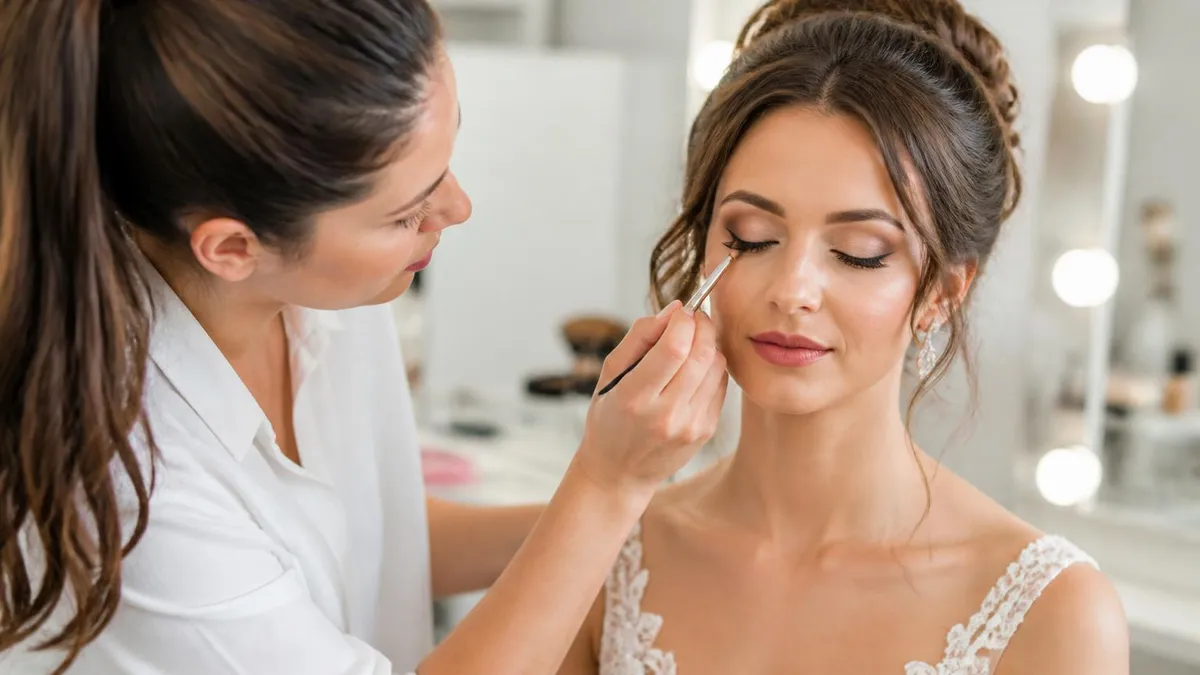
Working as an Aspen Makeup Artist: Pros and Cons
- +High average ticket sizes with bridal day rates averaging $1,200 for the bride alone
- +Year-round work between wedding season, festivals, and ski-week glam bookings
- +Networking access to celebrities, planners, and high-budget clients in a small market
- +Tips often add fifteen to twenty-five percent to invoices on wedding days
- +Editorial and film opportunities at festivals like Aspen Film Fest and X Games
- +Loyal repeat clients who book annual ski-week and holiday services
- +Beautiful mountain scenery and a tight-knit professional community
- −Cost of living in Pitkin County is among the highest in the United States
- −Seasonality means slower revenue in April, May, and October shoulder months
- −Travel time to outlying ranches and homes eats into productive booking hours
- −Altitude and dry air complicate product choices and require extra training
- −Competition for preferred-vendor spots with planners is intense and slow to crack
- −Long days with 5:00 a.m. call times during peak wedding weekends
- −Housing scarcity makes it difficult to live near where clients are based
Pros and Cons at a Glance
| Pros | Cons |
|---|---|
| Year-round work between wedding season, festivals, and ski-week glam bookings | Cost of living in Pitkin County is among the highest in the United States |
| Networking access to celebrities, planners, and high-budget clients in a small market | Seasonality means slower revenue in April, May, and October shoulder months |
| Tips often add fifteen to twenty-five percent to invoices on wedding days | Travel time to outlying ranches and homes eats into productive booking hours |
| Editorial and film opportunities at festivals like Aspen Film Fest and X Games | Altitude and dry air complicate product choices and require extra training |
| Loyal repeat clients who book annual ski-week and holiday services | Competition for preferred-vendor spots with planners is intense and slow to crack |
| Beautiful mountain scenery and a tight-knit professional community | Housing scarcity makes it difficult to live near where clients are based |
Aspen Makeup Artist Vetting Checklist
- ✓Confirm five or more recent Colorado wedding portfolios with unedited photos
- ✓Verify professional liability insurance with at least one-million-dollar coverage
- ✓Read at least three Google or Yelp reviews from clients within the last twelve months
- ✓Schedule a trial at the same time of day as your actual event
- ✓Ask about altitude-specific product brands and hydrating primer use
- ✓Get a written contract with cancellation, retainer, and timing details
- ✓Confirm the artist has worked at or near your specific venue before
- ✓Request references from a recent wedding planner who has hired the artist
- ✓Ask whether an assistant is needed for parties larger than four people
- ✓Check sanitation policies including single-use applicators and brush cleaning
- ✓Verify the artist accepts your preferred payment method and tip policy
- ✓Lock in a clear arrival time with early-start fees disclosed up front
Book Your Trial in the Same Light You'll Wear It
Aspen brides who schedule trials at 10:00 a.m. for evening ceremonies are often disappointed when their makeup photographs differently at golden hour. Schedule the trial within two hours of your actual ceremony time, in similar lighting, and bring the dress neckline or a photo of it so the artist can balance tones correctly.
Pricing in Aspen reflects the cost of running a beauty business in one of the most expensive ZIP codes in the country. Bridal trials start at $200 and average $275 across established artists. Wedding-day services for the bride alone range from $850 to $1,500 depending on whether the package includes airbrush, lashes, and a touch-up kit. Bridesmaids typically cost $185 to $275 each, with mothers, flower girls, and add-on services priced separately. Travel fees apply for venues more than fifteen miles from downtown, with most artists charging seventy-five cents to one dollar per mile plus a flat trip minimum.
Hourly rates for editorial and special-event work fall between $175 and $250 per hour with two-hour minimums. Day rates for editorial sessions run $1,500 to $3,500 depending on whether the booking is local, requires overnight travel, or includes special effects. Film and television projects pay through union scale or direct contracts, with key artists earning $850 to $1,200 per day plus kit fees of $75 to $150 daily. Tips are customary on weddings and private events, usually fifteen to twenty-five percent of the pre-tax invoice.
Compare these figures to the Front Range markets in Denver and Boulder, where bridal day rates run $450 to $750 and hourly editorial work bills $100 to $150. Aspen rates are roughly double, but so are operating costs. A working artist in Aspen typically spends $1,800 to $3,000 monthly on housing if sharing a space, $400 to $600 on a vehicle reliable for mountain driving, and $300 to $500 monthly restocking products that expire faster in dry conditions. The lori anne allison makeup artist reference often comes up when newer MUAs ask which celebrity-style portfolios best match Aspen client expectations.
Most Aspen artists structure their year around three revenue streams. Bridal services generate forty to sixty percent of annual income, concentrated in May through October. Ski-week and holiday glam represent twenty to thirty percent, peaking in December and March. Editorial, film, and special events fill the remaining twenty to thirty percent and provide important off-season cash flow during April, May, and October when weddings slow down. Diversification protects against any single market drying up unexpectedly.
Payment processing matters in a luxury market. Clients expect to pay by credit card or wire transfer for the largest invoices, with services like Square, Stripe, and HoneyBook handling the majority of bridal contracts. Cash and Venmo work for smaller events and tips, but professional contracts require digital signatures and traceable payments. Artists building toward a six-figure year typically aim for ninety to one hundred twenty bridal bookings, two to four editorial day rates per month during festival season, and twenty to forty special-event services in the winter.
For consumers, comparing quotes is more useful than picking the lowest bid. The cheapest artist in Aspen is often a new MUA who has not yet booked a full season at high-end venues. The most expensive may be a celebrity-name artist flying in from Los Angeles or New York for a single weekend at premium rates. Most weddings are best served by mid-tier local artists with three to seven years of regional experience, strong reviews, and a portfolio of work at your venue or one comparable to it.
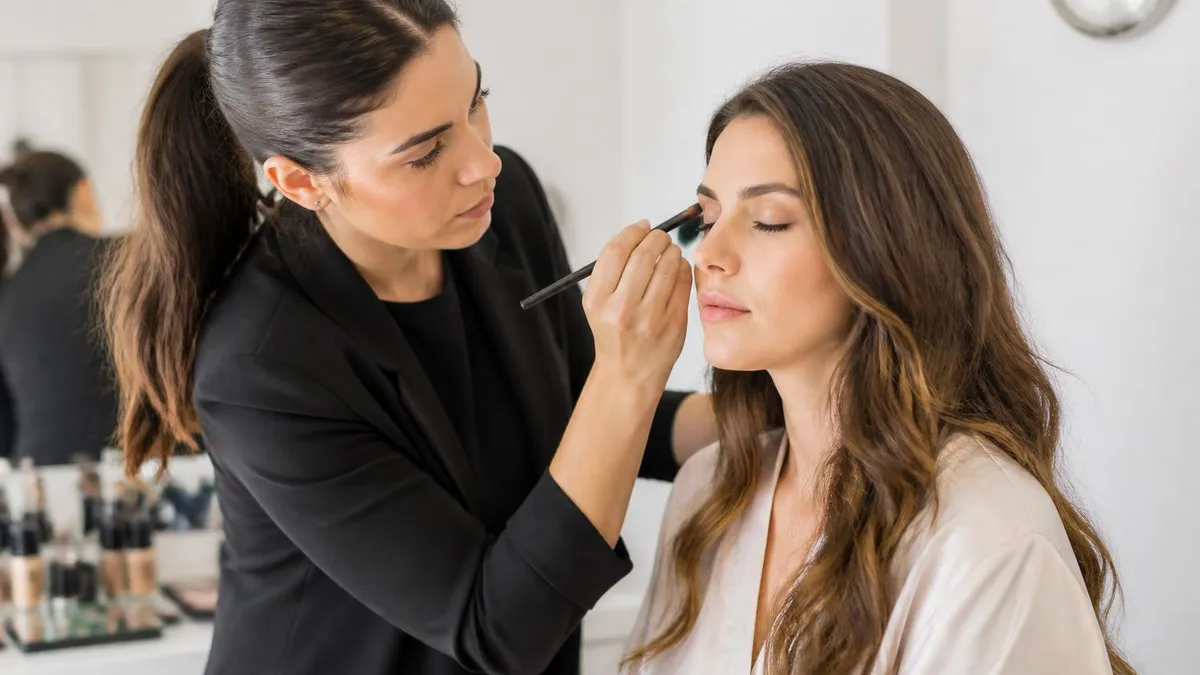
Top-rated bridal artists in Aspen typically close their books for the following summer by the previous October. If you plan a June, July, or August wedding, contact your shortlist of artists between twelve and fifteen months before the date. Waiting until six months out often leaves only newer artists or out-of-town imports available.
If you want to work as an aspen makeup artist, the path begins with formal training and Colorado state credentials. Colorado does not require a separate license for makeup artistry alone, but most luxury venues prefer artists with an esthetician license, which the state requires for any service that involves direct skin treatment. The esthetician program runs about six hundred hours and is offered at schools like the Aveda Institute Denver and the College of International Esthetics in Centennial. Tuition runs $9,000 to $15,000, and most students complete the program in four to seven months.
After licensure, plan one to two more years of apprenticeship or assistant work before charging Aspen rates. Many local artists start by assisting established MUAs on wedding days for $150 to $250 per shift, learning timing, kit organization, and client management. Others build a portfolio in Denver or Boulder first, then relocate to Aspen once they have ten or more published wedding galleries and a strong Instagram following. Networking with Aspen-based planners through bridal shows and venue open houses accelerates the transition.
Certification adds credibility quickly. Programs like the Makeup Designory, Cinema Makeup School, and online tracks through QC Makeup Academy offer specialized credentials in bridal, HD, airbrush, and special effects work. The strongest artist makeup artist career paths combine an esthetics license with two or three certifications and an online portfolio site that ranks for relevant local searches. Aspen clients increasingly find artists through Google searches and Instagram hashtags rather than directory listings, so SEO and social media skills directly translate to bookings.
Insurance is non-negotiable. A general liability policy with a one-million-dollar minimum costs $250 to $450 annually through providers like Beauty and Bodywork Insurance or PROfessional Beauty Federation. Add a business license through the City of Aspen if you live in town, or through your county if you live downvalley in Basalt or Carbondale. Sales tax registration with the Colorado Department of Revenue is required if you sell retail products alongside services, and most successful MUAs do, since retail margins are higher than service margins on a per-hour basis.
Housing is the single biggest barrier to relocating. Most working artists live in Basalt, Carbondale, or El Jebel and commute twenty to forty minutes into Aspen for bookings. Employer-assisted housing exists for staff at major hotels, and some salons offer rooms above their studios. Build your housing plan into your financial model before relocating, and consider a one-year trial with seasonal housing rather than a permanent move until you confirm the market supports your income goals.
Finally, plan for the off-season. April, May, and October typically generate twenty to thirty percent of peak-month income. Use these months for continuing education, photographing styled shoots for your portfolio, building relationships with new planners, and traveling for destination wedding work in Mexico, Hawaii, or Europe where many Aspen-based couples host destination events. Artists who treat the off-season as a strategic investment period rather than dead time accelerate their growth in this market by two to three years.
Practical preparation makes the difference between a smooth Aspen wedding day and a stressful one. For clients, the week before the event should include consistent hydration of two to three liters of water daily, gentle exfoliation two nights before the wedding, and a lip mask the evening prior. Avoid new skincare products in the two weeks before the event since reactions at altitude can flare unexpectedly. Bring a clear lip gloss, blotting papers, and a small mirror in your clutch for touch-ups during cocktail hour.
For artists, the day-before checklist matters as much as the morning timeline. Confirm directions to the venue, parking access, and the bridal suite location with the planner. Charge phones, tablets, and any ring-light or portable mirror equipment. Pack a kit with two complete sets of essentials so a forgotten item never derails a service. Top artists also pack a snack bag with protein bars and electrolyte drinks since wedding days routinely run ten to twelve hours without scheduled meals.
Lighting at Aspen venues varies dramatically. Mountaintop ceremonies at Aspen Meadows or Maroon Bells deliver intense daylight with sharp shadows, while indoor venues like the Hotel Jerome and St. Regis feature warm tungsten lighting that pulls foundations slightly orange. Artists pre-test their finishing powders and setting sprays against both lighting types during the trial. Photographers appreciate when artists carry a small color-checker card for first-look photos, ensuring final edits match the actual skin tone rather than a screen approximation.
Timing buffers protect everyone. A noon ceremony with a bride and four bridesmaids should start hair and makeup no later than 7:00 a.m. Plan ten extra minutes per face beyond the published service length to accommodate consultations, water breaks, and last-minute changes. Brides who feel rushed in the chair show it in their photos, so the best artists pace the morning to feel calm even when the schedule tightens unexpectedly. Build in a fifteen-minute touch-up window immediately before the ceremony for blot, lash check, and final lip refresh.
Communication closes the loop. Send a final confirmation email to the client three days before the event with the timeline, arrival window, parking instructions, and a list of what you need at the venue, such as outlet access, a non-carpeted area for spills, and one window for natural light.
Confirm the touch-up plan, whether you stay through the first dance or leave a kit behind for the bride. After the event, send a thank-you note within forty-eight hours and ask for a review on your preferred platform. Reviews drive the next twelve months of bookings in a referral-heavy market like Aspen.
For artists building a long-term career here, treat every wedding as a portfolio asset. Coordinate with the photographer for a few professional images of your finished work, formatted both as social media squares and as horizontal banners for your website. Tag the venue, planner, florist, and photographer in your posts, which earns reciprocal shares and grows your network. Three years of consistent posting plus four to six published wedding galleries on credible blogs typically lifts a new Aspen MUA from forty bookings per year to seventy or more.
Sample MUA - Makeup Artist Practice Questions
Try these questions from our free MUA - Makeup Artist practice tests. The correct answer and an explanation follow each question.
When should a makeup artist use a color-correcting green primer or concealer?
- A. To cover hyperpigmentation and dark spots
- B. To neutralize redness from rosacea, acne, or broken capillaries
- C. To brighten the under-eye area
- D. To add warmth to sallow skin
Answer: B. To neutralize redness from rosacea, acne, or broken capillaries
Green cancels out red tones on the color wheel, making it the correct corrector for redness caused by skin conditions.
In theatrical stage makeup, why is the makeup applied more heavily than in everyday or film makeup?
- A. Stage lighting bleaches out features at a distance, requiring intensified color and definition
- B. Stage actors sweat more and need thicker product
- C. Audiences require natural-looking makeup in theater
- D. Stage makeup must be photographed in extreme close-up
Answer: A. Stage lighting bleaches out features at a distance, requiring intensified color and definition
Strong stage lighting washes out facial features at a distance, so heavily applied, exaggerated makeup ensures features remain visible to the audience.
In bridal makeup, the term 'editorial' refers to a style that is best described as what?
- A. Natural and skin-focused
- B. Artistic, high-fashion, and not typical for everyday brides
- C. Conservative and matte
- D. Focused entirely on SPF protection
Answer: B. Artistic, high-fashion, and not typical for everyday brides
Editorial makeup is avant-garde and fashion-forward, more suited to photo shoots than traditional weddings.
What is the function of a humectant ingredient in skincare and makeup formulations?
- A. Prevent oxidation of oils
- B. Attract and retain moisture in the skin
- C. Provide color pigmentation
- D. Create a waterproof barrier
Answer: B. Attract and retain moisture in the skin
Humectants attract water from the environment and deeper skin layers to the surface, keeping skin hydrated and plump.
MUA Questions and Answers

About the Author
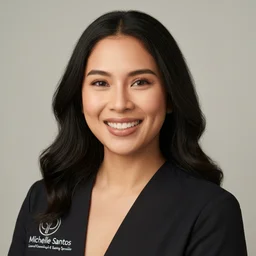
Licensed Cosmetologist & Beauty Licensing Exam Specialist
Paul Mitchell SchoolsMichelle Santos is a licensed cosmetologist with a Bachelor of Science in Esthetics and Salon Management from Paul Mitchell School. She has 16 years of salon industry experience and 8 years preparing students for state cosmetology board exams in theory, practical skills, and sanitation. She specializes in licensure preparation for cosmetologists, estheticians, and nail technicians.
Join the Discussion
Connect with other students preparing for this exam. Share tips, ask questions, and get advice from people who have been there.
View discussion (7 replies)