
Schools for MRI Technician: How to Choose the Right Program in 2026 September
Find the best schools for MRI technician training in 2026 September. ❓ Compare program types, costs, accreditation, and what to expect from your MRI education.
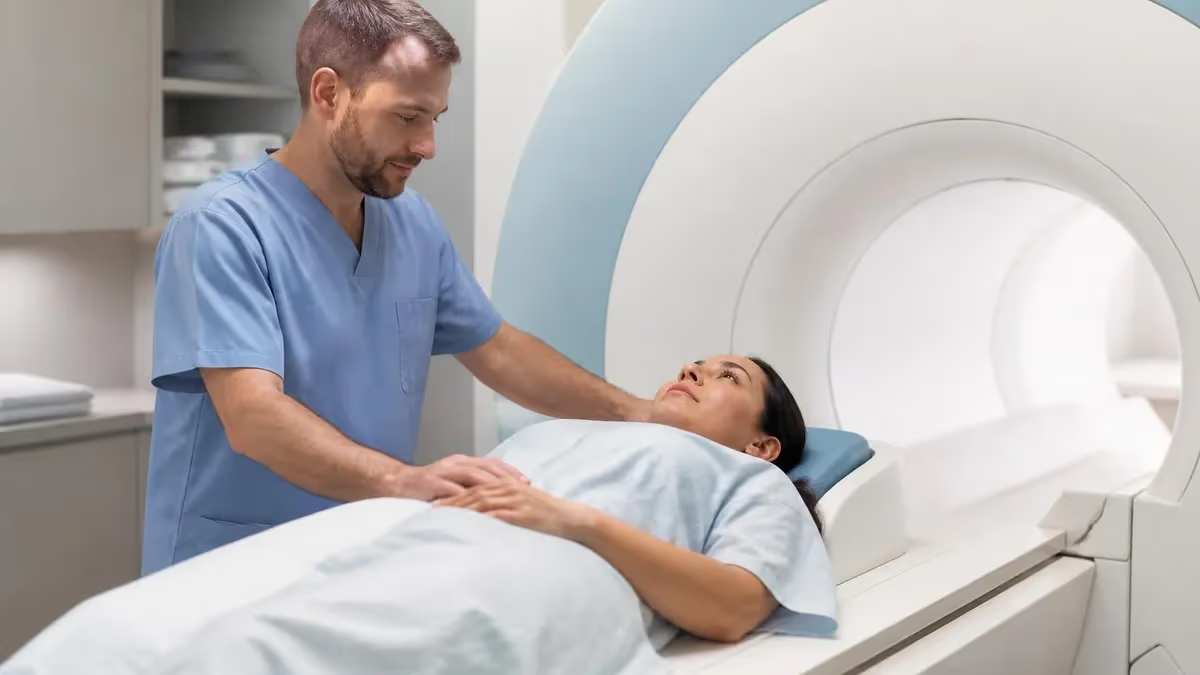
Choosing the right schools for MRI technician training is one of the most consequential decisions you will make on the path to a rewarding healthcare career. The program you attend determines the quality of your clinical preparation, the value of your credential in the job market, and whether you graduate fully eligible to sit for the ARRT MRI certification examination. With dozens of accredited programs spread across community colleges, university hospitals, and specialized imaging schools, the selection process can feel overwhelming without a clear framework.
MRI technology is among the fastest-growing specialties in diagnostic imaging. The U.S. Bureau of Labor Statistics projects employment of MRI technologists to grow roughly 10 percent through 2032, well above the average for all occupations. This growth reflects an aging population requiring more soft-tissue imaging for orthopedic, neurological, and oncological conditions. Hospitals, outpatient imaging centers, and private radiology practices are all competing for qualified graduates, which means that completing a strong, accredited program today translates directly into strong job prospects tomorrow.
Not all MRI programs are created equal. Accreditation by the Joint Review Committee on Education in Radiologic Technology (JRCERT) is the gold standard, and employers frequently filter applicants by whether their program held this designation. Beyond accreditation, you should evaluate clinical affiliation sites, faculty credentials, scanner access, and first-time ARRT pass rates before committing tuition dollars. A program that places 90 percent of graduates in jobs within six months is a fundamentally different investment than one with opaque outcomes data.
Most MRI technician programs fall into one of three formats: a one-year post-primary certificate for working radiographers, a two-year Associate of Applied Science degree for entry-level students, or a four-year Bachelor of Science in Radiologic Sciences with an MRI concentration. Each pathway has distinct admission requirements, costs, and career ceiling implications. Understanding which pathway fits your current credentials and long-term goals is the starting point for any serious school search.
Prerequisite coursework is a consistent theme across programs regardless of format. Anatomy and physiology, algebra or precalculus, physics, and medical terminology are required at most schools before you set foot in an MRI suite. Some programs bundle prerequisites into the curriculum, while others expect you to complete them independently at a community college first. Building a strong prerequisite GPA demonstrates to admissions committees that you can handle the rigorous physics and instrumentation content that defines MRI education.
Financial aid availability varies widely. JRCERT-accredited programs typically qualify students for federal financial aid through Title IV, which includes Pell grants, subsidized loans, and work-study. Certificate programs at imaging schools sometimes fall outside Title IV eligibility, meaning you would need private loans or employer tuition assistance. Always verify financial aid status with the program's financial aid office before applying, and compare total program cost — including clinical travel, uniforms, and ARRT examination fees — against expected starting salary in your target market.
This guide walks you through every dimension of the school selection process, from understanding program types and mri technician schools accreditation standards to clinical hour requirements, ARRT eligibility, and what happens on exam day. By the end, you will have a concrete checklist for evaluating any program you consider and a realistic timeline from application to first paycheck.
MRI Technician Education by the Numbers
MRI Technician Program Types
Designed for registered radiographers (ARRT R.T.(R)) seeking to add MRI credentials. Focuses purely on MRI physics, safety, and clinical competencies. The fastest path to certification for working imaging professionals.
Entry-level degree combining general education with full radiologic technology training and an MRI concentration. Leads directly to ARRT eligibility. Offered widely at community colleges and hospital-based programs.
Comprehensive degree with management, research, and advanced imaging tracks. Preferred for leadership roles, teaching positions, and travel-tech contracts. Opens doors to graduate education in medical imaging.
Didactic coursework delivered online with in-person clinical rotations at affiliated sites. Offers scheduling flexibility for working students while still meeting JRCERT clinical hour requirements.
Accreditation is the single most important filter to apply when researching MRI technician schools. The Joint Review Committee on Education in Radiologic Technology (JRCERT) is the specialized accrediting body recognized by both the U.S. Department of Education and the American Registry of Radiologic Technologists. ARRT requires that candidates for the MRI examination have graduated from a JRCERT-accredited program or a program accredited by an equivalent body recognized by ARRT. If you graduate from a non-accredited school, you will be ineligible to sit for the exam, and virtually no hospital credentialing department will hire you.
JRCERT accreditation involves a rigorous self-study process, site visits, and ongoing compliance reviews. Accredited programs must demonstrate that they meet standards in six categories: institutional integrity, program effectiveness, student evaluations, curriculum design, clinical education, and faculty qualifications. The outcomes benchmark most scrutinized by employers is the first-time ARRT credentialing examination pass rate. JRCERT requires programs to maintain a five-year average pass rate at or above the national mean, which typically hovers between 75 and 82 percent. Programs consistently exceeding 90 percent signal unusually strong didactic preparation.
Regional institutional accreditation — such as accreditation from the Higher Learning Commission (HLC) or Southern Association of Colleges and Schools (SACS) — is a separate credential that applies to the college or university as a whole rather than the specific program. Regional accreditation matters enormously for financial aid eligibility and credit transferability. If you plan to complete prerequisite courses at one institution and transfer credits to your MRI program, both schools should be regionally accredited to ensure your credits are accepted.
Some programs advertise national institutional accreditation from bodies like the Accrediting Bureau of Health Education Schools (ABHES) or the Commission on Accreditation of Allied Health Education Programs (CAAHEP). While these accreditations satisfy ARRT eligibility requirements, they are not always recognized for Title IV federal financial aid and credits may not transfer to four-year universities. Carefully read the fine print before enrolling in a nationally accredited program if you have any intention of pursuing a bachelor's or master's degree later in your career.
Clinical affiliation agreements are a practical component of accreditation that students often overlook. A JRCERT program must maintain formal affiliation agreements with clinical sites that provide adequate scanner access, case mix diversity, and qualified clinical instructors. When comparing programs, ask each school for a list of affiliated clinical sites, the ratio of students to scanners during rotations, and whether clinical placements are assigned or self-arranged. Programs that require you to independently arrange your own clinical site introduce significant risk, particularly if you live in a rural area with limited imaging facilities.
You can verify a program's accreditation status directly on the JRCERT website at jrcert.org, where the full directory of accredited programs is publicly searchable. Pay attention not just to current accreditation status but also to whether the program has received any notices of non-compliance or probation. A program with a recent adverse action — even one subsequently resolved — is worth scrutinizing more carefully during your campus visit or information session.
Programmatic accreditation timelines matter when you are planning your application cycle. Newly granted candidacy status from JRCERT indicates a program is working toward full accreditation but has not yet achieved it. Graduating from a candidacy-status program may satisfy ARRT eligibility retroactively once full accreditation is granted, but this outcome is not guaranteed and introduces real risk. Unless you have verified in writing from ARRT that your specific situation will qualify, graduating from a fully accredited program is always the safer choice.
MRI Practice Test Questions
Prepare for the MRI - Magnetic Resonance Imaging exam with our free practice test modules. Each quiz covers key topics to help you pass on your first try.
MRI Knowledge
MRI Exam Questions covering Knowledge. Master MRI Test concepts for certification prep.
MRI Physics
Free MRI Practice Test featuring Physics. Improve your MRI Exam score with mock test prep.
MRI Anatomy and Pathology
MRI Test Prep for MRI Anatomy and Pathology. Practice MRI Quiz questions and boost your score.
MRI Anatomy and Positioning
MRI Questions and Answers on MRI Anatomy and Positioning. Free MRI practice for exam readiness.
MRI Contrast Agents
Free MRI Quiz on MRI Contrast Agents. MRI Exam prep questions with detailed explanations.
MRI Patient Care and Positioning
MRI Practice Questions for MRI Patient Care and Positioning. Build confidence for your MRI certification exam.
MRI Technician School Costs and Financial Aid Options
Community college MRI programs typically represent the most affordable pathway, with tuition ranging from $8,000 to $22,000 for the full two-year Associate of Applied Science degree. In-state students benefit from significantly subsidized tuition rates, and federal Pell grants can cover a substantial portion of costs for qualifying applicants. Many community colleges also offer payment plans that allow students to spread tuition across each semester without interest charges.
Beyond tuition, community college students should budget approximately $2,000 to $4,000 for ancillary costs: ARRT application fees ($200), background check and drug screening ($150–$300), clinical uniforms and supplies ($300–$500), textbooks and online resource subscriptions ($800–$1,200), and liability insurance if not covered by the program. Some programs also require students to purchase dosimetry badges and maintain personal health insurance throughout their enrollment.
Pros and Cons of Pursuing an MRI Technician Degree
- +Strong and growing job market with projected 10% employment growth through 2032
- +Competitive median salary of $77,000 with experienced technologists earning $90,000+
- +No exposure to ionizing radiation — MRI uses magnetic fields and radio waves only
- +Diverse work settings including hospitals, outpatient centers, research institutions, and mobile units
- +Clear credential pathway through ARRT with nationally recognized certification
- +Opportunities for specialization in neurological, cardiac, or pediatric MRI subspecialties
- −Programs are highly selective with competitive GPA and prerequisite science requirements
- −Clinical rotations often require early morning, evening, or weekend availability
- −MRI physics coursework is mathematically demanding and requires sustained study commitment
- −Physical demands include lifting patients, standing for long periods, and working in confined spaces
- −Strict safety protocols require constant vigilance — ferromagnetic incidents can be life-threatening
- −Continuing education requirements mean ongoing investment of time and money after initial certification
MRI Technician School Application Checklist
- ✓Verify the program holds active JRCERT accreditation on the jrcert.org program directory.
- ✓Confirm the institution holds regional accreditation for federal financial aid eligibility.
- ✓Request the program's five-year first-time ARRT credentialing examination pass rate.
- ✓Ask for the list of clinical affiliation sites and the student-to-scanner ratio during rotations.
- ✓Complete all required prerequisites (A&P I and II, algebra, physics, medical terminology) before applying.
- ✓Gather official transcripts from every college or university you have previously attended.
- ✓Obtain two to three letters of recommendation from science faculty or healthcare supervisors.
- ✓Write a personal statement explaining your motivation for MRI and relevant clinical exposure.
- ✓Schedule a program information session or campus tour to meet faculty and current students.
- ✓Submit your FAFSA or equivalent financial aid application before the program's priority deadline.
- ✓Arrange a criminal background check and drug screening if required for clinical placement.
- ✓Prepare for a possible entrance interview by reviewing MRI safety principles and program-specific questions.
ARRT Pass Rate Is Your Most Reliable Quality Signal
When comparing MRI technician programs, request each school's five-year rolling first-time ARRT credentialing examination pass rate. National average rates hover between 75 and 82 percent. Programs consistently posting 90 percent or above indicate strong physics instruction, rigorous clinical training, and effective exam preparation — and that performance gap translates directly into your probability of passing on the first attempt.
The curriculum inside an accredited MRI technician program is divided into three broad domains: didactic coursework, laboratory instruction, and supervised clinical education. Each domain builds on the others in a carefully sequenced progression. You typically spend the first half of the program in classroom and lab settings learning the foundational science, and the second half applying that knowledge directly in clinical MRI suites under the supervision of registered technologists and clinical faculty.
Didactic content in MRI programs is notably more physics-intensive than other radiologic technology specialties. Courses cover electromagnetic theory, radiofrequency pulse sequences, k-space and Fourier transform mathematics, gradient coil design, signal-to-noise ratio optimization, and artifact identification and correction. Students who enter the program with a weak mathematics or physics background frequently struggle in these courses, which is why most admissions committees require at minimum a college algebra course and encourage applicants to complete a physics course before enrollment.
MRI safety education receives an entire standalone course in most programs, and for good reason. The magnetic environment of an MRI suite creates risks that are absent in other clinical environments, including projectile hazards from ferromagnetic objects, device interactions with pacemakers and cochlear implants, acoustic noise exposure, and radiofrequency-induced tissue heating. Students learn to screen patients using validated questionnaires, assess implant compatibility using FDA-cleared databases like MRI Safety.com, and respond to zone-control breaches before they become life-threatening incidents.
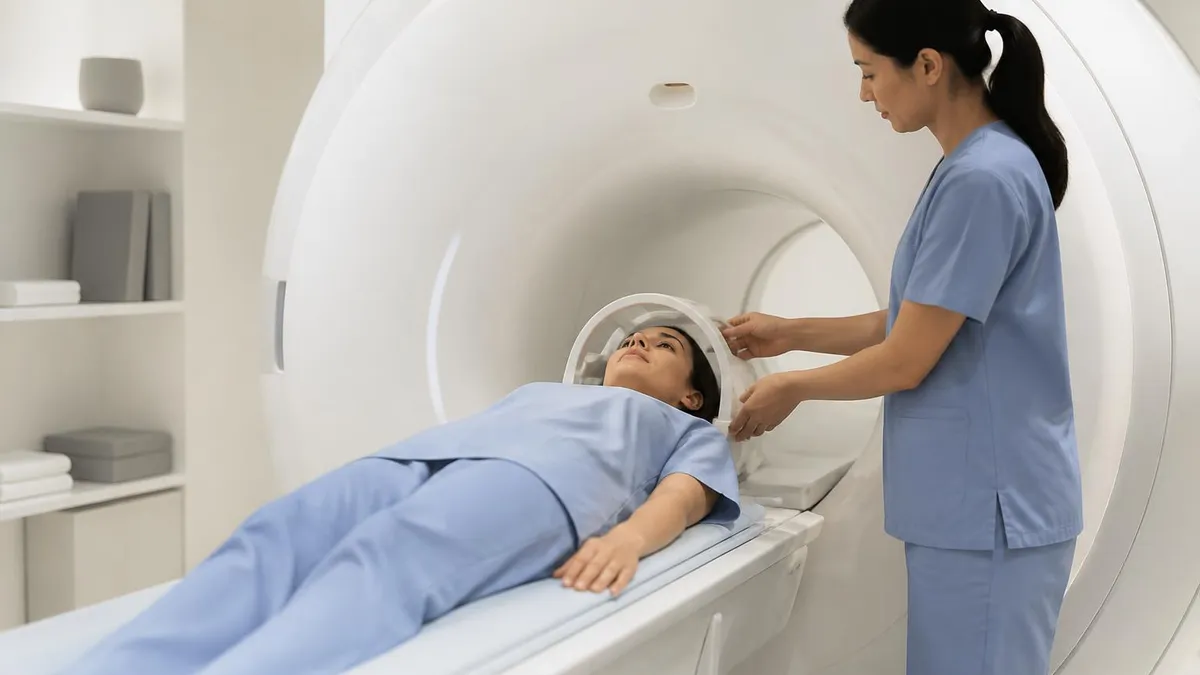
Patient positioning and coil selection form the practical core of clinical laboratory instruction. Students work with phantom models before transitioning to supervised live scanning, learning proper patient communication, immobilization techniques, intravenous contrast administration procedures, and coil placement protocols for each anatomical region. Competency is assessed through direct observation checklists evaluating image quality, patient safety behaviors, and time management. Programs typically require students to demonstrate competency on 20 to 40 defined procedures before graduation.
Clinical rotations expose students to the full range of MRI examinations performed in real-world settings. JRCERT requires a minimum number of clinical hours — typically 900 to 1,200 hours depending on program format — and mandates exposure to brain, spine, musculoskeletal, abdominal, and vascular imaging. Students rotate through multiple clinical affiliate sites to gain experience with different scanner models from manufacturers like Siemens Healthineers, GE HealthCare, Philips, and Canon Medical, each of which has a distinct user interface and protocol library.
Advanced topics covered in upper-division coursework include cardiac MRI gating techniques, MR spectroscopy fundamentals, diffusion tensor imaging, functional MRI principles, and contrast agent pharmacology including the evolving landscape of gadolinium-based contrast agents and the retention research that has changed clinical practice over the past decade. Programs that incorporate these advanced topics produce graduates who can contribute immediately to specialty imaging protocols rather than requiring extensive post-hire training.
Research literacy and cross-sectional anatomy round out the academic curriculum. Students learn to read and interpret ARRT content specifications, use peer-reviewed literature to evaluate new protocols, and apply cross-sectional anatomy knowledge derived from CT and MRI atlases to real patient imaging. Strong programs integrate anatomy review throughout the curriculum rather than treating it as a one-time prerequisite, recognizing that the ability to identify normal versus pathological structures on a live scan is a skill that deepens with repeated exposure across diverse clinical cases.
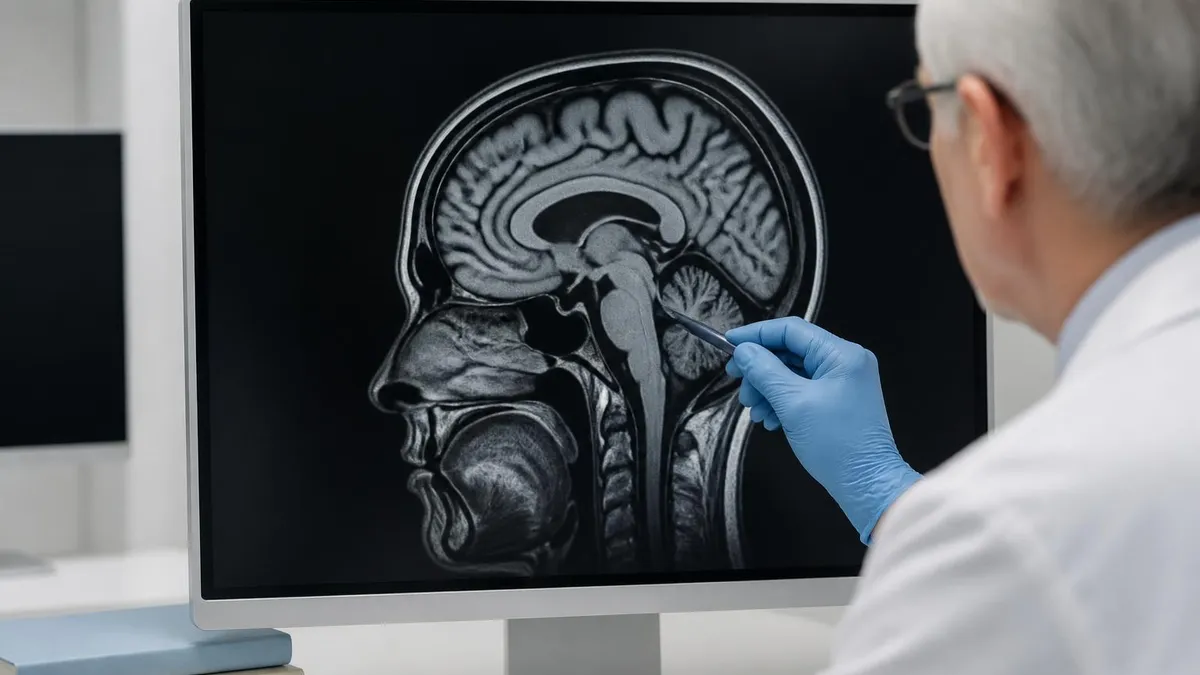
ARRT requires that all MRI examination candidates complete the full clinical competency requirements specified by their accredited program before an application for examination will be accepted. If you withdraw from or fail to complete your clinical rotations, you will not be eligible to sit for the certification exam regardless of your didactic performance. Confirm your program's clinical completion policy and have a contingency plan before any planned leave of absence.
Preparing for the ARRT MRI certification examination begins during your first semester of training, not in the weeks before you sit for the test. The ARRT MRI content specifications outline three primary content categories: patient care (roughly 17 percent of the exam), imaging procedures (roughly 53 percent), and physics and instrumentation (roughly 30 percent). Understanding this distribution early allows you to allocate study time proportionally and identify your personal weak areas while you still have access to faculty support and clinical resources.
The ARRT MRI examination consists of 200 questions administered over 3.5 hours at a Pearson VUE testing center. Of those 200 questions, 185 are scored and 15 are unscored pretest items scattered randomly throughout the exam. Questions are presented in a four-option multiple-choice format. There is no penalty for incorrect answers, so you should answer every question even when uncertain. The passing score is determined by a criterion-referenced standard-setting process, not a fixed percentage, and the passing threshold has historically corresponded to correctly answering approximately 75 percent of scored items.
Applying for the ARRT MRI examination requires submitting your program director's verification of didactic and clinical completion, payment of the examination fee, and passing an ethics review if you have any criminal history. The application portal is online at arrt.org, and processing typically takes two to four weeks after your program director submits verification. You have 90 days from the date ARRT approves your application to schedule and sit for the examination, with the option to purchase a 90-day extension for an additional fee if needed.
State licensure is a separate requirement from ARRT certification in many states. As of 2026, more than 35 states require MRI technologists to hold a state license in addition to ARRT certification. State licensure applications typically require a copy of your ARRT certification, a background check, a licensure fee ($50–$200), and in some states, evidence of continuing education credits. Processing timelines vary from two weeks to three months depending on the state, so apply well before your anticipated start date at a new employer.
Salary trajectories for MRI technologists are closely tied to experience, certification level, and geographic market. Entry-level technologists in lower-cost-of-living markets like the Midwest and Southeast typically start around $55,000 to $65,000 annually. In high-cost metropolitan areas like San Francisco, New York, and Boston, entry-level salaries frequently exceed $80,000. Technologists who add advanced certifications — such as ARRT's Cardiac Interventional Radiography or Magnetic Resonance Imaging Cardiac credentials — can command premium pay rates of $85,000 to $110,000 in competitive markets.
Travel MRI technologists represent a growing segment of the workforce who accept short-term contracts (typically 13 weeks) at hospitals and imaging centers experiencing staffing shortages. Travel tech contracts often pay $40 to $75 per hour plus tax-free housing and travel stipends, making total compensation packages equivalent to $100,000 to $140,000 in annualized terms. Most travel agencies require at least one to two years of staff experience before they will consider placing an MRI technologist in a travel assignment, giving recent graduates a clear professional development timeline to target.
Career advancement for MRI technologists typically moves through lead technologist, supervisor, and department manager roles, each adding administrative responsibilities and compensation. Some technologists transition into applications specialist roles with scanner manufacturers, providing training and clinical support to imaging facilities. Others move into education, teaching in the same types of programs they attended. For those interested in clinical research, MRI technologist positions in academic medical centers often involve participation in imaging trials and protocol development that can lead to co-authorship on peer-reviewed publications and significant career differentiation.
Building strong study habits from the first week of your MRI program pays compounding dividends when examination day arrives. The most common mistake new MRI students make is treating physics content as something to memorize rather than something to understand. MRI physics is conceptually interconnected: understanding why TR and TE parameters affect image contrast makes it impossible to confuse T1-weighted and T2-weighted sequences on an examination, whereas rote memorization of rules creates fragile knowledge that evaporates under test pressure. Invest time in understanding the underlying electromagnetic theory, and the clinical protocol decisions will follow logically.
Active recall through practice testing is the single most evidence-supported study technique for technical certification examinations. Rather than re-reading your notes, cover the page and try to recall the key principle. Rather than highlighting your textbook, write out a summary of each concept in your own words without looking at the source material.
And rather than waiting until the final weeks of your program to attempt practice questions, integrate timed quizzes into your weekly study routine from semester one. Students who complete at least 1,000 practice questions before sitting for the ARRT examination consistently outperform those who study the same total hours through passive review methods.
Clinical study is equally important and often overlooked in favor of textbook preparation. Every time you complete a scan in your clinical rotation, ask yourself why each parameter was chosen, what artifacts you might encounter, and how the protocol would change if the patient had a different clinical indication. Keep a personal logbook of interesting cases, unusual patient presentations, and protocol modifications you observe. This case-based knowledge base is invaluable during examination preparation and in post-graduation practice when you encounter clinical scenarios that do not match textbook descriptions exactly.
Peer study groups organized around specific content areas outperform solo studying for most MRI students. Explaining a concept to a classmate forces you to identify gaps in your own understanding and refine your explanations until they are precise. Group study sessions work best when each participant prepares a brief teach-back on an assigned topic rather than simply reading together. Scheduling weekly 90-minute sessions with two to four classmates creates accountability and catches misconceptions before they become entrenched errors.
Simulation-based practice is increasingly available through online platforms that recreate the ARRT examination interface. Practicing under realistic timed conditions builds the metacognitive skill of pacing — knowing when to commit to an answer, when to flag a question for review, and how to manage the 3.5-hour duration without fatiguing. Students who practice under simulated exam conditions consistently report lower anxiety on actual examination day and demonstrate better time management during the scored exam compared to students who only studied in open-book formats.
Physical and mental wellness deserves explicit attention during the final weeks before your examination. Sleep deprivation dramatically impairs both recall and reasoning, making a 7–8 hour sleep schedule in the two weeks before your exam more valuable than cramming through the night. Moderate aerobic exercise has been shown in multiple studies to improve memory consolidation and reduce examination anxiety. Eating regular meals and staying hydrated on examination day supports sustained cognitive performance across the full 3.5-hour session. Treat your examination preparation as an athletic training cycle, not just an academic sprint.
Finally, use the official ARRT content specifications as a diagnostic tool, not just a reading list. Download the current MRI content category and subcategory outline from arrt.org and rate your confidence in each subcategory on a scale of one to five. Focus your remaining study time on the subcategories where you rated yourself two or below that also carry the highest exam weight. This targeted approach ensures that your final study hours produce the greatest possible score improvement, rather than reinforcing content you already know well while leaving critical gaps unaddressed.
MRI Questions and Answers
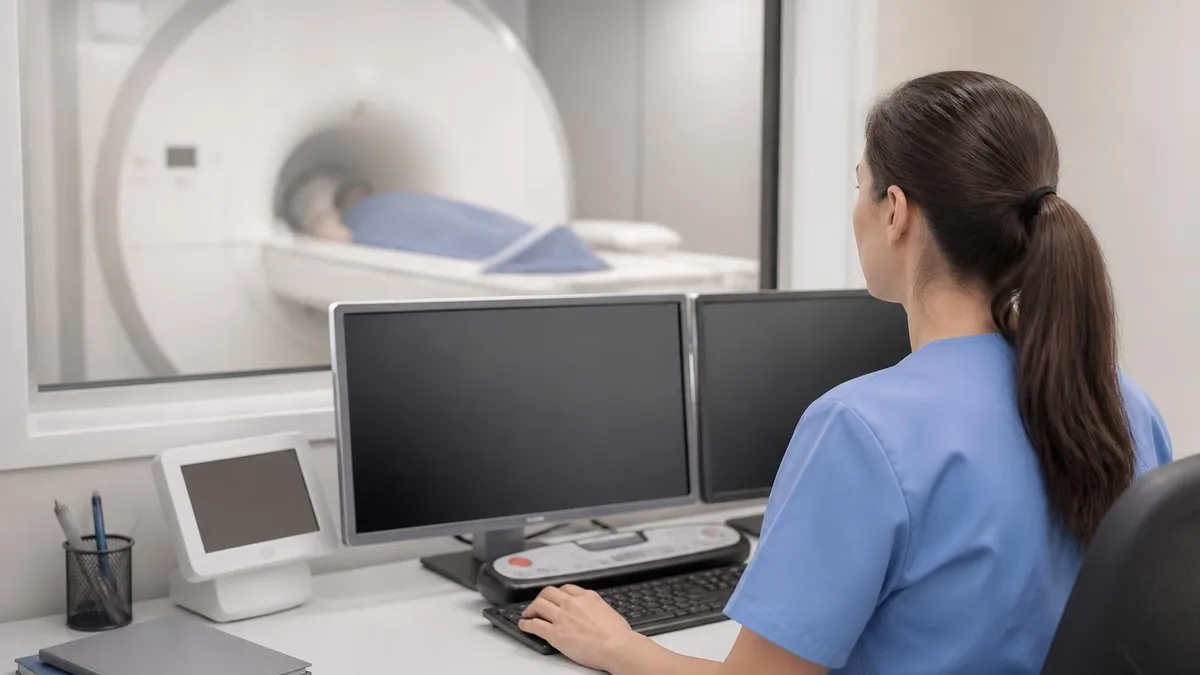
MRI of Cervical Spine: Complete Guide to Imaging, Anatomy, Pathology, and Patient Preparation
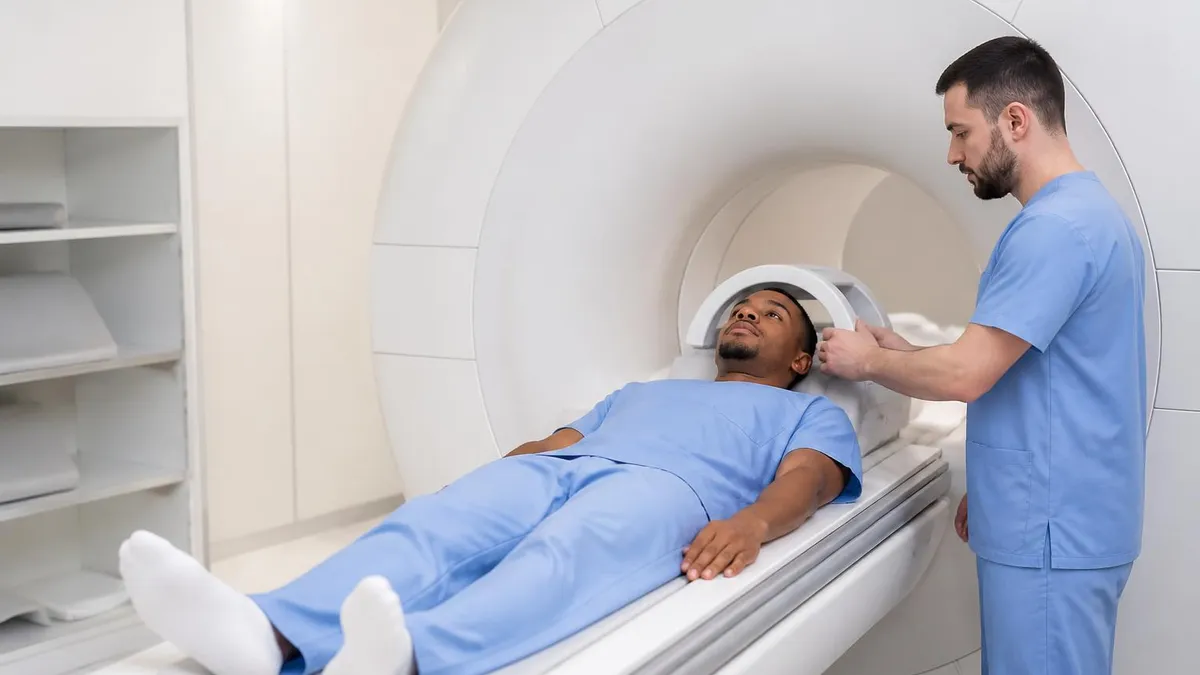
Knee MRI Images: A Complete Guide to Reading, Understanding, and Interpreting Knee Scans
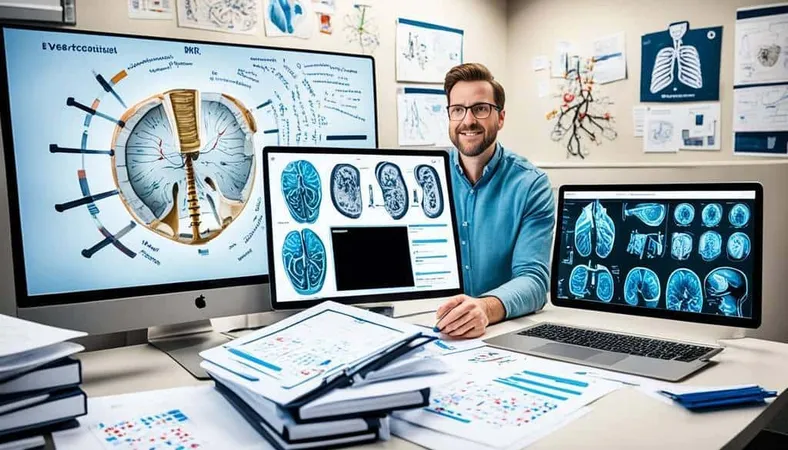
Ace Your Exam with MRI Practice Test 2026 Prep

MRI Tech School 2026 — Programs, Requirements, and What to Expect
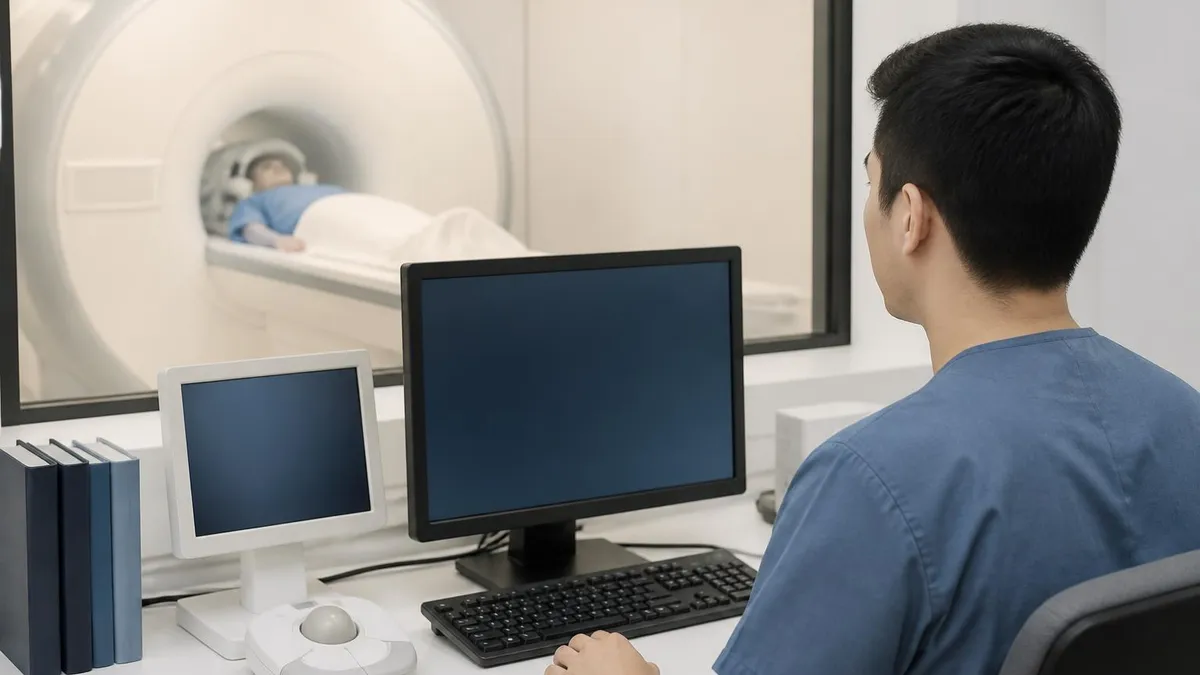
MRI Procedure: What to Expect Before, During and After Your Scan
About the Author

Medical Laboratory Scientist & Clinical Certification Expert
Johns Hopkins UniversityDr. Sandra Kim holds a PhD in Clinical Laboratory Science from Johns Hopkins University and is certified as a Medical Technologist (MT) and Medical Laboratory Scientist (MLS) through ASCP. With 16 years of clinical laboratory experience spanning hematology, microbiology, and molecular diagnostics, she prepares candidates for ASCP board exams, MLT, MLS, and specialist certification tests.
Join the Discussion
Connect with other students preparing for this exam. Share tips, ask questions, and get advice from people who have been there.
View discussion (8 replies)