
MRI Clinics Near Me: How to Find, Compare, and Book the Right Imaging Center
Searching MRI clinics near me? Compare costs, wait times, accreditation, and scan quality. Book the right outpatient imaging center with confidence. 🗨️
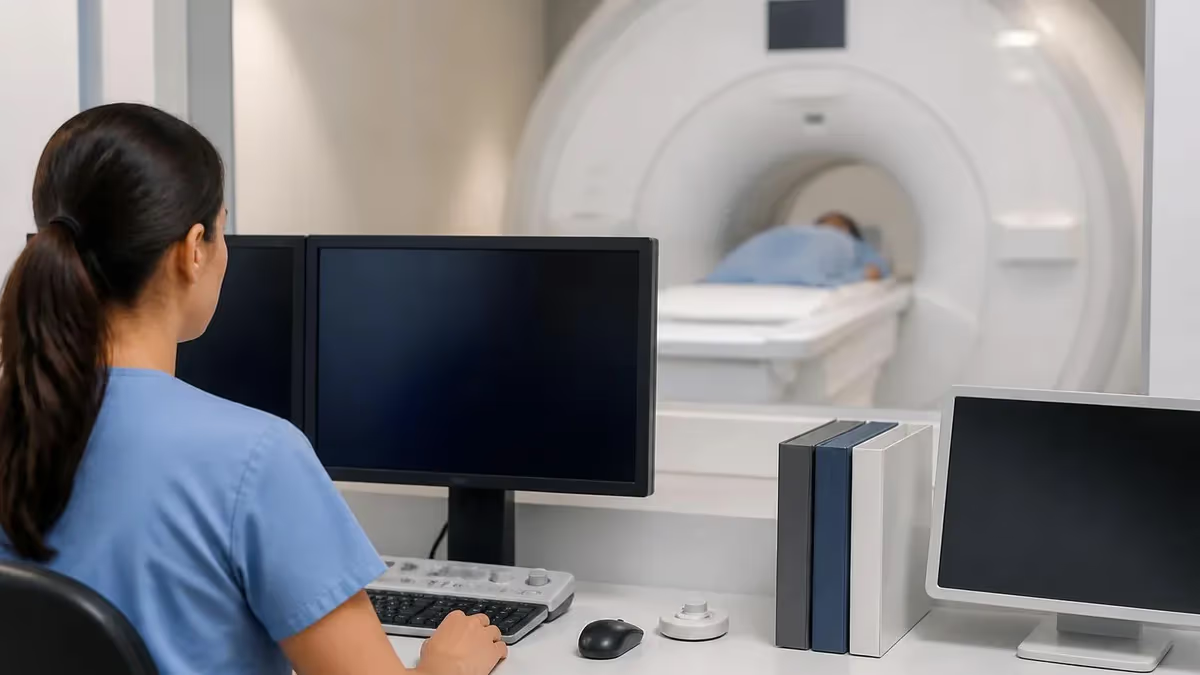
If you have searched for mri clinics near me, you are joining millions of Americans each year who need fast, affordable, and high quality magnetic resonance imaging outside of a crowded hospital radiology department. Outpatient MRI centers have grown rapidly across the United States, and most metropolitan areas now have dozens of independent imaging clinics within a fifteen minute drive. The challenge is no longer finding a scanner, but choosing the right one for your specific clinical question, budget, and schedule.
Not every MRI clinic is the same. Field strength varies from 0.3 Tesla open units to 3.0 Tesla high field systems, and that single specification can change how clearly your radiologist sees a torn meniscus, a small brain lesion, or a subtle disc herniation. Coil technology, software version, and the experience of the technologist also influence diagnostic quality. A cheaper scan on an outdated machine sometimes leads to a repeat study, which costs more in time, money, and anxiety.
Price transparency has improved dramatically since the federal hospital price disclosure rules of 2021 and 2022, but cash prices for the same body part can still range from about 300 dollars at a freestanding clinic to over 3,500 dollars at a hospital outpatient department. Insurance contracts, prior authorization rules, and deductible status complicate the picture further. Knowing how to read a Good Faith Estimate and how to ask about bundled radiology reading fees can save patients hundreds of dollars per study.
Wait times are another major factor. National data from the American College of Radiology and large benefits managers show that average outpatient MRI wait times grew from roughly nine days in 2019 to about sixteen days in 2024, with some specialty studies stretching past a month. Independent clinics frequently offer next day or same week appointments, including evening and Saturday slots, while hospital systems often quote two to four weeks for non urgent scans.
Accreditation matters more than most patients realize. The American College of Radiology, the Intersocietal Accreditation Commission, and The Joint Commission each maintain MRI accreditation programs that audit image quality, safety protocols, and physician qualifications. Choosing an accredited site is not just a quality marker, it is also a Medicare reimbursement requirement and a strong predictor of careful safety screening for implants, pregnancy, and contrast reactions.
This guide walks through how to evaluate nearby MRI clinics step by step. You will learn what to ask before booking, how scanner type affects your scan, how to estimate out of pocket costs, what to expect on the day of imaging, and how to make sure your results reach the ordering physician quickly. By the end, you should be able to compare three or four local centers confidently and choose the one that fits your medical and financial needs best.
Whether you need a knee MRI after a soccer injury, a brain MRI for new headaches, a lumbar spine MRI for sciatica, or a screening breast MRI for a high risk family history, the same evaluation framework applies. The goal is a diagnostic quality scan, read by a qualified radiologist, delivered to your physician quickly, at a price you can predict before you walk through the door.
Outpatient MRI in the US by the Numbers
Types of MRI Clinics You Will Find Nearby
Located on or adjacent to a hospital campus, these centers handle complex cases, contrast studies, and sedation patients. They bill under hospital outpatient rates, which are usually the highest priced option but include 24 hour radiologist coverage.
Freestanding clinics owned by radiology groups or national chains such as RadNet, SimonMed, or Akumin. They typically offer the lowest cash prices, fastest scheduling, and modern 1.5T or 3.0T scanners with subspecialty reads available.
Many orthopedic, neurology, and spine practices now operate in office MRI units, often extremity dedicated. Convenient for follow up but limited to specific body parts and may not accept all insurance plans for the technical component.
Use lower field 0.3T to 1.2T open bore or standing scanners for claustrophobic, bariatric, or weight bearing studies. Image quality is lower than closed bore, so confirm your referring physician accepts open MRI results.
Trailer based scanners that rotate between rural hospitals, clinics, and prisons. Useful when no fixed site exists within fifty miles, though scheduling windows are narrow and image quality depends on the specific unit deployed.
Cost is usually the first concern after you find a nearby MRI clinic with availability. The same lumbar spine MRI without contrast might be billed at 450 dollars by an independent imaging center across the street from a hospital that bills 2,800 dollars for the identical study. The technical work is essentially the same, but facility fees, contract negotiations, and overhead allocation drive enormous price differences. Knowing how to ask for a cash price or self pay rate is one of the most powerful patient skills in radiology.
If you have commercial insurance, start by confirming your deductible status. If you have not met your deductible, you will likely pay the full negotiated rate out of pocket. That negotiated rate is often higher than the clinic's cash price, so it can be cheaper to pay cash and skip insurance entirely, although doing so means the payment will not count toward your deductible. Ask the clinic for both numbers before deciding which path to use.
Prior authorization is a near universal requirement for outpatient MRI under commercial insurance and Medicare Advantage plans. Companies like eviCore, Carelon, and AIM review the ordering physician's notes to confirm medical necessity. Denials are common for early imaging in low back pain, headache, and knee complaints when conservative treatment has not been tried. Your MRI clinic's scheduling team usually handles this paperwork, but you should verify approval before you arrive on the day of your scan.
Medicare beneficiaries should understand the difference between Part B coverage at a freestanding center, which is typically 80 percent of the approved amount after deductible, and hospital outpatient coverage, where a separate facility fee applies. Medigap or Medicare Advantage plans change these numbers significantly. For uninsured patients, many independent clinics post bundled cash prices online that include technical and professional fees, which simplifies budgeting dramatically.
Always request a Good Faith Estimate under the federal No Surprises Act if you are uninsured or self pay. The clinic must provide this within three business days of scheduling for any scan booked at least ten business days in advance. If the final bill exceeds the estimate by more than 400 dollars, you have the right to dispute it through a federal patient provider dispute resolution process. This protection is widely underused because most patients do not know it exists.
Watch carefully for separate radiologist reading fees. Some independent clinics quote a low technical fee but use an outside teleradiology group that bills the professional component separately, sometimes hundreds of dollars more. Always ask whether the price you are quoted is global, meaning it includes both the scan and the radiologist's interpretation. A truly bundled price prevents surprise bills from a radiologist you never met. For complex cases, consider whether you might need mri with and without contrast cpt, which costs more and requires an IV line.
Health savings accounts, flexible spending accounts, and care credit financing can soften the blow of a large MRI bill. Many clinics also offer 0 percent in house payment plans for self pay patients, often dividing a 600 dollar bill into three or four monthly payments with no credit check. Ask about these options before you check out, not after a collection letter arrives.
MRI Practice Test Questions
Prepare for the MRI - Magnetic Resonance Imaging exam with our free practice test modules. Each quiz covers key topics to help you pass on your first try.
MRI Knowledge
MRI Exam Questions covering Knowledge. Master MRI Test concepts for certification prep.
MRI Physics
Free MRI Practice Test featuring Physics. Improve your MRI Exam score with mock test prep.
MRI Anatomy and Pathology
MRI Test Prep for MRI Anatomy and Pathology. Practice MRI Quiz questions and boost your score.
MRI Anatomy and Positioning
MRI Questions and Answers on MRI Anatomy and Positioning. Free MRI practice for exam readiness.
MRI Contrast Agents
Free MRI Quiz on MRI Contrast Agents. MRI Exam prep questions with detailed explanations.
MRI Patient Care and Positioning
MRI Practice Questions for MRI Patient Care and Positioning. Build confidence for your MRI certification exam.
Scanner Strength and Image Quality at Local MRI Clinics
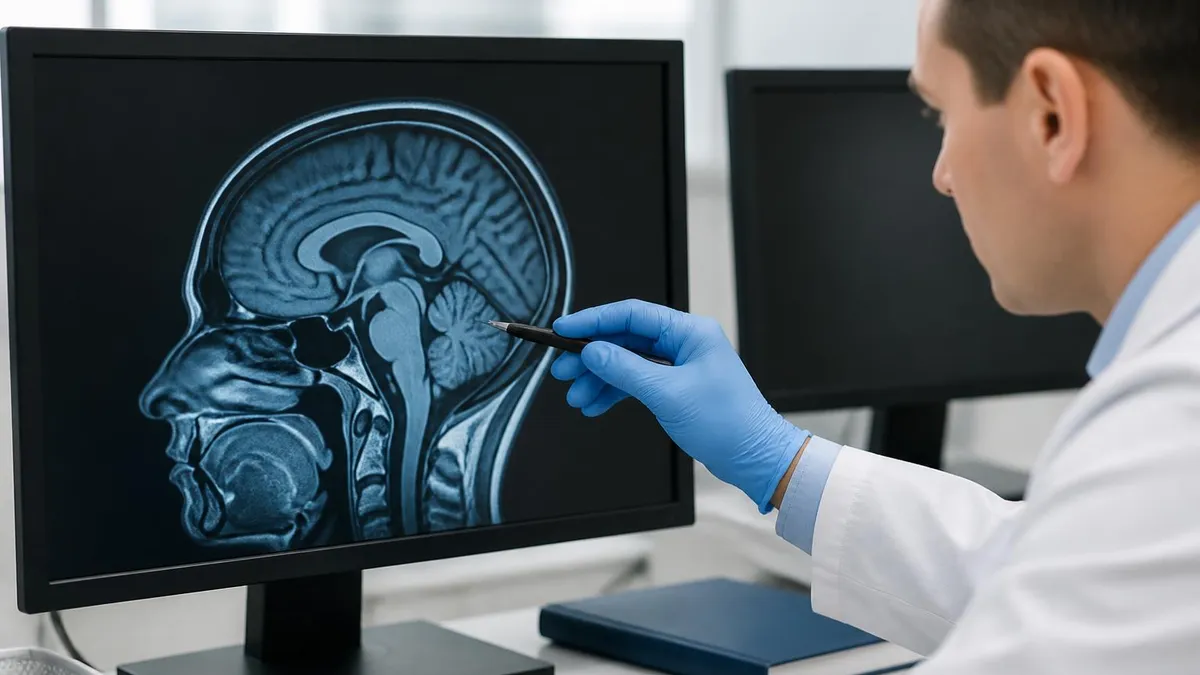
1.5T scanners are the workhorses of outpatient imaging in the United States. They produce excellent images for virtually every clinical indication, from brain and spine to abdomen and musculoskeletal studies. Roughly two thirds of all clinical MRI scans nationally are performed on 1.5T magnets because the technology is mature, reliable, and well tolerated by patients with most implants.
For routine knee, shoulder, lumbar spine, and brain MRI, a modern 1.5T scanner at an accredited clinic gives diagnostic quality images that meet the standard of care. Scan times typically run 25 to 45 minutes per body part. The bore is wider than older systems, which helps claustrophobic and larger patients tolerate the study without sedation.
Independent Imaging Clinics vs Hospital Radiology Departments
- +Cash prices often 60 to 80 percent lower than hospital outpatient rates
- +Faster scheduling, frequently same week or next day appointments
- +Evening, weekend, and early morning slots are widely available
- +Free parking and easier in and out without navigating a hospital campus
- +Bundled global pricing that includes the radiologist's reading fee
- +Direct phone access to schedulers and technologists, not call center menus
- −No on site emergency care if a contrast reaction or medical event occurs
- −Limited sedation services for claustrophobic or pediatric patients
- −May not handle very complex protocols such as cardiac or fetal MRI
- −Some plans steer patients to hospital based imaging through network rules
- −Records may not flow automatically into hospital electronic health systems
- −Fewer subspecialty radiologists available for niche pathology questions
Pre Booking Checklist for MRI Clinics Near Me
- ✓Confirm the clinic is ACR, IAC, or Joint Commission accredited for MRI
- ✓Verify scanner field strength is at least 1.5T unless you need open MRI
- ✓Ask for the cash or self pay price and the in network negotiated rate
- ✓Confirm prior authorization has been approved by your insurance carrier
- ✓Request a Good Faith Estimate in writing if you are uninsured or self pay
- ✓Ask whether the quoted price includes the radiologist's professional fee
- ✓Confirm a board certified radiologist with subspecialty training will read your scan
- ✓Check that report turnaround time is 24 to 48 hours for non urgent studies
- ✓Disclose every implant, surgery, tattoo, and medication during phone screening
- ✓Verify how images and the report will be sent to your ordering physician
- ✓Ask about parking, building entry, and arrival time before the appointment
- ✓Bring a photo ID, insurance card, and any prior imaging on disc or USB
Always Ask for the Cash Price Even If You Have Insurance
Schedulers at independent clinics routinely report that the cash price is lower than the contracted in network rate, especially for patients with high deductible plans. Ask for both numbers and run the math before booking. If you pay cash and submit the receipt yourself, the cost still may not apply to your deductible, so choose based on total annual healthcare spending.
The day of your MRI is usually less stressful than patients expect. Most clinics ask you to arrive 15 to 30 minutes before your scheduled scan time so the technologist can complete a thorough safety screening, confirm the body part and contrast plan, and have you change into a gown if needed. Bring a list of every implant, surgery, and metallic device in your body, even old ones like dental fillings, surgical clips, and IUDs. The screening form is long for a reason.
Wear loose, comfortable clothing without metal zippers, snaps, or underwire. Leave jewelry, hairpins, watches, hearing aids, and credit cards in the car or in a locked locker the clinic provides. Magnetic strips on cards can be erased by the fringe field outside the scan room. If you wear makeup, ask whether your specific products contain metallic pigments, which can cause artifacts on brain or face imaging.
If contrast is ordered, the technologist will start a small IV, usually in the arm or hand. Gadolinium based agents are the standard MRI contrast and have an excellent safety record, though patients with kidney disease, prior contrast reactions, or pregnancy require additional screening. Ask your clinic which specific agent they use and whether it is a macrocyclic chelate, which has the lowest risk profile for long term tissue retention.
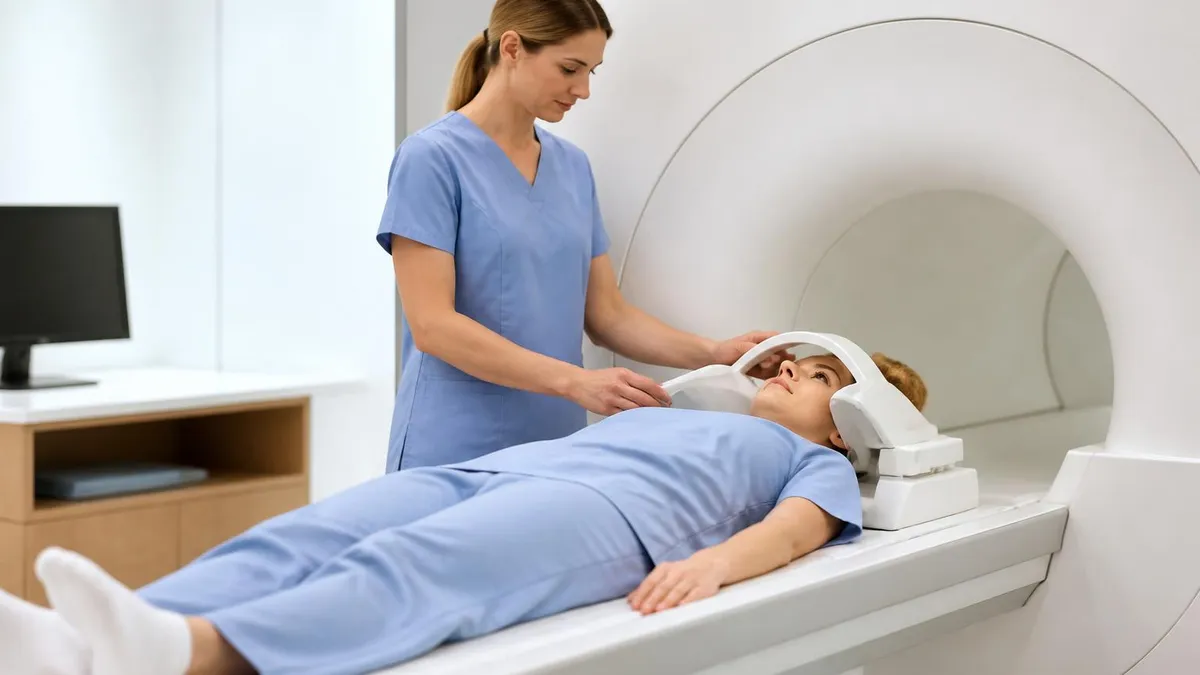
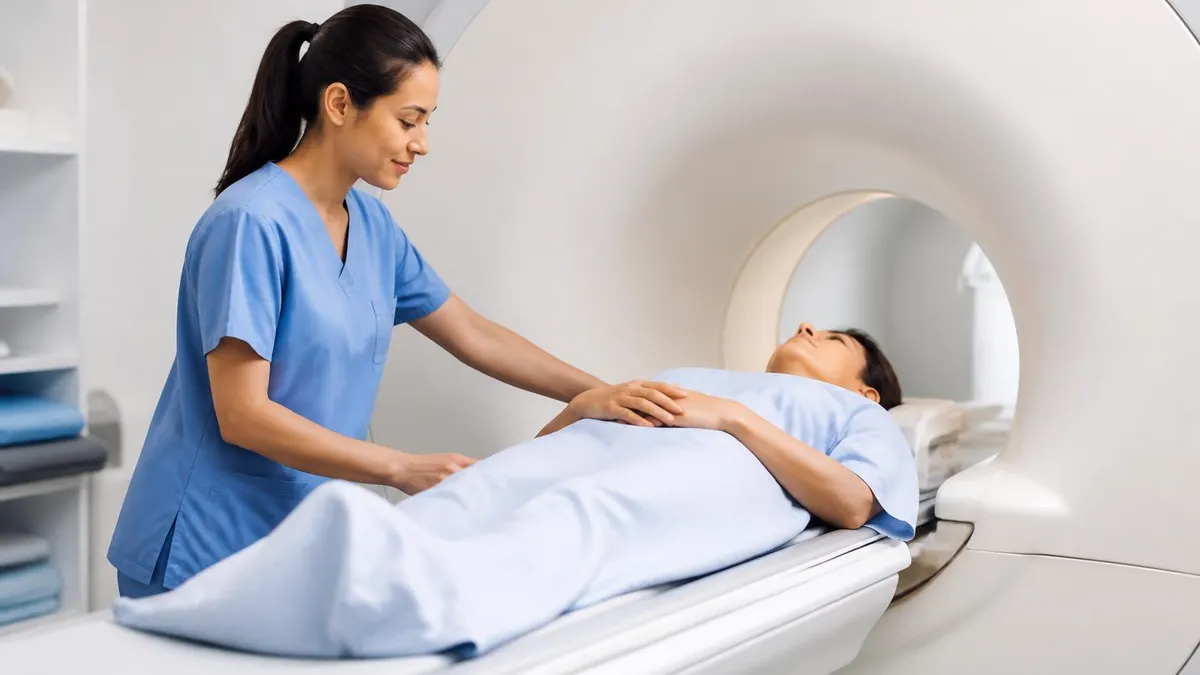
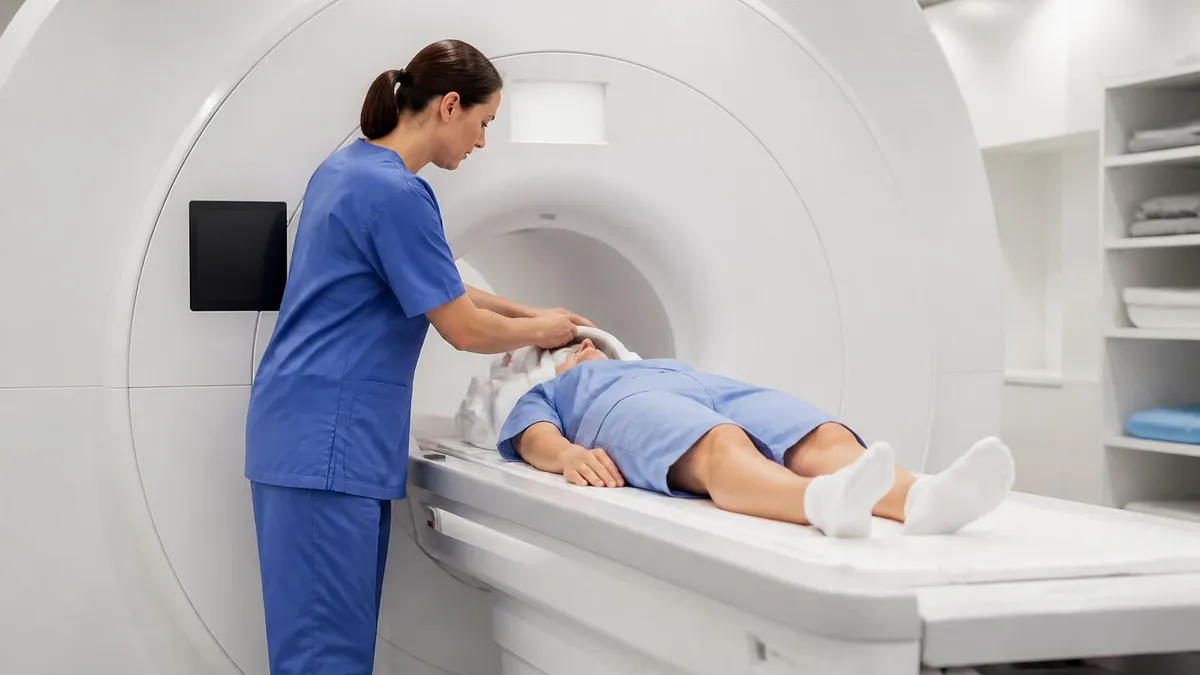
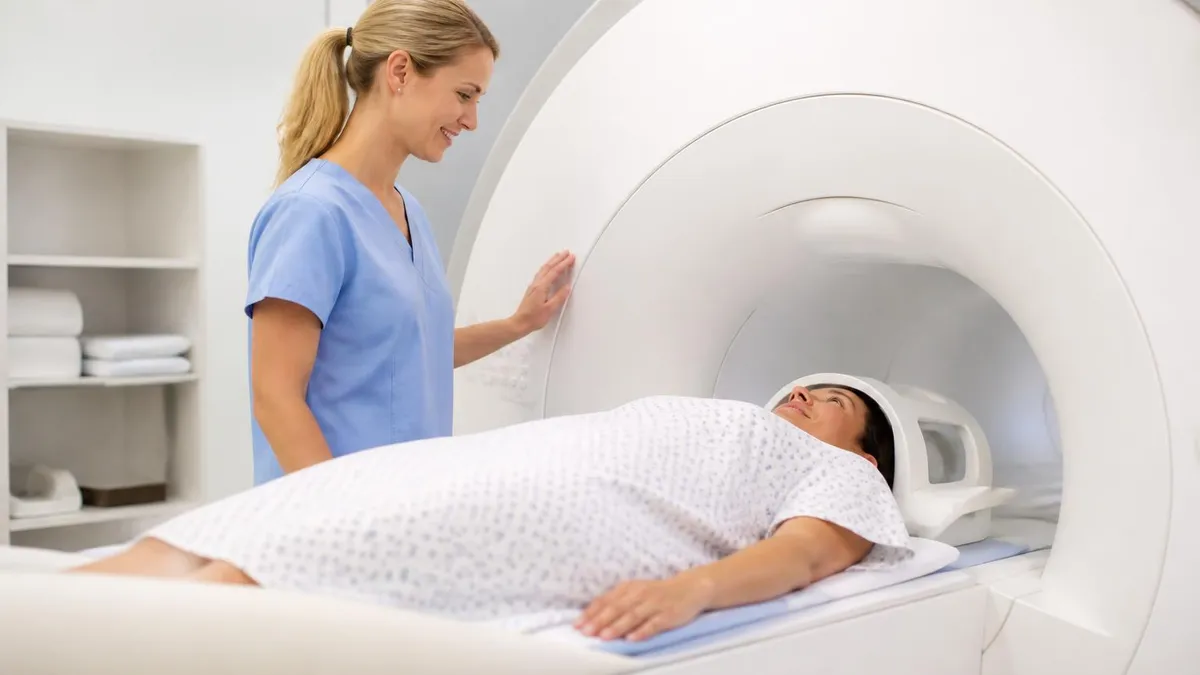
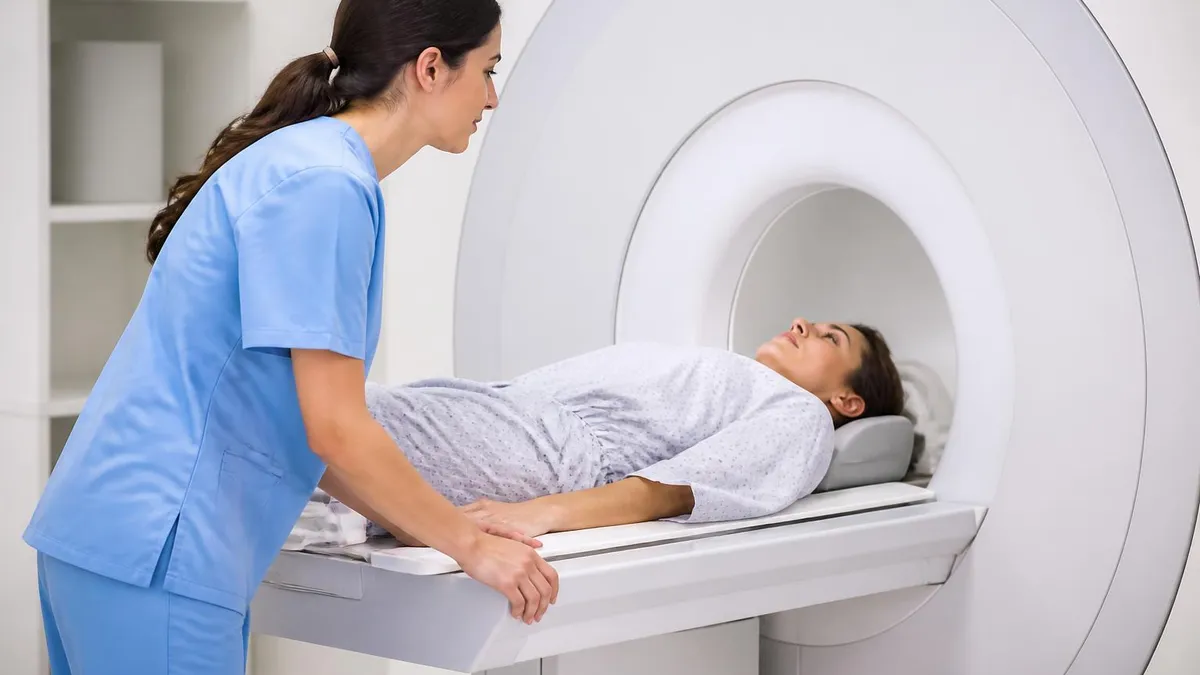
The scan itself involves lying still on a padded table that slides into the bore of the magnet. The technologist will give you a squeeze ball or call button, hearing protection, and a clear explanation of how long each sequence takes. Loud knocking and tapping sounds are normal and come from the gradient coils switching during image acquisition. Most patients tolerate the experience well, especially with music played through MRI safe headphones.
Movement is the single biggest cause of repeat scans. Even small shifts can blur images and force the technologist to repeat a sequence, extending your time on the table. Breathe normally, keep your eyes closed if it helps, and resist the urge to scratch or reposition. If you genuinely cannot hold still due to pain, anxiety, or claustrophobia, tell the staff before the scan starts so they can adjust positioning, offer a blanket, or pause for a break.
Pediatric patients, very anxious adults, and patients with severe claustrophobia may need oral or IV sedation. Not every outpatient clinic offers sedation services, so ask in advance if you anticipate needing it. Hospital based imaging departments and dedicated pediatric centers are usually better equipped for sedated MRI. An alternative is a longer pre scan visit with an anti anxiety medication prescribed by your physician and a driver to take you home afterward.
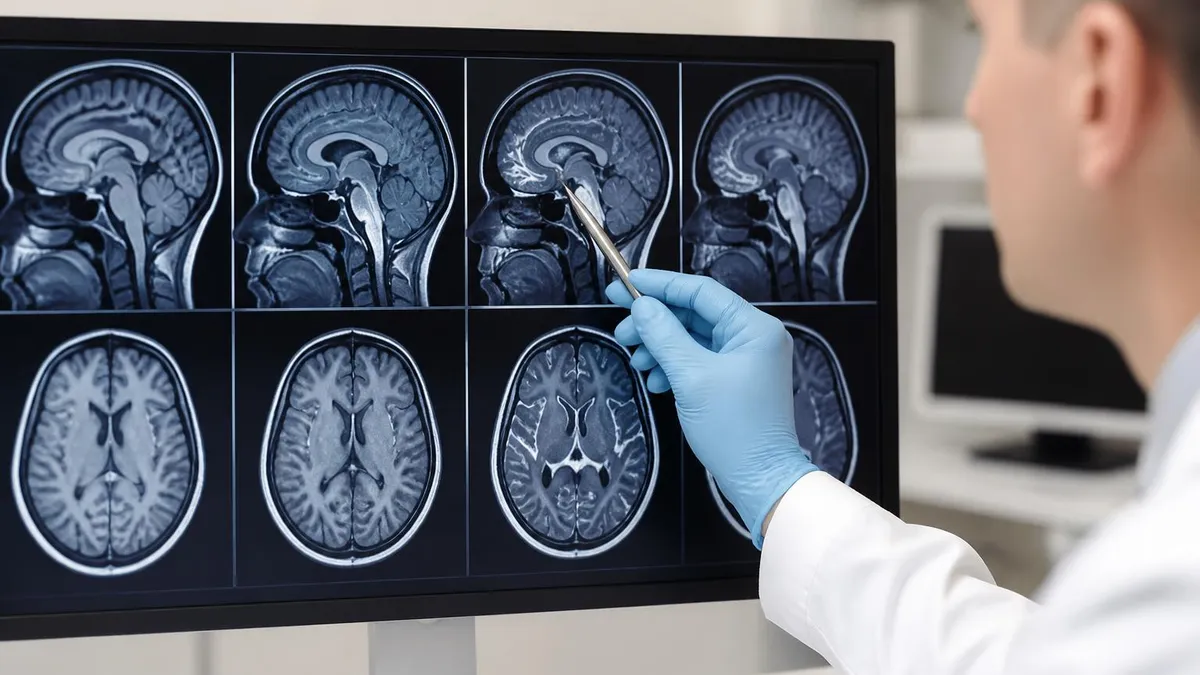
After the scan, the technologist removes the IV if used and you are free to leave immediately. There are no activity restrictions, no recovery period, and no need to flush gadolinium with extra water unless your physician specifically advises it. You may eat, drive, return to work, and exercise as normal. The radiologist then reviews your images and dictates a report, which is typically uploaded to a patient portal within 24 to 48 hours.
Pacemakers, cochlear implants, neurostimulators, aneurysm clips, metallic eye fragments, recent vascular stents, and pregnancy all require special review before MRI. Failing to disclose any of these can cause serious injury including implant migration, burns, or device malfunction. If you have ever worked with metal grinding or had shrapnel exposure, request orbit x rays before your scan.
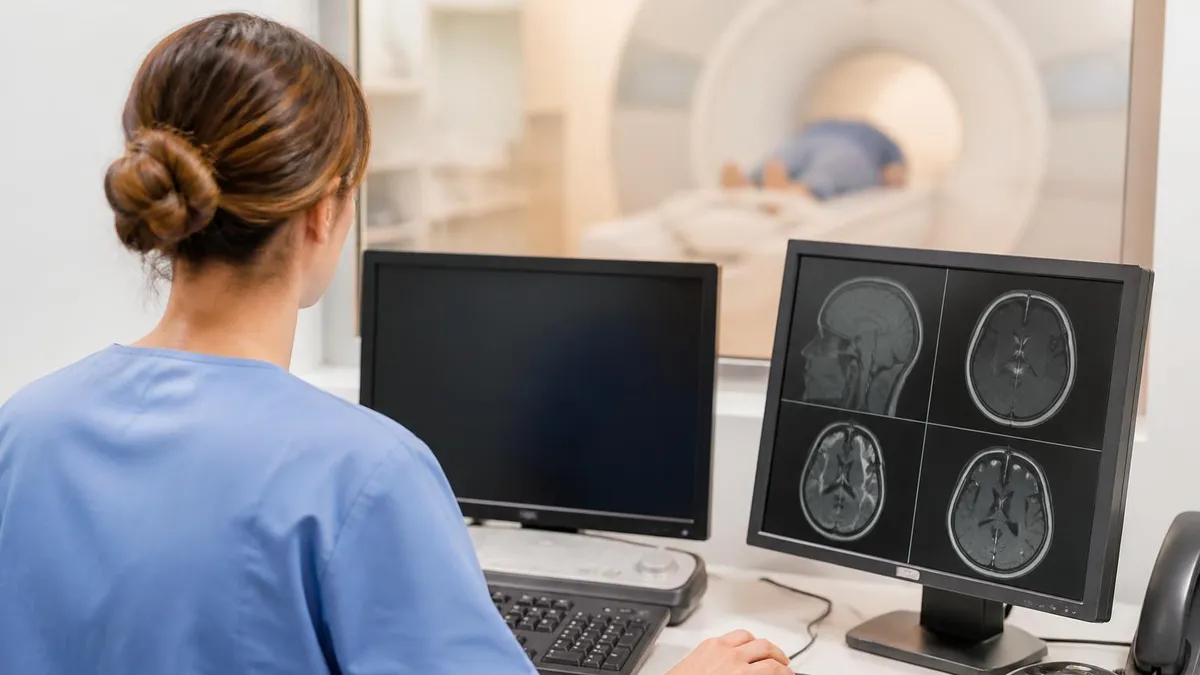
Once your MRI is complete, the next step is getting the results to your physician quickly and in a format they can act on. Most accredited outpatient clinics commit to a 24 to 48 hour turnaround for non urgent reports, with stat reads available in two to four hours for acute clinical questions. Ask the clinic specifically how the report will reach your physician, whether by fax, secure email, electronic health record interface, or printed copy you carry yourself.
Patients are entitled to a copy of both the report and the images under HIPAA and the federal information blocking rules. Most clinics now upload images to a patient portal or burn them to a CD or USB drive at no cost. Keeping a personal copy is wise because future physicians, second opinion radiologists, and out of network specialists may need to review the original images, not just the typed report.
Some patients also benefit from a brief discussion with the radiologist about what the report means in plain language, particularly for complex findings that overlap with the broader category of common MRI findings in the brain, spine, and joints.
If your physician orders a follow up scan or recommends a different modality such as CT or ultrasound, ask whether the same MRI clinic can perform it. Many independent imaging centers operate multi modality fleets including CT, ultrasound, mammography, and DEXA bone density, which simplifies record keeping and may qualify you for bundled pricing across studies. Continuity at one clinic also makes side by side comparison with prior scans easier for the radiologist.
Second opinion reads are increasingly common, especially for cancer staging, complex orthopedic injuries, and unclear neurological findings. Subspecialty radiology services like RadGuard, DocPanel, and academic hospital tele consult programs allow you to upload your images and receive a fresh interpretation, typically within three to seven business days. The cost ranges from 100 to 500 dollars depending on the body part and complexity, and the second read is sometimes covered by insurance if your physician requests it.
Pay close attention to incidental findings. MRI is extremely sensitive and frequently identifies abnormalities unrelated to the original clinical question, such as small kidney cysts, benign liver lesions, or arachnoid cysts in the brain. These are usually clinically insignificant, but the report will mention them. Discuss any incidental findings with your physician rather than self interpreting them through internet searches, which often leads to unnecessary anxiety.
Quality assurance does not end with the report. If you feel the scan was rushed, the images appear motion blurred, or the report seems superficial, you have the right to request a re read or a repeat scan. Accredited clinics maintain quality assurance programs and welcome patient feedback. Filing a complaint with the ACR or IAC is also an option if you believe an accredited site is not meeting standards.
Finally, save your imaging records in an organized way. Create a simple folder system on a hard drive or cloud account with the date, body part, clinic name, and brief impression for each scan. When you change physicians, move to a new city, or develop a new symptom years later, having organized imaging history at your fingertips can save days or weeks of records retrieval and may prevent unnecessary repeat studies.
Practical preparation makes the difference between a smooth MRI experience and a frustrating one. Start by reviewing the appointment confirmation email or text the clinic sends. It should list the exam time, arrival window, body part, contrast plan, and any prep instructions such as fasting for an abdominal mri cpt code or holding metformin around contrast. Print or screenshot this confirmation in case the clinic has trouble locating your order on arrival.
Eat a normal meal before most MRI studies unless instructed otherwise. Common exceptions include abdominal MRI, MRCP, and small bowel enterography, which usually require four to six hours of fasting. Drink water freely beforehand unless you cannot urinate before the scan and the protocol is long. Caffeine is generally allowed except for cardiac stress MRI. Take routine medications on schedule unless a specific instruction conflicts.
Plan your route and parking carefully. Hospital campuses can take 15 minutes to navigate from parking lot to scan room, while independent clinics usually offer surface parking adjacent to the front door. Build in buffer time for traffic, especially during morning and evening rush hours. Arriving late forces the clinic to either compress your screening or reschedule, both of which work against you.
Bring a support person if anxiety is a concern. Many clinics allow a family member or friend to wait in the scan control area or even sit beside the magnet in a chair if they pass the same metal screening you do. This is particularly helpful for pediatric patients, elderly patients with mild cognitive decline, and adults with severe claustrophobia. Ask the clinic in advance about their support person policy and any screening requirements.
Manage anxiety proactively. Deep breathing exercises, guided imagery apps, and brief mindfulness practices reduce perceived scan time. Some clinics offer eye covers, prism glasses that let you see outside the bore, video goggles, or your own music playlist through MRI compatible headphones. Ask what comfort options are available before booking, especially if you have struggled with prior scans. A quick test of headphone audio at the start prevents a wasted sequence.
Communicate honestly with the technologist about pain and positioning before the scan starts. If you cannot lie flat for 30 minutes due to back pain, ask for extra padding under your knees, a small pillow under the lower back, or a different head coil position. Adjustments made before the scan are easy. Adjustments made halfway through often require restarting sequences and adding ten or fifteen minutes to your total table time.
After the scan, schedule the follow up conversation with your ordering physician. A radiology report without clinical context can be hard to understand on your own. Most physicians prefer to review the images with you in a brief visit or telehealth appointment. Write down questions in advance, including what the findings mean for treatment, whether additional imaging is needed, and how the results change your prognosis or activity restrictions.
MRI Questions and Answers
About the Author

Medical Laboratory Scientist & Clinical Certification Expert
Johns Hopkins UniversityDr. Sandra Kim holds a PhD in Clinical Laboratory Science from Johns Hopkins University and is certified as a Medical Technologist (MT) and Medical Laboratory Scientist (MLS) through ASCP. With 16 years of clinical laboratory experience spanning hematology, microbiology, and molecular diagnostics, she prepares candidates for ASCP board exams, MLT, MLS, and specialist certification tests.
Join the Discussion
Connect with other students preparing for this exam. Share tips, ask questions, and get advice from people who have been there.
View discussion (8 replies)