
Dog MRI: A Complete Guide to Veterinary MRI Scans, Costs, and What to Expect in 2026 September
Dog MRI explained: how veterinary MRI scans work, typical costs ($2,000-$3,500), anesthesia risks, conditions diagnosed, and what to expect on scan day. 🧠
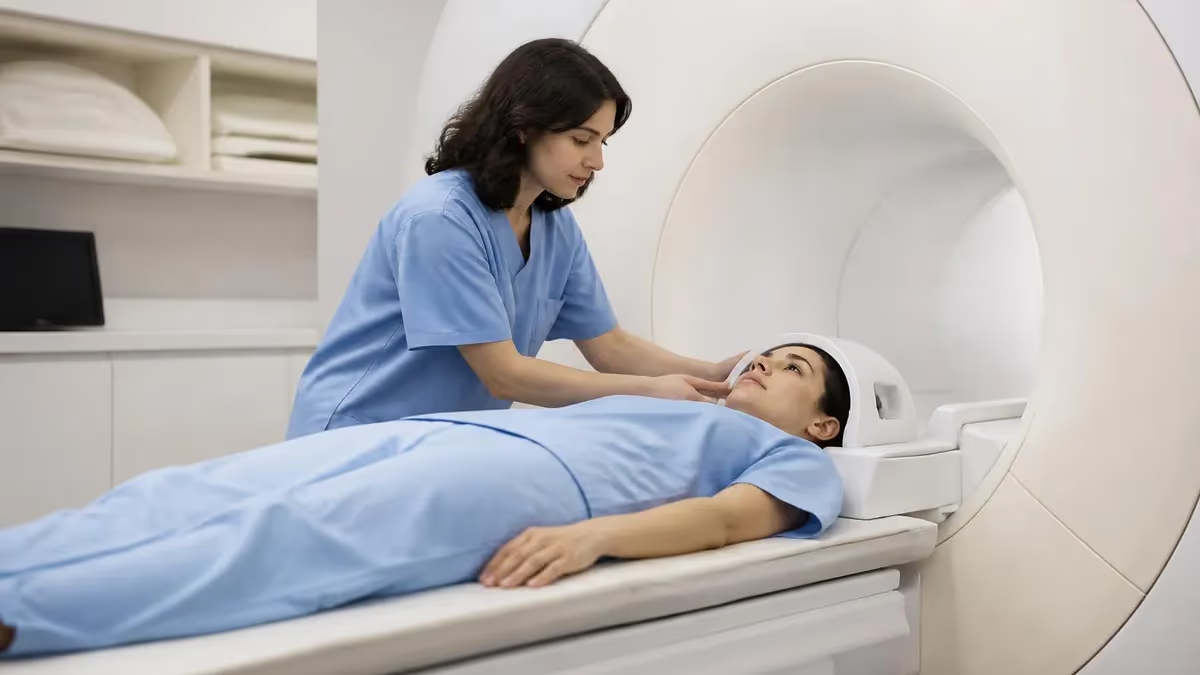
A dog MRI is one of the most powerful diagnostic tools available in modern veterinary medicine, giving veterinarians a non-invasive way to look inside your pet's body with extraordinary clarity. Unlike X-rays or ultrasound, magnetic resonance imaging uses strong magnetic fields and radio waves to produce detailed images of soft tissues, including the brain, spinal cord, ligaments, tendons, and internal organs. For dogs suffering from unexplained neurological symptoms, chronic pain, or suspected tumors, an MRI scan often provides the definitive answers that other imaging methods simply cannot deliver.
Veterinary MRI has expanded dramatically over the past decade as more specialty hospitals install dedicated machines and as referral networks make scanners more accessible to general practitioners. Where dog MRI scans were once reserved for university teaching hospitals and elite referral centers, today they are increasingly available at regional veterinary specialty clinics across the United States. This accessibility means more pets receive accurate diagnoses earlier in the disease process, which often translates directly into better treatment outcomes and improved quality of life.
The physics behind a dog MRI is identical to human MRI: hydrogen protons in the body's water molecules align with a powerful magnetic field, are knocked out of alignment by radio frequency pulses, and emit signals as they realign. These signals are processed by computers into the cross-sectional images your veterinarian reviews. The main practical difference is that dogs cannot lie still for the 30 to 90 minutes a scan requires, so general anesthesia is virtually always necessary, adding both cost and risk to the procedure.
For pet owners, the decision to pursue an MRI for a dog often comes at an emotionally difficult moment. Your dog may be experiencing seizures, sudden paralysis, severe back pain, or a mysterious lameness that has not responded to treatment. The veterinarian recommends an MRI, and suddenly you are facing a price tag of $2,000 to $4,500 or more, plus the anxiety of putting your beloved companion under anesthesia. Understanding what to expect can dramatically reduce that stress and help you make informed decisions.
This comprehensive guide covers everything you need to know about dog MRI scans in 2026: how the technology mri brain with and without contrast cpt conditions it diagnoses, realistic cost ranges, anesthesia considerations, how to prepare your dog, what happens on scan day, and how to interpret results with your veterinary team. We will also discuss when an MRI is truly necessary versus when alternatives like CT scans or ultrasound may be more appropriate for your dog's situation.
Whether your veterinarian has recently recommended a dog MRI or you are researching options for a chronic condition, this guide will give you the knowledge to advocate effectively for your pet. Veterinary medicine has advanced tremendously, but the financial and emotional weight of specialty diagnostics still falls heavily on pet owners. Being informed about what an MRI can and cannot reveal, and what the entire process actually entails, allows you to partner more effectively with your veterinary team and make confident decisions during a stressful time.
Dog MRI by the Numbers
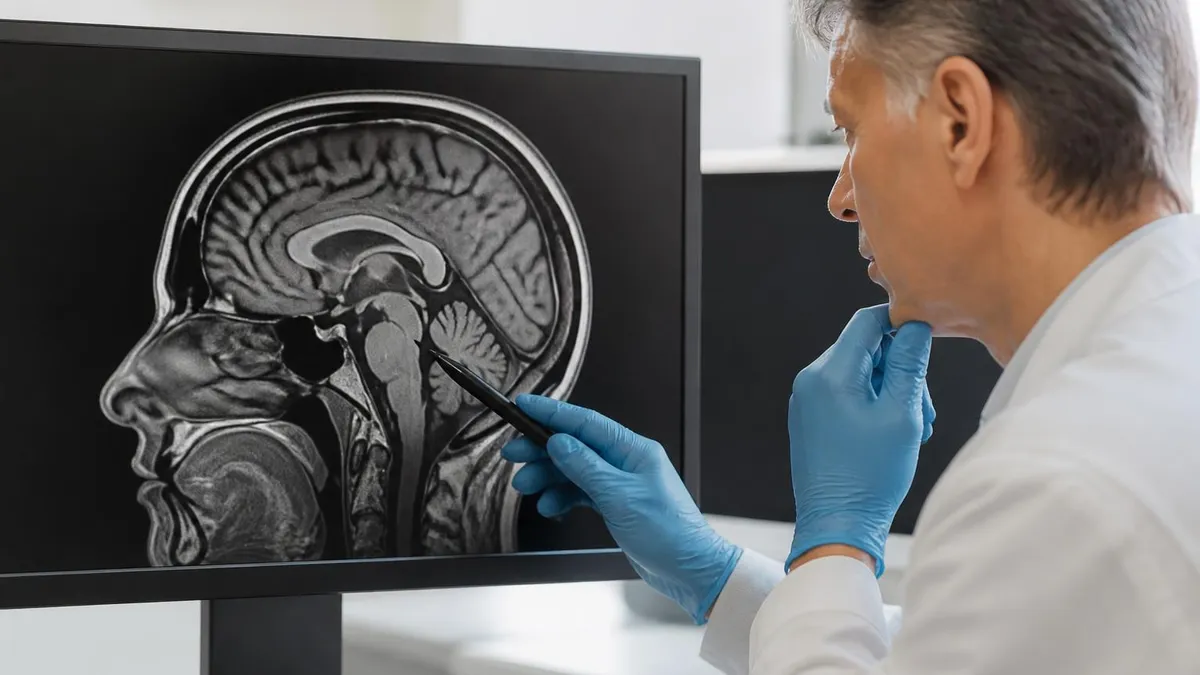
Top Conditions Diagnosed by Dog MRI
Herniated discs compressing the spinal cord cause back pain and paralysis. MRI precisely locates the herniation, guides surgical decisions, and predicts recovery potential better than any other imaging modality.
Meningiomas, gliomas, and pituitary tumors are common in older dogs. MRI reveals tumor size, location, and effect on surrounding brain tissue, essential for surgery or radiation planning.
When a dog develops seizures, MRI rules out structural brain causes like tumors, inflammation, or hydrocephalus before diagnosing idiopathic epilepsy and starting lifelong medication.
Cruciate ligament tears, biceps tendon injuries, and meniscal damage in working dogs show up clearly on MRI when ultrasound or arthroscopy cannot provide a definitive answer.
Inflammatory brain diseases like GME and necrotizing meningoencephalitis appear as characteristic lesion patterns on MRI, allowing targeted immunosuppressive treatment within hours of diagnosis.
Anesthesia is the single most important safety consideration for any dog MRI. Because the dog must remain completely still inside a noisy, enclosed magnet for 30 to 90 minutes, sedation alone is rarely sufficient. General anesthesia using injectable induction agents followed by inhalant maintenance (typically isoflurane or sevoflurane) is the standard protocol at virtually every veterinary MRI center in the United States. Your dog will be intubated, mechanically ventilated, and continuously monitored throughout the scan.
Pre-anesthetic screening is critical and typically includes a complete blood count, serum chemistry panel, urinalysis, and often chest radiographs or an echocardiogram for older or higher-risk dogs. Brachycephalic breeds like Bulldogs, Pugs, and French Bulldogs require special anesthetic protocols due to their compromised airways. Giant breeds, geriatric patients, and dogs with pre-existing heart or kidney disease all warrant additional consideration. A board-certified veterinary anesthesiologist or experienced anesthesia technician should be present during the entire procedure.
The MRI environment itself presents unique anesthetic challenges that distinguish it from routine surgery. The powerful magnetic field requires all monitoring equipment, anesthesia machines, and IV pumps to be MRI-compatible (non-ferrous). The patient is typically far from the anesthetist, who must monitor vital signs remotely through specialized equipment. Acoustic noise levels inside the bore can exceed 100 decibels, so dogs wear protective ear coverings, and the anesthetic team uses sophisticated communication systems.
Risks of anesthesia for healthy dogs undergoing elective MRI are remarkably low, with mortality rates estimated at approximately 0.05 to 0.1 percent in well-screened patients. However, dogs with significant underlying disease, particularly those with brain tumors causing increased intracranial pressure or severe spinal cord compression, face elevated risks. Your veterinary team will discuss your dog's individual risk profile in detail before scheduling, and you should never hesitate to ask specific questions about their anesthesia protocols, monitoring capabilities, and emergency preparedness.
Contrast media safety is another important consideration. Most dog MRI studies use intravenous gadolinium-based contrast agents to enhance visualization of tumors, inflammation, and vascular structures. Gadolinium is generally very safe in dogs with normal kidney function, but it should be used cautiously in patients with renal disease. Allergic reactions are extraordinarily rare in dogs compared to humans, but the veterinary team will still monitor for any signs of adverse response during and after administration.
Recovery from MRI anesthesia is typically smooth and rapid. Most dogs are awake and walking within 30 to 60 minutes of the scan ending, though they may seem groggy, uncoordinated, or unusually quiet for the rest of the day. Some dogs experience temporary post-anesthetic dysphoria, appearing disoriented or vocalizing as they wake up. By the following morning, the vast majority of patients return completely to their normal baseline behavior, eating, and activity level.
Owners are typically asked to fast their dog for 8 to 12 hours before the procedure (water is usually permitted until a few hours before), withhold morning medications unless specifically instructed otherwise, and arrive at the appointment with current vaccination records and a complete medication list. Bringing a familiar blanket or favorite toy for the recovery period can help your dog feel more comfortable as the anesthesia wears off in an unfamiliar environment.
MRI Practice Test Questions
Prepare for the MRI - Magnetic Resonance Imaging exam with our free practice test modules. Each quiz covers key topics to help you pass on your first try.
MRI Knowledge
MRI Exam Questions covering Knowledge. Master MRI Test concepts for certification prep.
MRI Physics
Free MRI Practice Test featuring Physics. Improve your MRI Exam score with mock test prep.
MRI Anatomy and Pathology
MRI Test Prep for MRI Anatomy and Pathology. Practice MRI Quiz questions and boost your score.
MRI Anatomy and Positioning
MRI Questions and Answers on MRI Anatomy and Positioning. Free MRI practice for exam readiness.
MRI Contrast Agents
Free MRI Quiz on MRI Contrast Agents. MRI Exam prep questions with detailed explanations.
MRI Patient Care and Positioning
MRI Practice Questions for MRI Patient Care and Positioning. Build confidence for your MRI certification exam.
Types of Dog MRI Scans
A dog brain MRI is the gold standard for evaluating neurological symptoms including seizures, behavior changes, head tilt, circling, blindness, and altered consciousness. The scan typically uses T1-weighted, T2-weighted, FLAIR, and post-contrast sequences to characterize lesions in different ways. Common findings include meningiomas appearing as well-defined enhancing masses, glioma showing infiltrative patterns, and inflammatory diseases producing scattered hyperintensities throughout the brain parenchyma.
Brain MRI scan time averages 45 to 60 minutes and may extend longer if additional sequences are needed. The dog is positioned in dorsal recumbency with the head secured in a specialized coil that maximizes signal collection from the brain region. Image slice thickness is typically 3 millimeters or less, allowing detection of lesions as small as a few millimeters in diameter. Interpretation is performed by a board-certified veterinary radiologist or neurologist with specialized training.
Is a Dog MRI Worth It? Pros and Cons
- +Provides definitive diagnosis when other imaging is inconclusive
- +Non-invasive — no incisions or biopsies required for imaging itself
- +No ionizing radiation, unlike CT scans or X-rays
- +Exceptional soft tissue detail unmatched by any other modality
- +Guides surgical planning with precise anatomical localization
- +Often eliminates need for exploratory surgery
- +Detects very small lesions that other tests miss entirely
- −Expensive — typically $2,000 to $4,500 per scan
- −Requires general anesthesia with associated risks
- −Long scan times of 30 to 90 minutes per region
- −Not available at most general practice veterinary hospitals
- −Loud noise requires hearing protection during scan
- −Cannot be performed on dogs with metallic implants in some cases
- −May require lengthy travel to specialty referral centers
Pre-Scan Preparation Checklist for Dog MRI
- ✓Fast your dog for 8 to 12 hours before the appointment time
- ✓Allow free access to water until 2 to 4 hours before scan
- ✓Withhold morning medications unless explicitly approved by the vet
- ✓Bring complete medication list including supplements and flea preventives
- ✓Bring current vaccination records and any prior imaging on CD or USB
- ✓Arrange for someone to drive you home in case of long appointment day
- ✓Plan to leave your dog at the hospital for 4 to 8 hours total
- ✓Bring a familiar blanket or toy for recovery comfort
- ✓Confirm payment method and arrange financing if needed beforehand
- ✓Have emergency contact number available throughout the day
- ✓Ask about reviewing results in person versus phone consultation
- ✓Confirm any post-scan medications or activity restrictions needed
MRI Often Changes the Treatment Plan
Studies have shown that veterinary MRI changes the diagnosis or treatment plan in approximately 40 to 60 percent of cases where it is performed for neurological symptoms. This means an MRI is not just confirmatory — it frequently reveals conditions that completely redirect therapy, often saving owners from pursuing ineffective treatments and dramatically improving outcomes for the dog.
The cost of a dog MRI varies significantly across the United States and depends on multiple factors including geographic region, type of facility, magnet strength, body region scanned, whether contrast is used, anesthesia complexity, and whether your dog requires overnight hospitalization. Typical 2026 pricing ranges from approximately $2,000 on the low end at high-volume specialty hospitals in mid-sized cities to over $4,500 at premier teaching hospitals or in major metropolitan markets like New York, Los Angeles, and San Francisco.
The actual MRI scan itself usually accounts for $1,200 to $2,500 of the total cost. Anesthesia and monitoring adds another $400 to $800 depending on your dog's risk profile and scan duration. Contrast media, when required, typically adds $150 to $400. Radiologist interpretation fees range from $200 to $500. Pre-anesthetic bloodwork, IV catheter placement, and recovery monitoring contribute additional charges that can quickly add several hundred dollars to your final bill.
Specialist consultation fees are usually separate from imaging costs. If your dog is being seen by a board-certified veterinary neurologist, surgeon, or internist who orders the MRI, expect an additional $200 to $500 for the initial consultation and another $150 to $300 for the follow-up appointment to discuss results and treatment recommendations. Many specialty hospitals bundle these services into package pricing, so always ask for a complete written estimate before authorizing the procedure.
Pet insurance can significantly offset MRI costs for dogs whose owners have purchased coverage before the condition was diagnosed. Most accident and illness policies cover diagnostic imaging including MRI when medically necessary, typically reimbursing 70 to 90 percent of costs after the deductible. However, virtually all policies exclude pre-existing conditions, so insurance purchased after symptoms appear will not cover diagnostic workup for those specific symptoms. This makes early enrollment in pet insurance particularly valuable for breeds prone to neurological or orthopedic conditions.
Financing options are available through specialty hospitals to help spread the cost over several months. CareCredit is the most widely accepted veterinary financing program, offering promotional periods with no interest if paid within 6, 12, 18, or 24 months. Scratchpay is another increasingly popular option that uses a soft credit check and provides instant approval. Some hospitals offer their own in-house payment plans or accept third-party medical loans, though terms vary considerably and should be reviewed carefully.
If cost is prohibitive, discuss alternatives with your veterinarian. CT scans are typically 30 to 50 percent less expensive than MRI and may be adequate for evaluating bone disease, certain tumors, or acute hemorrhage. Veterinary teaching hospitals at universities sometimes offer reduced pricing for cases included in research studies. Charitable organizations like the Frankie's Friends Foundation, the Pet Fund, and breed-specific rescue organizations provide grants for diagnostic care in financial hardship situations, though applications can take time to process.
Geographic flexibility may save substantial money if you have access to a vehicle and can travel. MRI prices in suburban or smaller-city specialty hospitals can be 20 to 40 percent lower than urban centers for identical scans. Some pet owners drive several hours to access more affordable imaging at university teaching hospitals or high-volume regional referral centers. Always weigh the savings against the stress of long-distance travel on a sick dog and the potential need for return visits for follow-up care.
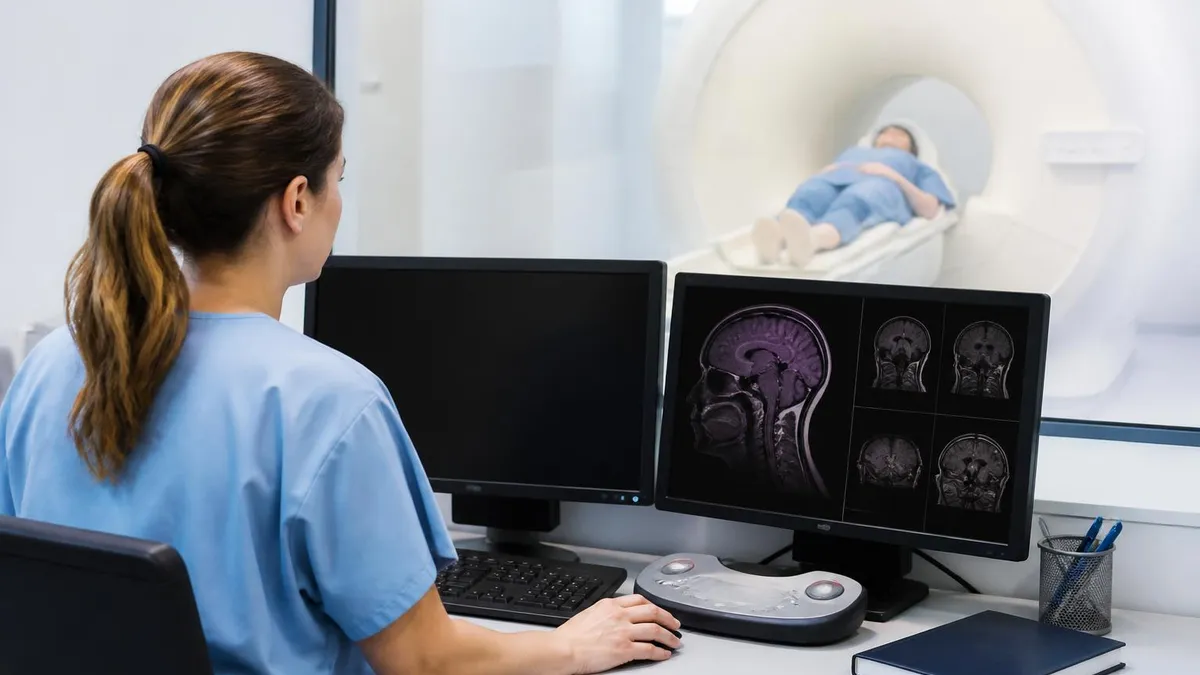
Brachycephalic breeds (Bulldogs, Pugs, French Bulldogs, Boston Terriers), giant breeds, geriatric dogs over 10 years old, and dogs with heart, kidney, or liver disease face elevated anesthesia risks during MRI. Always request a board-certified veterinary anesthesiologist for these patients and ensure the facility has emergency intervention capabilities. Discuss specific protocols with your veterinarian before scheduling.
Understanding your dog's MRI results requires partnership with your veterinary team because raw imaging interpretation is complex and requires years of specialized training. The board-certified veterinary radiologist who reads the scan produces a detailed written report describing every relevant finding, then your referring veterinarian or specialist translates this into actionable clinical recommendations. Most reports are completed within 24 to 48 hours, though urgent cases can be interpreted in real-time during the scan itself.
The report typically begins with a brief clinical history, then describes findings sequence by sequence and region by region. Terminology can be intimidating: words like hyperintense, hypointense, contrast enhancement, mass effect, midline shift, and signal void all have specific technical meanings. Do not hesitate to ask your veterinarian to explain unfamiliar terms in plain language. Many hospitals now provide patient-friendly summary documents alongside the technical radiologist report to help owners understand what was found.
Common findings and their implications include disc protrusion (the most frequent abnormality, treatable with surgery or conservative management depending on severity), brain mass with contrast enhancement (suggests tumor, possibly meningioma or glioma, requiring further workup), diffuse white matter changes (consistent with inflammatory brain disease, often treatable with immunosuppression), and joint effusion with cartilage damage (indicates degenerative or traumatic joint disease guiding orthopedic decisions).
Sometimes the MRI shows incidental findings unrelated to the original symptoms. These can include small benign cysts, age-related brain atrophy, or mild disc bulging that does not require treatment. Your veterinarian will help you understand which findings are clinically relevant and which represent normal variations or aging changes. Not every abnormality on imaging requires intervention, and over-treatment based on incidental findings can do more harm than good.
If the MRI reveals a treatable condition, your veterinary team will outline next steps in detail. For surgical conditions like disc disease or brain tumors, this typically means scheduling surgery within days or weeks depending on urgency. For medical conditions like meningoencephalitis or idiopathic epilepsy, treatment usually starts with medications and requires careful monitoring over weeks to months. Each pathway has specific costs, prognosis estimates, and quality-of-life implications you should discuss thoroughly before deciding.
When MRI reveals an untreatable or terminal condition such as an inoperable brain tumor or severe progressive neurological disease, conversations shift toward palliative care and quality of life decisions. This is one of the most difficult moments any pet owner can face, but having a clear diagnosis allows you to make informed choices rather than continuing futile and expensive treatments.
Veterinary social workers and hospice services are increasingly available to support families through these transitions. Reading our guide on what is an MRI test can also help you better understand the broader context of how MRI fits into modern diagnostic medicine.
Second opinions on MRI interpretation are reasonable and often valuable for complex or ambiguous cases. The original DICOM image files can be sent electronically to other board-certified veterinary radiologists or neurologists for independent review, typically for a fee of $150 to $300. If treatment recommendations are aggressive, expensive, or carry significant risk, getting a second opinion provides peace of mind that you are making the best possible decision for your dog based on the available evidence.
Choosing where to have your dog's MRI performed is one of the most important decisions in this process. Not all veterinary MRI facilities are equal — magnet strength, technician experience, radiologist credentials, anesthesia capabilities, and emergency preparedness vary widely across the country. As a general rule, look for facilities with 1.5 Tesla or stronger magnets, board-certified veterinary radiologists interpreting the scans, dedicated veterinary anesthesia teams, and the ability to perform emergency surgery if findings warrant immediate intervention.
Ask specific questions when scheduling: What is your magnet strength? Who interprets the images and what are their credentials? Will my dog be intubated and monitored by a dedicated anesthesia technician? What emergency capabilities do you have if complications arise? Can surgery be performed at this facility if needed? Do you provide written estimates before the procedure? How long until I receive results? Will I meet with a specialist to review findings in person?
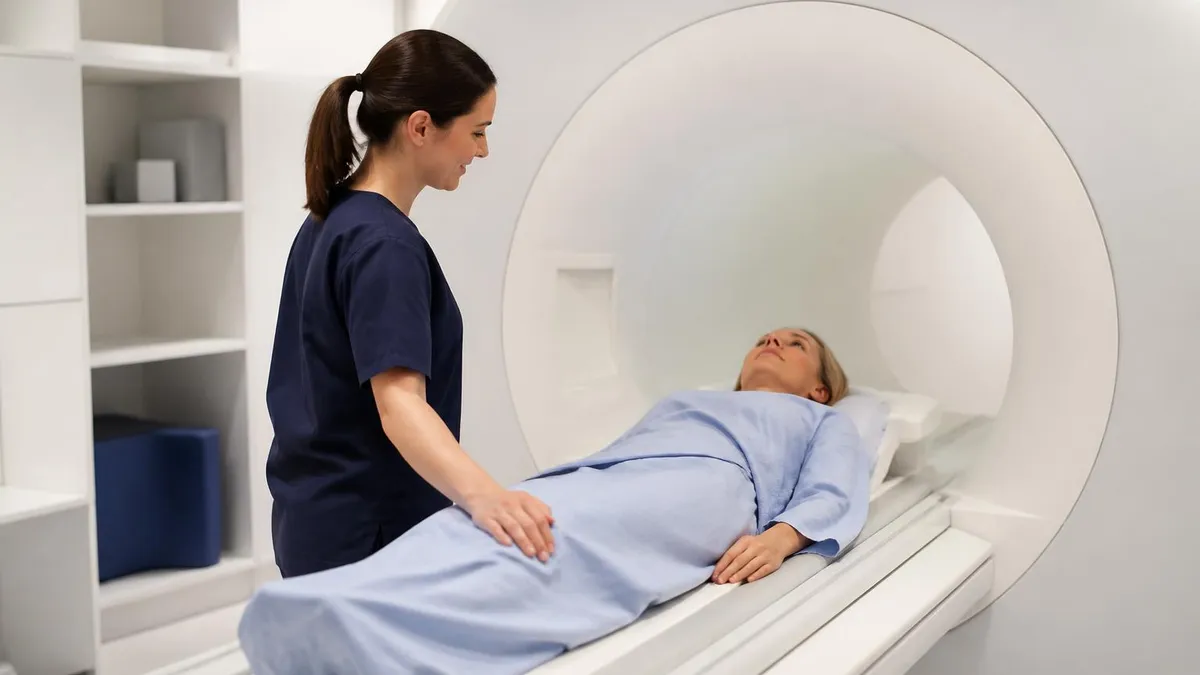
On the day of the scan, plan to arrive at least 30 minutes early to complete paperwork, sign consent forms, and review the procedure with the medical team. Your dog will receive a physical examination and have IV access placed before being taken to the pictures of mri machine. Most facilities allow brief goodbyes before the procedure but do not permit owners in the magnet room due to dangers of mri about the strong magnetic field. Expect to wait several hours before your dog is ready for discharge.
Recovery at home typically involves quiet rest for 24 hours, soft food the evening of the procedure, and gradual return to normal activity as the dog feels better. Watch for any unusual behavior, persistent lethargy beyond the first day, vomiting, difficulty breathing, or signs of pain at the IV catheter site. Contact the hospital immediately if you have any concerns during the recovery period. Most dogs bounce back completely within 24 to 48 hours and seem entirely normal by the day after their scan.
Follow-up appointments are essential to discuss results, plan treatment, and monitor your dog's progress. Bring written questions to the consultation because the volume of information can be overwhelming. Ask about prognosis with and without treatment, expected timeline for improvement, side effects of recommended medications, frequency of recheck visits, and warning signs that should prompt urgent contact with the veterinary team. Take notes or bring a family member to help remember details.
For chronic conditions like epilepsy or inflammatory brain disease, repeat MRI scans may be recommended every 6 to 12 months initially to monitor treatment response and detect any progression. These follow-up scans are equally important but typically less stressful for both owner and dog since you know what to expect. Some conditions stabilize with treatment and require less frequent monitoring over time, while others require ongoing vigilance regardless of how well your dog appears to be doing clinically.
Finally, remember that veterinary medicine has limits and even the most advanced imaging cannot guarantee perfect outcomes for every patient. MRI provides invaluable information, but treatment success depends on many factors including disease severity, response to therapy, your dog's age and overall health, and sometimes plain luck. The goal is making the best possible decisions with the best available information, partnering closely with experienced veterinarians, and providing your dog with the highest quality of life possible for as long as possible.
MRI Questions and Answers
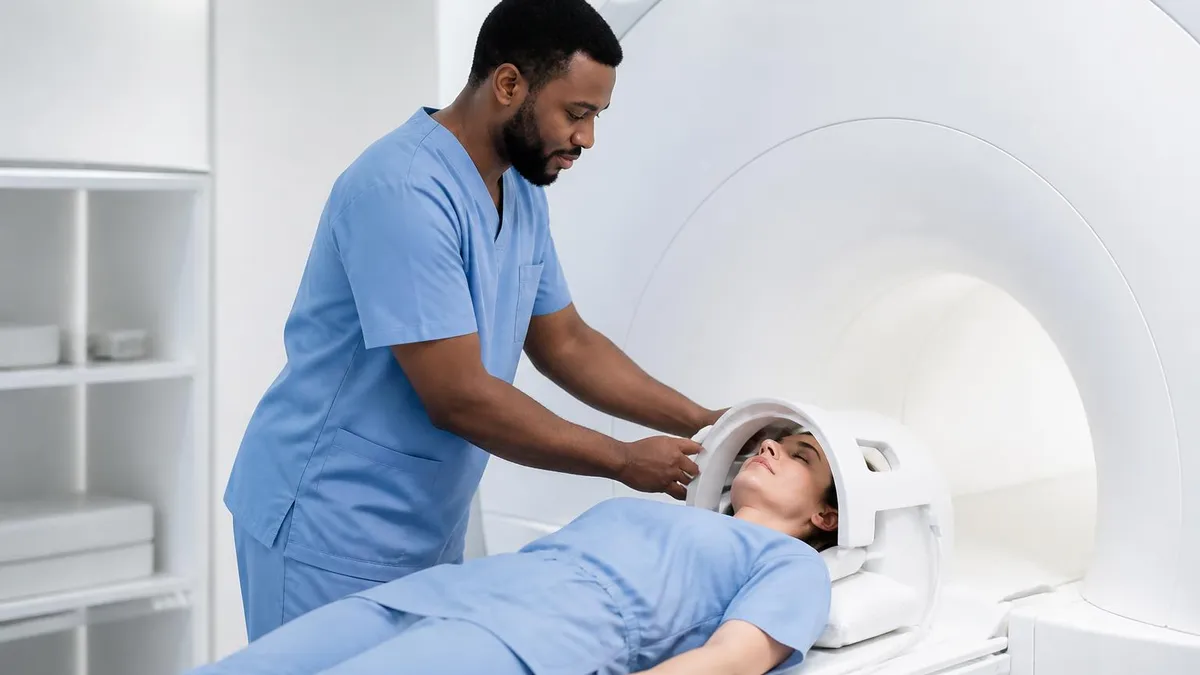
What Is an MRI Test? How Magnetic Resonance Imaging Scans Diagnose Disease in 2026
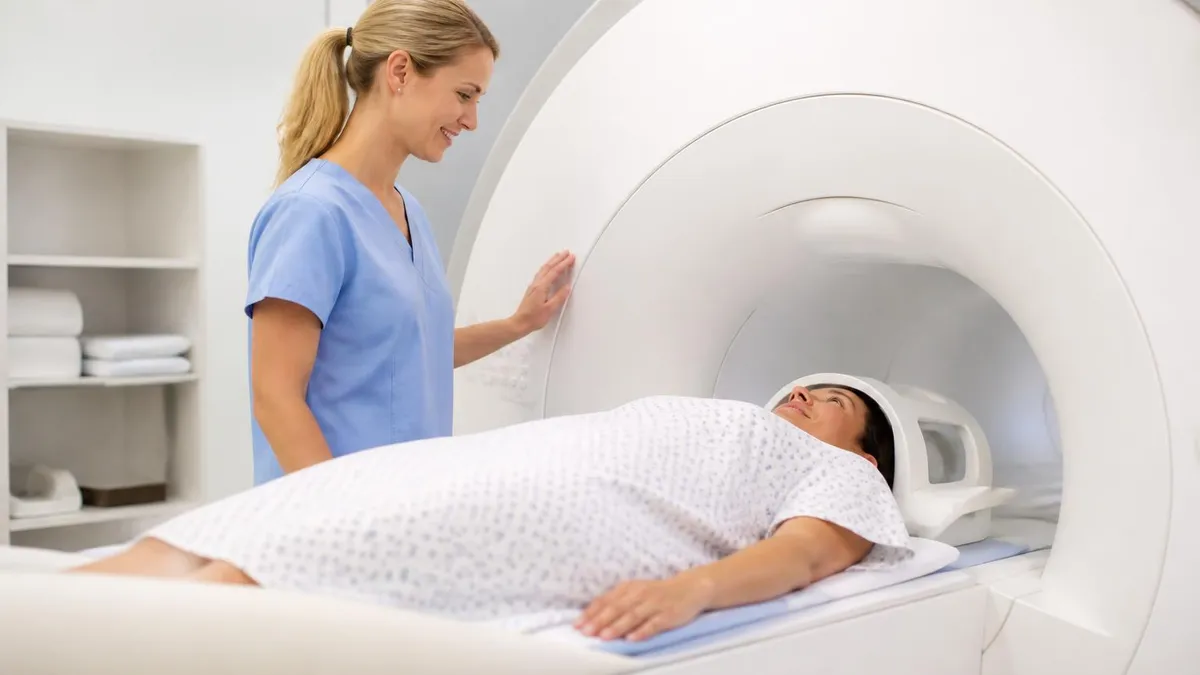
MRI Medical Abbreviation: What MRI Stands For and Why It Matters
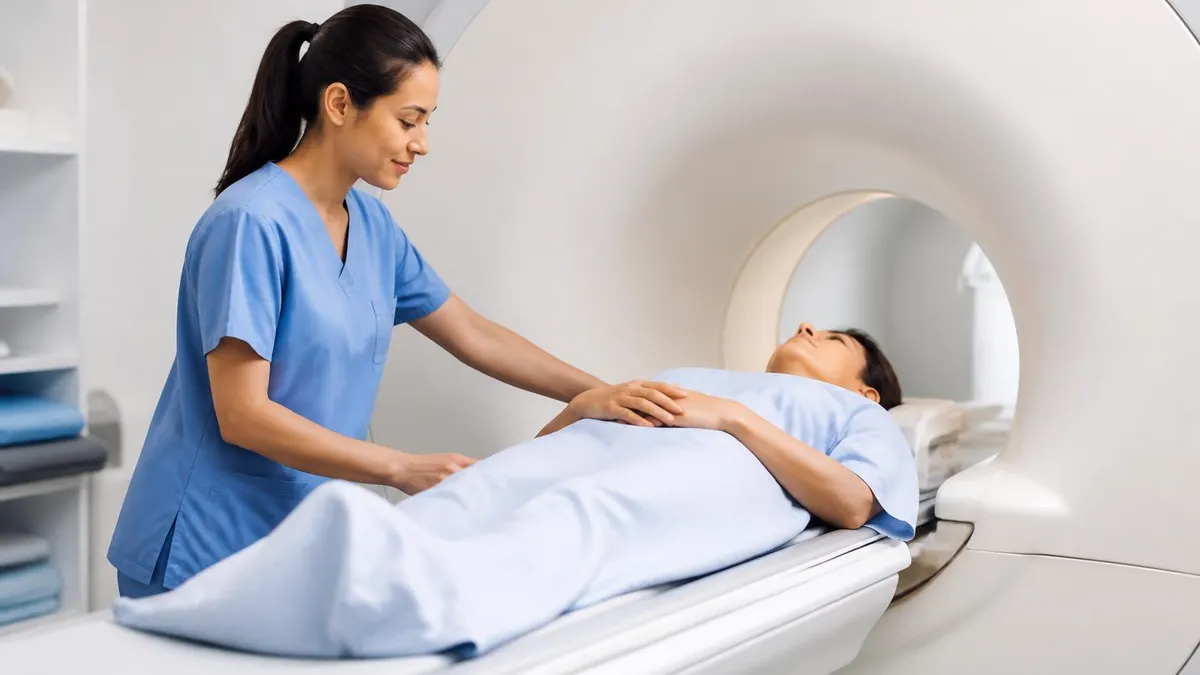
The History of MRI: From Discovery to Modern Medicine
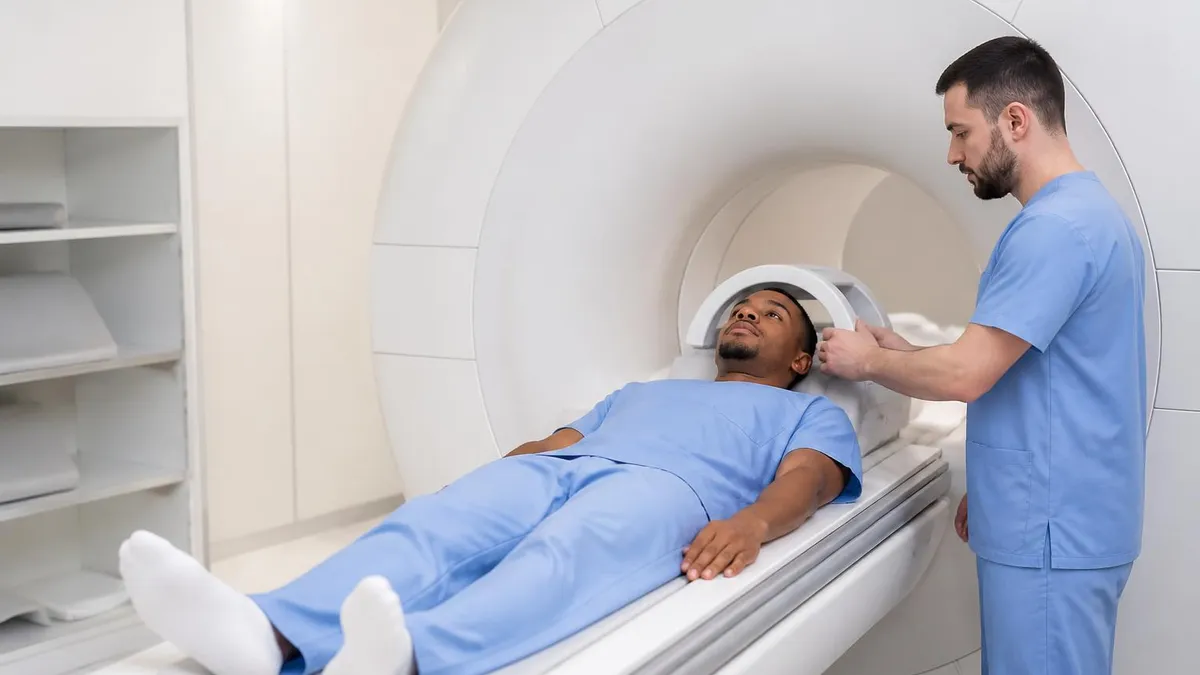
Knee MRI Images: A Complete Guide to Reading, Understanding, and Interpreting Knee Scans
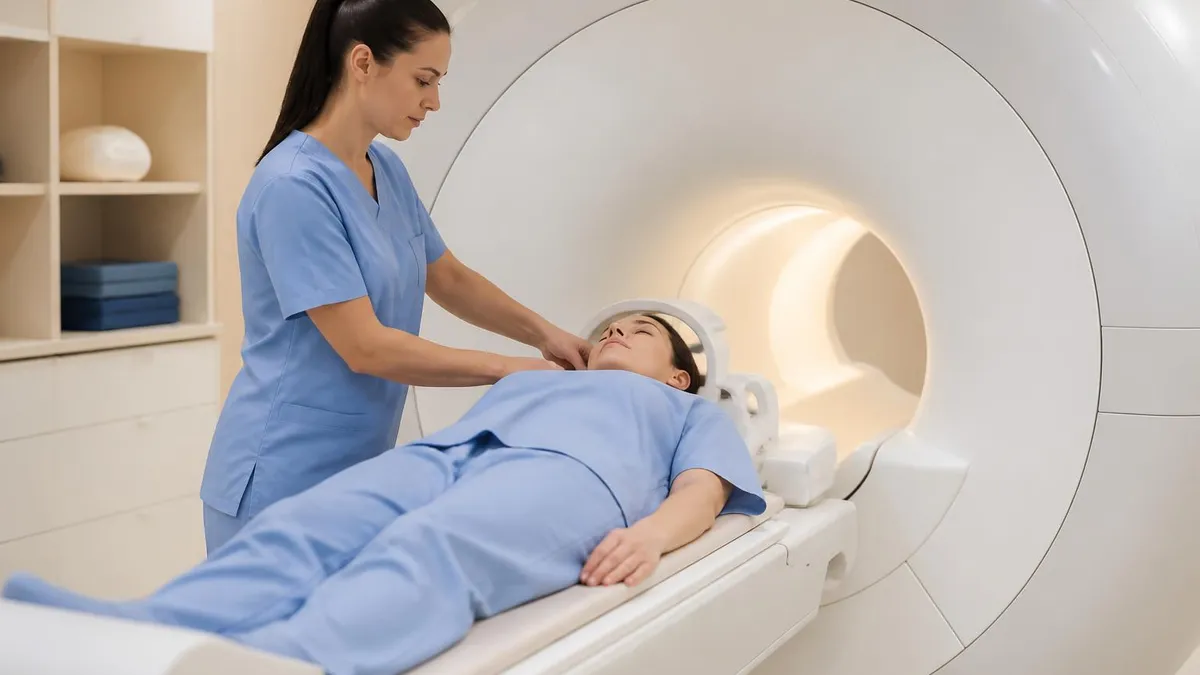
Noise of MRI Machine: Why MRI Scanners Are So Loud and What to Expect
About the Author

Medical Laboratory Scientist & Clinical Certification Expert
Johns Hopkins UniversityDr. Sandra Kim holds a PhD in Clinical Laboratory Science from Johns Hopkins University and is certified as a Medical Technologist (MT) and Medical Laboratory Scientist (MLS) through ASCP. With 16 years of clinical laboratory experience spanning hematology, microbiology, and molecular diagnostics, she prepares candidates for ASCP board exams, MLT, MLS, and specialist certification tests.
Join the Discussion
Connect with other students preparing for this exam. Share tips, ask questions, and get advice from people who have been there.
View discussion (8 replies)