
MoCA Spanish Version: The Complete Guide to Administering and Scoring the MoCA in Spanish
Master the MoCA Spanish version for US patients. Covers moca spain adaptations, scoring, cutoffs & practice questions. 🎯

The MoCA Spanish version is one of the most important tools in the cognitive screening toolkit for clinicians working with Spanish-speaking patients across the United States. Understanding how moca spain adaptations differ from the English original is essential for accurate administration and fair scoring. The Montreal Cognitive Assessment was designed by Dr.
Ziad Nasreddine to detect mild cognitive impairment with greater sensitivity than older tools like the mini mental status exam, and its Spanish translation maintains that diagnostic power when used correctly. Clinicians who skip language-appropriate administration risk misclassifying patients due to linguistic and cultural confounds rather than genuine cognitive decline.
Spanish is the second most widely spoken language in the United States, with more than 42 million native speakers according to Census data. In clinical settings ranging from neurology outpatient clinics to primary care offices, encountering a patient who is more comfortable in Spanish than in English is an everyday occurrence. Administering a cognitive screening tool in a patient's non-dominant language can artificially lower scores, creating false positives for impairment. The validated Spanish MoCA eliminates this source of error by providing standardized, culturally adapted instructions that have been tested against Spanish-speaking normative populations.
Many practitioners first encounter the MoCA Spanish version during residency or fellowship training, but formal guidance on administration nuances is not always part of the curriculum. Differences in phonology, vocabulary, and cultural references mean that a word-for-word translation would not be sufficient. The official Spanish version undergoes rigorous back-translation and pilot testing to ensure that each subtest measures the intended cognitive domain rather than measuring language proficiency. Clinicians should always use the officially sanctioned translation rather than improvising their own version on the fly, as informal translations can introduce systematic scoring errors.
One common point of confusion for clinicians is the relationship between the MoCA and older screening instruments. The mini mental health status examination has been widely used for decades, but research consistently shows that it misses a significant proportion of patients with mild cognitive impairment. The MoCA was specifically designed to close that detection gap by adding domains like executive function and delayed recall with a higher ceiling of difficulty. The Spanish MoCA preserves these harder items, ensuring that the translated version is equally sensitive to early cognitive changes that might otherwise be dismissed as normal aging.
Scoring the Spanish MoCA correctly requires understanding which adjustments are built into the tool itself and which corrections must be applied afterward. The one-point education correction — adding a point for patients with 12 or fewer years of formal education — applies equally to the Spanish version and is especially relevant in populations where access to formal schooling varied by geography and socioeconomic background.
Clinicians who work in communities with high proportions of patients from rural Latin America or the Caribbean should be particularly attentive to this correction, as under-applying it can lead to false-positive impairment classifications in otherwise healthy older adults.
The official MoCA website provides free downloads of the validated Spanish version along with administration instructions in both English and Spanish. Clinicians should always verify that they are using the most current version, as minor updates to wording or scoring criteria are released periodically. For clinicians who want to deepen their familiarity with how scores translate into clinical recommendations, the resource at moca spanish version provides a comprehensive framework for interpreting results across the full range of possible scores, from clear impairment to normal cognition.
Preparation and practice are the keys to confident, efficient MoCA administration in any language. Clinicians who practice the Spanish administration protocol before using it with real patients catch procedural errors early and develop the fluency needed to deliver instructions at a natural pace without sounding stilted or overly scripted. The subsections below cover every major aspect of Spanish MoCA administration — from structural components and scoring nuances to the practical tips that experienced clinicians use to put patients at ease and obtain the most accurate possible assessment of their cognitive function.
MoCA Spanish Version by the Numbers
MoCA Spanish Version: Core Assessment Domains
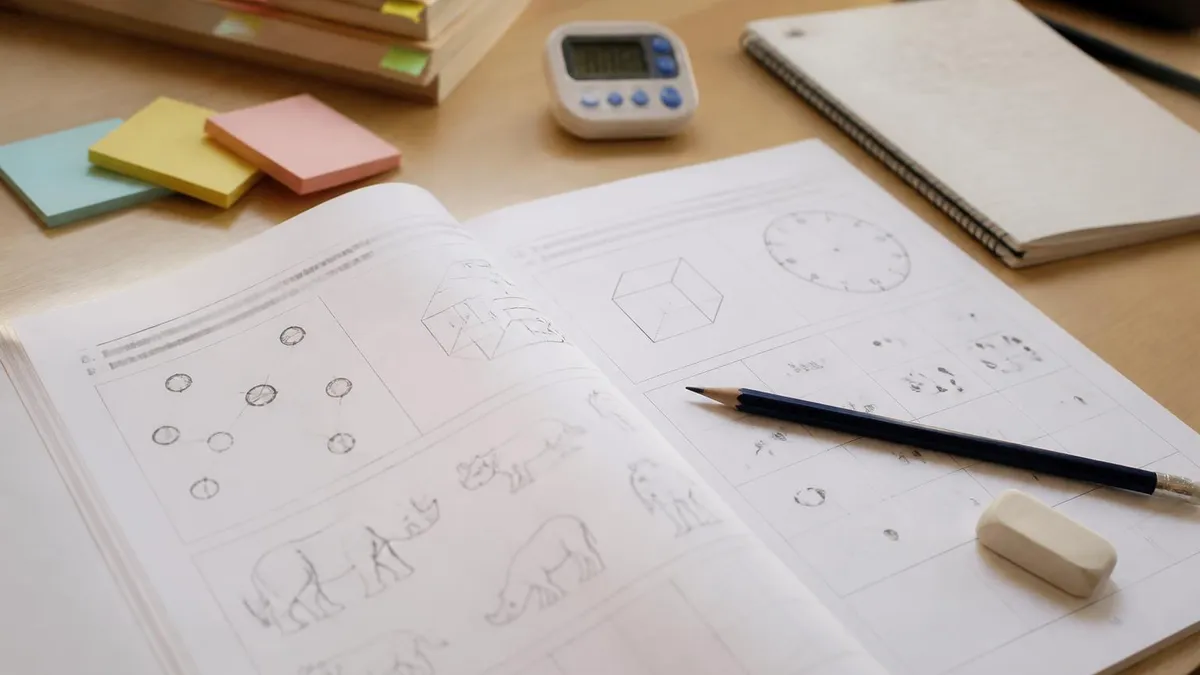
Includes the Trail Making task (alternating letters and numbers), a clock-drawing task, and a three-dimensional cube copy. In the Spanish version, instructions are delivered in Spanish but the tasks themselves are largely nonverbal, reducing direct linguistic confounds in this domain.
The patient names three animals shown in line drawings — a lion, rhinoceros, and camel. The Spanish version accepts standard Spanish names for each animal and does not penalize regional dialect variants, making it suitable for patients from diverse Latin American and Caribbean backgrounds.
This domain covers forward and backward digit span, a vigilance task using the letter A, and serial 7 subtraction. The Spanish instructions for the digit span and vigilance tasks are phonetically matched to the English originals to preserve timing and rhythm during administration.
Patients repeat two syntactically complex Spanish sentences and then generate as many words as possible beginning with the letter P in 60 seconds. The letter-fluency task uses P rather than F (used in English) because P yields a comparable number of responses in Spanish-speaking populations.
After completing intervening tasks, the patient is asked to recall five Spanish words from the registration phase. Cueing is permitted in a standardized sequence if free recall fails. This domain is often the most sensitive indicator of early Alzheimer's-type pathology in both English and Spanish populations.
Administering the MoCA Spanish version correctly begins well before the patient enters the room. Clinicians should review the official Spanish administration instructions and ensure they have printed or downloaded the correct scoring sheet. The Spanish version available from the MoCA Cognition website is the benchmark tool; using a version photocopied from a secondary source or found through an unofficial channel introduces the risk of encountering an outdated or modified form. Always verify the version number printed at the bottom of the form, and compare it against the most current release listed on the official portal.
Setting up the testing environment is equally important. The room should be quiet, well-lit, and free from distractions that might disrupt attention tasks. Patients who wear glasses or hearing aids should have them in place before testing begins. Clinicians should introduce themselves in Spanish, explain that the assessment is a routine check on memory and thinking, and emphasize that the test is not pass/fail in the traditional sense. A warm, unhurried introduction reduces test anxiety, which can suppress performance independently of underlying cognitive status.
The registration phase — presenting the five target words the patient will need to recall later — should be delivered at a clear, moderate pace. In the Spanish version, the five words are semantically distinct and phonologically varied to prevent clustering effects.
Clinicians should make eye contact while saying each word and confirm that the patient heard and repeated each one before proceeding. If a patient mishears a word due to hearing difficulty, it is acceptable to repeat it during registration but not during the delayed recall phase, and any departures from standard administration should be noted on the scoring form.
The Trail Making B subtest is one of the trickiest to administer in Spanish because it requires the patient to alternate between numbers and letters of the Spanish alphabet. The letters used in the Spanish version's Trail Making task (1-A-2-B-3-C-4-D-5-E) are the same as in the English version, which avoids the complication of the Spanish alphabet's historically different ordering. Clinicians should still read the instructions slowly and demonstrate the first link before the patient begins. If the patient makes an error, point it out immediately and redirect without counting it against the patient, just as specified in the standardized protocol.
The letter fluency task in the Spanish MoCA uses the letter P instead of F. Clinicians should give the instruction clearly in Spanish and start the timer only after the patient has confirmed they understand the task. Responses in any regional Spanish dialect are acceptable as long as they are real words — proper nouns, numbers, and the same word with different endings typically do not count. Clinicians unfamiliar with Spanish vocabulary should have a bilingual colleague review responses if there is doubt about whether a particular response qualifies, rather than guessing.
Clinicians who want a comprehensive printed reference for their practice — including administration tips, scoring grids, and normative tables — will find the resource accessible through hotel moca nyc especially useful as a supplementary guide when onboarding new staff members to the Spanish MoCA protocol. Having a printed protocol available during supervision sessions ensures that trainees learn the standardized approach from the outset rather than developing idiosyncratic habits that are difficult to correct later.
After the administration is complete, the clinician should total the raw score, apply the education correction if applicable, and record both the corrected and uncorrected scores on the form. Any behavioral observations — such as significant fatigue, hearing difficulty, or emotional distress — should be noted and considered when interpreting the result. A score that falls near the cutoff deserves particular clinical attention, and in ambiguous cases a follow-up assessment in three to six months can clarify whether the result reflects stable baseline cognition or early decline that was not yet clearly evident at the time of the initial screening.
Understanding MoCA Scoring Cutoffs and the Mini Mental Status Exam Comparison
The MoCA uses a maximum score of 30 points, with a score of 26 or above considered normal in the standardized validation studies. Scores between 18 and 25 are typically associated with mild cognitive impairment, while scores below 18 raise concern for moderate to severe impairment. It is critical to apply the one-point education correction for patients with 12 or fewer years of formal schooling, as this adjustment was validated specifically to account for educational disadvantage and is particularly relevant in Spanish-speaking populations with varied schooling histories.
Clinicians should also account for the confidence interval around any single MoCA administration. A score of 25 and a score of 27 may not be meaningfully different given the standard error of measurement, which is approximately 2 points. Repeated testing over time provides much more reliable information about cognitive trajectory than a single data point, and the Spanish MoCA has demonstrated good test-retest reliability in validation studies conducted with Latin American populations across multiple countries and age groups.

Pros and Cons of Using the MoCA Spanish Version in US Clinical Practice
- +Validated against Spanish-speaking normative populations for accurate baseline comparisons
- +Maintains the same high sensitivity for MCI as the English original version
- +Freely available for download from the official MoCA Cognition website
- +Reduces linguistic confounds when assessing non-English-dominant patients
- +Education correction built into scoring protocol addresses literacy disparities
- +Widely accepted by neurologists, geriatricians, and primary care physicians across the US
- −Clinician must be fluent or highly proficient in Spanish for accurate administration
- −Regional dialect differences can complicate fluency task scoring in border populations
- −No universally accepted sub-population normative tables for all Latin American regions
- −Letter fluency norms using P may not transfer perfectly across all Spanish dialects
- −Requires formal training to avoid administration errors that inflate or deflate scores
- −Clock drawing and Trail Making still carry cultural assumptions about formal schooling
Spanish MoCA Administration Checklist for Clinicians
- ✓Download the current version of the Spanish MoCA form from the official MoCA Cognition website.
- ✓Confirm the patient's preferred language is Spanish and note their country of origin and education level.
- ✓Ensure the testing room is quiet, well-lit, and free from interruptions for the full 10-minute assessment.
- ✓Verify the patient has glasses and hearing aids in place before beginning the assessment.
- ✓Introduce the assessment warmly in Spanish and clarify it is a routine cognitive check, not a pass/fail test.
- ✓Administer the five registration words clearly and confirm the patient heard and repeated each word.
- ✓Time the letter fluency task using the letter P and accept all valid Spanish dialect responses.
- ✓Apply the one-point education correction for patients with 12 or fewer years of formal schooling.
- ✓Document any administration deviations — such as hearing difficulty or fatigue — directly on the scoring form.
- ✓Compare the corrected score against the cutoff of 26 and note any borderline results for follow-up.
The Education Correction Is Not Optional
Forgetting to apply the one-point education correction for patients with 12 or fewer years of schooling is one of the most common scoring errors in practice. In Spanish-speaking populations with diverse educational backgrounds, this single point can be the difference between a score that is classified as normal and one that triggers unnecessary follow-up workup, causing patient anxiety and wasting clinical resources.
Cultural and linguistic adaptations are the backbone of any valid translated cognitive assessment, and the Spanish MoCA demonstrates best practices in this area. The adaptation process for the Spanish version involved multiple cycles of forward translation, back-translation, expert panel review, and cognitive interviewing with Spanish-speaking patients to ensure that every instruction conveyed exactly the intended meaning. Small differences in how a sentence is phrased can dramatically change what cognitive process a patient uses to respond, which is why professional linguists and cognitive assessment experts must collaborate throughout the translation validation process.
One of the subtler adaptations in the Spanish MoCA concerns the sentence repetition task. The two sentences used in the Spanish version were selected not only for their grammatical complexity but also for their phonological properties and the absence of idiomatic expressions that might be more familiar in some Spanish-speaking cultures than others.
Sentences referencing culturally specific contexts — like idiomatic phrases common in Mexican Spanish but unfamiliar to Caribbean Spanish speakers — were specifically avoided to maximize cross-regional applicability. This careful selection process means the Spanish MoCA can be used across the United States regardless of whether the patient's background is Mexican, Puerto Rican, Cuban, Dominican, or Central American.
The animal naming task is another area where careful cultural review was necessary. The three animals — lion, rhinoceros, and camel — were retained in the Spanish version because they are familiar to Spanish speakers worldwide through education and media, even if they are not native fauna in Latin American countries. The Spanish names used are standard across all major Spanish dialects, eliminating the possibility that regional naming differences would cause a cognitively intact patient to lose credit simply because they use a regional word rather than the one printed on the scoring key.
Clock drawing is perhaps the most culturally loaded task on the MoCA, as it assumes familiarity with analog clock faces. In communities where a significant proportion of elderly patients grew up without access to analog clocks — particularly in remote rural areas — poor clock drawing performance may reflect unfamiliarity rather than executive dysfunction. Clinicians should use clinical judgment and weigh clock drawing performance against performance on other executive function measures, particularly the Trail Making task, before drawing conclusions about domain-specific impairment in patients with limited formal education or limited prior exposure to analog timepieces.
Normative data for the Spanish MoCA has been collected in several Latin American countries and among Spanish-speaking populations in the United States. Studies published in journals such as the Journal of the International Neuropsychological Society and Neuropsychology have reported that healthy, educated Spanish-speaking older adults typically score in the range of 24 to 28, with means around 25 to 26 in community samples. However, mean scores drop considerably in samples with lower average education levels, reinforcing the importance of the education correction and the potential utility of more granular normative tables stratified by both age and education.
Research comparing the Spanish MoCA to the Spanish version of the mini mental health status examination consistently finds that the MoCA identifies a larger proportion of patients who go on to receive a diagnosis of Alzheimer's disease or other dementia subtypes at follow-up.
This predictive validity — the ability to flag patients before functional decline becomes clinically obvious — is one of the most important arguments for adopting the Spanish MoCA as the first-line screening tool in primary care, geriatrics, and neurology practices that serve Spanish-speaking patient populations. Early identification creates earlier opportunities for intervention, planning, and support for both patients and families.
For clinicians interested in exploring how the MoCA compares to other cognitive tools and how Spanish-language testing fits into a broader neuropsychological workup, examining the full range of available resources is worthwhile. The landscape of cognitive screening has expanded considerably over the past two decades, and the MoCA occupies a well-validated middle ground between brief bedside screens and full neuropsychological battery evaluations, making it the practical choice for the vast majority of clinical encounters where cognitive status needs to be quickly and accurately assessed.

Using an unofficial Spanish MoCA — including versions translated by clinical staff, found on unofficial websites, or generated by machine translation tools — can produce invalid scores and expose patients to incorrect diagnostic conclusions. Only the version available through the official MoCA Cognition website carries the validation credentials necessary for clinical use, and using unofficial versions may also raise documentation and liability concerns in some healthcare settings.
Common mistakes in Spanish MoCA administration often reflect the same procedural shortcuts that compromise the English version: rushing through instructions, failing to time the fluency task accurately, and not restating directions when a patient clearly misunderstood the task. In the Spanish context, additional pitfalls include inadvertently code-switching into English during bilingual patient encounters, accepting responses in English during the Spanish fluency task, and failing to document the language of administration on the scoring form — an omission that can create confusion when results are reviewed by other members of the care team.
Another frequent error involves the delayed recall scoring. Clinicians sometimes allow more than the standardized amount of time to elapse between the registration phase and the recall prompt, or they provide additional memory prompts beyond what the protocol specifies. In the Spanish version, the delayed recall is administered after the language and abstraction subtests are complete, which provides an approximately five-minute delay between registration and recall. Deviating from this standardized delay — either shortening or extending it — changes the memory demands of the task and invalidates direct comparison to normative data collected under the standard protocol.
The abstraction subtest also generates consistent scoring errors. Patients are asked to explain how two objects are alike — for example, a train and a bicycle. In the Spanish version, the word pairs are phonologically and semantically matched to the English originals while being natural in Spanish.
A correct answer identifies a meaningful categorical relationship (both are vehicles, both are means of transportation), while responses that identify perceptual similarities (both have wheels) typically do not receive full credit. Clinicians should study the scoring rubric carefully before administration to ensure consistent application of these rules, especially when working with patients who give partially correct responses.
Patient coaching during the assessment is another area of concern, particularly when family members accompany the patient. Well-meaning relatives may attempt to prompt answers, whisper correct responses, or minimize errors with reassuring comments that change the patient's response behavior. Clinicians should politely but firmly ask family members to remain silent during administration and explain that their participation, however well-intentioned, makes the results unreliable. Having a clear office policy about companion behavior during cognitive screening — communicated in advance of the appointment — prevents this situation from becoming awkward in the moment.
Documentation practices around Spanish MoCA administration deserve attention as well. The medical record should note that the Spanish version was administered, which specific version was used, whether the education correction was applied, and any relevant behavioral observations. This documentation supports accurate interpretation if the patient is subsequently seen by a different clinician, referred to a specialist, or enrolled in a longitudinal monitoring program. Incomplete documentation is a systemic problem that undermines the value of screening programs that otherwise function well at the individual clinician level.
Training new staff members on the Spanish MoCA requires not just instruction in the procedural steps but also supervised practice with feedback. Role-playing administration with a bilingual colleague before using the tool with real patients allows trainees to identify pronunciation difficulties, timing errors, and scoring uncertainties in a low-stakes environment. Many academic medical centers and community health centers that serve large Spanish-speaking populations have developed internal training modules and competency checklists that standardize this process, and borrowing or adapting existing materials is more efficient than creating a new curriculum from scratch.
Clinicians who want to stay current with evolving MoCA research and guidelines should monitor publications in journals focused on geriatric medicine, clinical neuropsychology, and dementia research. Guidance on Spanish MoCA administration continues to develop as larger normative datasets are collected and as researchers examine the tool's performance in specific sub-populations such as elderly patients with low literacy, bilingual individuals, and patients with specific educational or cultural backgrounds.
Staying informed about this evolving evidence base ensures that clinical practice reflects the most current understanding of how to maximize diagnostic accuracy across the diverse spectrum of Spanish-speaking patients encountered in US healthcare settings.
Practical preparation for Spanish MoCA administration extends beyond reading the protocol — it includes building the situational fluency needed to deliver instructions naturally and respond to common patient questions without breaking the standardized testing flow. The most experienced clinicians describe the administration process as feeling almost conversational while remaining rigorously standardized beneath the surface. Achieving that balance requires repetition, and deliberate practice is the fastest route to the kind of automaticity that makes administration feel effortless even when a patient is anxious, fatigued, or partially uncooperative.
One of the most effective preparation strategies is audio recording a practice administration and listening back for pacing issues, mispronunciations, or unintended prompts. Clinicians who have never administered the Spanish MoCA to a native speaker often discover through playback that their speech rate is too fast, their intonation conveys impatience, or they are unconsciously emphasizing certain words in ways that could influence patient responses. Correcting these habits before patient encounters requires only a few practice sessions but yields significant improvements in the reliability of the resulting scores.
Familiarizing yourself with the most common patient questions — asked in Spanish — is another high-value preparation step. Patients frequently ask whether they can skip items, whether they passed, whether a wrong answer on one item means they have dementia, and whether they can take breaks. Clinicians should have reassuring, standardized responses to these questions ready in Spanish before the encounter. Improvising answers on the spot can inadvertently provide performance feedback that influences subsequent responses, which violates testing standardization and can inflate scores in ways that mask real impairment.
Understanding the relationship between the MoCA and the broader diagnostic workup is important context for clinicians at all levels of training. A MoCA score below 26 is a screening flag, not a diagnosis. Patients who screen positive require follow-up evaluation, which may include additional neuropsychological testing, neuroimaging, laboratory workup to rule out reversible causes of cognitive decline, and specialist referral. In Spanish-speaking patients, this downstream workup should also be conducted in Spanish wherever possible, as language barriers at the specialist level can introduce further confounds and delay accurate diagnosis.
The role of the MoCA in longitudinal monitoring is an underappreciated aspect of its clinical value. Beyond single-point screening, serial MoCA administration — typically every six to twelve months in patients at elevated risk — allows clinicians to track cognitive trajectory over time.
A patient who scores 25 at baseline and 22 one year later is showing a meaningful decline that warrants urgent investigation, while a patient whose score is stable over three years has a reassuring profile regardless of the absolute score. The Spanish MoCA's strong test-retest reliability makes it well suited to this longitudinal monitoring role, and its brevity means that serial assessments do not place an unreasonable burden on either the patient or the clinical team.
Telehealth administration of the Spanish MoCA has become increasingly relevant since the expansion of remote clinical visits. Remote administration introduces specific challenges: the clinician cannot use physical props for the cube copy task, cannot physically monitor the patient for writing during clock drawing, and cannot control the testing environment.
Several modified protocols for remote MoCA administration have been developed and studied, and Spanish-language versions of these remote protocols exist. Clinicians who administer the MoCA via telehealth should use a validated remote adaptation rather than attempting to administer the standard in-person version without modification, and should document clearly in the medical record that a telehealth protocol was used.
Ultimately, the Spanish MoCA is most valuable when it is embedded in a comprehensive, patient-centered approach to cognitive health. That means taking the time to explain results to patients and families in Spanish, using plain language that conveys the clinical significance without being dismissive or alarmist. A score of 24, for example, does not mean a patient has dementia — it means that a more thorough evaluation is warranted, and that monitoring cognitive status over time will provide important information about prognosis.
Communicating this nuance accurately in Spanish — and ensuring the patient and family leave the encounter with a clear understanding of next steps — is as much a clinical skill as the administration itself, and it is the skill that most directly shapes the patient's experience of the cognitive screening process.
MoCA Questions and Answers

Montreal Cognitive Assessment Printable: Complete Guide to the MoCA Practice Test

MoCA Test Interpretation: Complete Guide to Understanding Scores and Results

MoCA Nasreddine: The Complete Guide to the Montreal Cognitive Assessment and Its Creator

MoCA Test en Español: Guía Completa de la Evaluación Cognitiva de Montreal

Low MoCA Score: What It Means, Causes, and What to Do Next
About the Author

Educational Psychologist & Academic Test Preparation Expert
Columbia University Teachers CollegeDr. Lisa Patel holds a Doctorate in Education from Columbia University Teachers College and has spent 17 years researching standardized test design and academic assessment. She has developed preparation programs for SAT, ACT, GRE, LSAT, UCAT, and numerous professional licensing exams, helping students of all backgrounds achieve their target scores.
Join the Discussion
Connect with other students preparing for this exam. Share tips, ask questions, and get advice from people who have been there.
View discussion (8 replies)