
LPN Weekend Positions: Your Complete Guide to Weekend Nursing Jobs 2026
Find lpn weekend positions that fit your schedule. Explore pay rates, top employers, and how to land the best weekend LPN jobs in 2026. ✅

If you are searching for lpn weekend positions, you are tapping into one of the most flexible and financially rewarding corners of practical nursing. Hospitals, long-term care facilities, home health agencies, and urgent care clinics all face a persistent staffing gap on Saturdays and Sundays, and employers consistently offer premium pay, shift differentials, and condensed schedule perks to attract qualified LPNs willing to cover those hours.
Whether you are a new graduate looking for a first job or a seasoned LPN hoping to free up weekdays for family or school, weekend roles deserve serious consideration as you plan your career path.
Weekend nursing schedules typically fall into two categories: the traditional two-day weekend block (Friday evening through Sunday night or Saturday morning through Sunday night) and the dedicated weekend option (DWO), sometimes called the Baylor Plan. Under a DWO arrangement, an LPN commits to working every single weekend — usually two 12-hour shifts — and receives full-time pay and benefits in return. This trade-off appeals strongly to LPNs who are simultaneously enrolled in LPN-to-RN bridge programs, parenting young children, or managing a part-time second job during the week.
Pay differentials are one of the biggest draws. According to 2025 wage data published by the Bureau of Labor Statistics, LPNs earned a median hourly wage of approximately $28.65 nationally. However, weekend shift differentials at acute-care hospitals and skilled nursing facilities commonly add $3 to $6 per hour on top of the base rate.
In high-demand metro markets such as New York City, Los Angeles, and Chicago, weekend premium pay can push total hourly compensation above $40 for experienced LPNs. Over the course of a full year on a dedicated weekend schedule, those extra dollars compound into thousands of additional take-home income.
Facility type matters enormously when comparing weekend LPN roles. Skilled nursing facilities (SNFs) and long-term care centers represent the single largest employer of LPNs on weekends because resident care needs do not diminish on Saturday and Sunday. In SNFs, weekend LPNs often function as charge nurses, overseeing certified nursing assistants, administering medications, and coordinating any acute changes-of-condition with the on-call physician. This level of responsibility is higher than what many LPNs encounter in weekday clinic roles, making SNF weekend positions an excellent accelerator for building leadership skills and clinical judgment.
Home health agencies are another booming source of weekend LPN work. With an aging population driving unprecedented demand for in-home skilled nursing visits, agencies in virtually every state struggle to staff Saturday and Sunday visits. Weekend home health LPN positions often offer mileage reimbursement, flexible start times, and the ability to build a small but loyal caseload of patients you see week after week. If you enjoy continuity of care and prefer working independently rather than on a busy floor, home health weekend shifts can be deeply satisfying both professionally and financially.
Per diem and PRN (pro re nata) employment models are also worth exploring. Many hospitals and facilities maintain a PRN pool specifically for weekend coverage, allowing LPNs to pick up shifts through an online scheduling portal with as little as 24 to 48 hours of advance notice.
PRN weekend workers usually earn higher hourly rates than staff employees — sometimes 15 to 25 percent more — but they forgo benefits such as health insurance, paid time off, and retirement contributions. For LPNs who are covered under a spouse's plan or who are working toward a benefit threshold elsewhere, PRN weekend work can be a high-earning, low-commitment option that perfectly complements other employment arrangements.
Before diving into job applications, it is worth revisiting the foundational requirements that qualify you for any LPN role. If you are still preparing for your NCLEX-PN or wondering what additional credentials might boost your weekend job offers, exploring lpn weekend jobs and the broader licensure landscape will give you the context you need to compete confidently in today's market. With the right credentials and the right strategy, landing a premium weekend LPN position is very achievable for nurses at every experience level.
LPN Weekend Jobs by the Numbers
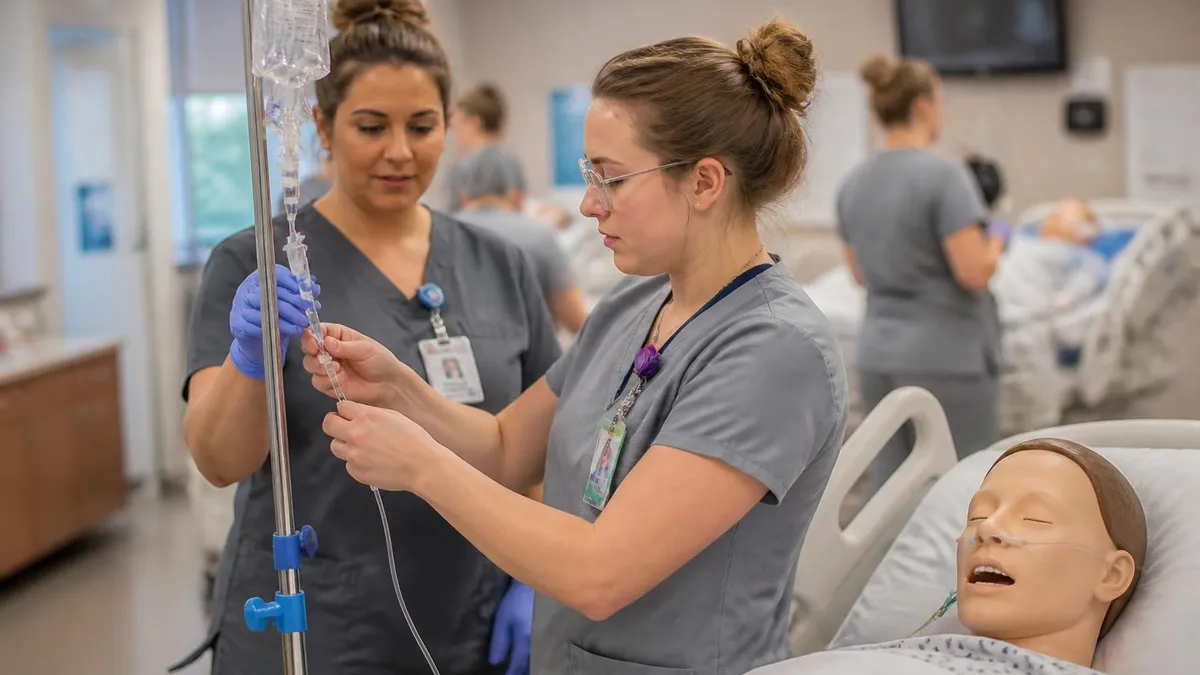
Types of Weekend LPN Positions to Consider
Work only Saturday and Sunday — typically two 12-hour shifts — and receive full-time pay and benefits. Ideal for LPNs in bridge programs or with demanding weekday commitments. Most common in hospitals and large SNF chains.
Scheduled for one or two weekend shifts per week without a DWO commitment. Offers benefits on a pro-rated basis at many facilities. A strong entry point for new graduates wanting structured mentorship on high-volume weekend floors.
Pick up weekend shifts on demand through an online portal. Hourly rates run 15–25% above staff rates but no benefits are included. Best suited for LPNs with alternative benefit coverage and strong scheduling flexibility.
Conduct skilled nursing visits in patients' homes on Saturdays and Sundays. Agencies often pay mileage and offer flexible start times. Excellent for LPNs seeking independence, continuity of care, and lighter physical demands than floor nursing.
Staff urgent care centers, retail health clinics, or outpatient surgery centers that see peak patient volumes on weekends. Typically day shifts with no overnight obligation, making these roles attractive to LPNs who prefer predictable hours.
Understanding how weekend pay actually works is essential before you accept any offer. Most healthcare employers structure weekend compensation in one of three ways: a flat hourly differential (for example, an extra $4.00 per hour for every hour worked between Friday at 11 p.m. and Monday at 7 a.m.), a percentage-based differential (typically 10 to 20 percent above your base rate), or a blended Baylor rate that folds the premium into a single higher hourly figure for all DWO shifts.
When comparing offers from two different employers, always ask HR to break down the math so you are comparing apples to apples.
Overtime rules create another layer of compensation complexity for weekend LPNs. Under the Fair Labor Standards Act, non-exempt employees must receive 1.5 times their regular rate for hours exceeding 40 in a workweek. If your workweek runs Sunday through Saturday and your DWO shifts are two 12-hour days, you are at 24 hours — well below the overtime threshold.
However, if you pick up even one additional weekday shift to cover a vacancy, you could hit 36 hours and approach overtime territory by week's end. Knowing your threshold protects you from accidentally losing the benefit of those premium weekend hours to unexpected tax bracket creep or employer scheduling pressures.
Geographic location plays a large role in total weekend earnings. California LPNs (officially called LVNs in that state) benefit from a $16 statewide minimum wage floor and some of the highest shift differentials in the country, with experienced LVNs in Los Angeles-area SNFs routinely earning $38 to $45 per hour on weekend nights.
Texas, which has a lower cost of living, sees weekend LPN rates ranging from $26 to $34 per hour depending on metro area and facility type. Rural facilities in states like West Virginia or Mississippi may offer lower base wages but frequently add housing stipends or sign-on bonuses of $2,000 to $5,000 to attract weekend nurses to underserved communities.
Sign-on and retention bonuses are increasingly common features of weekend LPN offers. In 2024 and 2025, major SNF operators including Kindred Healthcare, Brookdale Senior Living, and Genesis HealthCare advertised sign-on bonuses ranging from $1,500 to $8,000 for LPNs committing to weekend schedules of at least one year. These bonuses are typically paid in installments — for example, 50 percent at hire and 50 percent at the six-month mark — to encourage retention. Always read the clawback clause carefully: if you leave before the commitment period ends, some facilities require you to repay a prorated portion of the bonus.
Benefits eligibility on weekend-only schedules is frequently misunderstood. Many LPNs assume that working only two days per week automatically disqualifies them from health insurance, retirement matching, or paid time off. Under the DWO model, most major healthcare systems count weekend employees as full-time for benefits purposes, provided they consistently work their committed shifts. At smaller independent facilities, the threshold may be 30 hours per week for benefits eligibility — a bar that two 12-hour shifts easily clears. Clarifying benefits eligibility before signing any offer letter is a non-negotiable step in evaluating the real total compensation package.
Retirement contributions deserve a specific mention. If your employer offers a 403(b) or 401(k) match, the match is typically calculated as a percentage of your contributed wages. Because weekend DWO LPNs often receive premium hourly rates, their gross annual wages — and therefore the employer match ceiling — can actually exceed what a standard part-time employee earns. Over a 10-year career, the compounding effect of a higher employer match base can add tens of thousands of dollars to retirement savings. This is a genuinely underappreciated financial advantage of weekend-focused nursing schedules that many LPNs overlook during salary negotiations.
Shift differentials also interact with your NCLEX preparation and continuing education costs in an indirect but meaningful way. LPNs who work weekend-only schedules have five full weekdays available for study, clinical skills refreshers, or pursuing specialty certifications. Many employers also offer tuition assistance that applies even to weekend staff, meaning you can simultaneously earn premium weekend wages and reduce the out-of-pocket cost of an LPN-to-RN bridge program. This combination of financial advantage and educational access makes the weekend LPN schedule one of the most strategically sound arrangements in modern practical nursing.
Top Employers for Weekend LPN Positions
Skilled nursing facilities represent the single largest employer of weekend LPNs in the United States. Major chains such as Kindred Healthcare, Genesis HealthCare, Brookdale Senior Living, and Sunrise Senior Living operate thousands of locations nationally and run structured weekend staffing programs with dedicated shift differentials. SNF weekend LPNs frequently serve as charge nurses, overseeing CNA teams and managing medication passes for 20 to 40 residents per shift, building charge experience faster than weekday staff roles.
Independent and regional SNFs often compete aggressively with national chains by offering higher base rates, more flexible scheduling, and faster paths to supervisory titles. A locally owned facility may not match a national chain's sign-on bonus, but it can provide a more collaborative culture, lower nurse-to-resident ratios, and greater input over weekend scheduling preferences. LPNs who prioritize autonomy and relationship-based care frequently find independent SNFs more rewarding than large corporate settings, even when the pay differential is modest.
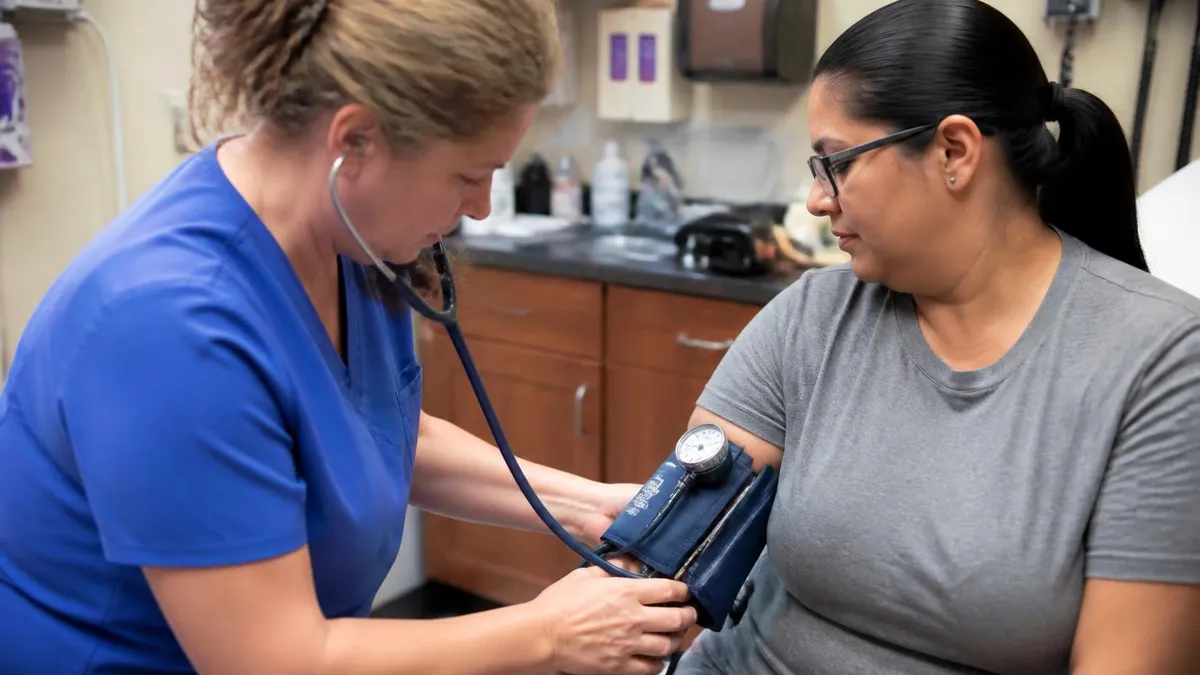
Pros and Cons of Weekend LPN Positions
- +Premium shift differentials add $3–$6 per hour above weekday base rates
- +Five weekdays free for education, family, or a second job
- +DWO schedules often qualify for full-time benefits on just two shifts per week
- +Lower weekday competition — weekend staff are in consistently high demand
- +Weekend charge experience builds leadership skills faster than routine weekday roles
- +Sign-on bonuses of $1,500–$8,000 common for weekend commitment contracts
- −Reduced access to weekday continuing education events and facility in-services
- −Social and family events frequently fall on weekends, creating work-life tension
- −Weekend floors often run leaner staffing, increasing individual nurse workload
- −PRN weekend roles lack benefits — health insurance and PTO not included
- −Weekend charge duties can be high-pressure with limited supervisory backup available
- −Clawback clauses on sign-on bonuses can create financial penalties for early departure
Pros and Cons at a Glance
| Pros | Cons |
|---|---|
| Five weekdays free for education, family, or a second job | Reduced access to weekday continuing education events and facility in-services |
| DWO schedules often qualify for full-time benefits on just two shifts per week | Social and family events frequently fall on weekends, creating work-life tension |
| Lower weekday competition — weekend staff are in consistently high demand | Weekend floors often run leaner staffing, increasing individual nurse workload |
| Weekend charge experience builds leadership skills faster than routine weekday roles | PRN weekend roles lack benefits — health insurance and PTO not included |
Weekend LPN Job Application Checklist
- ✓Confirm your state LPN license is active and in good standing before applying.
- ✓Gather CPR/BLS certification documentation — most employers require current American Heart Association certification.
- ✓Request three professional references from clinical supervisors or charge nurses.
- ✓Tailor your resume to highlight any prior weekend, charge, or high-acuity shift experience.
- ✓Research the facility's weekend staffing model (DWO, PRN, or part-time) before your interview.
- ✓Ask specifically about shift differential structure and whether it applies to overtime hours.
- ✓Clarify benefits eligibility criteria for weekend-only or part-time staff in writing.
- ✓Review the sign-on bonus clawback clause and understand your commitment period obligations.
- ✓Negotiate start date flexibility if you are completing an active orientation or bridge program.
- ✓Follow up within 48 hours of every interview with a brief, personalized thank-you email.
Two 12-Hour Weekend Shifts Can Equal Full-Time Pay and Benefits
Under a Dedicated Weekend Option (Baylor Plan), most major healthcare systems classify two 12-hour weekend shifts as full-time employment for benefits purposes. That means health insurance, retirement matching, and PTO accrue even though you only work Saturday and Sunday — giving you five weekdays completely free for school, family, or additional PRN income.
Once you have landed your weekend LPN role, succeeding in it requires a slightly different skill set than thriving on a Monday-through-Friday schedule. Weekend floors typically run with reduced administrative and supervisory staff, which means LPNs are expected to exercise greater independent clinical judgment than they might on a fully staffed weekday team. You may be the most senior clinical person on the floor for stretches of your shift, making strong assessment skills and clear escalation protocols absolutely essential to safe patient outcomes.
Medication management on weekend shifts demands extra vigilance. Pharmacy departments operate with skeleton crews on Saturdays and Sundays, meaning that stat medication orders can take longer to fill and that LPNs must communicate urgency clearly with the on-call pharmacist.
Maintaining an organized, proactive approach to medication administration records (MARs) at the start of each shift — flagging any anticipated refills, new orders, or controlled substance counts before the rush begins — is a habit that separates good weekend LPNs from great ones. Experienced weekend LPNs consistently report that spending the first 15 to 20 minutes of a shift reviewing the MAR in detail saves 60 to 90 minutes of frantic problem-solving later.
Communication handoffs are another area where weekend LPNs must excel. Because weekend shifts often bridge multiple care teams, an unclear or incomplete handoff from the night nurse to the day nurse can create dangerous gaps in situational awareness for both staff and patients.
SBAR (Situation, Background, Assessment, Recommendation) is the gold standard handoff framework endorsed by The Joint Commission, and weekend LPNs who use it consistently — even for routine, stable patients — demonstrate a professionalism that supervisors and charge nurses notice and reward. If your facility does not already use SBAR templates, creating your own simple written version and using it for every handoff is a free, low-effort way to stand out.
Weekend charge nurse duties, if they are part of your role, require particular attention to staffing flexibility. CNAs who call out sick on a Saturday at 6 a.m. are far harder to replace than weekday staff because the PRN pool is thinner and many weekend-only staff are already committed elsewhere.
Developing relationships with reliable per diem CNAs and building a personal contact list of available staff before you need them is a proactive strategy that weekend charge LPNs universally recommend. Some experienced weekend charges maintain a group text with three to five trusted per diem workers who they reach out to when a last-minute vacancy opens.
Continuing education remains a challenge for weekend-only LPNs because most employer-sponsored in-service training and continuing education events are scheduled during weekday business hours. The most effective strategy is to negotiate at the time of hire — before you sign your offer letter — for either paid study time on a weekday or access to online CE modules that can be completed asynchronously. Many state nursing associations and national organizations like the National Association for Practical Nurse Education and Service (NAPNES) offer fully online CE credits that count toward your state renewal requirements without requiring any weekday schedule disruption.
Building a professional network outside your facility is equally important for weekend LPNs, who can become somewhat isolated from the broader nursing community by virtue of their schedule. Joining the Facebook groups, LinkedIn communities, and Reddit forums dedicated to practical nursing connects you with thousands of other LPNs navigating similar schedule dynamics. These communities share intel on which facilities offer the best weekend differentials in your region, which employers have toxic cultures to avoid, and which CE programs are worth the investment — peer knowledge that no job posting or recruiter will volunteer unprompted.
Finally, tracking your own clinical performance metrics over time is a professional habit that pays dividends when you seek a promotion, a raise, or a position at a more prestigious facility. Keep a private log of any quality improvement initiatives you contributed to, commendations you received from patients or families, in-services you attended, and certifications you earned.
Weekend LPNs who arrive at an annual review with concrete accomplishments documented are far more likely to negotiate successfully for a higher weekend differential or an accelerated path to charge nurse designation than those who simply show up, do good work, and hope management notices.
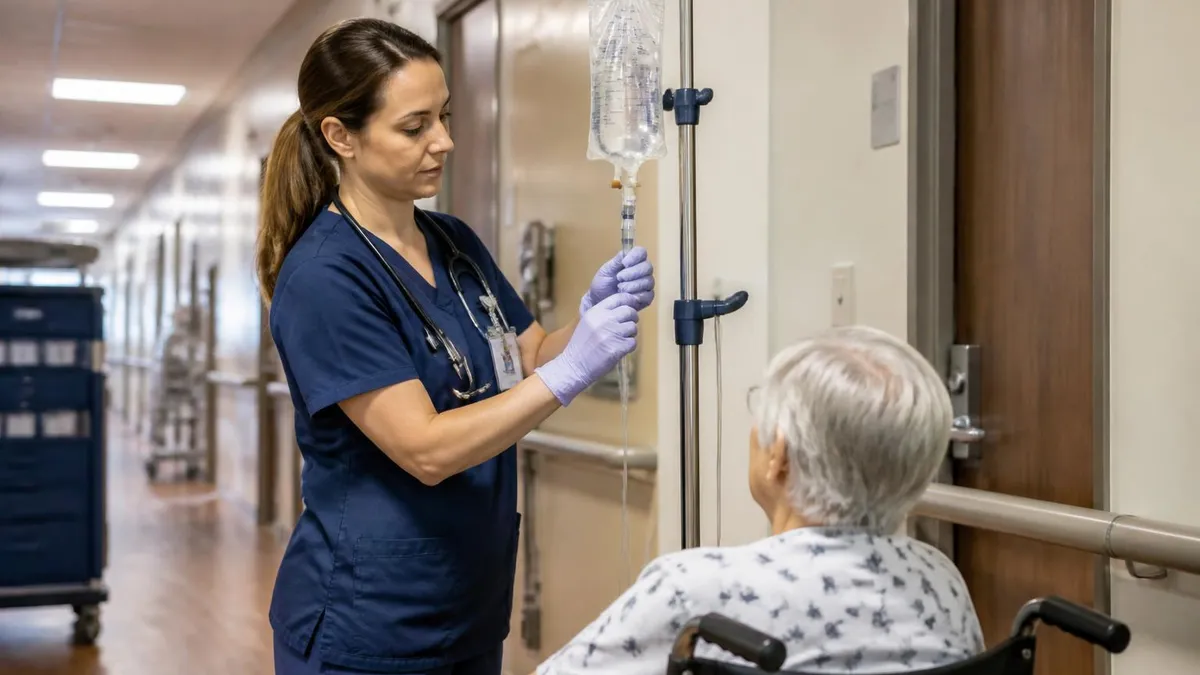
Many weekend LPN sign-on bonuses include a clawback clause requiring repayment if you leave before 12 to 24 months. Read the fine print carefully: some clauses require full repayment even if the facility changes your schedule or cuts your hours. Negotiate clawback language before accepting, and get the final terms in writing as part of your offer letter.
Negotiating your weekend schedule effectively begins well before you accept an offer — ideally during the first or second interview. Most candidates assume that scheduling terms are fixed and non-negotiable, but experienced LPNs know that weekend staffing is precious enough to employers that there is almost always room to customize the arrangement. The most productive approach is to arrive at the negotiation with a clear statement of your preferred schedule, a willingness to discuss alternatives, and knowledge of what comparable employers in your market are offering so you can reference real benchmarks without seeming uninformed.
Start by identifying your true priorities: is it the number of hours, the specific days, the shift times, or the benefits package that matters most to you? Many LPNs enter negotiations focused on hourly rate when they would actually benefit more from a schedule change — for example, shifting from two 8-hour weekend shifts to two 12-hour shifts reduces your commute days and increases your hourly premium rate at many facilities. Knowing which lever to pull first makes your negotiation more targeted and more likely to succeed without creating the adversarial dynamic that derails many job conversations.
Exploring the DWO commitment length is another key negotiating point. Standard DWO agreements run 12 months, but some facilities are willing to offer a six-month trial period for LPNs who want to test the schedule before making a full commitment. A six-month trial may come with a smaller sign-on bonus, but it protects you from being locked into a schedule or a workplace culture that turns out to be a poor fit. Once the trial period confirms the arrangement works for both parties, you can convert to the full-year DWO and negotiate the remaining bonus tranche at that point.
If you are negotiating a PRN weekend position rather than a staff role, the key variables are the minimum shift commitment per pay period and the advance notice required to hold a shift. Some PRN arrangements require LPNs to work a minimum of two shifts per month to maintain their pool status; others have no minimum.
Understanding these requirements upfront prevents you from accidentally losing your pool status — and your premium rate — during a month when personal obligations make it difficult to commit to weekend shifts. Always ask about the grace policy for falling below the minimum and whether sick shifts count toward or exempt you from the commitment.
Reference checks represent an underused use point in LPN weekend job negotiations. If you have a strong recommendation from a current charge nurse or director of nursing who is respected in your local healthcare community, mentioning that reference early in the conversation signals to the hiring manager that you are a known quality candidate, not an unknown risk.
Facilities that are competing to fill weekend slots often fast-track candidates with credible internal referrals, and some offer a referral hiring bonus structure that can be shared between you and the referring nurse — a win-win arrangement that greases the wheels of the hiring process for everyone involved.
The LPN career landscape continues to evolve rapidly, with telehealth and remote monitoring roles creating entirely new categories of weekend nursing work that did not exist five years ago. Some health systems now deploy weekend LPNs as remote patient monitoring coordinators, reviewing continuous vital-sign data streams and escalating alerts to bedside RNs or physicians.
These roles require proficiency with electronic health record platforms and remote monitoring software but are typically office-based or fully work-from-home, eliminating commute time and physical strain. For LPNs with strong technological aptitude and a preference for analytical over hands-on work, weekend remote monitoring positions represent a genuinely novel career pathway worth investigating.
Whatever weekend LPN path you pursue, investing in exam preparation and clinical knowledge remains your most durable competitive advantage. Facilities consistently prefer to hire LPNs who demonstrate current, validated clinical knowledge over those whose skills have gone unexamined. If you are still in the credentialing process or looking to sharpen your competency across key NCLEX-PN domains, dedicating structured study time during your weekdays — one of the great scheduling gifts of the weekend LPN lifestyle — will accelerate both your licensure success and your long-term career trajectory in ways that no shift differential alone can replicate.
Putting everything together into a concrete action plan makes the difference between passively hoping for a great weekend LPN job and systematically landing one. Start with your digital presence: update your LinkedIn profile to reflect your LPN license status, any specialty certifications, and your explicit interest in weekend positions. Recruiters and nurse staffing managers routinely search LinkedIn for candidates with specific credentials and scheduling availability, and an up-to-date profile with the keyword phrase "weekend availability" or "open to DWO" in your headline dramatically increases the likelihood that you surface in those searches before your resume ever reaches a recruiter's inbox.
Job board strategy matters more than most LPN candidates realize. Indeed, LinkedIn, and Glassdoor are obvious starting points, but the most competitive weekend LPN opportunities are frequently posted on specialized healthcare job boards including Health eCareers, Nurse.com, and NurseRecruiter. State-specific nursing association job boards are also worth monitoring — they often feature local independent facilities that do not have the recruiting budget to advertise on national platforms but are desperately seeking weekend coverage and willing to negotiate generous terms to secure a reliable LPN.
Staffing agencies represent another powerful tool for weekend LPN job seekers, particularly for LPNs who want flexibility without the commitment of a DWO contract. Travel nursing agencies such as AMN Healthcare, Cross Country Nurses, and Aya Healthcare place LPNs in weekend-focused short-term contracts at facilities across the country, often with tax-advantaged stipends for housing and meals that push total compensation well above what a permanent staff position offers.
Even if you are not interested in relocating, local per diem agencies in most metro areas can place you in weekend shifts at multiple facilities simultaneously, maximizing your exposure to different care settings while you determine which employer is the best long-term fit.
Interviewing for a weekend LPN position requires specific preparation that differs from a standard nursing interview. Expect questions about your ability to function as a charge nurse with limited supervisory backup, your strategy for managing last-minute CNA call-outs, and your approach to end-of-shift handoffs on a day when the incoming team may be running thin. Preparing three to five concrete STAR (Situation, Task, Action, Result) stories from your clinical experience that demonstrate independent judgment, effective communication under pressure, and proactive problem-solving will position you far more favorably than candidates who answer these questions with vague generalities.
Once you receive an offer, the onboarding period sets the tone for your entire tenure at the facility. Weekend-only new employees sometimes feel disconnected from weekday staff culture and institutional knowledge because they are never present when team meetings, policy updates, and informal knowledge-sharing occur. Proactively scheduling a brief check-in call or email exchange with your weekday counterparts during your first month — even if it is outside your scheduled hours — signals commitment and helps you stay current with any clinical protocol changes that get communicated through weekday channels you would otherwise miss.
Long-term career planning for weekend LPNs should account for the fact that weekend schedules, while advantageous now, may not remain ideal indefinitely. Life circumstances change — children grow older, educational programs complete, and personal priorities shift.
The best weekend LPN careers are built on a foundation of genuine clinical excellence, strong professional relationships, and continuous credentialing that makes you competitive for any nursing role when the time comes to transition back to a standard schedule or advance to an RN or specialty LPN position. Think of your weekend schedule not as a permanent identity but as a strategic tool you use for a defined period to achieve specific financial, educational, or personal goals.
The nursing profession rewards LPNs who approach their careers with intentionality, and weekend positions offer a particularly rich environment for developing that intentionality. The combination of premium pay, scheduling freedom, accelerated leadership experience, and strong demand creates a career runway that many LPNs find difficult to match in any other employment arrangement.
Whether your goal is to pay off student loans faster, complete a bridge program, build a retirement nest egg, or simply reclaim your weekdays for the life you want to live, a well-chosen weekend LPN position can serve as the financial and professional engine that powers your progress for years to come.
Sample Certified Practical Nurse Practice Questions
Try these questions from our free Certified Practical Nurse practice tests. The correct answer and an explanation follow each question.
A patient is admitted after a tonic-clonic seizure. During the postictal period, which nursing intervention takes priority?
- A. Reorienting the patient to time and place
- B. Placing the patient in a lateral recovery position
- C. Administering prescribed antiepileptic medication
- D. Applying supplemental oxygen via non-rebreather mask
Answer: B. Placing the patient in a lateral recovery position
Placing the patient on their side prevents aspiration of secretions or vomitus during the postictal period when protective reflexes may be diminished.
A client returns from hip replacement surgery. The LPN should position the client to prevent hip dislocation by:
- A. Crossing the legs at the ankles when in bed
- B. Keeping the operated leg adducted and internally rotated
- C. Maintaining hip flexion greater than 90 degrees when sitting
- D. Using an abduction pillow between the legs and avoiding crossing the legs
Answer: D. Using an abduction pillow between the legs and avoiding crossing the legs
After total hip arthroplasty, dislocation is prevented by keeping the hip in abduction, avoiding adduction past midline, crossing legs, or flexing the hip beyond 90 degrees.
A client with Parkinson's disease is at risk for which complication requiring the highest nursing vigilance?
- A. Hypertension and stroke
- B. Aspiration pneumonia from dysphagia and choking
- C. Deep vein thrombosis from immobility
- D. Pressure ulcers from incontinence
Answer: B. Aspiration pneumonia from dysphagia and choking
Dysphagia and slowed swallowing in Parkinson's disease significantly increase the risk of aspiration, which is a leading cause of morbidity and mortality in this population.
An LPN is caring for a patient with osteoporosis who sustained a vertebral compression fracture. Which nursing intervention is the highest priority?
- A. Administering calcium supplements as ordered
- B. Implementing fall prevention measures
- C. Encouraging ambulation to prevent bone loss
- D. Teaching the patient about bisphosphonate therapy
Answer: B. Implementing fall prevention measures
Fall prevention is the highest priority to prevent additional vertebral or other fractures, as the patient is at extreme risk for further injury.
LPN Questions and Answers

LPN Requirements 2026: Complete Guide to Becoming a Licensed Practical Nurse

LPN IV Certification: Complete 2026 Guide to Training, Requirements & Cost

LPN Programs in Florida: Complete 2026 Guide to Accredited Schools, Costs, Requirements & Licensure

LPN Salary Wisconsin 2026: Average Pay, Top Cities, and How to Earn More

LPN Duties: Complete Guide to Daily Responsibilities and Scope of Practice
About the Author

Registered Nurse & Healthcare Educator
Johns Hopkins University School of NursingDr. Sarah Mitchell is a board-certified registered nurse with over 15 years of clinical and academic experience. She completed her PhD in Nursing Science at Johns Hopkins University and has taught NCLEX preparation and clinical skills courses for nursing students across the United States. Her research focuses on evidence-based exam preparation strategies for healthcare certification candidates.
Join the Discussion
Connect with other students preparing for this exam. Share tips, ask questions, and get advice from people who have been there.
View discussion (7 replies)