
Best LPN to BSN Programs Online: Complete 2026 September Guide to Accelerated RN Bridge Programs
🎓 Best LPN to BSN programs online ranked for 2026 September. Compare costs, timelines, requirements & accredited schools to advance your nursing career fast.
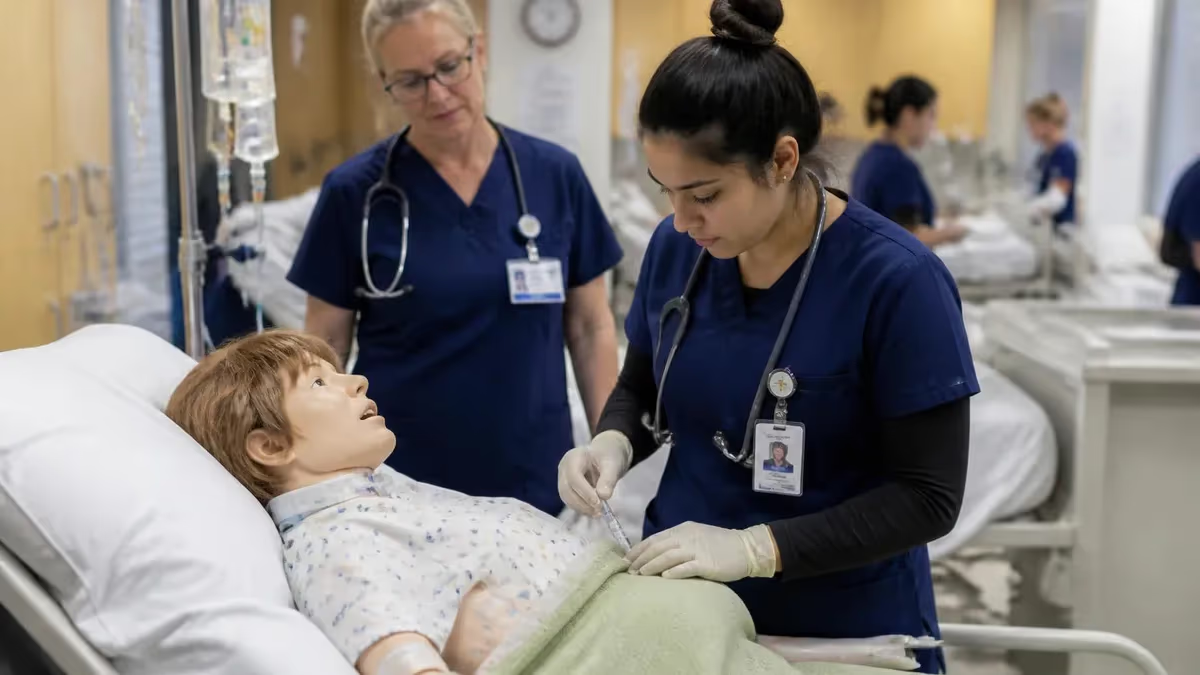
If you are searching for the best LPN to BSN programs online, you have already taken the first step toward a career transformation that can increase your earning potential by tens of thousands of dollars annually while opening clinical leadership doors that remain closed to licensed practical nurses.
Online bridge programs allow working LPNs to maintain their current employment while earning a Bachelor of Science in Nursing on a flexible schedule — a combination that would have been nearly impossible a decade ago. The demand for BSN-prepared nurses has never been higher, with the American Association of Colleges of Nursing reporting that more than 80 percent of hospital employers now prefer or require a BSN for staff nurse positions.
Understanding how lpn to bsn programs online differ from traditional campus pathways is critical before you commit your time and money. Most online LPN-to-BSN bridge programs are structured as completion tracks, meaning they credit your current LPN licensure and clinical hours toward the degree, dramatically reducing the total coursework you need to complete. Depending on the school, this can cut the program length from the standard four years down to as few as two to three years. Some accelerated cohorts even offer 18-month pathways for highly motivated students with strong academic records and current full-time nursing experience.
Accreditation is the single most important factor when evaluating any nursing program. You should look exclusively at programs accredited by the Accreditation Commission for Education in Nursing (ACEN) or the Commission on Collegiate Nursing Education (CCNE). These two bodies set the standards that state boards of nursing, graduate schools, and employers all recognize. Enrolling in an unaccredited or regionally unaccredited institution can invalidate your degree for NCLEX-RN eligibility, graduate school admission, or federal loan forgiveness programs, costing you years of wasted effort and tuition dollars.
Cost is another dimension that deserves careful analysis. Public state university online programs typically charge between $300 and $600 per credit hour, while private or for-profit institutions can run from $700 to over $1,200 per credit. A typical LPN-to-BSN bridge completion track requires between 60 and 90 credit hours beyond your LPN foundation, putting total tuition in the range of $18,000 to $80,000 depending on the school. Scholarships through the American Association of Colleges of Nursing, employer tuition reimbursement programs, and federal financial aid can significantly reduce your out-of-pocket costs if you plan strategically.
Clinical hour requirements represent the piece of the puzzle that confuses most prospective students. Unlike fully online RN-to-BSN programs designed for already-licensed registered nurses, LPN-to-BSN tracks must still include supervised clinical rotations because you are earning initial RN licensure along the way. However, many programs allow you to complete these clinicals at local healthcare facilities near your home, and some even allow you to count your current LPN work site hours toward certain competency requirements. This hybrid model is what makes these programs genuinely workable for full-time healthcare workers.
The job market context makes pursuing a BSN particularly compelling right now. The Bureau of Labor Statistics projects a 6 percent growth rate for registered nurses through 2032, adding roughly 177,400 new positions nationally. More importantly, the pay differential between LPN and RN roles is substantial: the median annual wage for LPNs hovers around $54,000, while RNs earn a median of $81,000. BSN-prepared RNs often command an additional premium above that median, particularly in magnet-designated hospitals, specialized units, and leadership tracks. Over a 30-year career, that wage gap can amount to nearly one million dollars in cumulative earnings.
This guide will walk you through everything you need to know about selecting, applying to, and succeeding in an online LPN-to-BSN program, from prerequisite courses and application timelines to NCLEX-RN preparation strategies and career advancement pathways after graduation. Whether you are just beginning your research or are ready to submit your first application, the information here will help you make a confident, well-informed decision about which program fits your life, your budget, and your professional goals.
LPN to BSN Programs by the Numbers
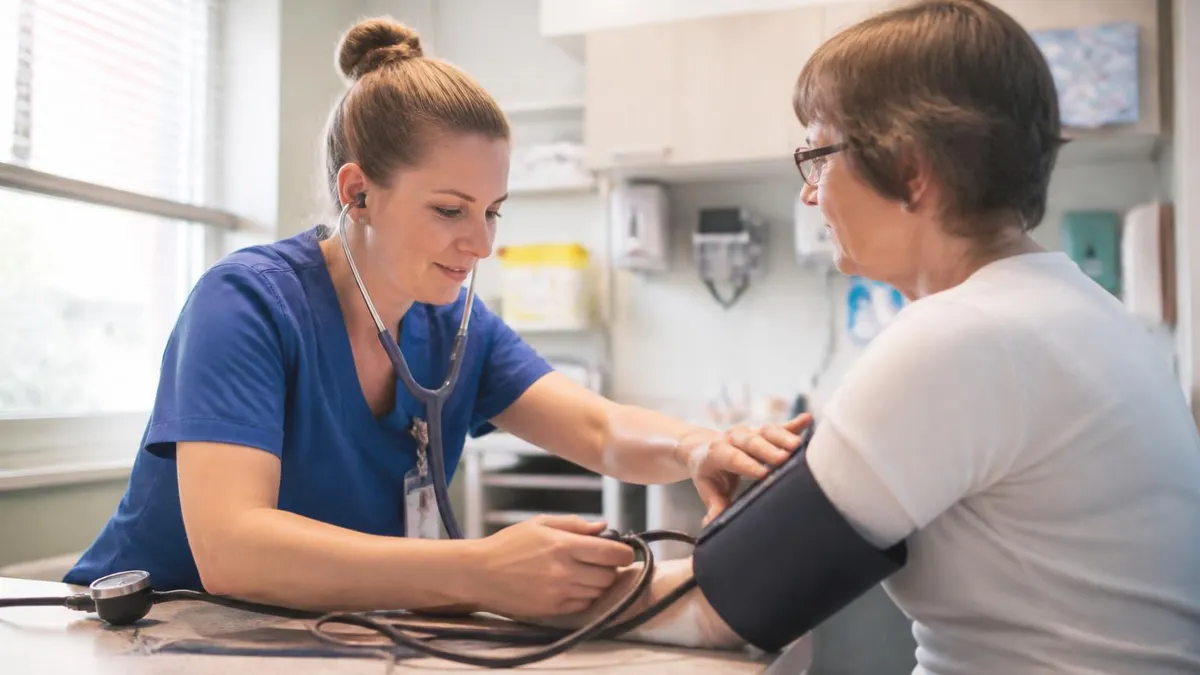
LPN to BSN Program Structure: What to Expect
Most programs require foundational RN-level courses in pathophysiology, pharmacology, health assessment, and evidence-based practice. These bridge courses build directly on your LPN training and typically account for 20–30 credit hours of the total program.
Expect 500–750 supervised clinical hours completed at affiliated healthcare sites near your home. Many programs coordinate preceptor placements, but you may also request approval to complete hours at your current employer.
BSN degrees require liberal arts coursework in English composition, statistics, sociology, and the humanities. Transfer credits from your LPN program or prior college work often satisfy many of these requirements automatically.
Upon completing the bridge program, you apply for RN licensure via your state board of nursing. The program's ACEN or CCNE accreditation is what makes you eligible to sit for the NCLEX-RN — never enroll without verifying this status.
Most BSN programs culminate in a community health capstone project demonstrating leadership and population-health competencies. This project is often completed in your local community and can be coordinated around your work schedule.
Selecting among the many online LPN-to-BSN programs requires a systematic comparison across five key dimensions: accreditation status, program length, clinical flexibility, NCLEX-RN pass rates, and total cost. Several universities have consistently earned high marks across all five categories and have built strong reputations for graduating career-ready BSN nurses. Western Governors University, for instance, offers a competency-based online format that allows motivated students to accelerate through material they already know, potentially completing the program in as few as 30 months at a flat-rate tuition of approximately $8,000 per term regardless of how many courses you take.
The University of Texas at Arlington's RN-BSN program — which accommodates LPN-to-RN bridge pathways in collaboration with partner community colleges — is another highly respected option, with over 3,000 students enrolled online annually. UTA's program is CCNE-accredited, charges approximately $400 per credit hour for Texas residents, and has a reported NCLEX-RN first-time pass rate consistently above the national average. The program also maintains clinical coordination offices in major Texas metros, simplifying the preceptorship arrangement process for working nurses.
Chamberlain University offers a widely available online LPN-to-BSN pathway with campuses and clinical affiliate networks across 23 states, making it accessible for nurses who live in areas without a strong local university presence. Chamberlain's direct-pay tuition runs approximately $635 per credit hour, but the school's relationships with major hospital systems often translate into employer tuition assistance that reduces the net cost significantly. Their 8-week course format is designed specifically for working adults who need intensive but time-bound study cycles rather than traditional semester-long commitments.
South University and Purdue University Global are two additional accredited online options worth researching depending on your state of residence and existing college credits. Both offer asynchronous coursework that can be completed at any hour, which is critical for nurses working rotating shifts. Purdue Global, in particular, offers a generous credit transfer policy that can recognize up to 94 prior credit hours, meaning some LPNs with existing college coursework complete the bridge program with as few as 30 additional credits — a substantial time and cost saving compared to starting fresh.
State-based public universities frequently offer the most affordable online LPN-to-BSN options, especially for in-state residents. Schools like Indiana State University, Florida SouthWestern State College's bridge pathway leading to Florida Gulf Coast University, and the University of North Dakota all offer competitively priced online programs with strong local clinical networks. These programs tend to have waitlists, however, so applicants should plan to apply 6–12 months before their intended start date and ensure all prerequisite courses are completed before submitting materials.
Community college consortium programs represent an increasingly popular alternative structure worth knowing about. In this model, your local community college serves as the point of enrollment and handles clinical coordination, while a university partner grants the BSN credential. This arrangement often comes with in-district tuition pricing — sometimes as low as $150 per credit hour — combined with the national accreditation and degree recognition of the partner university. States like California, Texas, and North Carolina have well-developed consortium networks that LPN students can leverage to dramatically reduce program costs.
Regardless of which program you choose, verify three things before you enroll: that the program holds active ACEN or CCNE accreditation, that your state board of nursing recognizes the program for RN licensure application, and that the clinical placement process is clearly defined so you are not left scrambling to find a preceptor on your own. These three checks will protect you from the most common and costly mistakes that derail LPN-to-BSN students each year.
Online LPN to BSN Programs: Cost, Timeline & Clinical Options
Total tuition for an online LPN-to-BSN bridge program ranges from approximately $18,000 at affordable public universities to over $80,000 at private institutions. Public in-state programs typically charge $300–$600 per credit, while private schools average $700–$1,200 per credit. Most students qualify for federal financial aid including Pell Grants, subsidized loans, and work-study funds, which can offset a significant portion of direct costs. Employer tuition reimbursement programs — common at major hospital systems — typically cover $2,500 to $10,000 annually per employee.
Beyond tuition, budget for textbooks ($500–$1,500 over the program), clinical supplies such as uniforms and stethoscopes ($200–$400), ATI or HESI proctored testing fees ($300–$600 total), and NCLEX-RN application fees around $200. Some online programs also charge technology or distance learning fees of $150–$300 per semester. Prospective students should request a full cost-of-attendance breakdown from each program before enrolling, as hidden fees can add 10–15 percent to the advertised tuition cost.
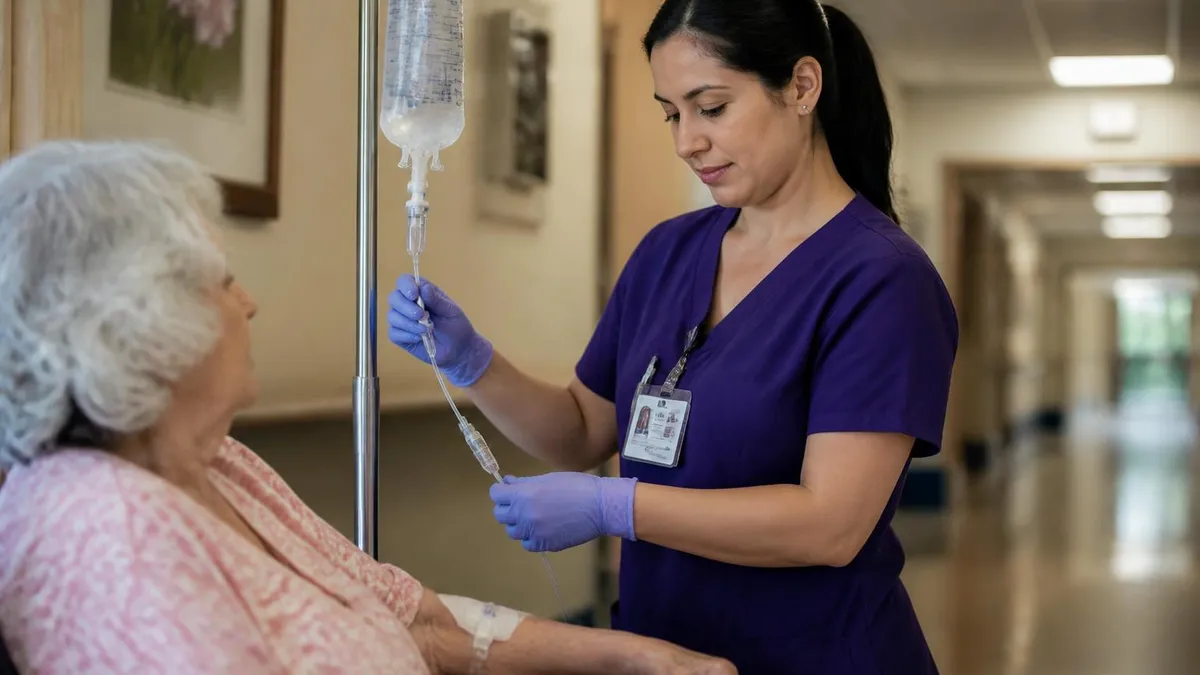
Online LPN to BSN Programs: Advantages and Challenges
- +Maintain full-time LPN employment and income while earning the BSN degree on a flexible schedule
- +Significantly lower total cost compared to returning to campus full-time, especially with employer tuition assistance
- +Completion in as few as 18–24 months versus 4 years for a traditional BSN path
- +NCLEX-RN eligibility upon graduation opens the full registered nurse job market nationwide
- +Immediate salary increase potential of $25,000–$35,000 annually after passing the NCLEX-RN
- +Foundation for future graduate study in nurse practitioner, CRNA, or nursing informatics programs
- −Clinical hours still required in person, which can be logistically challenging for shift workers with family obligations
- −Self-directed online learning requires high discipline; attrition rates at some programs exceed 30 percent
- −Prerequisite coursework gaps can add 6–12 months to the timeline before you can even begin the bridge program
- −Cost at private or for-profit institutions can reach $80,000+ — exceeding the break-even point for some career paths
- −Accreditation status must be verified carefully; some online programs are regionally unaccredited or have lapsed CCNE/ACEN status
- −Some state boards of nursing have additional licensing requirements beyond program completion that add time and cost
LPN to BSN Online Program Application Checklist
- ✓Verify the program holds active ACEN or CCNE accreditation on the official accrediting body website — not just the school's marketing materials.
- ✓Confirm your state board of nursing recognizes the program for RN licensure application before paying any application fees.
- ✓Request an official transcript evaluation to identify which prerequisite and general education credits will transfer from prior college work.
- ✓Complete all outstanding prerequisite courses — anatomy, physiology, microbiology, statistics, and English composition — before the application deadline.
- ✓Obtain a current, unencumbered LPN license in good standing; programs reject applicants with disciplinary actions on their nursing record.
- ✓Gather letters of recommendation from clinical supervisors or nursing faculty who can speak to your professional competence and academic readiness.
- ✓Write a compelling personal statement explaining your motivation for pursuing the BSN and your long-term nursing career goals.
- ✓Research and apply for all available scholarships at least 6 months before program start, including AACN, state nursing associations, and employer programs.
- ✓Confirm the program's clinical placement policy and identify 2–3 potential preceptor sites within your commuting range.
- ✓Review the program's technology requirements — reliable high-speed internet, webcam for proctored exams, and compatible devices are typically mandatory.
The Magnet Hospital Effect: Why BSN Matters More Than Ever
Over 600 hospitals in the United States now hold Magnet designation from the American Nurses Credentialing Center — and Magnet standards require that at least 80 percent of bedside nurses hold a BSN or higher. This means that at the nation's top-ranked hospitals, an LPN credential alone will not qualify you for RN staff positions regardless of your experience. Earning your BSN online is not just a career upgrade — it is increasingly a prerequisite for working in the most desirable clinical environments.
Choosing the right online LPN-to-BSN program ultimately comes down to matching program characteristics to your personal circumstances rather than chasing rankings or name recognition alone. The most important personal factors to assess honestly before applying are your study habits and self-discipline, your current financial situation and access to aid, your geographic constraints for clinical placements, and the degree of flexibility your current employer offers for scheduling adjustments during the bridge program. A program that works beautifully for a day-shift nurse with weekends free may be entirely unworkable for an ICU nurse on rotating 12-hour shifts.
Start your program selection process by requesting information packets from at least five accredited programs and scheduling a call with an admissions advisor at each. Come to these calls prepared with specific questions: What is your NCLEX-RN first-time pass rate for the last three years? How many credit hours will transfer from my LPN program and prior college coursework? Can I complete clinical hours at my current employer? What is the average time to completion for part-time students who work full-time? The answers to these questions will tell you far more than the program's website copy.
NCLEX-RN pass rates deserve special emphasis because they are the most direct indicator of program quality. The national average NCLEX-RN first-time pass rate for new graduates hovers around 82–85 percent. Programs consistently below 80 percent should be viewed with caution — they may have weaker curriculum, less rigorous assessment, or insufficient student support services. Most accredited programs publish their pass rate data publicly; if a school is evasive about this number, treat that as a serious red flag.
Student support services are another differentiator worth investigating. The best online LPN-to-BSN programs offer dedicated academic advisors who track student progress proactively rather than waiting for students to seek help. They also provide tutoring services, writing centers, virtual simulation labs for clinical skill practice, and NCLEX-RN prep resources integrated into the curriculum from the first semester. Programs that leave students to navigate coursework independently without check-ins or early-warning systems tend to have higher attrition rates, which ultimately reflects poorly on their graduates' career outcomes.
If you are considering programs that require a GPA above 3.0 for admission, use the application preparation period strategically. Retake any courses where you earned a C or lower, as nursing program admissions committees weigh science course grades heavily. If your LPN program GPA was below 3.0 but you have several years of strong clinical performance since graduation, some programs will consider a portfolio of professional accomplishments alongside your academic transcript. Always ask the admissions office about alternative pathways before self-disqualifying from a competitive program.
Articulation agreements between LPN programs and BSN-granting universities are a resource many candidates overlook. Dozens of state university systems have formal articulation agreements with community colleges and LPN programs that guarantee credit transfer and streamlined admission for qualifying graduates. If you completed your LPN training at a community college or vocational school, contact the institution's advising office to ask whether any articulation agreements exist with four-year nursing programs in your state. These agreements can save you 20–30 credit hours of coursework and thousands of dollars in tuition.
Finally, talk to current students and recent graduates of any program you are seriously considering. Online nursing student communities on platforms like Reddit's r/nursing and AllNurses.com are excellent sources of candid peer reviews. You will find unfiltered perspectives on workload, instructor responsiveness, clinical placement difficulty, and career outcomes that no admissions brochure will provide. Connecting with an alumnus who completed the program while working full-time — ideally in the same type of nursing unit where you currently practice — is one of the most valuable research steps you can take before making a multi-year financial commitment.
Not all online nursing programs that appear in search results hold active ACEN or CCNE accreditation. Some programs advertise extensively while operating under conditional accreditation or after losing accreditation entirely. Before paying any application or enrollment fees, verify the program's status directly at acenursing.org or ccneaccreditation.org using the official program directory. A lapsed or denied accreditation means your degree may not qualify you to sit for the NCLEX-RN — making the entire program investment worthless for your nursing career goals.
Successfully completing an online LPN-to-BSN program requires more than simply enrolling and attending classes — it demands a proactive, strategic approach to both academic performance and NCLEX-RN preparation that begins well before your final semester. The NCLEX-RN is a computer-adaptive test that assesses clinical judgment across all nursing domains, and it is fundamentally different from the NCLEX-PN you passed to earn your LPN license. The registered nurse exam places far greater emphasis on complex multi-system scenarios, priority setting, delegation, and pharmacological reasoning at a level that requires deliberate preparation beyond your bridge coursework.
The most effective NCLEX-RN preparation strategy combines integrated review throughout the bridge program with a dedicated 8–12 week intensive prep period immediately before your scheduled test date. Resources like ATI TEAS, Hurst Review, Kaplan Nursing, and UWorld's NCLEX-RN question bank are widely used by nursing students nationally, and most bridge programs incorporate at least one of these systems into their curriculum. UWorld in particular is highly regarded for its detailed rationale explanations and its adaptive question difficulty algorithm, which closely mirrors the actual NCLEX-RN test engine behavior.
Practice questions are the backbone of effective NCLEX-RN preparation, and you should aim to complete at least 2,000–3,000 practice questions in the final 10 weeks before your exam date. More important than raw question volume, however, is the quality of your review process. After every practice session, spend as much time reading the rationales for questions you answered correctly as for those you got wrong — understanding why a correct answer is correct is just as important as understanding why wrong answers fail. This dual-review habit accelerates content mastery more efficiently than repeated question completion alone.
Your clinical rotations during the bridge program serve double duty as both degree requirements and NCLEX-RN preparation. Approach every clinical shift with the deliberate mindset of identifying priority nursing actions, connecting patient presentations to underlying pathophysiology, and practicing the delegation and supervision principles that the NCLEX-RN tests heavily. Keeping a brief clinical reflection journal — just 5–10 minutes of written reflection per shift — dramatically improves clinical reasoning retention compared to passive experience alone, according to nursing education research published in the Journal of Nursing Education.
After passing the NCLEX-RN and obtaining your RN license, your BSN degree opens a dramatically expanded career landscape. Beyond staff nurse positions at magnet hospitals, BSN-prepared RNs are qualified to pursue roles in nursing case management, infection control, nurse education, informatics, travel nursing (which often pays $2,000–$3,500 per week), and public health. Each of these specialties has its own certification pathway — such as the CCM for case managers or the CIC for infection control nurses — that further increases earning potential and career resilience in a competitive healthcare market.
Graduate school becomes accessible with a BSN as well, opening pathways to nurse practitioner programs (MSN or DNP), clinical nurse specialist tracks, nurse anesthesia programs (CRNA), and nursing administration degrees. Many of these graduate programs can also be completed online, meaning the flexibility that characterized your BSN journey continues into the next stage of your career. The CRNA credential in particular commands some of the highest compensation in all of nursing, with median annual salaries exceeding $200,000 in many markets — a trajectory that begins with the decision to complete your BSN bridge program today.
The broader healthcare landscape will only continue to reward nurses with advanced credentials. Value-based care models, the expansion of telehealth, increasing acuity in all care settings, and the ongoing push toward interprofessional collaboration all favor nurses with the critical thinking foundation that a BSN education provides. Investing in your BSN today positions you not just for the next job, but for 30 years of career adaptability, leadership opportunity, and professional fulfillment in one of the most stable and meaningful professions in the American economy.
Once you have chosen your program and begun the application process, the practical day-to-day habits you build from day one will determine whether you complete the bridge on time or become part of the attrition statistics. Online nursing programs require an estimated 15–20 hours of study per week alongside full-time employment — a commitment that demands ruthless prioritization of your schedule. Block study time on your calendar as non-negotiable appointments and communicate your educational commitments clearly to family members and your employer so expectations are managed from the start.
Time management tools designed specifically for nursing students can reduce cognitive overhead significantly. Applications like Notion or Trello allow you to create visual study boards that map assignment due dates, clinical schedules, and exam dates across the full semester at a glance. The key principle is to work ahead rather than to deadline — in an online program, the flexibility that seems like freedom can quickly become a trap for students who procrastinate. Aim to complete each week's coursework by Thursday so that Friday through Sunday serve as buffer days for review, unexpected work schedule changes, or family needs.
Building a study group with fellow online bridge students — even virtually via video call — provides accountability, shared note resources, and emotional support during difficult academic stretches. Many programs have cohort-based discussion boards or social media groups where students self-organize into study pods. If your program does not facilitate this automatically, take initiative in your first week to reach out to classmates and propose a weekly virtual study session. Nursing students who study in groups consistently report higher satisfaction with online programs and lower rates of withdrawal compared to those who study entirely in isolation.
Your nursing clinical preceptor is one of the most valuable resources available to you during the bridge program, and the relationship deserves genuine investment. Come to every preceptored shift with written learning objectives, prepared questions about patient cases, and a willingness to take on tasks at the edge of your current comfort zone. Preceptors who see motivated, prepared students naturally provide richer learning experiences, more detailed performance feedback, and — often — professional references and job leads after you pass the NCLEX-RN. Treat the preceptorship as a long-form job interview, not just a clinical hour requirement.
Managing the financial stress of the bridge program requires as much planning as the academic demands. Create a detailed monthly budget that accounts for both tuition payments and the opportunity cost of reduced overtime during heavy study periods. Apply for scholarships on a rolling basis throughout the program — not just at admission — as many state nursing associations, specialty organizations, and hospital foundations offer scholarships to students already enrolled in accredited programs. The American Association of Colleges of Nursing maintains an updated scholarship database that is free to search and includes awards specifically for LPN-to-BSN bridge students.
Self-care and stress management are not peripheral concerns during a nursing bridge program — they are professional obligations. Research consistently shows that nursing students who maintain regular exercise, adequate sleep (7–9 hours), and deliberate social connection perform better academically and in clinical settings than those who sacrifice these needs at the altar of study time. Burnout during the bridge program is real and can lead to academic failure, license complications, or health crises that cost far more time than the self-care habits would have required. Treat your own health with the same evidence-based seriousness you bring to your patients.
Finally, keep your end goal visible and specific throughout the program. Write down exactly what you want your career to look like three years after passing your NCLEX-RN — the unit, the specialty, the city, the salary target, and the graduate program you may want to pursue. Return to this vision when coursework becomes overwhelming or clinical schedules become exhausting.
Every LPN who has successfully completed the bridge to BSN reports that the difficulty of the program was entirely worth the outcome — and the data on career earnings, professional satisfaction, and leadership opportunity confirms that this is one of the highest-return investments a working nurse can make in their own future.
LPN Questions and Answers

LPN Requirements 2026: Complete Guide to Becoming a Licensed Practical Nurse
LPN IV Certification: Complete 2026 Guide to Training, Requirements & Cost
LPN Programs in Florida: Complete 2026 Guide to Accredited Schools, Costs, Requirements & Licensure

LPN Salary Wisconsin 2026: Average Pay, Top Cities, and How to Earn More
LPN Duties: Complete Guide to Daily Responsibilities and Scope of Practice
About the Author

Registered Nurse & Healthcare Educator
Johns Hopkins University School of NursingDr. Sarah Mitchell is a board-certified registered nurse with over 15 years of clinical and academic experience. She completed her PhD in Nursing Science at Johns Hopkins University and has taught NCLEX preparation and clinical skills courses for nursing students across the United States. Her research focuses on evidence-based exam preparation strategies for healthcare certification candidates.
Join the Discussion
Connect with other students preparing for this exam. Share tips, ask questions, and get advice from people who have been there.
View discussion (7 replies)