
LPN Jobs Maryland 2026 October: Where to Find Them, What They Pay, and How to Land One
LPN jobs Maryland: top employers, pay rates, job search tips & requirements. ✅ Everything you need to land a great LPN role in 2026 October.
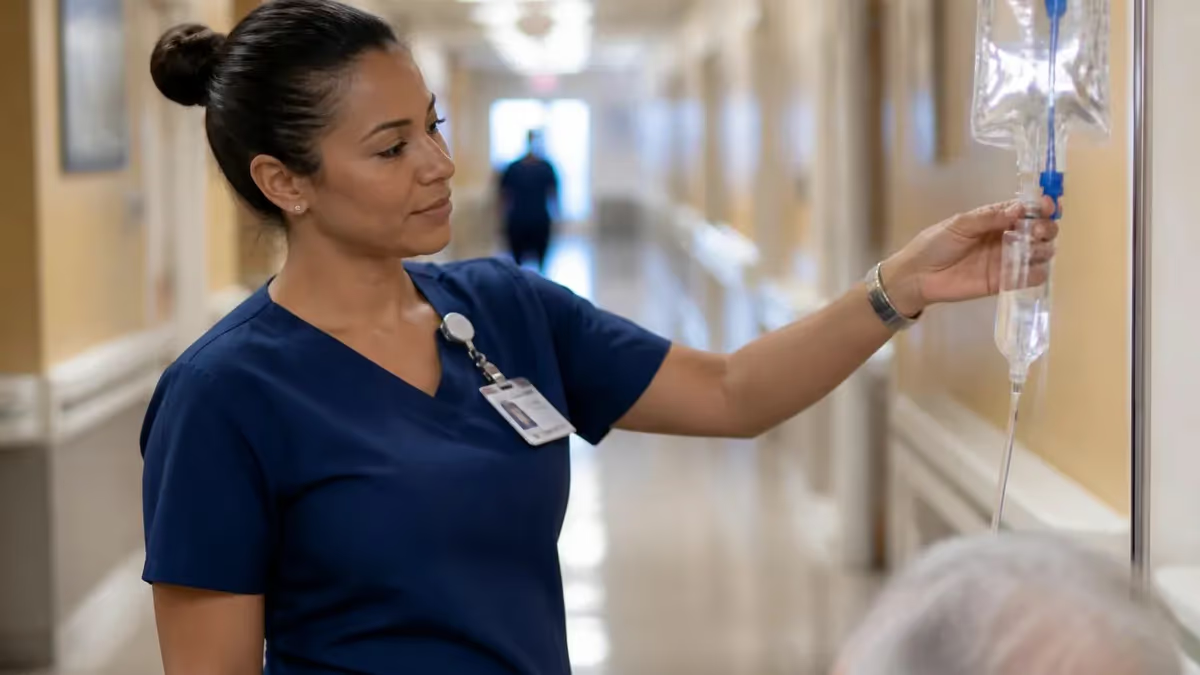
If you are searching for lpn jobs maryland has a steadily growing pipeline of openings across hospitals, long-term care facilities, home health agencies, and community clinics. Maryland's healthcare sector is anchored by some of the Mid-Atlantic's largest health systems, and the demand for licensed practical nurses is strong enough that qualified candidates often receive multiple offers within weeks of starting their search. Understanding where the jobs are, what salaries to expect, and what employers look for gives you a meaningful edge before you even submit your first application.
Maryland's proximity to Washington D.C. creates a dense concentration of federal health agencies, military treatment facilities, and nonprofit health organizations that collectively hire hundreds of LPNs each year. Whether you want to work in busy Baltimore, settle into a suburban clinic in Montgomery County, or take on a home-health caseload in the more rural Eastern Shore, the state offers enough geographic variety to suit almost every lifestyle preference. Each region has its own wage scales, patient populations, and specialty demand, so knowing the landscape helps you target the most rewarding positions.
The Bureau of Labor Statistics projects that demand for licensed practical and licensed vocational nurses will grow roughly 5 percent through 2032 nationally, and Maryland consistently outpaces that average because of its aging population and the continued expansion of outpatient and home-based care models. Facilities across the state are actively competing for experienced LPNs, which means signing bonuses, tuition reimbursement, and flexible scheduling are now common recruiting tools rather than rare perks. Knowing this use exists helps you negotiate smarter.
Before you can apply, you need an active Maryland LPN license issued by the Maryland Board of Nursing. That means completing an approved practical nursing program, passing the NCLEX-PN examination, and keeping your credentials current through continuing education. If you trained in another state, Maryland participates in the Nurse Licensure Compact, so a multistate license from a compact state transfers automatically, removing a major administrative hurdle for nurses relocating from places like Virginia, Pennsylvania, or Florida.
Salary is one of the first questions job seekers ask, and Maryland delivers competitive compensation. The statewide average LPN annual wage sits around $58,000 to $64,000 depending on the source and year, with top earners in specialized roles or high-cost counties pulling in well above $70,000 when overtime and shift differentials are included. Montgomery County and Prince George's County, which border the D.C. metro, typically offer the highest base wages because the cost of living there demands it and competition for skilled nurses is intense.
Specialty certifications meaningfully expand your earning potential and your job options in Maryland. LPNs who hold wound care, IV therapy, or gerontology certifications are routinely fast-tracked for senior roles in long-term care facilities and earn an average of 8 to 12 percent more than generalist peers. Behavioral health clinics, correctional health services, and pediatric settings also pay premiums for nurses with documented experience in those areas. Building a specialty niche is one of the smartest career investments an LPN can make in this state.
This guide walks through everything you need to know about the Maryland LPN job market in 2026: top employers, regional salary differences, how to write a resume that gets callbacks, and practical strategies for standing out during interviews. Whether you are a new graduate looking for your first position or an experienced nurse ready to make a lateral move into a better-paying role, the sections below give you the specific, actionable information that generic job boards simply do not provide.
LPN Jobs Maryland by the Numbers
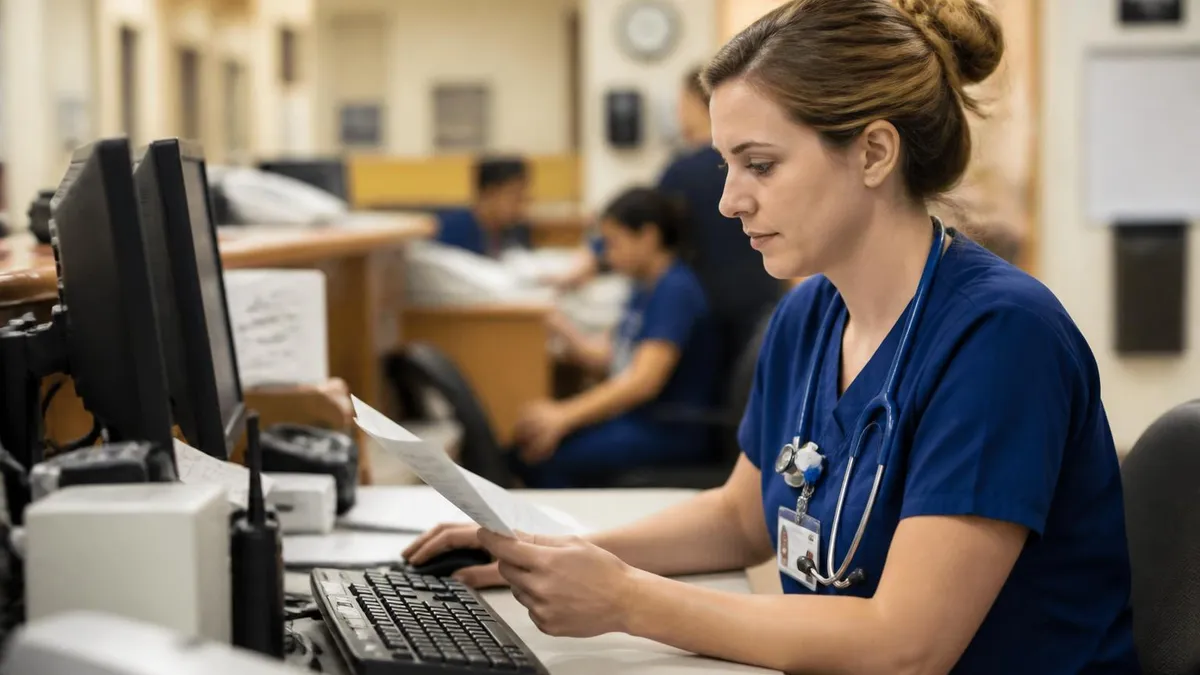
LPN Salary by Maryland Region
The highest-paying region in Maryland for LPNs. Average salaries range from $66,000 to $74,000 annually, driven by high cost of living, large hospital networks, and intense competition for experienced nurses. Shift differentials and overtime frequently push total compensation above $80,000.
Home to Johns Hopkins Health System and University of Maryland Medical System, Baltimore offers strong base pay averaging $60,000 to $68,000. Academic medical centers pay at the higher end; community hospitals and clinics typically sit at mid-range. Union representation at some facilities adds benefit value.
Suburban corridor between Baltimore and D.C. with salaries averaging $58,000 to $65,000. Large outpatient networks, specialty clinics, and growing home health agencies make this region a strong choice for LPNs who prefer regular daytime hours over hospital shift work.
More rural areas where base pay averages $50,000 to $58,000, but the lower cost of living offsets the gap. Critical staffing shortages in these regions mean LPNs often receive retention bonuses, generous PTO, and flexible scheduling that urban facilities rarely offer.
Maryland's top employers for LPNs span a wide range of healthcare settings, and knowing who is actively hiring — and what each organization values — helps you direct your energy toward applications most likely to convert. Johns Hopkins Health System, with campuses in Baltimore, Howard County, and Montgomery County, maintains one of the largest and most consistent LPN pipelines in the state. Hopkins values evidence-based practice, continuing education, and specialty certification, so highlighting those elements in your application dramatically improves your callback rate with their recruiters.
The University of Maryland Medical System (UMMS) is another powerhouse employer operating more than a dozen hospitals and a vast network of outpatient centers. UMMS has invested heavily in nurse retention programs, including tuition reimbursement for LPNs pursuing RN bridge programs, loan forgiveness participation, and internal transfer policies that let you move between facilities without losing seniority. If career advancement is a priority, UMMS's internal mobility program makes it one of the most attractive long-term employers in the state.
MedStar Health, which operates several Maryland hospitals including MedStar Union Memorial and MedStar Good Samaritan, recruits LPNs primarily for long-term care units, wound care programs, and rehabilitation services. Their hiring process is simplified — typically two interviews and a background check — and positions often move from application to offer in under three weeks for candidates with clean licensure histories and relevant bedside experience. MedStar also offers competitive shift differentials, especially for evening and weekend rotations.
Amedisys and Bayada Home Health are among the state's largest home health employers and consistently rank among the top recruiters for LPNs who prefer community-based care. Home health LPNs in Maryland typically earn a per-visit rate that translates to $55,000 to $68,000 annually for full caseloads, plus mileage reimbursement and flexible scheduling that is genuinely difficult to match in facility-based roles. Both organizations have strong mentorship programs for new LPNs transitioning from inpatient settings.
Long-term care and skilled nursing facilities represent the single largest employment sector for Maryland LPNs. Providers like Genesis Healthcare, Sunrise Senior Living, and Brightview Senior Living operate dozens of facilities across the state and are chronically short-staffed, which translates to consistent overtime availability and signing bonuses that routinely reach $5,000 to $10,000 for experienced candidates. The work is demanding — high patient ratios and complex medication management are the norm — but the scheduling predictability and benefit packages are compelling.
Correctional health services through the Maryland Department of Public Safety and Correctional Services hire LPNs at competitive state salaries with excellent benefits including defined-benefit pensions, which are increasingly rare in the private sector. Positions are available at facilities across the state and typically involve medication administration, chronic disease management, and triage. The work environment is unique and not suited to everyone, but the compensation, job security, and retirement benefits make it a serious option worth researching.
Community health centers funded by the federal Health Resources and Services Administration (HRSA) offer another solid pathway. Maryland has over 30 Federally Qualified Health Centers (FQHCs) that provide primary care to underserved populations, and many hire LPNs at competitive wages with loan forgiveness eligibility through the National Health Service Corps. If you carry student loan debt from your nursing program, working at an FQHC for two to three years can eliminate tens of thousands of dollars in debt while you build strong clinical experience.
LPN Work Settings in Maryland
Hospital-based LPN roles in Maryland are concentrated in long-term care units, rehabilitation floors, and some medical-surgical settings. Facilities like Johns Hopkins Bayview and University of Maryland Medical Center use LPNs alongside RNs, with LPNs typically handling medication administration, wound care, specimen collection, and patient education under RN supervision. Acute care hospitals generally offer the highest base wages and the most strong benefit packages in the state, including tuition reimbursement and shift differentials that can add 10 to 18 percent to your base pay for evening, night, or weekend shifts.
The hospital environment demands strong time-management skills and comfort with rapid patient turnover, especially in step-down and post-surgical units where conditions change quickly. Maryland hospitals that participate in Magnet Recognition programs tend to invest more heavily in LPN development, offering preceptorships, skills labs, and continuing education stipends. If you are a new graduate, landing a hospital position — even in a support LPN role — builds a clinical foundation that commands higher pay and more options when you pursue advancement.
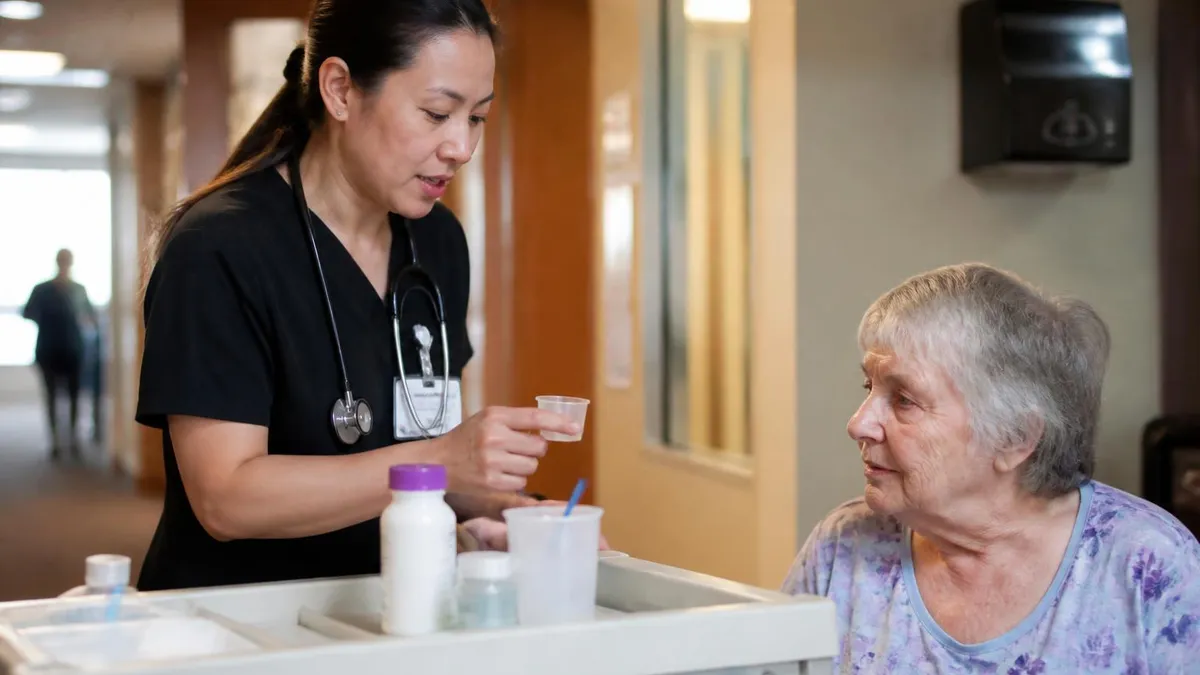
Is Working as an LPN in Maryland Worth It?
- +Competitive salaries averaging $61,000 statewide with higher pay in metro counties
- +Abundant job openings across hospitals, SNFs, home health, and clinics
- +Signing bonuses of $5,000–$10,000 common in long-term care and home health
- +Maryland participates in the Nurse Licensure Compact for easy multi-state transfers
- +Strong career ladder into RN bridge programs with employer tuition support
- +Federal loan forgiveness available at FQHCs and qualifying employers
- −High cost of living in metro counties reduces effective purchasing power
- −Long-term care settings often carry high patient-to-nurse ratios
- −Hospital LPN roles are shrinking as facilities shift to all-RN staffing models
- −Mandatory overtime policies exist at some understaffed facilities
- −Rural Eastern Shore and Western Maryland positions pay significantly less
- −Specialty certifications required for premium pay demand time and exam fees
Maryland LPN Job Search Checklist
- ✓Verify your Maryland LPN license is active on the Maryland Board of Nursing license lookup portal.
- ✓Confirm your Nurse Licensure Compact (NLC) status if you hold a multistate license from another compact state.
- ✓Update your resume to highlight clinical skills, patient populations served, and any specialty certifications.
- ✓Create profiles on Indeed, LinkedIn, and Nurse.com — the three highest-traffic platforms for Maryland LPN postings.
- ✓Research salary ranges by county before any interview so you can negotiate from a position of knowledge.
- ✓Request reference letters from at least two clinical supervisors who can speak to your patient care skills.
- ✓Prepare your NCLEX-PN transcript and nursing school diploma for credentialing packets most large employers require.
- ✓Identify three to five target employers and apply directly through their careers pages, not just aggregator sites.
- ✓Schedule skills refreshers in areas you have not practiced recently — IV therapy, wound care, EHR documentation.
- ✓Follow up on every submitted application within five to seven business days with a brief, professional email.
Compact License = Immediate Eligibility
Maryland joined the Nurse Licensure Compact, which means LPNs licensed in any other compact state can work in Maryland immediately without obtaining a separate state license. If you hold a multistate license, you can legally accept Maryland positions the day you receive a job offer — eliminating weeks of processing delay that used to be a major obstacle for out-of-state nurses relocating to the region.
Crafting a resume that stands out in Maryland's LPN job market requires more specificity than most candidates realize. Generic resumes that list job duties rather than accomplishments get filtered out quickly by applicant tracking systems and recruiter screening. Instead, lead each position entry with quantified achievements: the number of patients you managed per shift, the percentage reduction in medication errors your unit achieved after implementing a new protocol, or the specific wound care modalities you are trained in. Numbers cut through the noise in ways that vague descriptions never can.
Your resume header should include your full name, active Maryland LPN license number, and a direct phone number and professional email address. Listing your license number immediately signals to recruiters that you are licensed and ready to work, which speeds up the screening process at organizations that verify credentials early.
Include a two-to-three sentence professional summary directly below your contact information that names your specialty focus, years of experience, and one differentiating credential or achievement. Recruiters spend an average of six seconds on an initial resume scan, and a strong summary earns you the additional reading time your full work history deserves.
The interview process for Maryland LPN positions varies by employer type. Large health systems like Johns Hopkins and UMMS typically run structured behavioral interviews where you are asked to describe specific past experiences using the STAR format: Situation, Task, Action, Result. Prepare four to six STAR stories that cover common nursing scenarios — a time you caught a medication error, how you handled a deteriorating patient before the RN arrived, an example of effective family communication during a difficult situation. Rehearsing these stories until they flow naturally is the single most impactful interview preparation you can do.
Long-term care and home health employers tend to run shorter, more conversational interviews focused on scheduling availability, comfort with specific patient populations, and physical demands of the role. These interviews often include a skills checklist or a brief clinical scenario assessment rather than formal behavioral questions. Bring your nursing school transcripts, continuing education certificates, and any specialty certification cards to the interview — having physical documentation available demonstrates organization and professionalism that interviewers notice and remember.
Salary negotiation is appropriate and expected in Maryland's current LPN market. Most employers post a salary range, and starting at the midpoint or above is reasonable for candidates with two or more years of experience. If the base salary is non-negotiable, shift your negotiation to signing bonuses, additional PTO days, tuition reimbursement caps, or scheduling preferences. Home health and long-term care employers in particular have flexibility on total compensation structure even when base wages are constrained by budget bands. Knowing your market value — and being able to articulate it calmly and specifically — consistently results in better offers.
Professional references carry outsized weight in Maryland healthcare hiring because the nursing community in the state is smaller than it appears. Recruiters at competing facilities often know each other, and a glowing reference from a known nurse manager travels further than applicants typically expect. Cultivate relationships with two or three supervisors who genuinely understand your work and will take the time to provide detailed, specific feedback when called. Generic references from coworkers or distant supervisors who barely remember you actively hurt your candidacy at organizations that probe deeply.
Networking through Maryland-specific professional organizations accelerates your job search meaningfully. The Maryland Nurses Association hosts regional meetings, job fairs, and continuing education events that put you in direct contact with hiring managers outside of formal application processes. LinkedIn connections to Maryland-based nurse recruiters — even a brief introductory message explaining your background and what you are looking for — frequently lead to conversations about positions that are not yet publicly posted. In a market as competitive as Maryland's, these warm-channel opportunities often convert faster than cold applications to advertised positions.
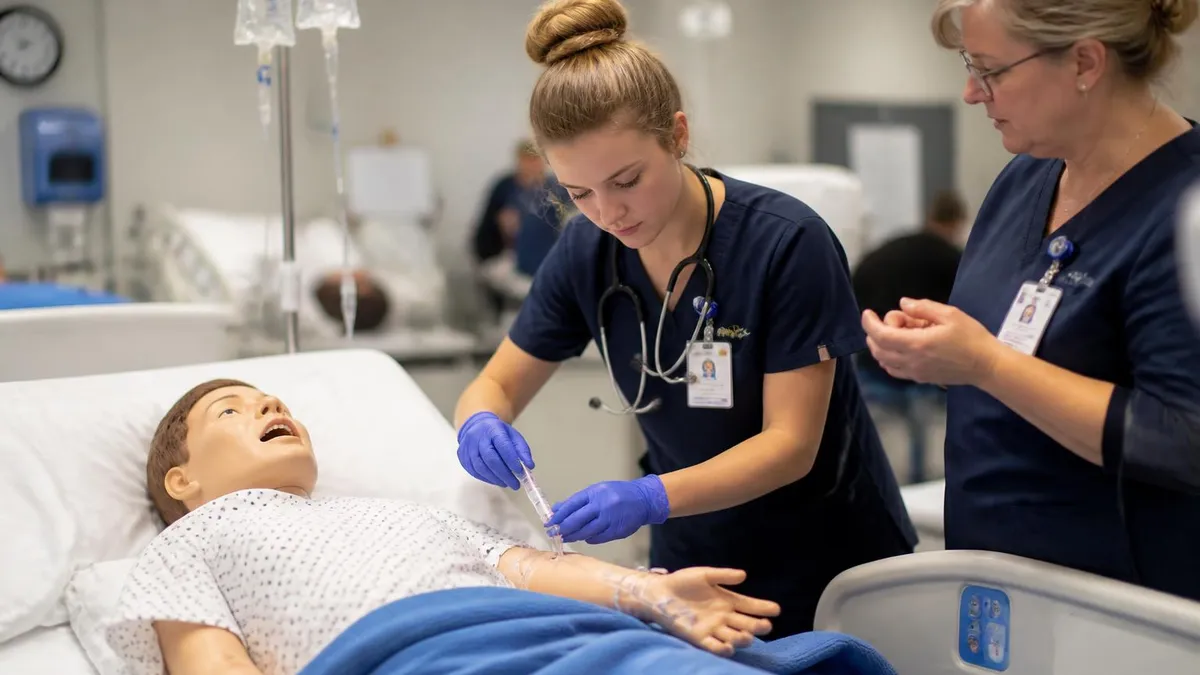
Maryland LPN licenses must be renewed every two years, and practicing on an expired license — even unintentionally — can result in disciplinary action that follows your record permanently. Check your renewal date on the Maryland Board of Nursing website well before it arrives, complete the required continuing education hours, and submit your renewal at least 30 days early to avoid processing delays that could interrupt your employment eligibility.
Career advancement is a realistic and well-supported goal for Maryland LPNs who are strategic about their professional development. The most direct pathway is an LPN-to-RN bridge program, which builds on your existing practical nursing credential to earn a registered nurse license in as little as 12 to 18 months through an accelerated format.
Maryland has several strong bridge programs, including offerings from Community College of Baltimore County, Montgomery College, and Anne Arundel Community College, many of which are designed for working LPNs and schedule classes around existing shift patterns. Employer tuition reimbursement can offset 50 to 100 percent of program costs at organizations like UMMS and MedStar, making the financial barrier much lower than most LPNs assume.
Specialty certifications are the fastest way to increase earnings without changing employers or completing a full degree program. The American Association of Post-Acute Care Nursing (AAPACN) offers the Restorative Nursing Assistant Certification and the CDONA for directors of nursing, both of which are valued in Maryland's large long-term care sector.
The Wound, Ostomy and Continence Nursing Certification Board offers wound care credentials specifically targeted to LPN scope of practice in states like Maryland. Each of these certifications typically requires a combination of documented clinical hours and a written examination, and most employers will reimburse exam fees for nurses who agree to remain with the organization for one to two years after certification.
Charge nurse and supervisor roles within long-term care represent another advancement path that does not require additional academic credentials. Many Maryland SNFs promote experienced LPNs into charge positions that carry supervisory responsibility over certified nursing assistants and shift-level clinical decision-making authority. These roles typically pay $3 to $6 more per hour than staff LPN positions and build management experience that transfers directly to director of nursing programs for LPNs who eventually want to move into administration without completing an RN degree first.
Home health case management is a growing specialization that suits experienced Maryland LPNs who are comfortable working autonomously. Some agencies have created senior LPN roles that involve care coordination, supervising home health aide schedules, and liaising between patients, families, and physician offices. These positions blur the line between clinical and administrative work and typically pay in the upper range of LPN compensation — $68,000 to $75,000 for experienced practitioners — while offering the scheduling flexibility that makes home health attractive in the first place.
Behavioral health is one of the fastest-expanding specialty areas for Maryland LPNs, driven by the state's significant investment in mental health and substance use treatment infrastructure following years of underfunding. Outpatient behavioral health clinics, residential treatment programs, and crisis stabilization units all hire LPNs for medication management, vital signs monitoring, patient education, and care coordination roles. These settings require comfort with psychiatric presentations and strong de-escalation communication skills, but they rarely require formal psychiatric certification for LPN-level roles, making them accessible to nurses willing to build the experiential knowledge on the job.
Federal employment through the Veterans Affairs Maryland Health Care System — which operates facilities in Baltimore, Perry Point, and Fort Howard — represents a compelling long-term option. Federal LPN positions fall under the GS pay scale and typically offer total compensation packages, including pension, health insurance, and leave benefits, that exceed private sector equivalents by 15 to 20 percent. Federal hiring is slower and more bureaucratic than private sector processes, but the job security, retirement benefits, and mission-driven environment make the wait worthwhile for many nurses. Veterans who are also LPNs receive preference points that meaningfully improve their competitive standing.
Regardless of which path you choose, investing consistently in your professional development — attending conferences, maintaining certifications, building clinical skills in emerging areas like telehealth nursing or care transitions — keeps your resume competitive and your options open in Maryland's dynamic healthcare market. The nurses who advance most quickly are not necessarily the most technically skilled; they are the ones who communicate their value clearly, build relationships deliberately, and approach every role as both a job and a learning platform for what comes next.
Practical preparation for your Maryland LPN job search begins well before you send the first application. Set up job alerts on Indeed, LinkedIn, Glassdoor, and the Maryland Health Care Commission's workforce portal so new postings reach your inbox the day they go live — speed matters because the best positions in competitive markets like Baltimore and Montgomery County regularly close within a week of posting. Apply to five to ten positions simultaneously rather than waiting for responses before submitting new applications, because the healthcare hiring pipeline moves unpredictably and volume improves your odds substantially.
Tailor each application to the specific employer rather than using a one-size-fits-all resume and cover letter. Review the job posting carefully, identify the three to four qualifications the employer emphasizes most, and mirror that language in your resume summary and cover letter opening paragraph. Applicant tracking systems score resumes partly on keyword alignment with the job description, so a resume that echoes the posting's specific phrases — wound care management, medication administration, electronic health records, patient and family education — scores higher in automated screening and reaches human reviewers more frequently.
Your digital presence matters more than most LPNs realize. A complete, professional LinkedIn profile with a current headshot, accurate work history, and a few skill endorsements signals seriousness to the growing number of Maryland recruiters who use LinkedIn proactively to source candidates. Join the Maryland Nurses Association LinkedIn group and participate in conversations — commenting thoughtfully on posts about healthcare workforce issues gets your name and profile in front of hiring managers who are also monitoring those communities for engaged, communicative candidates.
Prepare for common clinical scenario questions before any interview. Maryland employers, particularly those hiring for long-term care and home health, frequently ask scenario-based questions to assess judgment: What would you do if a patient's blood pressure dropped suddenly during a medication pass? How would you handle a family member who insists on a medication their relative is allergic to? Thinking through these scenarios in advance — not memorizing scripts, but genuinely working through your clinical reasoning — helps you answer calmly and completely under interview pressure.
Benefit comparison is as important as salary comparison when evaluating Maryland LPN offers. A position paying $28 per hour with employer-paid health insurance, a 4 percent retirement match, and $5,000 in annual tuition reimbursement may be more valuable than one paying $31 per hour with minimal benefits. Calculate total compensation, not just hourly rate, and factor in commute costs, parking fees, and uniform requirements that vary significantly between employers. Home health agencies frequently offer mileage reimbursement and flexible hours that offset slightly lower hourly rates compared to facility-based roles.
If you are a new graduate, consider applying for LPN residency or transition-to-practice programs, which several Maryland health systems now offer. These structured programs pair new graduates with experienced nurse mentors for the first 90 to 180 days, provide skills labs and simulation training, and ease the adjustment to full clinical responsibility. Completing a residency program signals commitment and professional seriousness to future employers, and the mentorship often accelerates clinical competency development far faster than independent on-the-job learning alone would achieve.
Finally, keep your NCLEX preparation sharp even after licensure. Many Maryland employers, particularly hospitals and large health systems, assess clinical knowledge during the hiring process through standardized tests like the ATI or HESI competency assessments. LPNs who have been in practice for several years sometimes struggle with these evaluations if they have not engaged with standardized testing since their initial licensure. Reviewing pharmacology, physiological adaptation, and care coordination content — the domains most commonly emphasized in employer assessments — before your interviews keeps your knowledge assessment-ready and demonstrates to employers that you take clinical currency seriously.
LPN Questions and Answers

LPN Requirements 2026: Complete Guide to Becoming a Licensed Practical Nurse

LPN IV Certification: Complete 2026 Guide to Training, Requirements & Cost

Online LPN to RN Programs: Bridge to Your RN License Without Leaving Work

LPN Programs in Florida: Complete 2026 Guide to Accredited Schools, Costs, Requirements & Licensure

LPN Salary Wisconsin 2026: Average Pay, Top Cities, and How to Earn More
About the Author

Registered Nurse & Healthcare Educator
Johns Hopkins University School of NursingDr. Sarah Mitchell is a board-certified registered nurse with over 15 years of clinical and academic experience. She completed her PhD in Nursing Science at Johns Hopkins University and has taught NCLEX preparation and clinical skills courses for nursing students across the United States. Her research focuses on evidence-based exam preparation strategies for healthcare certification candidates.
Join the Discussion
Connect with other students preparing for this exam. Share tips, ask questions, and get advice from people who have been there.
View discussion (7 replies)