
Kaiser LPN Jobs: Complete Guide to Working as an LPN at Kaiser Permanente
Explore Kaiser LPN jobs — salary, requirements, hiring tips & how to stand out. Your complete 2026 September guide to landing an LPN role at Kaiser Permanente. ✅
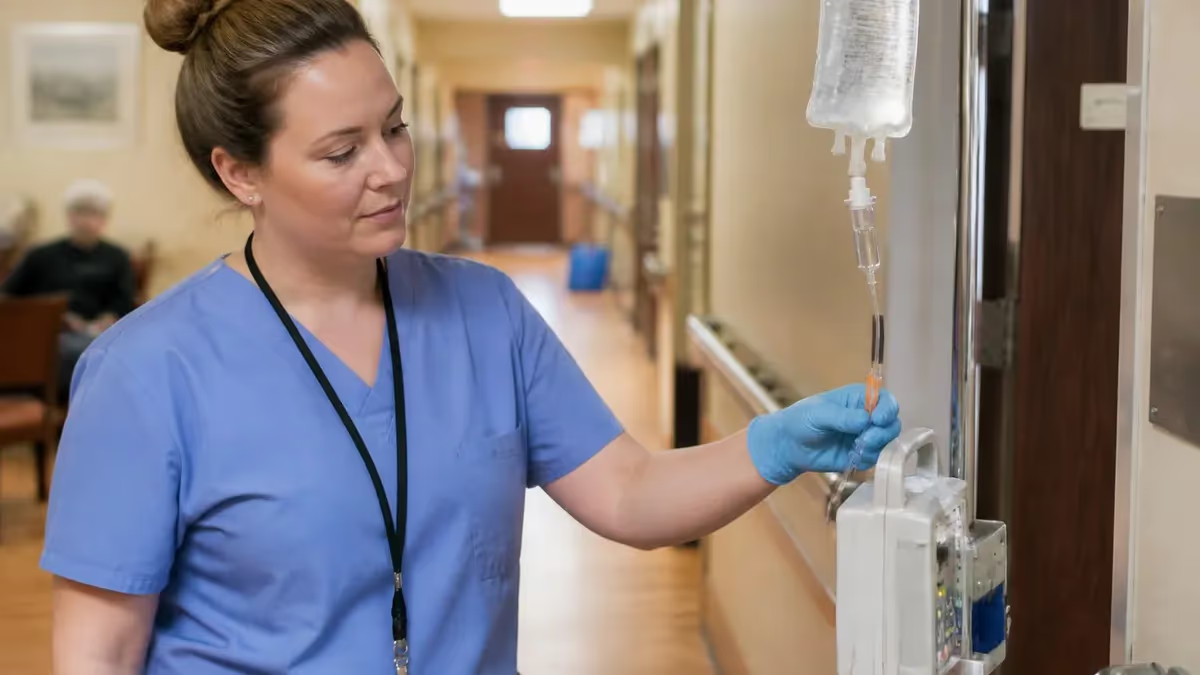
Kaiser LPN jobs represent some of the most sought-after positions in practical nursing, and for good reason. Kaiser Permanente is one of the largest nonprofit health systems in the United States, employing tens of thousands of nurses across eight states and Washington D.C. For Licensed Practical Nurses who want competitive pay, strong benefits, and a mission-driven workplace, Kaiser offers an environment that stands apart from most hospital systems. Understanding how hiring works and what Kaiser looks for can give you a significant edge in a competitive applicant pool.
Licensed Practical Nurses at Kaiser Permanente work across a wide range of clinical settings, including medical offices, urgent care centers, surgical prep units, ambulatory care clinics, and specialty departments. The scope of practice can vary by state, but most Kaiser LPN roles involve taking patient histories, performing vital signs, administering medications, carrying out physician-directed treatments, and educating patients about care plans. The integrated model Kaiser uses — where the insurance and care delivery are unified — means LPNs often coordinate care more directly than in traditional fee-for-service settings.
If you are exploring kaiser lpn jobs as part of a broader career strategy, it helps to understand the credentialing landscape before you apply. Kaiser typically requires that candidates hold an active state LPN license, have completed an accredited practical nursing program, and carry a current BLS certification. Some positions, particularly in specialty units, may require additional certifications or a minimum number of years of clinical experience. Meeting these baseline requirements is the starting point, not the finish line.
Compensation at Kaiser Permanente tends to run above the national average for LPNs. In California — Kaiser's largest market — LPN hourly rates frequently range from $30 to $48 per hour depending on location, specialty, and years of experience. Benefits packages typically include medical, dental, and vision coverage for employees and dependents, pension plans or 401(k) matching, tuition reimbursement for continuing education, and generous paid time off. For nurses who plan to eventually pursue RN licensure, Kaiser's tuition support programs can be a meaningful financial advantage.
The application process at Kaiser Permanente is conducted through their centralized career portal. Positions are posted by region, and applicants are encouraged to apply for roles in the specific service area where they want to work. Resumes that clearly highlight clinical skills, specific procedures performed, and patient population experience tend to advance faster through initial screening. Many Kaiser hiring managers also note that applicants who demonstrate familiarity with electronic health records — particularly Epic, which Kaiser uses — are viewed more favorably.
Competition for Kaiser LPN positions is real, but it is not insurmountable. Kaiser hires thousands of nurses annually across its network, and turnover in outpatient settings creates consistent demand for qualified LPNs. Candidates who invest in preparation — both in sharpening clinical skills and in understanding Kaiser's culture and values — give themselves a meaningful advantage. Kaiser emphasizes equity, prevention-focused care, and team-based practice, and they look for nurses who align with those principles.
Whether you are a new graduate looking for your first professional role or an experienced LPN ready to make a career move, understanding the landscape of Kaiser LPN hiring is an important first step. This guide walks through everything you need to know — from qualifications and pay to interview preparation and long-term career growth within the Kaiser system.
Kaiser LPN Jobs by the Numbers

Core Requirements for Kaiser LPN Jobs
You must hold a current, unrestricted LPN license in the state where the Kaiser facility is located. Kaiser verifies licensure through state nursing boards, and any disciplinary history may affect eligibility. Multi-state compact licenses are accepted where applicable.
Graduation from a state-approved or ACEN-accredited practical nursing program is required. Kaiser recruiters look at program reputation and clinical hour requirements. Programs that include hospital rotations or Kaiser-affiliated clinical placements carry additional weight during screening.
A current Basic Life Support (BLS) certification from the American Heart Association is required for all clinical roles. Some specialty positions also require ACLS or additional emergency response credentials. Certification must be kept current throughout employment.
Most Kaiser LPN postings request at least one year of recent clinical experience, though some entry-level positions in outpatient clinics accept new graduates. Specialty units such as oncology, perioperative care, or pediatrics typically require two or more years of relevant experience.
Kaiser Permanente runs on Epic, one of the most widely used electronic health record platforms. Demonstrated experience with Epic — or comparable systems like Cerner or Meditech — is strongly preferred. Candidates with Epic training or certification stand out in competitive markets.
Understanding what Kaiser Permanente pays Licensed Practical Nurses is essential for evaluating whether a position fits your financial goals. Kaiser is consistently recognized as one of the top-paying health systems for nursing staff, and LPN compensation reflects this reputation. In California, which accounts for the largest share of Kaiser's workforce, LPN hourly wages typically range from $28 to $50 per hour depending on region, specialty, and union contract. The Service Employees International Union (SEIU) and other labor organizations represent many Kaiser employees, and collective bargaining agreements often establish wage floors that significantly exceed the statewide average.
Beyond base pay, Kaiser's total compensation package is a major draw for LPN candidates. Health coverage is comprehensive and typically begins on the first day of employment, covering medical, dental, and vision for the employee and eligible dependents. Kaiser's pension plan — a defined benefit plan for eligible employees — is a rare and valuable perk in today's nursing job market, where most employers have moved exclusively to 401(k)-style plans. Employees who remain with Kaiser long-term can accumulate significant pension benefits that supplement Social Security retirement income.
Paid time off at Kaiser is generous by industry standards. Full-time LPNs generally accrue between 15 and 25 days of PTO per year depending on tenure, plus paid holidays. Kaiser also provides paid sick leave separate from PTO in many regions, which means nurses rarely have to choose between their health and their paycheck. Extended illness bank programs allow employees to protect income during longer medical absences.
Tuition reimbursement is one of the most strategically important benefits for LPNs who want to advance their nursing career. Kaiser typically reimburses up to $5,250 per year in tuition costs for eligible education programs, which aligns with the IRS tax-free educational assistance limit. For an LPN pursuing an LPN-to-RN bridge program — which can cost $10,000 to $25,000 total — Kaiser's tuition benefit meaningfully reduces out-of-pocket expense over a two to three year program timeline.
Shift differentials add additional earning potential for LPNs willing to work evenings, nights, or weekends. Kaiser typically pays a 10 to 20 percent differential for off-shift hours, which means a night-shift LPN earning a $38 base hourly rate could take home the equivalent of $42 to $46 per hour. Over a 40-hour week, these differentials translate into meaningful annual income differences — often $8,000 to $15,000 more per year compared to straight day-shift employment.
Geographic variation within Kaiser's network is worth understanding when comparing job postings. Kaiser operates in California, Colorado, Georgia, Hawaii, Maryland, Oregon, Virginia, and Washington state. California markets — particularly the Bay Area and Southern California — carry the highest LPN wages, often 30 to 40 percent above the national median. Pacific Northwest Kaiser positions in Oregon and Washington offer competitive pay as well, typically in the $32 to $42 per hour range. Georgia and Colorado positions tend to be slightly lower but still above national averages.
Union membership affects compensation and working conditions in most Kaiser markets. Kaiser has a long-standing Labor Management Partnership with its unions, which means union-represented LPNs have formal channels to negotiate working conditions, raise safety concerns, and access career development resources. For nurses who have not worked in a unionized environment before, Kaiser's system can feel structured and rule-bound, but most nurses report that union protections translate into better staffing ratios and fairer scheduling practices compared to non-union facilities.
Kaiser LPN Work Settings and Clinical Specialties
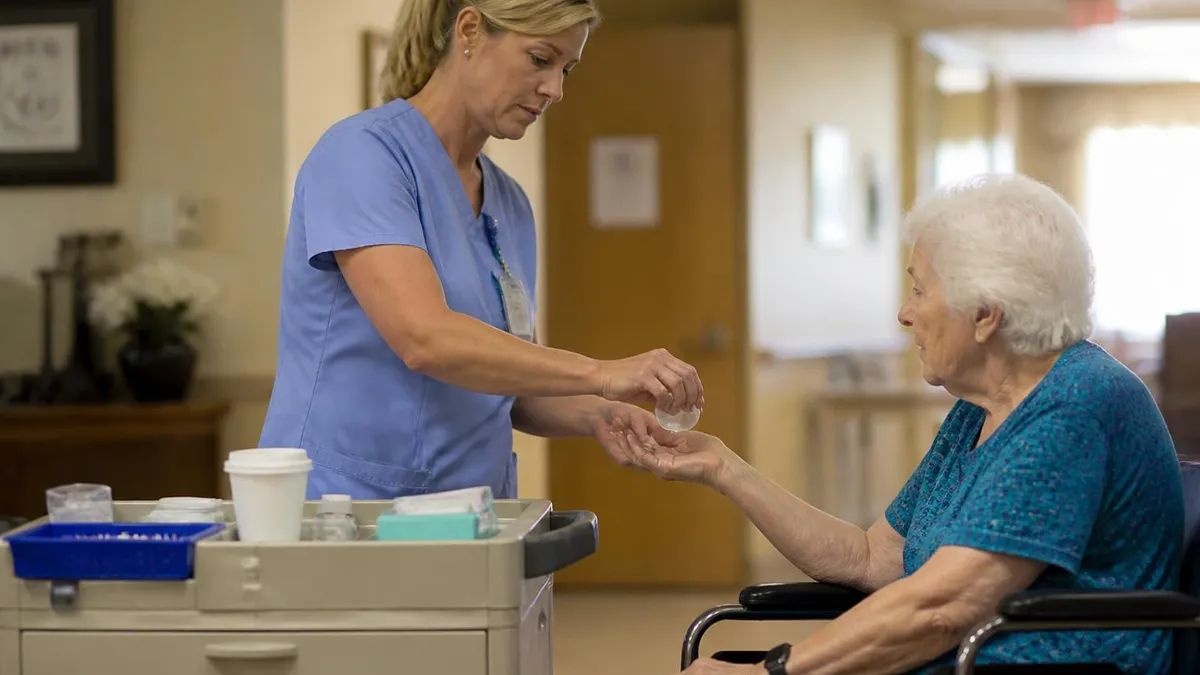
The majority of Kaiser LPN positions are in outpatient medical office settings, where nurses support primary care and specialty physicians in high-volume clinical environments. In these roles, LPNs perform patient intake assessments, collect vital signs, administer immunizations and injections, process lab orders, and coordinate follow-up care. The pace is fast and the patient population is diverse, making outpatient clinic positions ideal for LPNs who thrive on variety and direct patient interaction across all age groups.
Outpatient LPN roles at Kaiser also involve significant phone triage and care coordination work, particularly in larger medical office buildings. LPNs often serve as the primary point of contact for patients calling about medication refills, test results, or symptom concerns. This requires strong clinical judgment, excellent communication skills, and comfort navigating Kaiser's Epic EHR to document interactions and flag issues for physician review. Bilingual LPNs are especially valued in high-demand markets where large patient populations speak Spanish, Mandarin, Vietnamese, or Tagalog.
Working at Kaiser as an LPN: Pros and Cons
- +Compensation is consistently above the national average for LPNs, especially in California markets
- +Comprehensive benefits package including pension, medical, dental, and vision coverage from day one
- +Tuition reimbursement up to $5,250 per year supports LPN-to-RN bridge programs and continuing education
- +Union representation in most markets provides job security, fair scheduling, and formal grievance processes
- +Integrated care model reduces administrative friction and supports more coordinated, patient-centered nursing practice
- +Career growth pathways within Kaiser allow motivated LPNs to advance to RN, care manager, or supervisory roles
- −High competition for open LPN positions in desirable markets like the Bay Area and Southern California
- −Union work rules can feel restrictive to nurses accustomed to more flexible non-union environments
- −Outpatient clinic pace can be intense with high patient volumes and significant documentation expectations
- −Epic EHR proficiency is essentially required, creating a learning curve for nurses coming from non-Epic systems
- −Geographic concentration means Kaiser LPN jobs are not available in most U.S. states
- −Advancement to RN roles requires additional education investment even with tuition support in place
Kaiser LPN Application Checklist
- ✓Verify your LPN license is active and unrestricted in the state where you are applying
- ✓Obtain or renew your American Heart Association BLS certification before submitting your application
- ✓Create a profile on Kaiser Permanente's official careers portal and set up job alerts for LPN openings in your region
- ✓Tailor your resume to highlight specific clinical procedures, patient populations, and EHR systems you have used
- ✓Document any Epic EHR experience prominently, including specific modules and workflows you have used
- ✓Gather three professional references, ideally including at least one supervising nurse or physician who can speak to your clinical skills
- ✓Review Kaiser's mission, vision, and thrive competencies online so you can speak to cultural alignment in your cover letter
- ✓Prepare concrete examples of patient care scenarios using the STAR method (Situation, Task, Action, Result) for behavioral interview questions
- ✓Research the specific Kaiser service area and department you are applying to so you can ask informed questions during the interview
- ✓Follow up on your application status through the careers portal after seven to ten business days if you have not received a response
Epic EHR Experience Is a Differentiator
Kaiser Permanente uses Epic across all of its facilities, and hiring managers consistently report that candidates with demonstrated Epic proficiency advance faster through the hiring process. If you have not worked in Epic before, consider completing a free or low-cost Epic training course through a community college or online platform before you apply — it signals technical readiness and initiative that resonates strongly with Kaiser recruiters.
Preparing strategically for the Kaiser Permanente hiring process gives candidates a measurable advantage in a competitive applicant pool. Kaiser's recruitment approach typically involves an online application screening phase, a phone or video interview with a recruiter or hiring manager, and — for candidates who advance — a panel interview with department leaders and sometimes staff nurses. Understanding each stage helps you allocate your preparation time effectively and show up to each conversation with confidence and relevant examples ready to go.
The online application at Kaiser is more detailed than a simple resume submission. You will be asked to answer competency-based screening questions about your clinical experience, patient care approach, and familiarity with Kaiser's care model. These questions are evaluated before a human recruiter even reviews your resume in many cases, so answering them thoughtfully and completely is essential. Candidates who provide vague or minimal answers to screening questions are often filtered out before reaching the phone interview stage, even if their clinical background is strong.
Phone interviews at Kaiser typically last 20 to 30 minutes and focus on your clinical background, why you are interested in Kaiser specifically, and your availability. Recruiters are listening for alignment with Kaiser's values — which include quality, safety, equity, and compassion — and for communication clarity. Nurse candidates who can describe their clinical work in concrete, specific terms rather than generalities tend to move forward. Mentioning familiarity with Kaiser's integrated care model and the Labor Management Partnership, if applicable to your market, signals that you have done your homework.
Panel interviews are the most consequential stage of the Kaiser hiring process. A typical panel might include the department manager, a charge nurse, and an HR representative. You can expect behavioral interview questions that ask you to describe specific past situations using the STAR format.
Common themes include conflict resolution with a colleague or patient, a time you identified a patient safety concern, how you prioritize competing tasks during a busy shift, and how you have handled a situation where you were not sure what to do next. Preparing five to seven strong STAR stories that cover these themes gives you the flexibility to adapt your answers to whatever the panel asks.
Cultural fit is evaluated formally at Kaiser in ways that might surprise candidates coming from less structured health systems. Kaiser uses a set of core competencies — including service orientation, teamwork, and continuous improvement — that panel members are trained to assess. Interviewers take notes using standardized scoring rubrics, and hiring decisions involve consensus from all panel members. This means a single impressive answer to one panelist may not outweigh a weak response to another, so consistency across the entire interview is important.
After the panel interview, Kaiser's hiring timelines can vary significantly by region and department. Some candidates receive offers within a week; others may wait three to four weeks for a decision, particularly when multiple candidates are being evaluated or when a position requires additional background check steps. Sending a brief thank-you email to the recruiter within 24 hours of your panel interview is a professional touch that few candidates take and that hiring managers do notice and appreciate.
Background checks at Kaiser are thorough and cover criminal history, license verification, employment verification for the past seven years, and drug testing. Kaiser is a drug-free workplace, and the drug screening includes testing for marijuana in states where recreational use is legal. This catches some candidates off guard, so it is worth knowing in advance. Reference checks typically follow rather than precede the conditional offer stage, so you will usually know that an offer is likely before your references are contacted.
Kaiser Permanente maintains a drug-free workplace policy that includes testing for marijuana regardless of state law on recreational use. Pre-employment drug screening is conducted after a conditional offer is made, and a positive result will typically result in withdrawal of the offer. Plan accordingly well before you begin your application process to avoid this common and avoidable disqualifier.
One of the most compelling reasons to pursue a career at Kaiser Permanente as an LPN is the genuine potential for long-term career growth within the organization. Kaiser is large enough to offer multiple advancement pathways but structured enough to provide formal support for nurses who want to move forward. Whether your goal is to become a Registered Nurse, move into nursing leadership, or develop a specialty area of clinical expertise, Kaiser has programs and resources designed to help you get there.
The LPN-to-RN bridge pathway is the most common advancement route for Kaiser LPNs. Kaiser's tuition reimbursement benefit helps offset the cost of bridge programs, and the organization actively supports employees who pursue additional education. Many Kaiser facilities have partnerships with local community colleges and universities that offer LPN-to-RN programs on flexible schedules designed for working nurses. Internal job postings for RN positions give current Kaiser employees a first-look advantage, and managers are generally supportive of LPNs who are in school and working toward licensure.
For LPNs who want to deepen their expertise without pursuing RN licensure, Kaiser offers specialty certification support. The organization may reimburse costs for certifications such as Certified Medical Assistant credentials, wound care certification, IV therapy certification, or specialty-specific credentials. Specialty-certified LPNs typically qualify for higher pay rates within union wage scales, creating a financial incentive to pursue additional credentials beyond the base LPN license.
Leadership development at Kaiser is accessible to LPNs who demonstrate initiative and strong performance. LPN Team Lead roles exist in many outpatient settings, where experienced LPNs take on additional responsibilities such as orienting new staff, coordinating workflows, and serving as a liaison between clinical staff and management. These roles typically include a pay differential and provide a foundation for nurses interested in eventually moving into supervisory or management positions as RNs.
Kaiser's internal mobility is a significant career asset. Employees who want to try a different service line, move to a different geographic region, or explore a different type of clinical setting can apply to internal transfers and are given priority consideration over external candidates in most cases. This means that an LPN who starts in primary care outpatient can eventually transition to urgent care, a specialty clinic, or a different Kaiser region without losing seniority, benefits, or pension accrual — a level of career flexibility that most health systems cannot match.
Mentorship programs at Kaiser connect newer nurses with experienced clinical staff who provide guidance on skill development, career planning, and navigating the organizational culture. These programs are particularly valuable for LPNs who are new to Kaiser or new to the healthcare field. Peer mentor relationships often extend beyond formal program timelines and evolve into professional networks that support nurses throughout their careers at Kaiser and beyond.
For LPNs considering the full landscape of kaiser lpn jobs, the combination of competitive pay, strong benefits, genuine career development support, and a mission-driven organizational culture makes Kaiser Permanente one of the most attractive employers in practical nursing. The hiring process requires preparation and persistence, but nurses who invest the effort to understand what Kaiser values and who demonstrate those values clearly in their applications and interviews find that the opportunity is well worth pursuing.
Practical preparation for a career at Kaiser Permanente starts well before you submit your first application. Nurses who eventually land Kaiser LPN positions typically share a few common habits: they have kept their clinical skills current, they have invested in documentation of their competencies, and they have taken deliberate steps to align their professional profile with what Kaiser hiring managers are looking for. Replicating these habits puts you in a much stronger position than simply applying and hoping for the best.
One of the most effective steps you can take right now is to pursue Epic EHR training if you have not already worked in an Epic environment. Epic offers a free online learning platform called Epic UserWeb, and some community colleges offer affordable Epic training courses. Even a basic familiarity with Epic terminology, module navigation, and documentation principles signals to Kaiser recruiters that you are technically prepared and have taken initiative. This small investment of time can meaningfully differentiate your resume from other candidates with similar clinical backgrounds.
Keeping your continuing education credits current and documenting them carefully is another preparation strategy that pays dividends. Kaiser values nurses who demonstrate ongoing professional development, and the specifics of your CE history — not just the total hours — can be meaningful in an interview. Completing CE modules in areas relevant to the Kaiser specialty you are targeting (such as chronic disease management for primary care roles, or oncology-specific CE for infusion center positions) demonstrates focused professional commitment that generic CE hours do not.
Networking within the Kaiser ecosystem is a realistic and underused strategy for LPN job seekers. Kaiser nurses who are already employed are often willing to speak informally with prospective applicants, either through professional platforms like LinkedIn or through nursing school alumni networks. A genuine informational conversation with a working Kaiser LPN can give you real insight into department culture, typical daily workflows, and what the hiring process felt like from the inside. This kind of ground-level intelligence is far more valuable than anything you will find on a corporate careers page.
Practicing your clinical communication out loud is a preparation strategy that many nurses underestimate. Kaiser panel interviews include questions about patient education, conflict resolution, and care coordination that require you to speak clearly and concisely under mild pressure. Recording yourself answering sample interview questions and playing back the recording helps you identify habits like filler words, run-on answers, or unclear clinical explanations that you can correct before the actual interview. Five or six practice sessions over the week before your interview can noticeably improve your delivery and confidence.
Understanding Kaiser's organizational priorities can also sharpen your interview performance and your cover letter. Kaiser publishes annual reports, quality goals, and community benefit commitments on its website. Familiarity with Kaiser's Equity Agenda — a multi-year initiative to address racial disparities in health outcomes — allows you to speak authentically about how your patient care philosophy aligns with Kaiser's organizational direction. Candidates who reference specific Kaiser initiatives rather than speaking in generic terms about nursing values consistently make stronger impressions on panel interviewers.
Finally, building your NCLEX-PN knowledge base remains relevant even after licensure, because the clinical reasoning tested on the NCLEX — including pharmacology, patient safety, and coordinated care — maps directly onto the skills Kaiser LPNs use every day. Refreshing your knowledge in these areas, particularly through practice questions that mirror real clinical scenarios, keeps your clinical thinking sharp and prepares you to answer competency-based interview questions with specific, clinically grounded examples. Treat ongoing exam-level preparation as a professional maintenance habit, not just a one-time licensing hurdle.
LPN Questions and Answers

LPN Requirements 2026: Complete Guide to Becoming a Licensed Practical Nurse

LPN IV Certification: Complete 2026 Guide to Training, Requirements & Cost

LPN Programs in Florida: Complete 2026 Guide to Accredited Schools, Costs, Requirements & Licensure

LPN Salary Wisconsin 2026: Average Pay, Top Cities, and How to Earn More

LPN Duties: Complete Guide to Daily Responsibilities and Scope of Practice
About the Author

Registered Nurse & Healthcare Educator
Johns Hopkins University School of NursingDr. Sarah Mitchell is a board-certified registered nurse with over 15 years of clinical and academic experience. She completed her PhD in Nursing Science at Johns Hopkins University and has taught NCLEX preparation and clinical skills courses for nursing students across the United States. Her research focuses on evidence-based exam preparation strategies for healthcare certification candidates.
Join the Discussion
Connect with other students preparing for this exam. Share tips, ask questions, and get advice from people who have been there.
View discussion (7 replies)